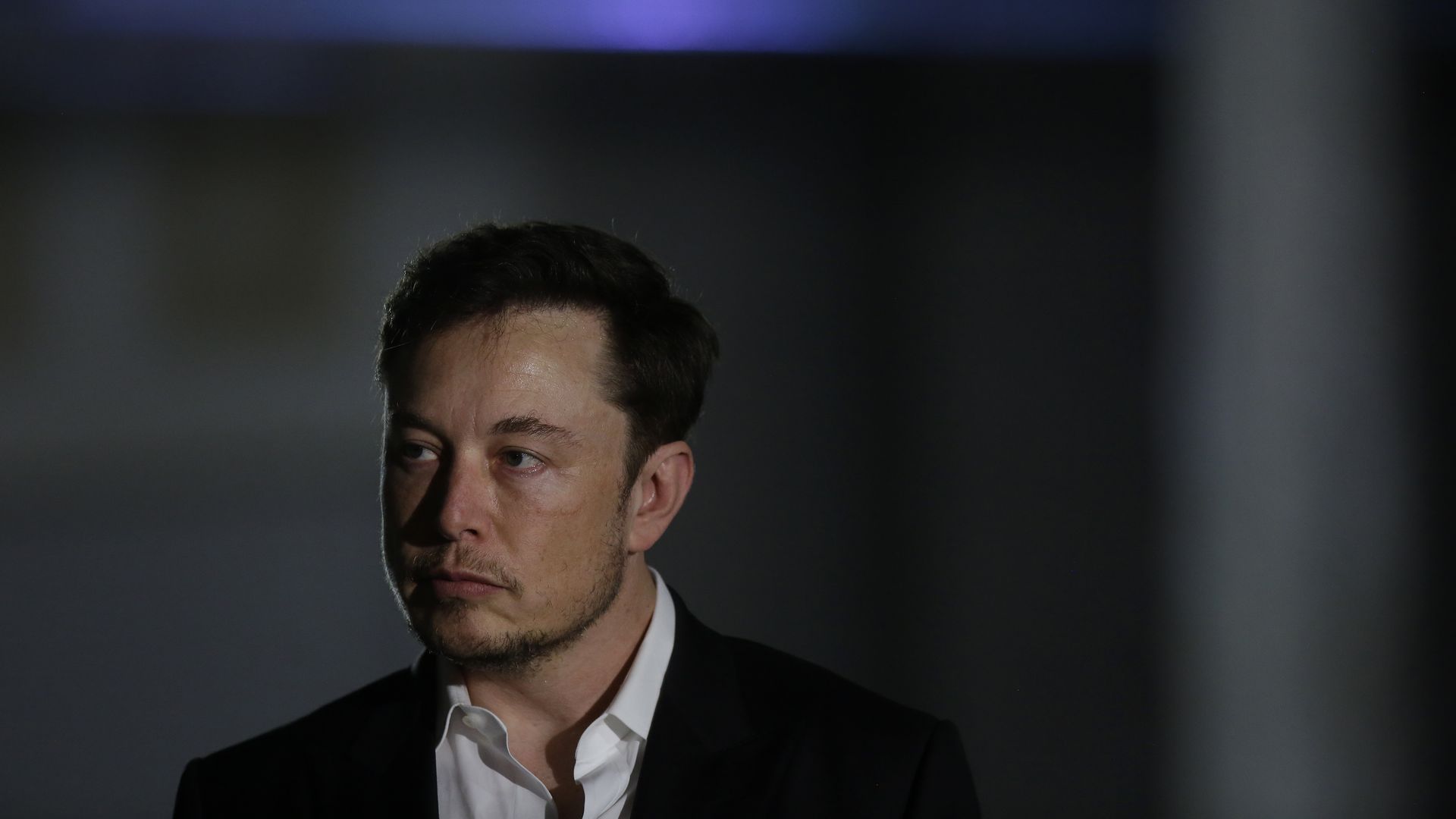
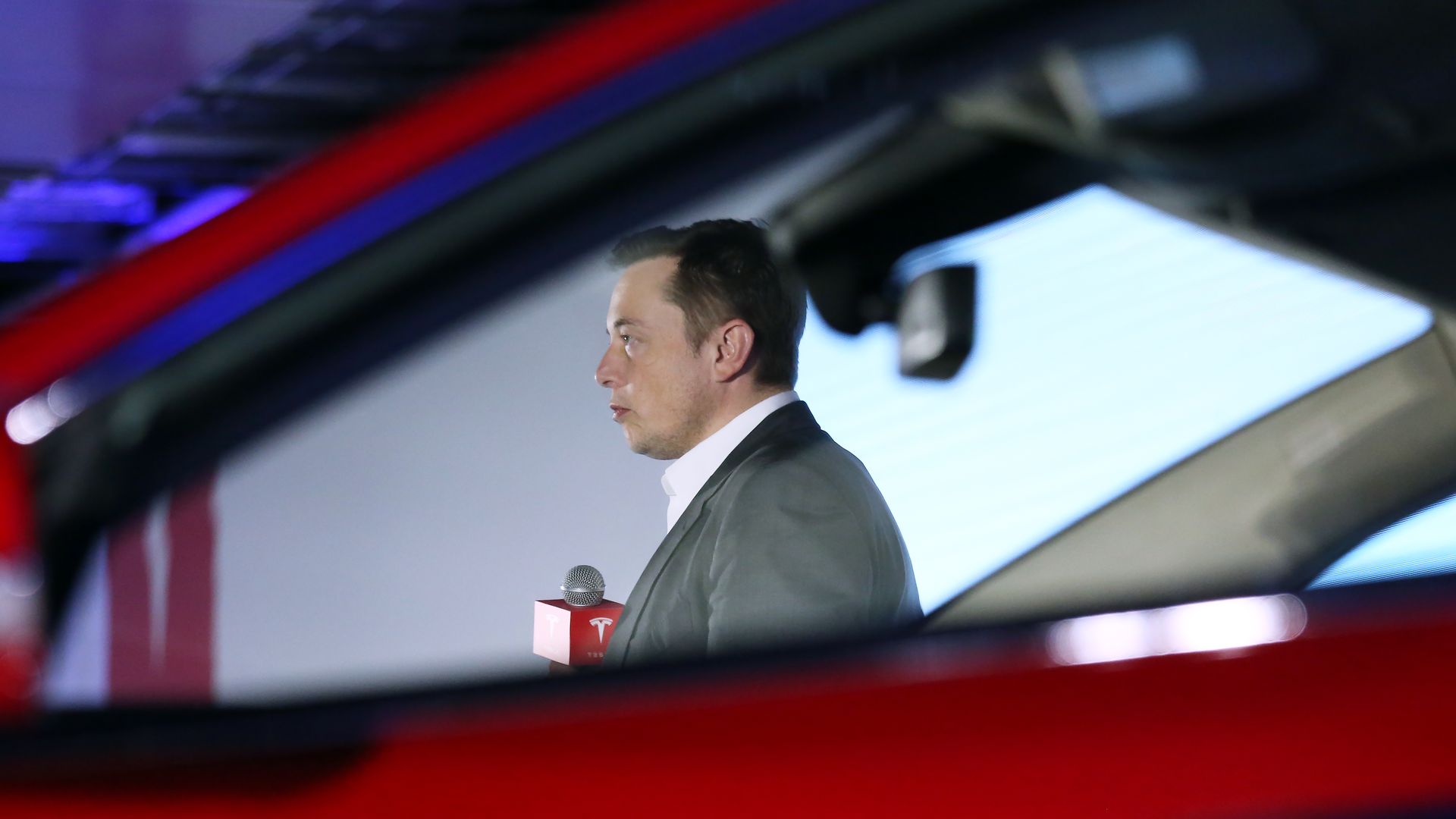
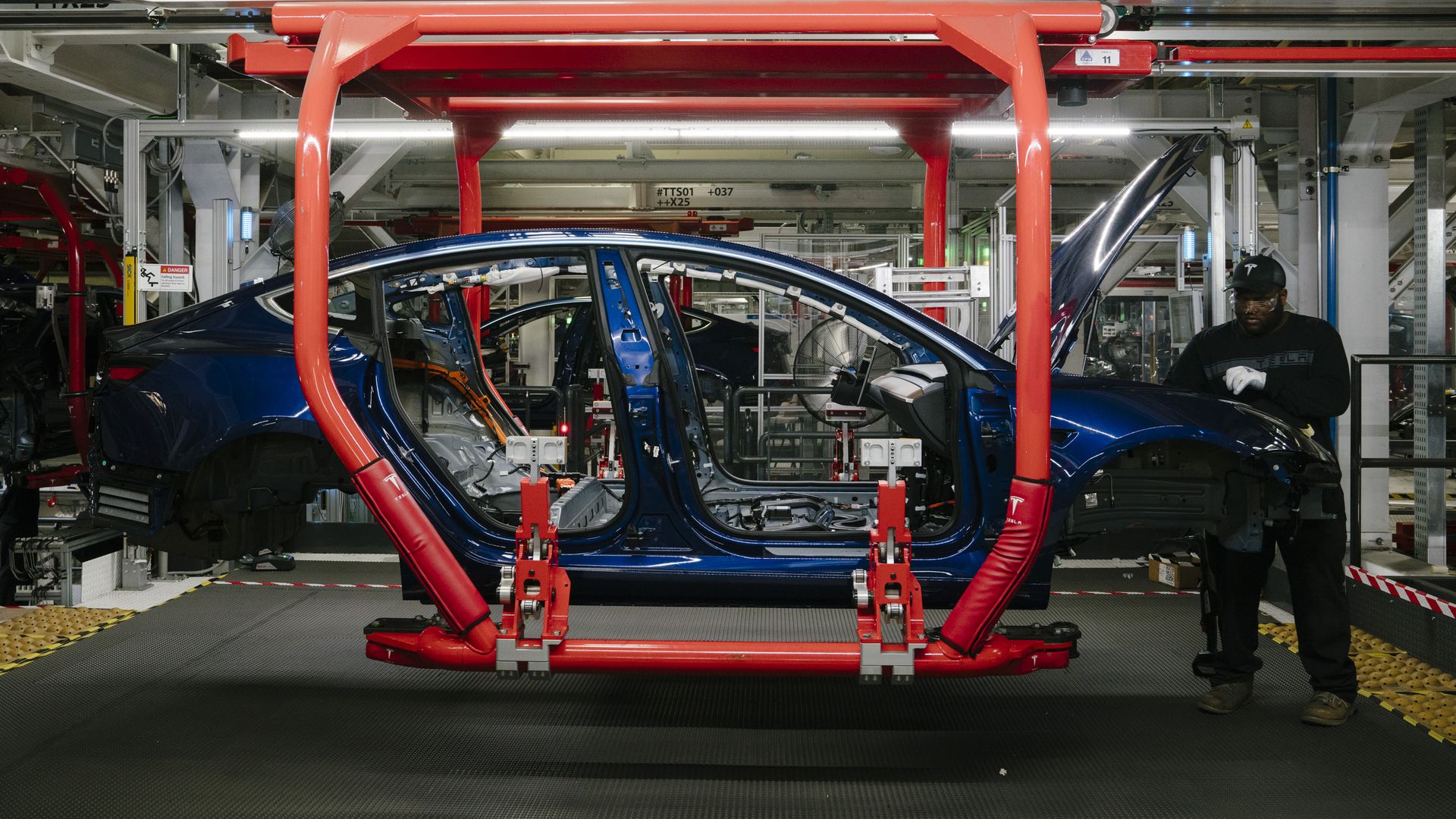
Tesla's CFO Deepak Ahuja is leaving the company, CEO Elon Musk said at the end of an earnings call on Wednesday.
Why it matters: Ahuja is retiring following a string of executive departures last year. Ahuja left the company after being CFO from 2008-2015, and later returned to the position in February 2017. He will remain an adviser to Tesla, but will be replaced as CFO by VP of Finance Zach Kirkhorn.
Tesla said it was profitable for the second straight quarter on Wednesday, though it reported a slightly smaller profit than analysts expected. The company also reassured investors that it had "sufficient cash on hand" for a bond payment due in March.
Details: Tesla said strong sales were offset by cheaper Model S and Model X vehicles in China, as well as the lower-priced version of the Model 3. Additionally, the company expects between 360,000 to 400,000 vehicle deliveries in 2019, which would constitute a 65% increase from last year.
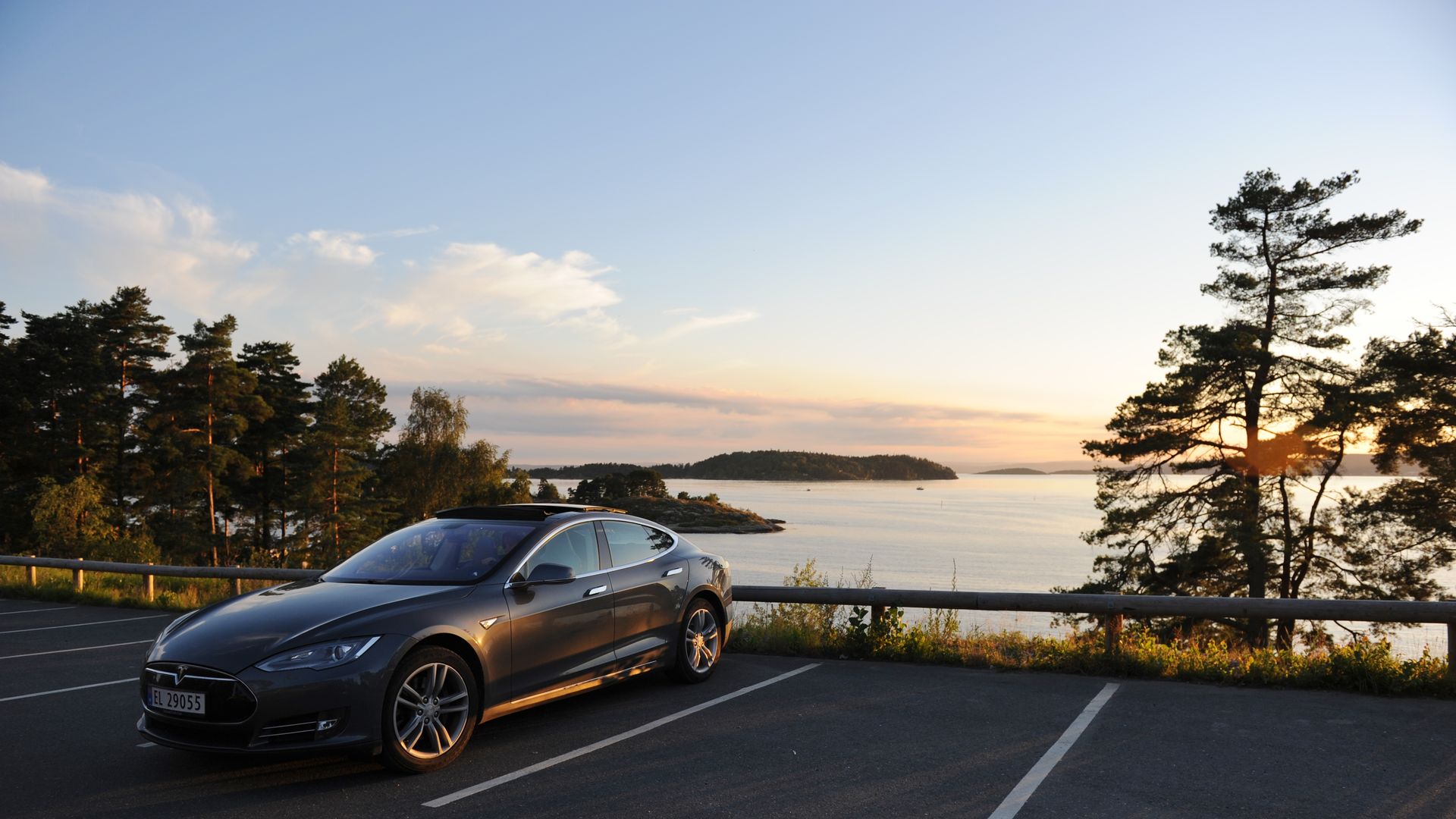
Why it matters: In a 2016 study, only 4% of Norwegian EV owners indicated that they might go back to internal combustion engine vehicles (ICEVs) in the future. The experience seems to prove what was observed in the case of the transition to smartphones: Once users adjust to newer technology — even at significantly higher costs — they don’t want to go back.
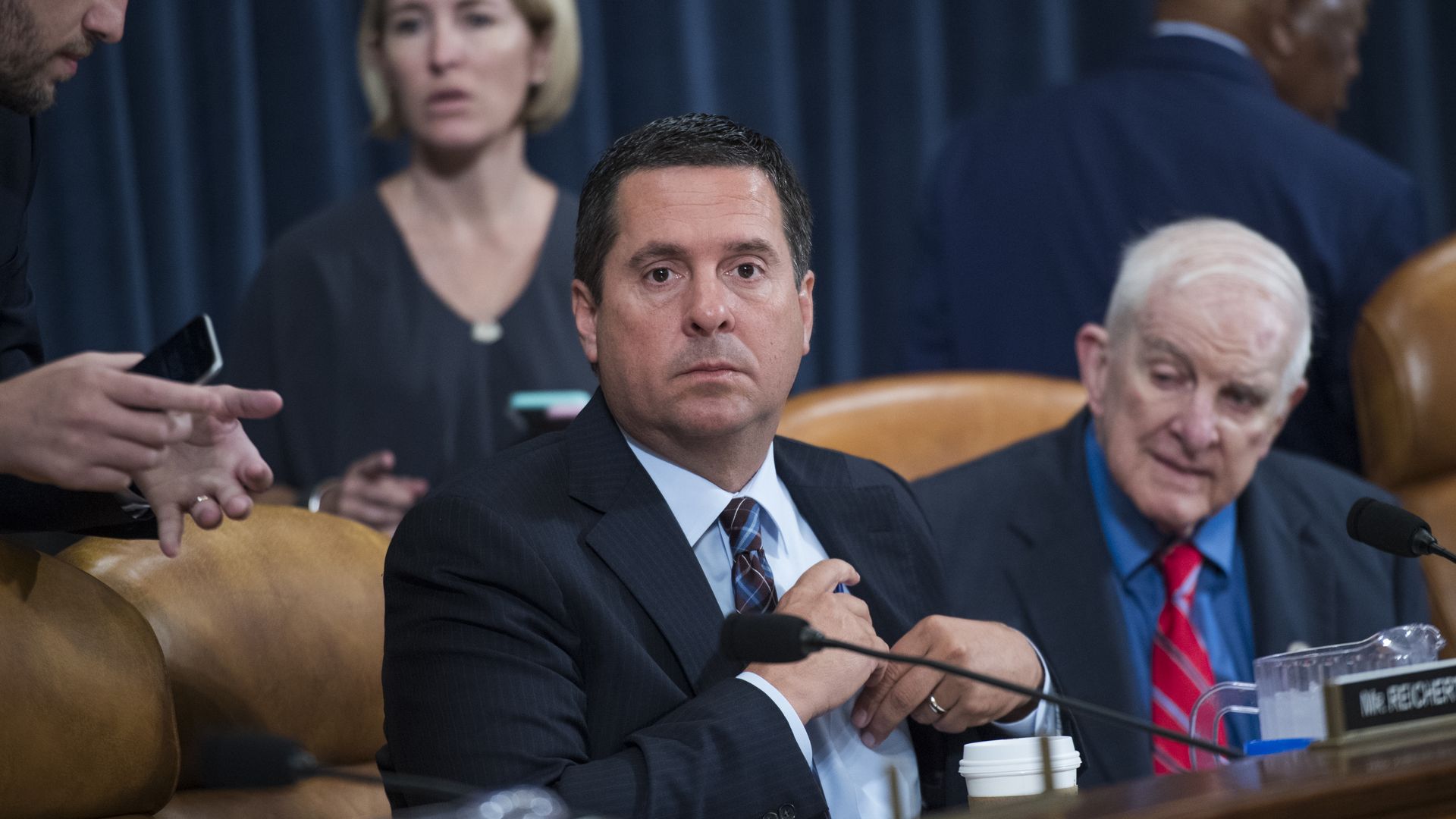
GOP leadership has officially named the Republican members of the House Intelligence Committee, four weeks after the new Democratic-controlled Congress took office.
Why it matters: The panel was the final House committee to be filled by Republicans, with the delay hampering the ability of the Democratic majority to start conducting business and issuing subpoenas related to the Trump-Russia investigation. Rep. Adam Schiff (D-Calif.), the new chair of the committee, has pledged to reopen the Russia probe in light of the indictments of several Trump associates, and said his first order of business would be to hand over all witness transcripts to the Mueller investigation.
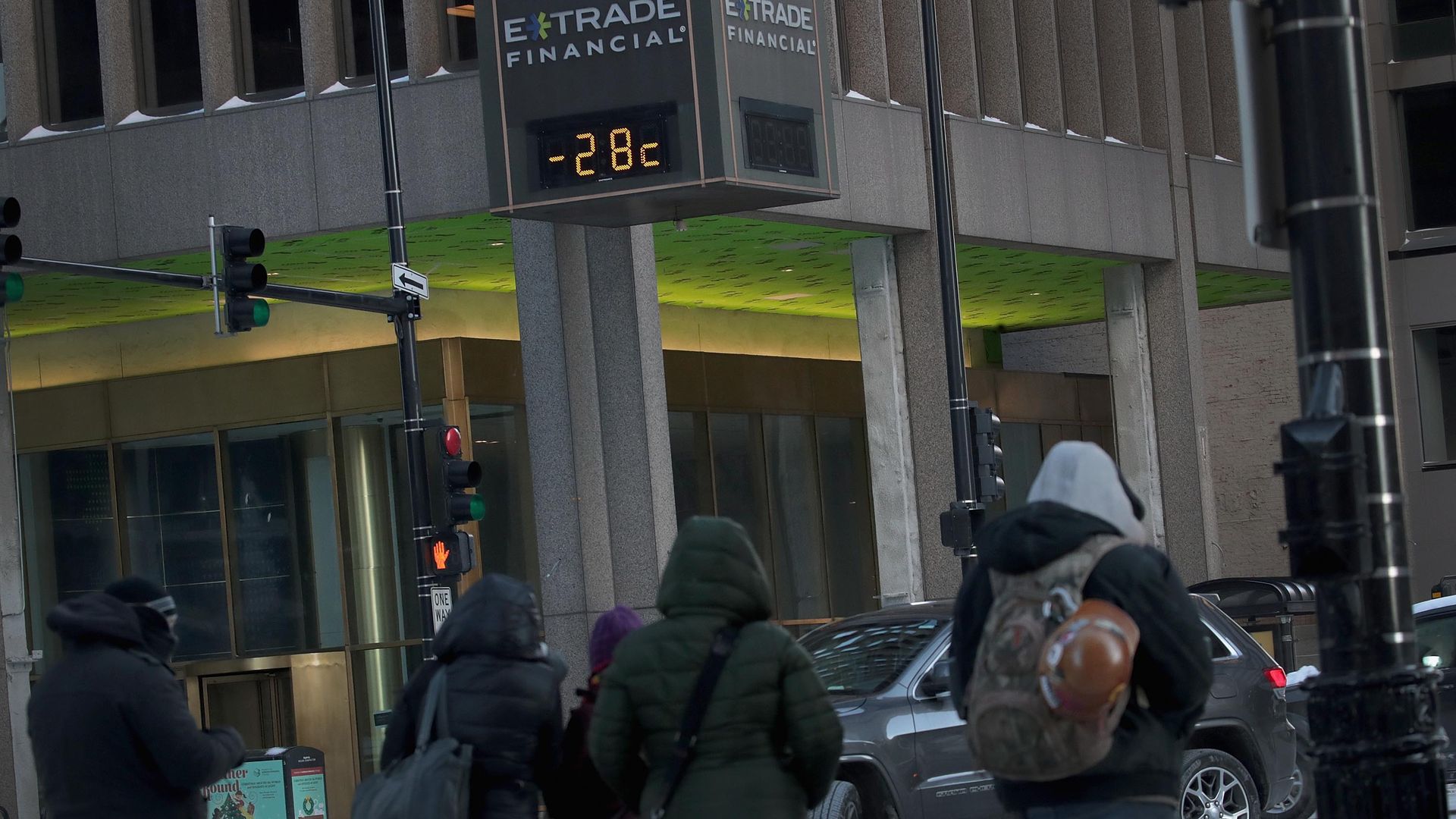
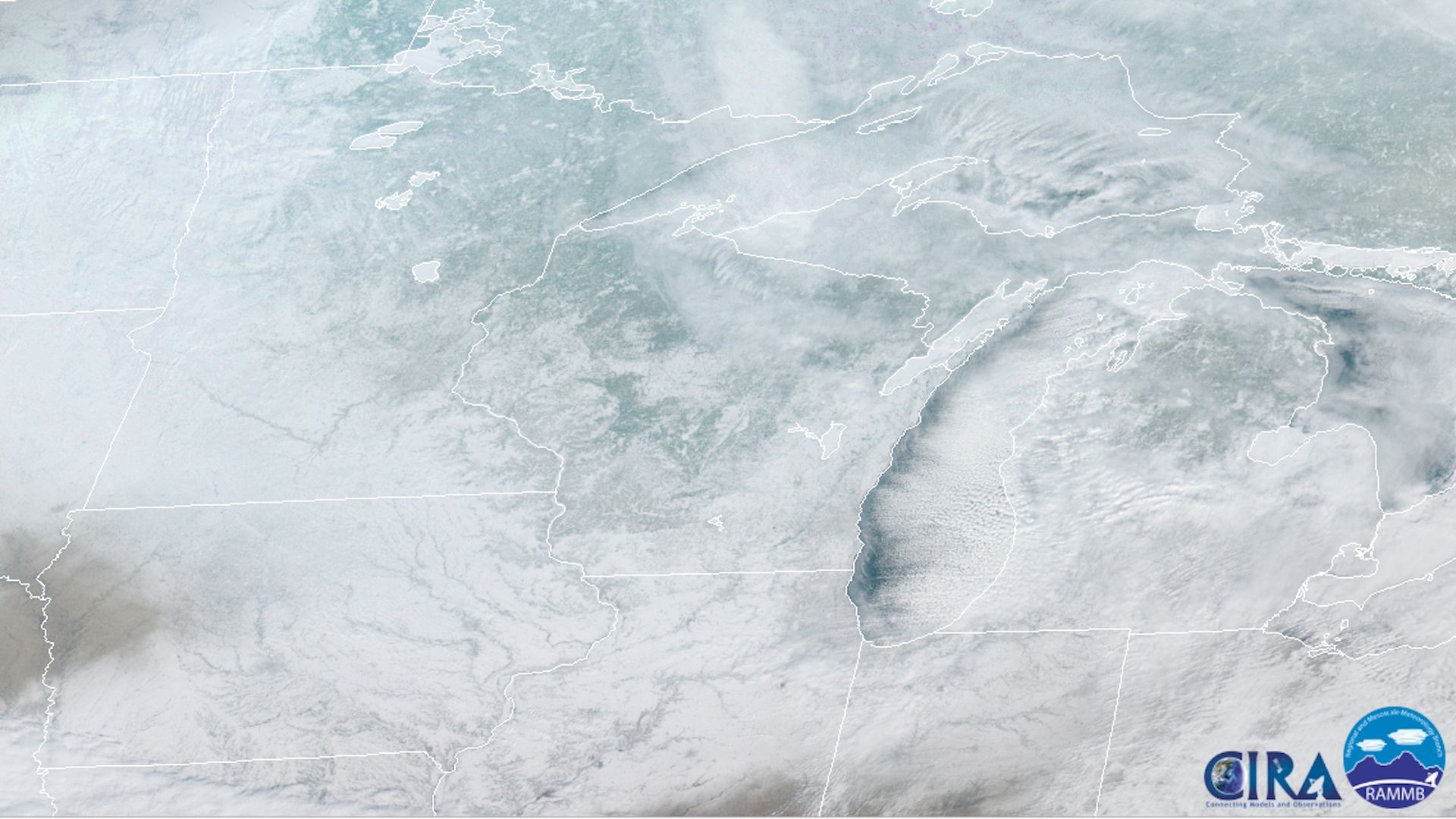
Temperatures overnight sank into the negative double digits in nearly a dozen states, with the polar vortex descending on the Midwest and threatening to break all-time cold records.
The big picture: Mail deliveries have been suspended, schools and businesses closed, and Midwesterners warned that the frigid cold is not to be trifled with. Even so, some brave souls have ventured outside to test out the temperatures.
Mail delivery on Wednesday is suspended in several cities in the Midwest based on brutal cold temperatures, the U.S. Postal Service announced.
Details: Mail will not be delivered in parts of Minnesota, Michigan, Indiana, Illinois, Wisconsin, Ohio, Iowa, western Pennsylvania, the Dakotas and Nebraska. Schools, businesses and government services are closed, and hundreds of flights have been delayed or canceled throughout the country.
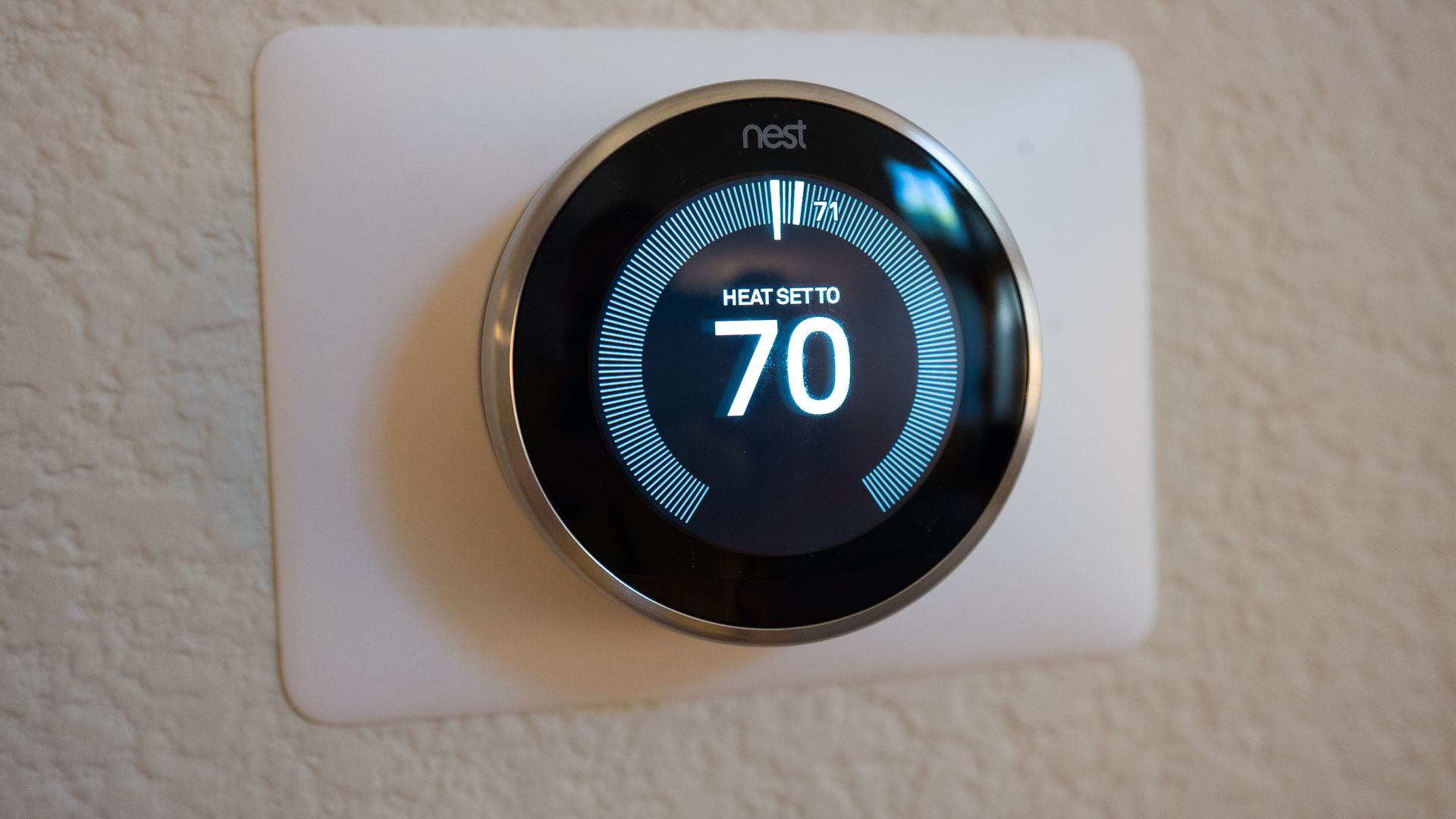
An interesting piece in Harvard Business Review shows that when people know their neighbors are cutting energy consumption, they tend to reduce their own.
Between the lines: The amount of the reductions is linked to why people think their neighbors are using less.
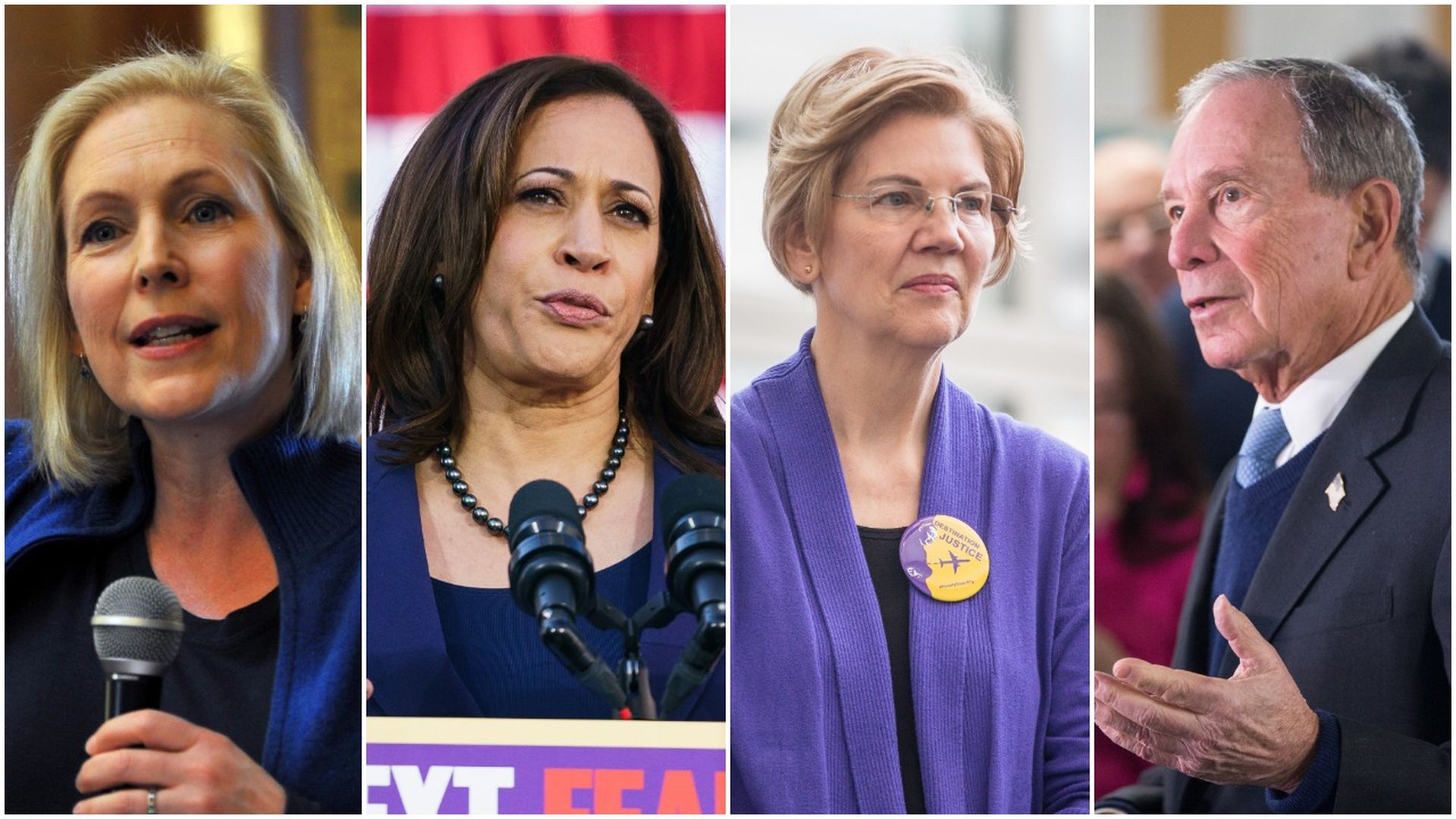
The last day or so has brought more hints of what the crowded field thinks about the topic and the policy response.
What's new: Sen. Kamala Harris has offered full-throated support for the Green New Deal, using phrasing that's less equivocal than prior statements from her office.
The polar vortex is making a painful visit to the Midwest beginning Tuesday. All-time cold temperature records will be set and wind chills will plummet to dangerous levels, with more than 83 million people expected to see temperatures drop below 0°F by week's end.
The big picture: A piece of the polar vortex has spun south, out of its typical home in the Arctic, for a life-threatening sojourn in the U.S. This is bringing ultra-cold weather to at least 15 states, where wind chill warnings and advisories have been issued as of Tuesday morning. Chicago could set a record for its coldest daily high temperature on record, with the high on Wednesday unlikely to edge past minus 15°F, beating the old record of minus 11°F set on Jan. 18, 1994.
Tesla has a $920 million debt coming due March 1 from bonds issued in 2014, which can be paid if the electric automaker uses a mix of cash and stock — but that would require Tesla shares to jump about 21% from their current level, Bloomberg reports.
The big picture: Tesla's stock is known for wild fluctuations — Saudi Arabia hedged its significant stake this week — so Bloomberg notes that it's conceivable that it could hit the 21% milestone over the short time frame. And CEO Elon Musk is set to report the company's fourth-quarter warnings on Wednesday, which could be the spark it needs.
Editor's Note:This story has been corrected to note that $920 million is due. The original story said $920 billion. Axios regrets the error.
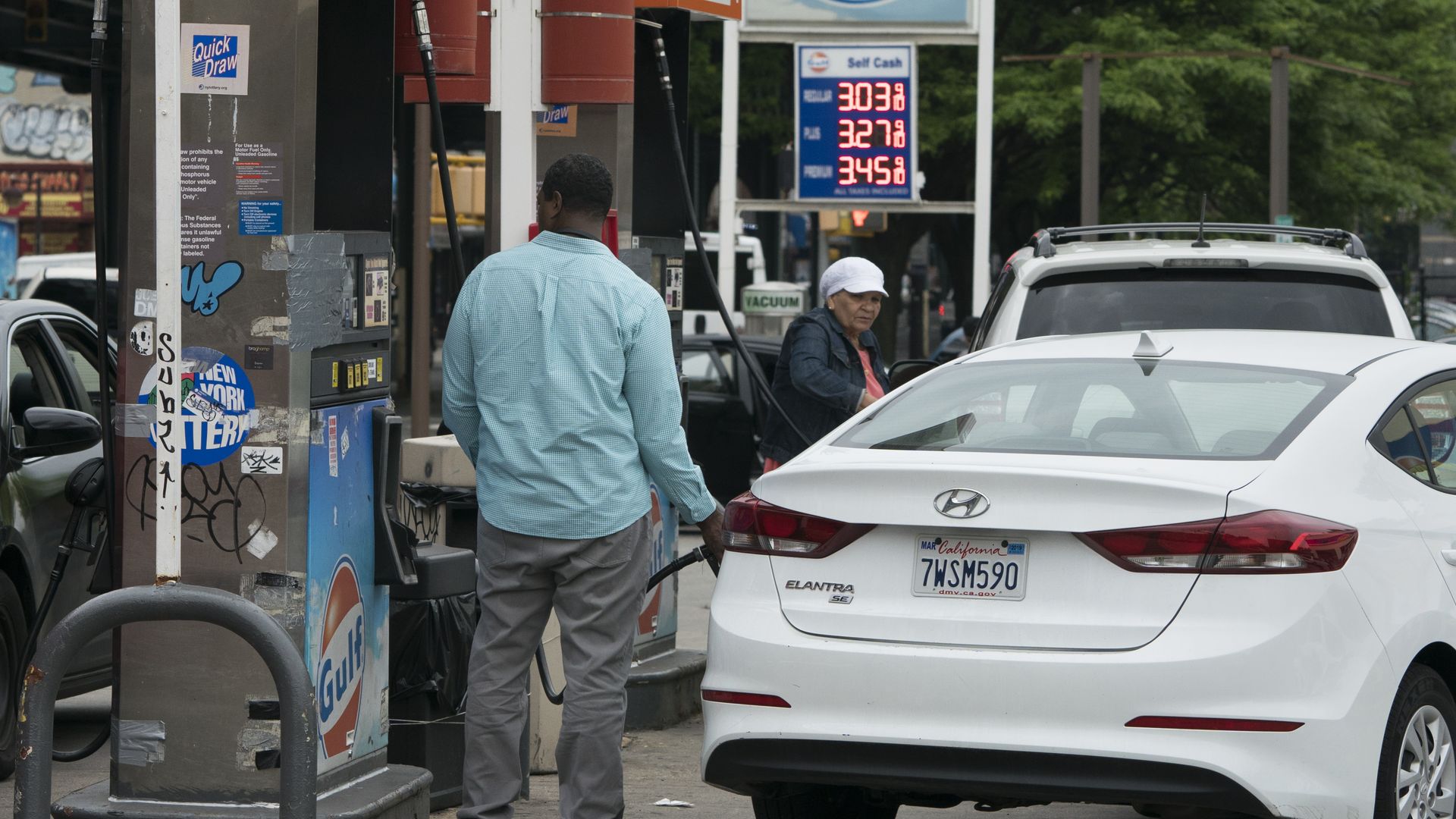
A new Morningstar report says that the rise of autonomous and electric vehicles may steeply cut U.S. gasoline demand in coming decades.
Why it matters: The report adds to analysts' efforts to game out how interlocking changes in mobility will affect fuel demand and, by extension, greenhouse gas emissions.
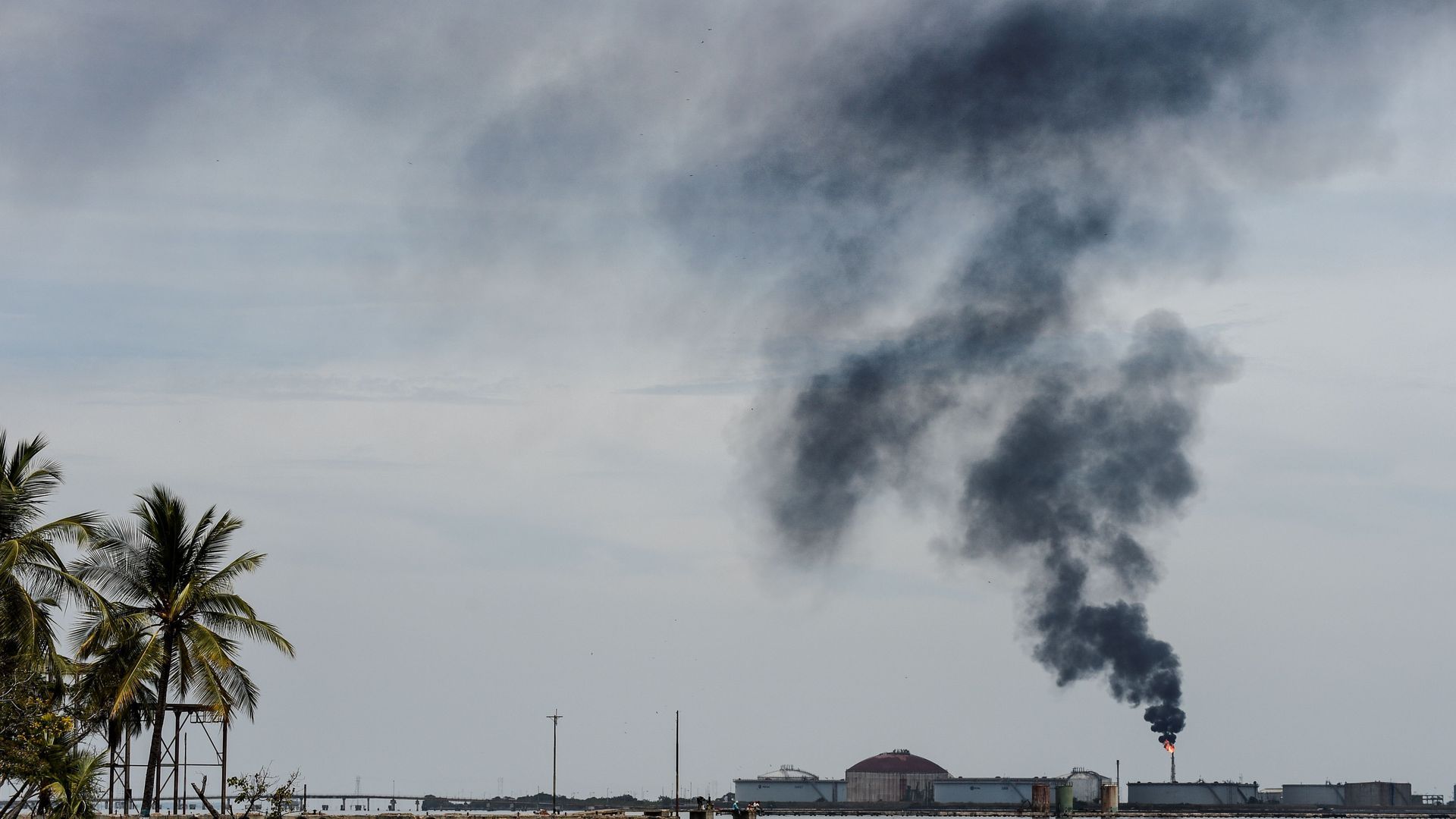
The stocks of refiners Valero and Chevron, two big buyers of Venezuelan crude, barely moved after the White House rolled out major sanctions against the country's state oil company PDVSA.
Why it matters: The muted response signals how the new sanctions, while a major escalation, aren't going to upend refining markets or spike prices for now.
Many regions facing the biggest economic threats from global warming voted for President Trump and GOP candidates in the 2018 midterms, new analysis released via the Brookings Institution shows.
Data: Brookings Institution and Climate Impact Lab; Chart: Chris Canipe/Axios
California’s largest utility PG&E filed for Chapter 11 bankruptcy protection Tuesday, expecting to face liability costs from its potential role in deadly wildfires across the state. The filing marks a significant milestone for corporations being forced to reckon with the consequences of climate change.
The backdrop: The company said it planned to file for bankruptcy protection earlier this month. Over the last few weeks, it maintained that the filing was necessary despite being cleared of fault for the 2017 Tubbs wildfire, which would lower potential liability costs. It also faced threats of a proxy battle from major shareholder BlueMountain Capital Management and a $4 billion proposal from a consortium of investors to help the company remain solvent. PG&E asked the court for access to the $5 billion debtor-in-possession financing to keep up services throughout the bankruptcy process.
"In the beautiful Midwest, windchill temperatures are reaching minus 60 degrees, the coldest ever recorded. In coming days, expected to get even colder. People can’t last outside even for minutes. What the hell is going on with Global Waming? [sic] Please come back fast, we need you!"
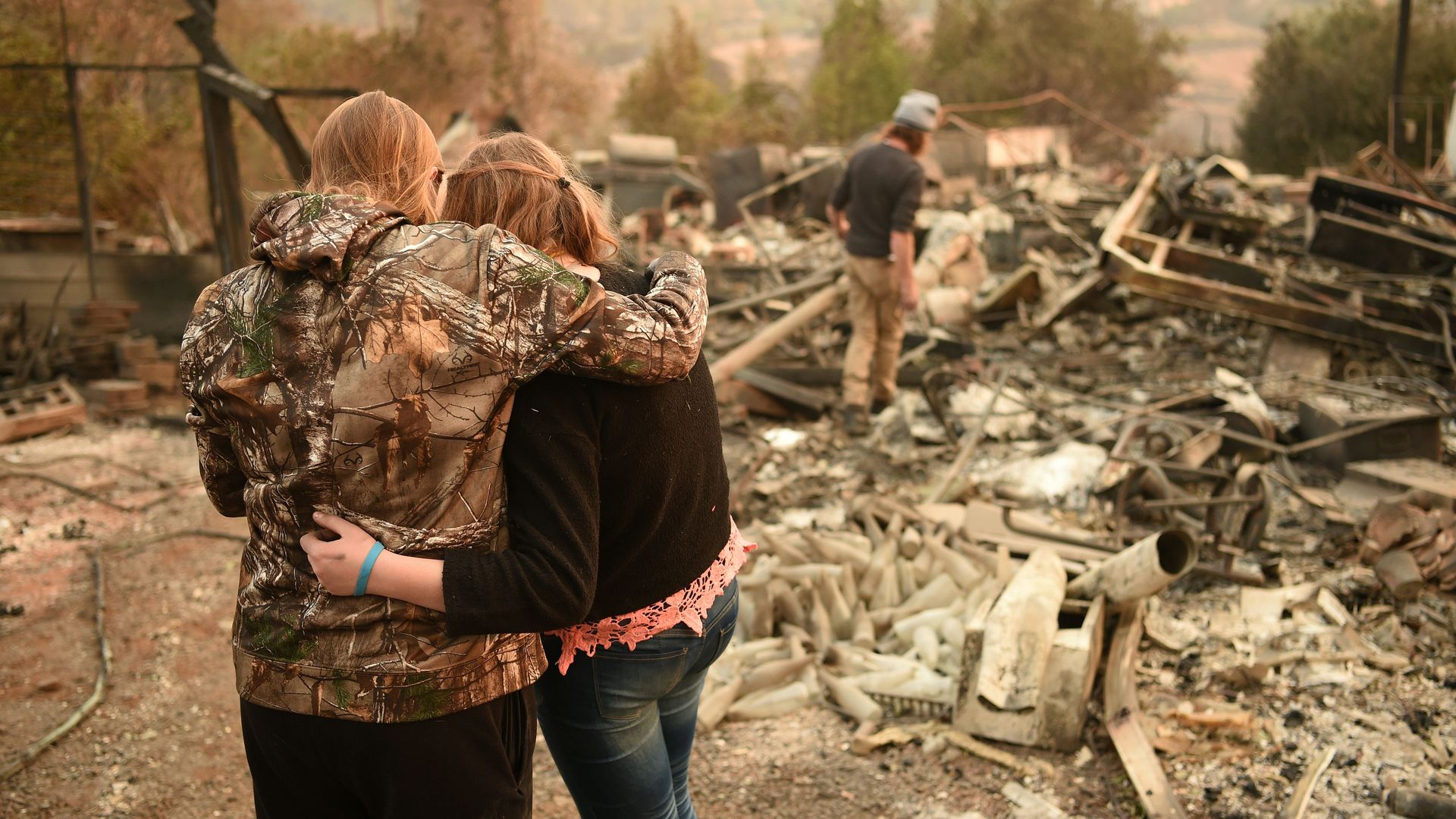
California residents who were affected by the catastrophic and deadly wildfires last year have filed insurance claims totaling $11.4 billion, according to new estimates released Monday by Insurance Commissioner Ricardo Lara.
Details: Claims from the Camp Fire, the state's deadliest wildfire on record that killed 86 people and nearly 14,000 homes in the northern California, total more than $8 billion. The remaining $3 billion in damages are from two wildfires in Southern California. The figures come as Pacific Gas & Electric Corp., the state's largest utility, is expected to file for bankruptcy protection as soon as Tuesday, per the AP.