The world’s dual attempts at addressing climate change and increasing access to energy are set to clash at an annual United Nations conference.
Driving the news: A seminal report released Oct. 8 by a UN scientific body ahead of the December confab underscored the urgency of climate change and what drastic efforts should be taken to address it.
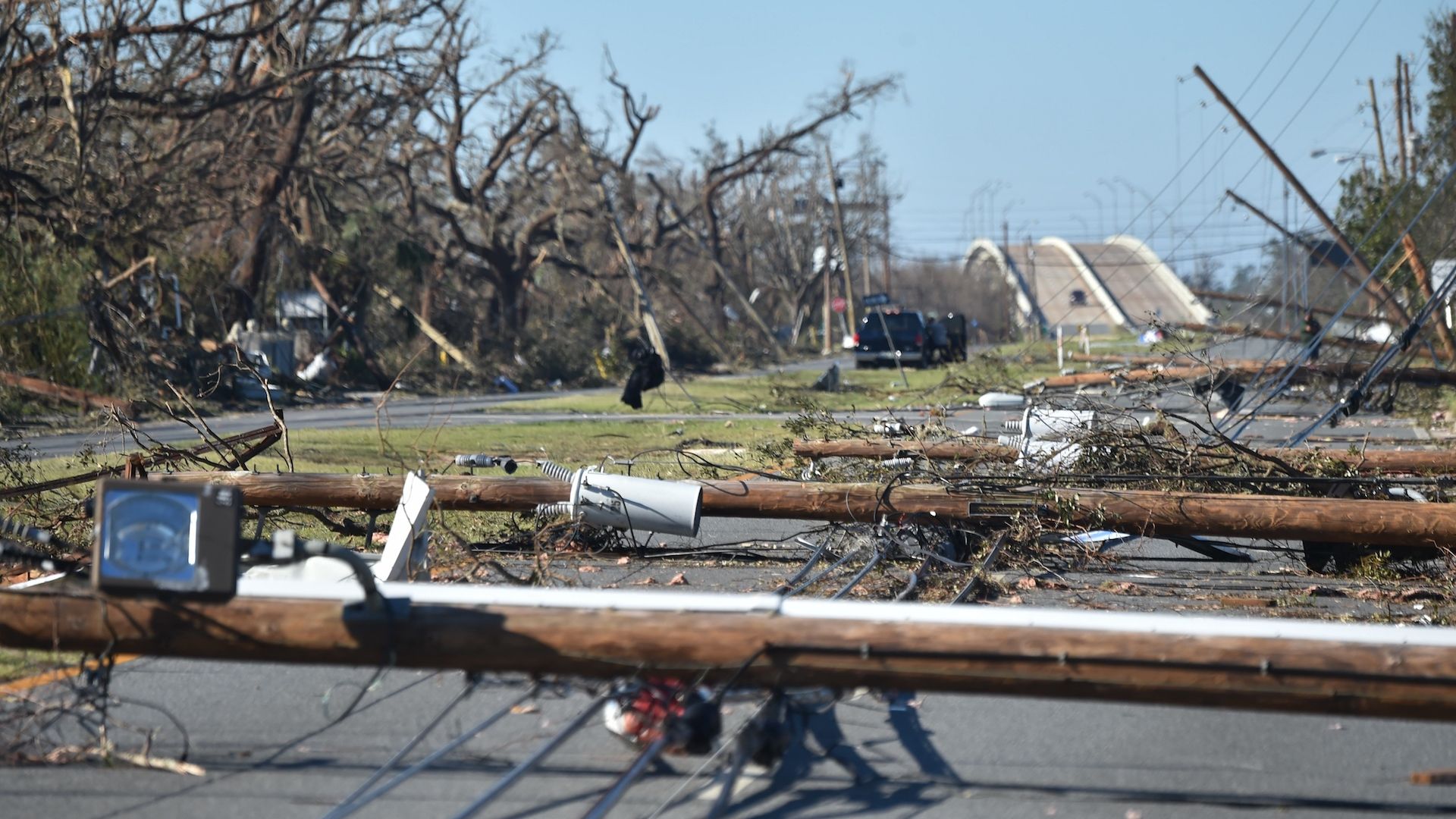
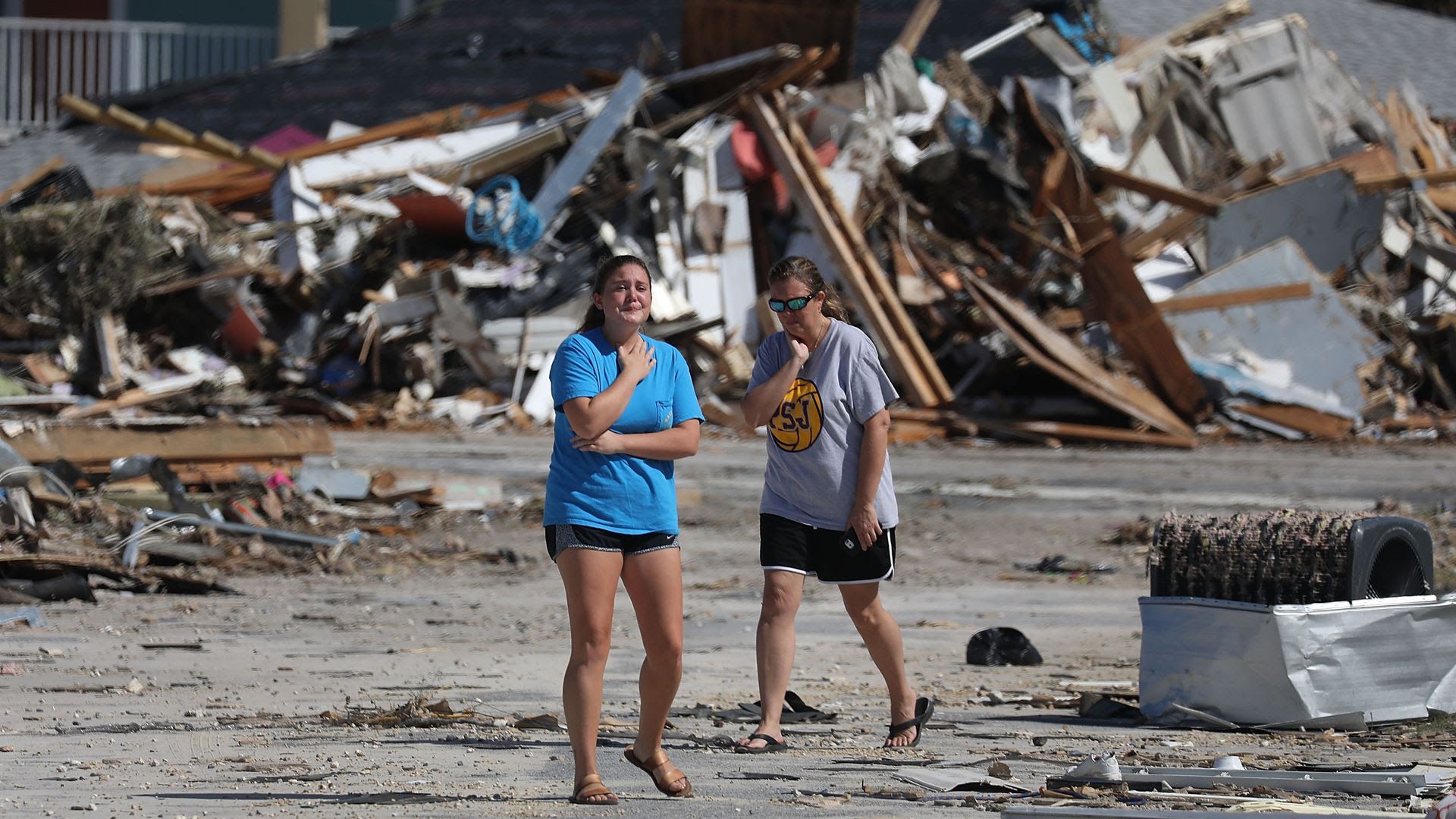
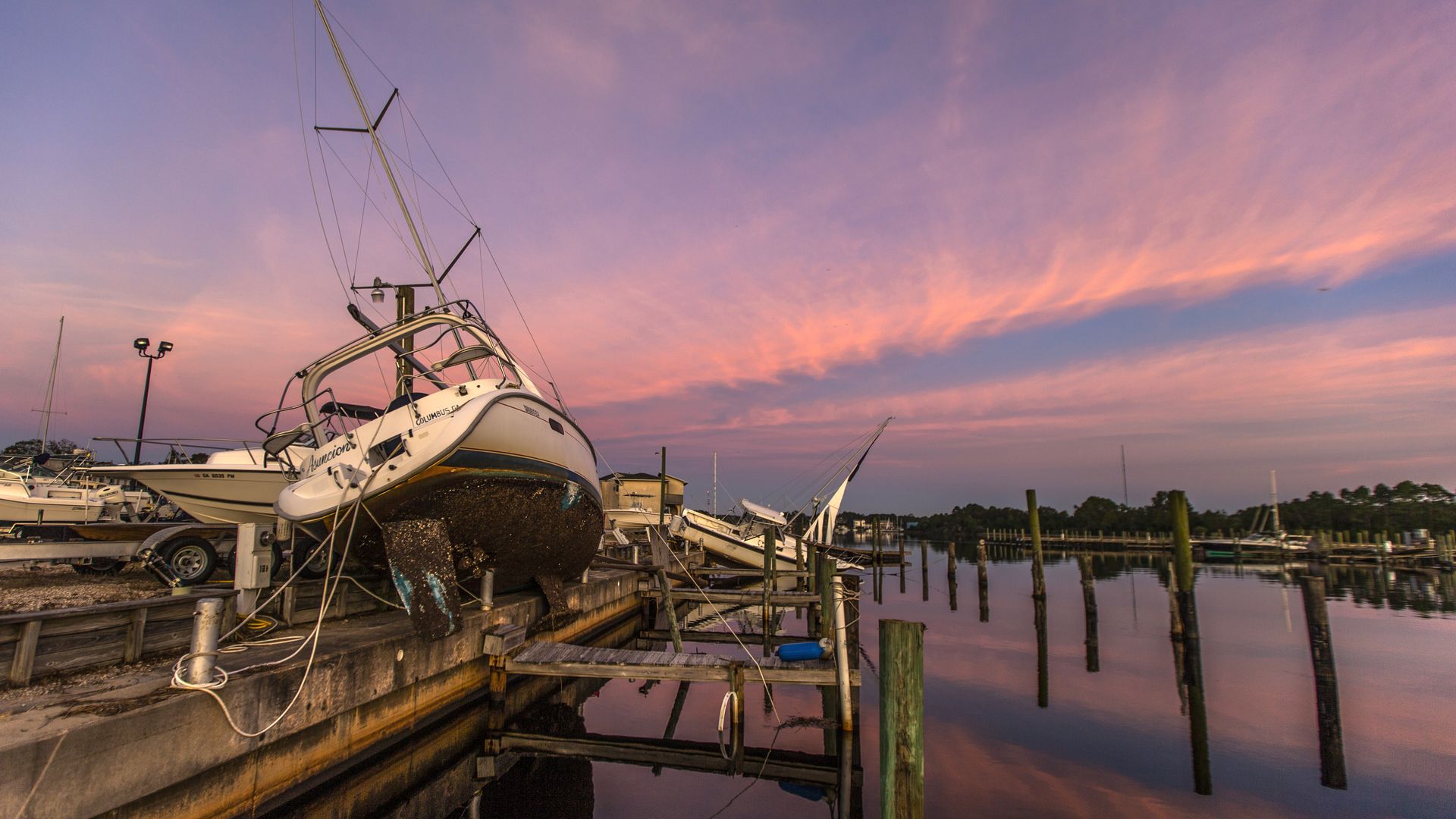
Hurricane Michael was one of the strongest hurricanes in U.S. history, slamming the Florida Panhandle and completely altering the landscape — particularly between Panama City and Apalachicola.
The impact: The hurricane's death toll reached 17 on Friday, CNN reports. Satellite images from the storm show winds were strong enough to rip homes out of their foundations and demolish structures completely. Rescue helicopters with first responders were searching through what remains of Mexico Beach pier.
There was a quiet change this week in the tone of climate coverage. Long siloed, the conversation took on at least a temporary new urgency and insistence after a UN report predicting dire effects as soon as 2040 — just 22 years from now.
Why it matters: If there was any doubt that this should be story #1, it was laid to rest by the combination of this report and the events of this week: An astonishingly strong hurricane, which ravaged the Gulf Coast, was forming at the same time scientists held a press conference in Incheon, South Korea, to release the findings.
This week, the UN Intergovernmental Panel on Climate Change released a major new report on the feasibility of meeting a global warming target of 1.5°C, or 2.7°F, above preindustrial levels. It makes for sobering reading, and coverage of it was downright apocalyptic. (I'm as guilty as other reporters in focusing on the disturbing aspects.)
But, but but: There are other frameworks for climate change, including ones that focus on courage, resilience and opportunity. I asked three top climate scientists to comment on the new report in an email conversation. Here are some of their key points.
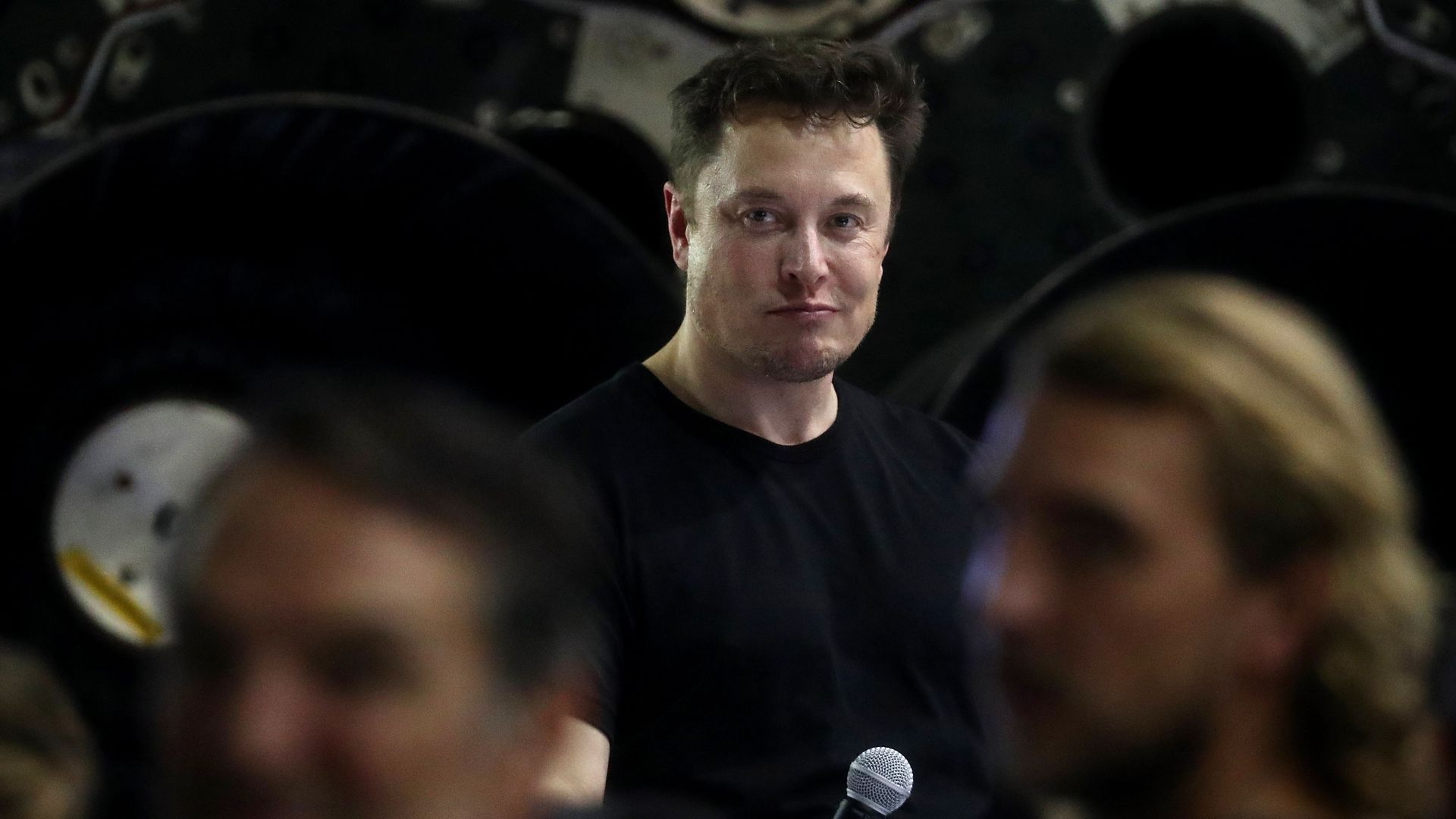
After promising a contribution in July, Tesla and SpaceX CEO Elon Musk is donating $480,350 to purchase and install ultraviolet filtration systems in all 12 Flint, Michigan schools as well as the district's administration building by January 2019, according to Michigan Live.
The details: "The new water filtration systems will be instrumental in helping our students return to the normalcy of what should be a fundamental right: having access to safe, clean water from water fountains in their school," Flint Community Schools Superintendent Derrick Lopez told Michigan Live. The donation follows weeks of controversy surrounding Musk with the Securities and Exchange Commission, which cut him a deal to pay $20 million in fines and temporarily step down as Tesla chairman.
Florida's Tyndall Air Force Base took a direct hit from Hurricane Michael, causing catastrophic damage to its hangars and buildings — and there are reports of damage to some of the Air Force's newest fighter planes.
Why it matters: Tyndall is one of the largest F-22 bases in the country. Gen. Joseph Lengyel, chief of the National Guard Bureau, told reporters he's heard direct comparisons between Tyndall's destruction and the devastation sustained by Homestead Air Force Base by Hurricane Andrew in 1992 — which was ultimately decimated and turned into a reserve base.
Doug Parker, the CEO of American Airlines, doubled down on his remarks last year that the airline isn't "ever going to lose money again," saying airlines need to get past the boom-and-bust cycle of the past. "We're not going to go through these cycles," Parker said at an Axios Smarter Faster Revolution event at the University of Texas in Austin.
Big picture: Parker said things like oil prices approaching 4-year highs shouldn't tip airlines into unprofitability, and now companies like American are stronger to weather those changes. "In the old days it was all about how we're going to survive the next 12 months ... we have the luxury now of thinking long term."
Hurricane Michael hit with such ferocity that parts of the Florida Panhandle resemble the site of a nuclear blast, rather than a weather event. The storm's full fury was reserved for a narrow strip of land between Panama City and Apalachicola, particularly the area in and around Mexico Beach.
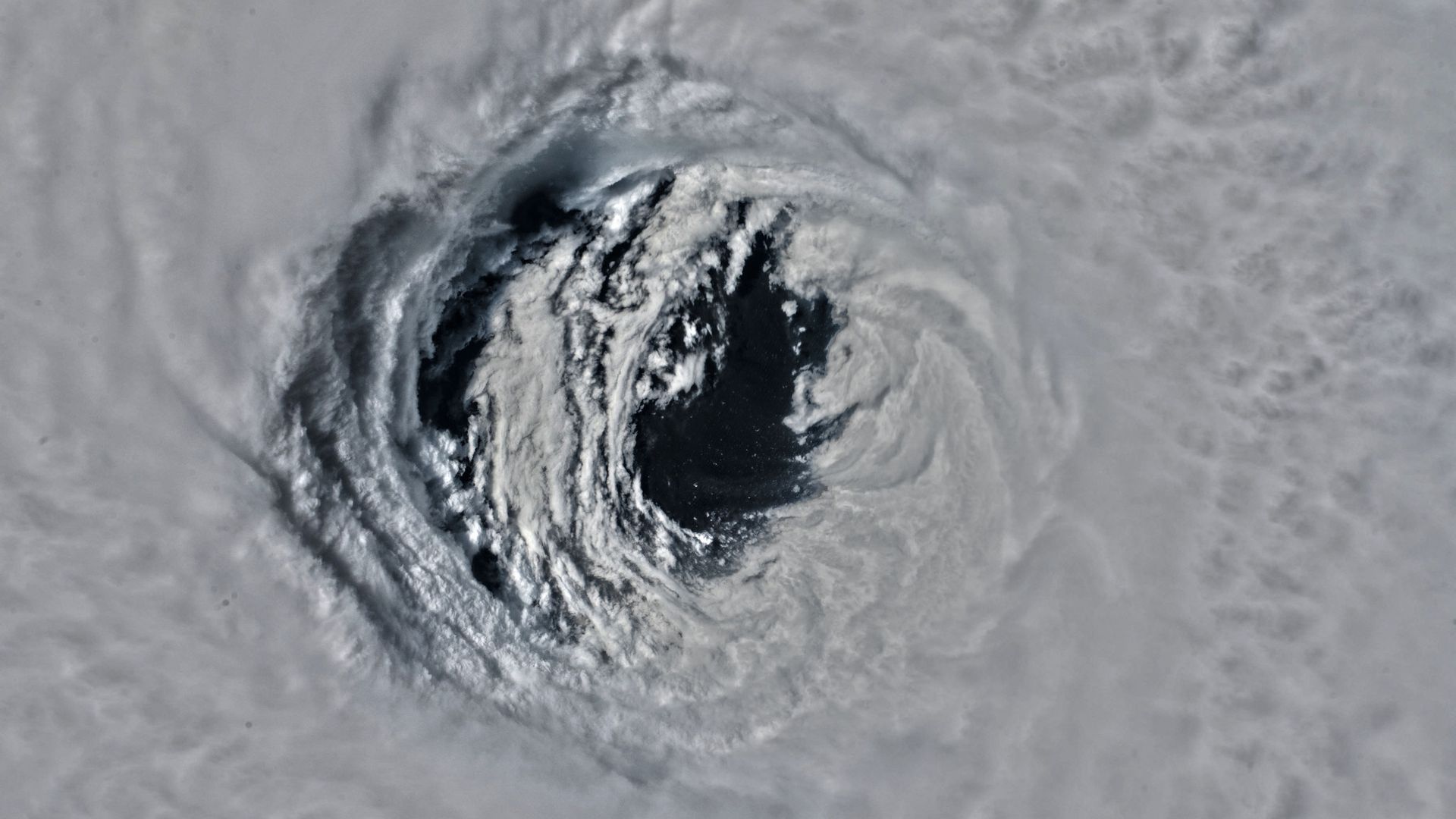
The impact: Michael wreaked havoc in the region where the menacing, 12-mile-wide eye came ashore. As seen in satellite images, the storm's winds and surge were potent enough to create a new island, destroy an entire beach town and lay waste to a strategically valuable Tyndall Air Force Base.
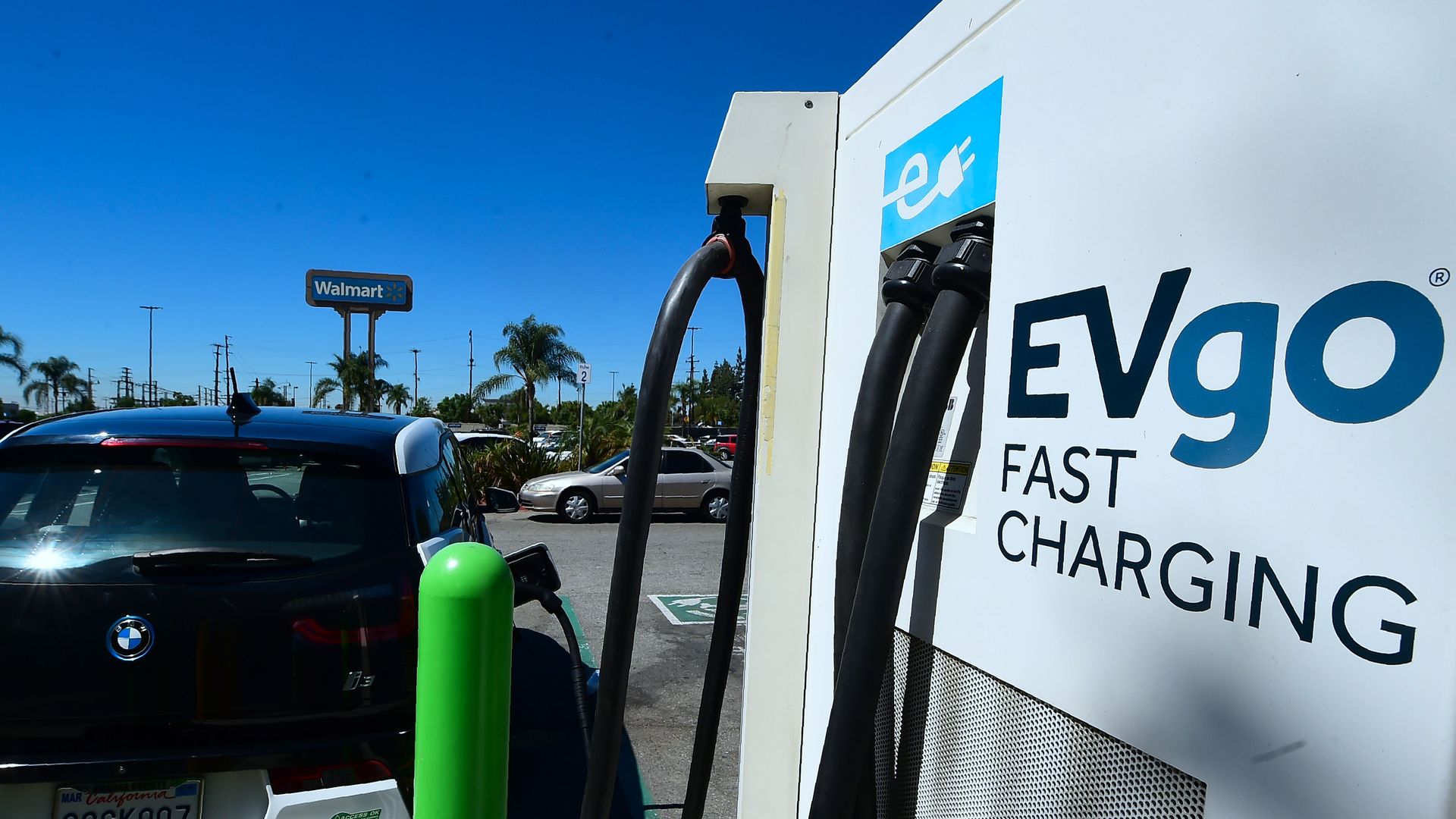
Sale of the one millionth electric vehicle in the U.S. is likely to occur this month, according to an estimate by the group Securing America's Future Energy (SAFE) that's based on data compiled by Inside EVs.
Why it matters: It's a symbolic threshold that signals growing adoption of the technology, even though it remains a small part of the overall U.S. market.
The International Energy Agency warned Friday that higher prices may bring global economic headwinds — even though crude oil markets are adequately supplied for the moment and the agency has trimmed its demand growth forecast.
What they're saying: "[O]ur position is that expensive energy is back, with oil, gas and coal trading at multi-year highs, and it poses a threat to economic growth," IEA said in its closely watched monthly oil market report.
Hospitals and nursing homes in Florida and Georgia have been ravaged by Hurricane Michael, and some are now evacuating their patients, the New York Times reports.
The big picture: 4 hospitals and 11 nursing homes in Florida are closed. In Georgia, 35 hospitals or nursing homes are without power and using generators.







/2018/10/12/1539375543332.gif?w=3840)