There's $500 trillion of wealth on planet Earth, give or take: Maybe $230 trillion in land and property, $200 trillion in debt and $70 trillion in equity.
The big picture: All of that wealth comes, ultimately, from the planet, and the climate. Specifically, it has come from a stable climate. William Nordhaus points out in his 2013 book "The Climate Casino" that “the last 7,000 years have been the most stable climatic period in more than 100,000 years.” The last 7,000 years have also seen the rise of civilization and the creation of that $500 trillion in wealth. This is not a coincidence.
A United Nations scientific body just released a seminal report on how the world’s energy systems would have to be transformed to adequately address climate change.
The big picture: The world is still heavily dependent upon fossil fuels. It accounts for 81% of the world's energy consumption, a figure that hasn’t changed in 30 years. Evolving electricity mixes is one clear gauge of how countries are doing cutting their greenhouse gas emissions and using cleaner energy technologies.
The world’s dual attempts at addressing climate change and increasing access to energy are set to clash at an annual United Nations conference.
Driving the news: A seminal report released Oct. 8 by a UN scientific body ahead of the December confab underscored the urgency of climate change and what drastic efforts should be taken to address it.
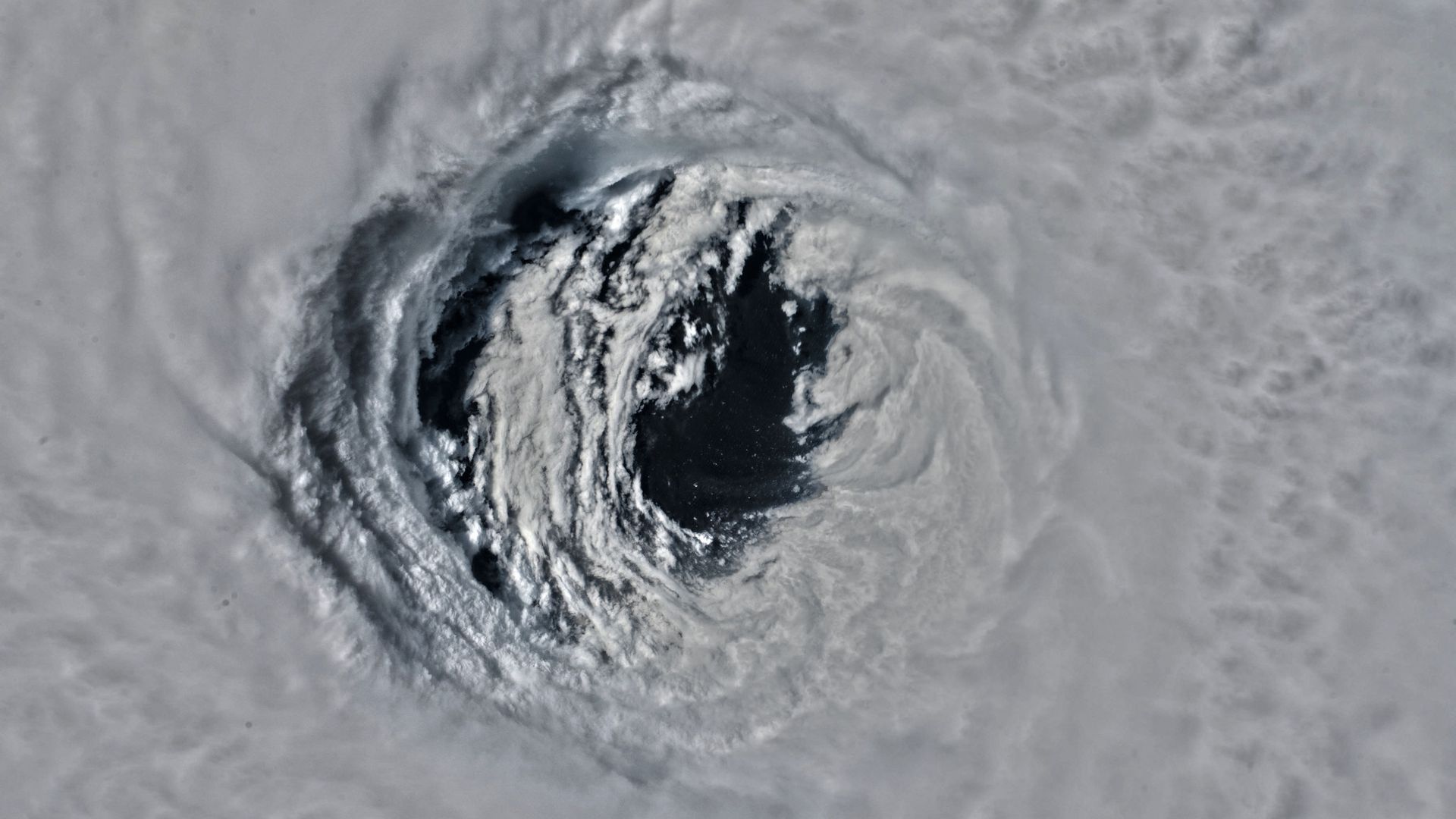
Hurricane Michael was one of the strongest hurricanes in U.S. history, slamming the Florida Panhandle and completely altering the landscape — particularly between Panama City and Apalachicola.
The impact: The hurricane's death toll reached 17 on Friday, CNN reports. Satellite images from the storm show winds were strong enough to rip homes out of their foundations and demolish structures completely. Rescue helicopters with first responders were searching through what remains of Mexico Beach pier.
There was a quiet change this week in the tone of climate coverage. Long siloed, the conversation took on at least a temporary new urgency and insistence after a UN report predicting dire effects as soon as 2040 — just 22 years from now.
Why it matters: If there was any doubt that this should be story #1, it was laid to rest by the combination of this report and the events of this week: An astonishingly strong hurricane, which ravaged the Gulf Coast, was forming at the same time scientists held a press conference in Incheon, South Korea, to release the findings.
This week, the UN Intergovernmental Panel on Climate Change released a major new report on the feasibility of meeting a global warming target of 1.5°C, or 2.7°F, above preindustrial levels. It makes for sobering reading, and coverage of it was downright apocalyptic. (I'm as guilty as other reporters in focusing on the disturbing aspects.)
But, but but: There are other frameworks for climate change, including ones that focus on courage, resilience and opportunity. I asked three top climate scientists to comment on the new report in an email conversation. Here are some of their key points.
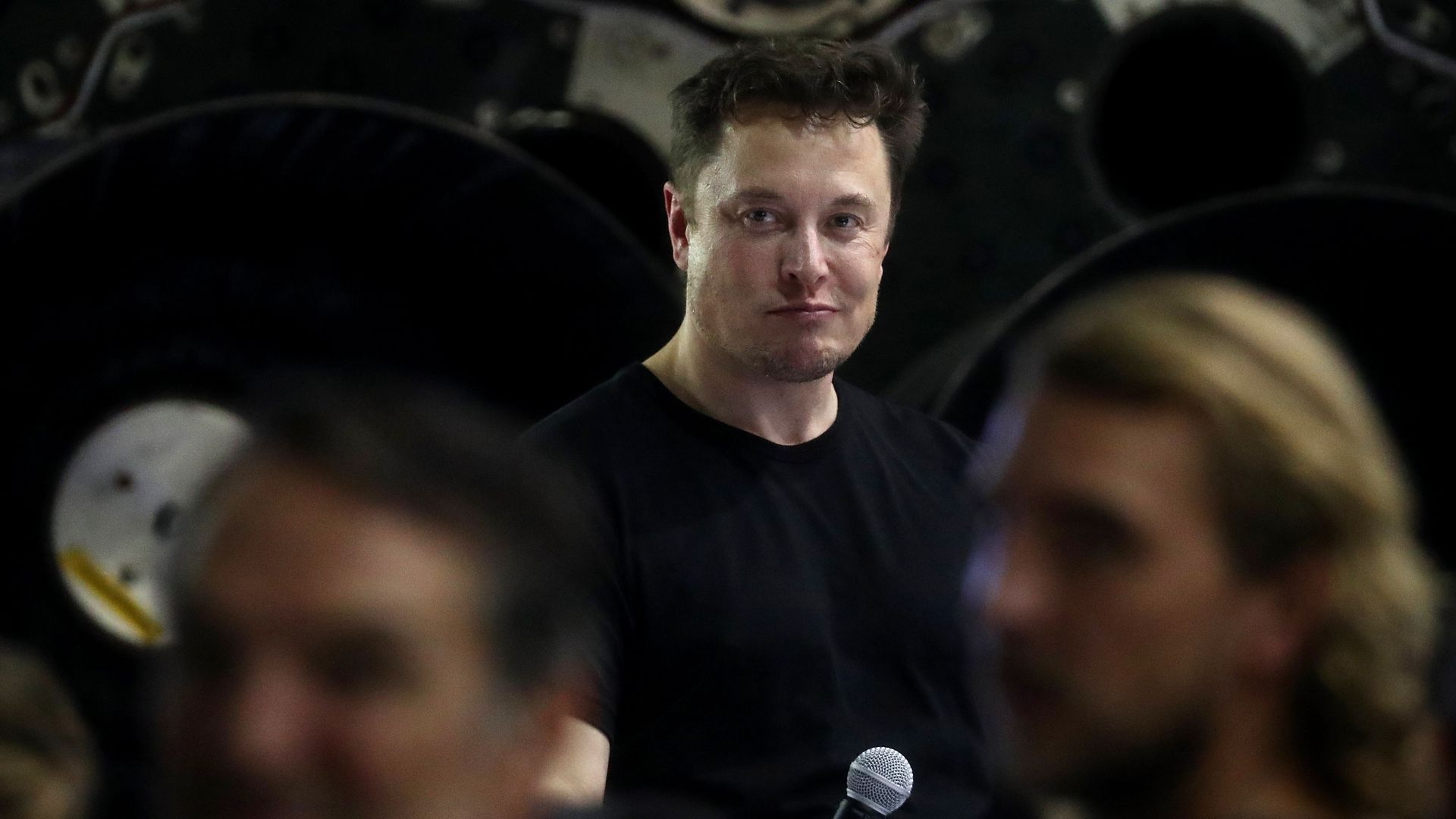
After promising a contribution in July, Tesla and SpaceX CEO Elon Musk is donating $480,350 to purchase and install ultraviolet filtration systems in all 12 Flint, Michigan schools as well as the district's administration building by January 2019, according to Michigan Live.
The details: "The new water filtration systems will be instrumental in helping our students return to the normalcy of what should be a fundamental right: having access to safe, clean water from water fountains in their school," Flint Community Schools Superintendent Derrick Lopez told Michigan Live. The donation follows weeks of controversy surrounding Musk with the Securities and Exchange Commission, which cut him a deal to pay $20 million in fines and temporarily step down as Tesla chairman.