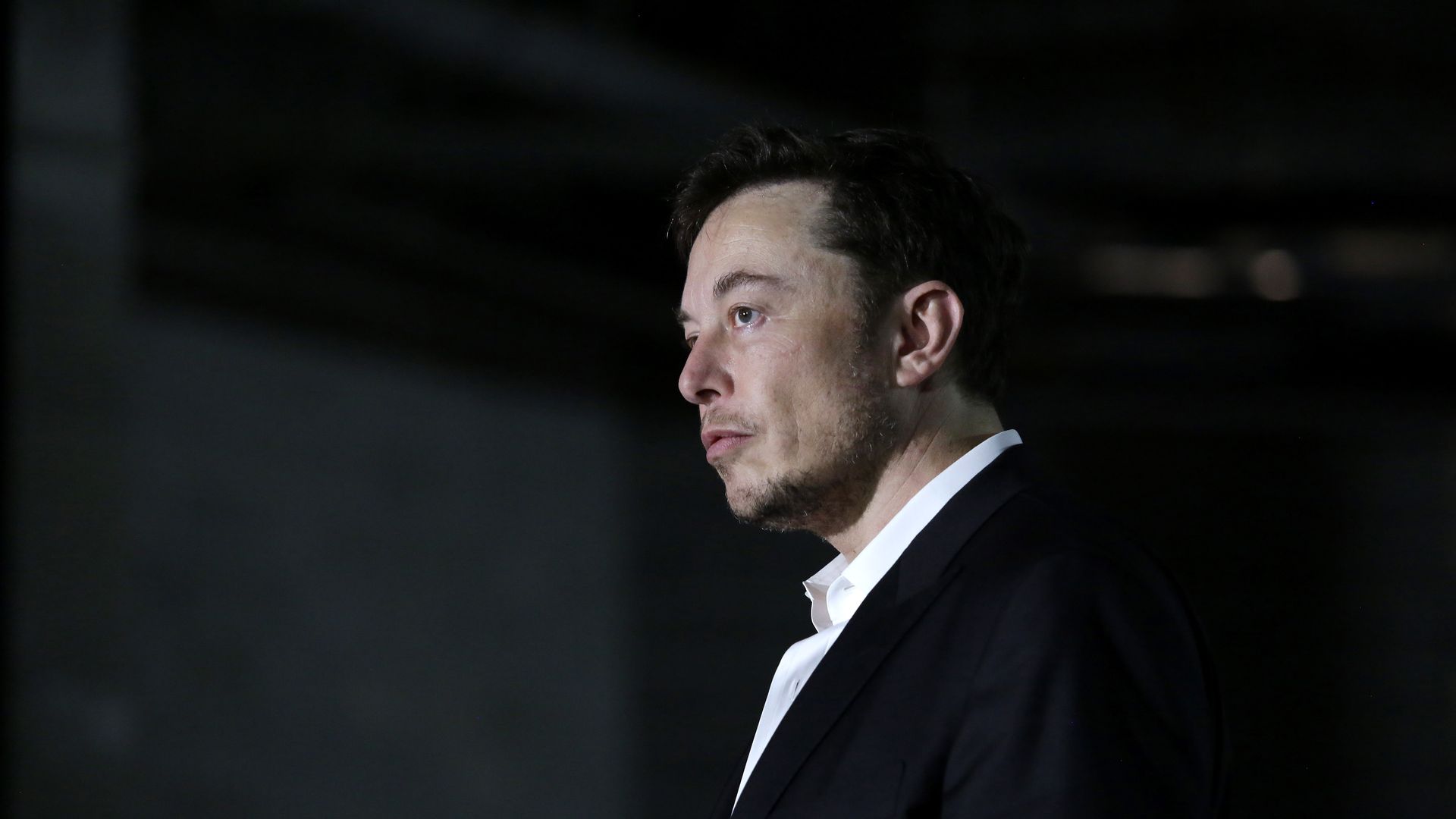
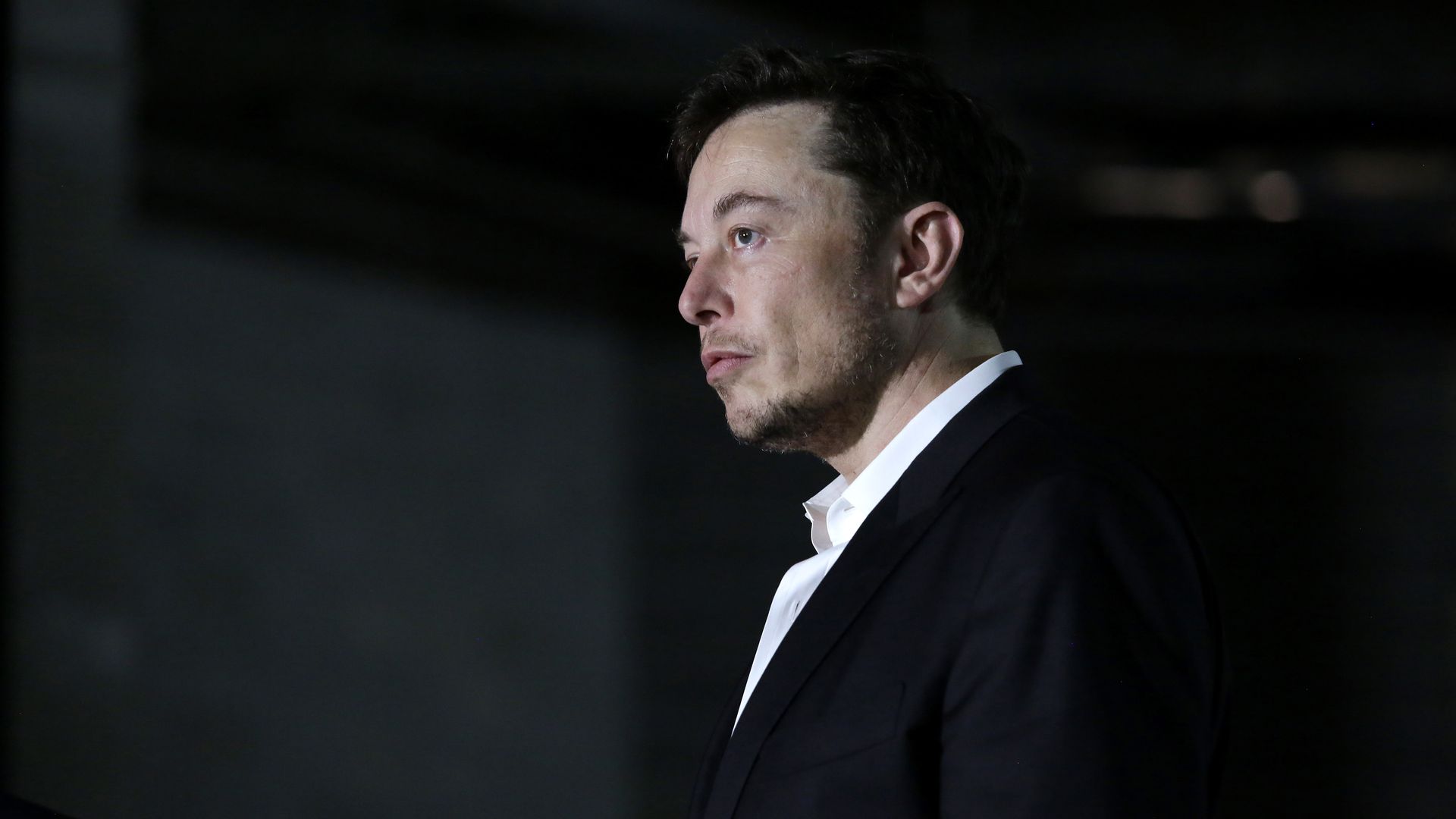
Tesla shares closed down more than 3% after making up significant ground, following reports that the Justice Department is investigating Tesla and CEO Elon Musk's "funding secured" head fake.
Why it matters: Today's stock moves were not as bad as some feared, especially since shares of Tesla are down about 20% since the fateful August tweet. Tie in Musk's other troubles (including an SEC civil inquiry and a suit from a Thai cave diver), and the stock's volatility is far from over.
The Department of Justice is investigating Tesla and its CEO Elon Musk for fraud, after Musk tweeted last month that he had "funding secured" for a possible buyout of the company at $420 per share, reports Bloomberg.
The big picture: Tesla already is under civil investigation by the SEC for the same tweet.
Tuesday marks the first official White House visit by Polish president Andrzej Duda. Up for discussion will be U.S. military bases and Polish energy security.
The big picture: Poland remains one of the last all-weather allies for the Trump administration in an increasingly skeptical Europe. While many European allies have soured on the U.S. over increasingly fraught security and trade relations, Poland is doubling down on its relationship with the U.S. — and with Trump himself.
In addition to possible competition from Lucid, an electric vehicle startup that will receive more than $1 billion from Saudi Arabia's sovereign wealth fund (PIF), Tesla is still trying to repair damage from CEO Elon Musk's self-inflicted wounds.
Why it matters: Tesla is in one of the rockiest stretches of its 15-year history as it seeks to show consistent and well-executed Model 3 production increases and to make good on Musk's promise of imminent profitability.
Let's unpack yesterday's news that Saudi Arabia's sovereign wealth fund (PIF) plans to pour over $1 billion into the electric vehicle startup Lucid Motors, a potential Tesla rival which hopes to launch commercial production of a luxury sedan in 2020.
The backdrop: The PIF is, of course, the same fund that Tesla CEO Elon Musk famously said was on the cusp of funding his quickly-aborted, take-private plan. Lucid Motors' CTO Peter Rawlinson, a Tesla alum, went on a PR offensive yesterday to talk up what it hopes to accomplish with the Saudi cash.
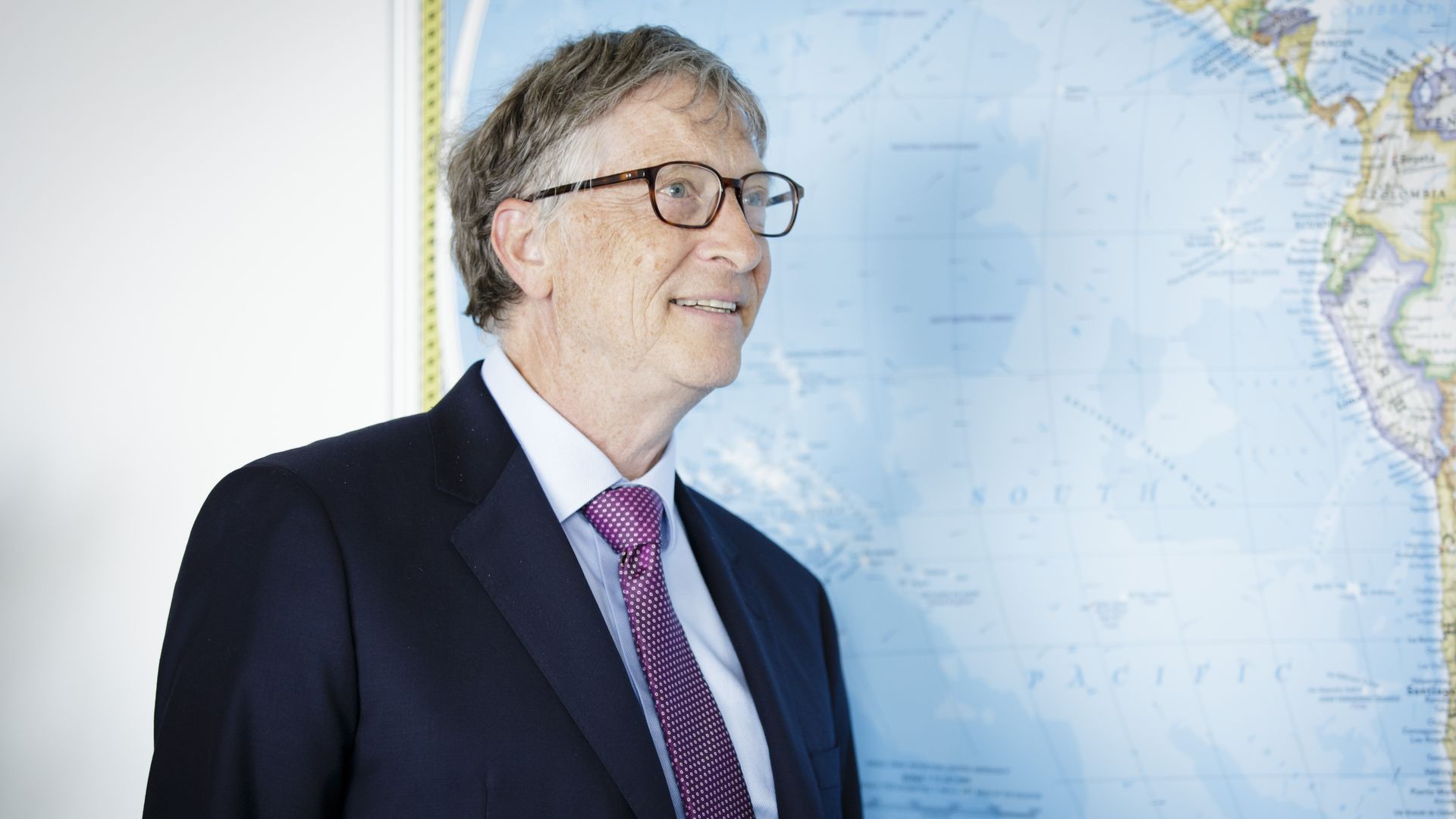
Genetically-modified seeds can help farmers adapt to droughts and other changes brought on by human-driven climate change, according to Bill Gates in new comments timed with a new report.
Driving the news: The report, a second annual scorecard of the Bill & Melinda Gates Foundation's work, focuses mainly on youth population growth and sub-Saharan Africa. A big part of that involves agriculture — hence the focus on climate change and genetically-modified organisms.
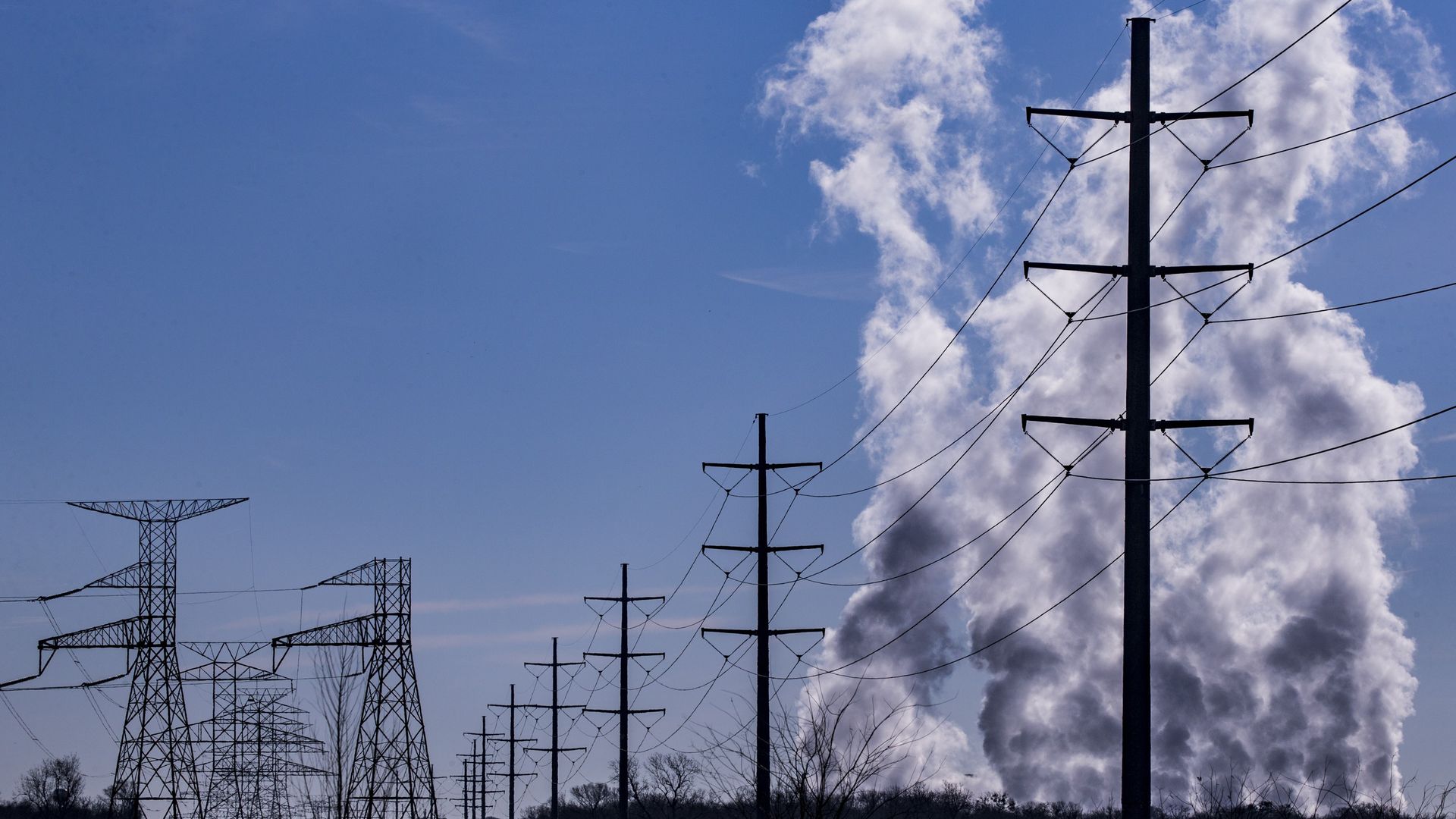
A 50 megawatt, zero-emissions natural gas demonstration plant near La Porte, Texas, had its first successful fire in May. NetPower, the company that owns the plant, has set a goal to deploy 300-megawatt commercial-scale plants around the world beginning as early as 2021, and says its technology should work with coal, too.
Why it Matters: Researchers have sought for decades to realize the potential of carbon capture technology to make fossil fuels into a cost-competitive, zero-emissions power source. If NetPower's technology keeps working, this dream could become reality. Implementing such a technology could make a significant dent in global carbon emissions, given that the U.S. Energy Information Administration (EIA) expects fossil fuels to account for more than three-quarters of world energy consumption through 2040.
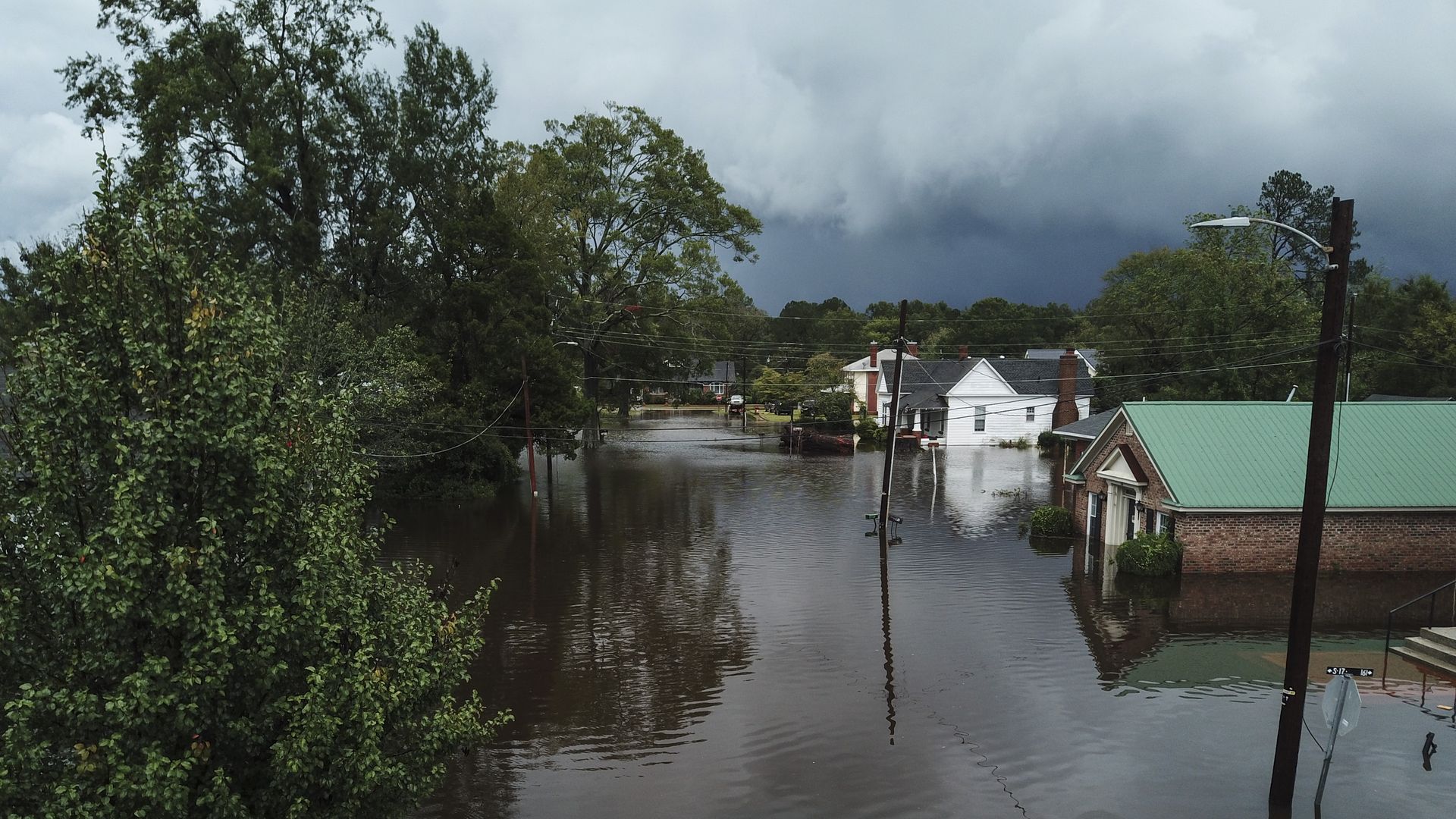
After record-shattering rainfall from Hurricane Florence, rivers in North Carolina are continuing to rise to never-before-seen levels, inundating entire communities and prompting thousands to hastily evacuate. At least 23 people have perished in the storm and its aftermath so far, and this number is likely to rise.
The big picture: Florence, along with Hurricane Harvey that struck Texas last year, has finally confirmed that measuring a hurricane's intensity based solely on its winds is misleading at best. Florence, for example, set all-time rainfall records for any tropical storm or hurricane in North and South Carolina, and it has sent many rivers rising to record levels.
North Carolina faced damages of more than $10 billion from Hurricanes Bertha and Fran in 1996, part of a string of disasters that forced the insurance industry to evaluate how much coastal risk it was willing to sustain.
The big picture: Despite wholesale reforms in insurance and increased awareness about future vulnerability for coastal property, developers built 113,000 new homes in coastal North Carolina from 2000-2014, ProPublica notes.
A British diver who assisted in the rescue of a Thai soccer team from a flooded cave earlier this year is suing Elon Musk for wrongfully accusing him of being a pedophile on Twitter, the AP reports.
The big picture: The diver, Vernon Unsworth, harshly criticized Musk's move of sending a small submarine to help with the Thai rescue, calling it a "PR stunt." Musk responded by promising a video to prove the sub would have been successful, saying, "Sorry pedo guy, you really did ask for it." Unsworth is now seeking more than $75,000 in damages and a court order against Musk.
Saudi Arabia's sovereign wealth fund plans to invest over $1 billion into Lucid Motors, which the Silicon Valley electric automaker said will enable the commercial launch of its first vehicle in 2020.
Why it matters: The funding signals how the Saudis are seeking to use their Public Investment Fund (PIF) to help the kingdom, OPEC's dominant oil producer, diversify its crude-reliant economy.
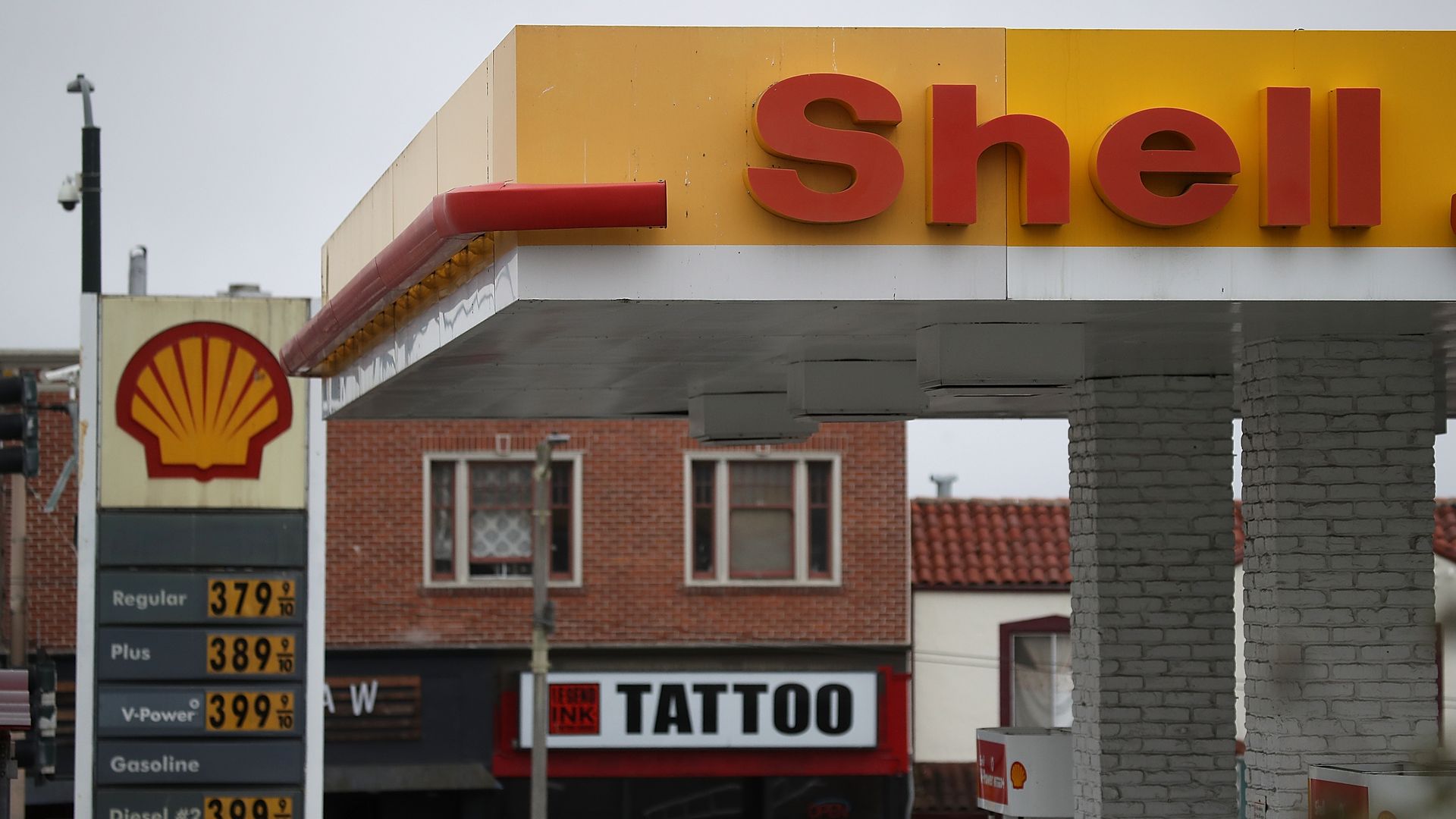
Royal Dutch Shell unveiled plans Monday to cut methane emissions from its worldwide operations to below 0.2% of the natural gas from their projects by 2025.
Why it matters: Shell, BP and others promote natural gas as a climate-friendly alternative to coal, thanks to its far lower carbon emissions when it's burned.
Technology capturing and putting to use carbon dioxide emissions is gaining momentum, with a new initiative to be announced this week by Columbia University.
Why it matters: The initiative reflects growing interest in the technology among foundations and other groups. Scientists say it’s increasingly essential for limiting Earth’s temperature rise and avoiding the worst impacts of a warmer world. This is because there is already so much buildup of greenhouse gases in the atmosphere, we’ve reached a point that some needs to be taken out.