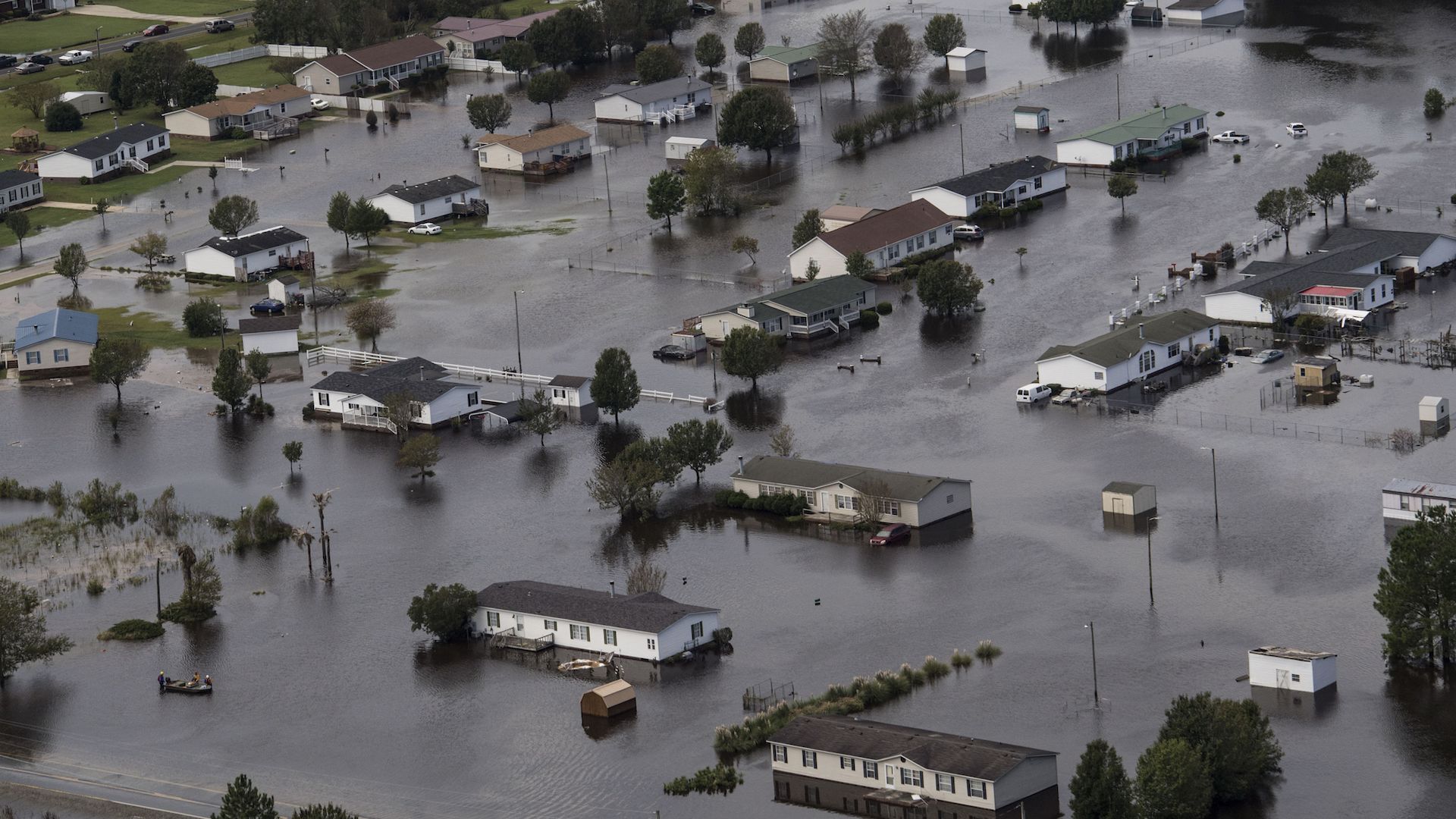
Hurricane Florence's rains have finally left the Carolinas, but the risks there are growing with rising rivers.
The big picture: Florence's death toll had risen to nearly 40 by Wednesday, with the storm shattering rainfall records in the Carolinas and ranking as an event that had less than a 0.1% chance of occurring in any given year. (In other words, this was a 1,000-year event for many.) Floodwaters have breached at least two storage facilities for coal ash, and hog farms that dot the landscape of eastern North Carolina are reportedly leaking waste into floodwaters.
Dan talks about how cities are cracking down on electric scooter companies, like Bird and Lime:
"Why it matters is that, until a few years ago, cities hadn’t undergone a major transportation shift since horses gave way to cars. But now those changes are coming fast and furious, from ride-hail to self-driving to scooters. And each regulatory reaction, each incremental step, could set precedent for the next change."
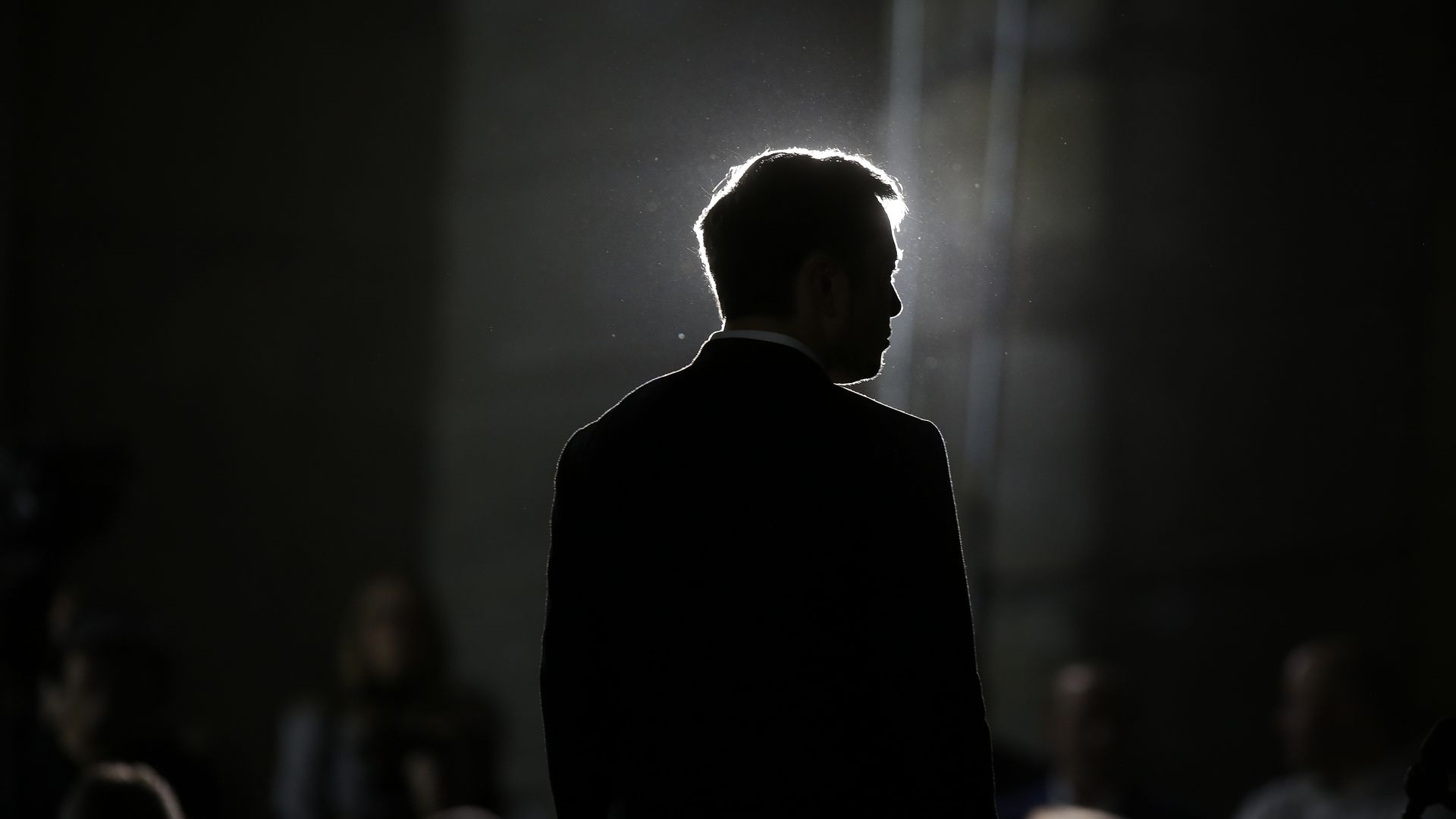
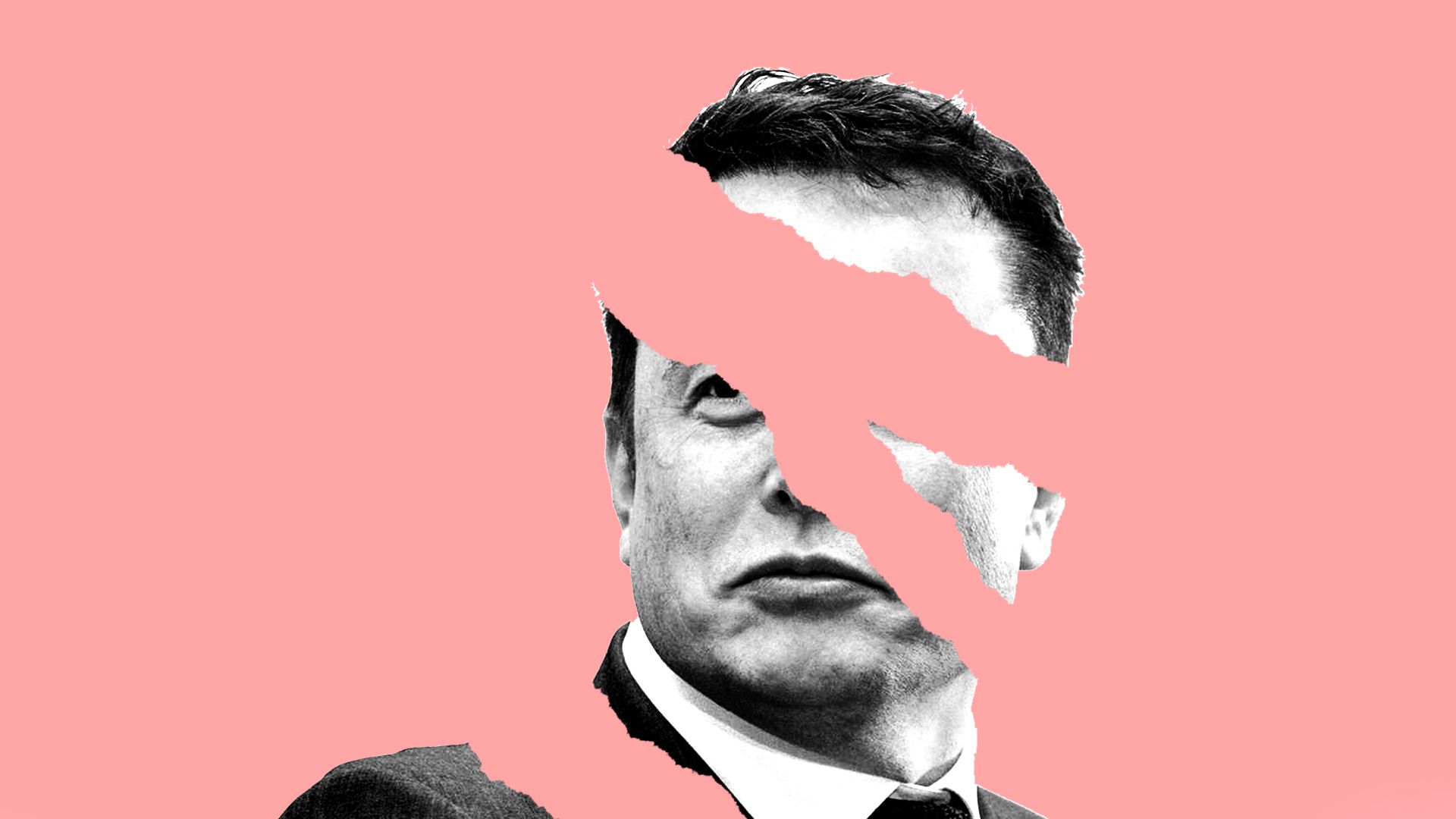
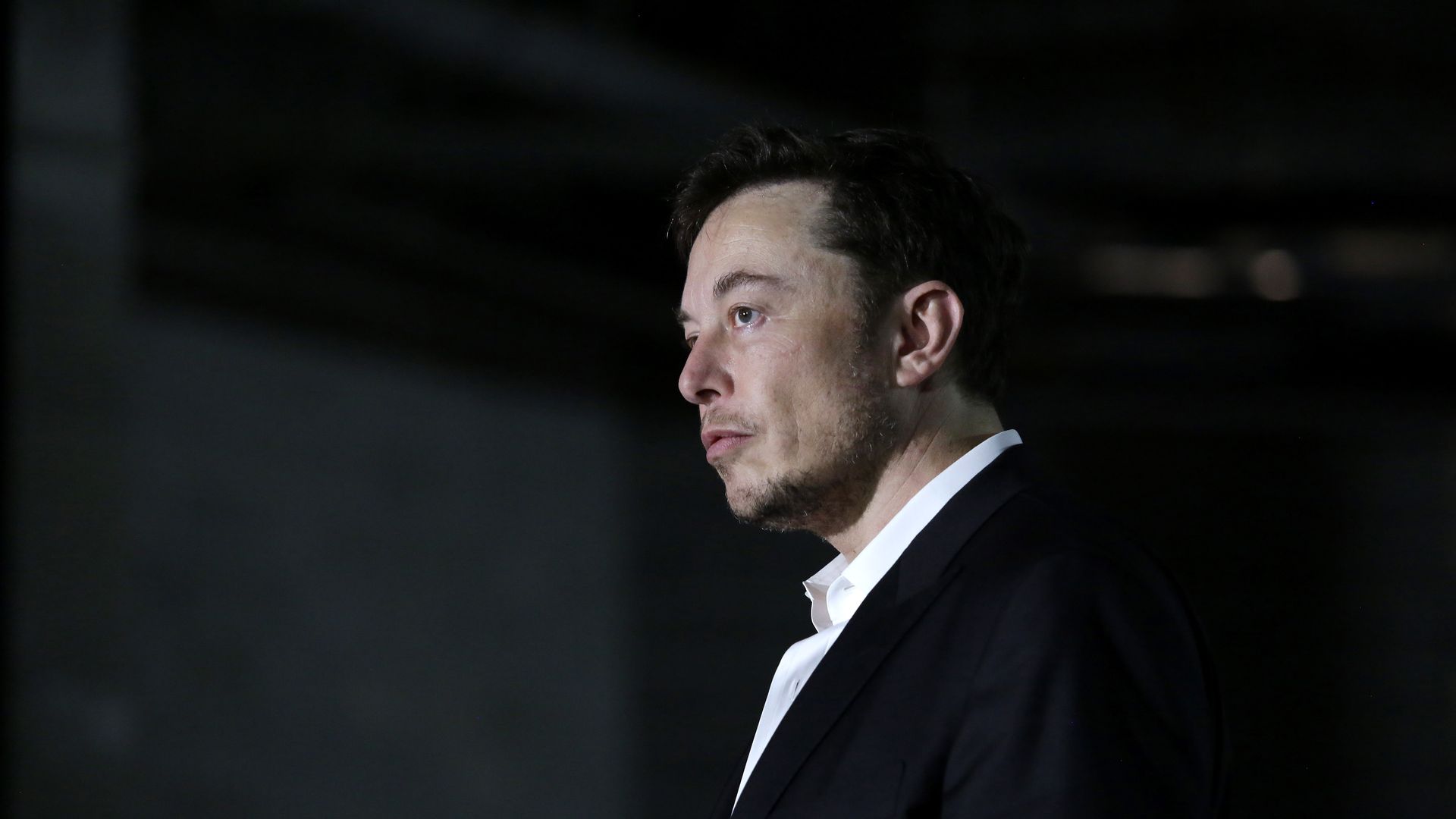
Tesla has lost over $10 billion in market cap since Elon Musk's infamous — and false — claim, related to his efforts to take the company private.
The big picture: Both Musk and Tesla are now under criminal investigation by the Department of Justice, in addition to a continuing investigation by the SEC. The real fear now, for Tesla, its shareholders and its fanboys is that the government could find some sort of accounting or management problems that have nothing to do with the take-private fiasco.
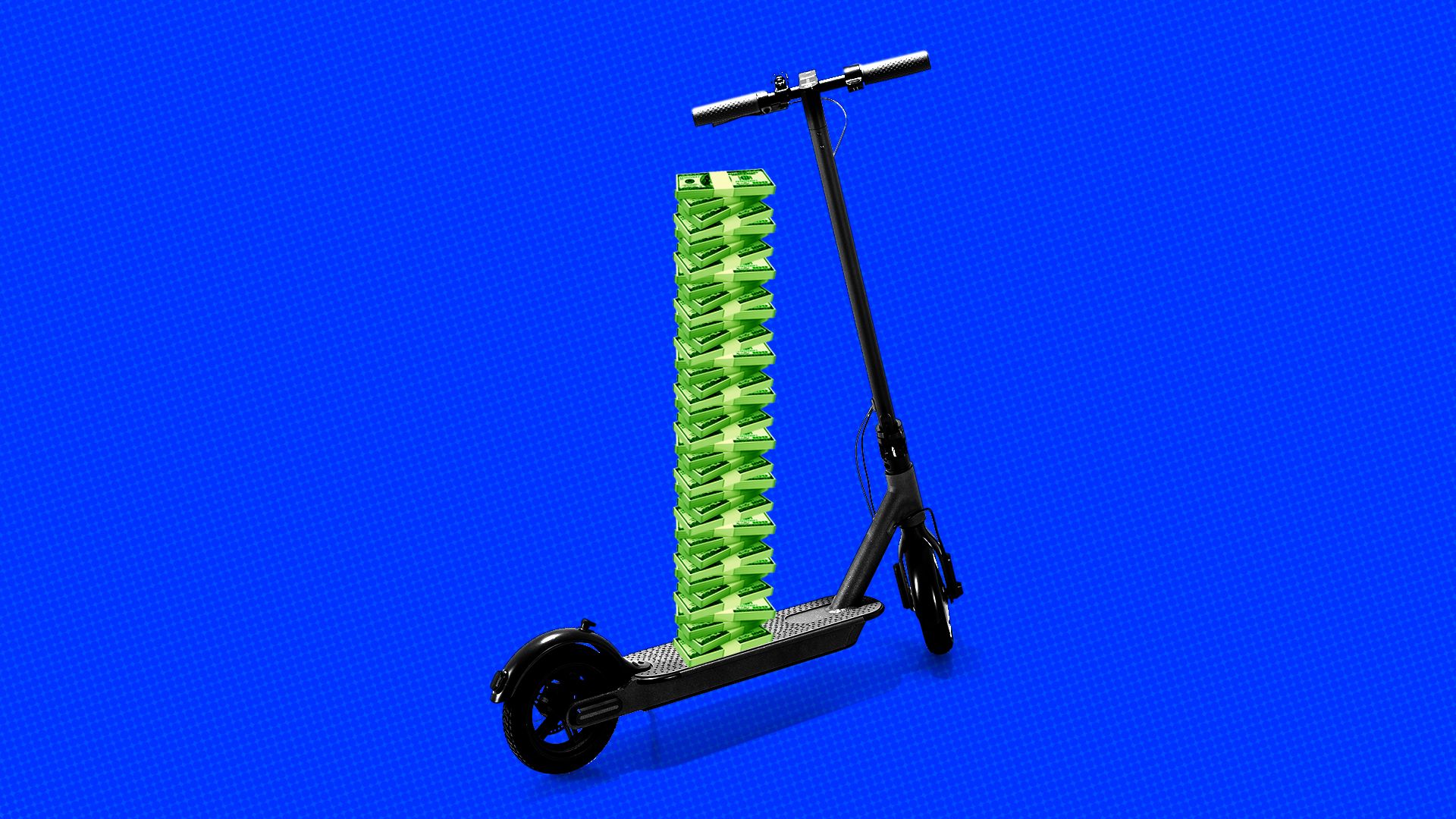
E-scooter rental startups are facing strict limits and barriers in a number of cities, but venture capitalists still say their astronomical valuations for companies like Bird and Lime are reasonable.
The bottom line: Investors believe the restrictions are temporary.
Imagine being Elon Musk — a billionaire who's started two of the world's most famous companies, but now faces self-created blowback leading to a never-ending string of bad publicity and circling stock market sharks.
The big picture: Musk and Tesla face legal problems on several fronts and the company is bleeding key talent. Meanwhile, newer players are emerging in the electric vehicle market as established automakers like Audi are readying new offerings.
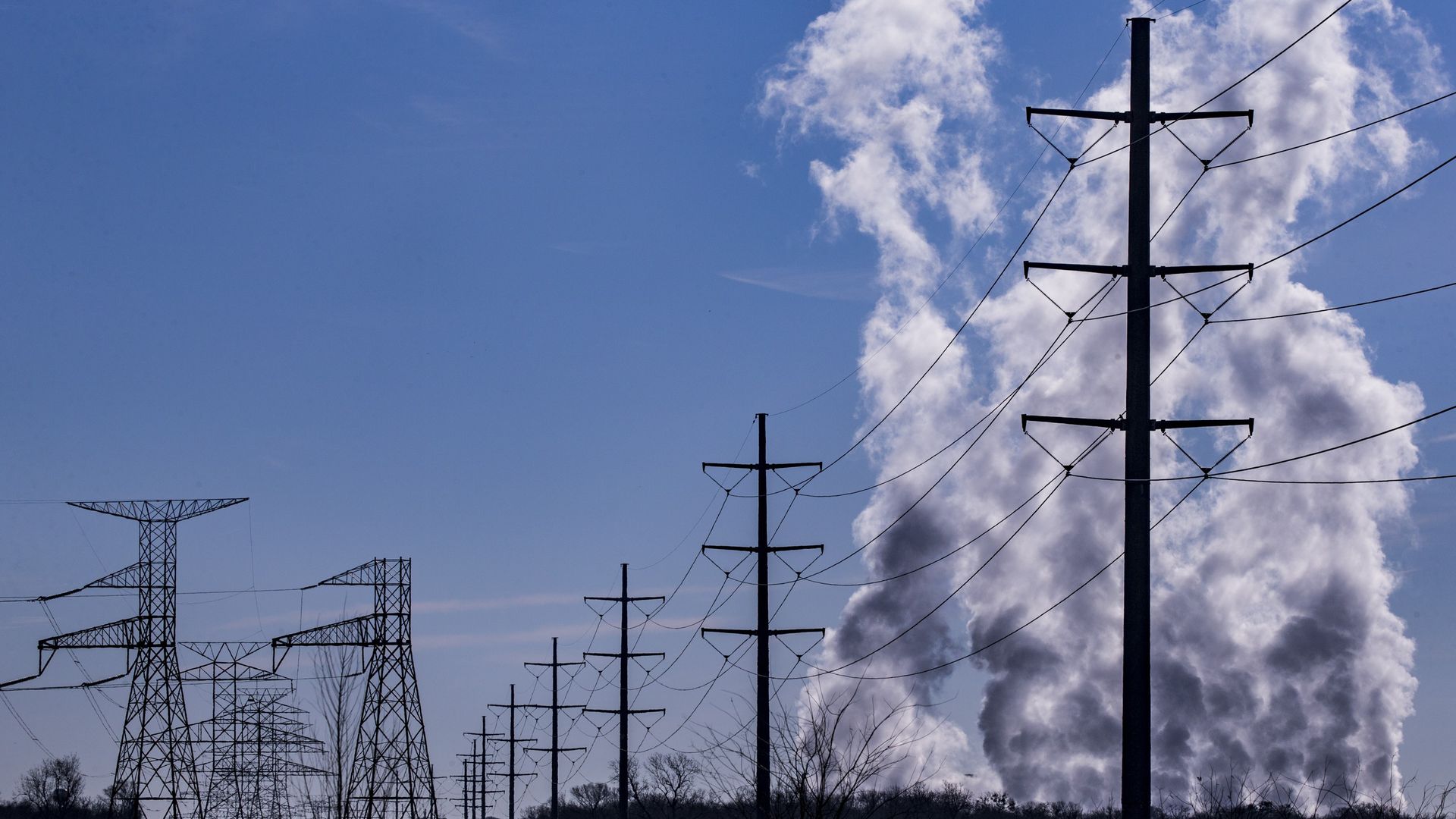
America’s electricity mix has undergone profound changes over the last decade, with natural gas and renewables rising and coal declining.
The big picture: The energy revolution has occurred differently across the U.S., so let’s tell these stories through four states whose electricity mixes are notable for one reason or another.
Tesla shares closed down more than 3% after making up significant ground, following reports that the Justice Department is investigating Tesla and CEO Elon Musk's "funding secured" head fake.
Why it matters: Today's stock moves were not as bad as some feared, especially since shares of Tesla are down about 20% since the fateful August tweet. Tie in Musk's other troubles (including an SEC civil inquiry and a suit from a Thai cave diver), and the stock's volatility is far from over.
The Department of Justice is investigating Tesla and its CEO Elon Musk for fraud, after Musk tweeted last month that he had "funding secured" for a possible buyout of the company at $420 per share, reports Bloomberg.
The big picture: Tesla already is under civil investigation by the SEC for the same tweet.
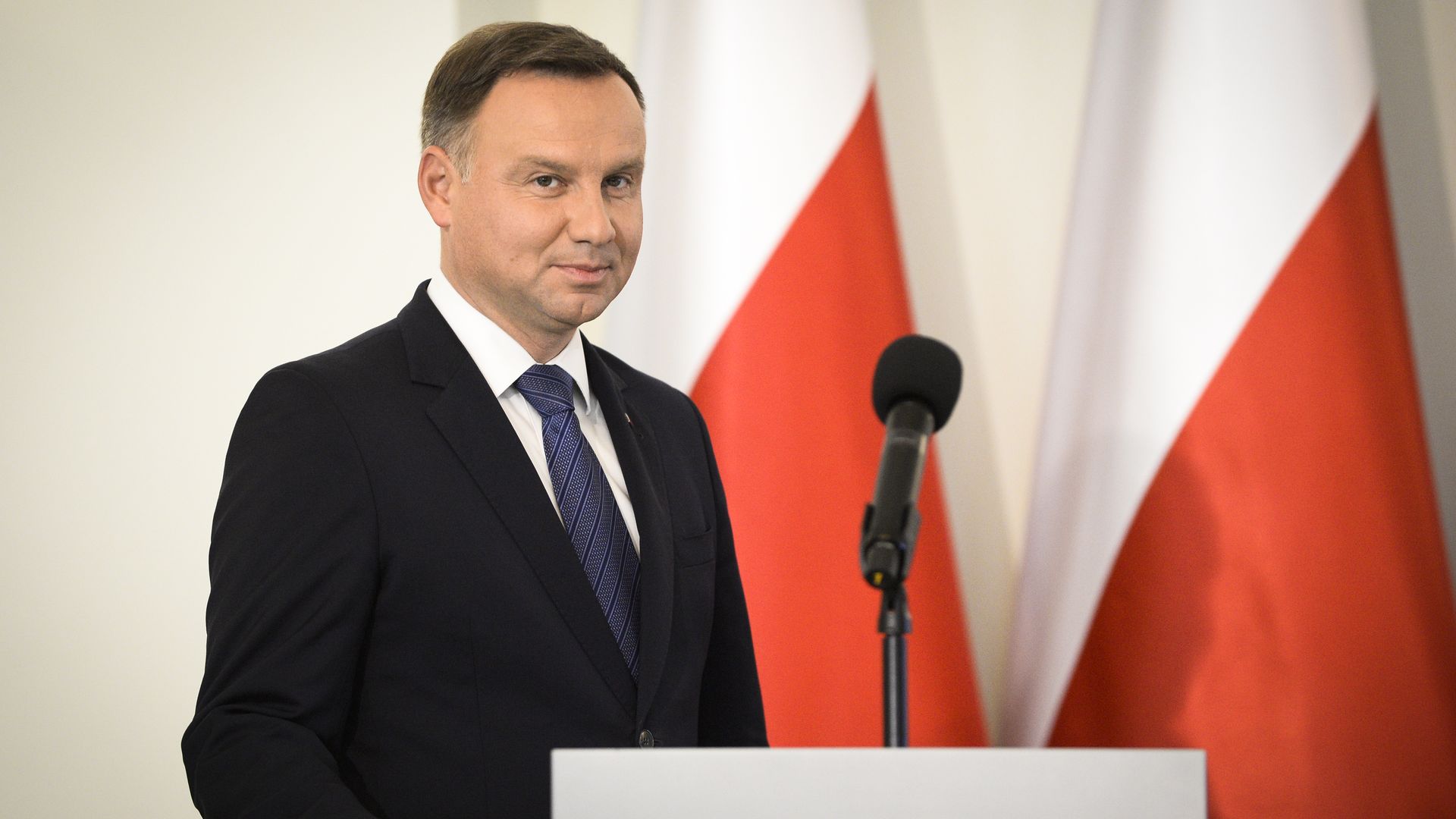
Tuesday marks the first official White House visit by Polish president Andrzej Duda. Up for discussion will be U.S. military bases and Polish energy security.
The big picture: Poland remains one of the last all-weather allies for the Trump administration in an increasingly skeptical Europe. While many European allies have soured on the U.S. over increasingly fraught security and trade relations, Poland is doubling down on its relationship with the U.S. — and with Trump himself.
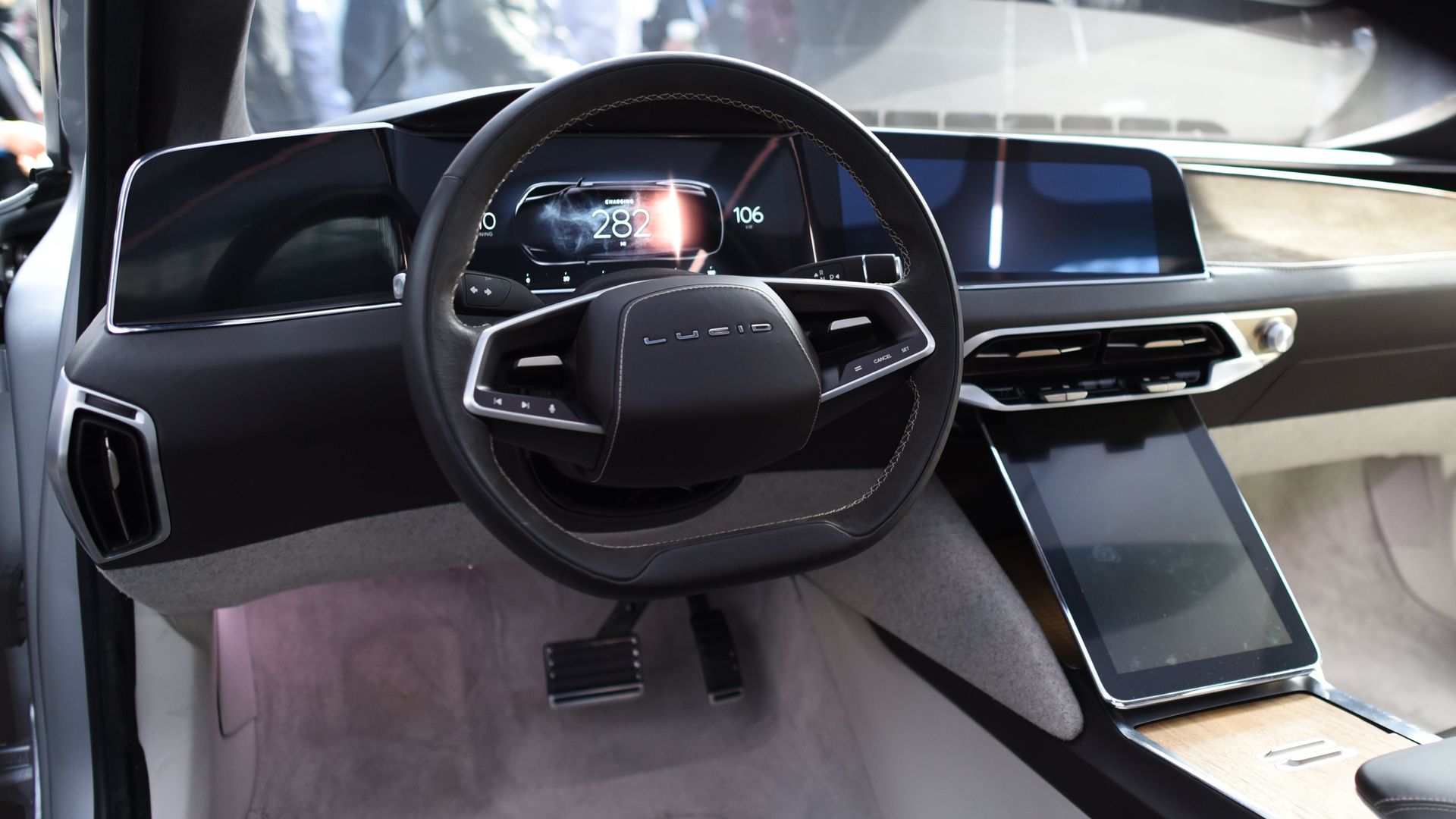
In addition to possible competition from Lucid, an electric vehicle startup that will receive more than $1 billion from Saudi Arabia's sovereign wealth fund (PIF), Tesla is still trying to repair damage from CEO Elon Musk's self-inflicted wounds.
Why it matters: Tesla is in one of the rockiest stretches of its 15-year history as it seeks to show consistent and well-executed Model 3 production increases and to make good on Musk's promise of imminent profitability.
Let's unpack yesterday's news that Saudi Arabia's sovereign wealth fund (PIF) plans to pour over $1 billion into the electric vehicle startup Lucid Motors, a potential Tesla rival which hopes to launch commercial production of a luxury sedan in 2020.
The backdrop: The PIF is, of course, the same fund that Tesla CEO Elon Musk famously said was on the cusp of funding his quickly-aborted, take-private plan. Lucid Motors' CTO Peter Rawlinson, a Tesla alum, went on a PR offensive yesterday to talk up what it hopes to accomplish with the Saudi cash.
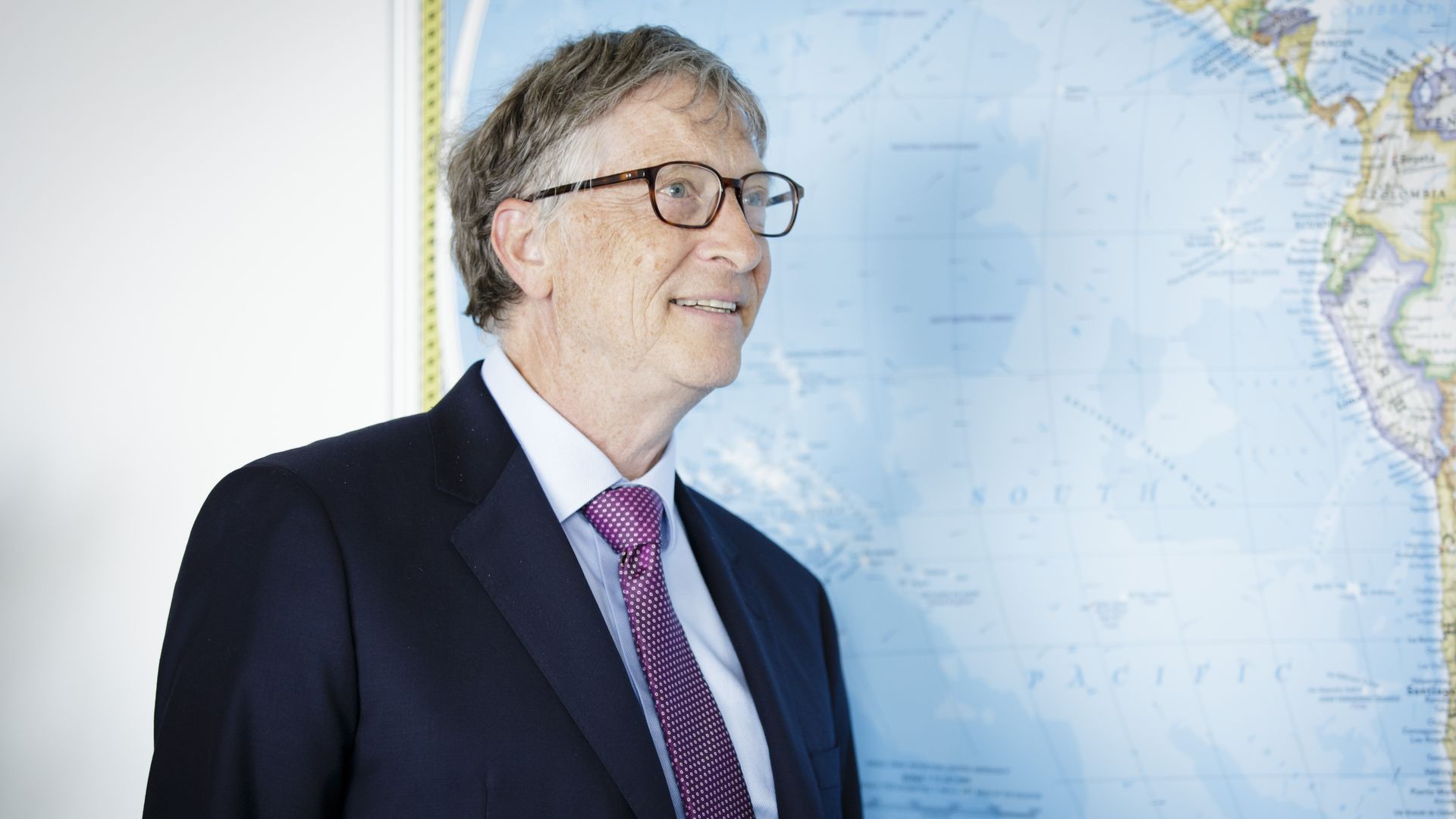
Genetically-modified seeds can help farmers adapt to droughts and other changes brought on by human-driven climate change, according to Bill Gates in new comments timed with a new report.
Driving the news: The report, a second annual scorecard of the Bill & Melinda Gates Foundation's work, focuses mainly on youth population growth and sub-Saharan Africa. A big part of that involves agriculture — hence the focus on climate change and genetically-modified organisms.
A 50 megawatt, zero-emissions natural gas demonstration plant near La Porte, Texas, had its first successful fire in May. NetPower, the company that owns the plant, has set a goal to deploy 300-megawatt commercial-scale plants around the world beginning as early as 2021, and says its technology should work with coal, too.
Why it Matters: Researchers have sought for decades to realize the potential of carbon capture technology to make fossil fuels into a cost-competitive, zero-emissions power source. If NetPower's technology keeps working, this dream could become reality. Implementing such a technology could make a significant dent in global carbon emissions, given that the U.S. Energy Information Administration (EIA) expects fossil fuels to account for more than three-quarters of world energy consumption through 2040.