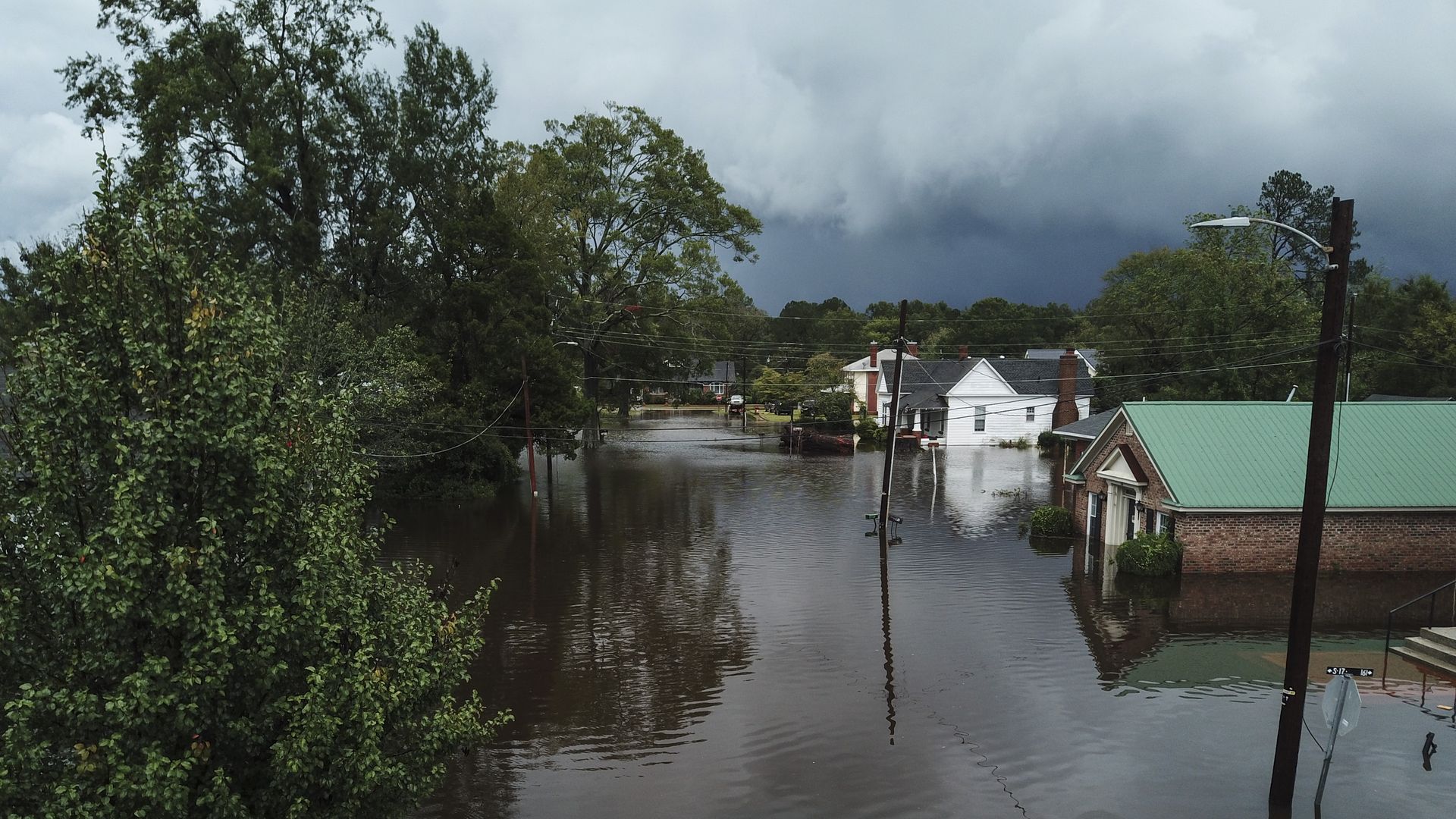
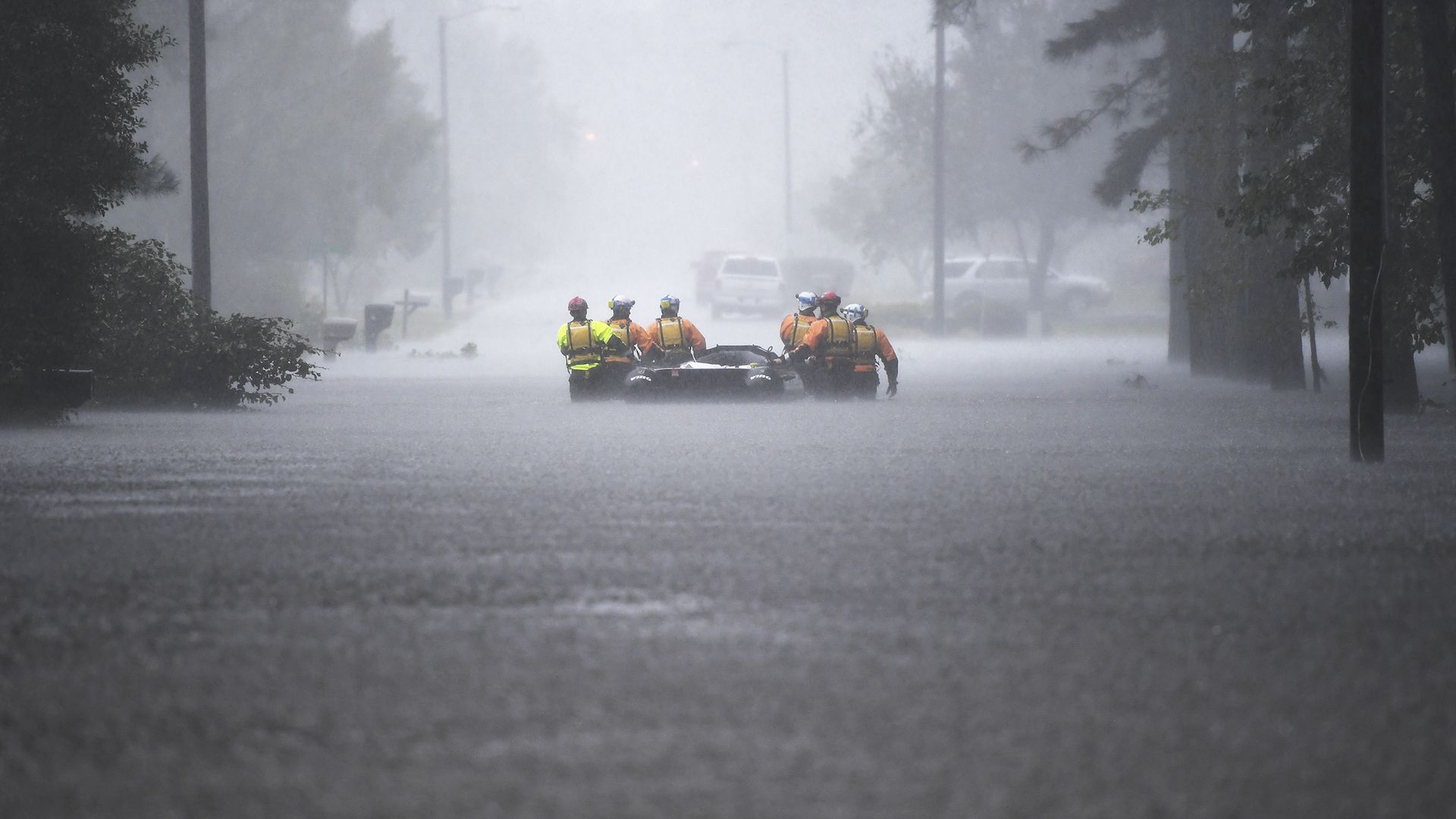
After record-shattering rainfall from Hurricane Florence, rivers in North Carolina are continuing to rise to never-before-seen levels, inundating entire communities and prompting thousands to hastily evacuate. At least 23 people have perished in the storm and its aftermath so far, and this number is likely to rise.
The big picture: Florence, along with Hurricane Harvey that struck Texas last year, has finally confirmed that measuring a hurricane's intensity based solely on its winds is misleading at best. Florence, for example, set all-time rainfall records for any tropical storm or hurricane in North and South Carolina, and it has sent many rivers rising to record levels.
North Carolina faced damages of more than $10 billion from Hurricanes Bertha and Fran in 1996, part of a string of disasters that forced the insurance industry to evaluate how much coastal risk it was willing to sustain.
The big picture: Despite wholesale reforms in insurance and increased awareness about future vulnerability for coastal property, developers built 113,000 new homes in coastal North Carolina from 2000-2014, ProPublica notes.
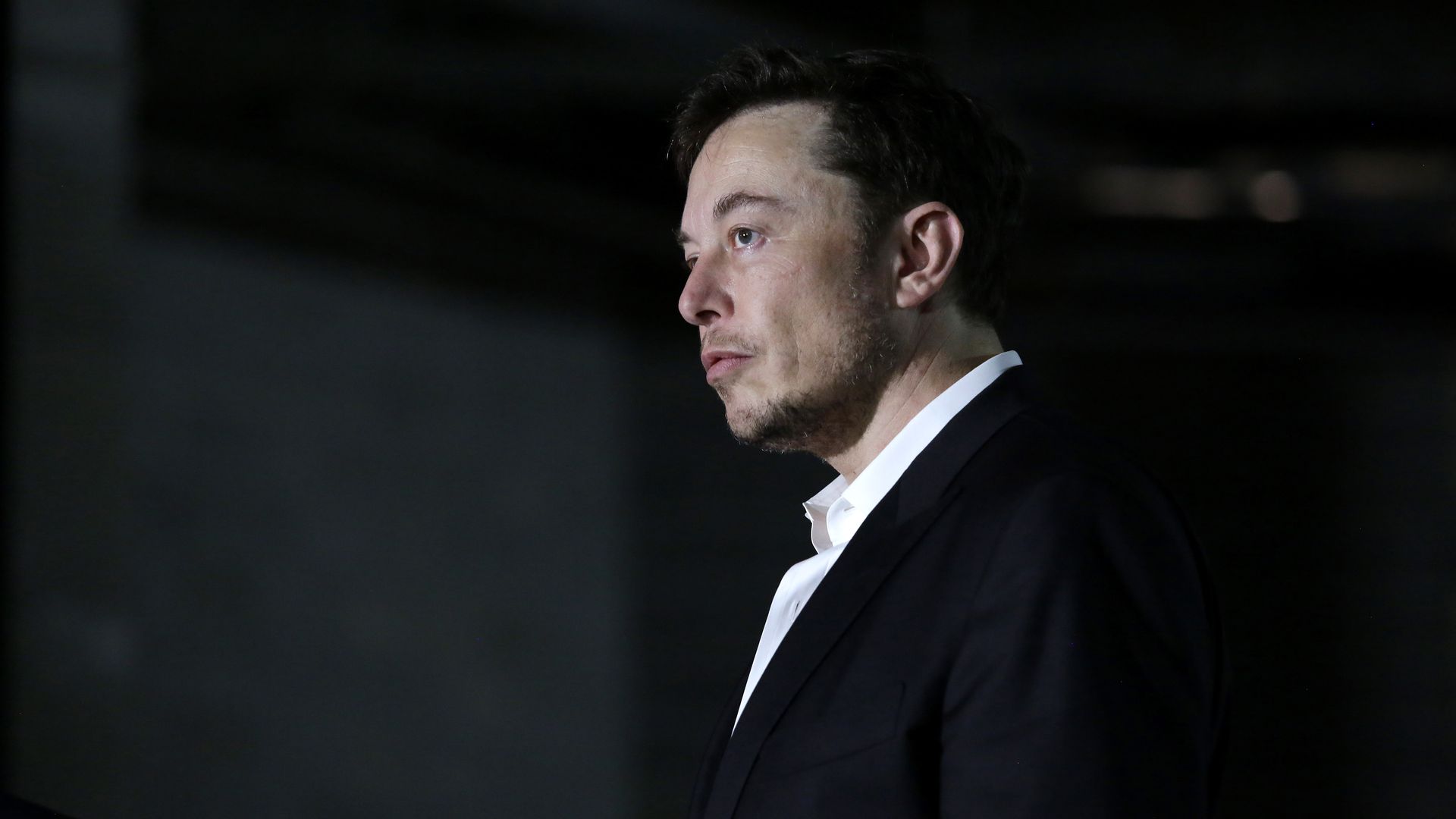
A British diver who assisted in the rescue of a Thai soccer team from a flooded cave earlier this year is suing Elon Musk for wrongfully accusing him of being a pedophile on Twitter, the AP reports.
The big picture: The diver, Vernon Unsworth, harshly criticized Musk's move of sending a small submarine to help with the Thai rescue, calling it a "PR stunt." Musk responded by promising a video to prove the sub would have been successful, saying, "Sorry pedo guy, you really did ask for it." Unsworth is now seeking more than $75,000 in damages and a court order against Musk.
Saudi Arabia's sovereign wealth fund plans to invest over $1 billion into Lucid Motors, which the Silicon Valley electric automaker said will enable the commercial launch of its first vehicle in 2020.
Why it matters: The funding signals how the Saudis are seeking to use their Public Investment Fund (PIF) to help the kingdom, OPEC's dominant oil producer, diversify its crude-reliant economy.
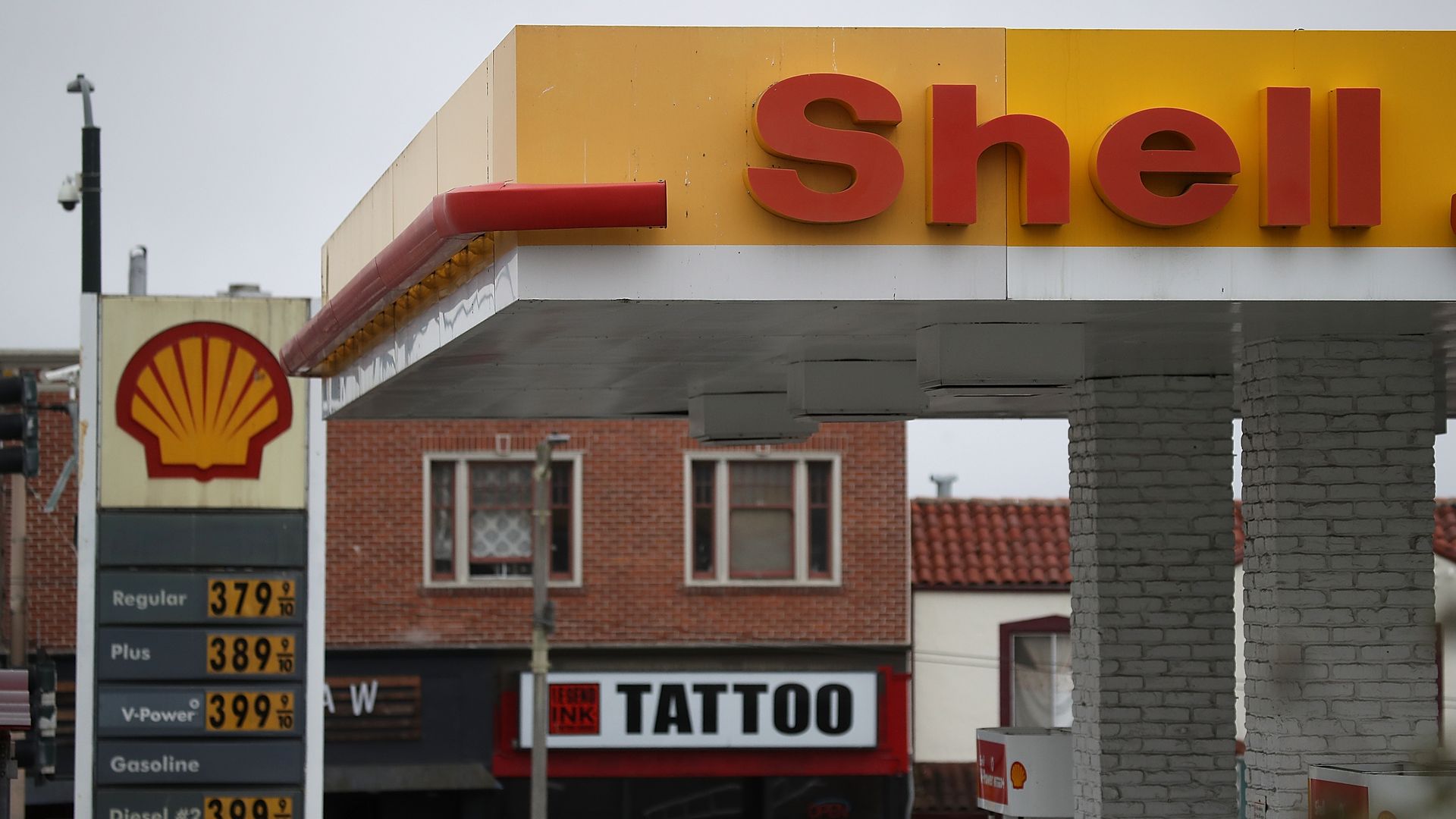
Royal Dutch Shell unveiled plans Monday to cut methane emissions from its worldwide operations to below 0.2% of the natural gas from their projects by 2025.
Why it matters: Shell, BP and others promote natural gas as a climate-friendly alternative to coal, thanks to its far lower carbon emissions when it's burned.
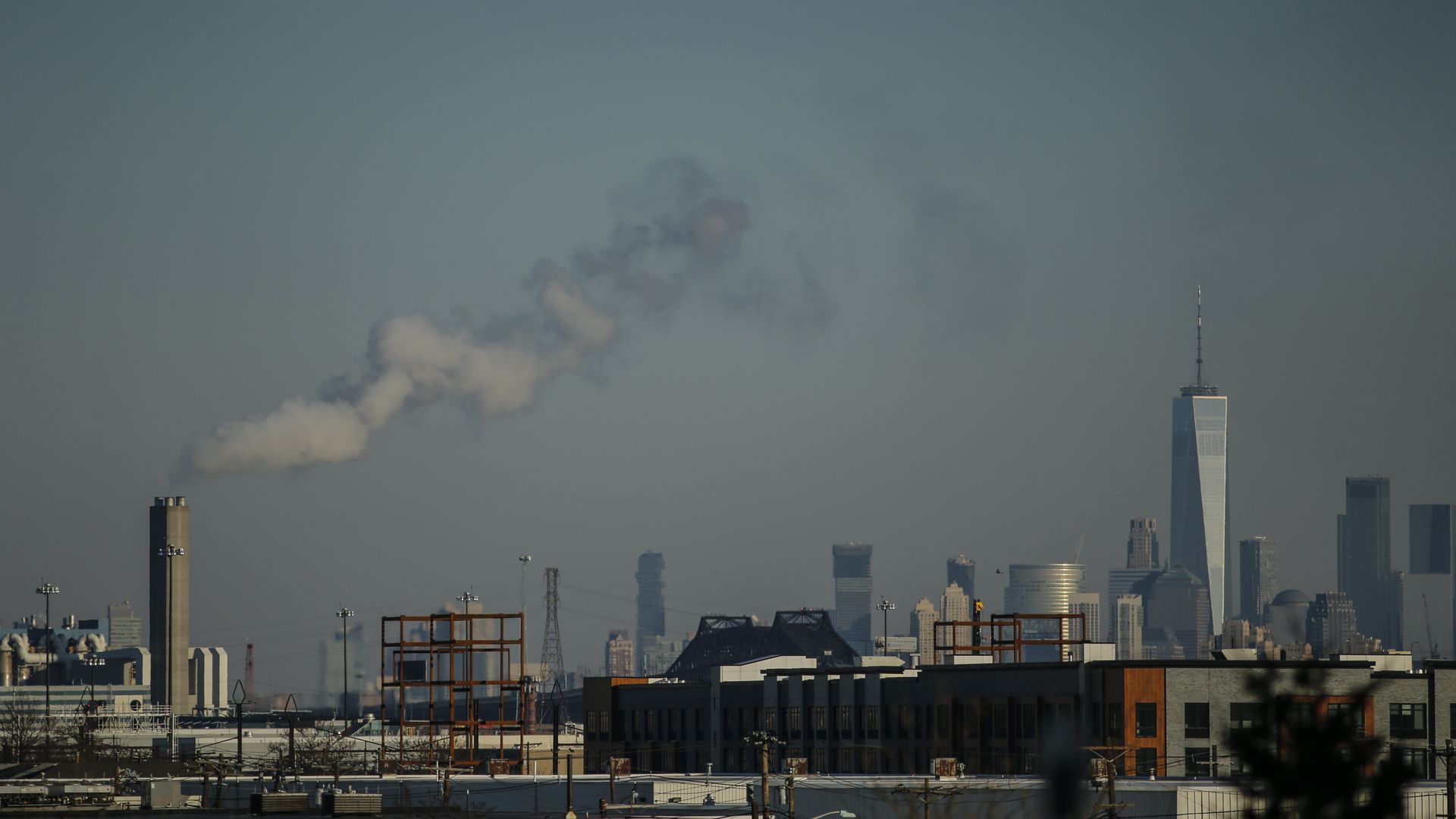
Technology capturing and putting to use carbon dioxide emissions is gaining momentum, with a new initiative to be announced this week by Columbia University.
Why it matters: The initiative reflects growing interest in the technology among foundations and other groups. Scientists say it’s increasingly essential for limiting Earth’s temperature rise and avoiding the worst impacts of a warmer world. This is because there is already so much buildup of greenhouse gases in the atmosphere, we’ve reached a point that some needs to be taken out.
No one saw the ZIRP* boom coming. When Lehman Brothers was allowed to go bankrupt, it was clear that the crisis was entering a new and much more dangerous phase and there would be a lot of financial carnage.
The big picture: But bears didn't make the really big money. Bulls did. Central banks slashed the cost of capital to zero and kept it there for the best part of a decade, encouraging capital-intensive investment. Austere governments demurred, but the private sector made trillions of dollars.
The number of undernourished people around the globe increased to nearly 821 million in 2017, the third straight year of growth and the highest figure since 2009, according to a new report from the UN's Food and Agriculture Organization.
Why it matters: Along with conflict and instability, this rise in global hunger is driven increasingly by climate change and related extreme weather events, putting some of the world's most vulnerable citizens at even greater risk.
FEMA administrator Brock Long said on CBS' Face the Nation that studies estimating the death toll from Hurricane Maria in Puerto Rico are "all over the place," after President Trump baselessly claimed this week that Democrats inflated the numbers in a new study that put the total number of deaths from the storm near 3,000.
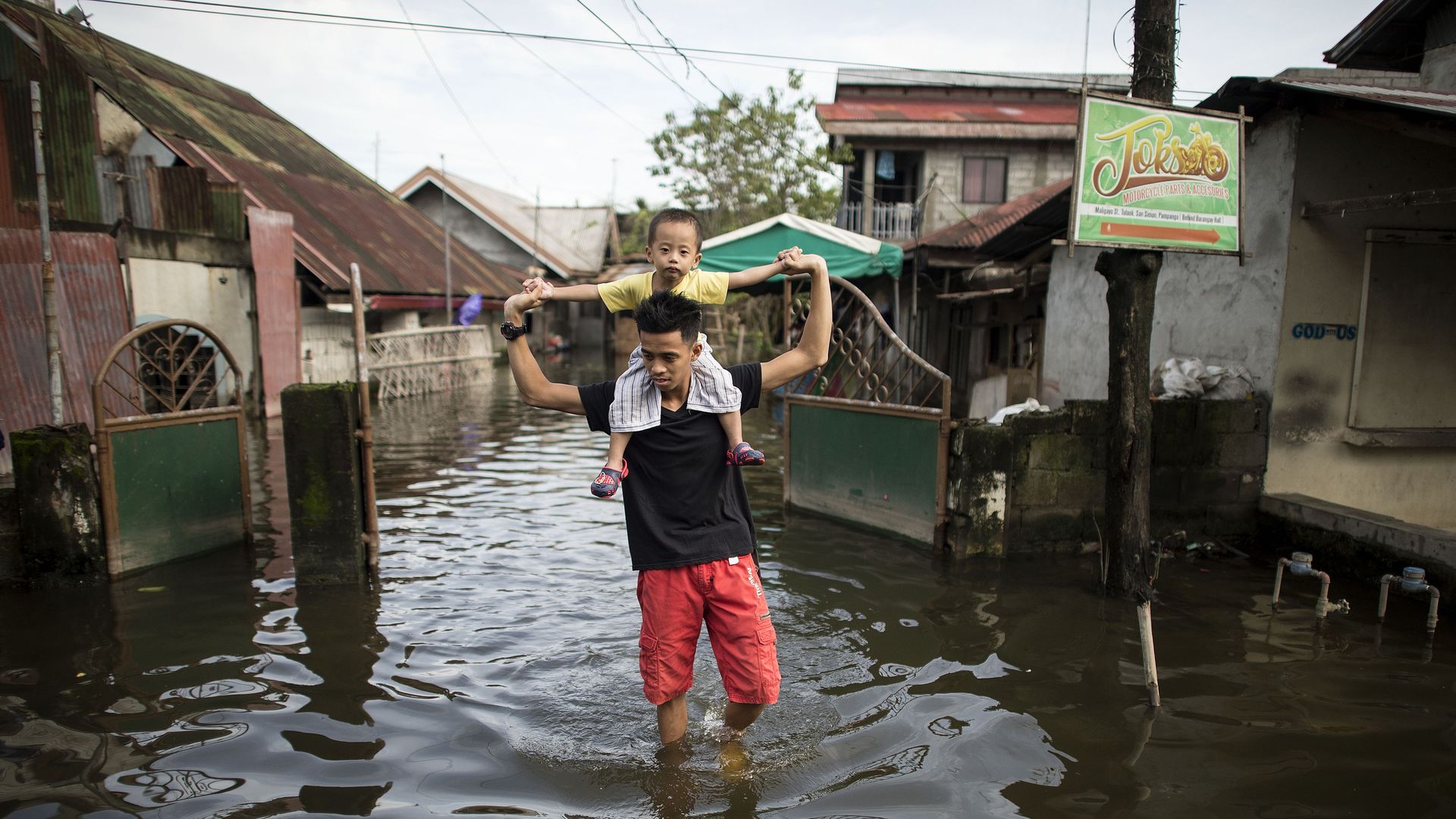
Typhoon Mangkhut forced more than 2.4 million people in China’s Guangdong province to relocate Sunday, where it made landfall after killing at least 64 people in the northern Philippines, AP reports.
Historic rainfall continues to wreak havoc in the Carolinas, where all-time rainfall records have already been broken. A swath of land between Wilmington and New Bern, North Carolina, is closing in on 40 inches of rainfall, as the heaviest rains begin to shift into a new, treacherous area: the Blue Ridge Mountains.
The big picture: The National Weather Service continues to warn of "catastrophic" and "life-threatening" flash flooding on Sunday as coastal North Carolina receives up to another half a foot of rain, since the circulation around the storm is still pulling in copious amounts of Atlantic moisture. The storm has killed at least a dozen people so far, and this number is likely to rise.