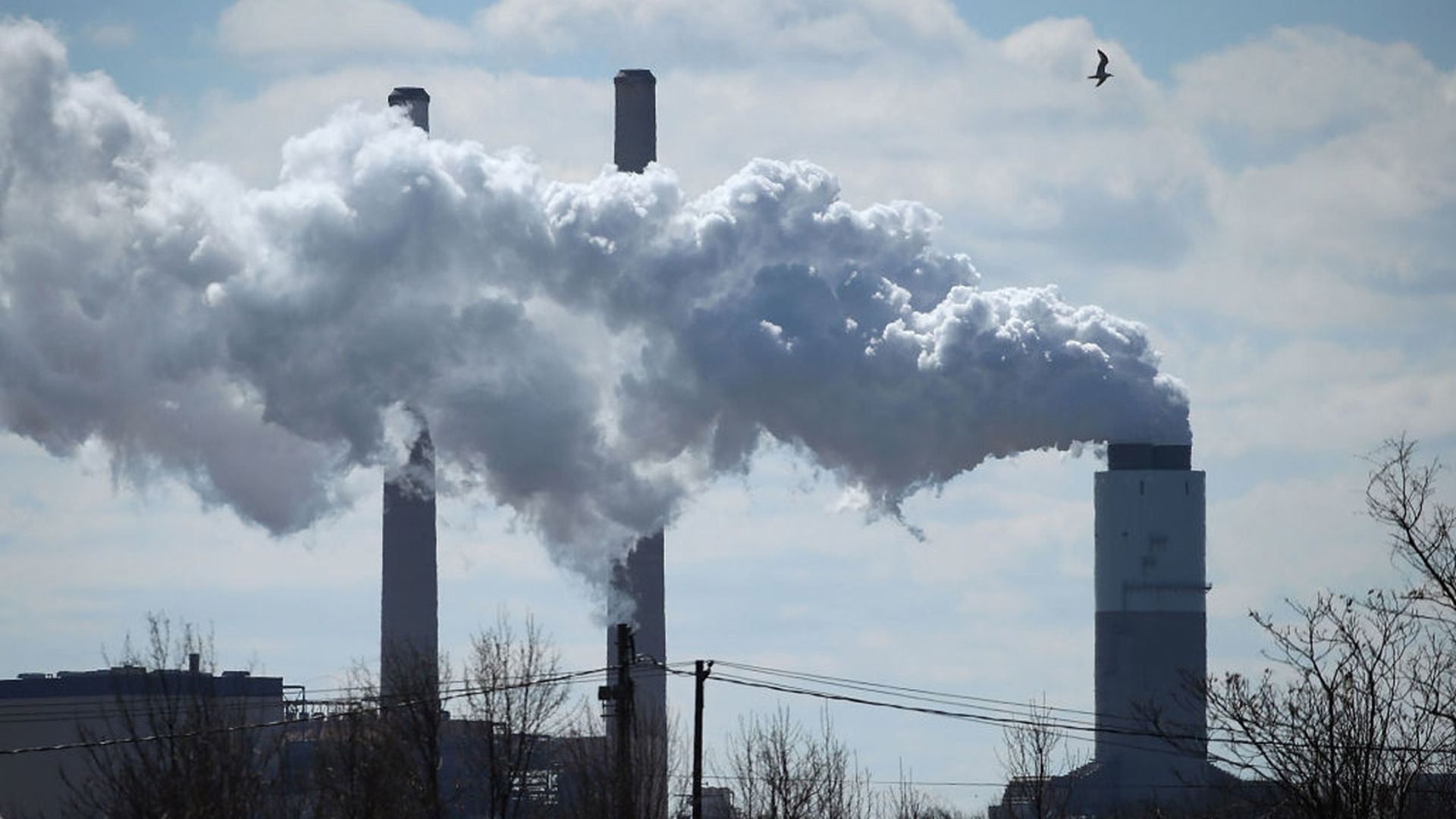
A new analysis concludes that local and regional governments, as well as corporations, can play a major role in cutting carbon emissions enough to prevent runaway global warming — but working together is crucial to making that happen.
Why it matters: The report is the most comprehensive global analysis yet of climate plans by cities, state and regional governments, and companies.
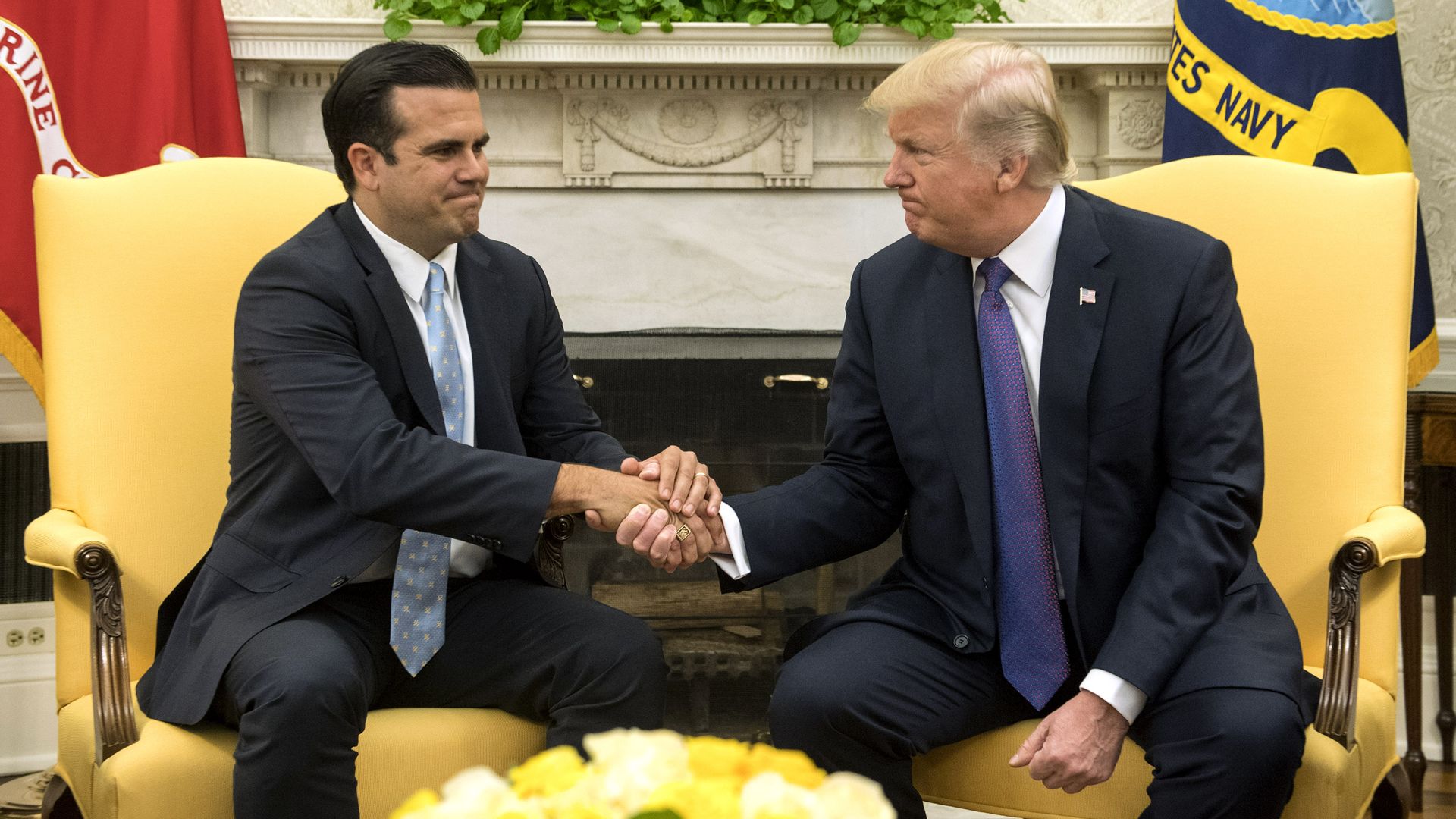
A day after the Puerto Rican governor raised Hurricane Maria's death toll to 2,975 — higher than Hurricane Katrina — President Donald Trump defended his administration's storm response, saying it did "a fantastic job."
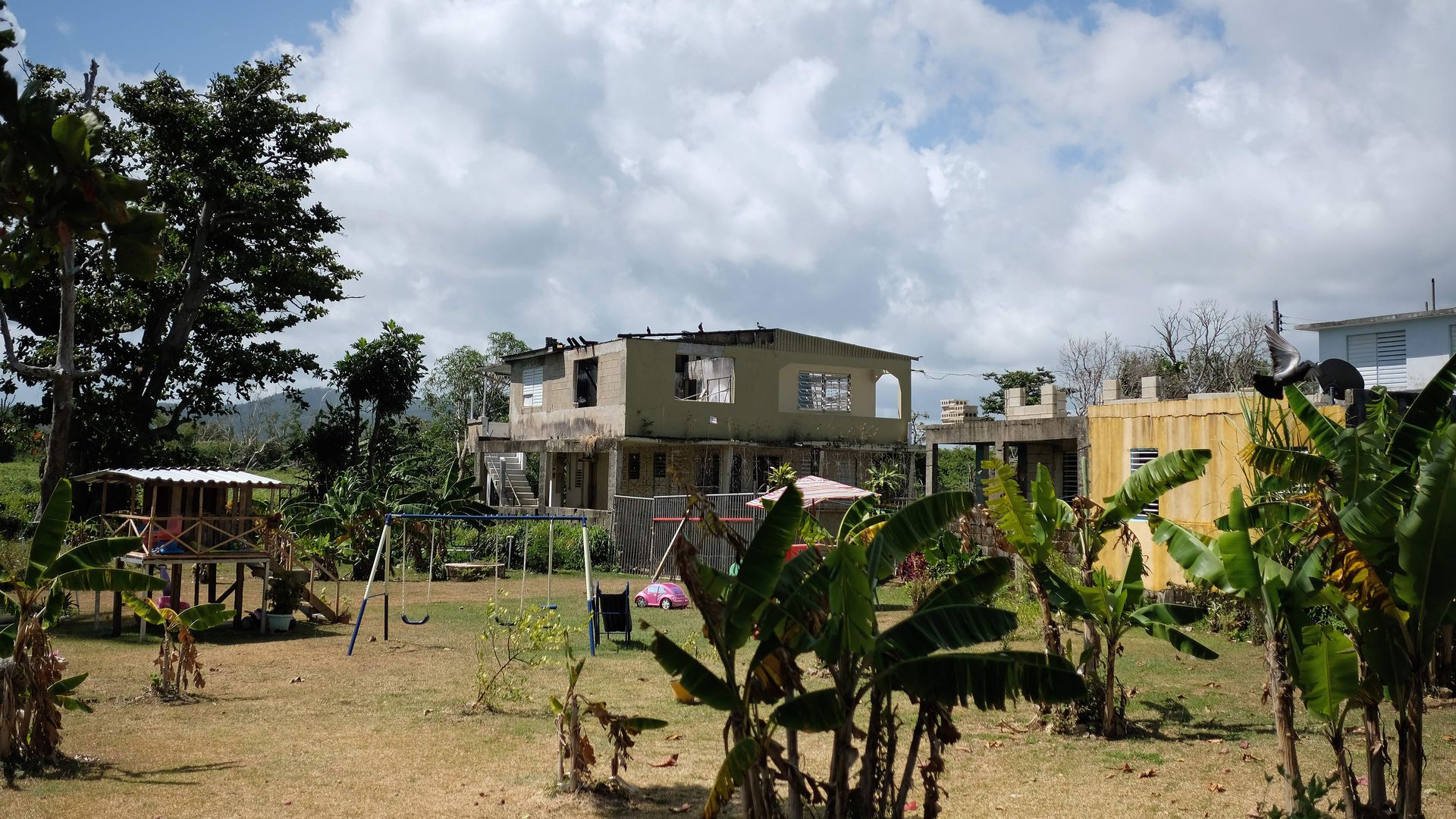
Why this matters: Trump has continued to come under criticism for responding too slowly and inadequately to the Category 4 storm, which knocked out the entire island's power grid and caused a humanitarian disaster. If the revised death count is correct, it would make Hurricane Maria one of the deadliest natural disasters in U.S. history.
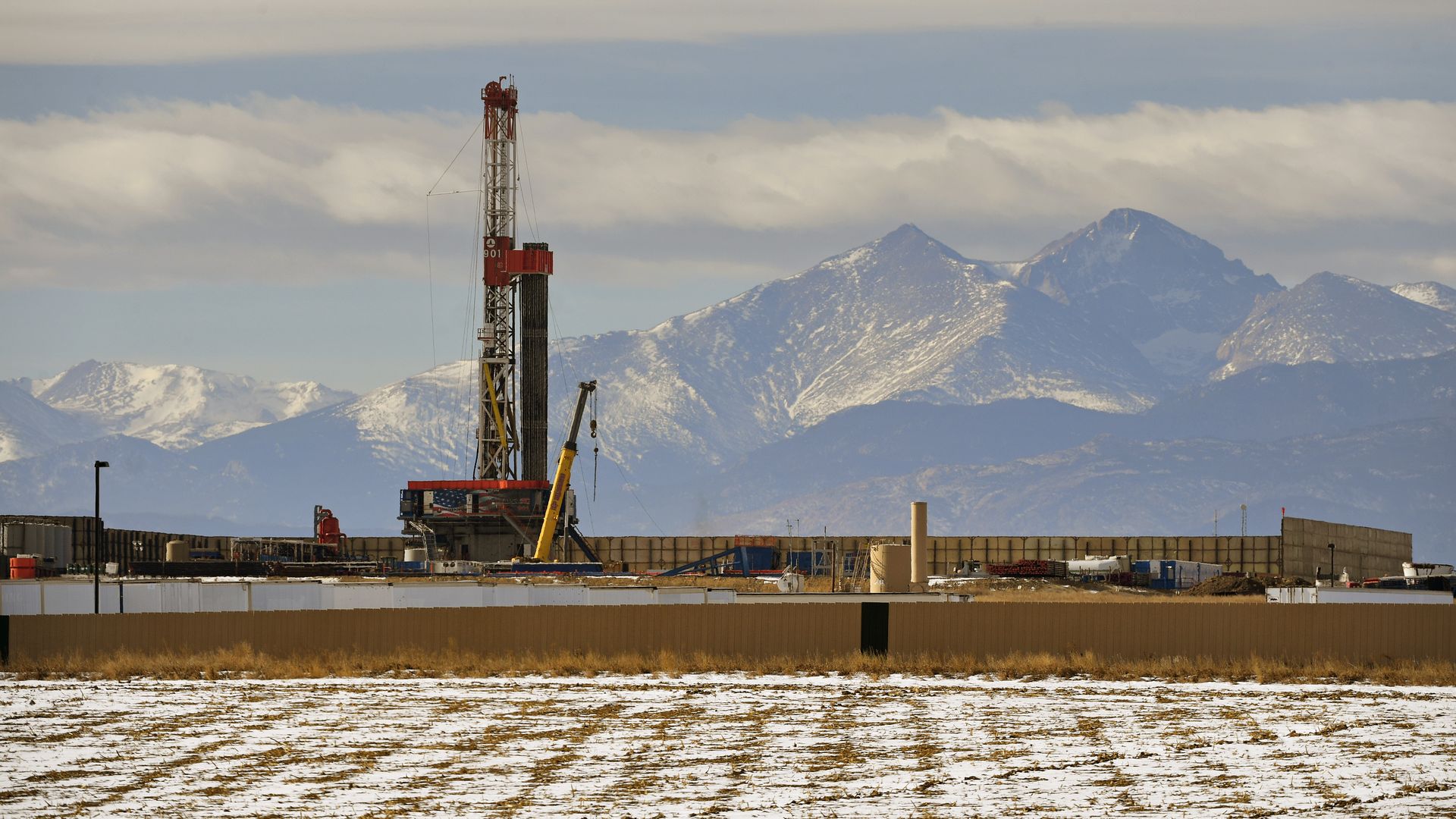
Colorado's oil industry is facing an existential battle with news announced Wednesday that an initiative significantly curtailing oil and gas production has made its way on to the state ballot for a vote this Election Day.
The big picture: Colorado, a political battleground, is America’s fifth-largest gas-producing and seventh-largest oil-producing state. Layer on top of that a growing population colliding with an increase in fracking — a controversial extraction technique for oil and gas — and it’s ripe for this controversy. Two similar efforts to get similar initiatives on the ballot in 2014 and 2016 failed.
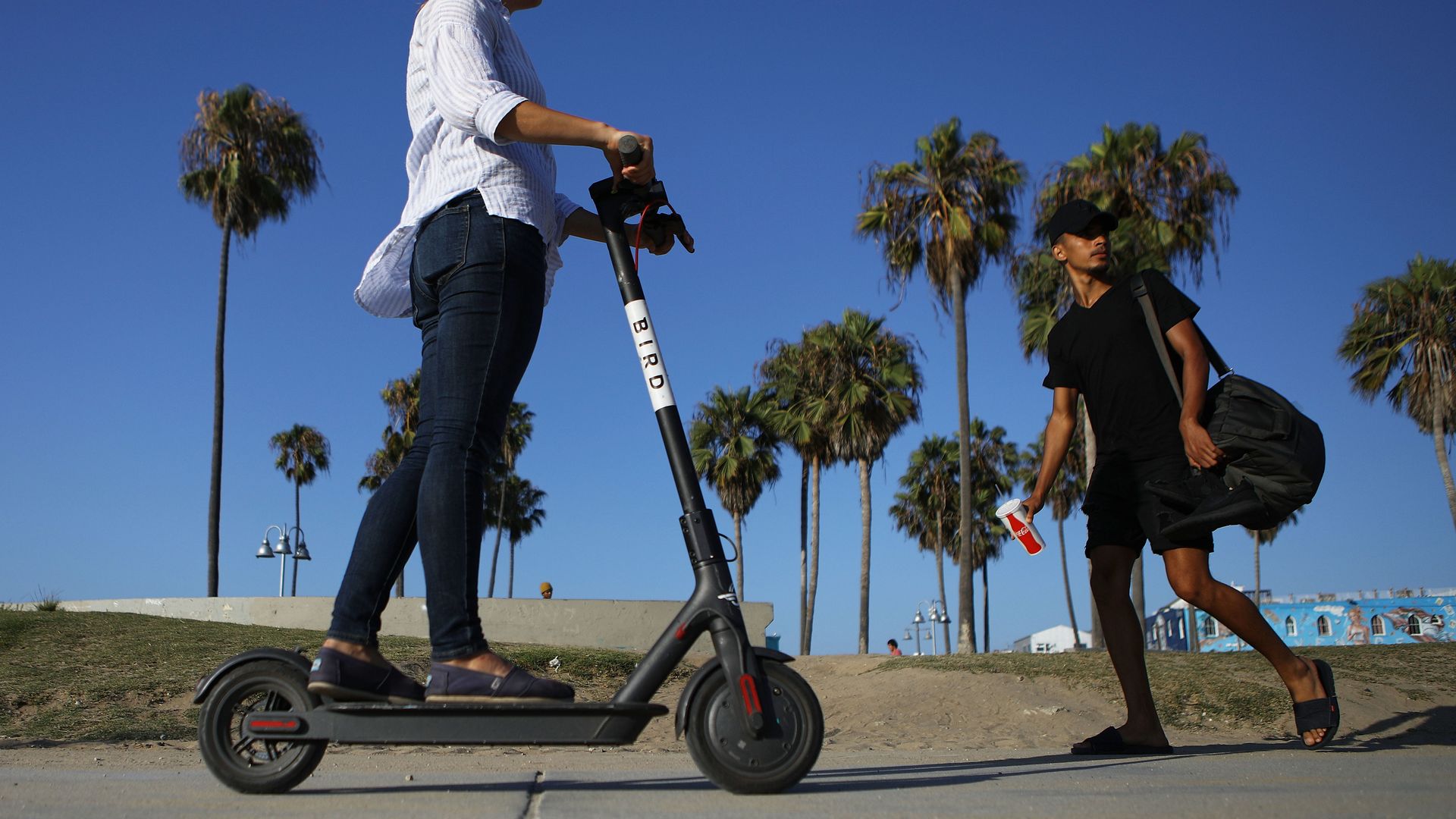
Scooter rental company Bird is rolling out a new set of tools for city governments to monitor its service, including access to ridership data and the ability to limit where the scooters can be activated.
Why it matters: Cities have criticized scooter services, like ride-hailing companies before them, for not sharing enough data or being more collaborative. So it's no surprise that Bird, whose aggressive deployment tactics quickly angered city officials, is working to smooth over those relationships now. Other companies are also planning to provide cities with similar capabilities as they work to win local approvals.
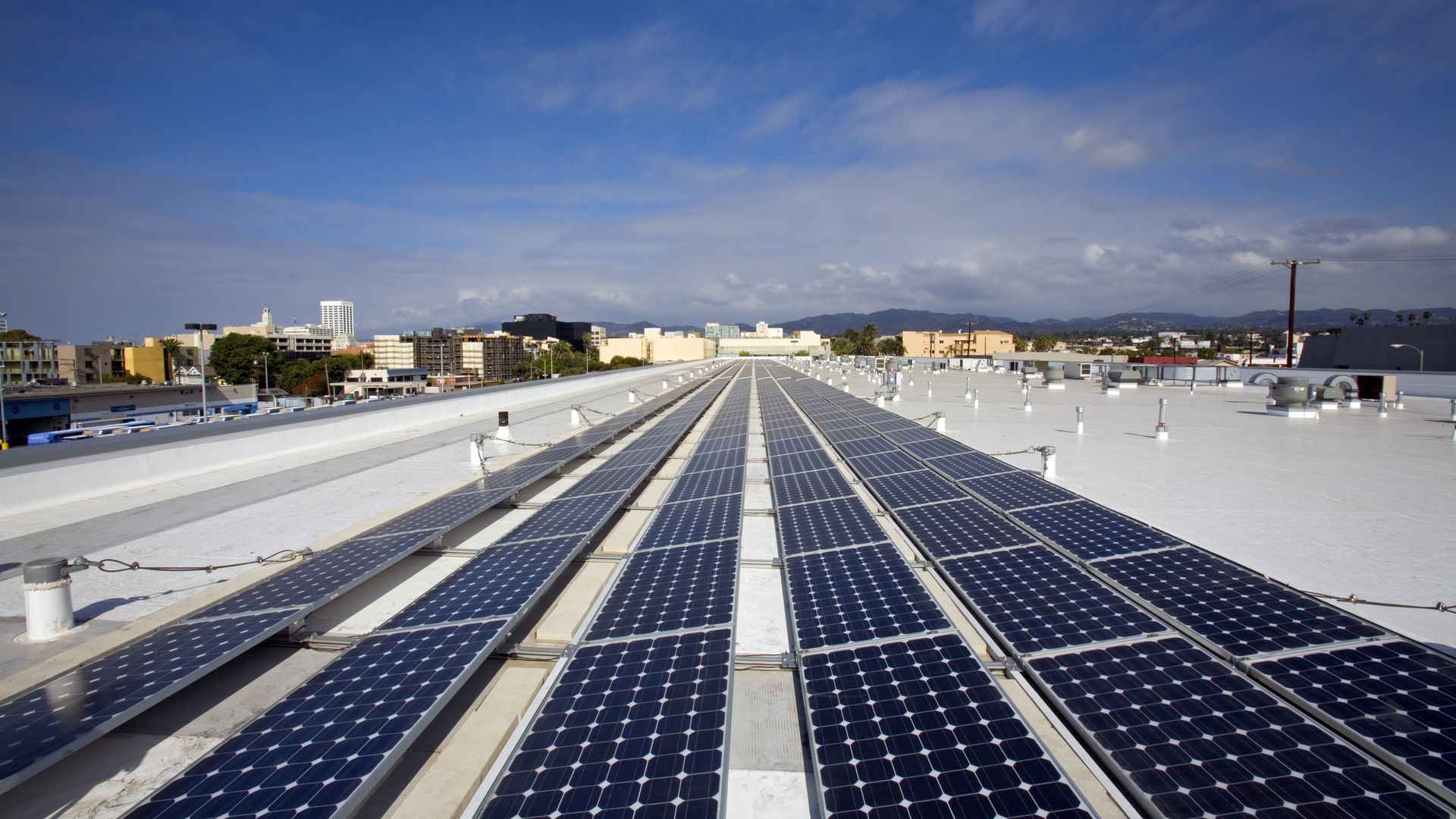
California's state assembly passed sweeping legislation last night that would have the massive state obtain 100% of its power from carbon-free sources by 2045 and boost the state's renewables-specific target to 60% by 2030.
Why it matters: California is among the world's largest economies. And, it's perhaps the most powerful sign yet of how states and local governments are pressing ahead with climate initiatives even as the White House backs off Obama-era federal efforts.
The recent state of tumult for CEO Elon Musk and Tesla is spurring fresh chatter about an idea that has been rattling around for a long time.
The big question: Should Apple buy Tesla, or at least acquire a major stake? After all, combining the pioneering companies has a certain appeal, given that Apple has an auto initiative and deep pockets, and Tesla has key electric vehicle tech, vision and expertise.
The White House is defending the administration's response to Hurricane Maria Tuesday evening following the latest report that the death toll from the hurricane was not 64 as originally reported, but 2,975. The new mortality count means Hurricane Maria killed more people than Hurricane Katrina in 2005, which caused 1,833 fatalities.
"The federal government has been, and will continue to be, supportive of Governor Rosselló’s efforts to ensure a full accountability and transparency of fatalities resulting from last year’s hurricanes... The devastating back-to-back hurricanes were met with the largest domestic disaster response mission in history. We are focused on Puerto Rico’s recovery and preparedness for the current Hurricane season."
Governor Ricardo Rossello of Puerto Rico raised the island's official death toll from Hurricane Maria from 64 to 2,975 following a new, government-commissioned study carried out by George Washington University.
The big picture: The new study, released Tuesday, found that Hurricane Maria and its aftermath resulted in an estimated 2,975 deaths on the island from September 2017 through February 2018. However, it also noted that excess, storm-related deaths may have continued beyond that period.
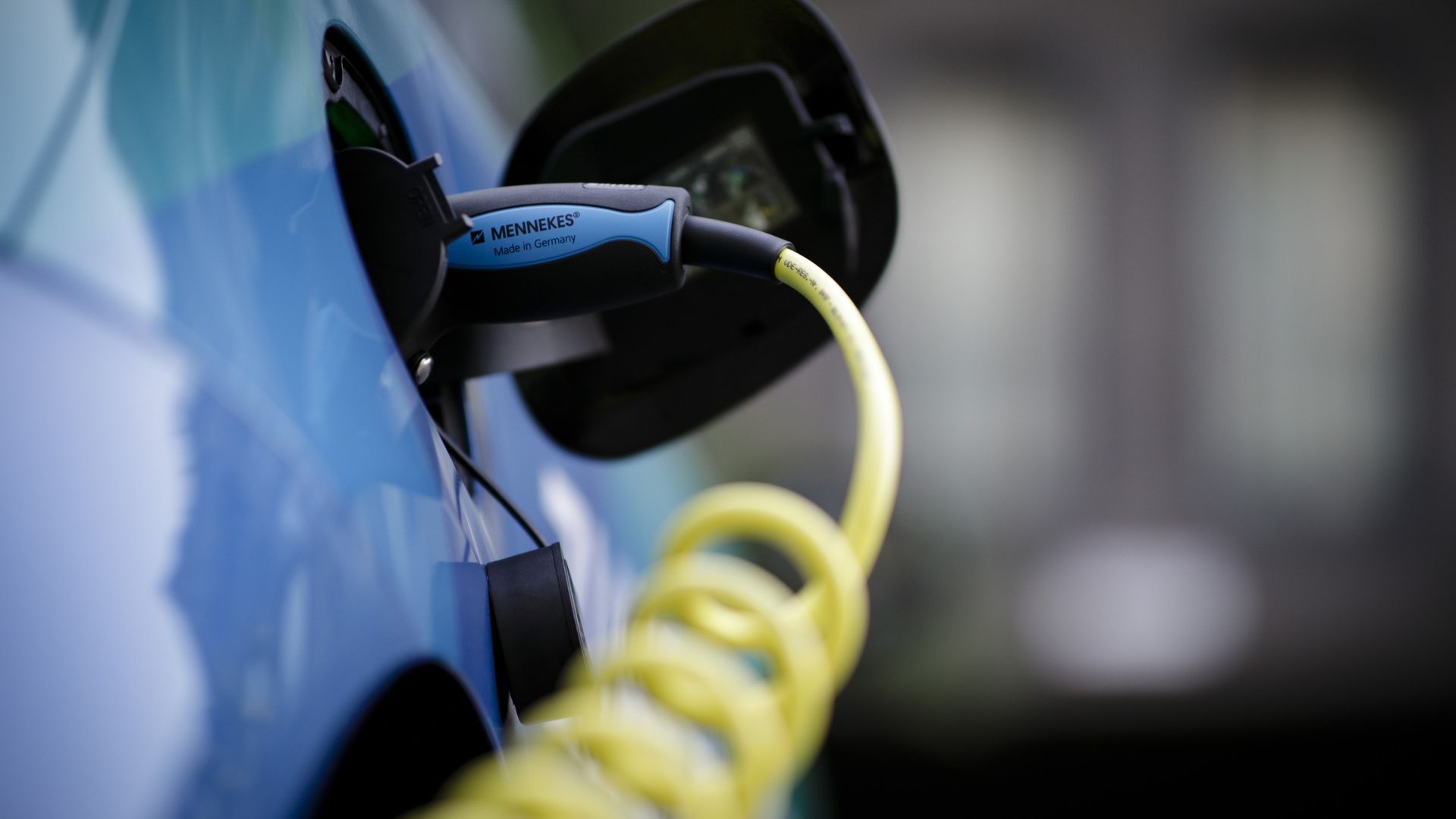
Europe's electric vehicle fleet now totals over one million vehicles on the strength of sales in the first half of 2018 that are 42% above last year's levels for the period, according to the data tracking firm EV Volumes.
Why it matters: The figure, which includes battery EVs and plug-in hybrids, is a symbolic milestone that nonetheless signals the rapid growth of the technology, albeit from a very small base.
Facebook plans to cut its greenhouse gas emissions by 75% in 2020 and power its worldwide operations solely with renewable energy by the end of that year, the company said Tuesday.
Why it matters: Data centers for major tech companies suck up lots of power — those operations accounted for the vast bulk of Facebook's 2.46 million megawatt-hours of electricity use last year.
A window into how a warmer world affects local energy debates just unfolded in Spokane, a city in Eastern Washington state that has had unprecedented bad air quality on par with Asia’s polluted cities because of wildfire smoke in the region.
Driving the news: The Spokane City Council last week approved an ordinance setting a goal to get 100% renewable electricity by 2030, according to The Spokesman Review. It’s one of dozens of American cities pledging more renewable energy.