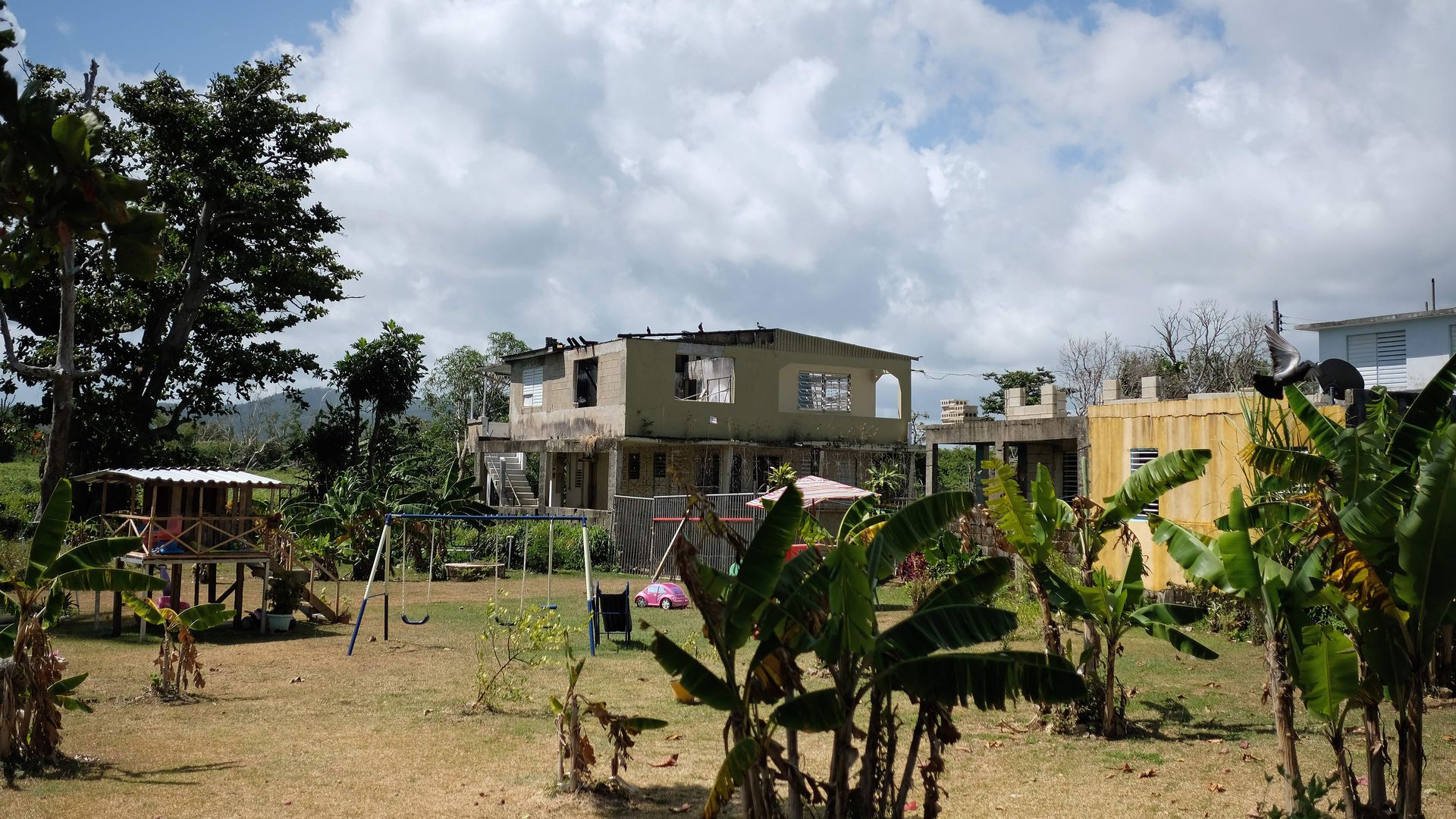
Governor Ricardo Rossello of Puerto Rico raised the island's official death toll from Hurricane Maria from 64 to 2,975 following a new, government-commissioned study carried out by George Washington University.
The big picture: The new study, released Tuesday, found that Hurricane Maria and its aftermath resulted in an estimated 2,975 deaths on the island from September 2017 through February 2018. However, it also noted that excess, storm-related deaths may have continued beyond that period.
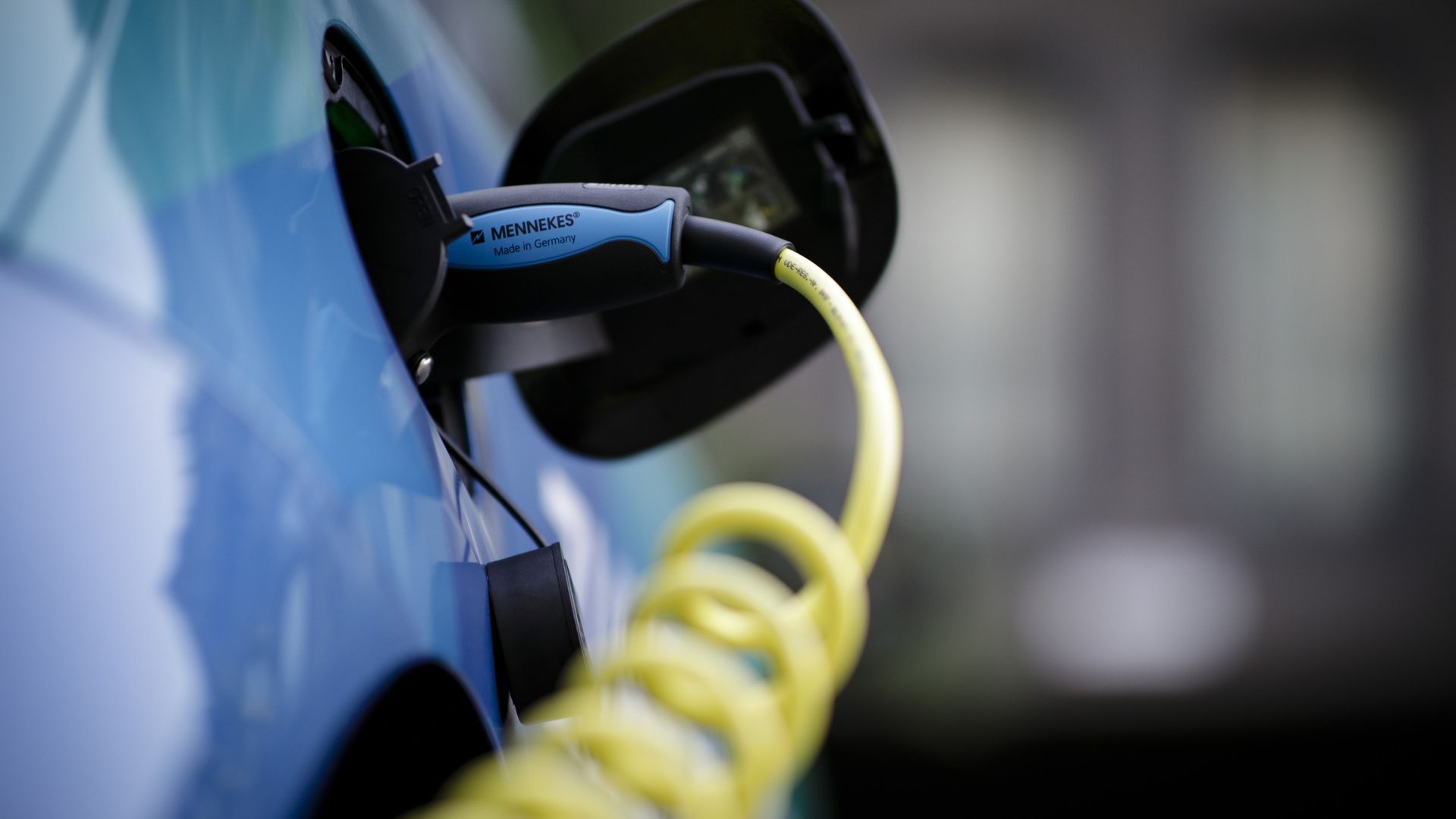
Europe's electric vehicle fleet now totals over one million vehicles on the strength of sales in the first half of 2018 that are 42% above last year's levels for the period, according to the data tracking firm EV Volumes.
Why it matters: The figure, which includes battery EVs and plug-in hybrids, is a symbolic milestone that nonetheless signals the rapid growth of the technology, albeit from a very small base.
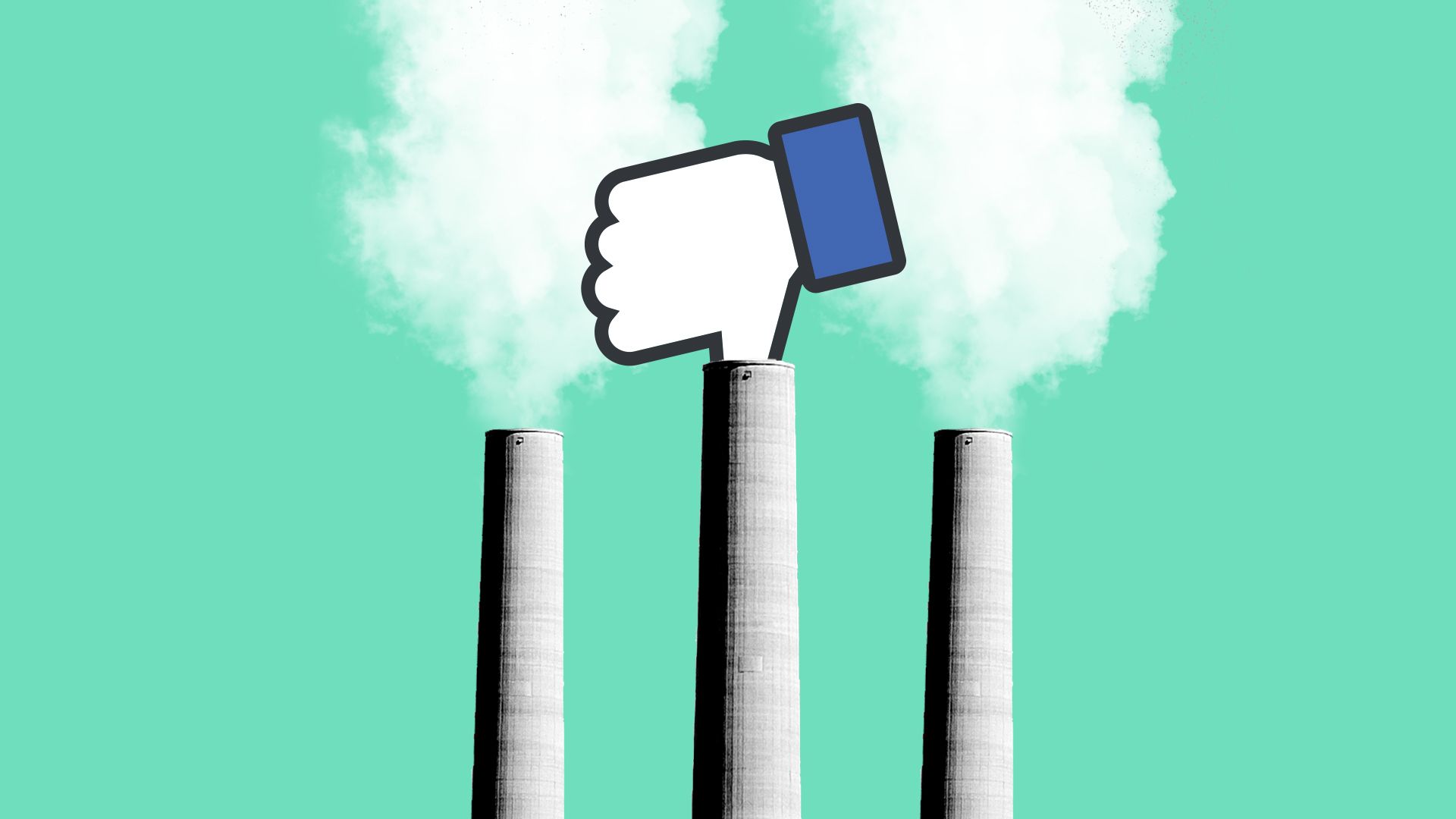
Facebook plans to cut its greenhouse gas emissions by 75% in 2020 and power its worldwide operations solely with renewable energy by the end of that year, the company said Tuesday.
Why it matters: Data centers for major tech companies suck up lots of power — those operations accounted for the vast bulk of Facebook's 2.46 million megawatt-hours of electricity use last year.
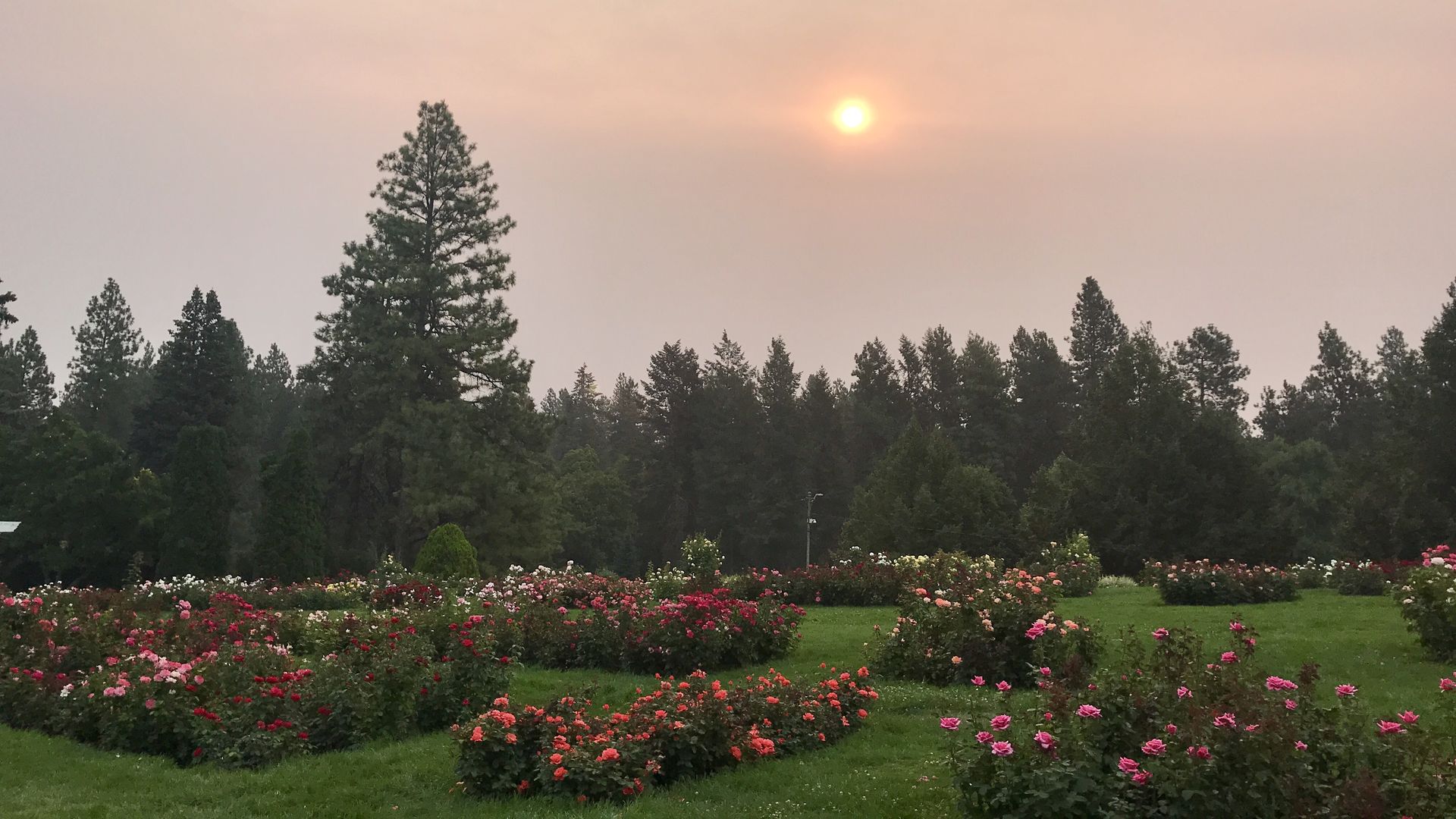
A window into how a warmer world affects local energy debates just unfolded in Spokane, a city in Eastern Washington state that has had unprecedented bad air quality on par with Asia’s polluted cities because of wildfire smoke in the region.
Driving the news: The Spokane City Council last week approved an ordinance setting a goal to get 100% renewable electricity by 2030, according to The Spokesman Review. It’s one of dozens of American cities pledging more renewable energy.
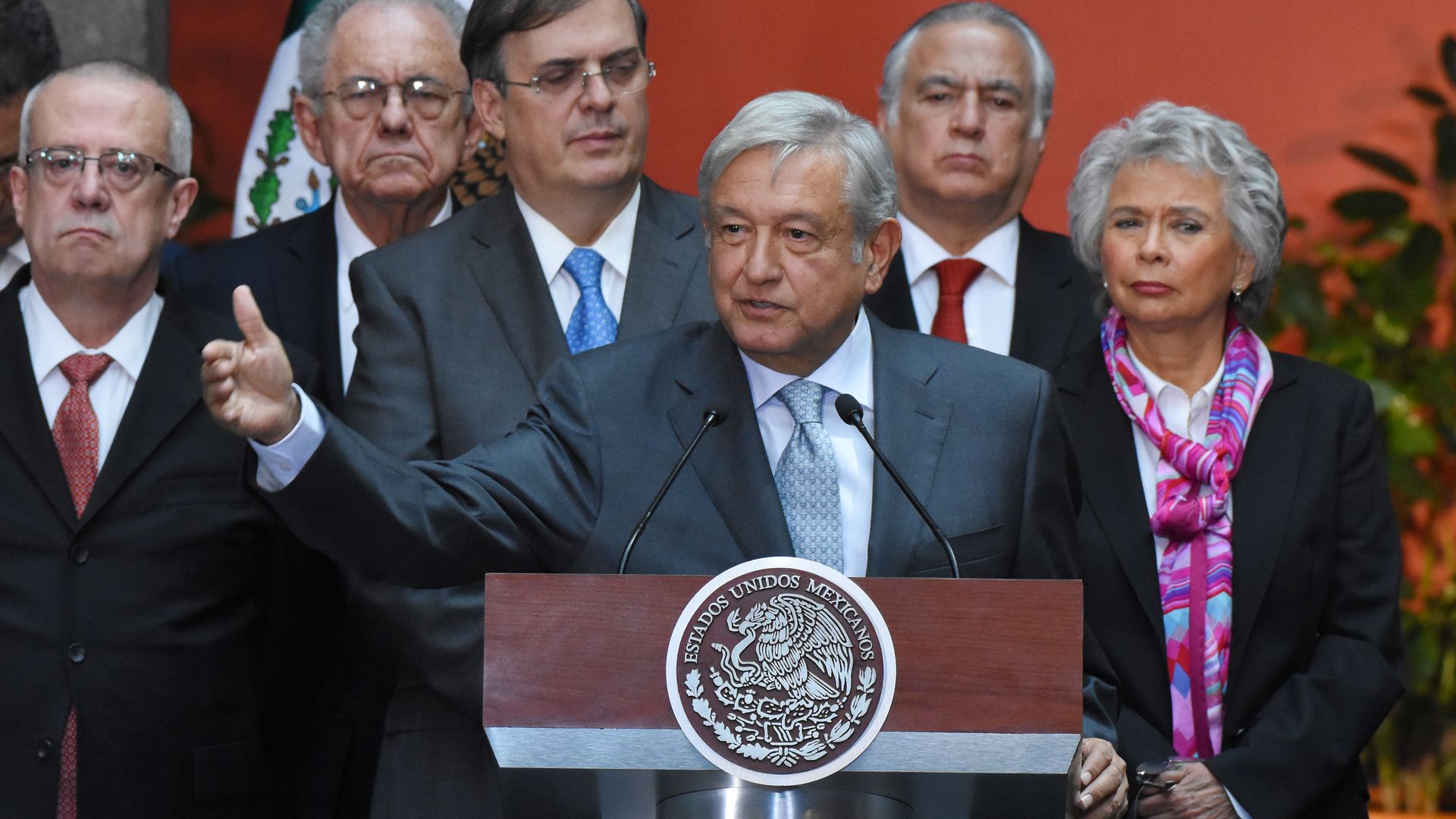
Mexican President-elect Andrés Manuel López Obrador (AMLO) proposed a ban on fracking last month, which would prevent the country from tapping its potentially vast shale resources. Despite Mexico's rising natural gas demand and increasing dependence on natural gas imports, the country's shale reserves so far have not figured into its energy reform.
The big picture: While a shale ban might have long-term effects on Mexico's economy,it's unlikely to do so during AMLO's term, which is limited to six years. Because of structural barriers to shale extraction that would nevertheless persist in that timespan, even a complete ban on fracking wouldn't significantly impact the Mexican energy sector.
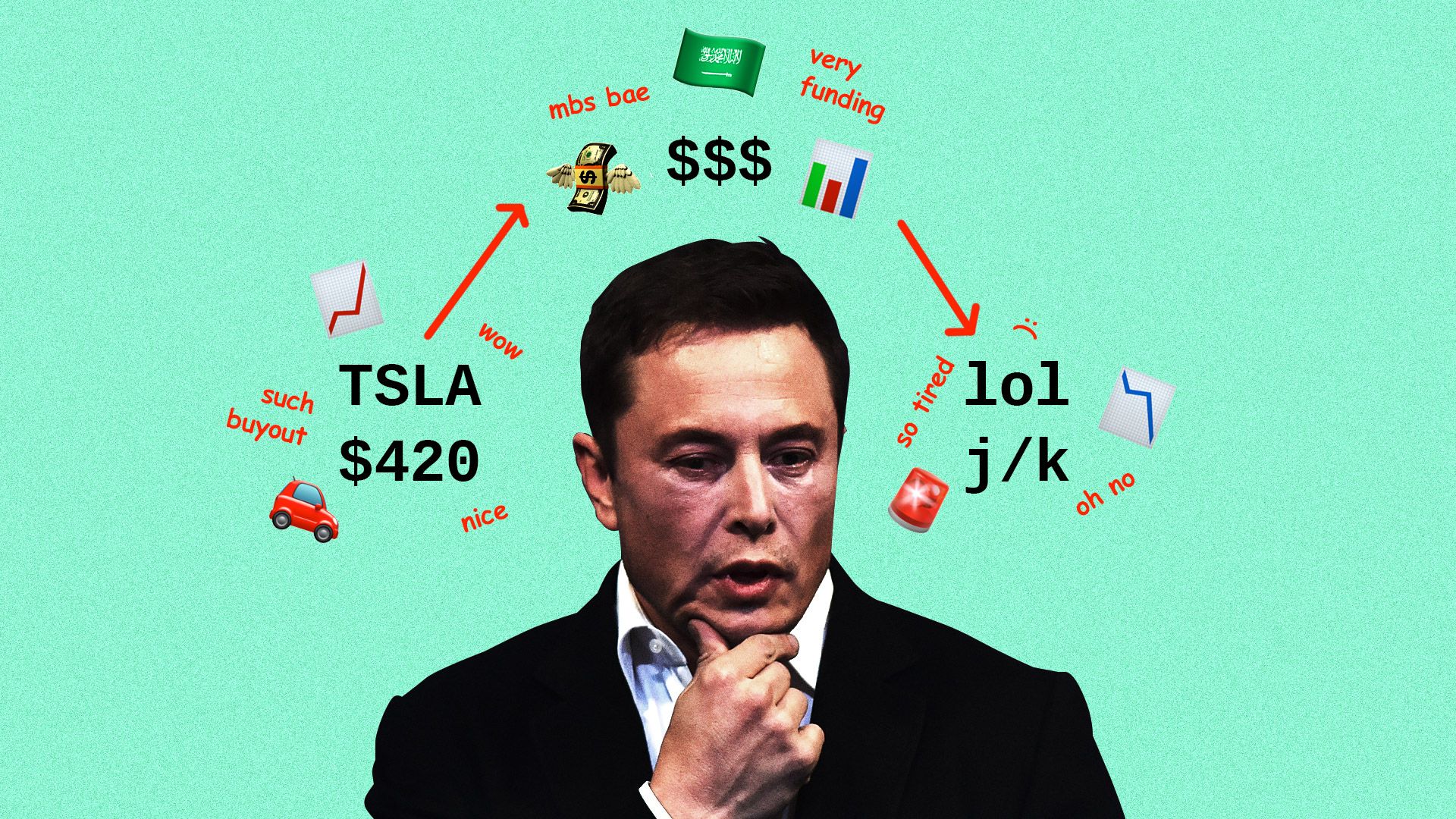
When Elon Musk on Friday night ended his Tesla buyout pursuit, it was the most predictable part of this slapdash saga. And, like with some of Musk's earlier moves, it created new questions for securities regulators.
The big picture: There should no longer be doubt that Musk lied when he claimed to have "funding secured."
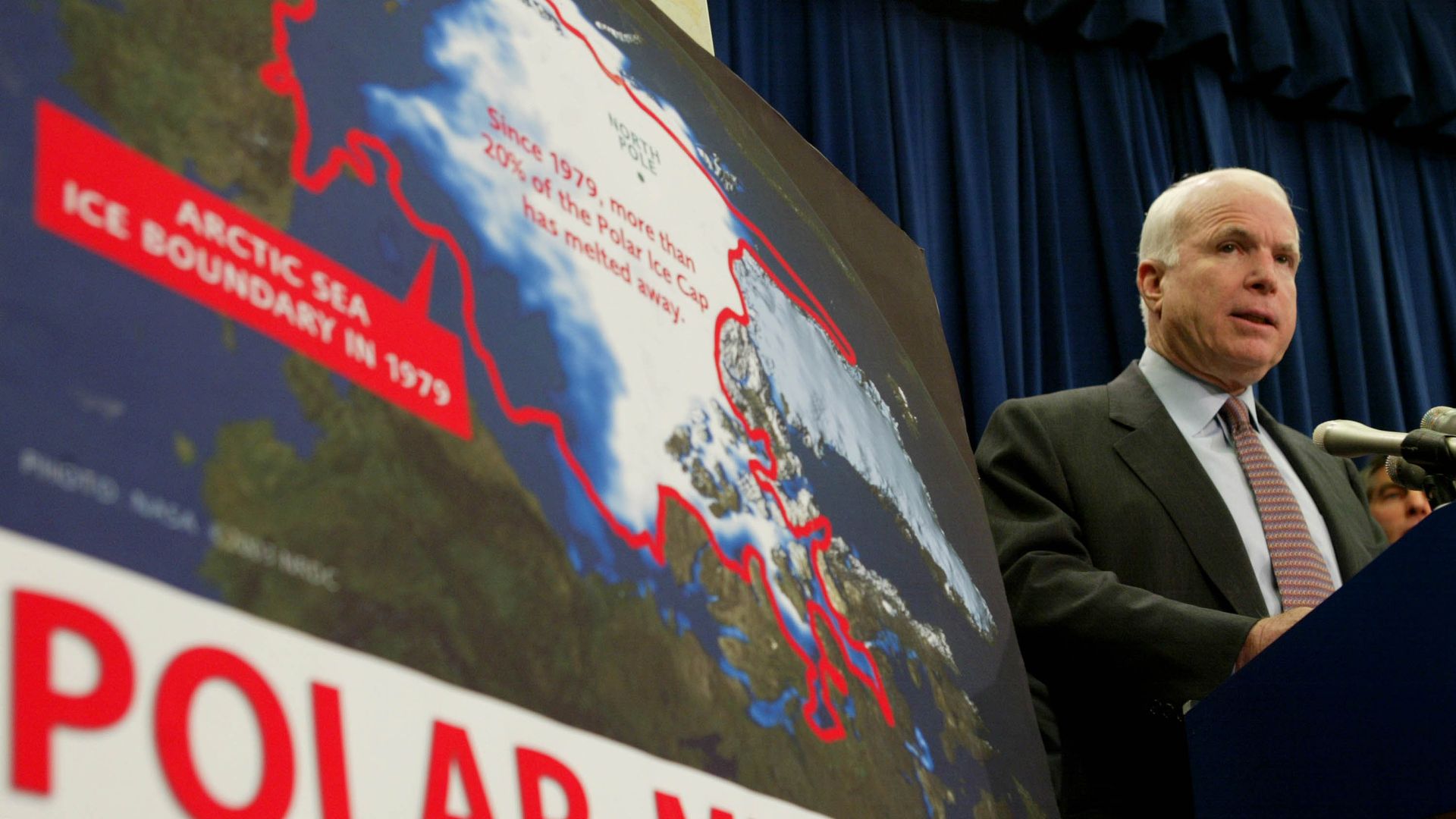
The late Sen. John McCain explored and embraced science on global warming and co-authored early versions of cap-and-trade legislation, working across the aisle.
Flashback:Via Bloomberg BNA, "When McCain won the Republican Party’s presidential nomination in 2008 to face off against Obama, it was the first time both candidates for the presidency backed legislation to cap U.S. emissions."
Shares of Tesla fell as much as 4% in early trading on Monday, after CEO Elon Musk’s Friday announcement that he would not take the electric car company private.
Between the lines: Tesla is already under some pressure from shareholders to ramp up production of its base Model 3. And, Reuters reports, some securities lawyers think the abandonment of the plan to take the company private will make Musk's legal drama worse. As an analyst at Barclays puts it, "the cracks in credibility" may limit the potential for Tesla's stock to rise.
Elon Musk and Tesla offer a gripping corporate tale and coveted electric cars, but when it comes to climate change, they are a rather minor subplot.
Why it matters: Numerous other factors and technologies influence whether electric cars are actually green. And no matter how green they are, they’re still just one, relatively small part of a many-sided, global problem.