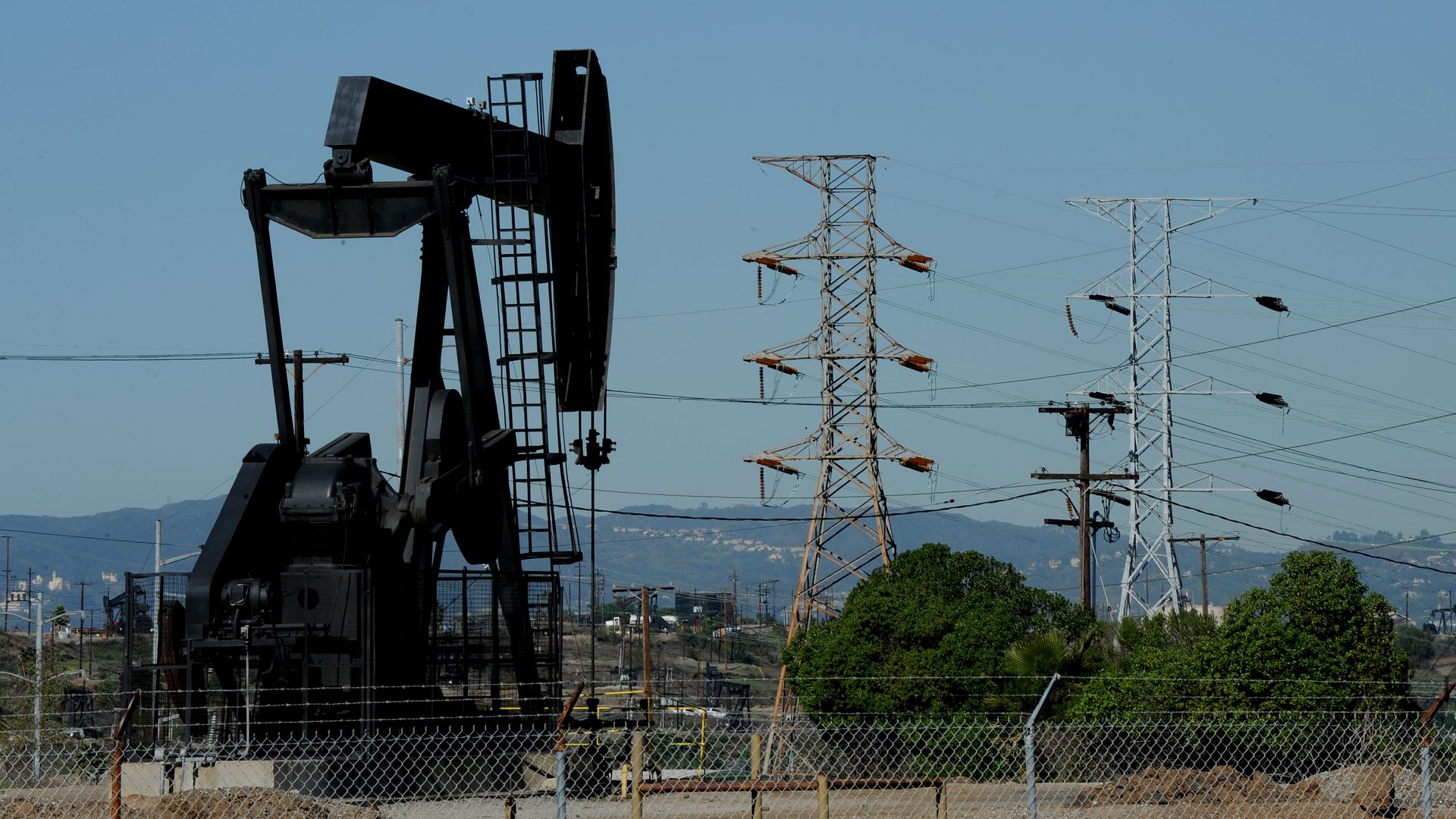
A federal judge on Thursday tossed out a New York lawsuit against five major oil companies, seeking to collect billions of dollars in damages to protect the city from climate change.
Why it matters, per Axios' Ben Geman: This comes after a California federal judge dismissed a similar case. Together, the two rulings suggest that cities and states face an uphill battle in trying to use federal courts to get money from oil companies to help pay for the effects of global warming on their regions, such as sea-level rise.
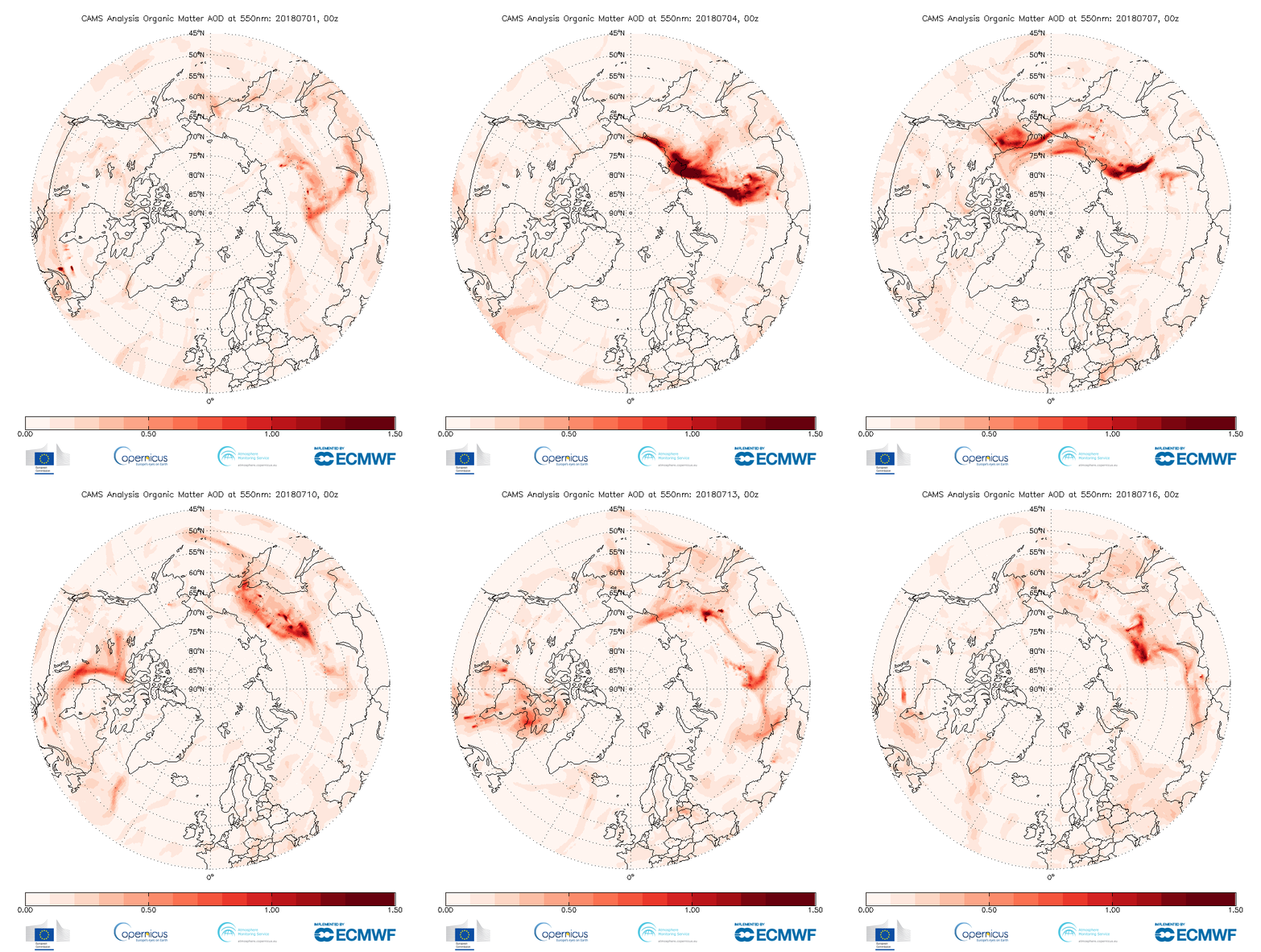
Computer model simulation showing smoke from Siberian wildfires drifting across the Pole, into North America.
A scorching heat wave has swept across Scandinavia, breaking all-time heat records into the Arctic Circle. Meanwhile, Sweden is facing a major wildfire outbreak, and the forests of Siberia are ablaze after weeks of extreme heat.
Why it matters: The heat wave and wildfires are causing evacuations and threatening communities in Sweden, where the area burned already exceeds that of the average fire season by thousands of acres, per the Copernicus Emergency Management Service. Plus, the wildfire smoke is hitching a ride on mid-to-upper atmospheric winds to as far away as the U.S.
As the costs for fossil fuels continue to rise and the prices for renewable energy hit all-time lows, fast-moving startups and adaptive incumbents are developing new energy service models.
The big picture: Traditional utility models, organized around the subsidized delivery of commodity electricity, are facing pressure from distributed-service models, which promise to deliver the tailored, efficient and connected energy services to power emerging smart-home markets and meet increasingly discerning consumers.
Human activities are altering Earth's seasons in a way that is creating a greater contrast between summer and winter in much of North America, Europe and Eurasia, a new study finds.
Why it's important: The research, published Thursday in the journal Science, is the first to find a human "fingerprint" on the seasonal cycle of temperatures, adding another global trend that is formally attributed to human emissions of greenhouse gases.
The House on Thursday easily approved a non-binding but symbolically important resolution condemning a tax on carbon emissions.
Driving the news: Six Republicans opposed the measure, along with most Democrats. That’s a notable change from two years ago, when Republicans unanimously supported a nearly identical measure.
U.S. crude oil production reached a new milestone — averaging an estimated 11 million barrels per day last week for the first time ever — and the surge will keep going as America has again become a crude powerhouse.
Why it matters: The number, which is from preliminary data from the Energy Information Administration, is a symbolic threshold that underscores the scale of the U.S. oil boom from shale resources.
Blockchain has begun to show promise for a wide range of energy applications, from energy trading platforms to carbon production registries to transaction frameworks in emerging markets. Distributed energy resources — including rooftop solar, energy storage and demand response — as well as microgrid systems and back-end business operating environments present other areas of opportunity.
Why it matters: These applications have sparked a boost in investment, estimated at $100 to $300 million since 2014 by the Energy Futures Futures Initiative and as much as $324 million in the last year alone by Greentech Media. As these industry changes accelerate, blockchain will help make energy systems more efficient and profitable.
We've got some details on the upcoming rollout of a GOP lawmaker's carbon tax bill, including the first wave of organizations set to publicly support it.
Driving the news: Republican Rep. Carlos Curbelo of Florida is set to introduce legislation taxing carbon emissions at an event Monday in Washington alongside groups representing environmental and right-leaning libertarian interests, according to multiple people familiar with the plan.
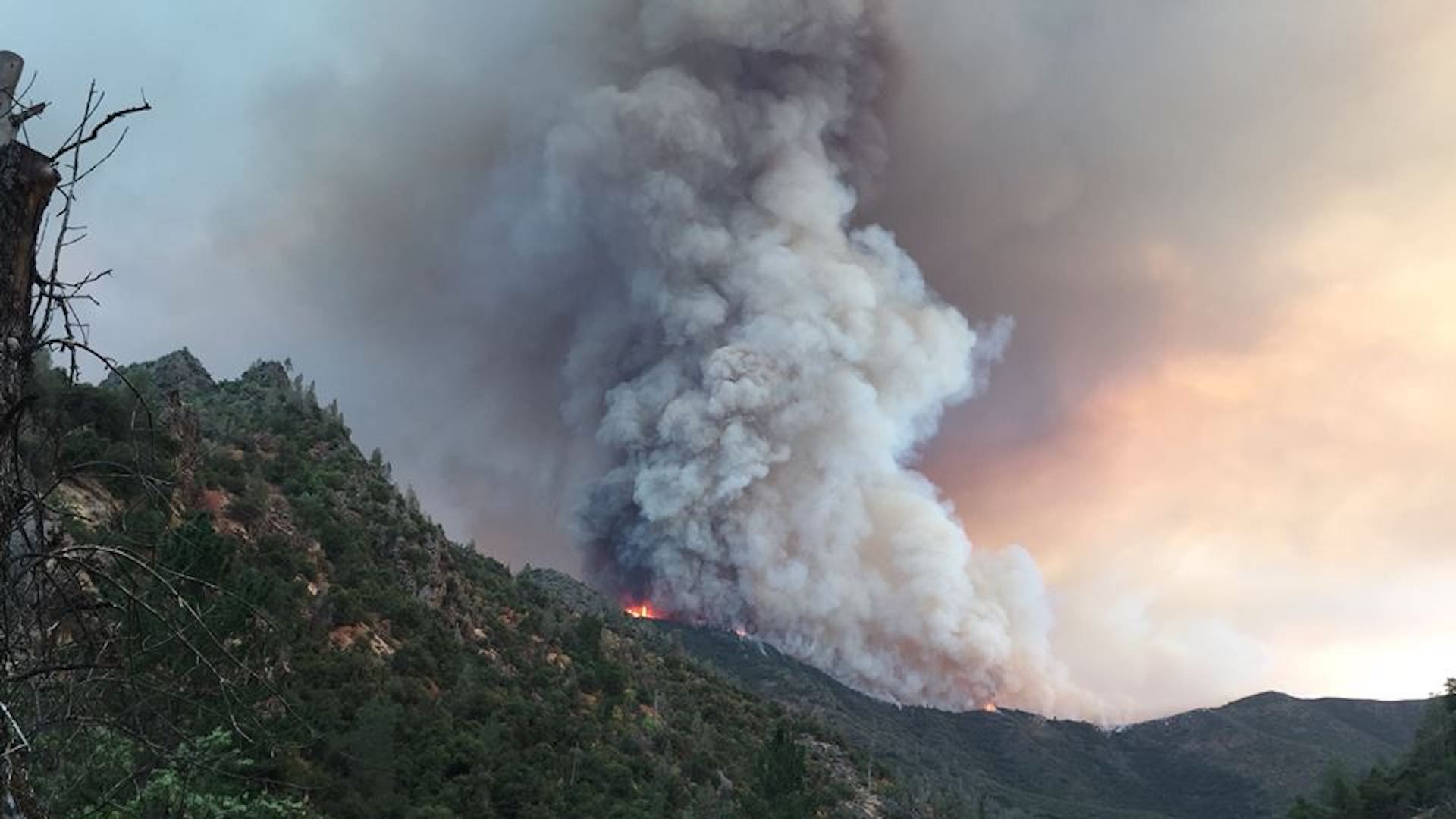
The Ferguson Fire burning in the rugged Sierra National Forest next to Yosemite National Park is causing air quality within the park to plunge to hazardous levels.
Why it matters: The fire has already burned about 17,300 acres, and was only 5% contained as of July 17. The smoke is causing unhealthy amounts of particulate pollution to drift into the park, and is contributing to poor visibility as well.
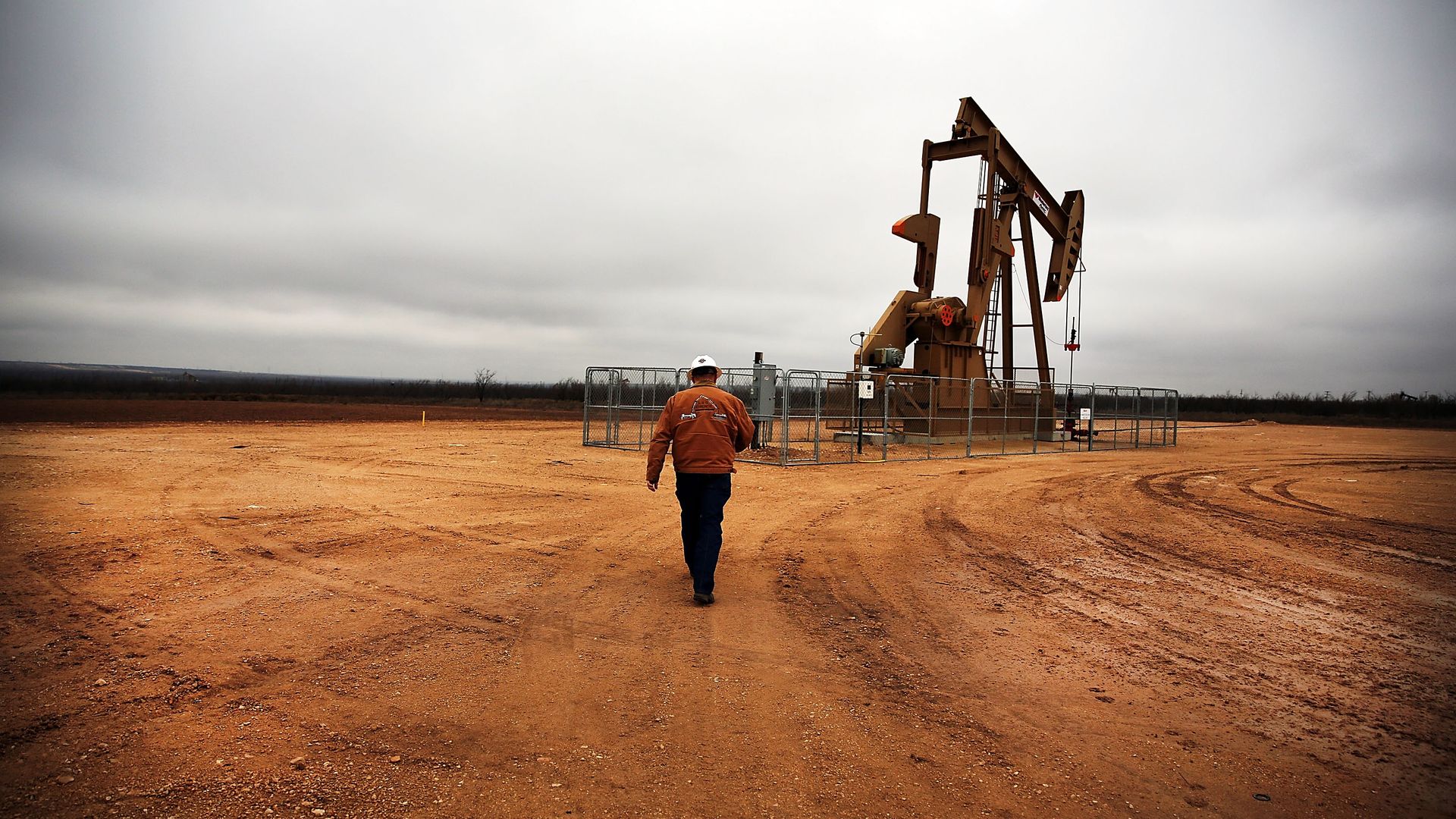
Texas could pass both Iran and Iraq next year in oil production as drilling costs fall and production explodes out of West Texas' Permian Basin, CNN reports.
The big picture: By next year, Texas' oil production is set to jump to 5.6 million barrels a day, up from 2.5 million a day in 2014. If Texas were a country, it would become the third-largest oil producer in the world — behind Saudi Arabia and Russia.
Taxing U.S. carbon emissions with an escalating levy that starts as high as $73-per-ton would have a pretty small effect on carbon emissions from the transportation sector, a Rhodium Group analysis finds.
Why it matters: Transportation has overtaken electricity as the largest source of U.S. emissions. Wringing CO2 out of transportation is hard, in contrast to progress underway in electricity.
"As this well-written article suggests, my words were spoken in anger after Mr. Unsworth said several untruths & suggested I engage in a sexual act with the mini-sub, which had been built as an act of kindness & according to specifications from the dive team leader. ... Nonetheless, his actions against me do not justify my actions against him, and for that I apologize to Mr. Unsworth and to the companies I represent as leader. The fault is mine and mine alone."
Flashback: Musk had offered the services of a mini-submarine to be used in the rescue, though it was ultimately not utilized.
Three recently filed local and state lawsuits against big oil companies over climate change are moving from state to federal courts, according to new legal documents reviewed by Axios.
Why it matters: It may sound just procedural, but the type of court matters a lot. Given previous federal-court rulings, oil companies are generally more favored to win in federal court, with less certainty at the state level given lack of precedent either way.