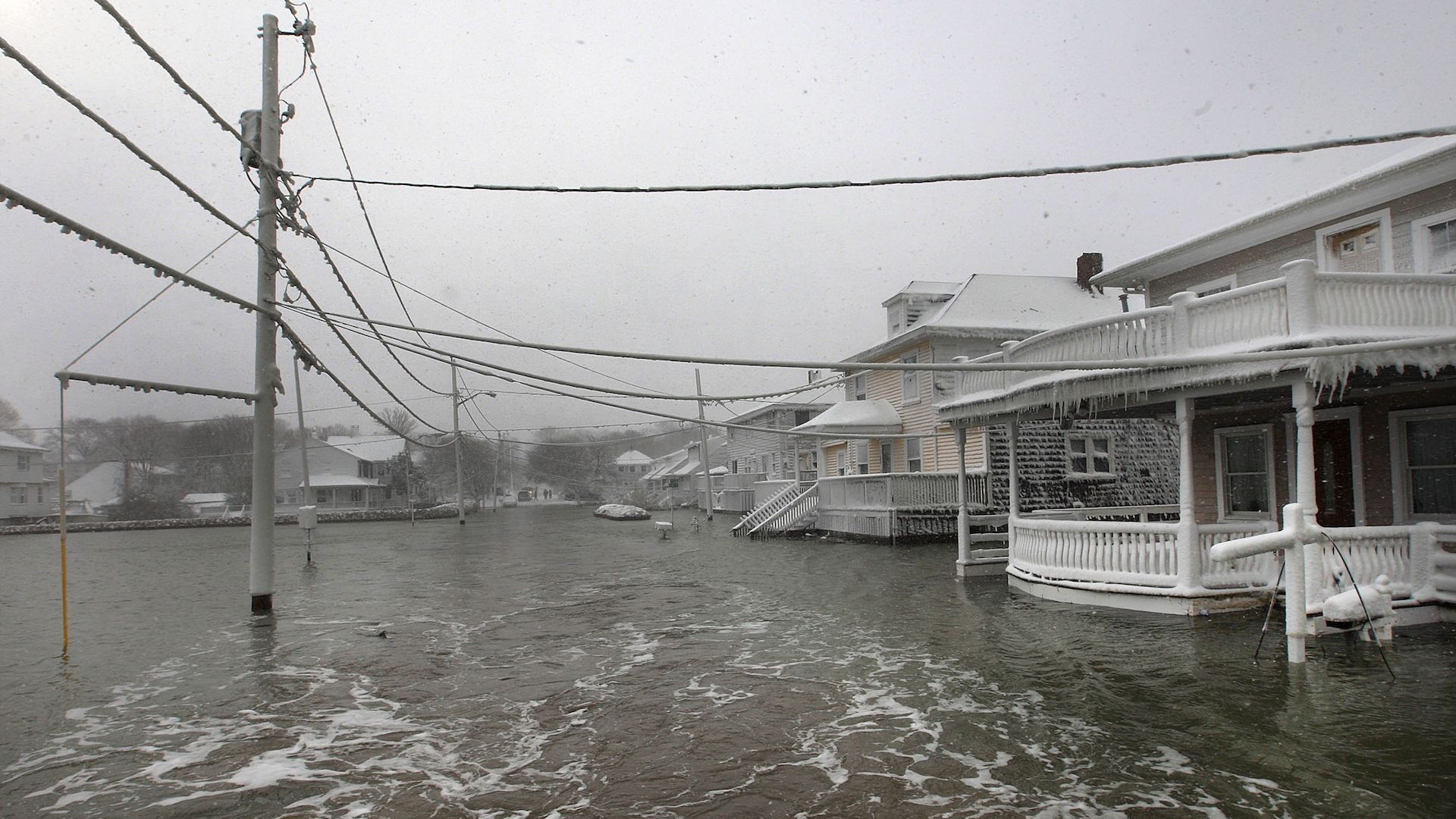
Parts of the infrastructure that forms the backbone of the Internet — from fiber optic cables to colocation facilities — is at risk of being flooded and knocked offline during the next few decades as a result of climate change-related sea level rise, according to a new study.
Why this matters: The study, by researchers at the University of Wisconsin and University of Oregon, concludes that sea level rise is not a far-off problem for the end of the century, but rather a "devastating" risk facing the U.S. telecommunications industry in as little as the next 15 years.
Carbon taxes can be constructed in a way that substantially speeds greenhouse gas cuts without hamstringing the economy or regressive financial effects, according to joint research in four papers published Tuesday.
Reality check: Experts have been building a body of ready analyses and policy designs if a political window opens in the future. But,the current political reality is that the House is prepared to vote on a GOP-led, nonbinding resolution this week that says taxing CO2 would hurt the economy — and it's expected to pass easily.
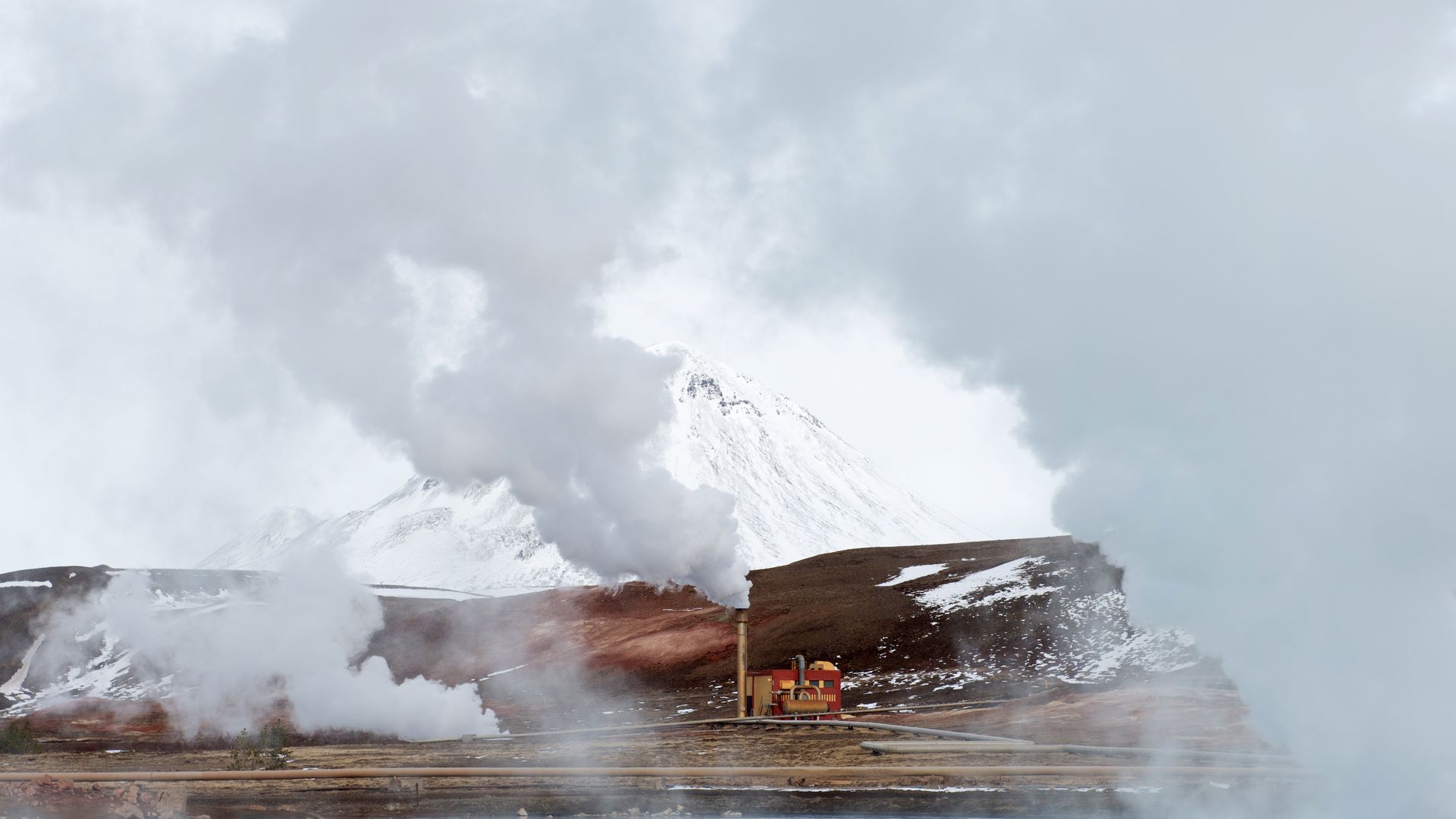
Less than a decade after it began its program to deploy geothermal energy on a massive scale, China now has the largest amount of geothermal district heating of any country in the world, providing a cleaner, more environmentally friendly way to heat communities and to mitigate the poor air quality that results from burning coal.
The big picture: First used in Idaho in the 1890s, geothermal works by recovering heat naturally stored in the earth. Unlike wind or solar, it provides a consistent, efficient and nearly emissions-free level of energy production when used for heating. While China and other countries push forward with geothermal technology, the U.S. lags far behind, meeting barely 0.01% of our heating demand with it.
Global investment in energy supplies dipped slightly last year, the third annual decline amid slowing growth of coal, hydro and nuclear power, which outpaced a boost in oil-and-gas, the International Energy Agency said.
By the numbers: Combined investment in oil-and-gas and electricity supply declined 2% to $1.8 trillion, a figure that represents 1.9% of global GDP, the Paris-based agency said in its annual report on spending trends and levels.
President Trump on Monday softened U.S. criticism toward Russia's planned Nord Stream 2 natural gas pipeline to Germany, signaling a public break with the years-long State Department position that the proposed project is a threat to European energy security.
The bottom line: Instead Trump cast the project in market competition terms, touting the prospect of U.S. gas exports taking on Russian gas andplaying a larger role serving European markets.
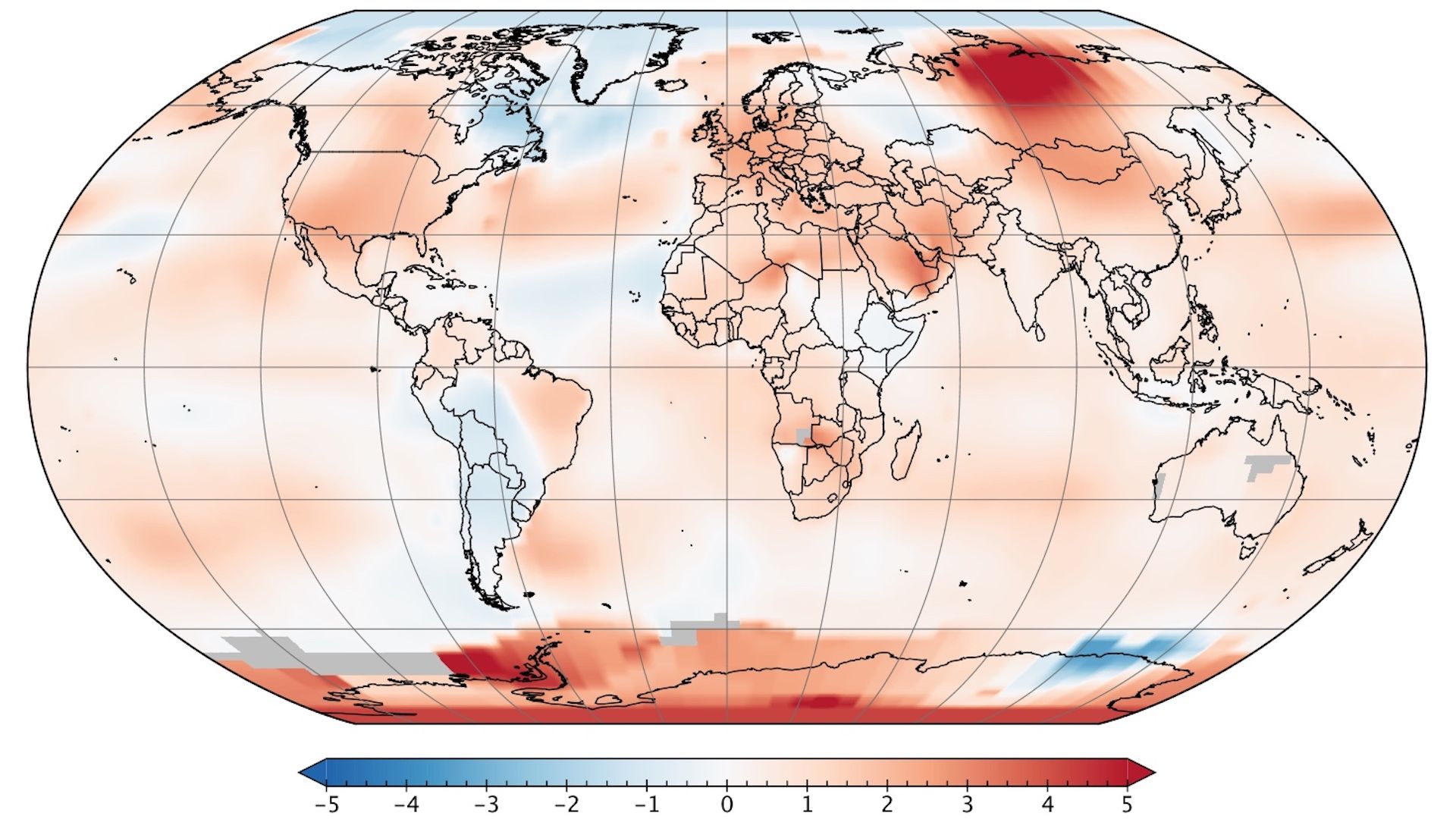
Earth had its third-warmest June on record this year, according to NASA data released Monday. The month saw numerous heat milestones set worldwide, from the U.S. to the Middle East.
Why this matters: The planet is headed for a top 5 warmest year despite the lack of an El Niño event in the tropical Pacific Ocean, which would help boost temperatures in addition to human-caused global warming.
The deadly Ferguson Fire is burning on the western edge of Yosemite National Park, shutting down one of the access roads during the height of the tourist season.
The big picture: Ferguson, which started Friday and has claimed the life of one firefighter, is one of 56 large fires currently burning across the country in a season that has already charred more than 3.3 million acres, slightly above the national average-to-date.
The Johan Cruijff Arena in Amsterdam, home to the soccer team AFC Ajax, now hosts Europe's largest energy storage system. Comprising 250 used Nissan Leaf battery packs and 340 first-life battery modules, the system can provide up to one hour of full power to the stadium during an event.
How it works: Second-life batteries are batteries removed after a first life in electric vehicles. While no longer able to supply the power needed for transportation, these batteries still have adequate capacity for other energy storage solutions. Recycling these batteries remains economically unfavorable because of falling prices and low metal recovery, but they continue to find their way into new applications such as home-power and mobile-charging units.
In a warming world, expanding access to cooling technologies without jeopardizing climate change goals is going to be a major challenge, according to a new report by the Sustainable Energy for All group.
Why it matters: Cooling needs are not only for expanding access to air conditioning as the earth becomes hotter, but applies to many other aspects of the modern economy like medical and food supply chains. The report shows that 1.1 billion people face "cooling access risks."