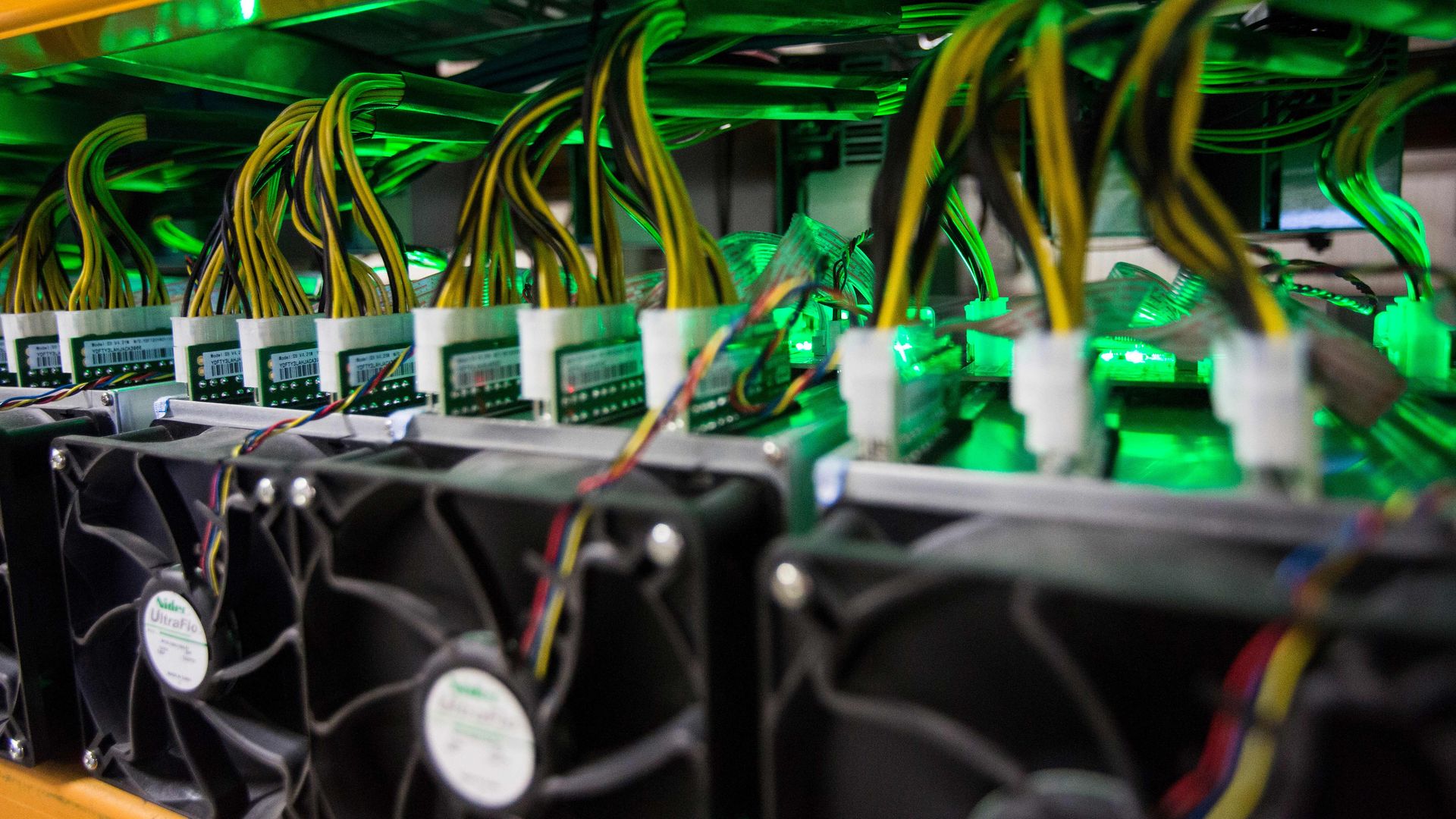
Blockchain has begun to show promise for a wide range of energy applications, from energy trading platforms to carbon production registries to transaction frameworks in emerging markets. Distributed energy resources — including rooftop solar, energy storage and demand response — as well as microgrid systems and back-end business operating environments present other areas of opportunity.
Why it matters: These applications have sparked a boost in investment, estimated at $100 to $300 million since 2014 by the Energy Futures Futures Initiative and as much as $324 million in the last year alone by Greentech Media. As these industry changes accelerate, blockchain will help make energy systems more efficient and profitable.
We've got some details on the upcoming rollout of a GOP lawmaker's carbon tax bill, including the first wave of organizations set to publicly support it.
Driving the news: Republican Rep. Carlos Curbelo of Florida is set to introduce legislation taxing carbon emissions at an event Monday in Washington alongside groups representing environmental and right-leaning libertarian interests, according to multiple people familiar with the plan.
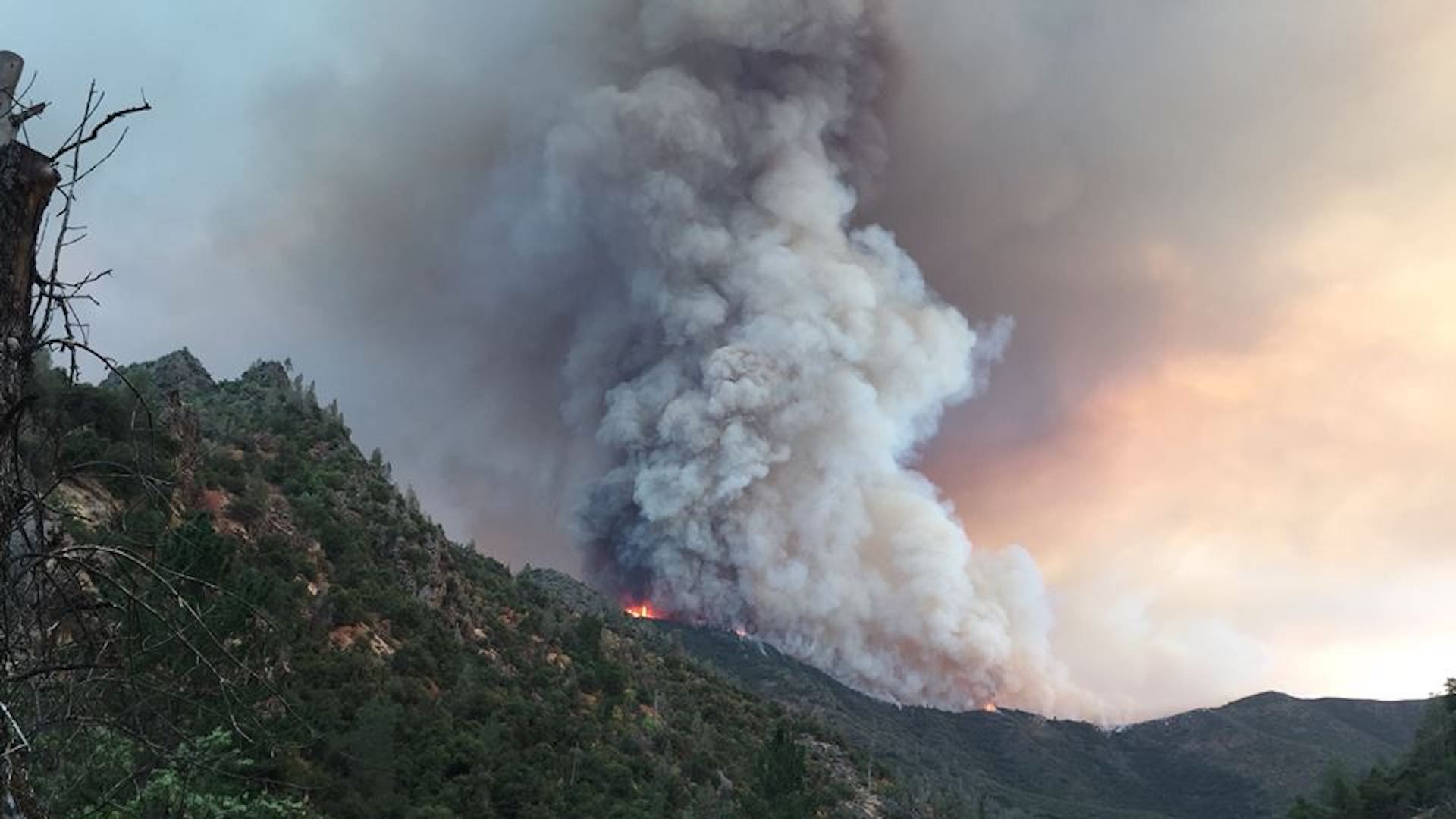
The Ferguson Fire burning in the rugged Sierra National Forest next to Yosemite National Park is causing air quality within the park to plunge to hazardous levels.
Why it matters: The fire has already burned about 17,300 acres, and was only 5% contained as of July 17. The smoke is causing unhealthy amounts of particulate pollution to drift into the park, and is contributing to poor visibility as well.
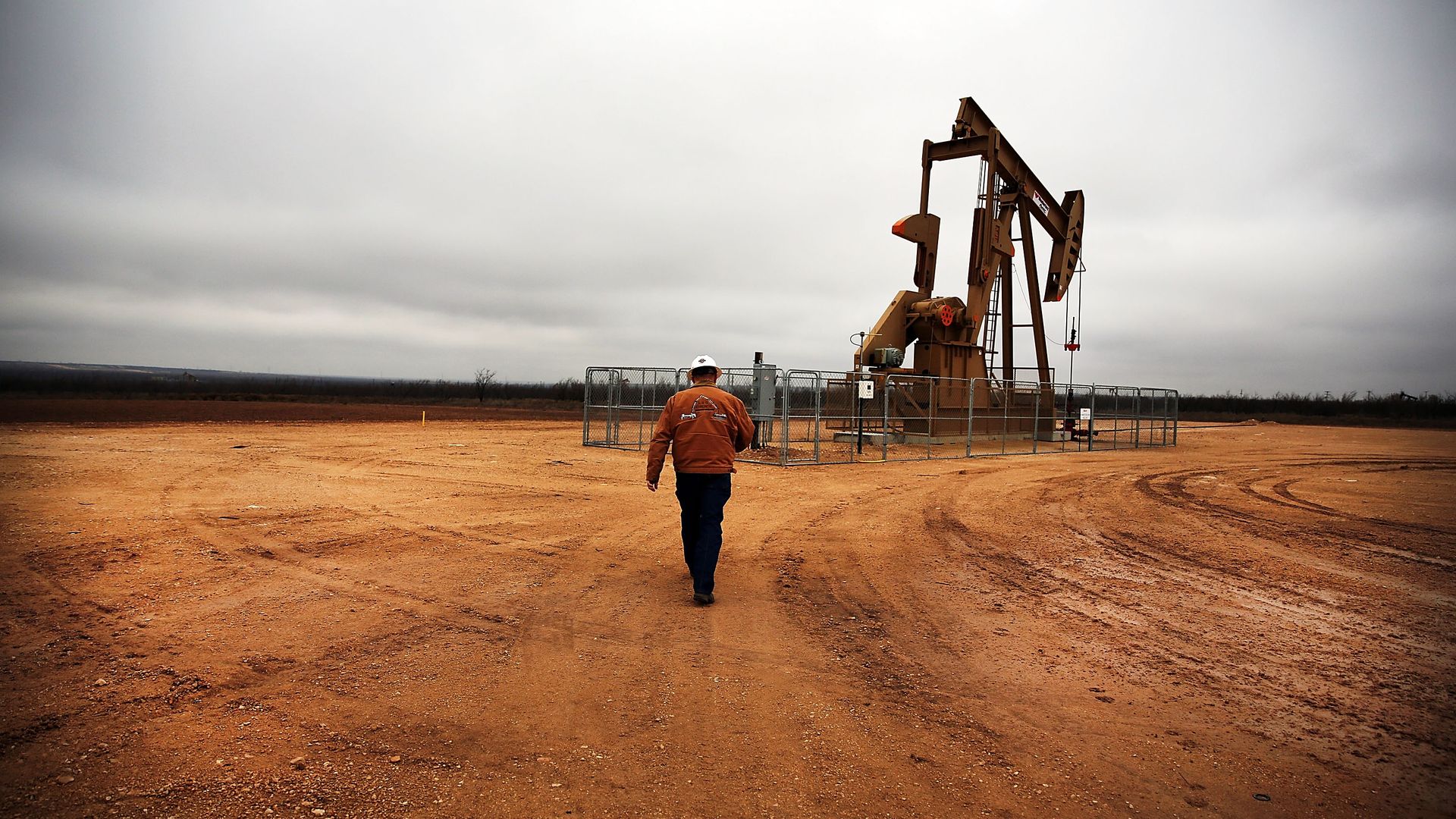
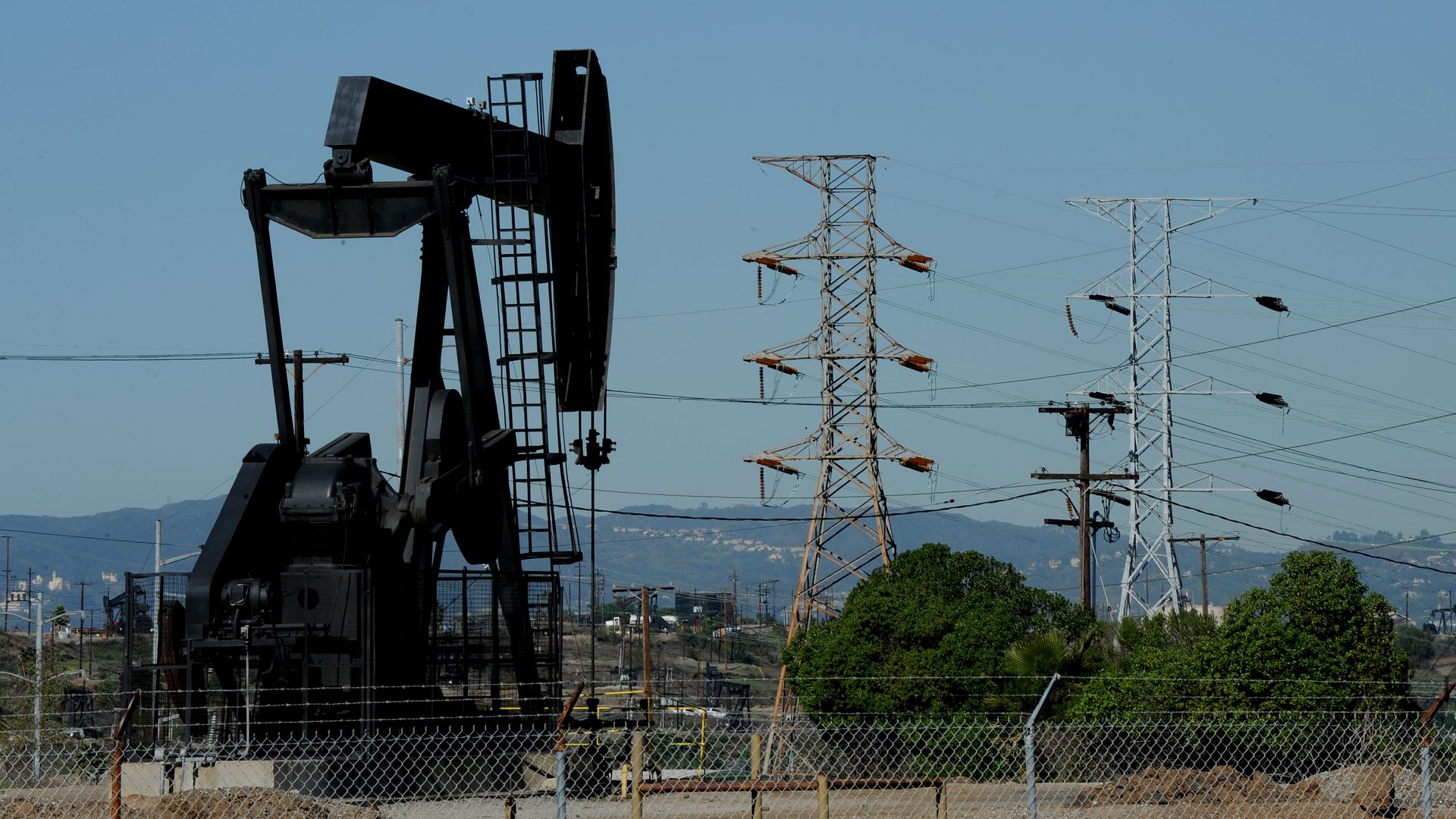
Texas could pass both Iran and Iraq next year in oil production as drilling costs fall and production explodes out of West Texas' Permian Basin, CNN reports.
The big picture: By next year, Texas' oil production is set to jump to 5.6 million barrels a day, up from 2.5 million a day in 2014. If Texas were a country, it would become the third-largest oil producer in the world — behind Saudi Arabia and Russia.
Taxing U.S. carbon emissions with an escalating levy that starts as high as $73-per-ton would have a pretty small effect on carbon emissions from the transportation sector, a Rhodium Group analysis finds.
Why it matters: Transportation has overtaken electricity as the largest source of U.S. emissions. Wringing CO2 out of transportation is hard, in contrast to progress underway in electricity.
"As this well-written article suggests, my words were spoken in anger after Mr. Unsworth said several untruths & suggested I engage in a sexual act with the mini-sub, which had been built as an act of kindness & according to specifications from the dive team leader. ... Nonetheless, his actions against me do not justify my actions against him, and for that I apologize to Mr. Unsworth and to the companies I represent as leader. The fault is mine and mine alone."
Flashback: Musk had offered the services of a mini-submarine to be used in the rescue, though it was ultimately not utilized.
Three recently filed local and state lawsuits against big oil companies over climate change are moving from state to federal courts, according to new legal documents reviewed by Axios.
Why it matters: It may sound just procedural, but the type of court matters a lot. Given previous federal-court rulings, oil companies are generally more favored to win in federal court, with less certainty at the state level given lack of precedent either way.
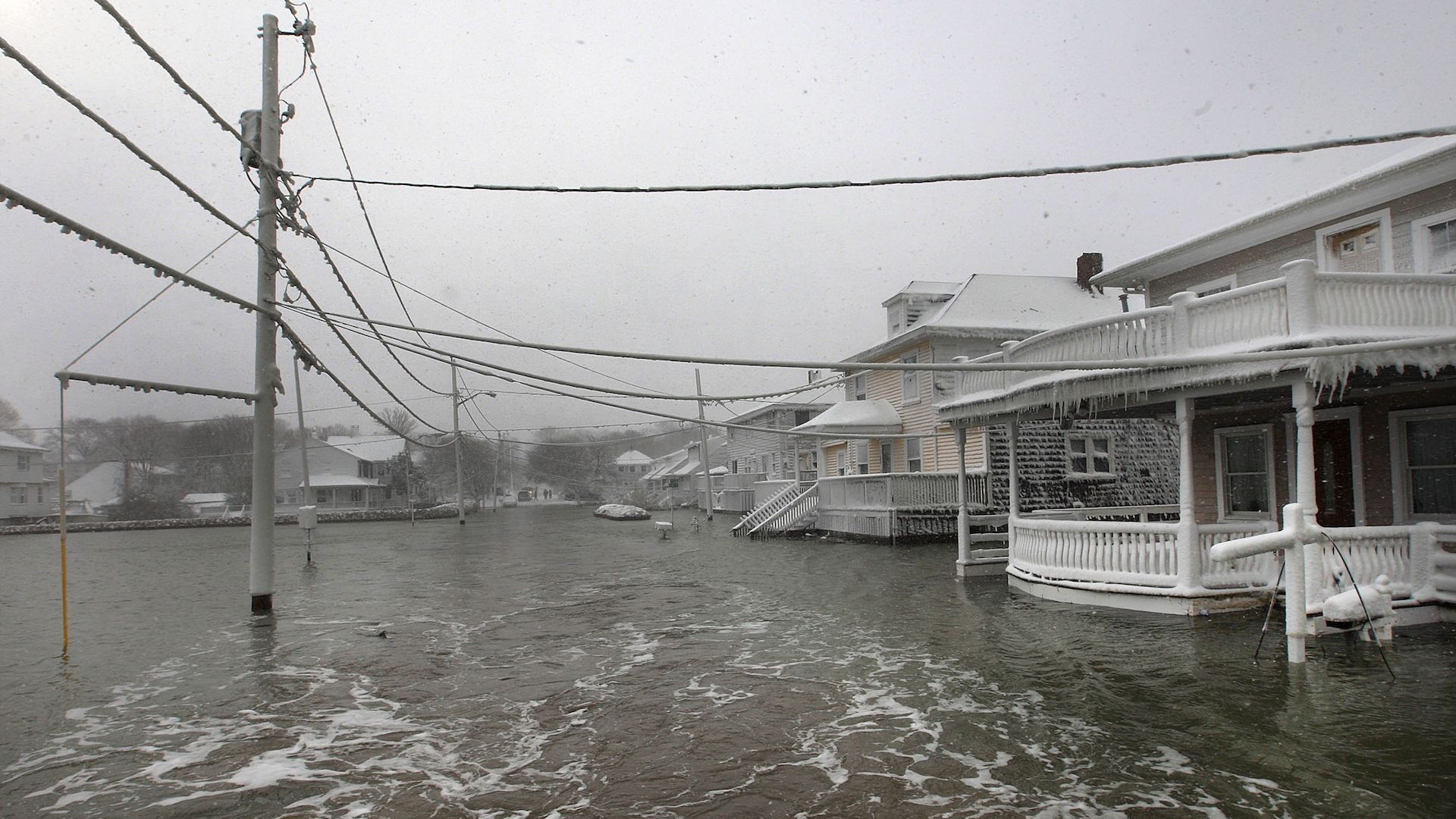
Parts of the infrastructure that forms the backbone of the Internet — from fiber optic cables to colocation facilities — is at risk of being flooded and knocked offline during the next few decades as a result of climate change-related sea level rise, according to a new study.
Why this matters: The study, by researchers at the University of Wisconsin and University of Oregon, concludes that sea level rise is not a far-off problem for the end of the century, but rather a "devastating" risk facing the U.S. telecommunications industry in as little as the next 15 years.
Carbon taxes can be constructed in a way that substantially speeds greenhouse gas cuts without hamstringing the economy or regressive financial effects, according to joint research in four papers published Tuesday.
Reality check: Experts have been building a body of ready analyses and policy designs if a political window opens in the future. But,the current political reality is that the House is prepared to vote on a GOP-led, nonbinding resolution this week that says taxing CO2 would hurt the economy — and it's expected to pass easily.
Less than a decade after it began its program to deploy geothermal energy on a massive scale, China now has the largest amount of geothermal district heating of any country in the world, providing a cleaner, more environmentally friendly way to heat communities and to mitigate the poor air quality that results from burning coal.
The big picture: First used in Idaho in the 1890s, geothermal works by recovering heat naturally stored in the earth. Unlike wind or solar, it provides a consistent, efficient and nearly emissions-free level of energy production when used for heating. While China and other countries push forward with geothermal technology, the U.S. lags far behind, meeting barely 0.01% of our heating demand with it.
Global investment in energy supplies dipped slightly last year, the third annual decline amid slowing growth of coal, hydro and nuclear power, which outpaced a boost in oil-and-gas, the International Energy Agency said.
By the numbers: Combined investment in oil-and-gas and electricity supply declined 2% to $1.8 trillion, a figure that represents 1.9% of global GDP, the Paris-based agency said in its annual report on spending trends and levels.