President Trump on Monday softened U.S. criticism toward Russia's planned Nord Stream 2 natural gas pipeline to Germany, signaling a public break with the years-long State Department position that the proposed project is a threat to European energy security.
The bottom line: Instead Trump cast the project in market competition terms, touting the prospect of U.S. gas exports taking on Russian gas andplaying a larger role serving European markets.
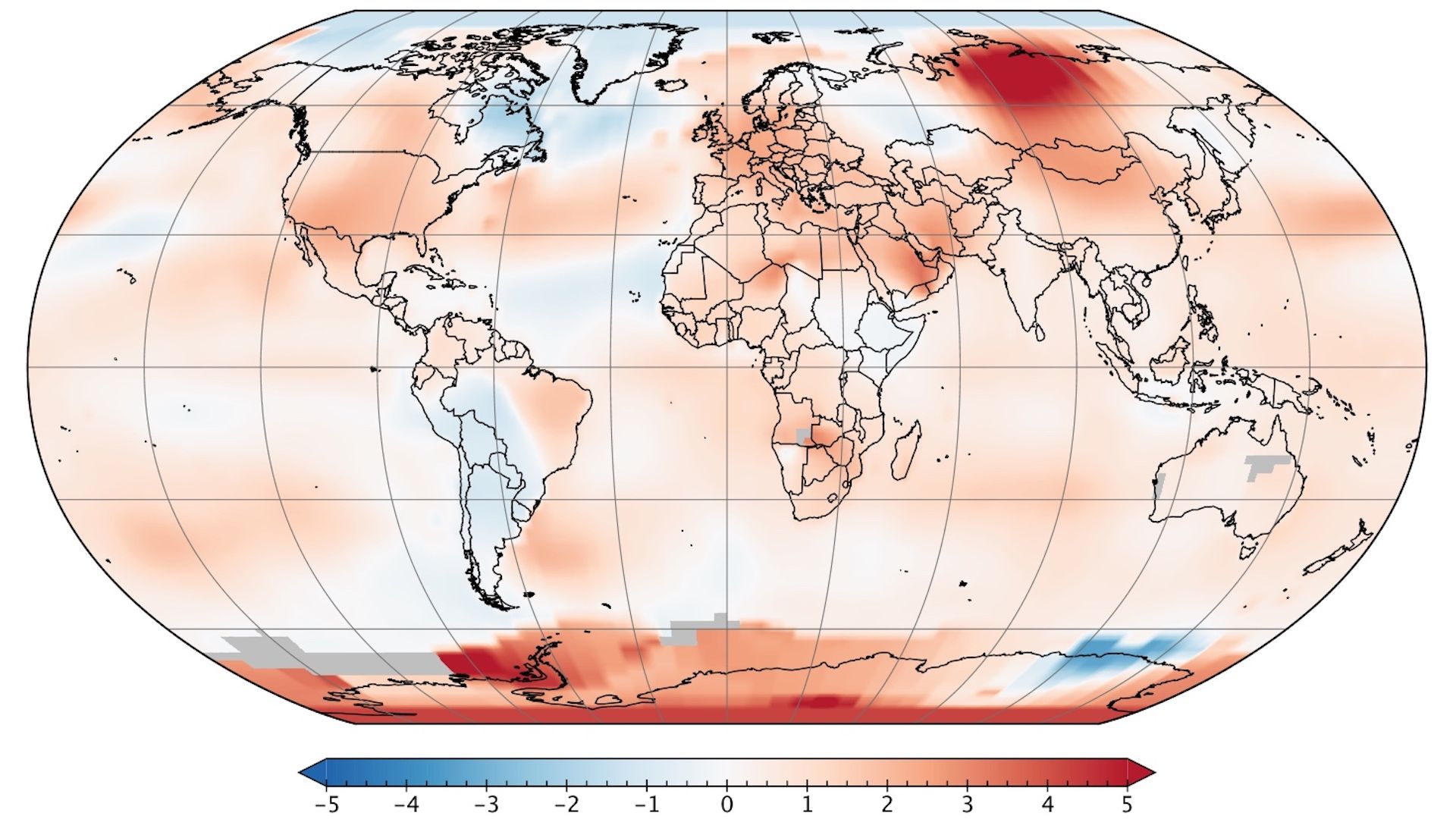
Earth had its third-warmest June on record this year, according to NASA data released Monday. The month saw numerous heat milestones set worldwide, from the U.S. to the Middle East.
Why this matters: The planet is headed for a top 5 warmest year despite the lack of an El Niño event in the tropical Pacific Ocean, which would help boost temperatures in addition to human-caused global warming.
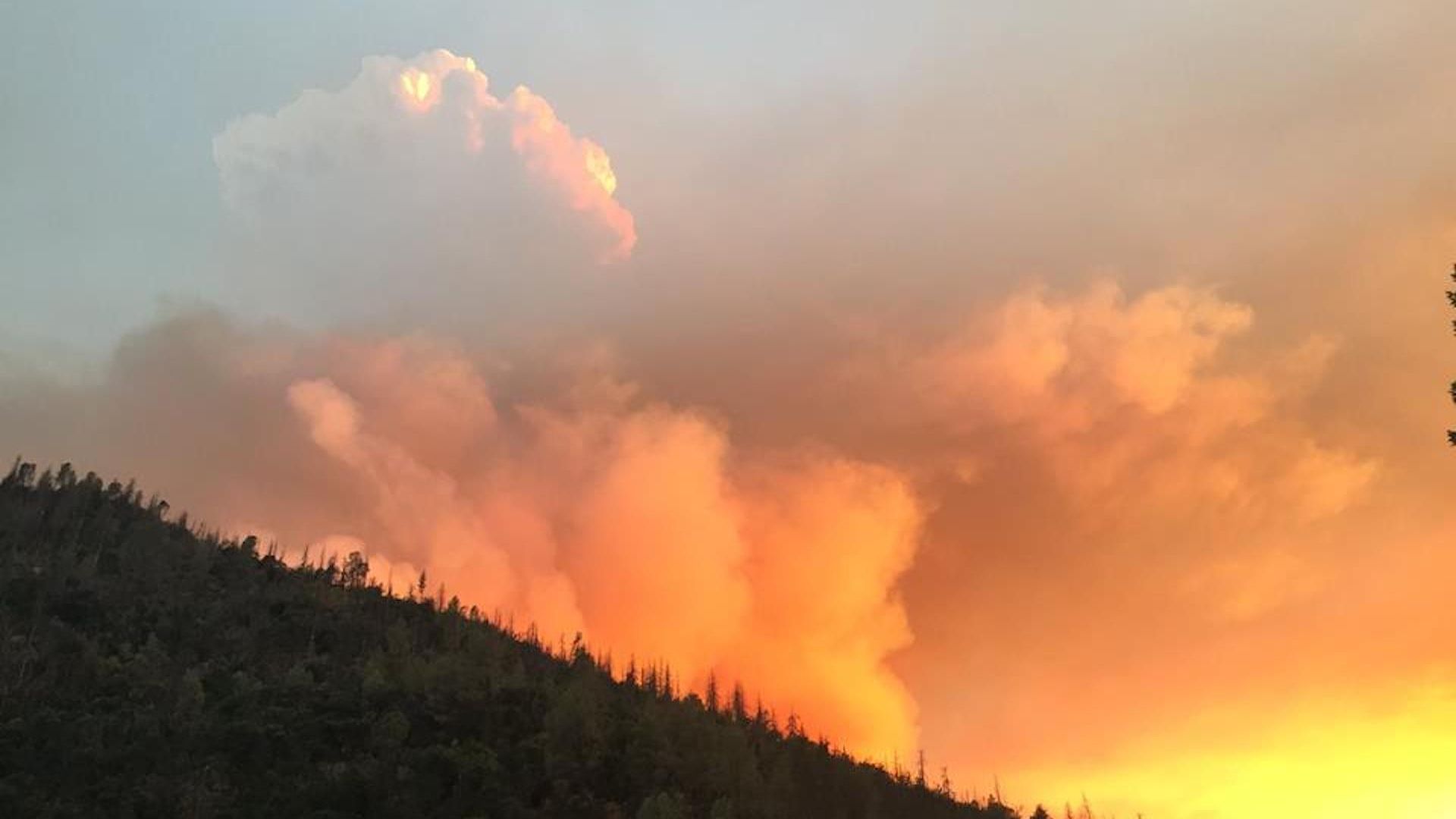
The deadly Ferguson Fire is burning on the western edge of Yosemite National Park, shutting down one of the access roads during the height of the tourist season.
The big picture: Ferguson, which started Friday and has claimed the life of one firefighter, is one of 56 large fires currently burning across the country in a season that has already charred more than 3.3 million acres, slightly above the national average-to-date.
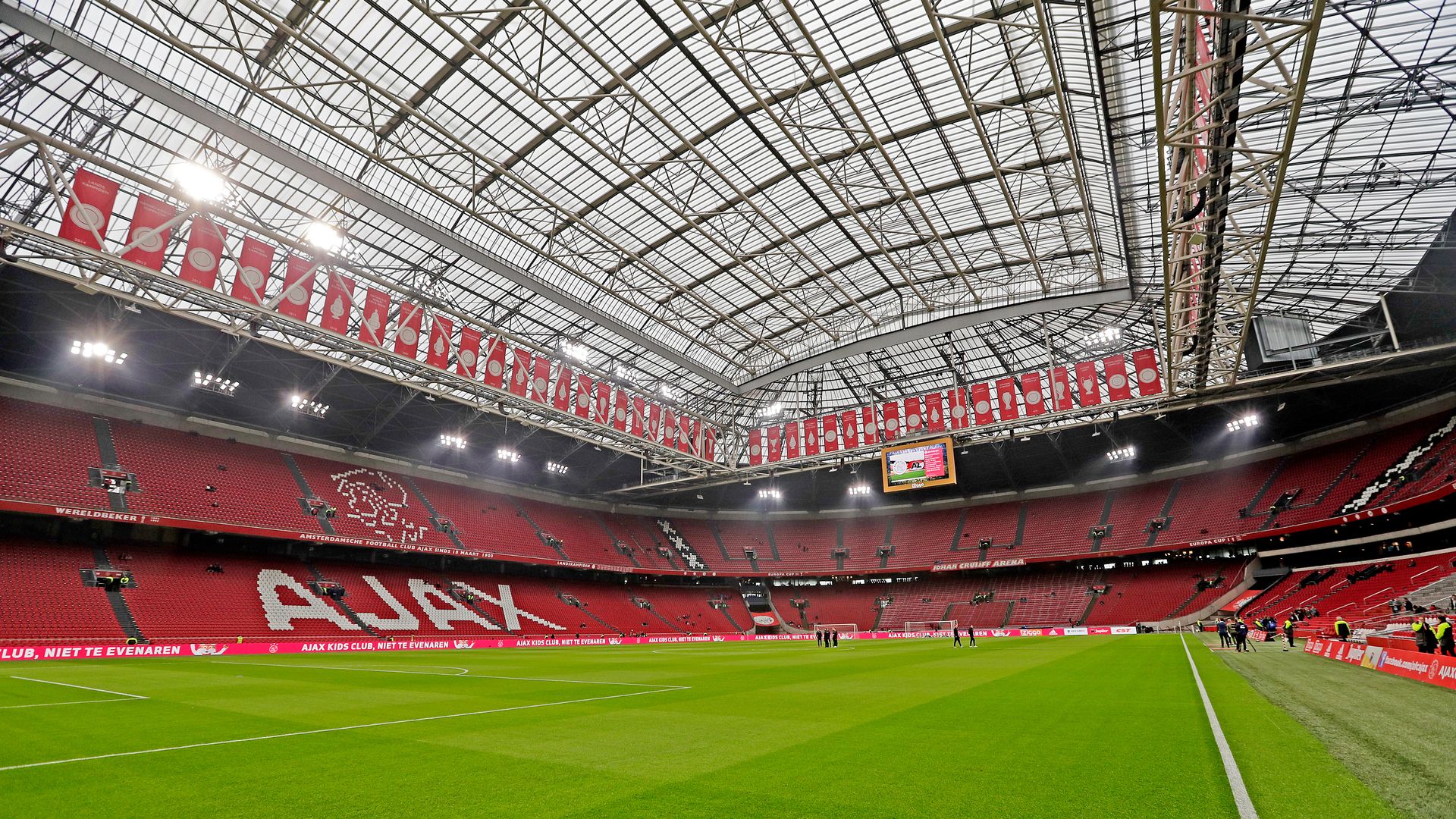
The Johan Cruijff Arena in Amsterdam, home to the soccer team AFC Ajax, now hosts Europe's largest energy storage system. Comprising 250 used Nissan Leaf battery packs and 340 first-life battery modules, the system can provide up to one hour of full power to the stadium during an event.
How it works: Second-life batteries are batteries removed after a first life in electric vehicles. While no longer able to supply the power needed for transportation, these batteries still have adequate capacity for other energy storage solutions. Recycling these batteries remains economically unfavorable because of falling prices and low metal recovery, but they continue to find their way into new applications such as home-power and mobile-charging units.
In a warming world, expanding access to cooling technologies without jeopardizing climate change goals is going to be a major challenge, according to a new report by the Sustainable Energy for All group.
Why it matters: Cooling needs are not only for expanding access to air conditioning as the earth becomes hotter, but applies to many other aspects of the modern economy like medical and food supply chains. The report shows that 1.1 billion people face "cooling access risks."
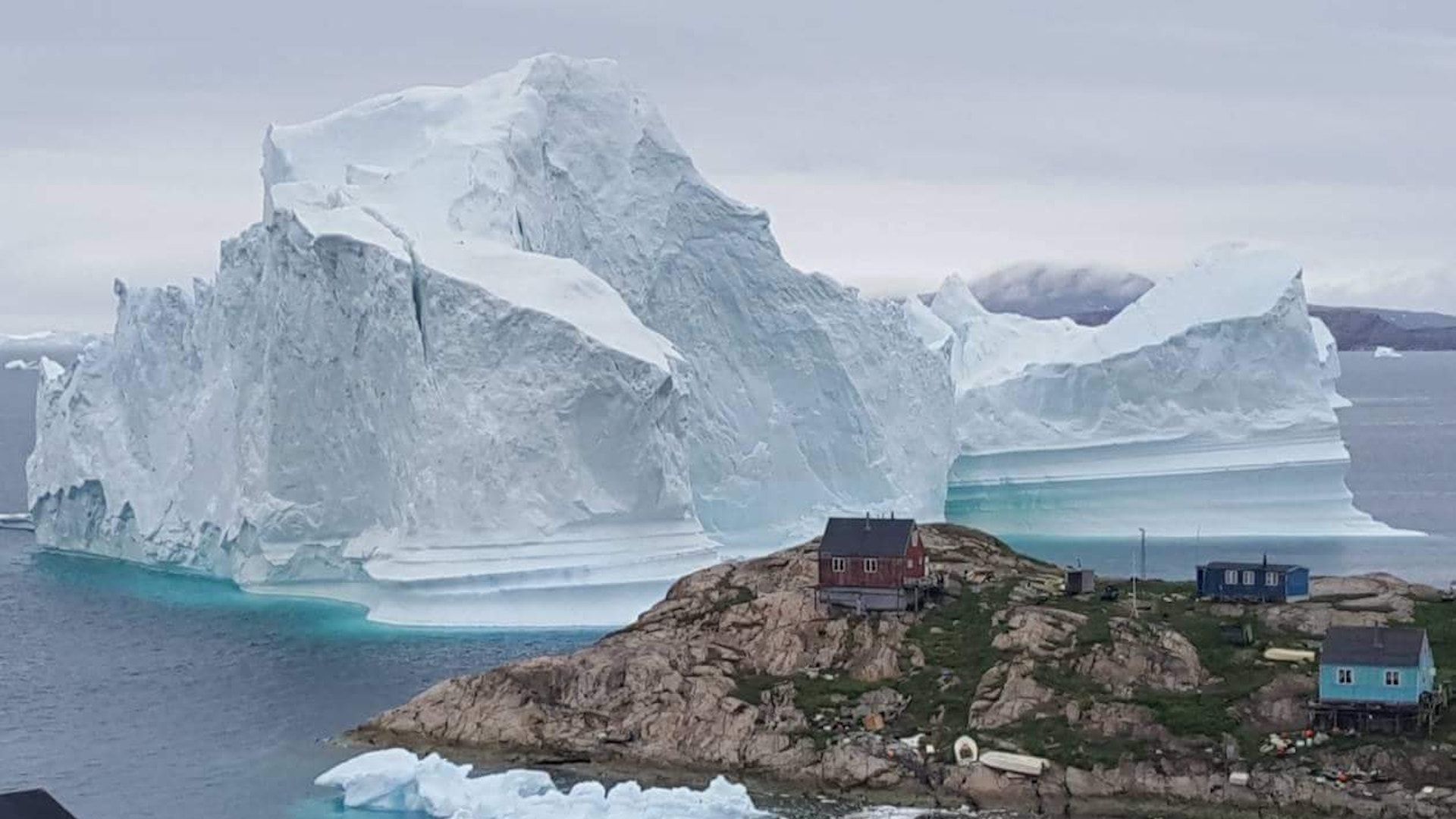
An 11-million-ton iceberg is threatening Innaarsuit, Greenland, a small northwest Greenland village with 169 permanent residents, prompting fear of a tsunami if the ice breaks apart so close to shore.
The details: Sermitsiaq, a national newspaper in Greenland, reports Sunday that many residents have evacuated to higher ground. The iceberg is 650 feet wide, almost the length of two football fields, and it stands 300 feet above sea level, reports the New York Times. The iceberg is so big that it's visible from space.
Large icebergs breaking off nearby glaciers are common in the region, but this is the biggest villagers have reportedly seen. Officials are hoping the wind and tides move it away from the village, but it may be grounded on the ocean floor.
Tesla CEO Elon Musk is downplaying his GOP donations and defending his environmental bona fides after revelations he gave nearly $39,000 to Protect the House, a group seeking to maintain the party's imperiled House majority.
Why it matters: The donation drew quick criticism from some parts of the left, and it's a politically fraught topic for Musk because he's a high-profile green tech pioneer who has previously pushed back against GOP climate policy.