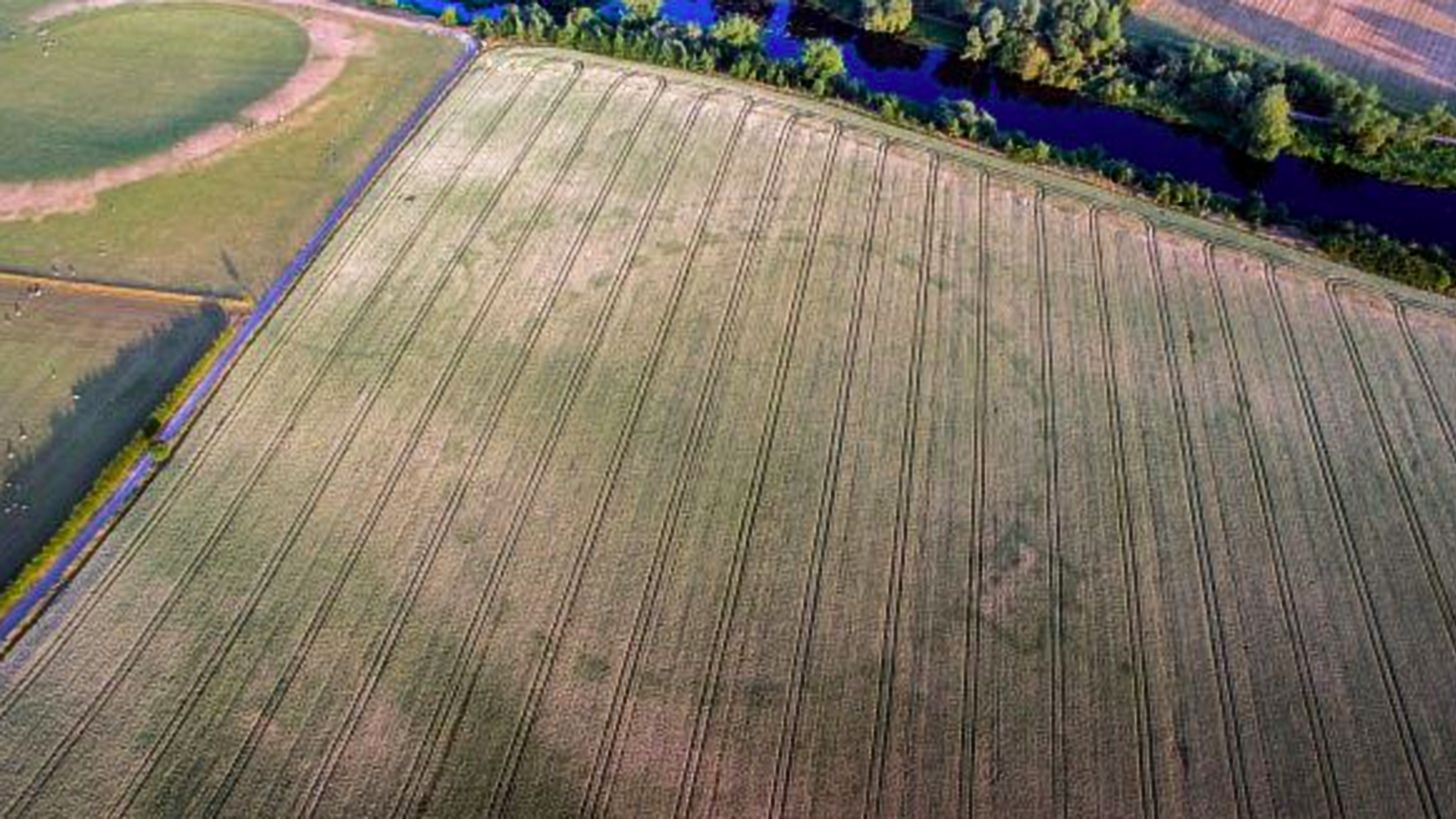
A scorching heat wave and a drought revealed a henge, or circular enclosure, in the ground at the Unesco World Heritage Site adjacent to Newgrange, reports the Irish Times.
Thought bubble from Axios' Science editor Andrew Freedman: The archaeological find is related to record heat and dry weather across the United Kingdom and Ireland so far this summer. It was one of the top five warmest Junes across the UK, according to the UK Met Office, dating back to 1910.
Why it matters: The move would represent a remarkable use of the stockpile for political purposes, given that there's currently no crude oil supply shortage or emergency. And gasoline prices, while higher than in recent years, remain well below levels routinely seen in periods between 2010 and 2014, when they were frequently far in excess of $3 per gallon and at times neared $4.
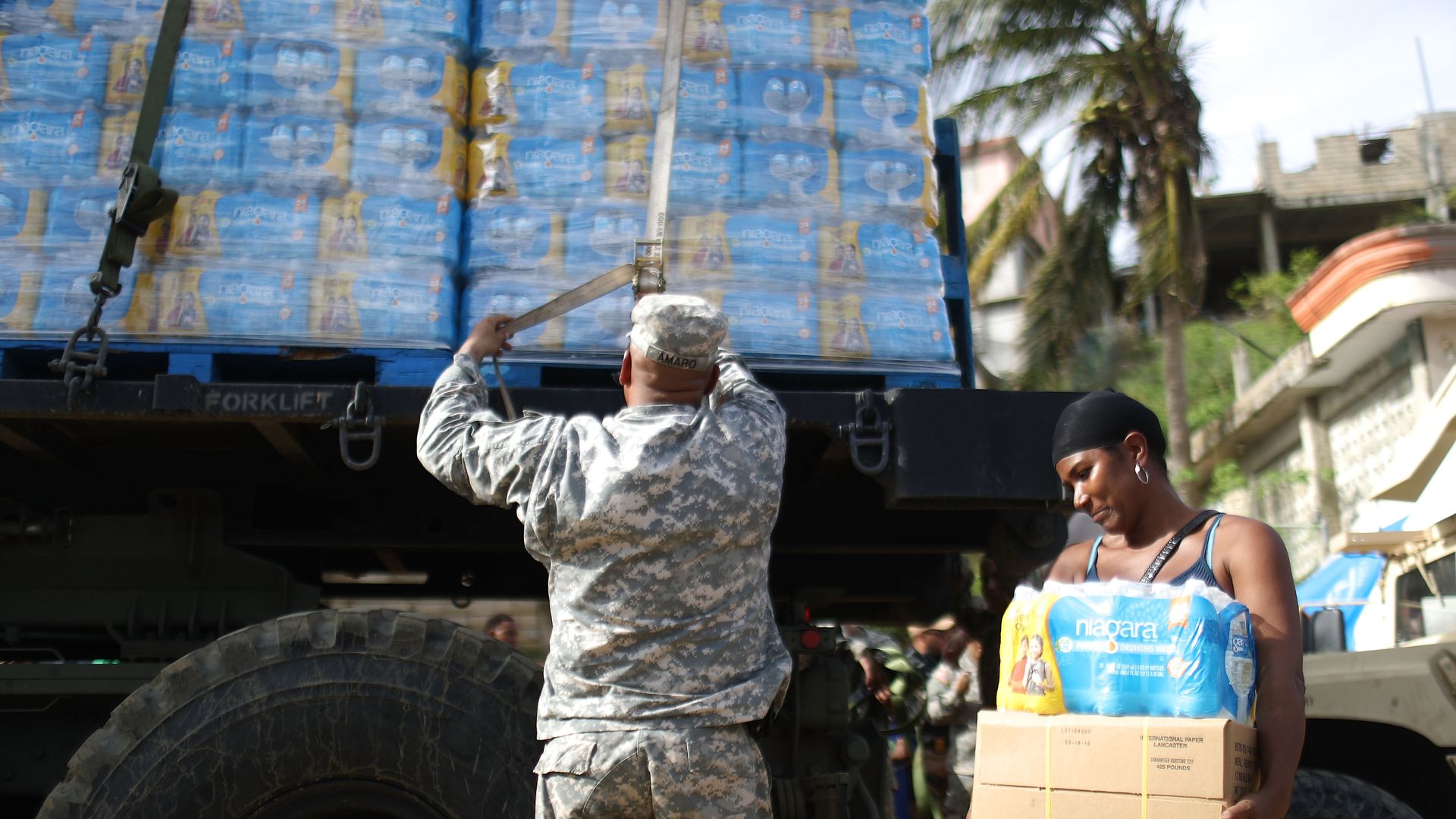
After nearly a year of harsh criticism in the wake of Hurricane Maria, FEMA published its internal audit of the agency's response to the 2017 hurricane season, concluding that its efforts and planning were insufficient and in need of critical updates.
Why it matters: The agency's failure to adequately plan for a major hurricane strike on Puerto Rico may have contributed to scores of deaths and the suffering of island residents. In addition, FEMA's shortcomings may have exacerbated economic damage and contributed to the depopulation of the island in the wake of the storm.
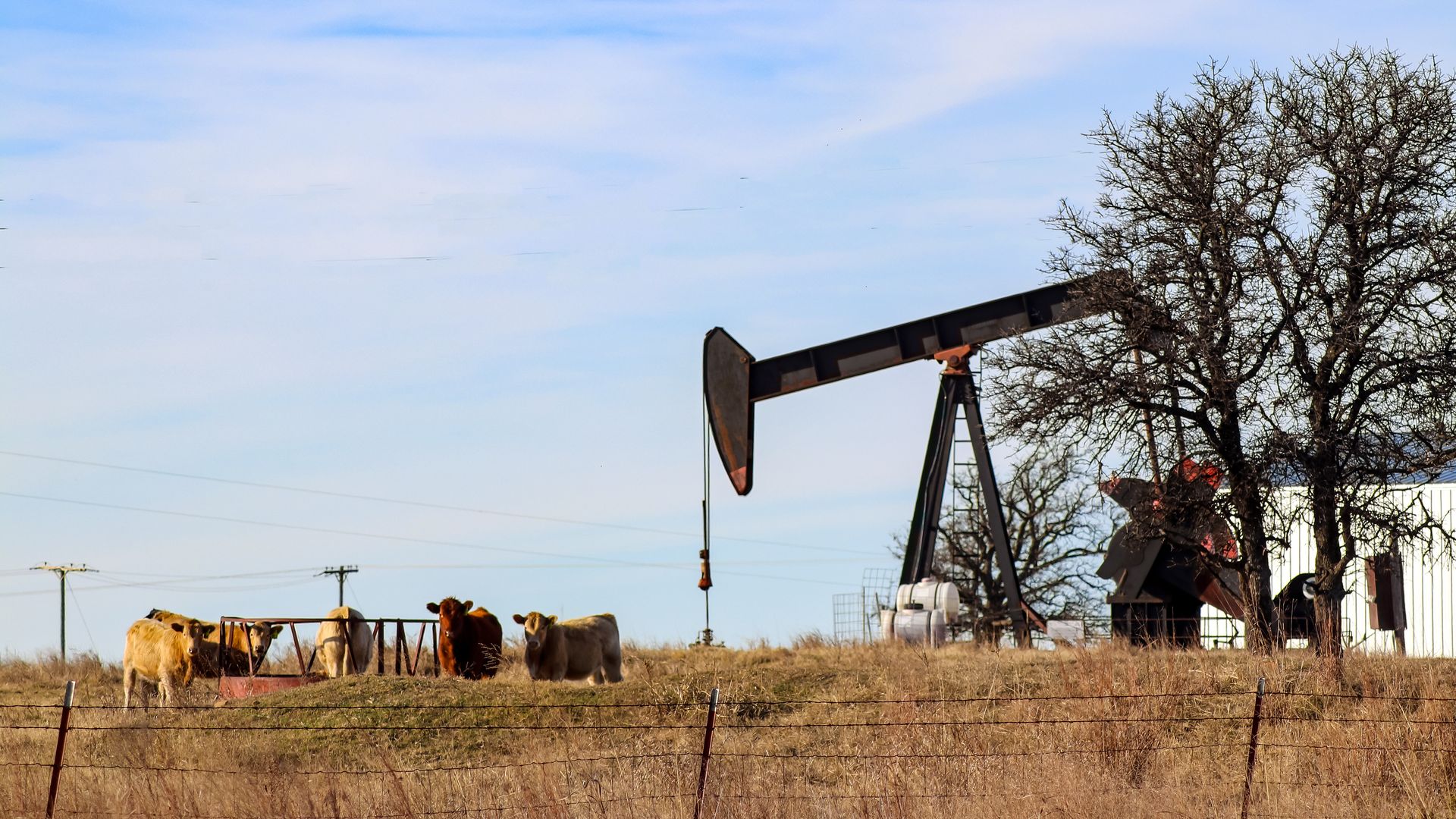
Exxon said yesterday that it won't renew its membership in the conservative American Legislative Exchange Council (ALEC), a move that follows a dispute over climate policy but comes years after several other major oil companies left the group.
Driving the news: According to several reports, in late 2017 Exxon was among the companies that opposed and helped defeat a draft ALEC resolution attacking the Obama-era "endangerment finding" that said greenhouse gases threaten humans — a conclusion that provides the legal underpinning of regulations.
On Thursday, Ireland took a significant step towards becoming the first country in the world to divest from fossil fuels as part of an effort to help curb climate change, reports Reuters.
The details: Lawmakers in the lower house of parliament advanced a measure mandating the government to divest more than $10 billion of its investment funds in coal, oil, gas and peat within five years. The proposal will now head to the upper chamber where it’s expected to pass.