OpenAI may give the U.S. government a 5% stake in the company, per the Financial Times. The proposal is in very preliminary conversations, according to a person familiar with the matter.
Why it matters: If the overture is taken up by the Trump administration, that would mean the government would have a vested interest in weighing whether or not to limit the release of an OpenAI model.
With the U.S. hosting the World Cup, there have been plenty of anecdotes about a booming tourism economy in host cities — Scotland fans drinking Boston bars out of beer, for example.
But no World Cup hiring bump is evident in the June employment data.
By the numbers: Leisure and hospitality employment fell by 61,000 jobs in June. That's the category that includes restaurant and hotel employment and is most sensitive to tourism trends.
The job market entered the summer with less momentum than looked to be the case just a month ago.
Why it matters: Call it a yellow card for the labor market. Thursday morning's employment report doesn't undo three months of stronger hiring, but it does warn that the rebound is less durable than first thought.
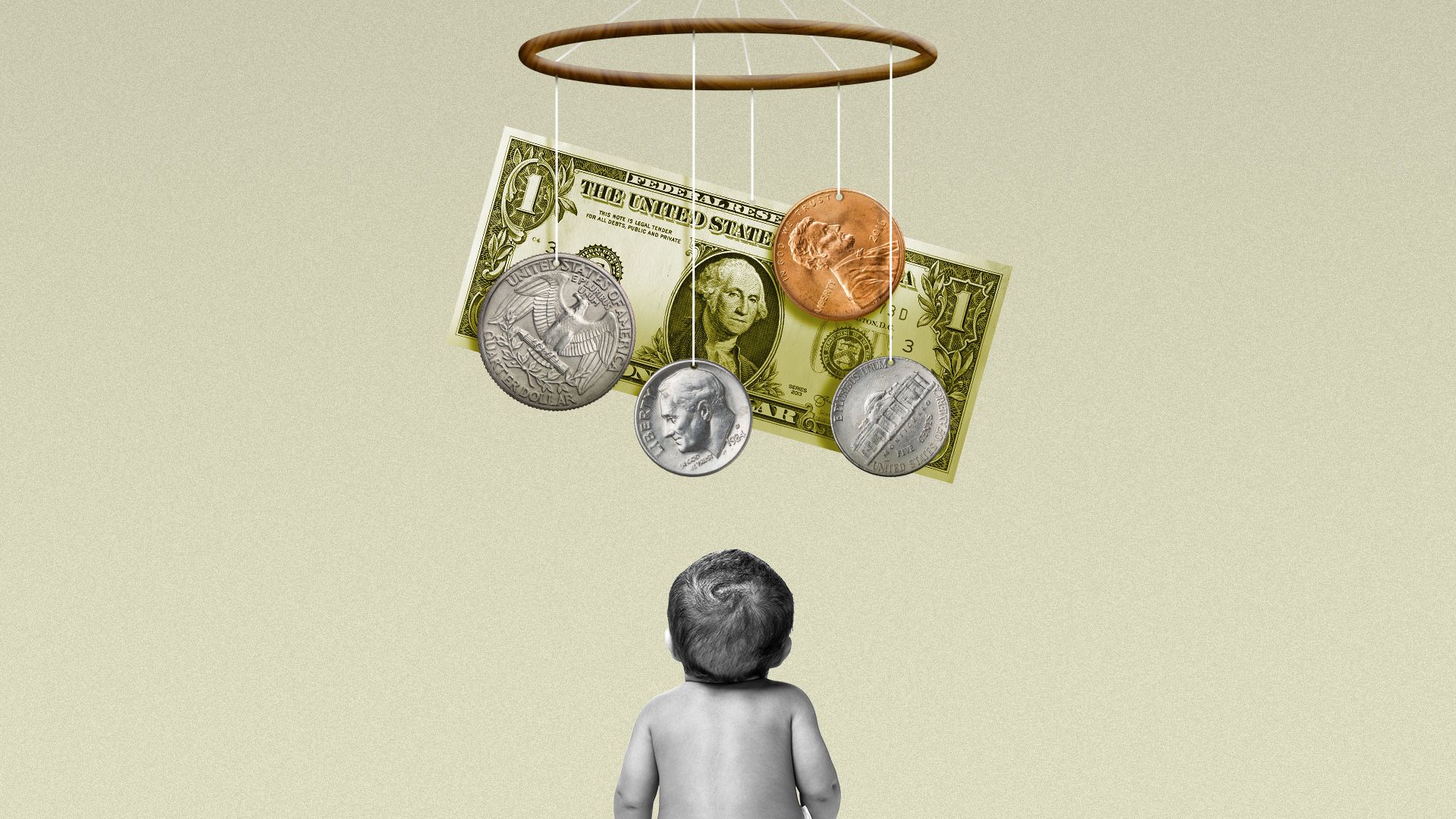
Why it matters: The accounts put a conservative spin on a progressive idea, giving kids money so that they can build wealth — think the "baby bonds" proposal of Sen. Cory Booker (D-N.J.) , but done Wall Street style.
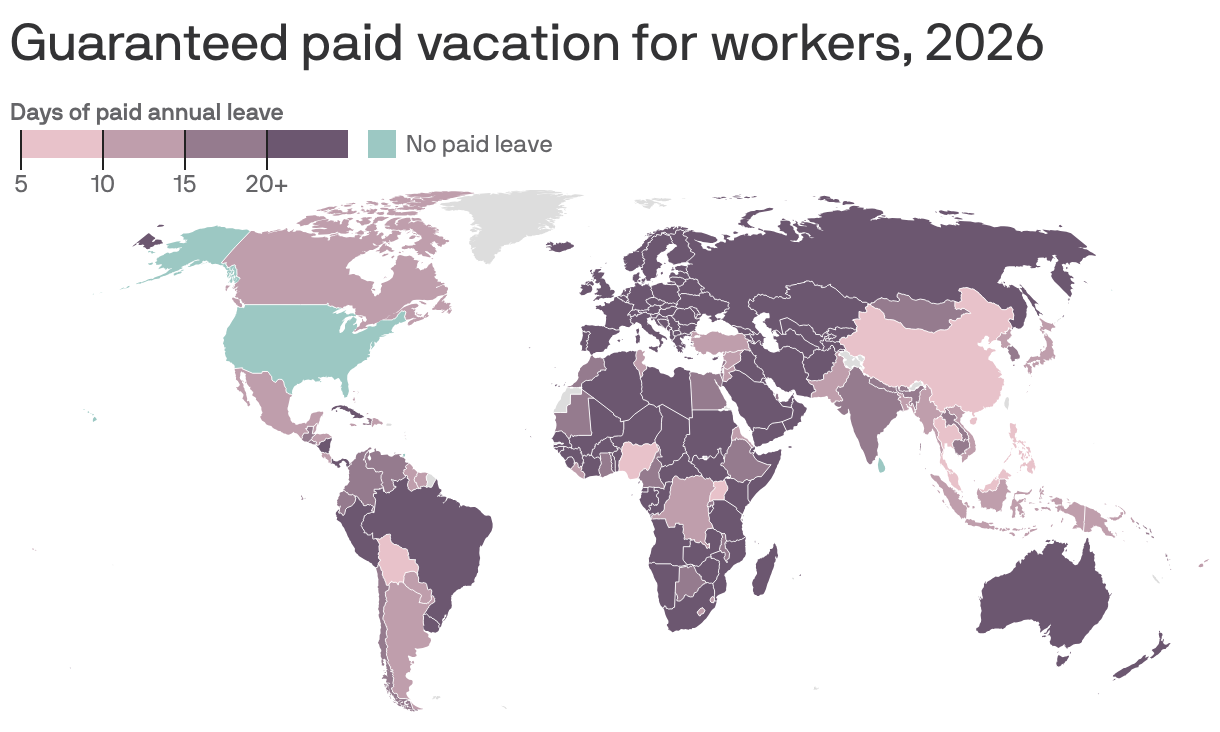
Chalk it up to American exceptionalism: The U.S. is one of only nine countries in the world that doesn't guarantee workers some kind of paid annual leave, according to a comprehensive new analysis of all 193 United Nations member states.
Why it matters: These policies have become fairly standard around the world — they're not merely some European August vacation thing — but paid vacation in the U.S. is seen more as a privilege managed privately by employers.
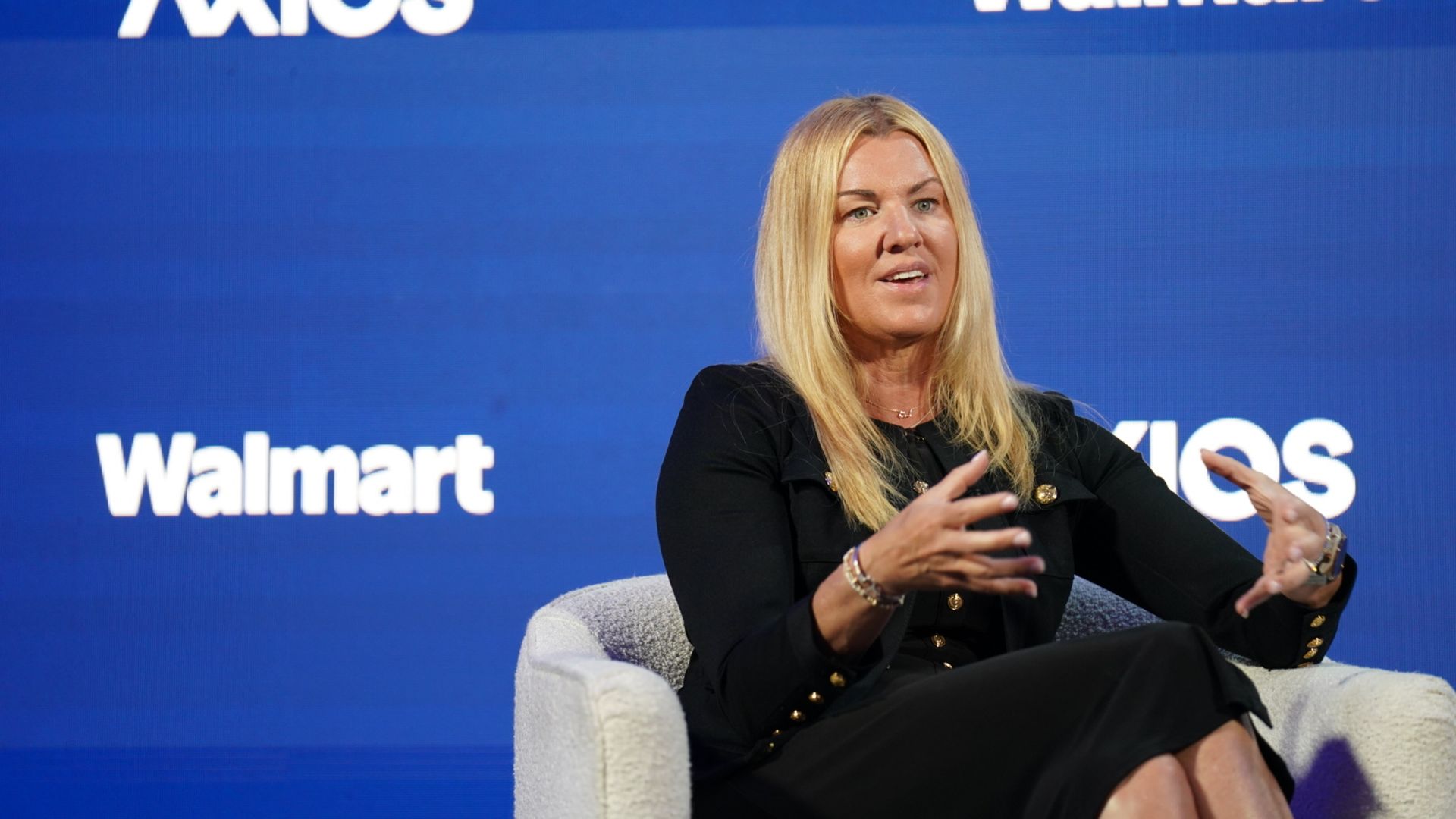
WASHINGTON, D.C. — Manufacturing leaders need more visibility into their software, materials and suppliers, Exiger president Carrie Wibben Kaupp said at a July 1 Axios Live event.
Why it matters: U.S. businesses are adapting as geopolitical tensions, supply-chain disruptions and AI reshape the industry.
Axios' Nathan Bomey and Colin Campbell moderated conversations with Wibben Kaupp; Construct Capital co-founder Dayna Grayson; and Kevin O'Hanlon, Global Electronics Association's vice president of North America government relations. The event was sponsored by Walmart.
What they're saying: The strength of the industry will depend on surpassing "surface-level visibility," Wibben Kaupp said.
"We need to understand, predict and then action those disruptions in our supply chains in real time," she added.
The biggest challenge is "where to start," Grayson said, since the most crucial pieces will depend on the customer and the company.
Context: In 2024, China banned exporting certain rare minerals to the U.S. that America uses for technology and defense operations.
Wibben Kaupp called it "weaponizing the periodic table."
In May, President Trump met with Chinese leader Xi Jinping for a "friendship summit."
What's next: "The cost of finished goods are only going to go up in the near term," O'Hanlon said, as tech memory becomes a central resource "not just for consumers, but also for the manufacturers [and] for data center operators."
Content from the sponsor's segment:
In a View From the Top segment, Walmart U.S. senior vice president of pantry Melody Richard said, "You should expect to see stronger partnerships across the manufacturing landscape with our suppliers bringing more innovation."
Richard was joined by Ferrero North America president and chief business officer Michael Lindsey.
Editor's note: This story has been corrected to show O'Hanlon is vice president of North America government relations at Global Electronics Association (not Consumer Technology Association).
Meta shares soared nearly 9% Wednesday on a report that the company is wading into the business of selling cloud computing services and access to AI models.
Why it matters: The booming AI economy has triggered insatiable demand for data processing power, enriching the likes of Amazon, Google and Microsoft.
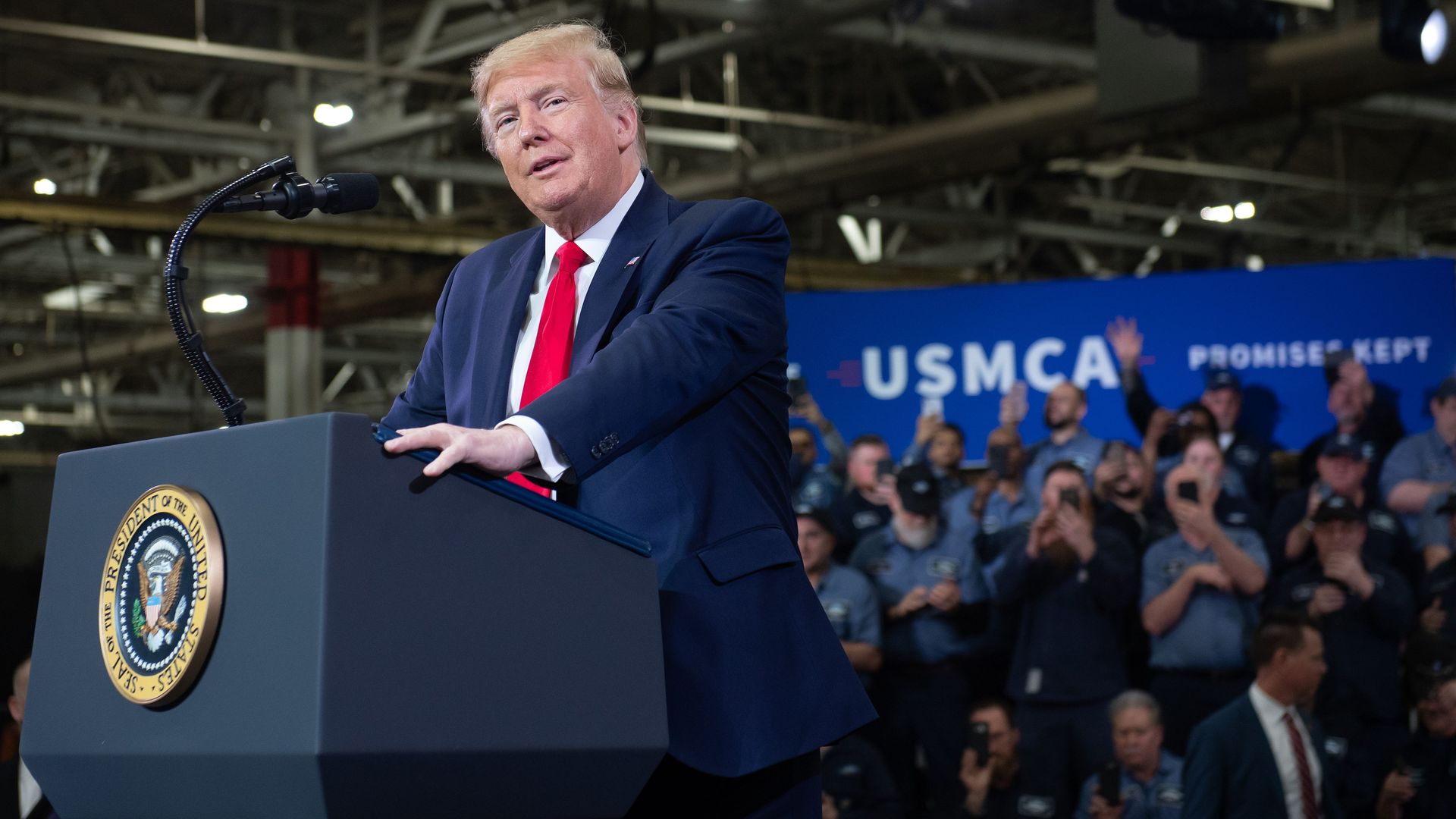
The White House will not renew the U.S.-Mexico-Canada Agreement, triggering a new phase of annual reviews of the North American trade pact that President Trump signed in his first term.
Why it matters: The agreement is not dead. But by declining to extend it, the administration is setting up years of annual reviews — fresh uncertainty for businesses that depend on trade with two of America's largest trading partners.
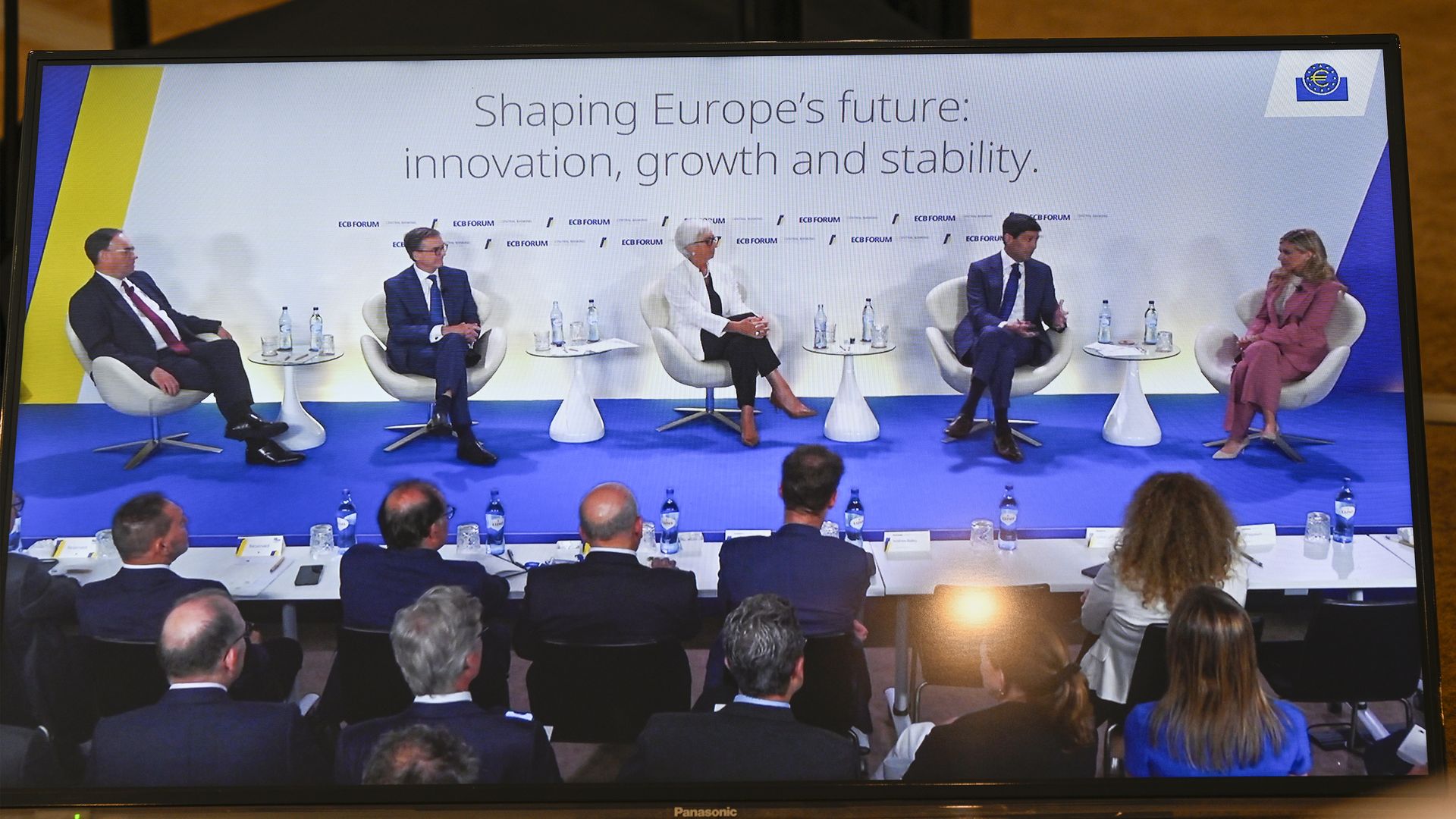
It's not just an American thing. Central bankers from other top Western democracies also believe that they should communicate less about where policy is going.
Why it matters: There was striking alignment of views among the heads of the European Central Bank, Bank of England, Bank of Canada and the U.S. Federal Reserve on display in Portugal.
It suggests that Kevin Warsh's ascent to Fed chairmanship is helping trigger a global turning of the page on some of the monetary policy assumptions of the last couple of decades.
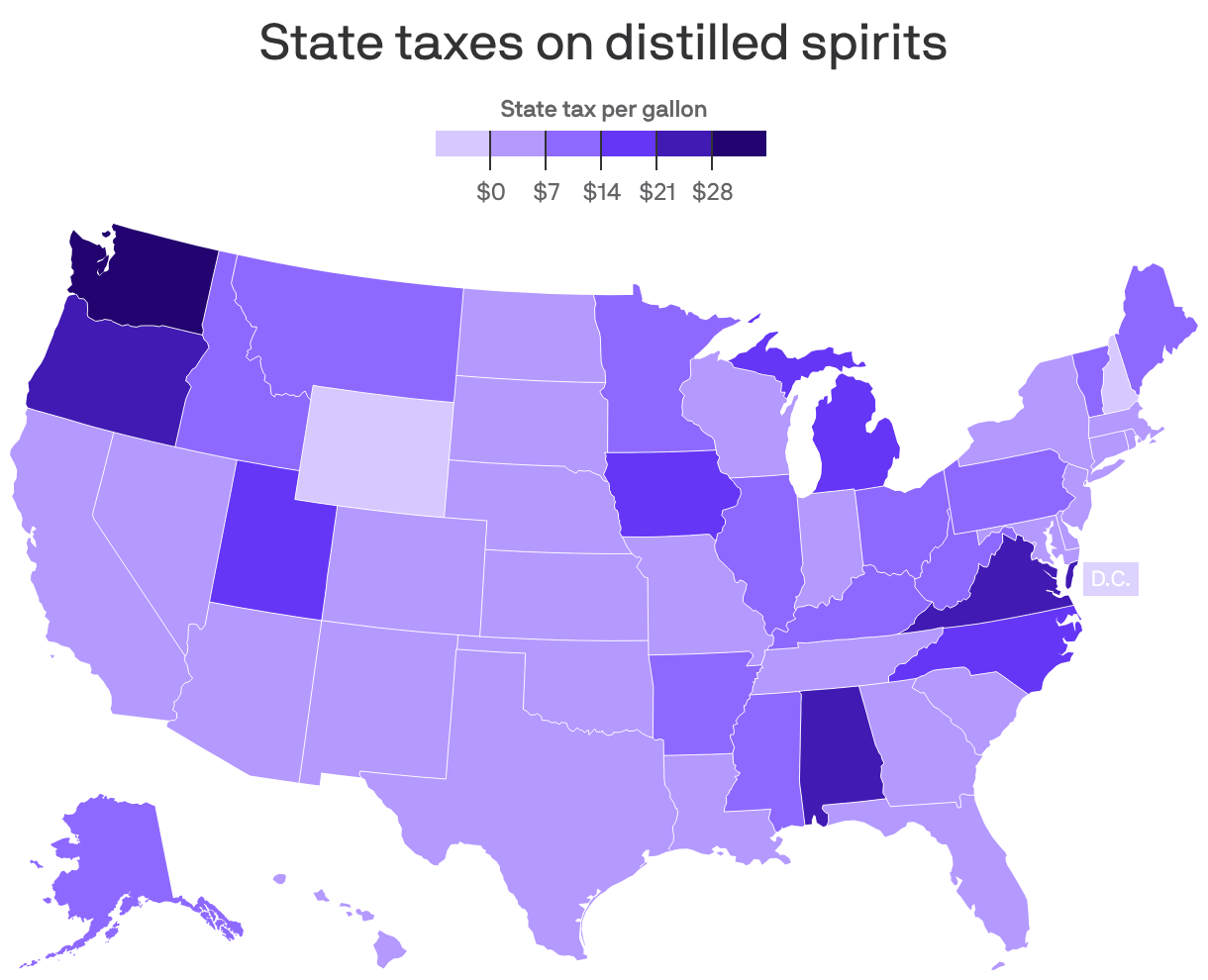
Note: Rates are those on the sale of 40% alcohol by volume distilled spirits sold in 750mL containers. Federal taxes not included. As control states, Wyoming and New Hampshire effectively do not tax. Data: taxfoundation.org; Chart: Brad Jennings/Axios
Alcohol taxes vary dramatically from state to state, meaning the same can of beer, glass of wine or fancy cocktail can cost significantly more depending on where you order it.
Why it matters: Summer travelers crossing state lines could see those differences add up, especially in places that levy some of the nation's highest taxes on beer, wine or spirits.
Many of the assumptions that underpinned forecasts for the Federal Reserve, inflation, hiring, trade and growth have been upended in just six months, forcing policymakers and investors to rewrite their playbooks.
Why it matters: The rapid shifts suggest structural forces — from AI to geopolitics to changing labor supply — are playing a much larger role in the economy than they have in decades.
It leaves policymakers, businesses and investors with less confidence about what comes next in the second half of the year and beyond.
Bending Spoons, an Italian holding company that buys and seeks to revitalize digital businesses, raised $1.7 billion in its IPO and will list Wednesday on the Nasdaq under ticker symbol "BSP."
Why it matters: AOL is part of a public company again. So is Eventbrite. And Vimeo. And a bunch of other legacy tech brands.
Semiconductor stocks have been enjoying their greatest rally ever.
Why it matters: It's another proofpoint driving investors and analysts alike to an inescapable conclusion: The AI build-out is almost certainly the biggest investment boom in American history.
The value of Japan's currency just hit its weakest level against the dollar since 1986.
Why it matters: A few market forces are colliding here: higher energy prices from the Iran war, concerns that Japan's central bank is behind the curve on raising interest rates and pressure from a stronger U.S. dollar.
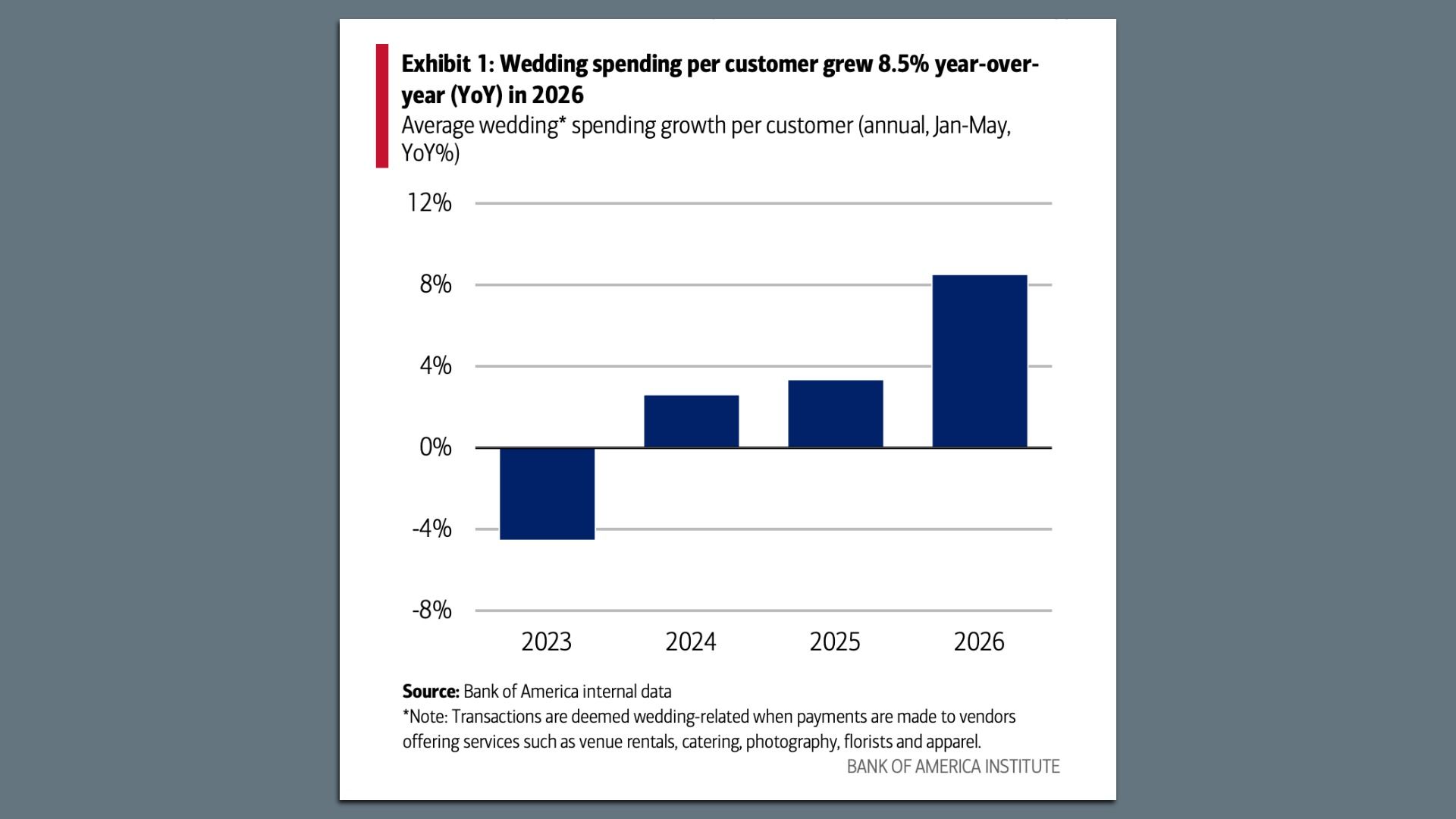
The big picture: Overall higherinflation, combined with tariffs that have hit smaller wedding vendors harder, has jacked up the cost of getting hitched.