Delta is stripping snacks and drinks from some short flights, while expanding full service on others — the latest sign airlines are reworking what's included in a ticket.
Why it matters:Jet fuel — one of airlines' biggest expenses — has surged amid the Iran conflict, pushing up costs and forcing carriers to cut routes, raise fares and rethink service.
The downfall of Spirit Airlines is casting a spotlight on the future of its budget carrier rival, Frontier Airlines, which is facing many of the same challenges.
Why it matters: The jet fuel price spike was the last straw for Spirit — which ceased operations early Saturday — and it's posing a serious challenge to Frontier, as well.
The Equal Employment Opportunity Commission has sued the New York Times for discriminating against a white, male employee who claims to have been denied a promotion based on his demographic attributes.
Why it matters: It marks the third lawsuit President Trump or his administration has filed against the Times in less than five years.
President Trump's immigration crackdown has not expanded job opportunities for American workers, a new study found — in fact, it's associated with an employment drain for some U.S.-born men.
Why it matters: The narrative of undocumented immigrants "taking" Americans' jobs has long been a propelling force behind the president's ICE enforcement push. But research suggests his mass deportations aren't clearing the way for U.S.-born workers in the job market.
Amazon is offering its distribution, parcel shipping and fulfillment services to outside businesses, not just to those on its marketplace.
Why it matters: The $2.9 trillion company is now aiming to be a dominant force in the global supply chain, going head-to-head against delivery companies like FedEx and UPS, as well as air freight and logistics firms.
Even with rising inflation, uncertainty around the war in Iran and surging oil prices, advertising-based companies continue to forecast strong growth, thanks to broad optimism in the markets fueled by AI.
Why it matters: For now, forecasters aren't baking macroeconomic chaos — including possible constraints on the supply chain — into their projections, but that could change if the Strait of Hormuz remains blocked.
The job market's headline numbershave looked pretty good so far in 2026. Some of the more subtle indicators of labor market health have been more worrying. Which should we believe?
The big picture: The latest data — which shows a surge in business hiring in March — points toward a relatively sunny scenario.
JPMorgan Chase CEO Jamie Dimon stood next to Anthropic CEO Dario Amodei in New York on Tuesday and told Wall Street the AI buildout is worth every dollar.
Why it matters: With investors increasingly anxious about whether AI revenue can keep pace with spending, the head of the world's largest bank endorsed a capital expenditure wave projected to top $1 trillion next year.
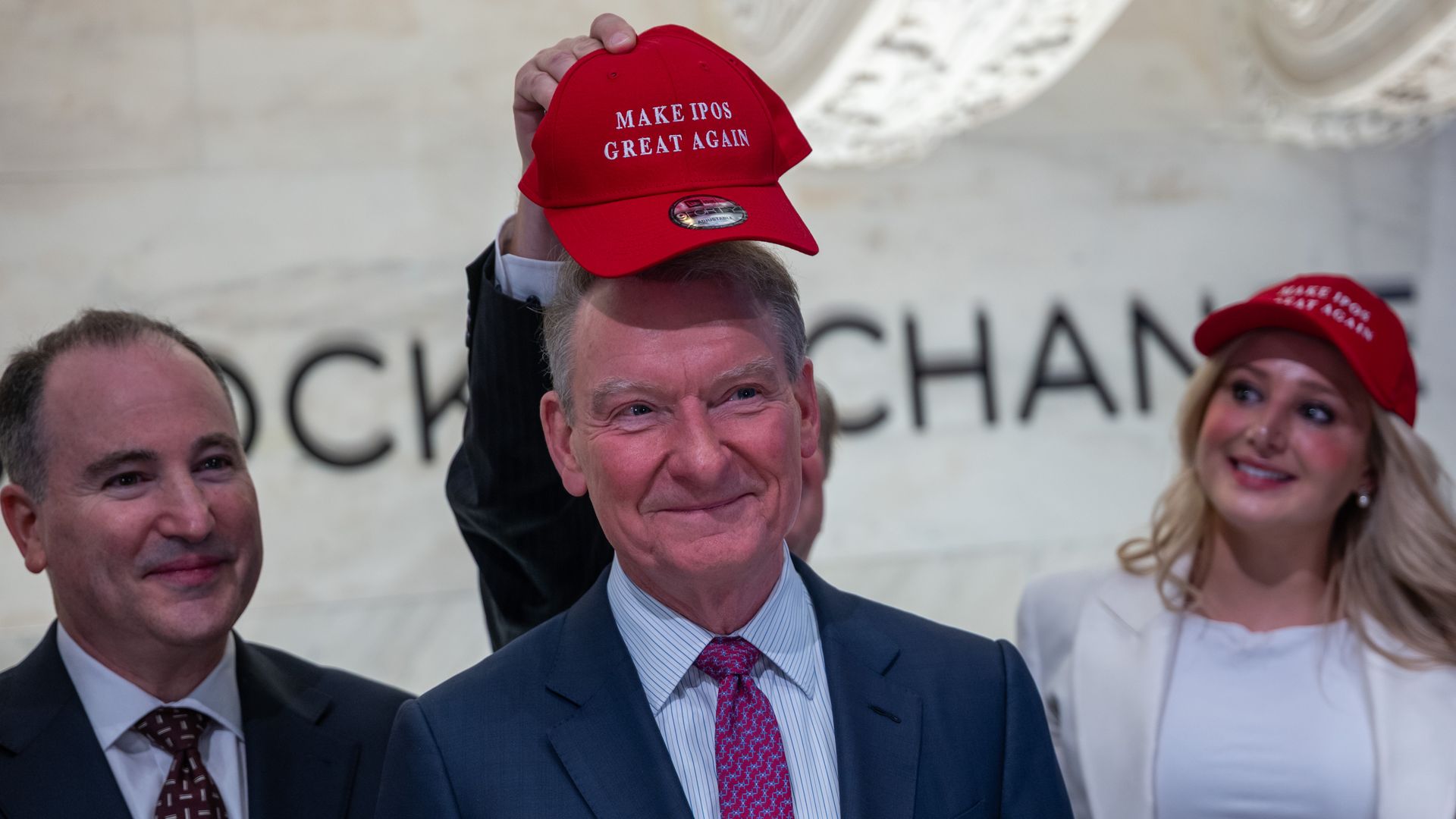
Bullish, a crypto exchange led by former NYSE president Tom Farley, agreed to acquire transfer agent Equiniti from private equity firm Siris for $4.25 billion in stock.
Why it matters: This would further blur the lines — or perhaps bridge the gap — between crypto and traditional capital markets.
A former Tesla executive leading Ford's secretive West Coast effort to design an affordable electric vehicle has a bigger, unspoken mission: help Ford reinvent the way it designs and builds cars around the world.
Why it matters: If vice president Alan Clarke's team gets it right in southern California, they will create a system Ford can replicate across the globe to stay competitive in a rapidly shifting market.
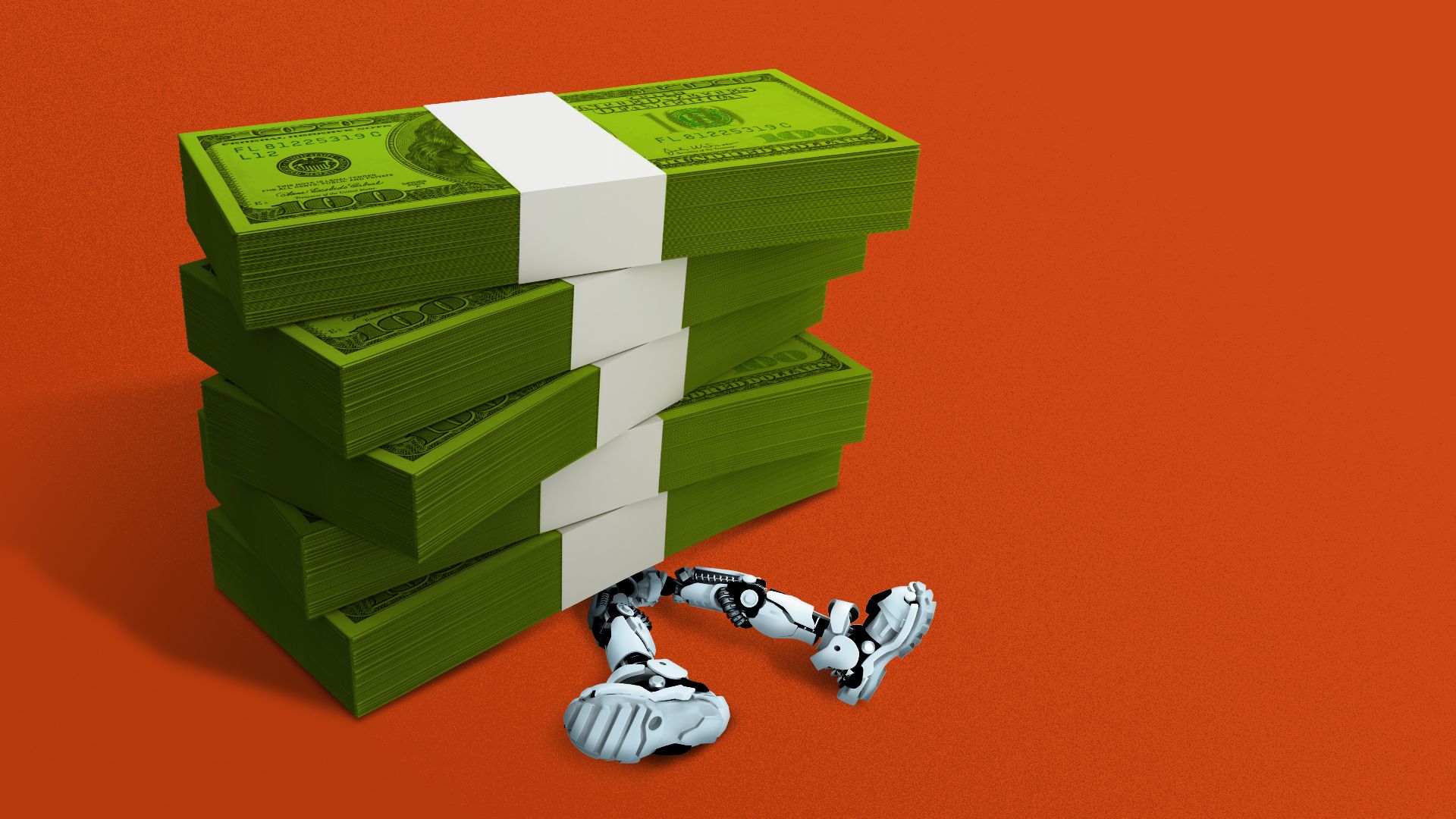
The biggest tech companies are set to spend $1 trillion on AI by next year, according to multiple banks, a bill so big that it's propping up both the stock market and economy.
Why it matters: Our financial system is now load-bearing on AI spending that may never pay off, and most investors can't even see what the full tab is.
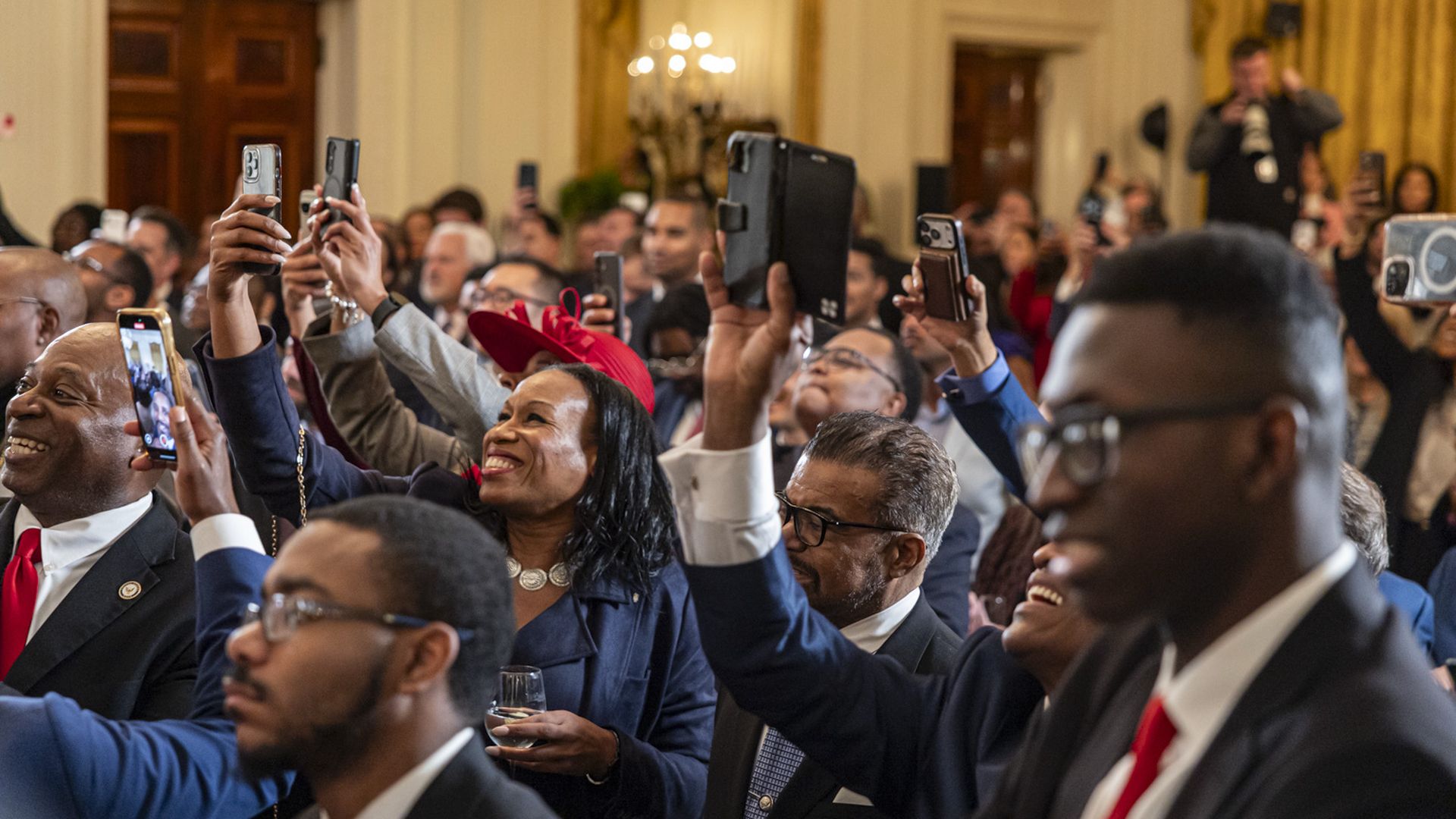
A generational and structural shift is decoupling Black identity from Democratic Party loyalty, transforming a once-reliable voting bloc into a cohort of "political free agents" that the GOP is uniquely positioned to exploit.
Why it matters: Even modest GOP gains — combined with weakening party loyalty — could make a big difference in close elections in a post-Voting Rights Act world.
MIAMI — Formula One's explosive growth is driving a surge of capital into motorsports, according to racing leaders at an April 30 Axios Live and The Race Media event.
Why it matters: The source of the funding is also changing, shifting team ownership from passionate individuals to deep-pocketed institutions and corporate investors.
Axios' Dan Primack and The Race Media's Darren Cox moderated conversations with Global Ford Racing general manager Will Ford, RedBird Capital Partners chief commercial officer and operating partner Brandon Snow, and Atlassian Williams F1 Team principal James Vowles. The event was sponsored by Reynolds American, Forward Global and Senna.
What they're saying: Racing is a reliable investment opportunity because there is a limited supply of teams and demonstrated long-term interest in the industry.
"The most valuable IP out there in the world today is sports," Snow told Primack.
"This is an all-in commitment we're undertaking right now," Ford said. "It's here to stay."
Yes, but: Fans may be wary that investment in their teams is coming from venture capital.
State of play: RedBird Capital Partners and its consortium are reportedly looking to sell their 24% stake in Alpine's Formula One team.
"We're going to be long on F1 as long as we can be," Snow told Primack.
What's next: Entertainment titan Marvel is coming out with a comic collaboration tied to F1.
"I've asked them to replicate my eight-pack correctly," joked Vowles, who will be appearing in the comic.
"That just shows you the strength of sports at the moment."
Congrats! You started a business using AI. Now, you've got to run it. AI can help with that, too.
The old rule: After launch, the hiring surge and spiral begins. Every hire slows the business down before it runs.
The new rule: The next generation of companies will be designed before they're staffed. You can use AI agents to execute a lot of the work. You supervise outcomes, not big teams of people, until business is rolling in.
Why it matters: This could be the real jobs story of the decade — perhaps even bigger than "AI takes your job." The same technology that threatens millions of existing roles can create a wave of small, profitable, lower-headcount companies that couldn't have existed five years ago.