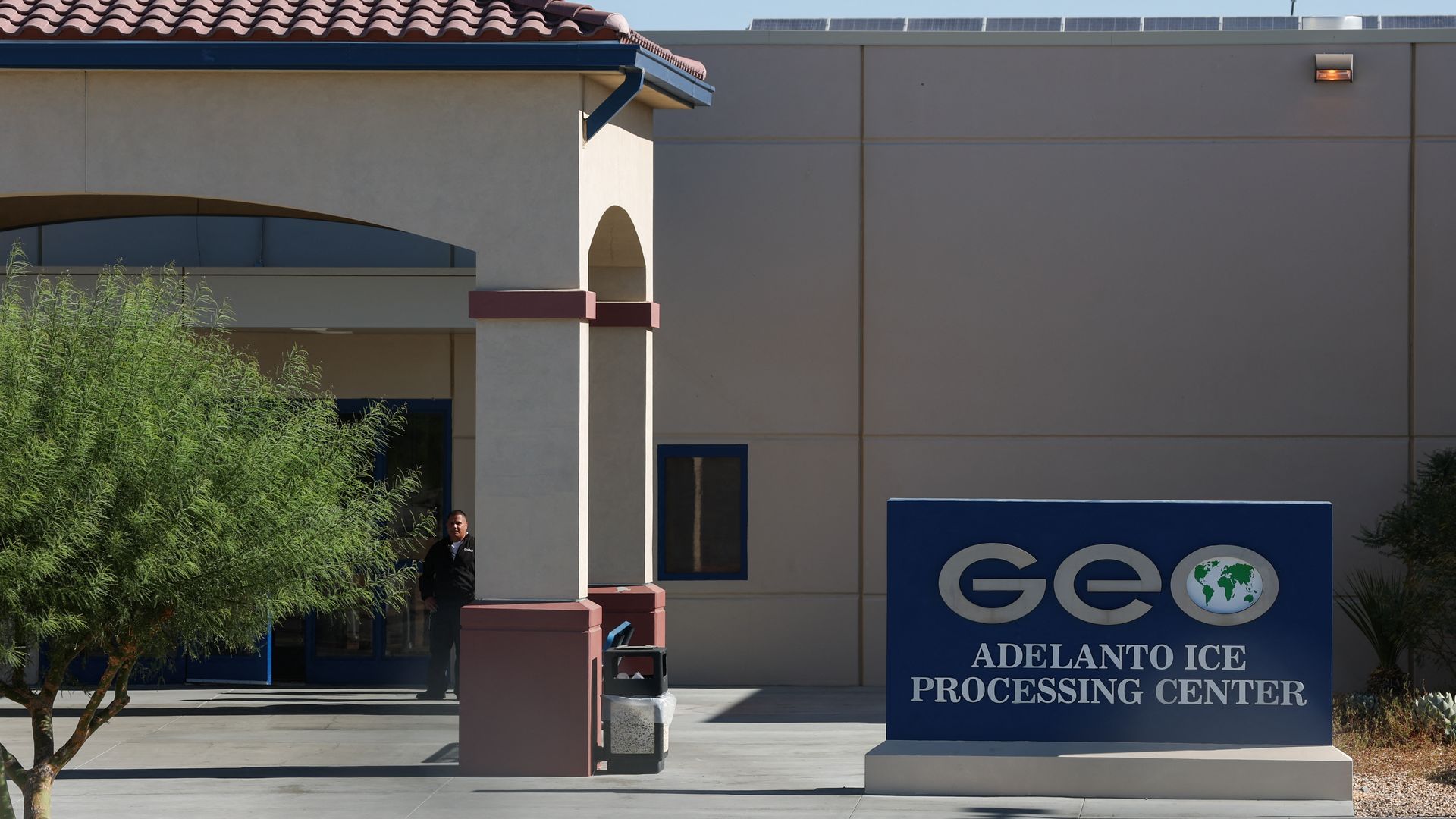
ICE is in talks to buy turnkey immigration detention facilities from its biggest vendors as local backlash derails its plan to rapidly renovate warehouses into large-scale detention spaces .
Why it matters: The Department of Homeland Security wants to own its detention spaces, a pivot from the mostly leased network of beds that held a peak a population of more than 70,000 detainees earlier this year.
Is today more like 1995, when a technology-driven productivity surge was underway but not yet fully acknowledged, or like 1999, when that boom was well-known, much-celebrated, and reflected in asset prices?
The answer might determine what the Federal Reserve ought to do about interest rates in 2026.
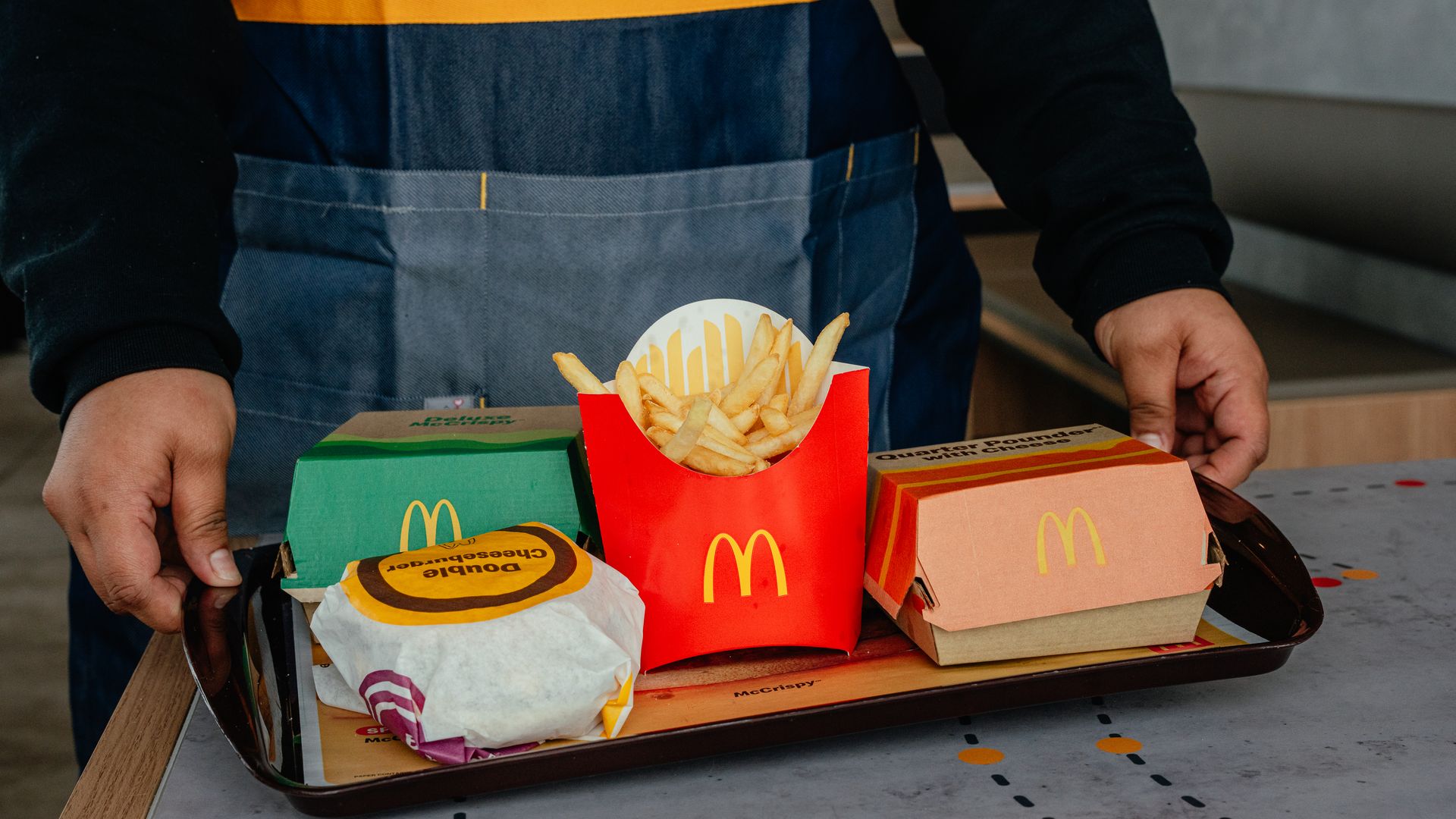
McDonald's rode value meals, loyalty perks and menu innovation to stronger first-quarter sales growth, signaling Thursday that consumers are still spending despite persistent economic pressure.
Why it matters: McDonald's results show its affordability strategy is gaining traction with cost-conscious diners squeezed by years of inflation-driven price hikes.
If the U.S. stock market is now largely a bet on the AI boom, then South Korea's market is a supersized, turbocharged version of that wager.
Why it matters: Investors' optimism about the promise of AI is global, but such a concentration of wealth in one sector could be risky in a market downturn.
Corporate America is delivering the goods this earnings season, dampening fears about the economy, even as rising energy prices threaten to undermine the momentum.
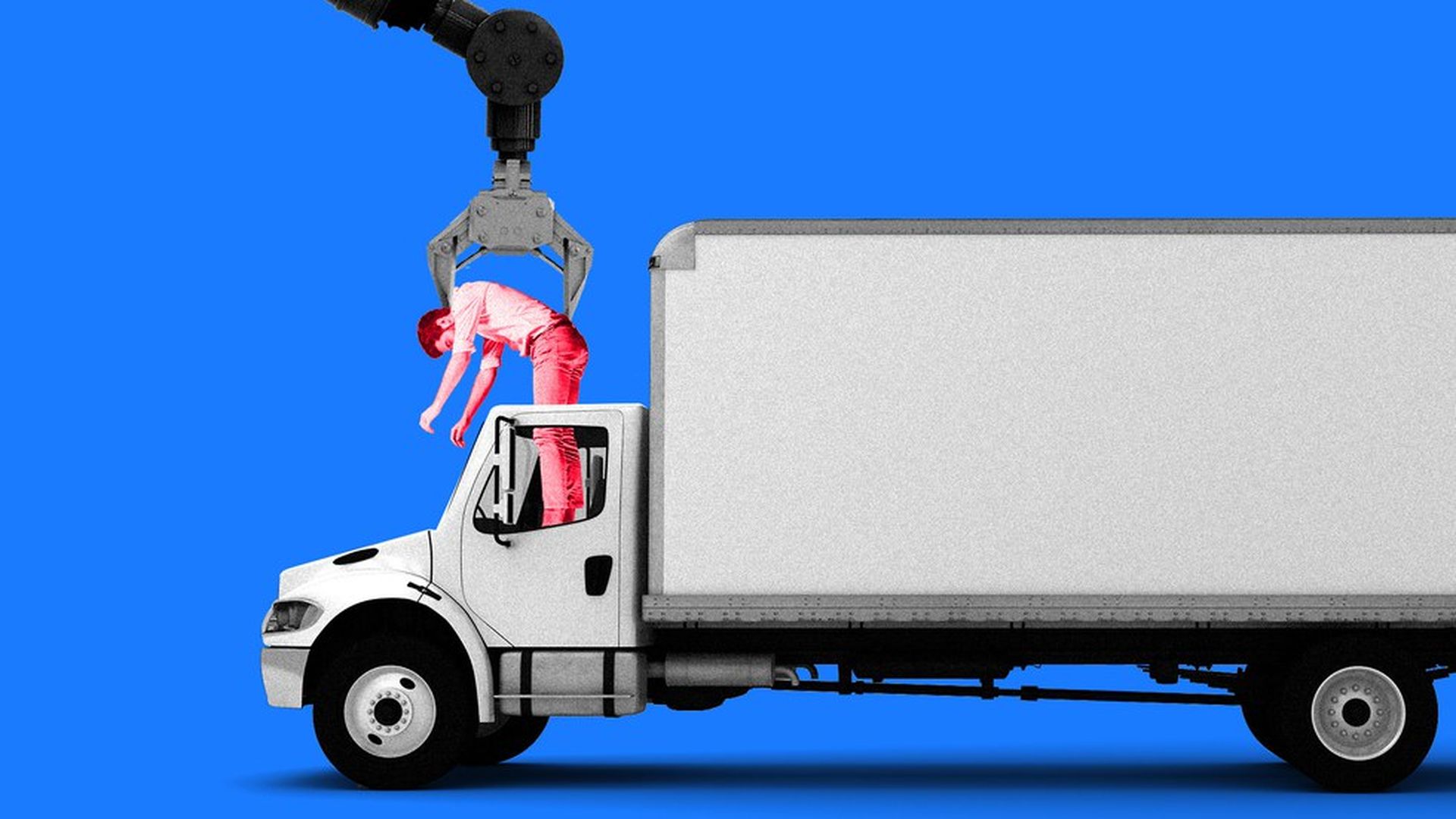
After years of development, autonomous trucks are gaining traction across the Sunbelt, but the industry's next breakthrough is economic, not technical.
Why it matters: Large-scale adoption won't happen until driverless trucks become cheaper to operate than human-driven ones — an inflection point that could soon reshape freight logistics, labor and supply chains.
If AI causes a sustained surge in the economy's productivity potential, it will significantly ameliorate America's dire fiscal picture — though by how much depends on how bumpy the path is for workers and how much the government does to assist people whose jobs are displaced.
The big picture: That's the upshot of new modeling from the Budget Lab at Yale, which shows that in the most optimistic scenario — one with strong productivity growth but without mass unemployment — the national debt would level off as a share of the economy.
Nearly 10 weeks into the Iran war, there's new — if still anecdotal — evidence that it could bring tailwinds for global uptake of clean energy tech.
Why it matters: The energy shock highlights many nations' vulnerability to the expensive disruption of oil and gas imports — and the security case for diversifying.
The movers and shakers at the Milken Institute Global Conference in Beverly Hills, California, this week — ranging from CEOs and investors to celebrities (Shaq!) and politicians like Sen. Ted Cruz (R-Texas) and Rahm Emanuel — are all navigating a complex landscape, in a couple of ways.
The big picture: The global economy is going through a historic transformation, creating a range of challenges.
Also: The Beverly Hills Hilton,longtime home to the 29-year-old conference, is under construction — leaving less room for schmoozing and some weird logistics.
Coinbase is the latest in a string of companies to pair layoffs with announcements that AI is changing the way the company operates.
Why it matters: Companies are increasingly blaming AI for job cuts, but the evidence points to a messier mix of automation, cost-cutting and market pressure.