President Trump announced Saturday he would impose a 10% tariff on imports from eight NATO allies — including Denmark — until a deal is reached for the U.S. to purchase Greenland.
Why it matters: The threat marks the most significant step yet in Trump's campaign to acquire the vast Arctic territory, which has been controlled by Denmark for centuries.
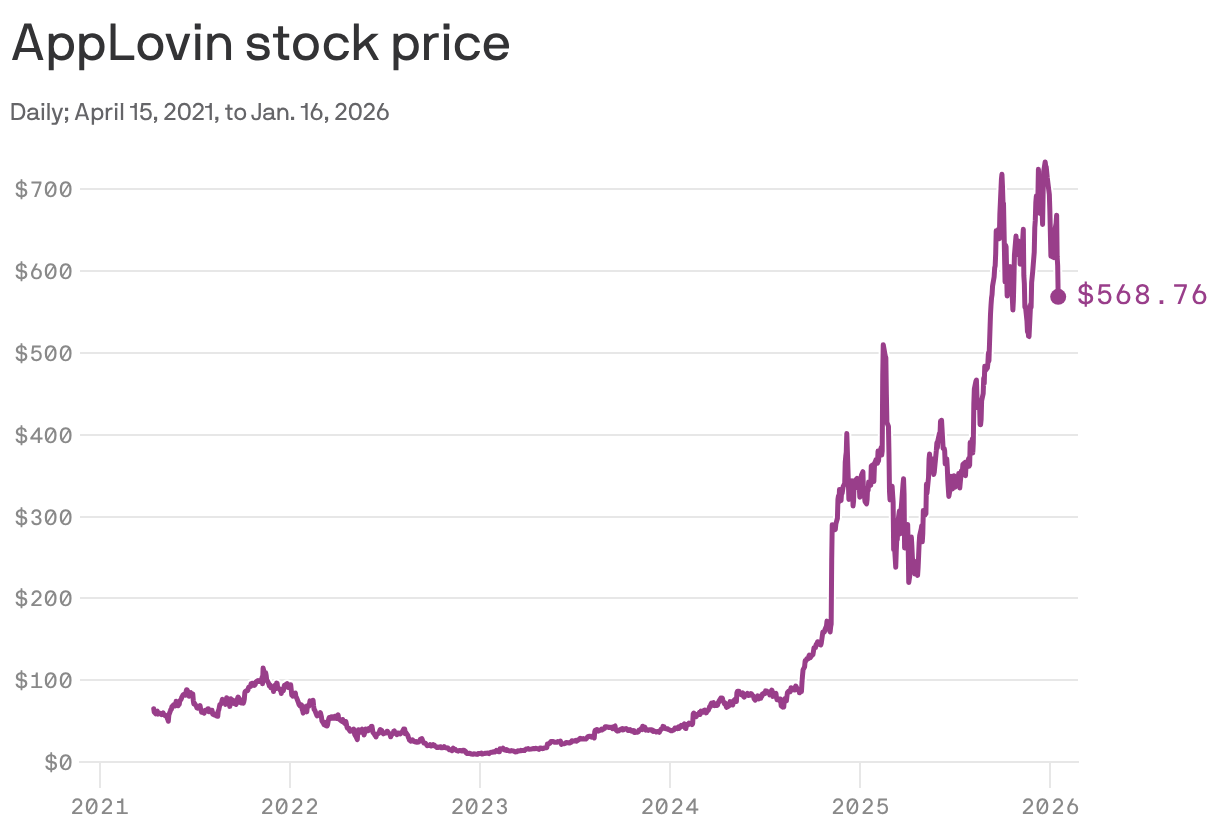
Over the past two years, AppLovin has become a rare ad tech darling on Wall Street, with its stock surging over 1,200% to $568 per share as of Jan. 16.
Why it matters: The company's investments in AI have made its ad tech platform the go-to monetization tool for mobile gaming marketers and beyond.
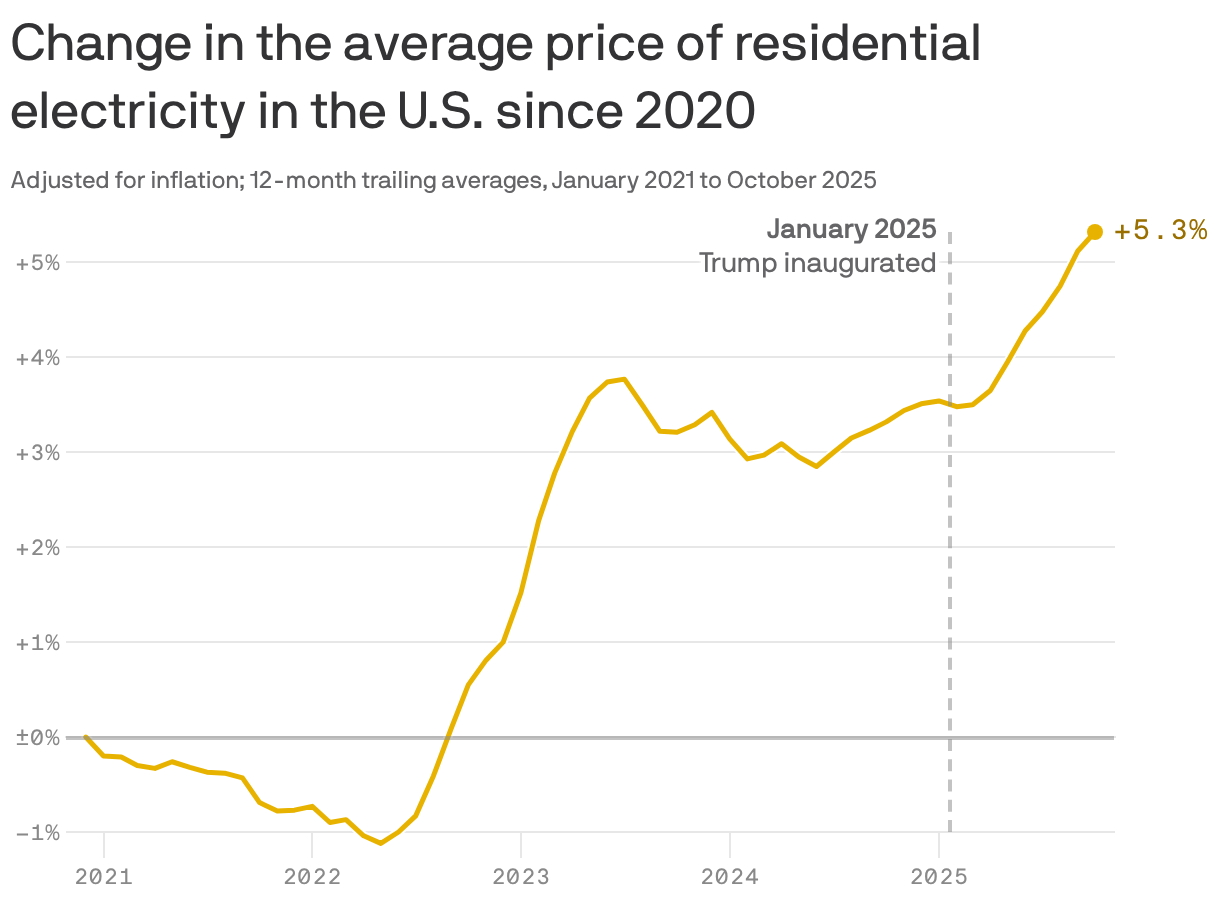
Yes, national average power prices have risen, but no, not as much as President Trump said.
Why it matters: With plug prices the political term du jour this election year, sifting through arcane power price data will be important to find the facts.
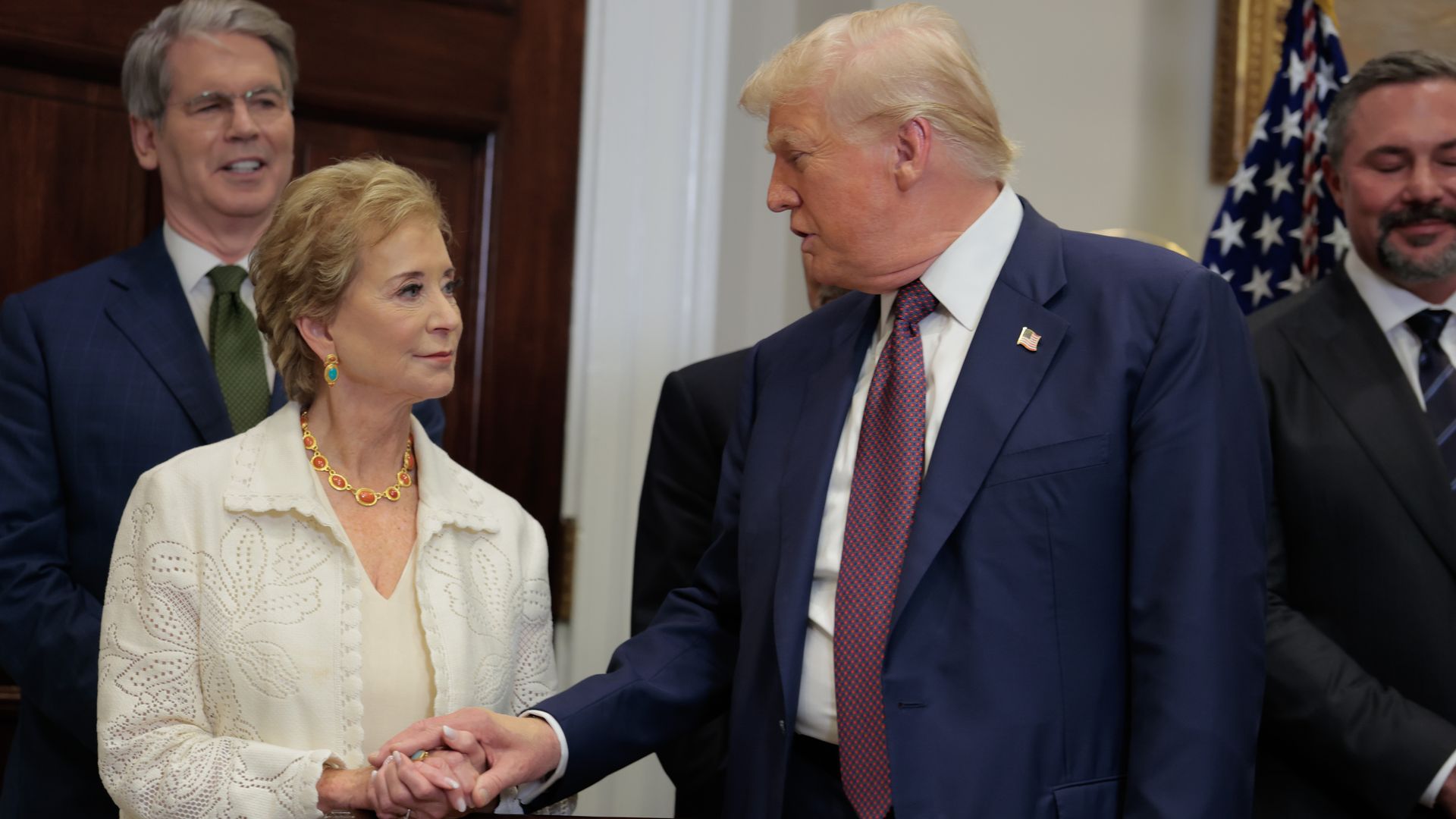
The Department of Education announced on Friday that it will delay involuntary collection efforts for defaulted student loan borrowers.
The big picture: The department had said earlier this month that it would start garnishing wages the week of Jan. 7. The quick reversal comes as the Trump administration grapples with America's affordability crisis ahead of midterms.
Student loan advisers have warned that once wage garnishment starts, tax refunds and other income are likely to be next on the chopping block.
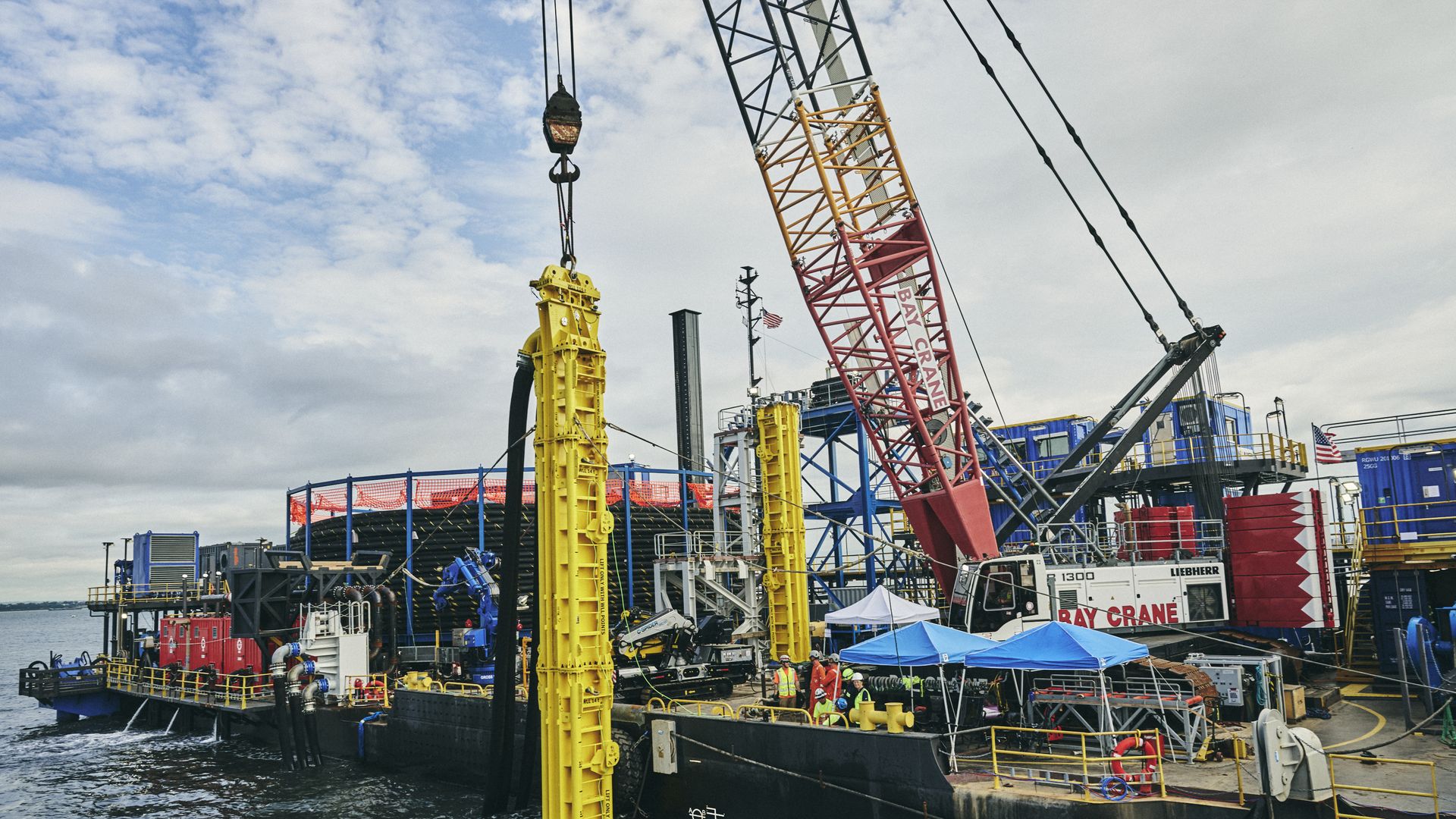
A judge on Thursday handed the Trump administration another setback in its quest to thwart offshore wind projects, granting the Empire Wind project a preliminary injunction allowing construction to resume off New York's coast.
Why it matters: The U.S. offshore wind industry has increasingly — and successfully — looked to the courts to keep its plans on track in the face of President Trump's opposition to the technology.
There's been a lot of debate over President Trump's penchant for having the U.S. government take equity stakes in private companies, which continued this week with two new deals.
But one thing is indisputable: These investments boost company value, at least in the short term.
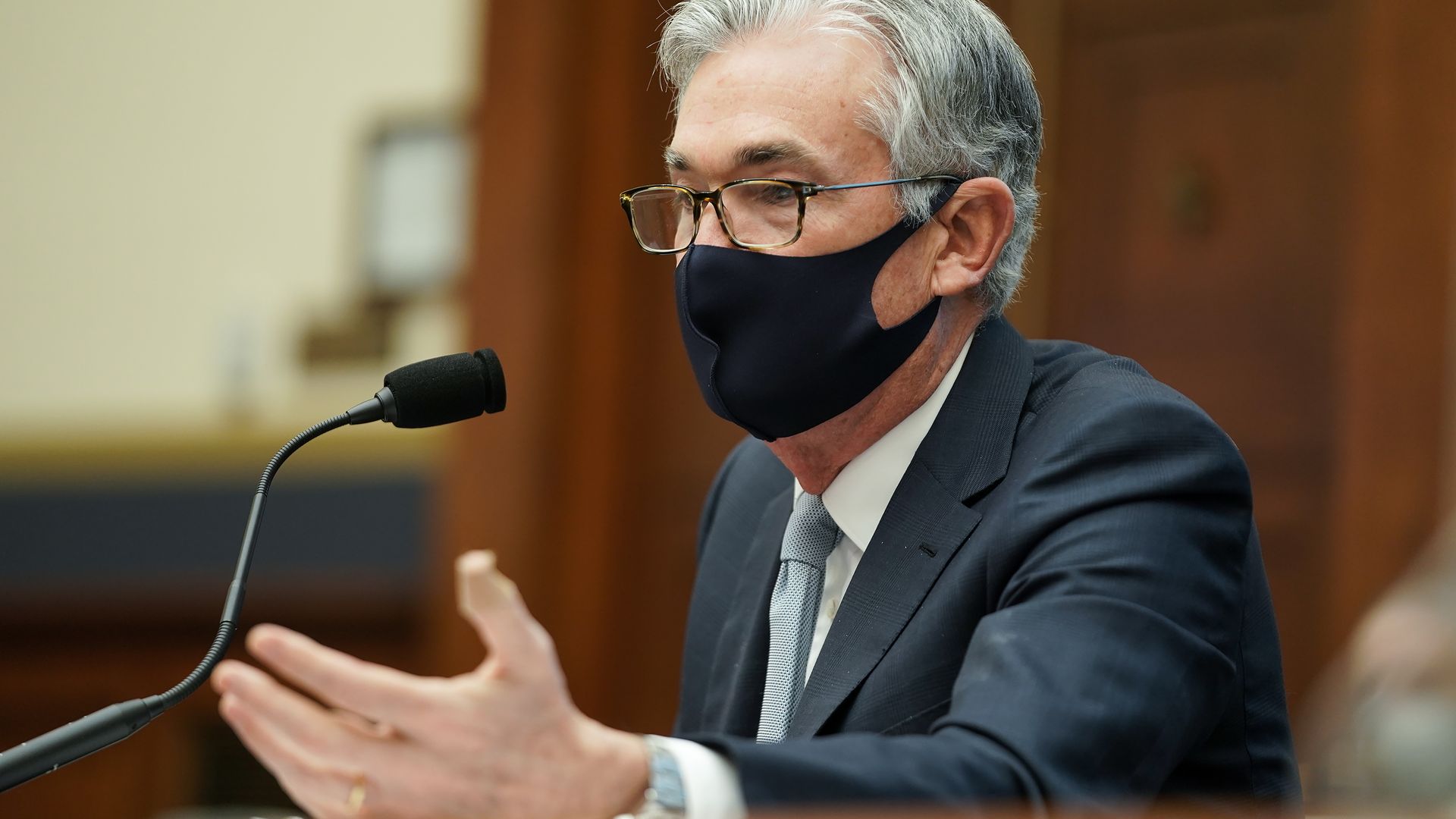
Newly released transcripts show how the Federal Reserve scrambled in 2020 to unleash programs meant to keep the financial system from crumbling from the COVID-19 pandemic and accompanying global shutdown.
Why it matters: The transcripts of the Fed's monetary policy committee meetings, released after the customary five-year lag, add greater nuance to what was a seismic year for the American economy and its central bank.
Walmart shuffled its executive ranks Friday ahead of incoming CEO John Furner's start next month, promoting leaders with a focus on AI and the growing business of agentic commerce.
Why it matters: The world's largest retailer is all-in on artificial intelligence and the new era of shopping, and the executive changes are a sign that Furner intends to continue growing there aggressively.
The AI buildout is turning into a profit engine for the big banks, as the tech giants tap Wall Street to finance enormous capital spending and AI-fueled stock gains lift trading revenues.
Why it matters: Banks are cashing in on the AI boom across debt underwriting, advisory and trading — while largely distancing themselves from concerns that the rally could be forming a bubble.
The world is on the cusp of a generation-defining construction boom, but the U.S. may not have enough workers to make it happen, BlackRock warns in a new paper first seen by Axios.
Why it matters: This is the new fault line of the global economy — soaring demand for some workers and shrinking appetite for others. It could result in widening financial gaps in the coming years.
The share of small businesses missing payroll — failing to pay employees on time — is again rising, per new data from Gusto, a payroll platform, shared exclusively with Axios.
Why it matters: Small companies are struggling to manage through economic challenges like high inflation and federal policy changes with fewer resources than big companies to handle disruption.
Workers making under $50,000 annually are worried that AI will undermine their job security and make economic mobility more difficult, according to a poll from HarrisX and Merit America shared exclusively with Axios.
Why it matters: The calls for upskilling and job retraining in the age of AI are louder than ever, with the technology making workers of all income brackets across the country anxious.