Amazon.com will pay $2.5 billion in penalties and refunds to settle allegations that it enrolled customers for its Prime subscriptions without their consent and made it difficult for them to cancel.
Why it matters: The settlement demonstrates that Trump administration regulators are willing to stand up to Big Tech even as their CEOs woo the president.
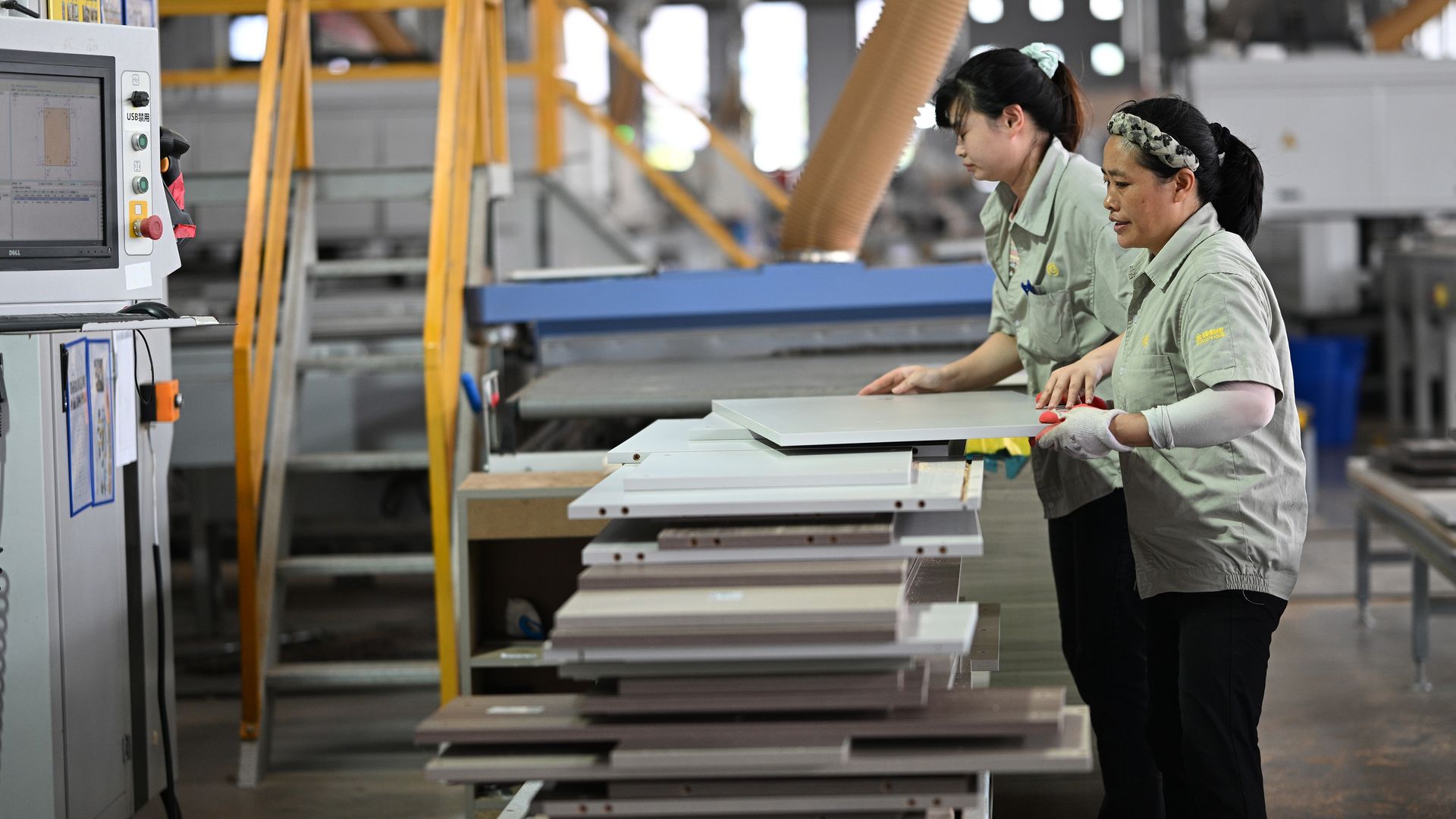
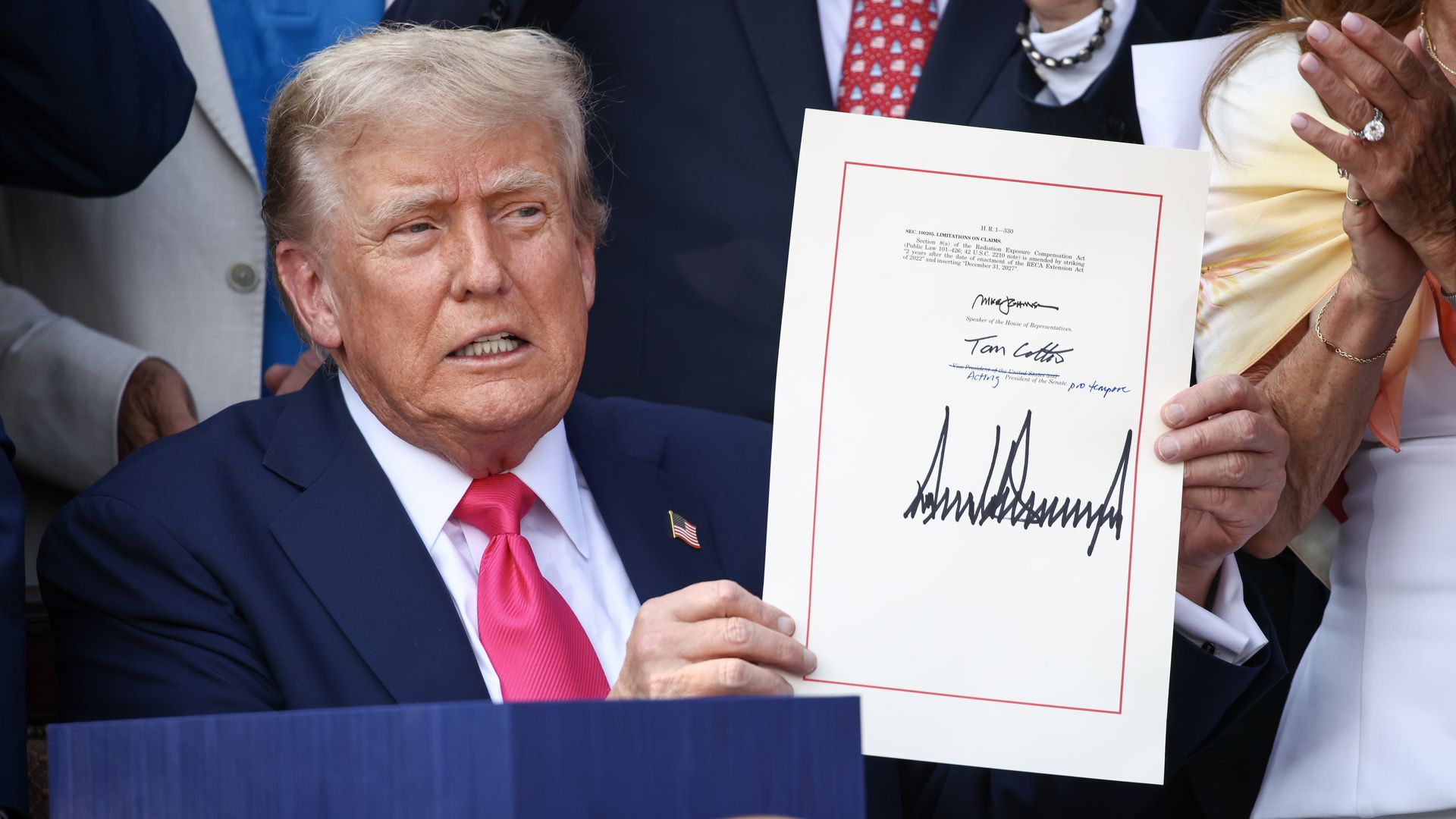
President Trump on Thursday said the U.S. would impose tariffs of 30% to 50% on some kinds of furniture and cabinetry, calling it a matter of national security.
Why it matters: Trump previously threatened to tariff furniture in the name of reviving the domestic industry — despite opposition from that industry itself, which warned of higher costs.
Nearly a third of federal student loan borrowers are behind on payments, according to a survey that credit reporting agency TransUnion released Thursday.
Used car values depreciated rapidly this summer as competitors were "aggressive" on pricing, CarMax CEO Bill Nash warned Thursday.
Why it matters: Prices had spiked earlier in 2025 as Americans rushed to snap up vehicles ahead of anticipated tariffs — but sales have tapered off since then, prompting a scramble to attract customers.
Job postings are down from last year, per the latest data from jobs site Indeed.com.
Why it matters: That's not great news for folks looking to switch jobs, but for new graduates trying to break into the labor market — it's a dire moment.
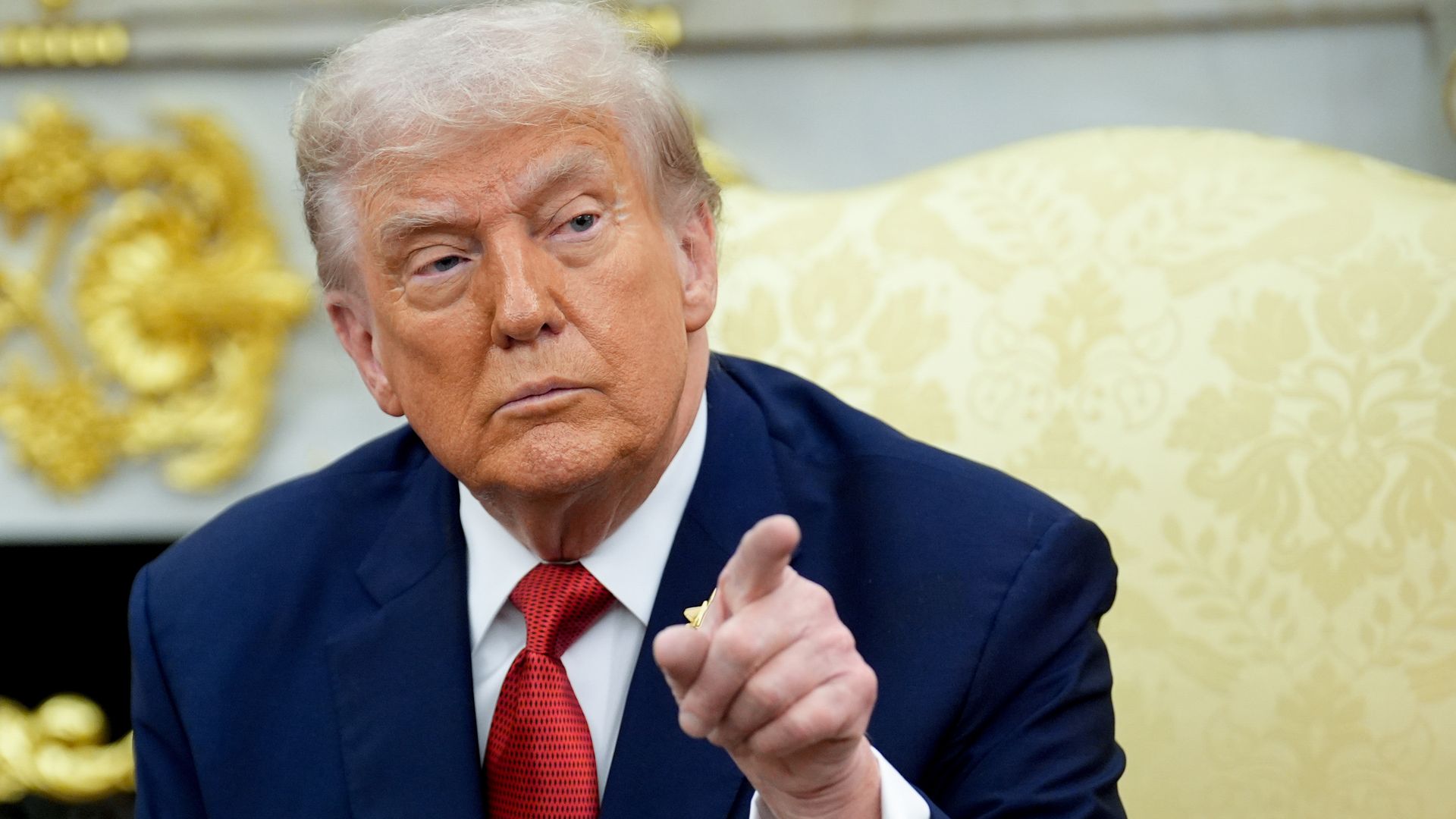
President Trump warned "bad things" happen when Democrats provoke the right, tying the Wednesday shooting at a Dallas ICE facility to "radical left" rhetoric.
Why it matters: The president's comments risk inflaming already high tensions after the deadly shooting of conservative activist Charlie Kirk as officials point fingers at ideological opponents for political violence.
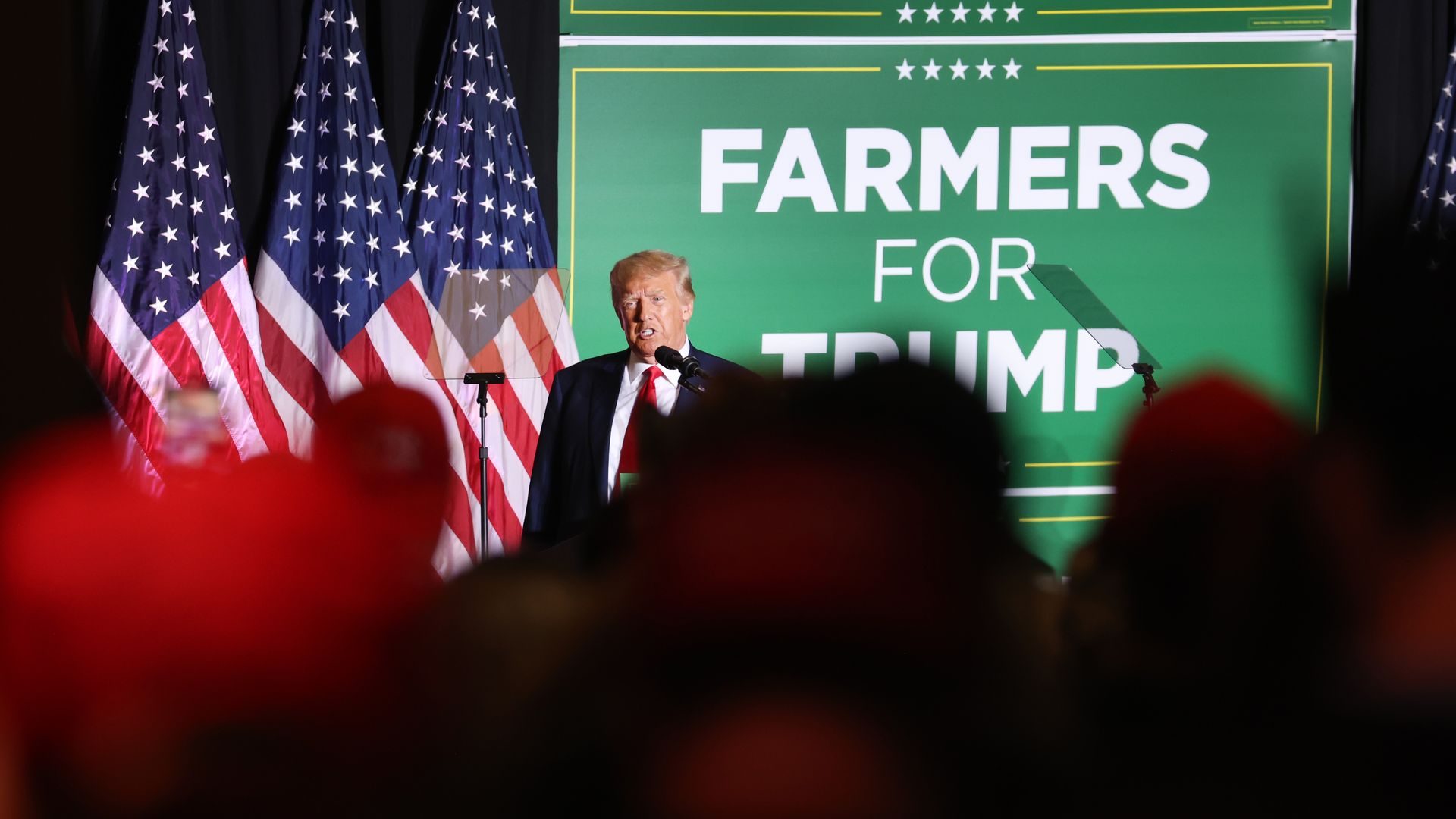
President Trump on Thursday indicated farmers could soon get a bailout funded by tariffs, one that could echo similar relief he provided in his first term.
Why it matters: American farmers are being walloped by the trade war, especially soybean growers, who've seen their largest export market — China— disappear.
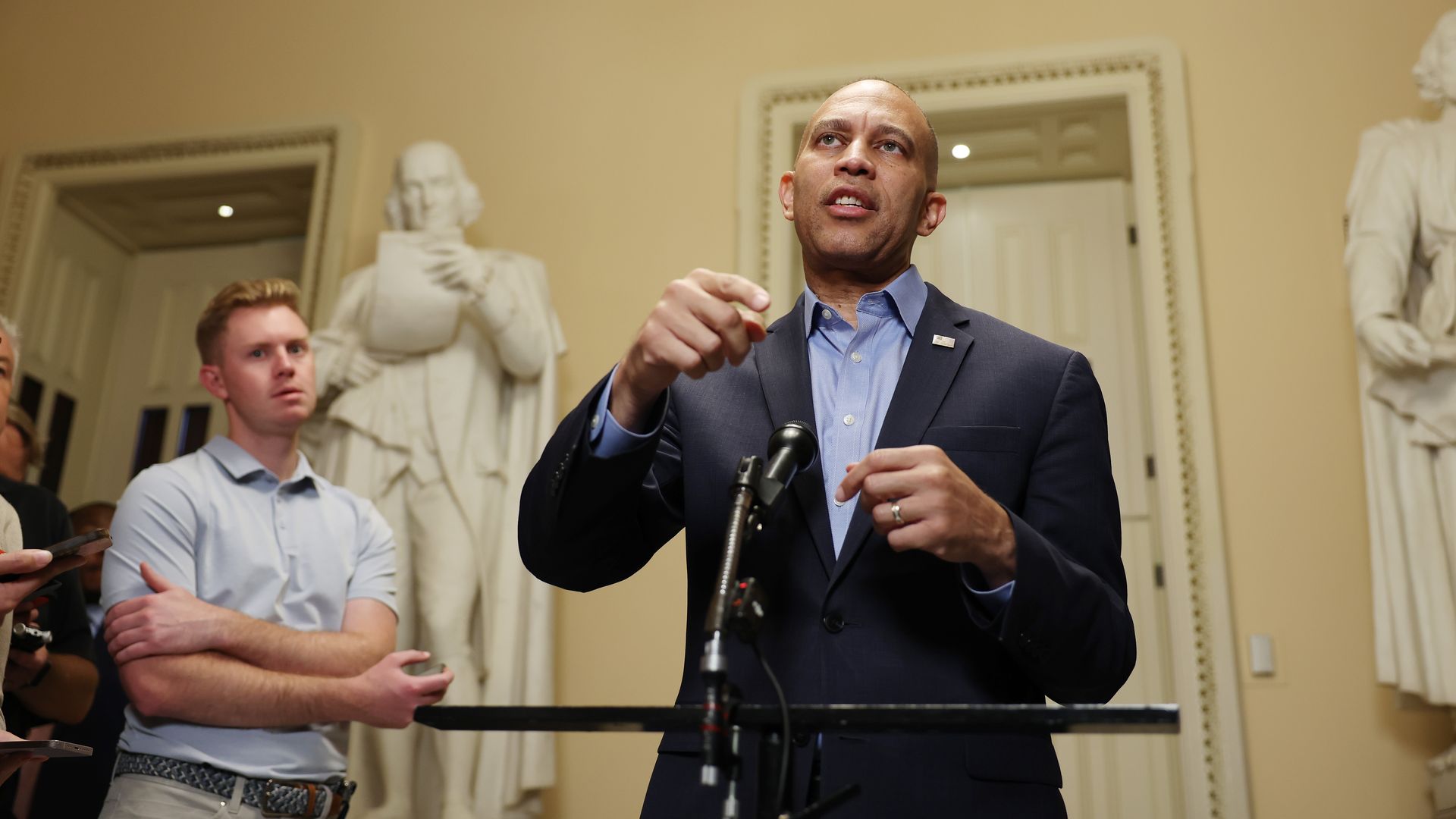
Congressional Democrats are largely dismissing a threat from the Trump administration to use a government shutdown to try to accelerate the firings of thousands of federal workers.
Why it matters: The shrugs are coming even from lawmakers who represent large swaths of the federal workforce — underscoring the extent to which Democrats are dug in on government funding.
U.S. GDP growth this spring was stronger than previously thought, new revisions released Thursday morning show.
Why it matters: It is the latest piece of data to undermine the narrative that a broad-based slowdown is underway, amid a confusing set of crosscurrents buffeting economic data.
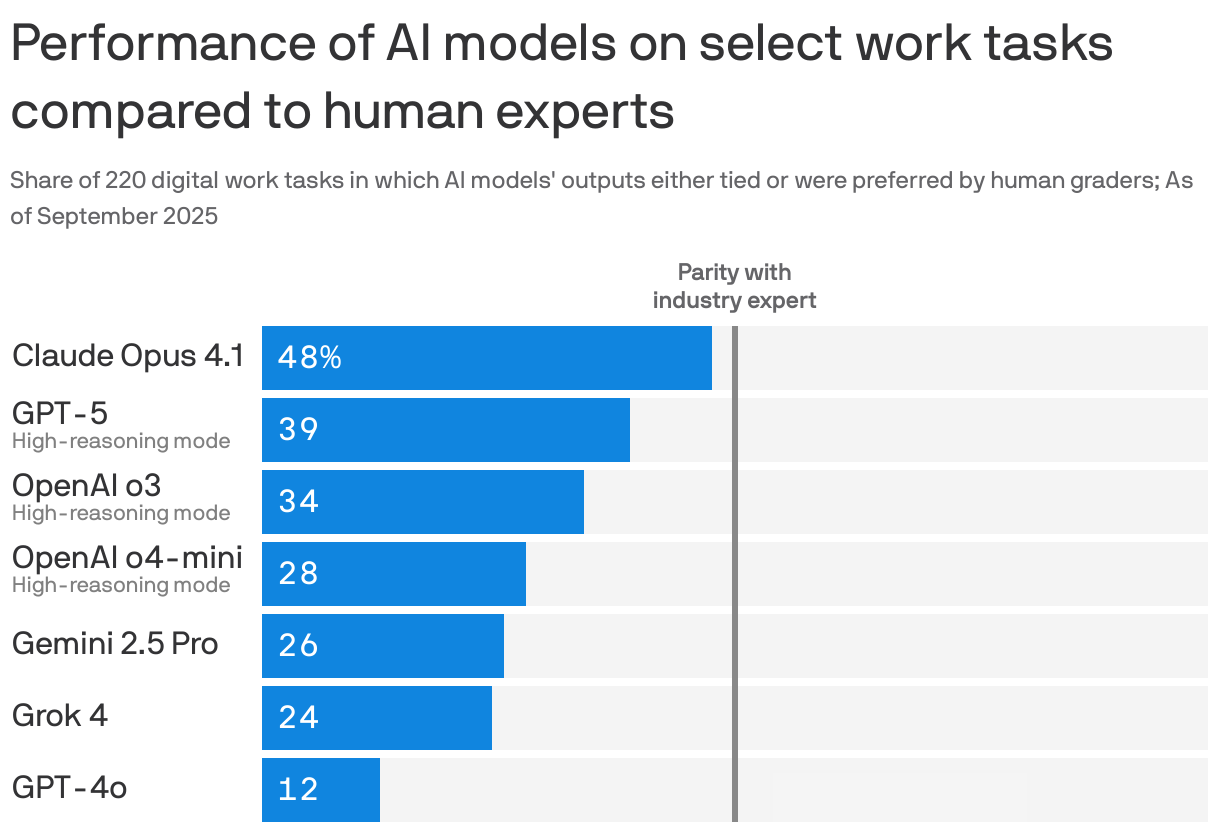
A new OpenAI tool to evaluate AI model performance on "economically valuable work" shows that the bots are gaining on us when it comes to common job tasks.
Why it matters: We're at an AI reckoning, where leaders are trying to justify investments without effective tools to measure returns.
Private equity giant Blackstone won't be running highway rest stops in Massachusetts, after a wild saga of big-money bids, litigation, and political intrigue.
Catch up quick: In early 2024, state officials issued an RFP to operate 18 highway service plazas, many of which haven't been significantly renovated since the 1950s.
Robert Kraft has agreed to sell an 8% stake in the NFL's New England Patriots at around a $9 billion valuation to billionaire Dean Metropoulos and private equity firm Sixth Street Partners, per a source familiar with the matter.
Why it matters: This is the first time that Kraft has sold part of the team since he acquired it more than 30 years ago.
The U.S. economy was stronger in the second quarter than previously thought: GDP rose at a 3.8% annualized rate, according to revisions released on Thursday.
Why it matters: That is a significant upgrade from the previously reported 3.3% growth rate — a result of stronger consumer spending than initially estimated.
Uber Eats and Instacart rolled out parallel pushes Thursday to help shoppers save on groceries — signaling affordability has become the new battleground in on-demand grocery shopping.
Why it matters: Delivery and in-store tech are converging on the same pain point: high food prices.
Nvidia's $100 billion investment in OpenAI has investors questioning whether we're seeing too much circular investing: companies using their free cash flow to give their biggest customers money that will make a round trip back home.
Why it matters: Wall Street is already concerned about an AI bubble, and this kind of funding just adds fuel to the froth fire.
The S&P 500 will easily hit 7,000 by year-end, says Max Kettner, chief multi-asset strategist at HSBC. That would put the market up nearly 20% on the year.
Why it matters: Kettner joins strategists at JPMorgan and elsewhere on Wall Street who don't see this bull market rally ending anytime soon.
Here's what's new on Apple TV+, Hulu, Netflix, Prime Video, Paramount+, Disney+ and HBO Max.
What we're watching: A new season of "Slow Horses," a noir drama about a journalist taking down corruption in a midwestern city and the story of a 19th-century dynasty.
The Trump administration's move to restrict visas for foreign-born workers is pushing the U.S. closer to a "skills cliff" — where companies struggle to hire talent and may even start offshoring parts of their business.
Why it matters: Add H-1Bs to a laundry list of issues dragging down the supply of skilled workers in the U.S., posing long-term problems for the economy and employers.
The White House is threatening to use a potential short-term spending lapse to make long-term changes to the federal workforce.
Why it matters: Thousands of government employees could permanently lose their jobs if Congress doesn't reach an agreement to fund the government by Oct. 1.