Meta outperformed Wall Street expectations with its Q2 earnings report, sparking an aftermarket rally of as much as 11%.
Why it matters: The company's massive continued investments in AI infrastructure and talent — including a high-profile, big-ticket hiring spree poaching some top researchers from competitors — haven't dented Meta's numbers or investors' enthusiasm.
President Trumprevoked on Wednesday an exemption on tariffs for global packages worth less than $800.
Why it matters: The "de minimis" loophole has been an important protection for businesses overseas and U.S. customers, and getting rid of it will make low-price goods from around the world more expensive for Americans.
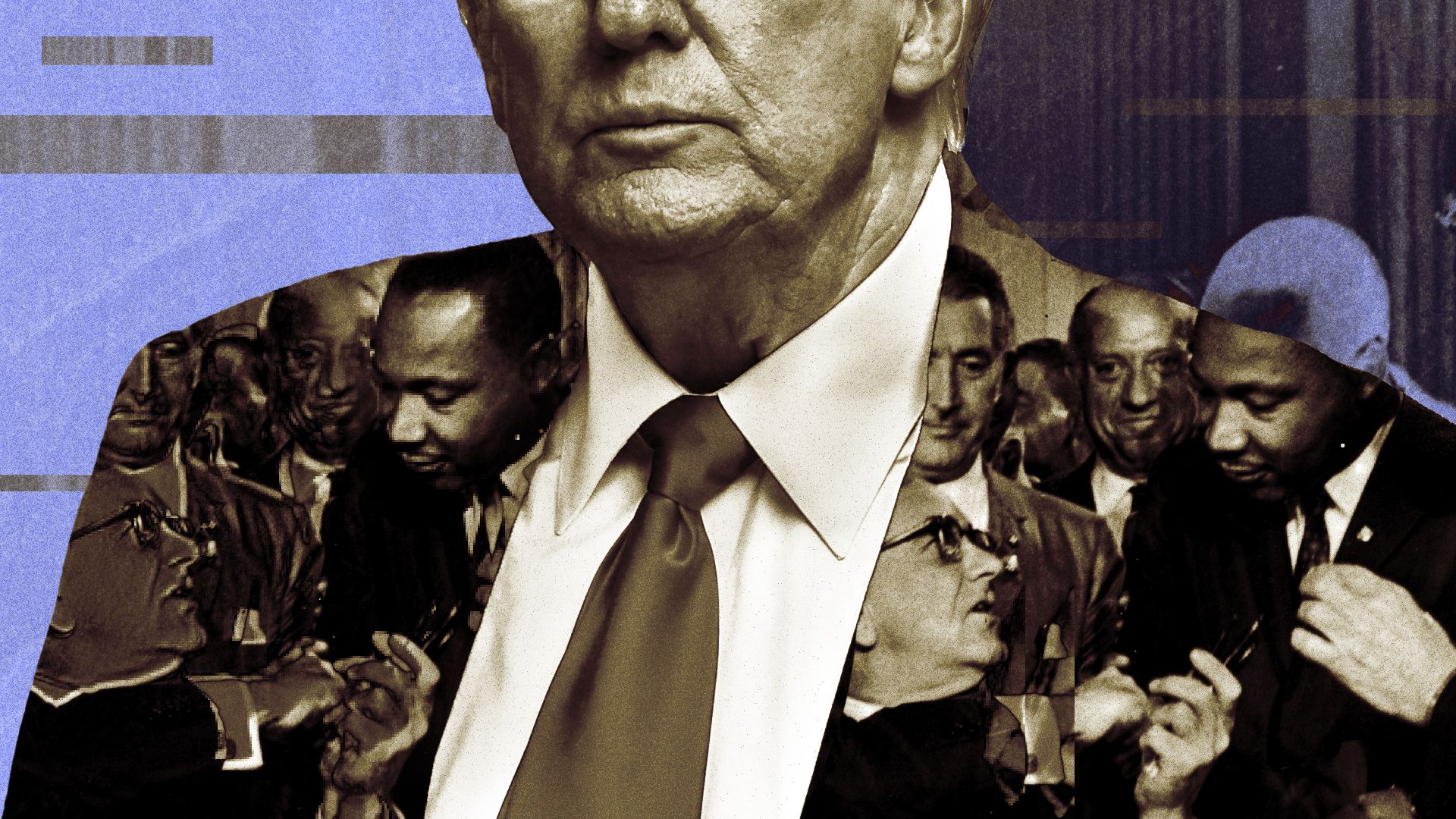
The Trump administration is flipping language about inclusion and diversity on its head to the advantage of white Americans as a requirement to receive federal grants.
Why it matters: The move follows the administration'sdramatic change to the government's interpretation of Civil Rights-era laws to focus on "anti-white racism" rather than discrimination against people of color.
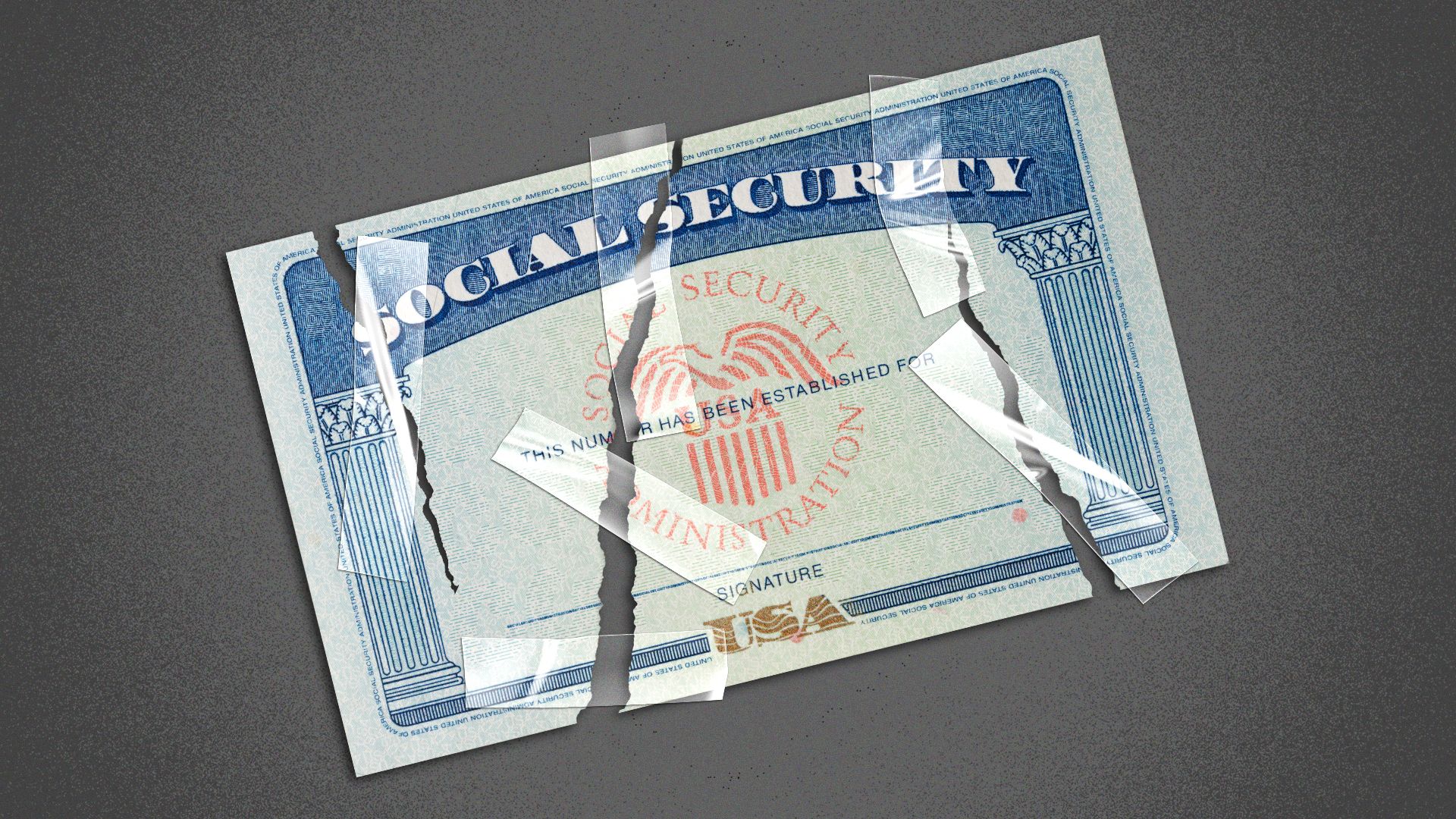
The Trump administration quietly rushed through a major change to Social Security's phone service policy, but after advocates for the elderly expressed concerns, the agency that oversees the program now says the change is "optional."
Why it matters: The policy would have forced millions more Americans to travel to the agency's already understaffed field offices to do routine things like change their address, obtain a tax form or generate a benefit verification letter.
President Trump on Wednesday took another sweeping series of tariff actions, formally imposing new levies on copper and Brazil and revoking a global exemption on tariffs for packages worth less than $800.
Why it matters: Ending the so-called de minimis exemption will make low-price goods from around the world more expensive for American consumers.
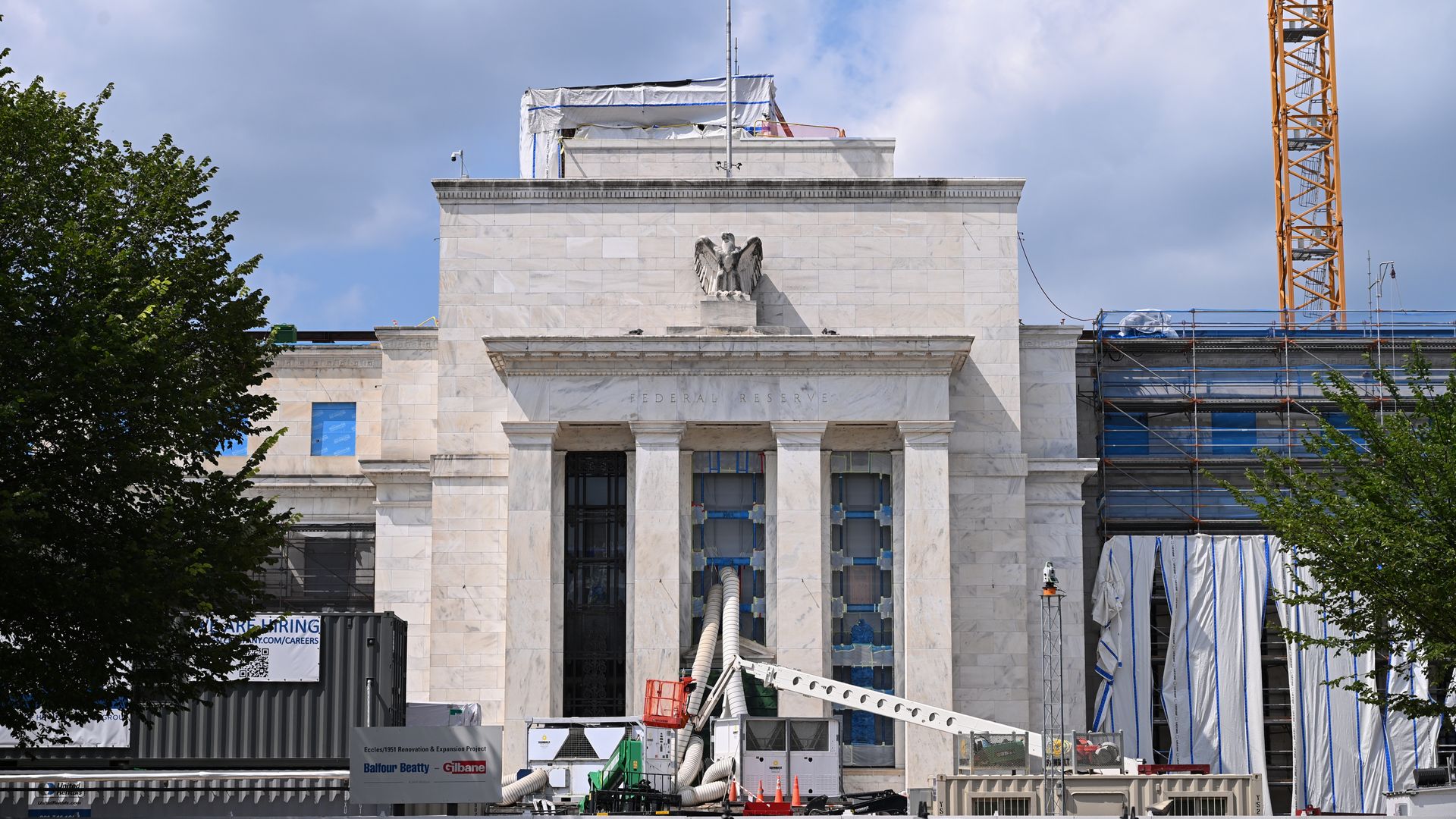
The Federal Reserve left its target interest rate unchanged Wednesday, brushing off pressure from President Trump to cut rates. Two members of its Board of Governors dissented, the biggest divide on the board in decades.
Why it matters: The Fed is resisting presidential pressure to cut borrowing costs, as most of its leaders see the chance of a tariff-fueled inflation surge as a major risk ahead.
High Noon is voluntarily recalling select packs of its vodka seltzer that contain cans of Celsius energy drinks that were mistakenly filled with alcohol, the company said in a recall notice.
Why it matters: Consuming the affected products "will result in unintentional alcohol ingestion," the company said.
Why it matters: The letter from the ranking member of the Joint Economic Committee could put Amazon in a tight spot — forced to talk about tariffs' impacts on prices just months after the White House threatened the retailer over sharing tariff costs.
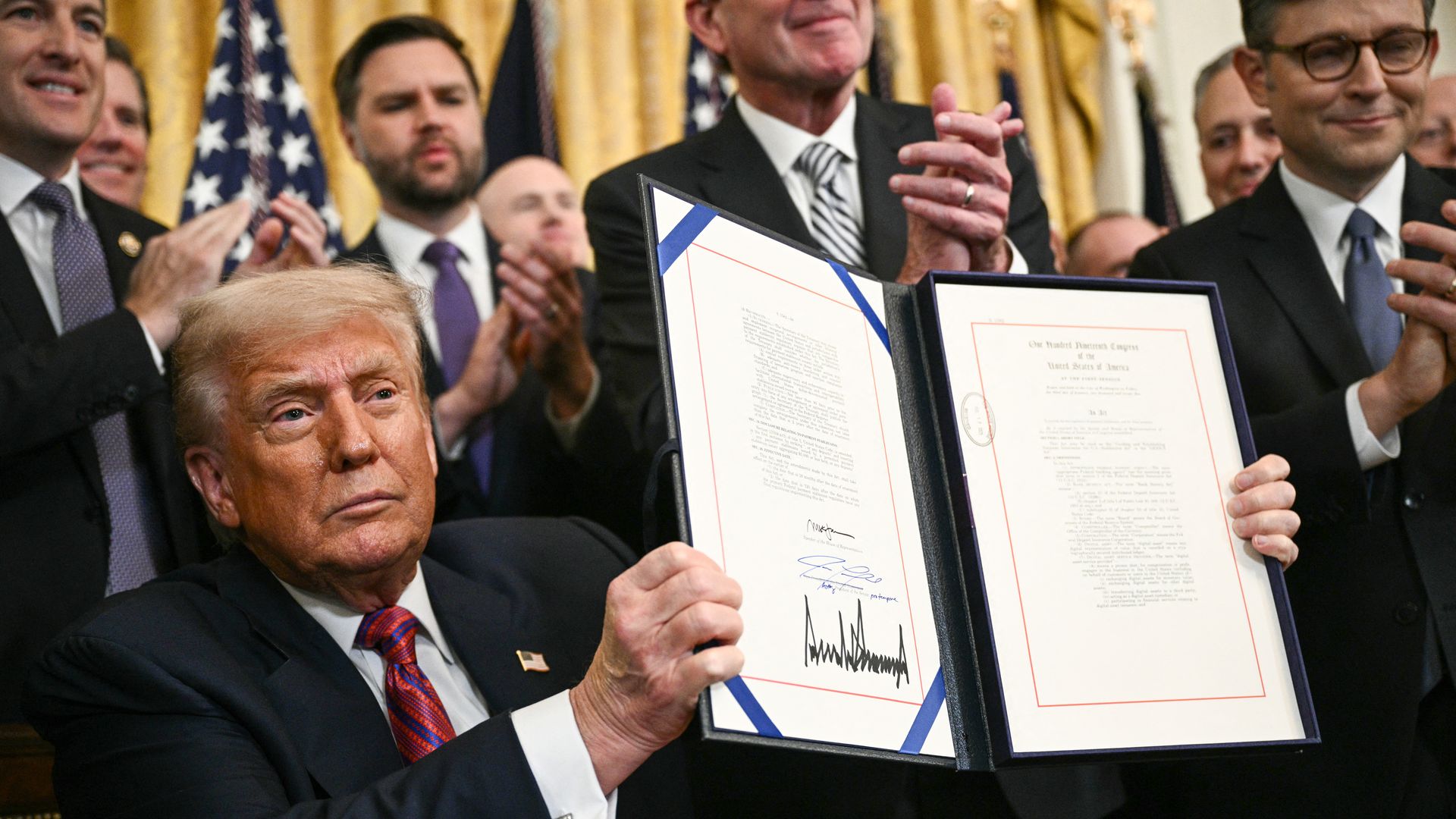
Why it matters: From taxes to mortgages to retirement, the Trump administration wants to embed crypto in the economy as quickly and broadly as possible.
The Treasury Department on Wednesday imposed sanctions on the Brazilian judge leading the investigation into former President Jair Bolsonaro.
Why it matters: The sanctions are a marked escalation of the increasingly tense dispute between the U.S. and Brazil over Trump ally Bolsonaro, with major tariffs looming as soon as Friday as well.
Here's some irony for you: In the details of Wednesday's GDP report, you can find a solid case for Federal Reserve interest rate cuts. However, it's the opposite of what President Trump blasted out Wednesday morning.
Why it matters: Despite a robust headline number, underlying domestic demand looked strikingly soft in Q2 — and the softness was driven in significant part by interest rate-sensitive sectors bearing the brunt of Fed policy.
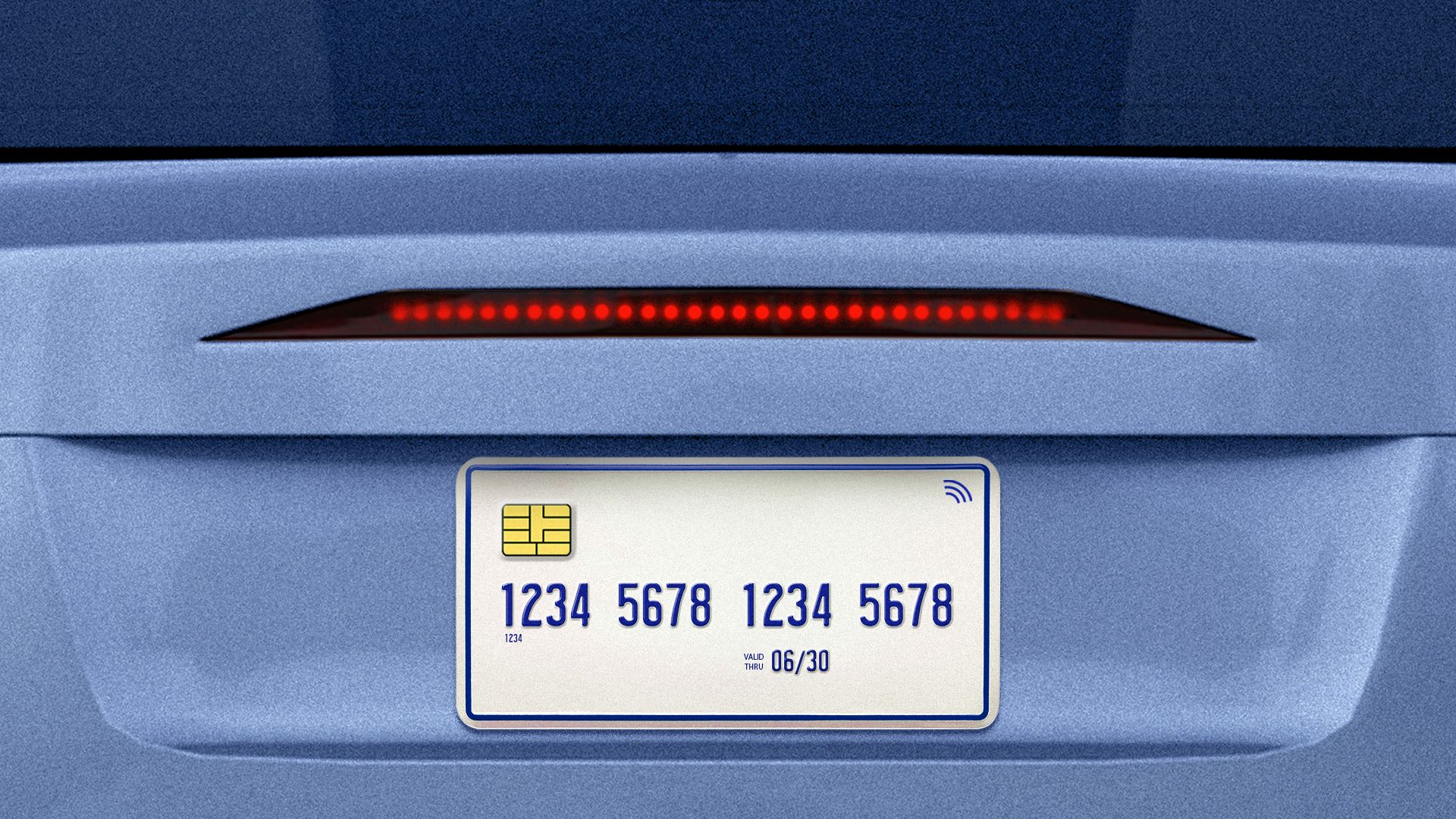
A growing share of car owners find themselves underwater on their auto loans, and they are dragging that debt into their next vehicle purchase, according to new data from the car-shopping site Edmunds.com.
Why it matters: High car prices and steep loan rates have combined to create an affordability crisis for U.S. car buyers already under broad financial stress.
The Trump-era economy has "officially arrived," Commerce Secretary Howard Lutnick said Wednesday.
Why it matters: The declaration came shortly after a second-quarter GDP report that suggested strong growth on the surface, though with underlying weakness as businesses slashed investments.
Palo Alto Networks on Wednesday said that it's agreed to buy Israeli cybersecurity firm CyberArk for around $25 billion in cash and stock.
Why it matters: This is a reminder that the AI gold rush is as much about supporting services as it is about foundational models, with CyberArk building tools that secure AI agents' identities.
The euro slid, and Japanese and European stocks fell following new trade deals — cross-asset moves that may signal cracks in the "Sell America" trade.
Why it matters: Investors rushed into non-U.S. markets earlier this year amid policy uncertainty, driving the MSCI ex-USA index up nearly 20% year to date. But if tariff deals restore confidence in the U.S., that trade could start to unwind.
The U.S. Space Force will experiment withlaser communications and quantum sensing aboard a secretive Boeing-made spaceplane slated for launch this summer.
Why it matters: Much of the work executed by the X-37B Orbital Test Vehicle is classified.
A single photo of the Earth from space taken by an onboard camera caused a defense-media frenzy in February.
The U.S. Navy needs sixth-generation fighter jets to remain relevant and avoid retrofitting and buying additional older aircraft, like the F-35, according to President Trump's pick to be chief of naval operations.
Why it matters: Trump's fiscal 2026 budget blueprint iced such a warplane, the F/A-XX, in favor of the Air Force counterpart, the F-47.
This looks like a split between the White House and a top nominee, Adm. Daryl Caudle, over a multibillion-dollar endeavor.
China-specific national-security concerns were a big reason the Justice Department decided last month to allow Hewlett Packard Enterprise to take over rival Juniper Networks, Trump administration officials tell Axios.
Why it matters: Axios has learned that the U.S. intelligence community intervened to persuade the Justice Department that allowing the merger to proceed was essential to helping U.S. business compete with China's Huawei Technologies, among other national-security issues.
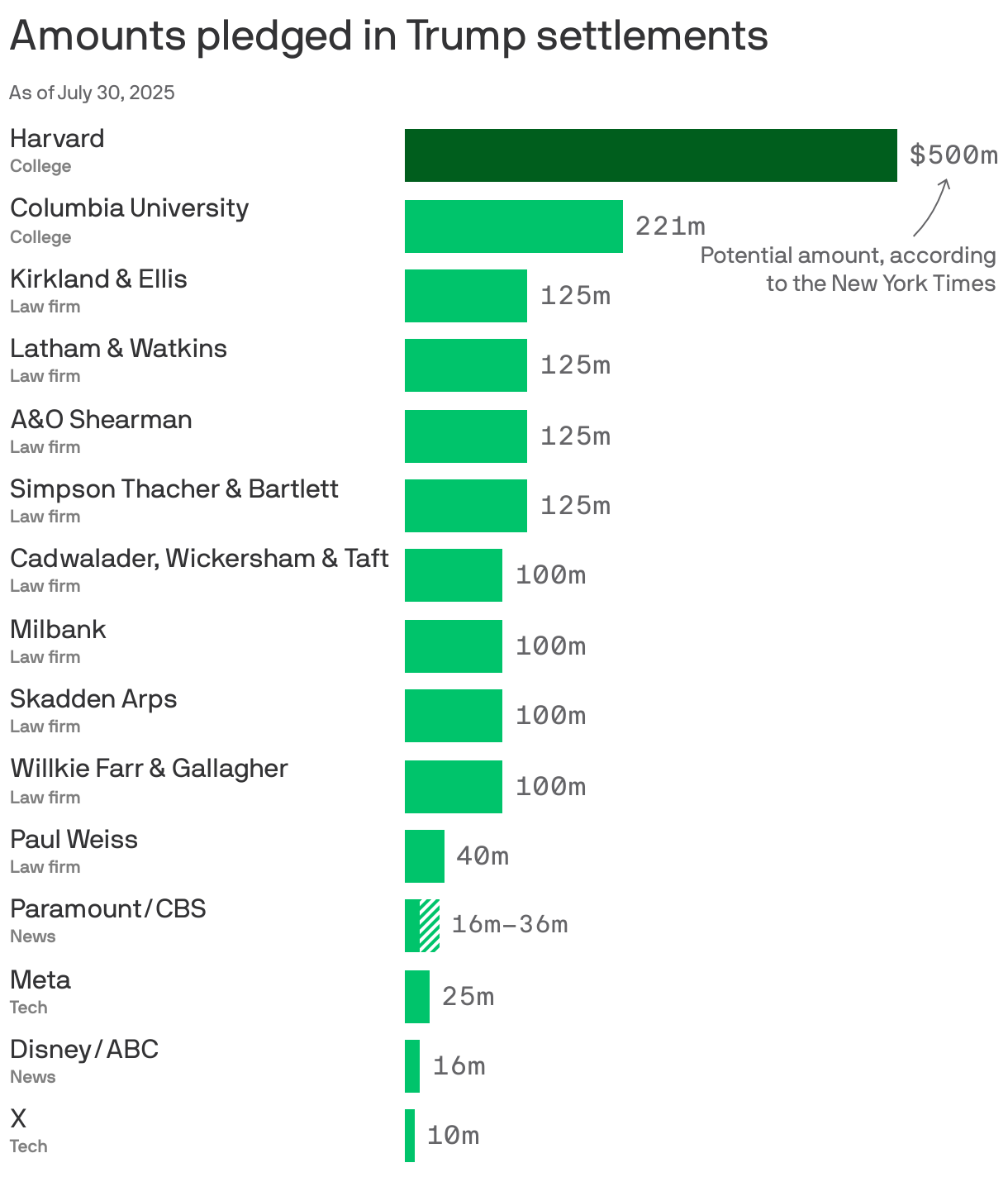
President Trump has extracted more than $1.2 billion in settlements from 13 of the most powerful players in academia, law, media and tech, according to an Axios analysis.
If finalized, a potential $500 million deal with Harvard would represent his largest trophy to date.
Why it matters: America's most elite institutions have largely succumbed to the Trump administration's cultural crackdown, opting to pay up — often to the tune of tens or even hundreds of millions of dollars — rather than fight back.
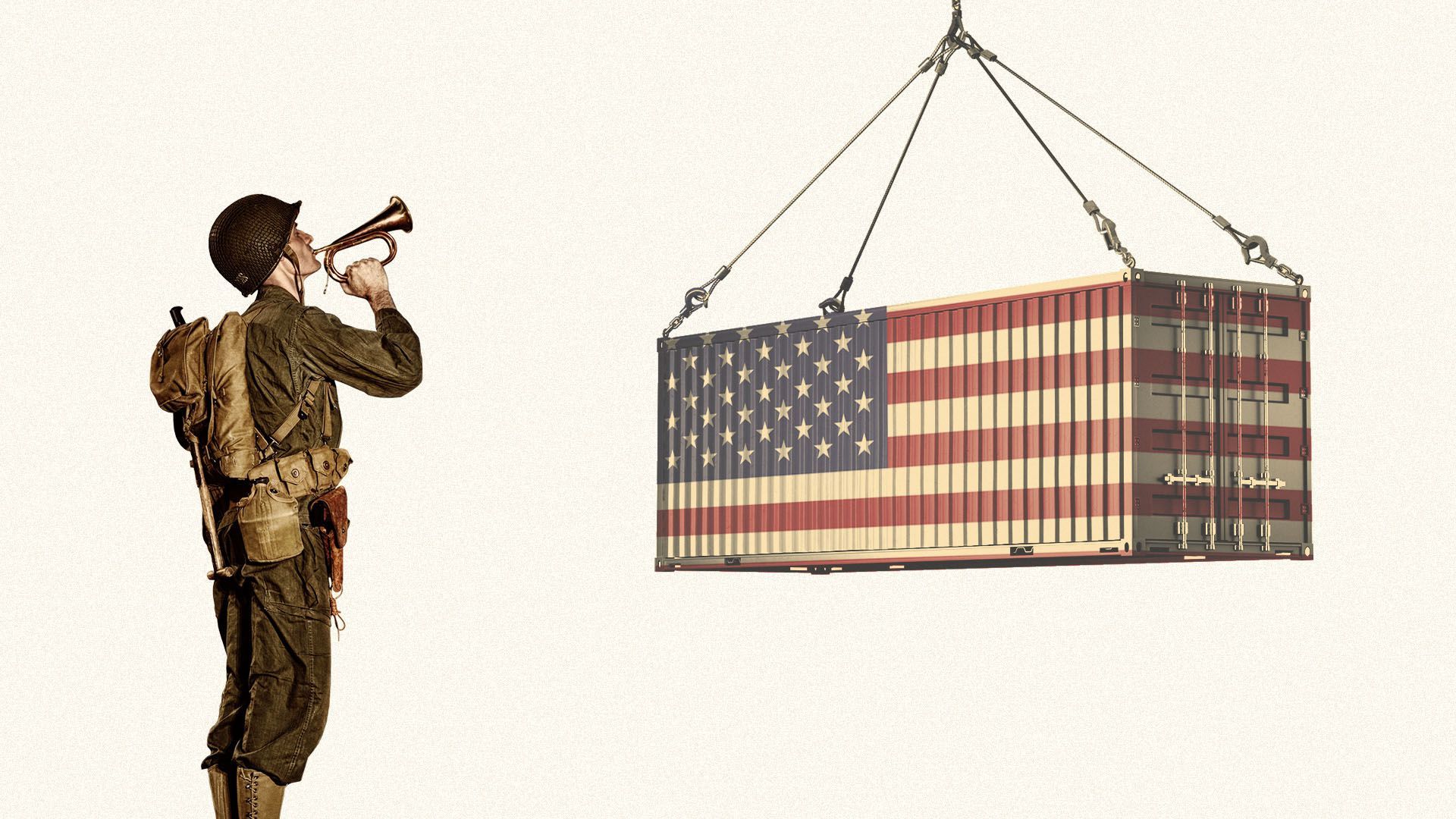
President Trump is winning what he sought in pursuing a global trade war: A series of deals that are resulting, so far, in big concessions by major partners, new revenue for the federal government, and minimal upset to the U.S. economy or markets.
The big picture: The question now is whether these victories in trade battles — high-level, roughly-sketched agreements among several major economies — will translate to winning the trade war.