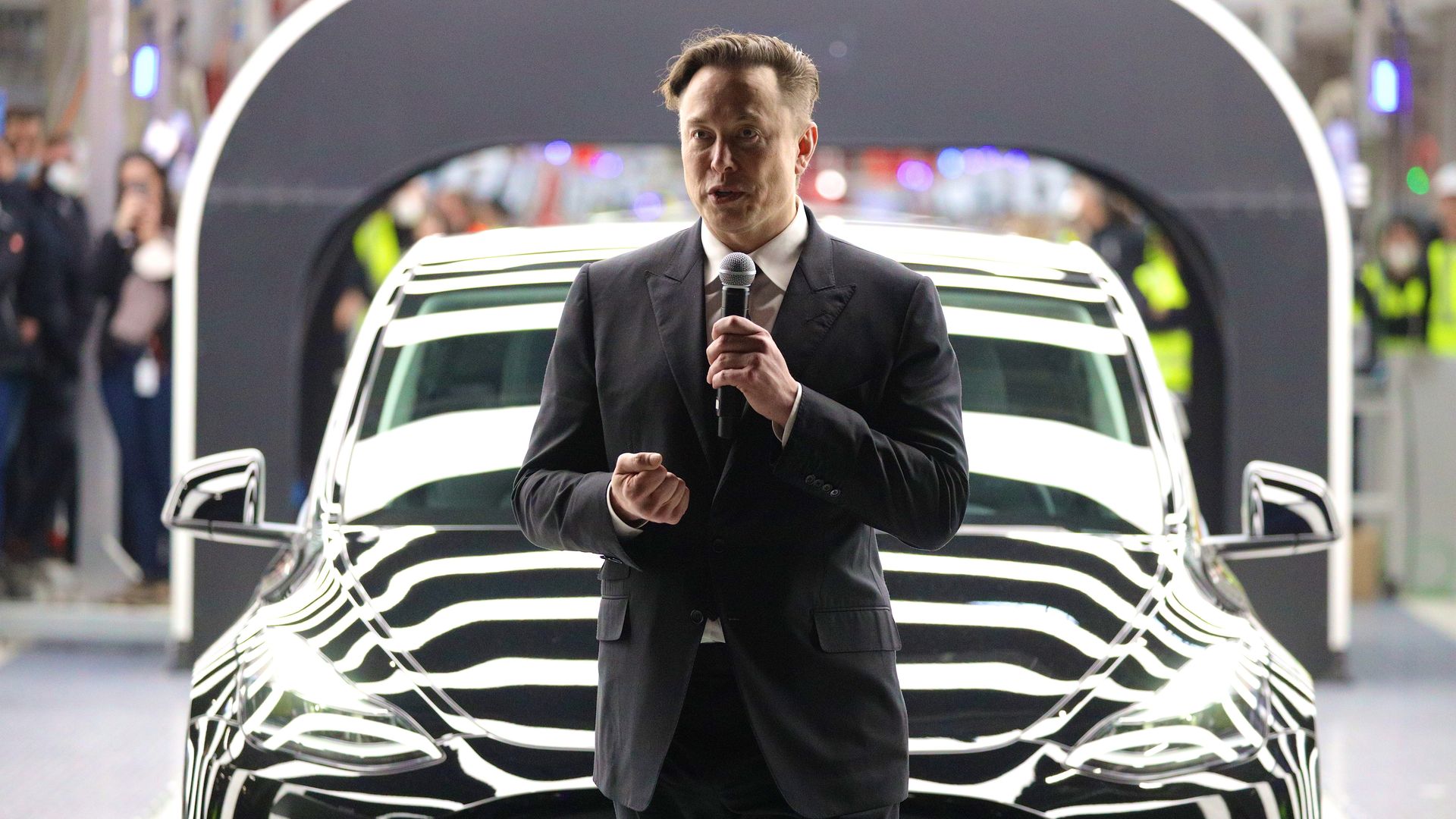
Samsung's $16.5 billion deal to manufacture chips for Tesla is the latest headline jolting semiconductor stocks in recent days.
📈 Samsung shares rose nearly 7% in South Korea, showing just how important a major customer is in the contract chip manufacturing business.
📉 Failing to secure such a customer helped send Intel's stock plummeting over 8% Friday.
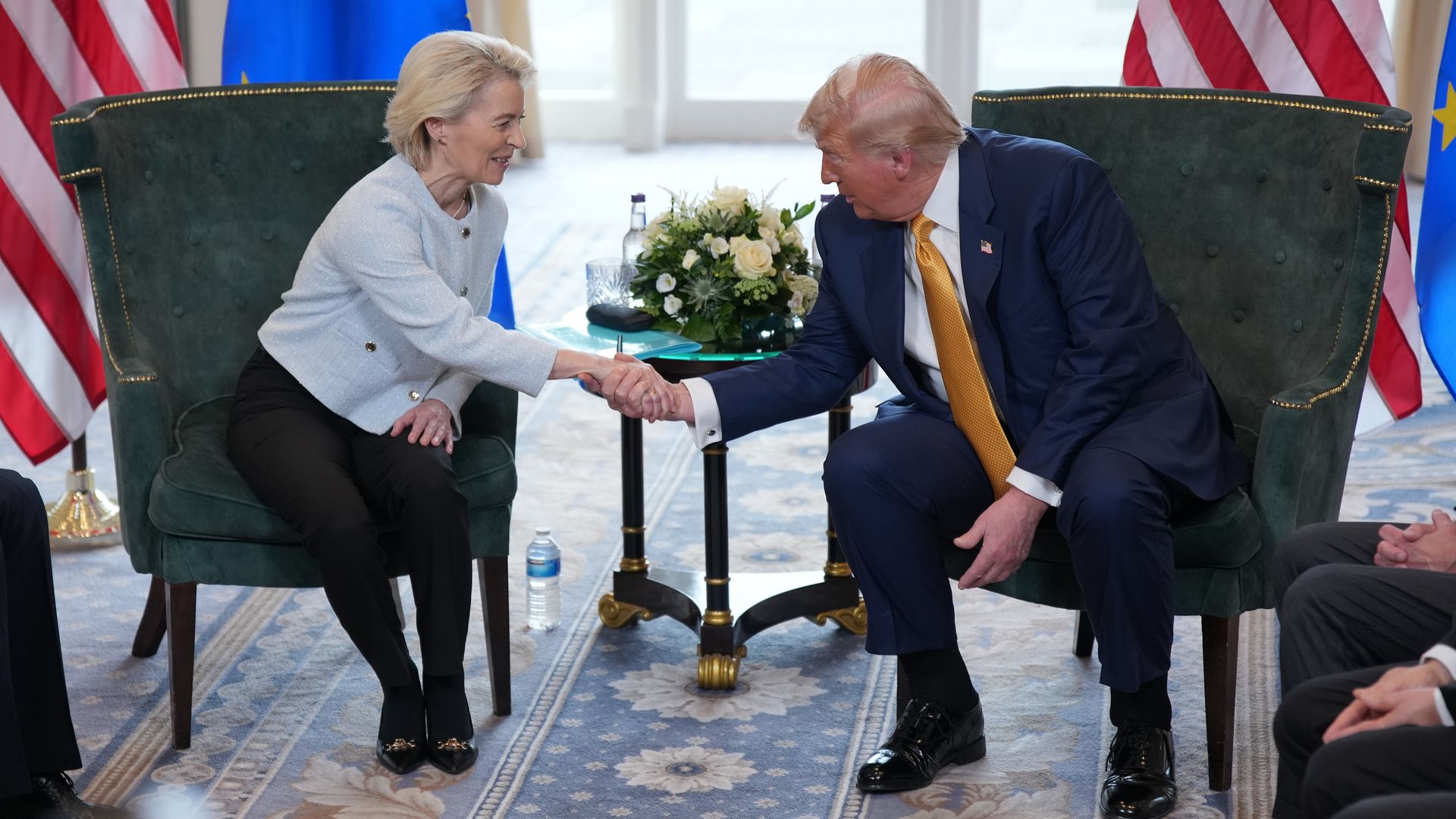
🇪🇺 And the EU trade deal announced yesterday carries big implications across the sector too, with Dutch chip-equipment manufacturer ASML rising on news that such products will move both ways tariff-free.
The Tesla contract is a much-needed win for Samsung's foundry business, which makes chips that other clients design. Foundry is a market dominated by Taiwan-based TSMC, which held over 67% of the global share in Q1.
UnitedHealth Group is set to report earnings tomorrow, and its new CEO is under pressure to show signs of stability as a DOJ investigation into its Medicare billing practices hangs over the insurer.
CEO Stephen Hemsley — who returned to the role in the spring with Andrew Witty's sudden exit — recently pledged to "earn back your trust and your confidence."
📉 The stock is down about 44% this year.
What to watch: The company is expected to provide earnings guidance after suspending its forecast in May, CNBC reports.
There's Air Force One and Marine One — and now there's Golf Force One.
At least that's what it's been dubbed since the Polaris Ranger vehicle was spotted following President Trump while he was golfing on his course in Scotland this weekend, The Daily Beast reports.
"The souped-up cart arrives roughly 10 months after Trump survived an alleged assassination attempt while golfing," The Daily Beast notes.
🏌️♂️What they're saying: The Secret Service declined to provide details about Golf Force One, saying only that the agency "employs a variety of tools and resources to safeguard our protectees."
It's not just college kids standing in line for a few extra bucks these days — there's a sudden surge in CEOs taking on entire companies for the short term, per a new survey out Monday.
Why it matters: Dipping in and out of the C-suite is quickly becoming the next workplace revolution after five years of constant changes on where we work, how we do our jobs and whether humans are even needed anymore.
We now have some semblance of clarity about what the Trump-era global trade system will look like. What we don't know is how durable this reset of global commerce will turn out to be.
The big picture: After deals with Japan and the European Union in recent days — and likely more before a key deadline on Friday — the global trade playbook is reasonably clear.
CK Hutchinson of Hong Kong on Monday said that it plans to add a "major strategic" Chinese investor to its $22.8 billion ports deal with BlackRock, adding that an exclusive negotiating period between the two firms has expired.
Why it matters: This complicates March's landmark agreement that would transfer control of 43 ports in 23 countries, including two in Panama that President Trump has threatened to retake by force.
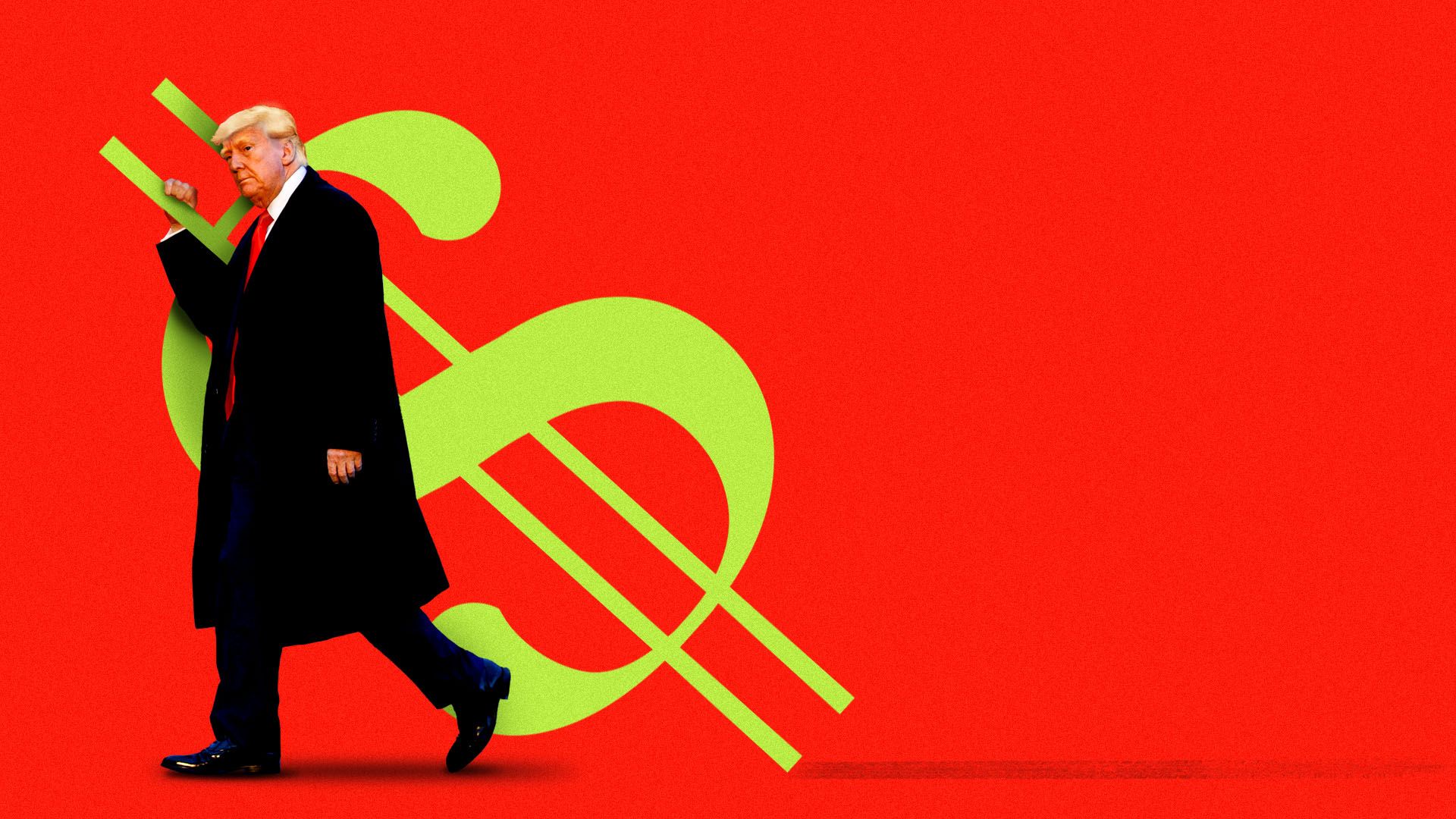
Tariffs are making money for the U.S. government, but it remains hard to tell who is footing the bill.
Why it matters: Knowing who is paying the tariffs will help investors gauge which companies will see profits squeezed — or protected — as trade tensions continue.
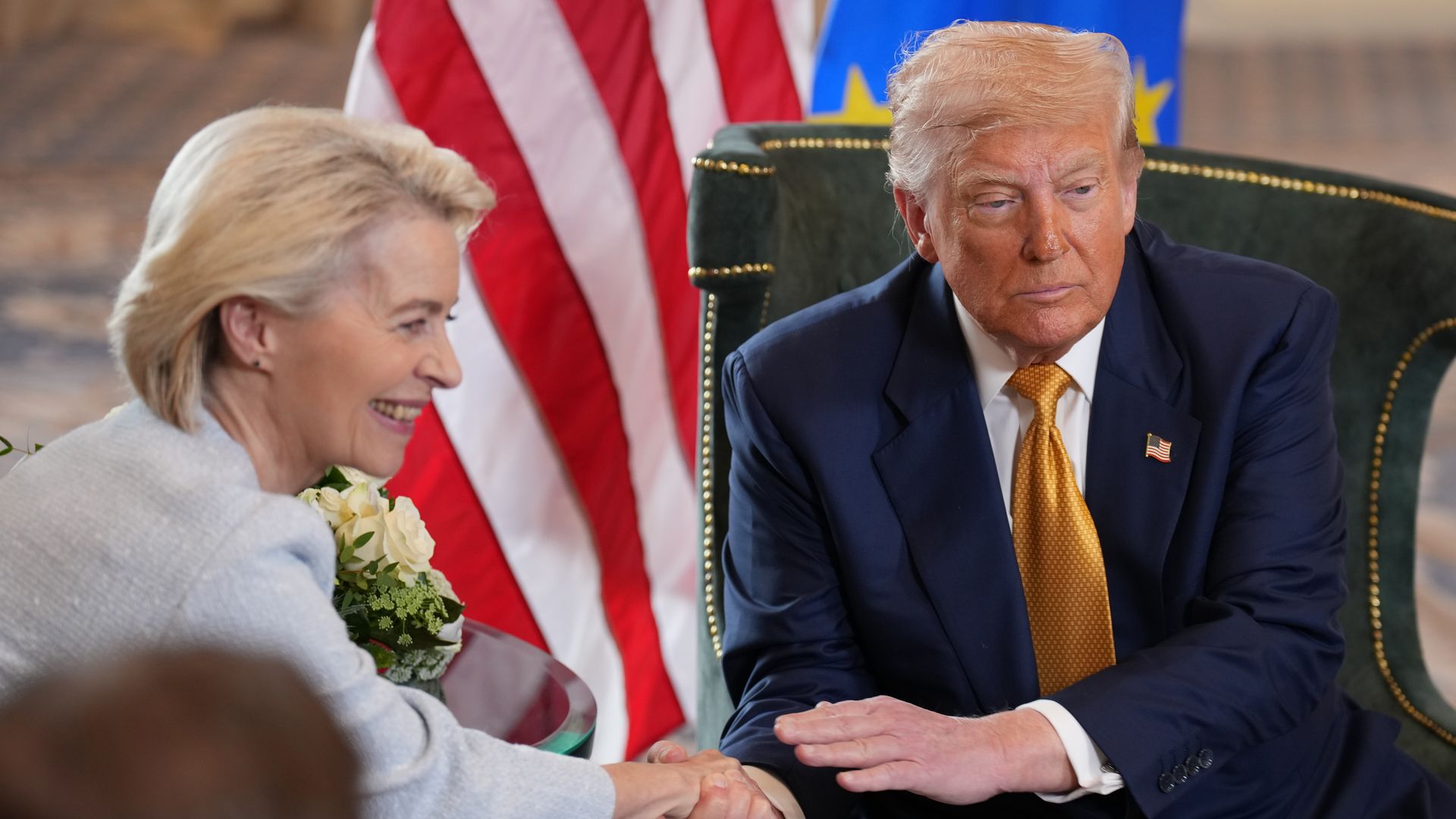
President Trump announced a 15% tariff on the European Union on Sunday. Stocks edged higher on the news, as investors see the deal easing the risk of even steeper tariffs.
Why it matters: While investors cheer the short-term clarity, they could be underestimating the long-term drag of higher tariffs on corporate earnings.
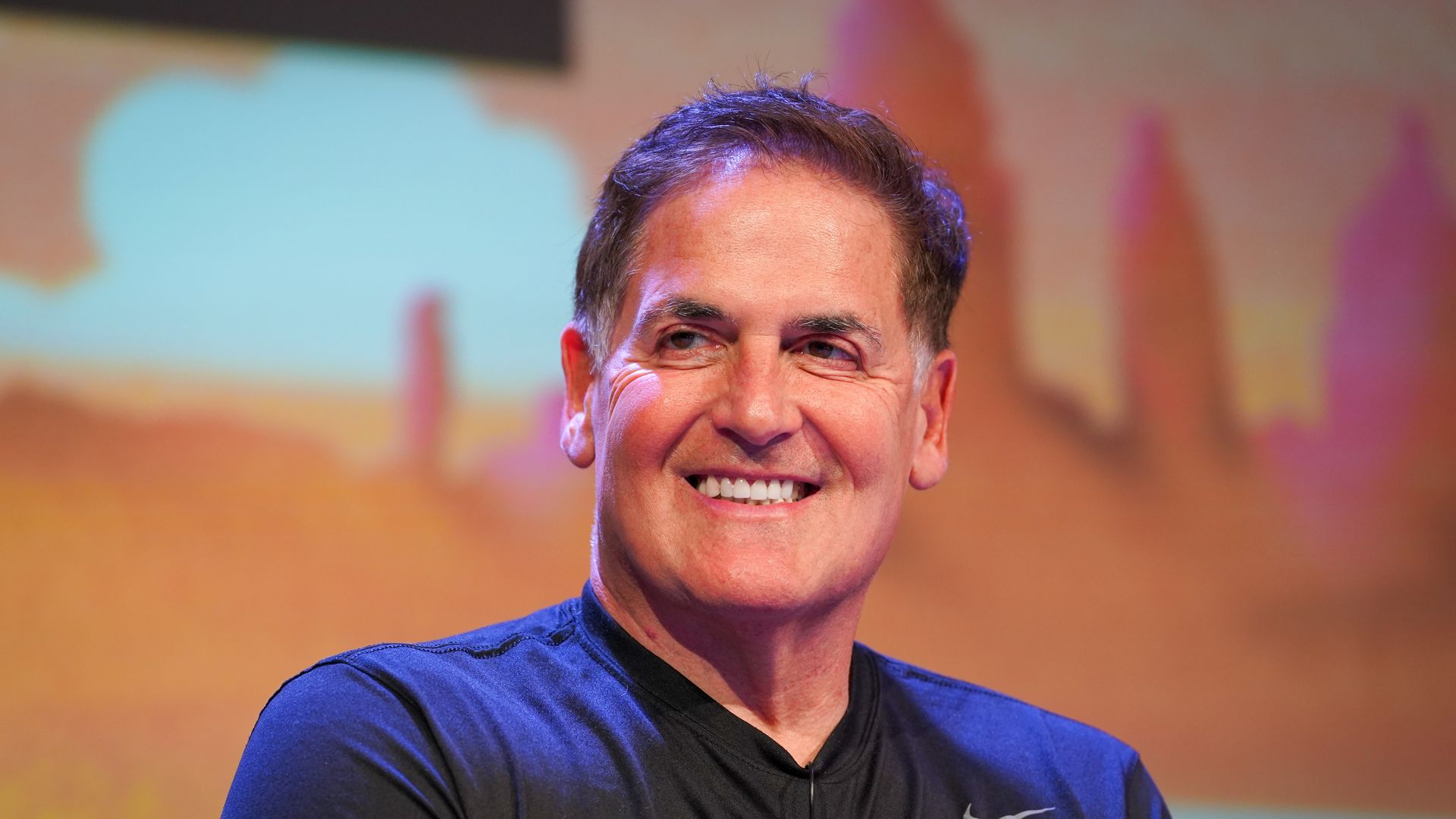
Billionaire investor Mark Cuban says today's market mania is a far cry from the dotcom bubble he navigated, and given retail trader behavior, it could be even riskier.
Why it matters: As strategists continue to raise concerns about a new market bubble, Cuban points out a different concern: that individual traders can "move stocks more than analysts can," he wrote in an email to Axios.
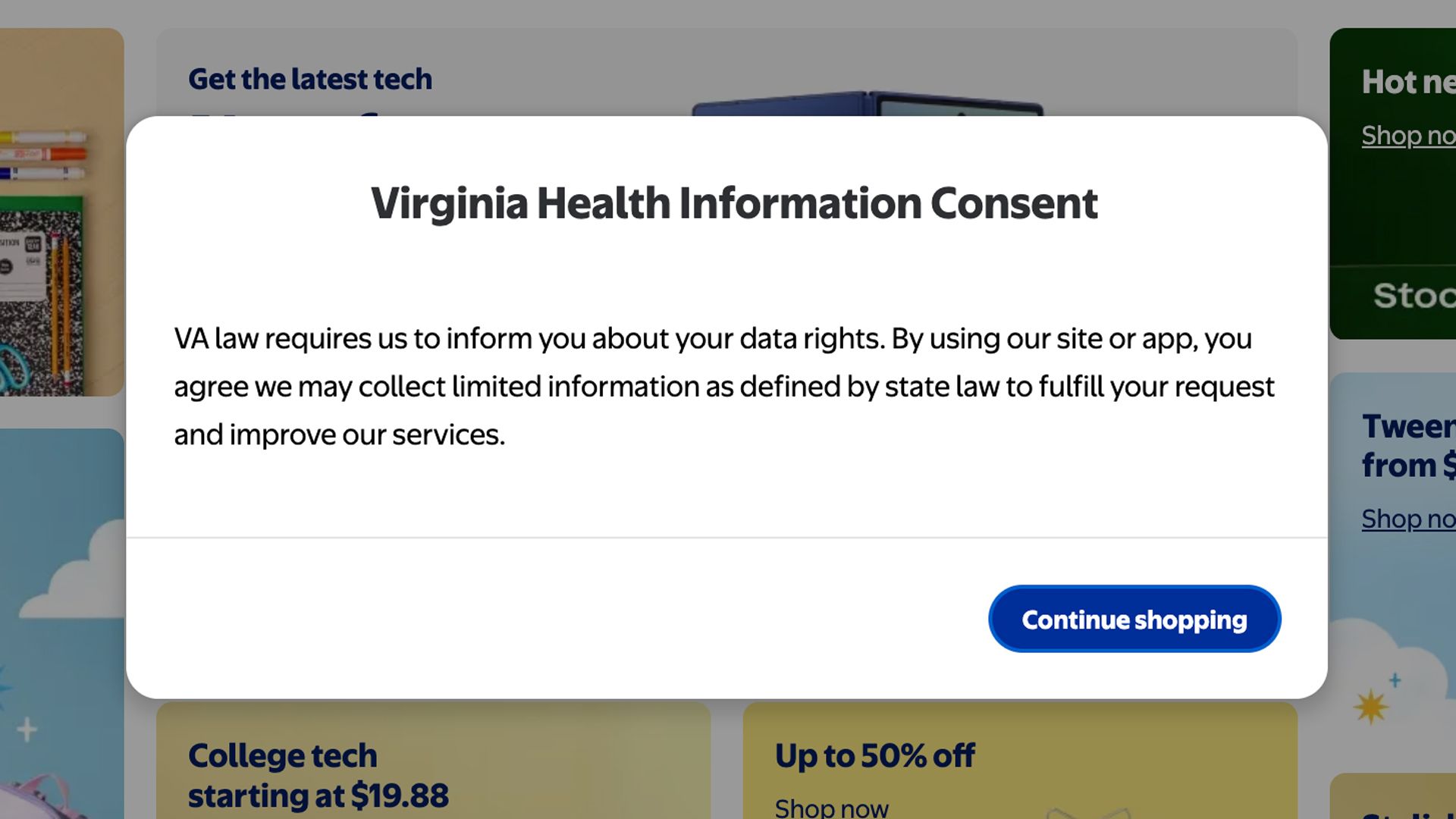
Pushback on the Walmart website warning Virginia users to avoid searching for or buying reproductive or sexual health products if they don't consent to their information being collected has led the retailer to change the pop-up's wording.
Why it matters: The message raised questionsfrom some shoppers and a state senator about how major retailers are interpreting and complying with the new reproductive health privacy protections in Virginia.
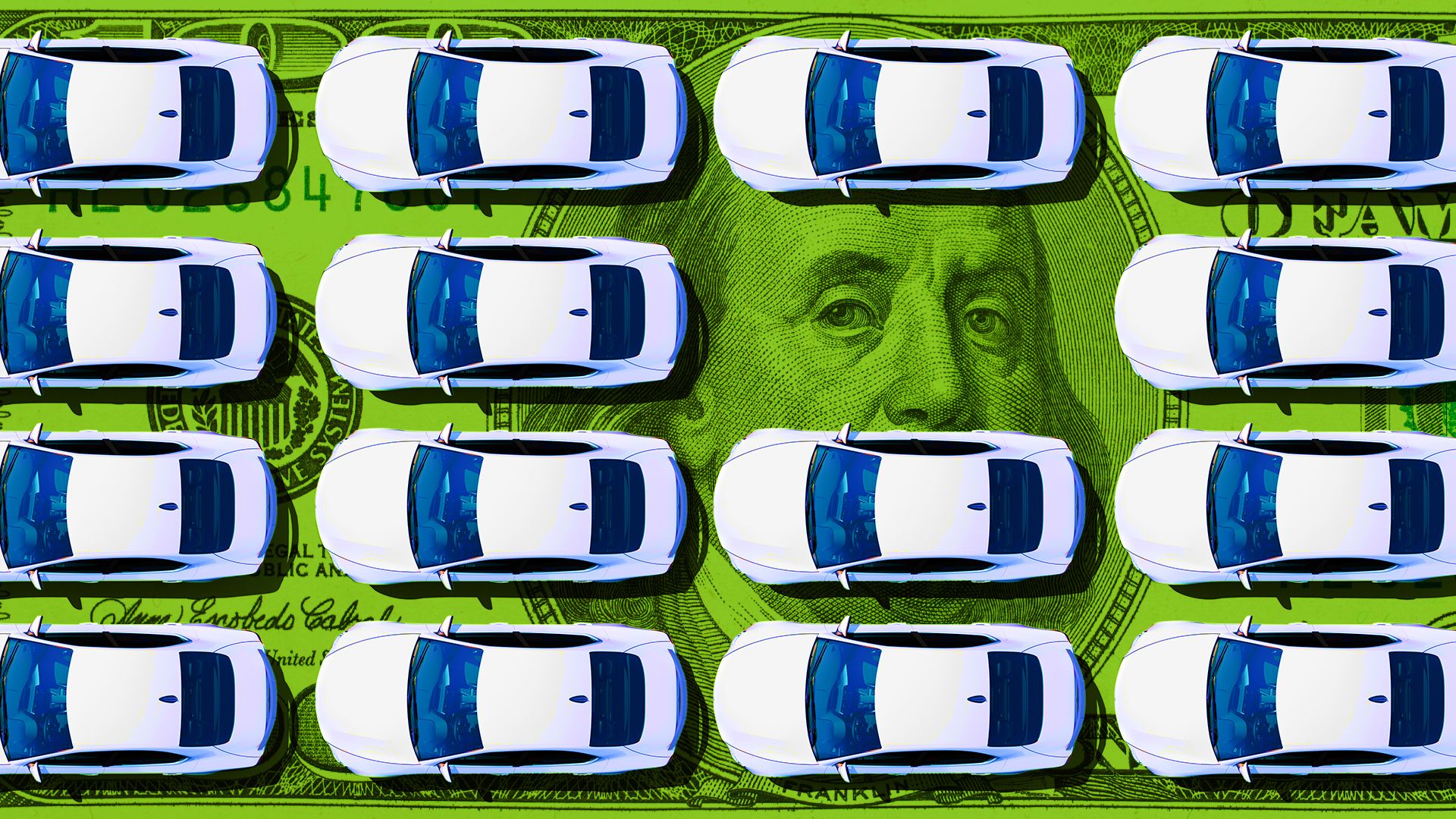
Middle-income Americans have accelerated their car-buying timelines amid worries about rising prices, according to new research shared first with Axios.
Why it matters: On-again, off-again tariffs, along with other policy shifts in Washington, are confounding not just auto companies, but car buyers, too.
In the Trump-dominated global economy, the U.S. gets plenty but gives nothing in return.
Why it matters: This is the reality of the asymmetric trade deals touted by the White House, which show how far foreign leaders will go to safeguard access to the U.S. market.
The dream of instant commerce is getting closer to reality — not necessarily because technology is improving, one company says, but simply by being nearer to more people for faster delivery.
Why it matters: We're used to instant gratification in our entertainment and human interaction — but still have to wait for our stuff, unless we're willing to deal with the burden of getting up off the couch and getting it ourselves.