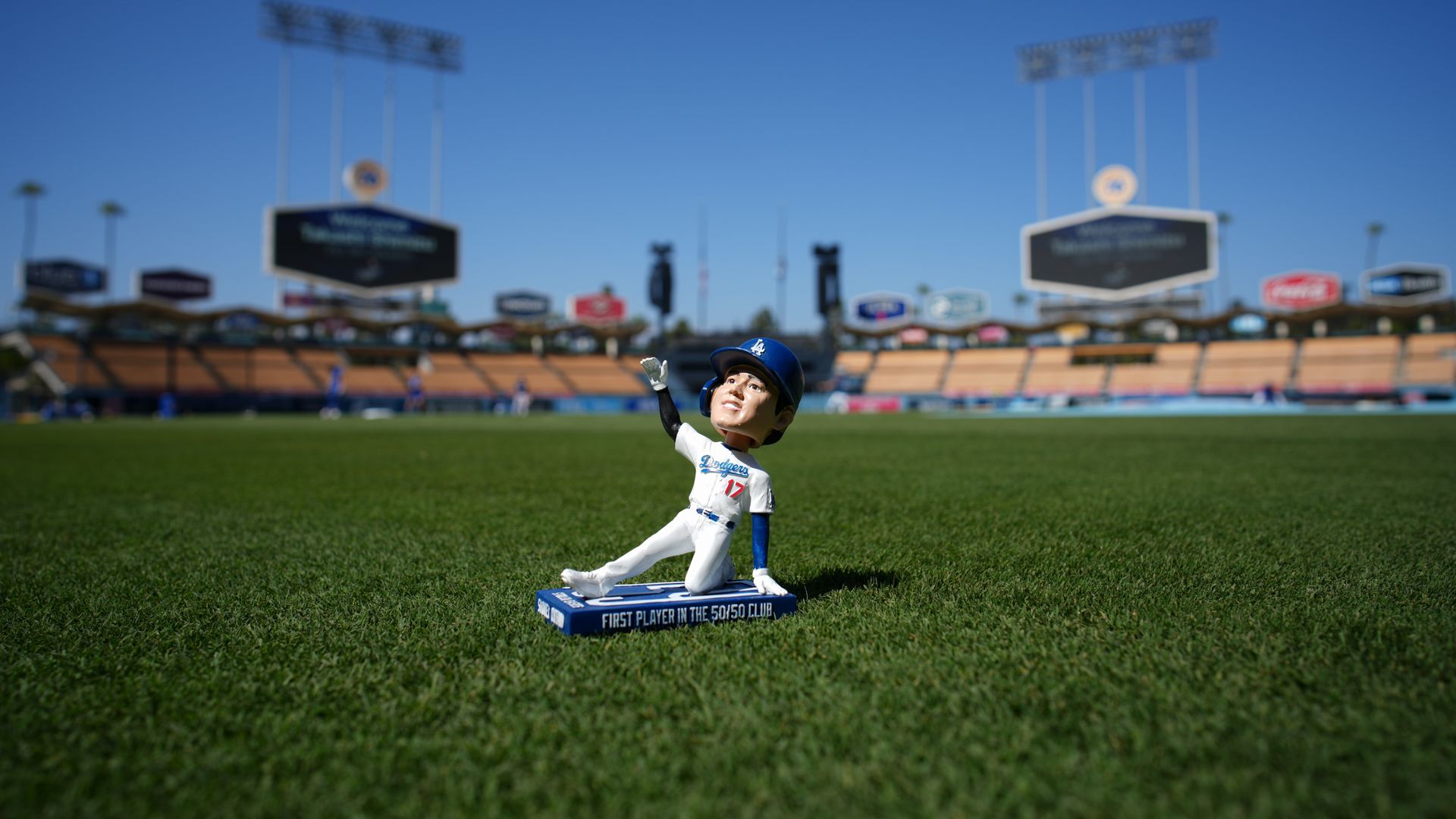
What once was a quirky giveaway has exploded into one of the hottest trends in sports memorabilia: bobbleheads that are more coveted than the games themselves.
Some people are lining up hours early — not to cheer on the home team, but to snag a collectible they can flip for hundreds on the resale market.
Why it matters: In a marketplace that's seen everything from stocks to cryptocurrencies to hideous dolls surge in price, a simple kids' collectible has emerged as a surprisingly valuable asset.
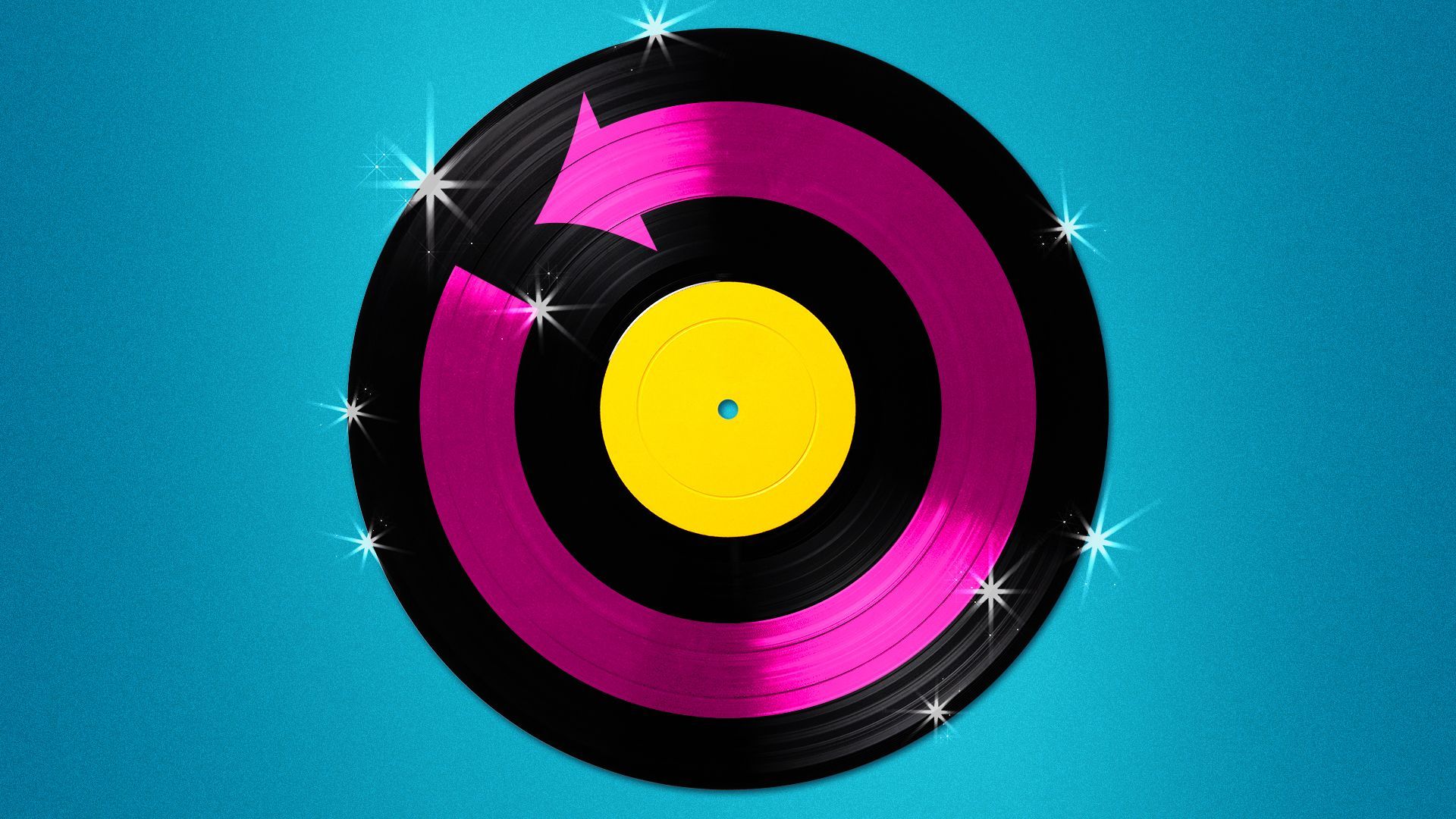
And in July 2025, the "recession pop" Party in the U.S.A. lives on.
The big picture: Recession pop bangers — those upbeat, liberating jams that blasted on the radio against a bleak national backdrop — are making their comeback, according to social mediausers and music industry data alike.
Volkswagen today said its U.S. tariff billwas roughly $1.5 billion for the first half, as the German company becomes the latest tangible example of how the trade war is ravaging automakers' bottom lines.
🇺🇸 America's largest carmaker, GM, just reported a $1.1 billion sting from tariffs in the second quarter.
🇪🇺 And Stellantis, the European maker of Jeep, said it expects a $350 million hit to its earnings over the first half, attributed directly to U.S. tariffs and its moves to try to avoid them.
The big picture: Nearly every automaker is dealing with President Trump's 25% tariff on imported cars and parts since earlier this year, given the global nature of the industry's supply chains.
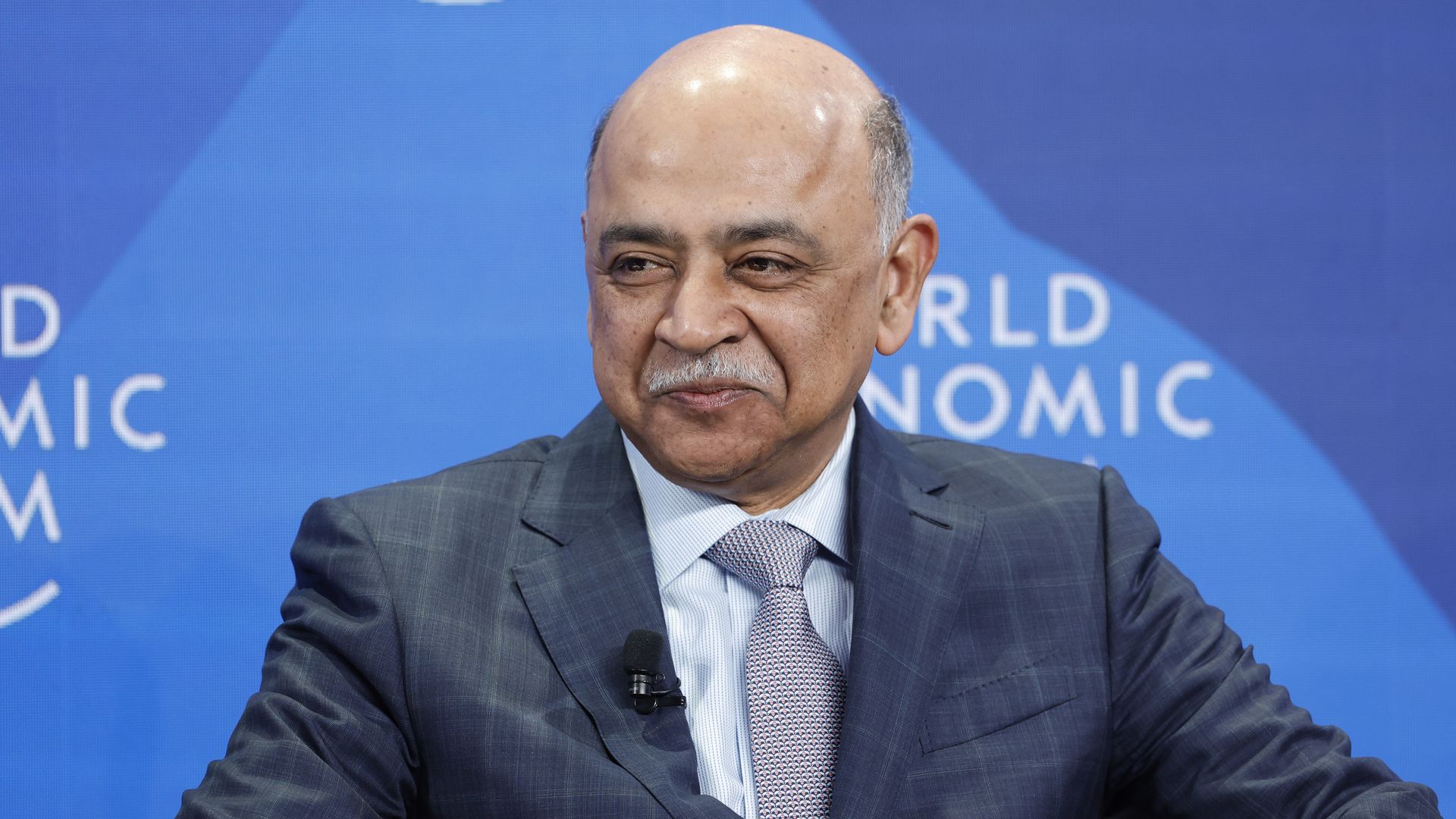
CHICAGO—IBM CEO Arvind Krishna said dire AI job warnings stem from a "reality distortion field" among industry leaders, arguing in an Axios interview that the employment picture is much more promising.
Why it matters: Anthropic CEO Dario Amodei sounded the alarm in May when he told Axios' Jim VandeHei and Mike Allen that AI could wipe out half of all entry-level white-collar jobs.
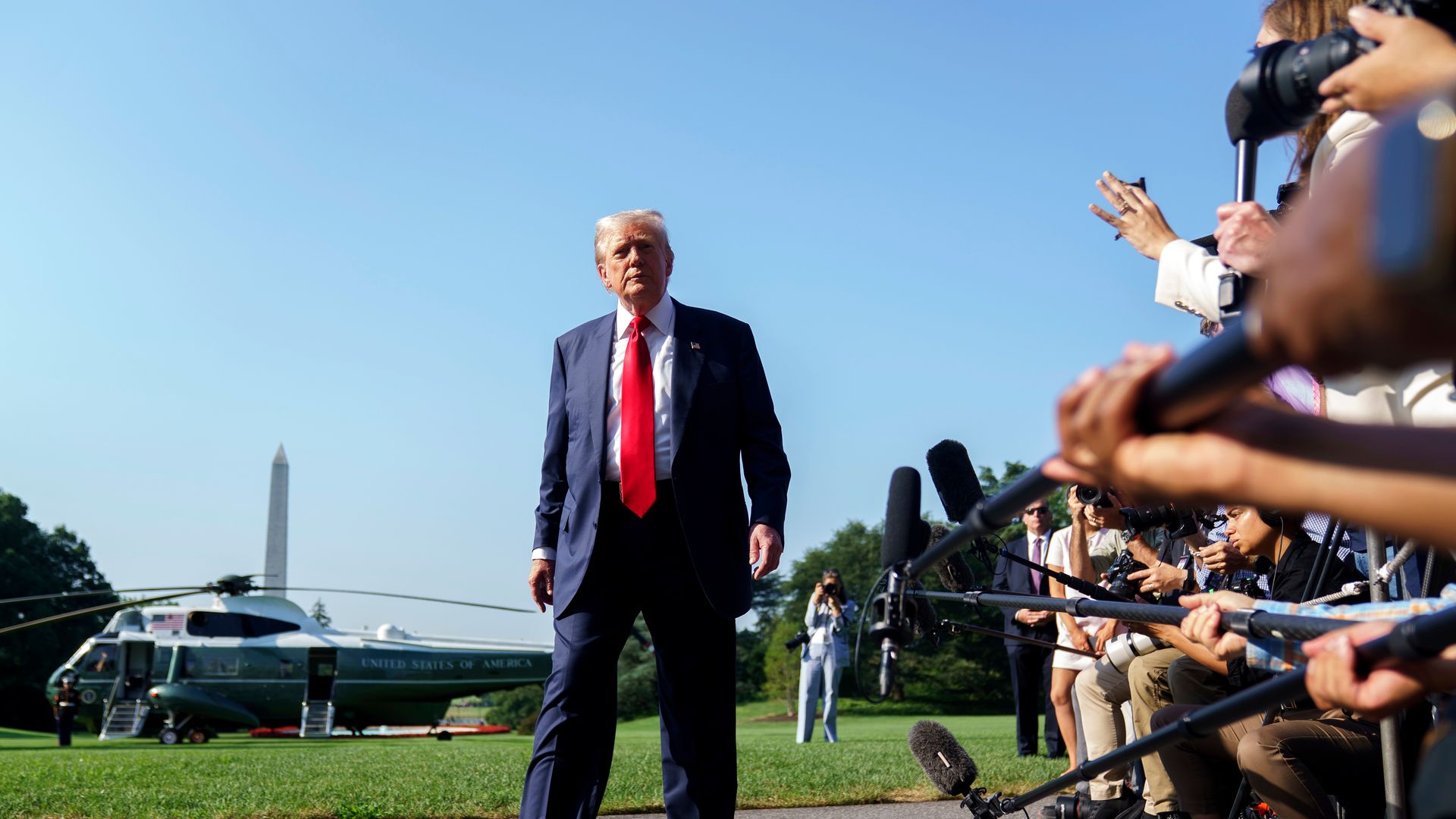
President Trump on Friday suggested the government might consider issuing rebate checks to some Americans from the tariff revenue collected this year.
Why it matters: Rebates would return to consumers some of the higher prices they've paid as a result of those tariffs — but could also raise the specter of inflation, similar to previous rounds of government stimulus.
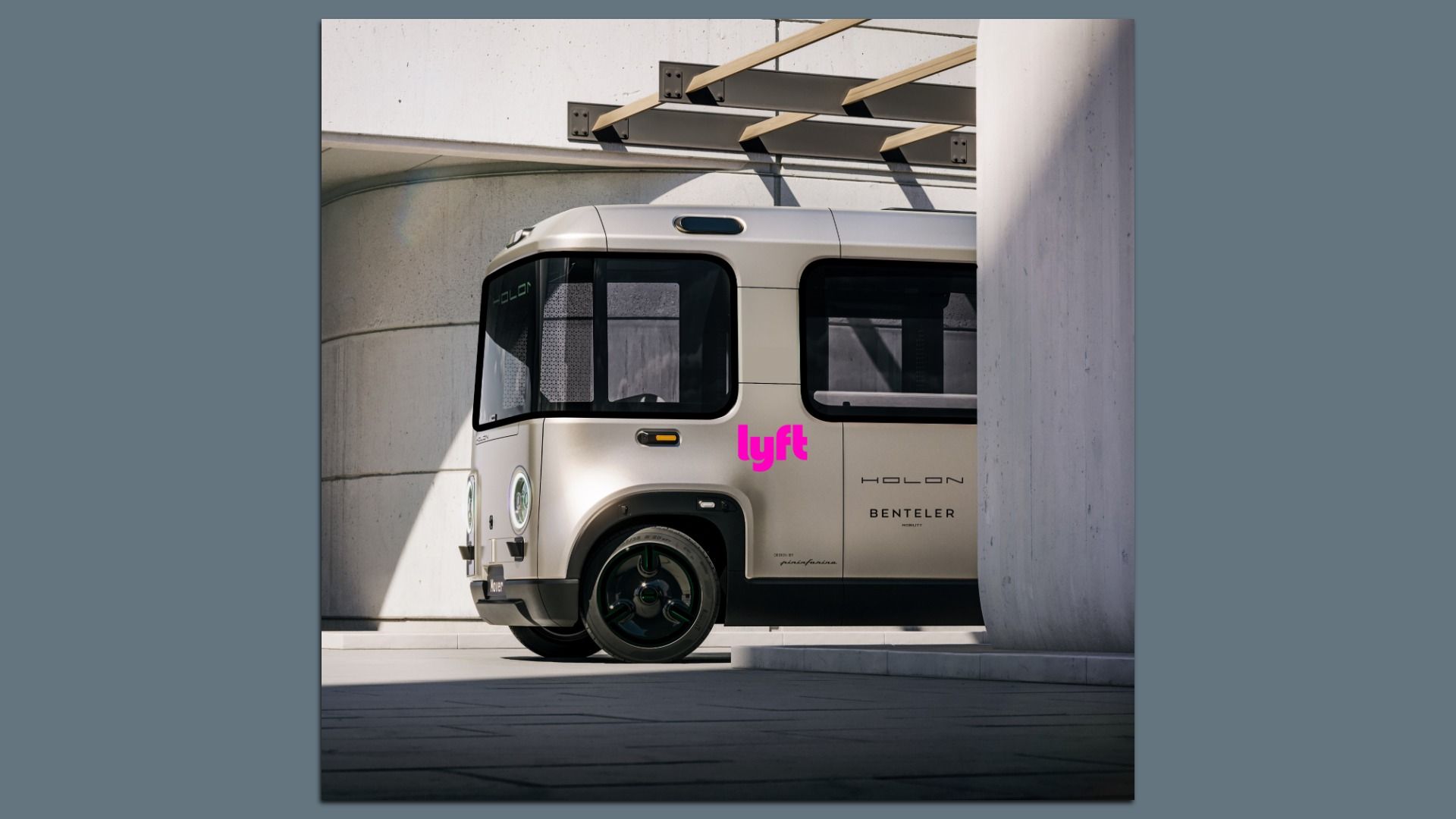
Lyft plans to add U.S.-made Holon autonomous shuttles to its ride-hailing network as early as next year.
Why it matters: It's the latest development in Lyft's autonomous vehicle strategy, as it tries to keep pace with rival Uber's robotaxi rollout in places like Austin and Atlanta.
The trade deals keep coming, yet the dollar continues to weaken, down over 10% this year after the biggest first-half loss since 1973.
Why it matters: The greenback slump could be a sign that countries are now embracing de-dollarization: moving away from dollar-denominated assets as uncertainty about fiscal policy in the U.S. remains a headwind.
Investors are flocking to Europe, not for vacation, but for returns.
But without the market power of artificial intelligence companies, they may have to quickly come back to America.
Why it matters: Much of Europe's outperformance this year stems from a weakening dollar, not stronger fundamentals. Without the AI boom that is fueling the resurgence in U.S. stocks, the old world may struggle to keep up.
Why it matters: The decline is driven by a 17-point plunge among independents, who give the president a 29% approval rating. His numbers with the group have never been lower.