Trump administration rolls out new Social Security hurdles, then says they're optional

Add Axios as your preferred source to
see more of our stories on Google.
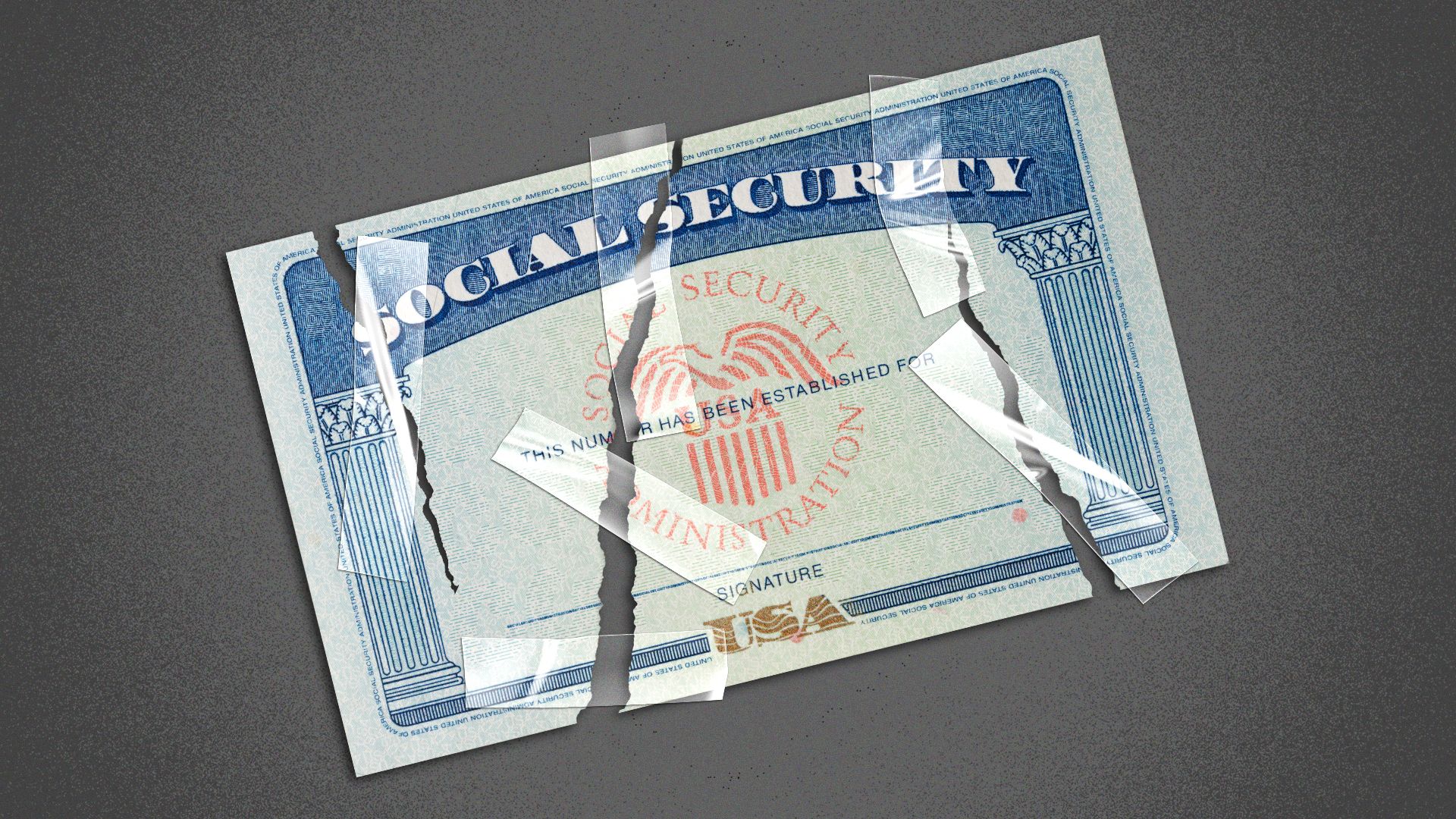
Illustration: Allie Carl/Axios
The Trump administration quietly rushed through a major change to Social Security's phone service policy, but after advocates for the elderly expressed concerns, the agency that oversees the program now says the change is "optional."
Why it matters: The policy would have forced millions more Americans to travel to the agency's already understaffed field offices to do routine things like change their address, obtain a tax form or generate a benefit verification letter.
- That would be a big obstacle, particularly for seniors, people struggling with mobility issues or those in rural areas who live far from a field office.
- The Social Security Administration's own filing says 3.4 million more people would be forced to go to the field offices, which are already understaffed, and hard to get to for many Americans.
How it works: For decades, Social Security beneficiaries could phone the agency to do routine tasks.
- Under the policy, described in the filing to the Office of Management and Budget, beneficiaries would first have to go online to get a one-time "Security Authentication PIN," or SAP.
- This was set to begin Aug. 18.
The intrigue: Earlier this week, AARP, the powerful advocacy group for older Americans, and other advocates for the elderly and disabled drew attention to the change.
- Now, the agency says that use of the SAP PIN is optional, and was always meant to be optional.
- "The intention of the expanded SAP feature in the filing was always to be optional," an agency spokesperson tells Axios in an email. "The purpose of the feature is to improve the customer experience by providing a convenient and secure method for callers to verify their identity."
- "If a caller does not have a 'my Social Security account' or chooses not to use the SAP feature, the customer experience will be no different than it is today, and they will continue to use the existing authentication methods to verify their identity," they said.
Yes, but: The filing detailing the new policy has not yet been updated or changed.
The big picture: This latest dustup comes months after the agency backed off a similar plan after widespread outcry.
- It's part of the Trump administration's effort to combat fraud — ongoing even as Elon Musk's DOGE efforts have receded into the background.
- The agency instituted the policy without any announcement — a departure from how it has operated under prior administrations — and critics say that it hasn't provided substantial evidence for the fraud it's trying to combat.
Between the lines: In the past, including in the first Trump administration, a big policy change would be carefully tested and messaged to the public in blogs, the website and press releases.
- The agency would typically reach out to stakeholders, like AARP, advocates for the poor and disabled and other lawyers who work with Americans on their benefit claims.
What to watch: The agency says it will amend its filing to make it clear that this policy is optional. Advocates are keeping an eye out for that.
