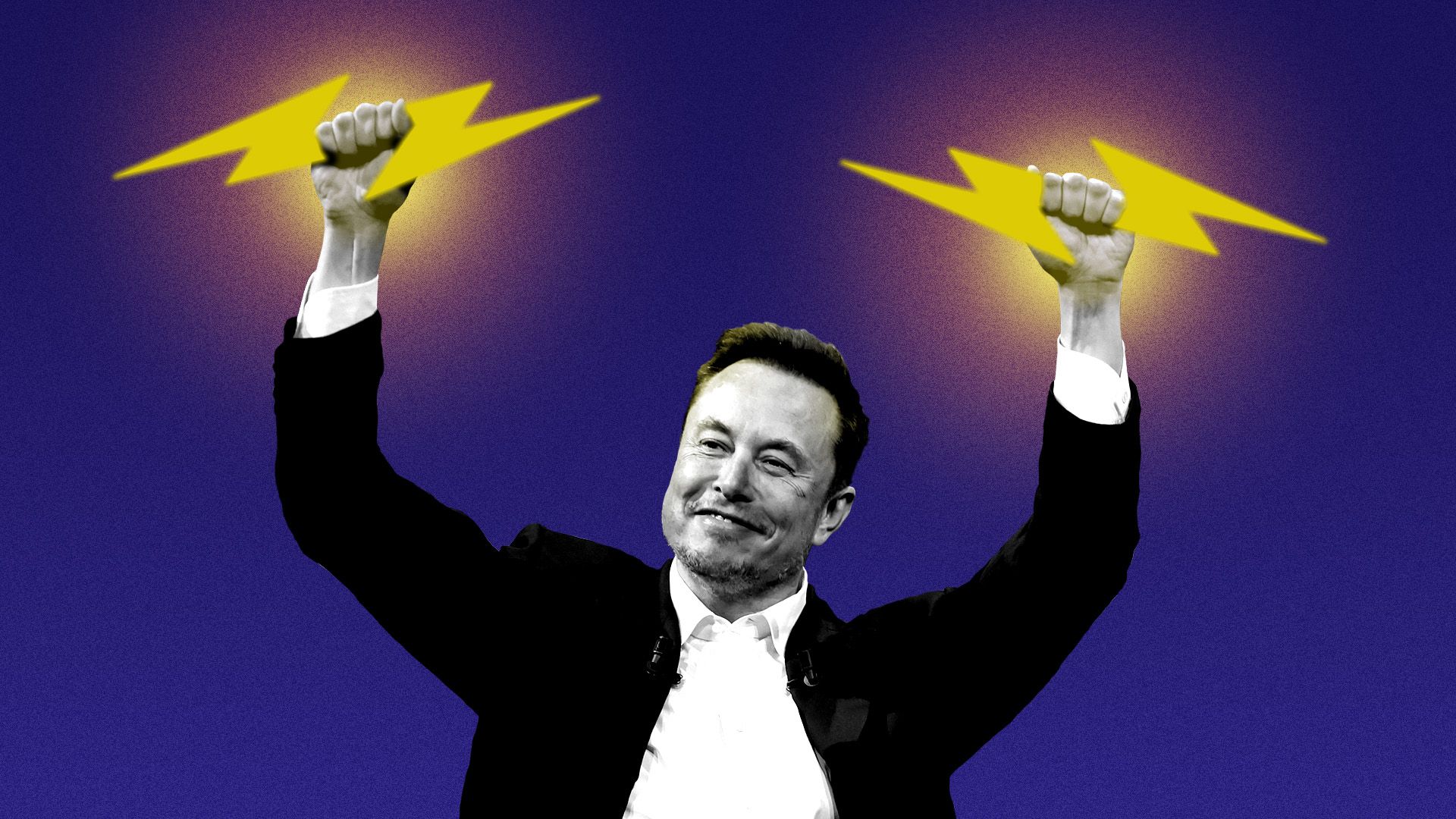
Elon Musk faces pressure Wednesday to show investors that he's refocused on building a brighter future for Tesla, as the company deals with backlash over his political activity.
The big picture: Tesla's set to deliver second-quarter earnings after the close of trading Wednesday amid myriad challenges, including slumping electric vehicle sales, tariffs and rising competition from Chinese EV makers like its arch rival BYD.
Walmart is publicly revealing for the first time how it's policing its third-party Marketplace — sharing exclusively with Axios the efforts it takes to block counterfeit goods and keep consumers safe.
Why it matters: With more than 500 million items listed on Walmart's site, the retail giant is leaning into transparency as lawmakers and regulators ramp up scrutiny of online marketplaces.
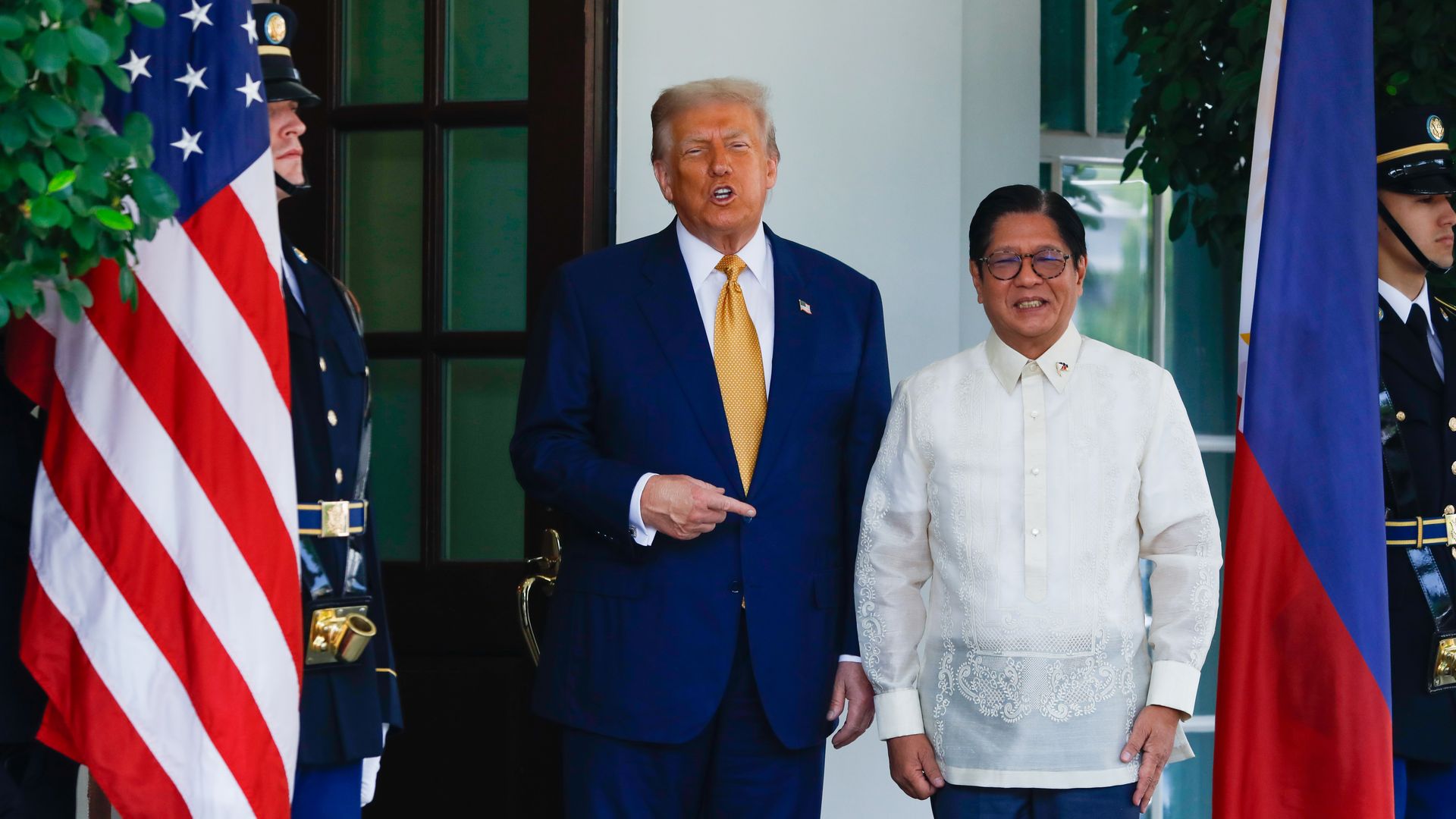
President Trump said Tuesday that the U.S. and the Philippines have finalized a new trade agreement with zero tariffs on U.S. goods, while Filipino exports to the U.S. will face a 19% tariff.
Why it matters: This marks the second trade deal between the U.S. and its counterparts since the President sent letters earlier this month to dozens of other countries unilaterally setting tariff rates as of August 1.
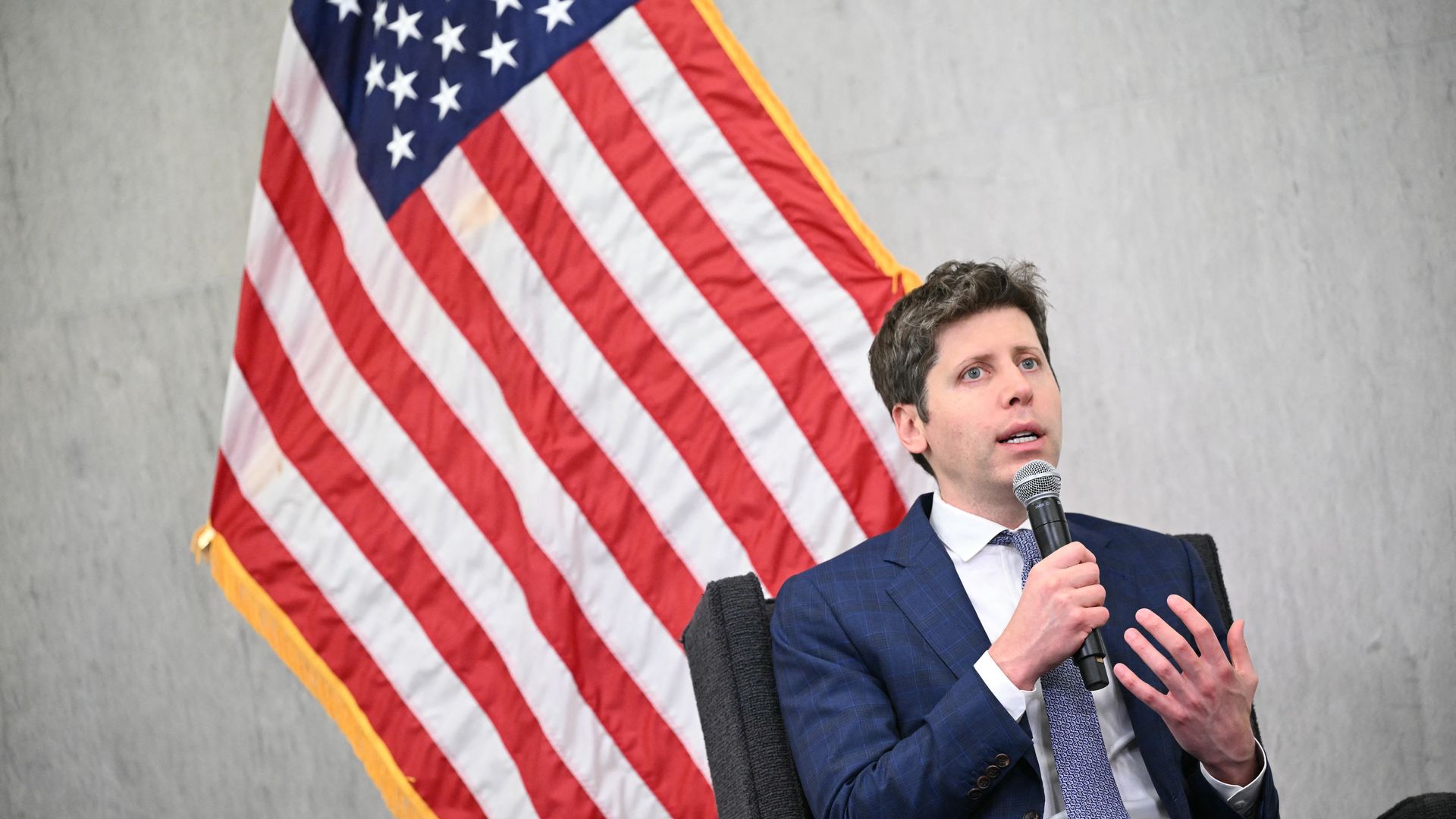
OpenAI CEO Sam Altman says he is nervous about an imminent fraud crisis, warning that bad actors using AI to gain access to consumer accounts is coming "very, very soon."
Why it matters: Altman said society is unprepared for how quickly the technology is evolving and called for an overhaul of how consumers get into personal accounts.
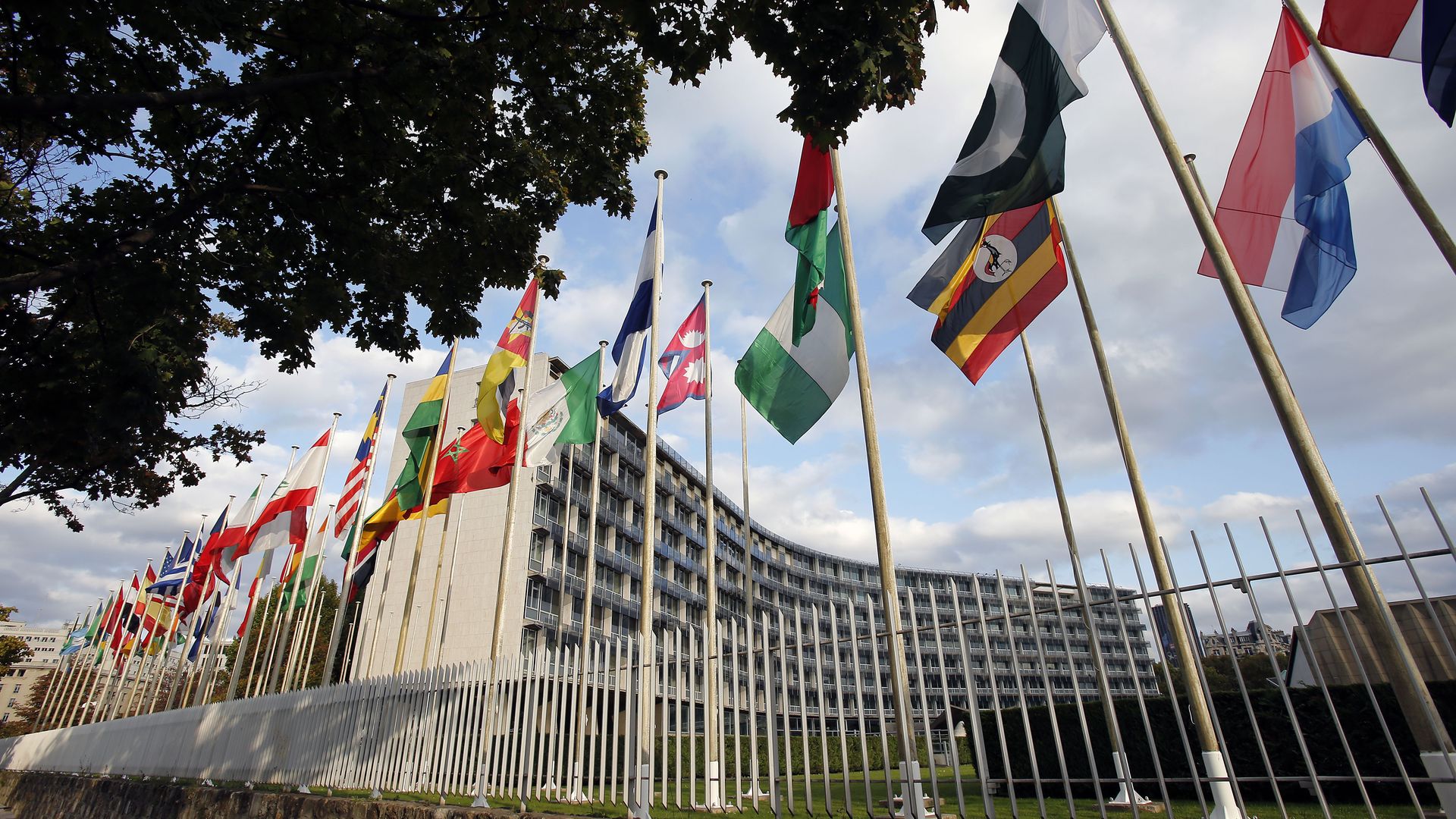
President Trump's decision to withdraw from the United Nations Educational, Scientific and Cultural Organization is not a surprise — but it marks yet another drop in Washington's roller-coaster relationship with the agency.
The big picture: The move mirrors the president's first term, when the U.S. departed UNESCO over alleged anti-Israel bias, and deepens the administration's broader retreat from multilateral bodies deemed hostile or ineffective.
So much attention has focused on the will-he-or-won't-he question of whether President Trump will try to fire the Federal Reserve chair that it's easy to overlook a deeper reality: Major change is coming to America's central bank either way.
The big picture: Trump allies' recent criticism of the Fed goes far beyond the details of the current interest rate setting or the cost of its building renovations. It's wider-ranging, suggesting that the entire 111-year-old enterprise needs a fundamental overhaul.
Federal Reserve chair Jerome Powell should step down in order to protect Fed independence, according to Mohamed El-Erian, long one of the bond market's most respected voices.
Why it matters: As the White House steps up its attacks on the head of the U.S. central bank, El-Erian said protecting the institution's independence is crucial, and that independence is at risk with Powell at the helm.
While the market is partying like it's 1999, investors would be smart to remember what came next: the 2000 dotcom bubble, when stock prices rose substantially above underlying asset values, resulting in a market crash.
Why it matters: Wall Street analysts are increasingly noting signals of a bubble, as stocks are priced to perfection while uncertainty remains on the political and economic fronts.
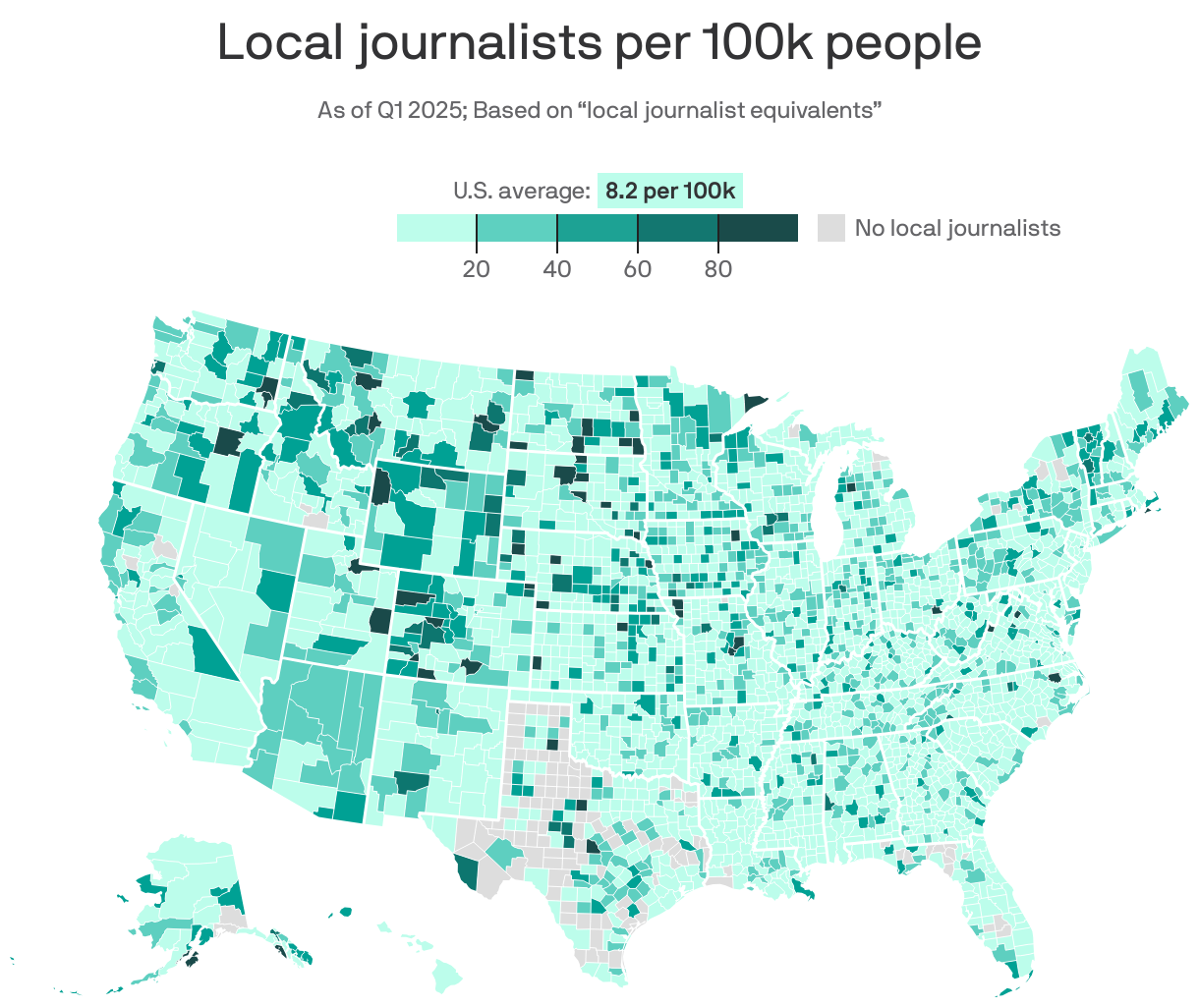
Data: Muck Rack / Rebuild Local News; Map: Axios Visuals
About two-thirds of U.S. counties have a below-average number of local journalists, per an ambitious new project aiming to illustrate "the stunning collapse in local reporting" as old business models falter and newsrooms scramble for sustainability.
Why it matters: Many American neighborhoods lack adequate news coverage for everything from school board meetings and elections to local sports and cultural events.
Trump administration economists are spotlighting a little-noticed piece of federal data they argue shows a business investment surge is in the works — one that could have lasting consequences for U.S. growth.
The big picture: Industrial production of business equipment is an early indicator of capital spending, which ultimately fuels higher productivity and higher incomes. It has surged in the first half of the year, per Federal Reserve industrial production data.
Higher-earning Americans are feeling pretty good these days, but sentiment among those at the bottom is stagnating at much lower levels.
Why it matters: There's long been a gap like this between rich and poor —more money often means fewer problems. But this year the difference in sentiment between the top and bottom is at its widest since Morning Consult began tracking the data in 2018.
Three Democratic senators wrote to Delta Air Lines CEO Ed Bastian Monday to raise concerns about company plans to use AI to set individualized fares, which the airline maintains won't target customers with offers based on personal details.
Why it matters: Sens. Ruben Gallego (D-Ariz.), Mark Warner (D-Va.) and Richard Blumenthal (D-Conn.) wrote that Delta's personalized "current and planned individualized pricing practices" would present data privacy concerns and "likely mean" fare price rises "up to each individual consumer's personal 'pain point'" at a time when many families were struggling.