Trump says trade deal reached with Indonesia, trimming proposed tariff

Add Axios as your preferred source to
see more of our stories on Google.
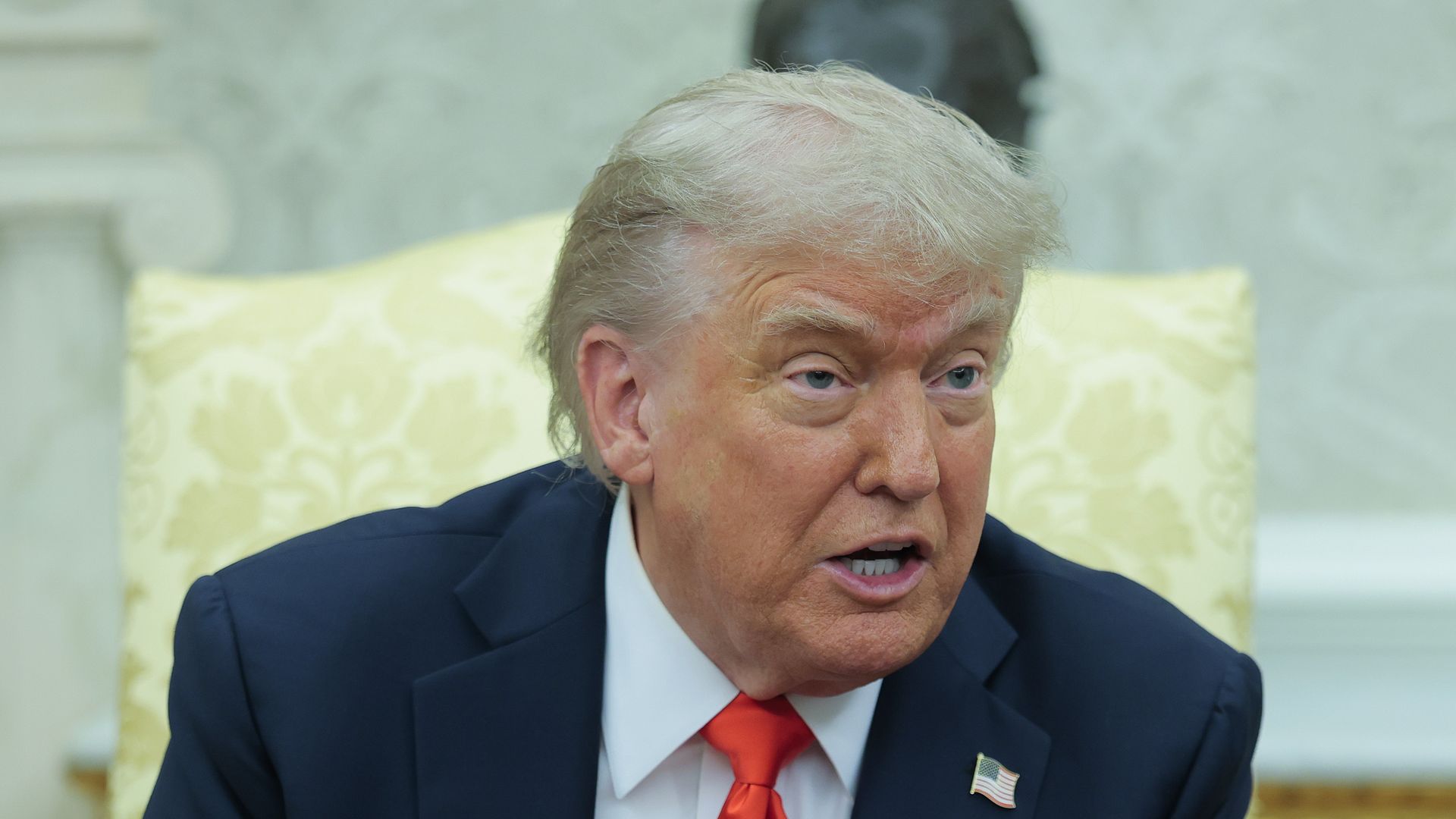
Photo: Anna Moneymaker/Getty Images
President Trump said Tuesday the U.S. has struck a trade deal with Indonesia, levying a smaller tariff on the country than initially proposed.
Why it matters: It's the first deal struck with a country that received one of Trump's tariff letters last week.
- But it's also at a much higher rate than many economists and market strategists ultimately expect tariffs to settle.
What they're saying: "Great deal, for everybody, just made with Indonesia. I dealt directly with with their highly respected President. DETAILS TO FOLLOW! ! !" Trump wrote on Truth Social.
- In a later post, he said Indonesia would pay a 19% tariff, less than the 32% he levied in April and then threatened again last week.
- Indonesia will commit to buying almost $20 billion in U.S. energy and agriculture products, as well as 50 jets from Boeing.
- Trump also said there would be no tariffs on U.S. exports to the country.
Between the lines: The U.S. imported about $28 billion in goods from Indonesia last year.
- The country is a significant source of U.S. textile imports, in particular.
- The U.S. exports about $10 billion in goods there, including a large component of agricultural products.
The intrigue: When Trump first unveiled his global tariffs in April, the baseline rate was 10%.
- Economists and market strategists have since forecasted that when all is said and done, the blended average rate of all tariffs will end up around 14% or 15%.
- But the Indonesia and recent Vietnam deals are higher than that, and Trump himself has recently spoken of a higher baseline rate as well.
- A higher global rate would potentially generate more revenue for the government, but would also have much stiffer financial impacts on consumers and businesses.
Editor's Note: This story has been updated with details of the trade deal, additional statements and context.
