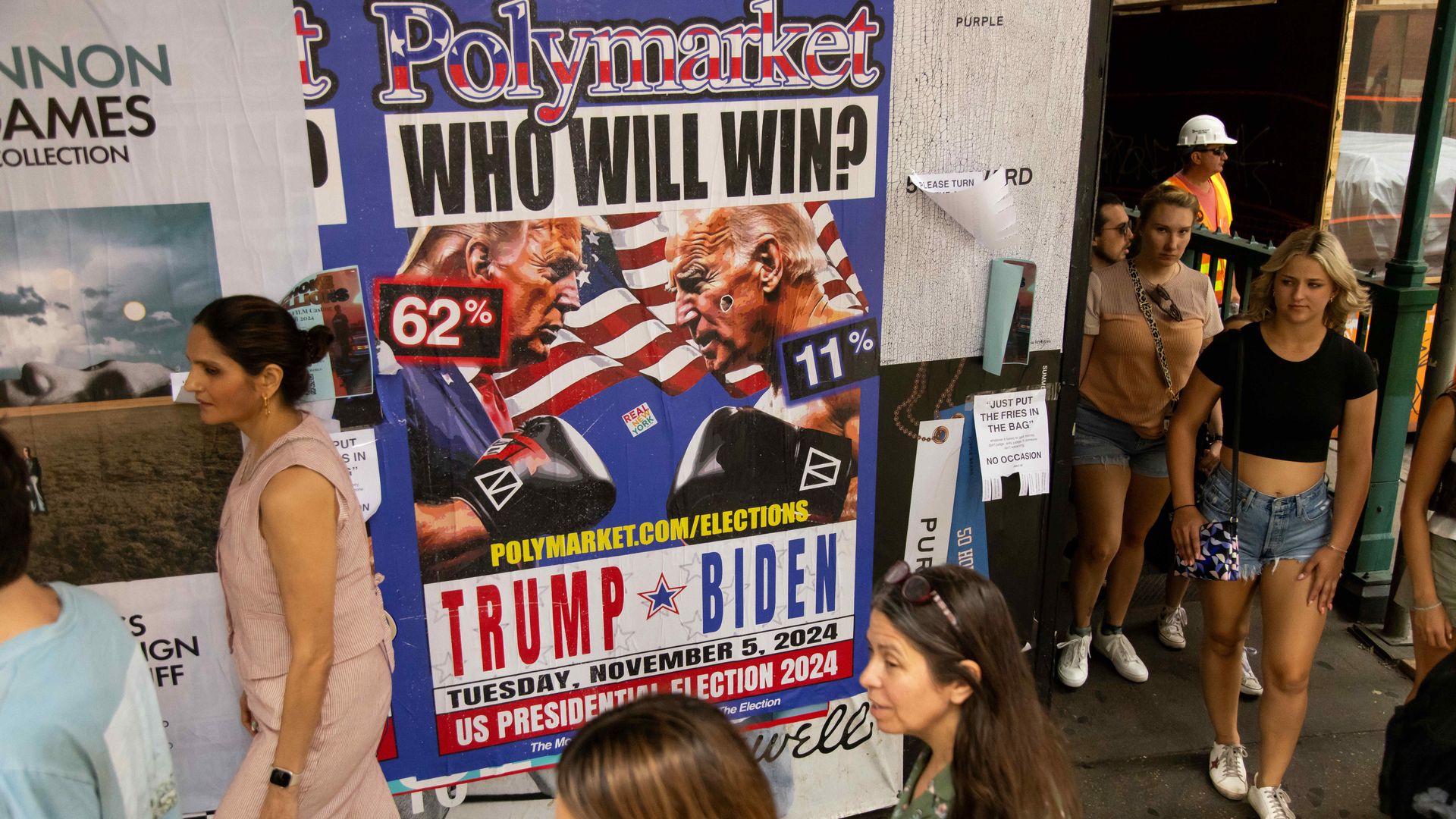
Polymarket is poised to legally returnto the U.S., announcing the acquisition of a federally licensed derivatives exchange today that could end the prediction market's nearly three-year ban imposed by U.S. regulators.
💸 Polymarket's popularity surged last year as a place for traders to bet on the U.S. presidential election, despite technically being blocked for American users since 2022 following a settlement agreement with the CFTC.
🕵️ Signs of a regulatory softening were already in the air, with Bloomberg reporting last week that the DOJ and CFTC had closed investigations into whether the crypto-based events market had sufficiently enforced the U.S. ban.
China claimed today that a Wells Fargo executivewho has been barred from leaving the country is "involved in a criminal case," WSJ reported, citing a Foreign Ministry spokesperson.
🛑 Chenyue Mao, a Shanghai-born managing director in Wells Fargo's credit solutions division, was recently prevented from leaving the country in a so-called "exit ban."
The big picture: In China, "most exit bans aren't imposed on people accused of crimes," WSJ reported. "Most bans have been slapped on those involved in civil litigations such as business disputes."
But in some cases, "the bans are implemented to facilitate criminal probes, intimidate dissidents or even create leverage in disputes with foreign companies and governments."
Grocery prices are up 3% over the last year,the latest Consumer Price Index report shows, representing a quiet rise broadly in line with expectations that could still pinch a lower-income family's budget.
Why it matters: With everyday essentials such as coffee rising 13.4% since last June, American families are feeling the pinch at the supermarket, as climate change and other factors decrease predictability in food costs.
Most of the time, the Federal Reserve makes a profit — creating money out of thin air is a pretty lucrative business — and hands its earnings over to the U.S. Treasury.
Not lately.
The big picture: The Fed has had a cumulative net loss of $192 billion over the last two years. It is primarily due to the reality that just as printing money is profitable, sucking money out of the economy to fight inflation can be expensive.
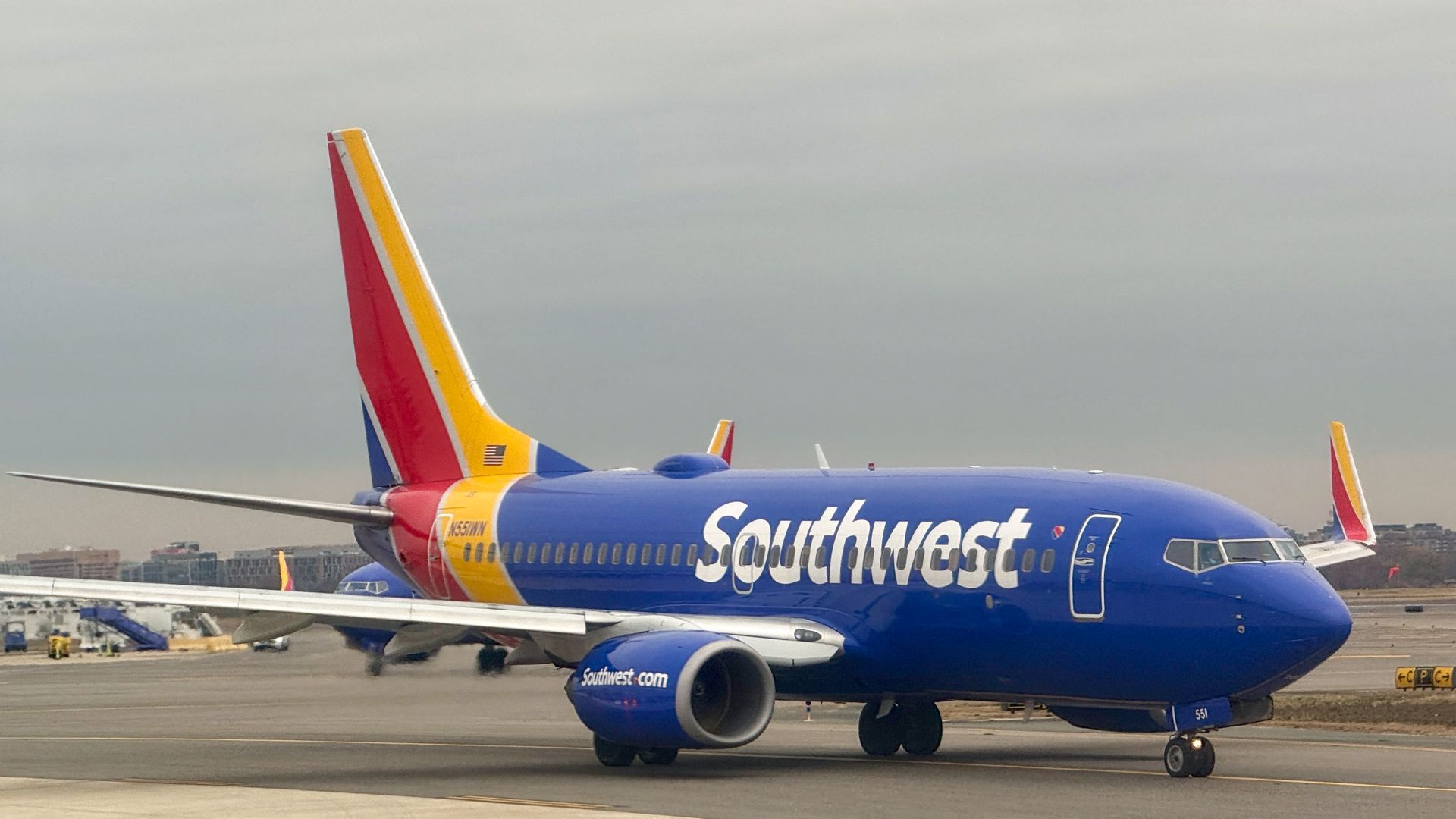
Southwest Airlines announced that passengers will have assigned seats starting Jan. 27.
Why it matters: The budget airline first announced last year that it would be assigning seats for the first time in its 54-year history without confirming a specific start date.
Polymarket is poised to legally return to the U.S. as prediction markets become an increasingly popular place for Americans to chase riches based on future outcomes.
Why it matters: Polymarket has technically been blocked for Americans, but an unknown number of users have found ways to use the platform.
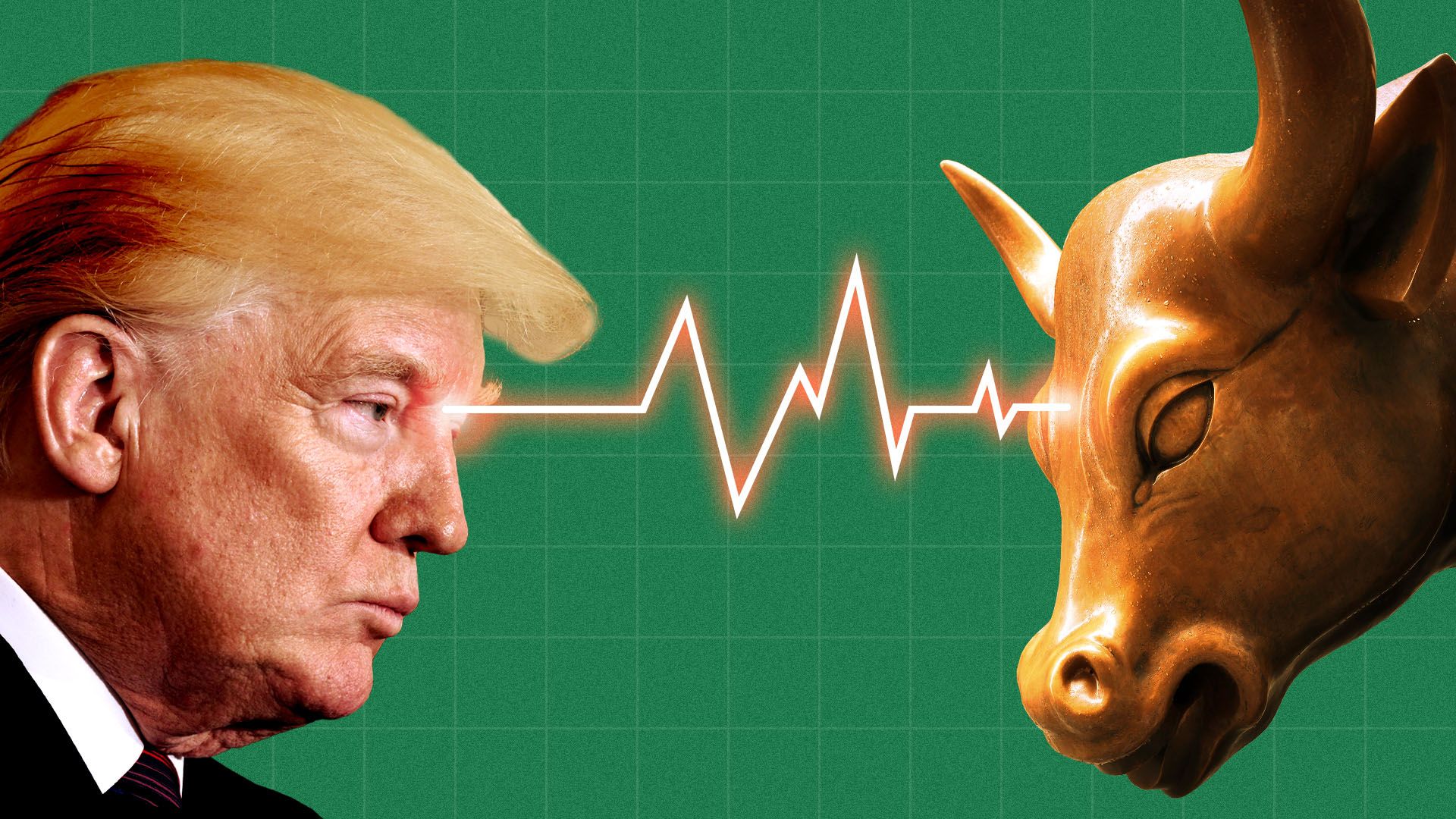
The stock market rallied during President Trump's first six months in office this year, despite a volatility spike in April, but a new poll shows Main Street doesn't feel the same optimism.
Why it matters: While investors are pricing in a post-tariff rebound, the general public are still concerned about economic issues like inflation, a reminder that the stock market is not the economy.
Second-quarter earnings season could be a "show me" moment for artificial intelligence, as companies outside of the large-cap technology sector tout their adoption of AI as a profit margin expansion tool for the first time.
Why it matters: The margin risk presented by tariffs may have acceleratedAI adoption last quarter, according to a midyear outlook from ETF company Global X, which could lead to greater margin expansion this earnings season.
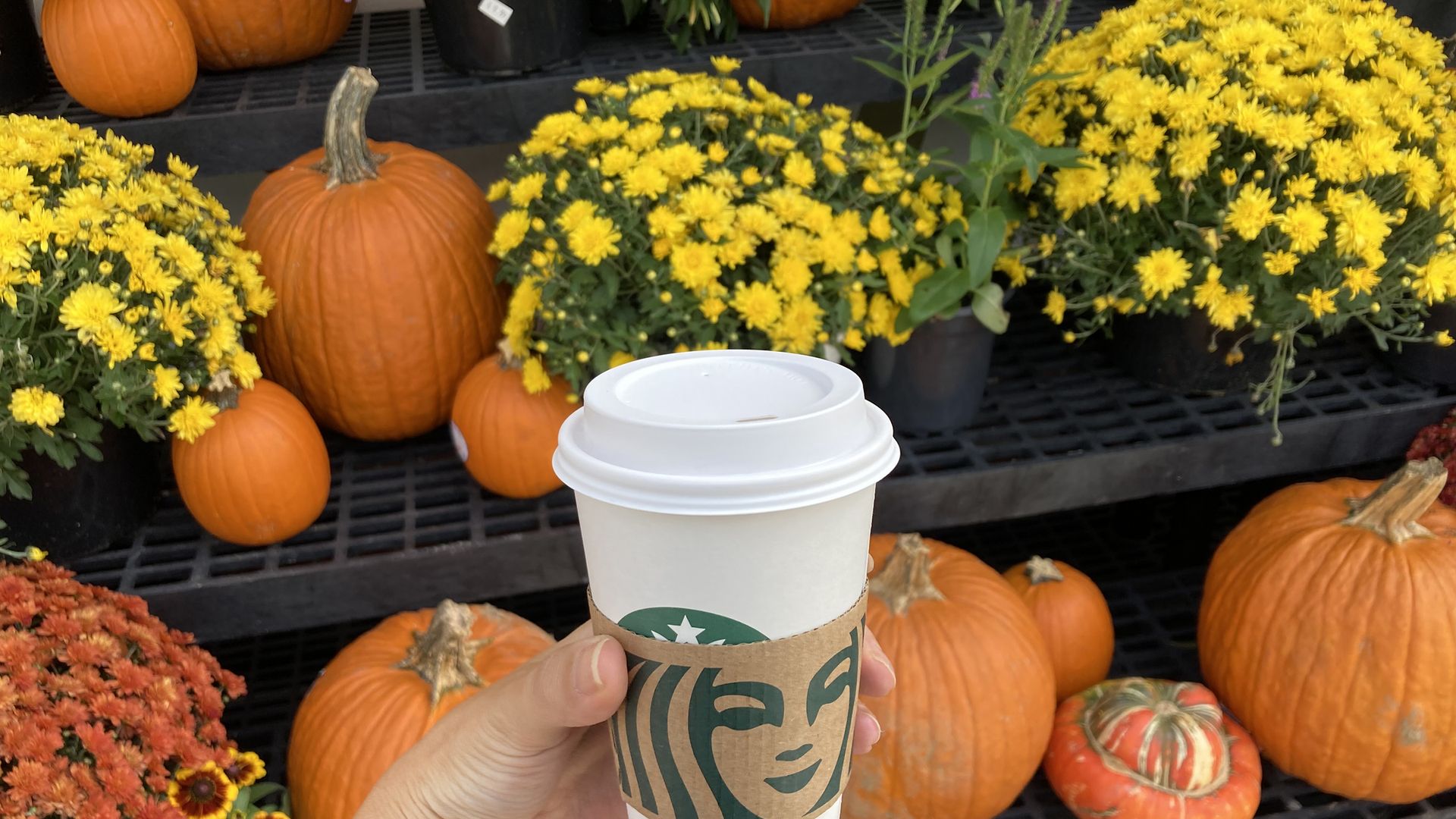
The unofficial start of fall has a date: Tuesday, August 26, when Starbucks will bring back the Pumpkin Spice Latte.
Why it matters: The Seattle-based coffee giant announced its fall menu Monday — more than a month ahead of the PSL's in-store return — marking its earliest pumpkin reveal.
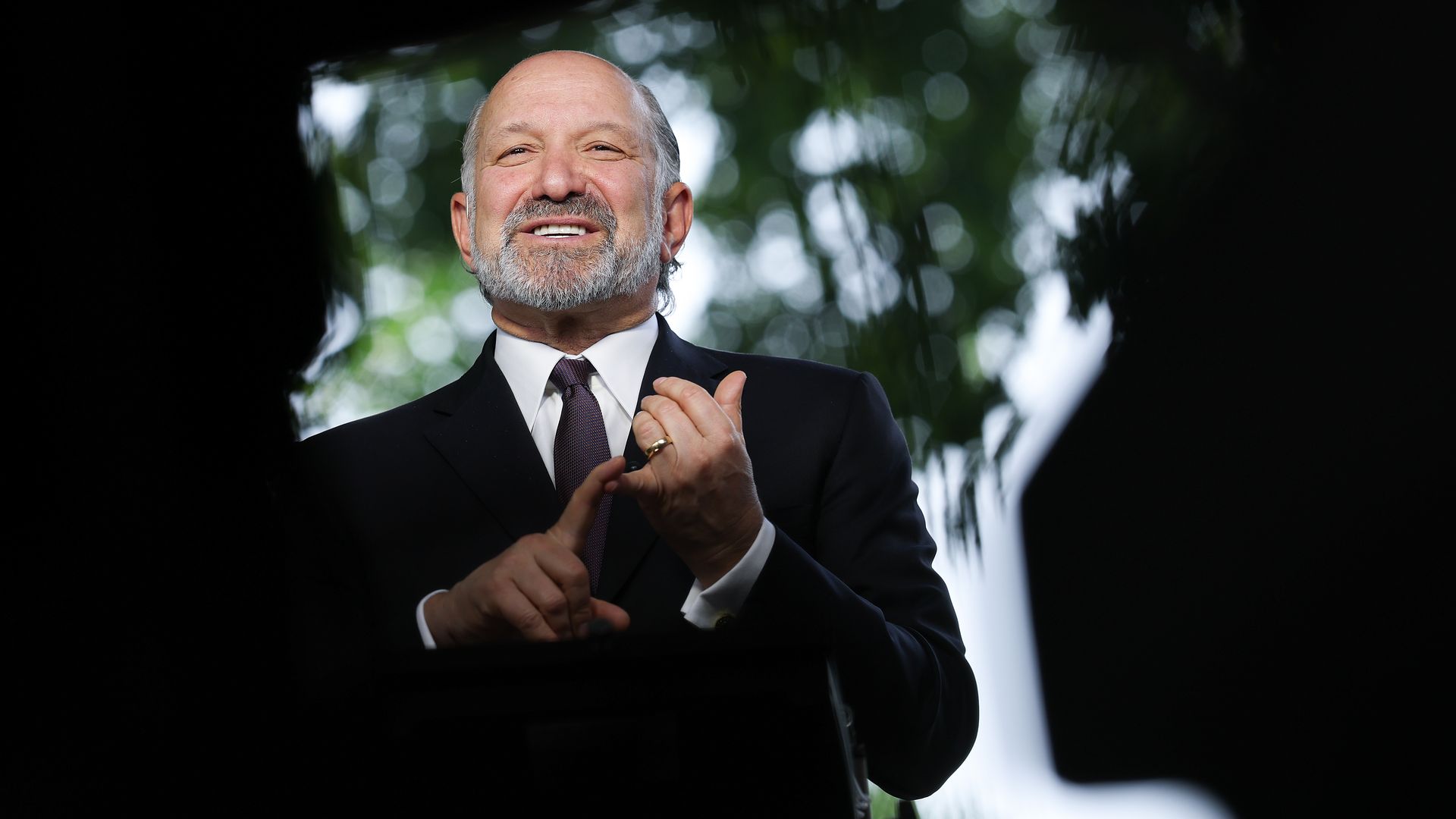
The U.S. still intends to put a baseline tariff of 10% on many smaller countries, despite recent suggestions it could go higher, Commerce Secretary Howard Lutnick said Sunday.
Why it matters: It's a small sign of relief for the market, which has watched nervously as President Trump repeatedly suggested in recent days that baseline rates could go to 15% or even 20%.