Attorney General Pam Bondi dodged questions on the Jeffrey Epstein files and on any clashes with FBI deputy director Dan Bongino during a Tuesday news conference.
Why it matters: The MAGA faithful have been unhappy with Bondi's handling of the case since a Justice Department and FBI memo concluded there's no evidence that convicted sex offender and disgraced financier Epstein kept a "client list" or that he was murdered.
According to data from Renaissance Capital, there have been just four biotech IPOs this year that have raised over $50 million — down from 10 in the same period last year. Venture bets are slowing too.
Companies are buying massive amounts of bitcoin, and a four-year-old data site is betting that investors will want high-quality information about those businesses.
Why it matters: It's hard for an investor who has conviction about this trend to decide which crypto-infused stock to invest in, but a site like this can be at the forefront of working out the key metrics.
The big picture: Companies following the lead of Michael Saylor's Strategy, Inc. (formerly Microstrategy), have been buying the world's oldest cryptocurrency as a way to get passive upside on their cash and to hedge against macro uncertainty.
What lower housing inflation giveth in terms of diminished price pressures, higher tariffs taketh away. That's the takeaway from the June Consumer Price Index report, out Tuesday.
The big picture: Overall inflation looked well-contained in June — but the details inside the new CPI data show a 180-degree reversal from recent years in where inflation is coming from.
Lee Enterprises, one of the last remaining independent local newspaper companies, has added a $4.99 per month "temporary" surcharge to its newspaper subscriptions, citing inflation and global tariffs, Axios has learned.
Why it matters: The vast majority of newsprint material comes from Canada, which President Trump has hit with a 25% tariff and threatened to raise that to 35% starting Aug. 1.
But newspapers were exempted from the policy in April, leaving subscribers confused about what's really to blame for the price hikes.
If Fortune 100 companies want to fix their cybersecurity hiring woes, they may need to start by rethinking their own job postings, according to a new report from cybersecurity firm Expel.
Why it matters: Many cybersecurity job listings still rely on outdated titles and fail to offer the flexibility or benefits that top talent expects — making it harder for major companies to attract and retain skilled workers.
Consumer prices rose at a quicker rate in June, breaking a monthslong streak of cooling inflation, the Labor Department said on Tuesday.
Why it matters: The data will likely concern economic policymakers, who fear that President Trump's tariffs will raise prices and reignite rising prices across America.
The second-quarter earnings season kicks off Tuesday with some of the major banks set to report. While tariffs are likely to come up through this cycle, it's not the main focus for investors.
Why it matters: Wall Street has moved on from the trade war. The question is whether consumer spending effects that show up this earnings cycle will force investors to reckon with the real-world impact of the levies.
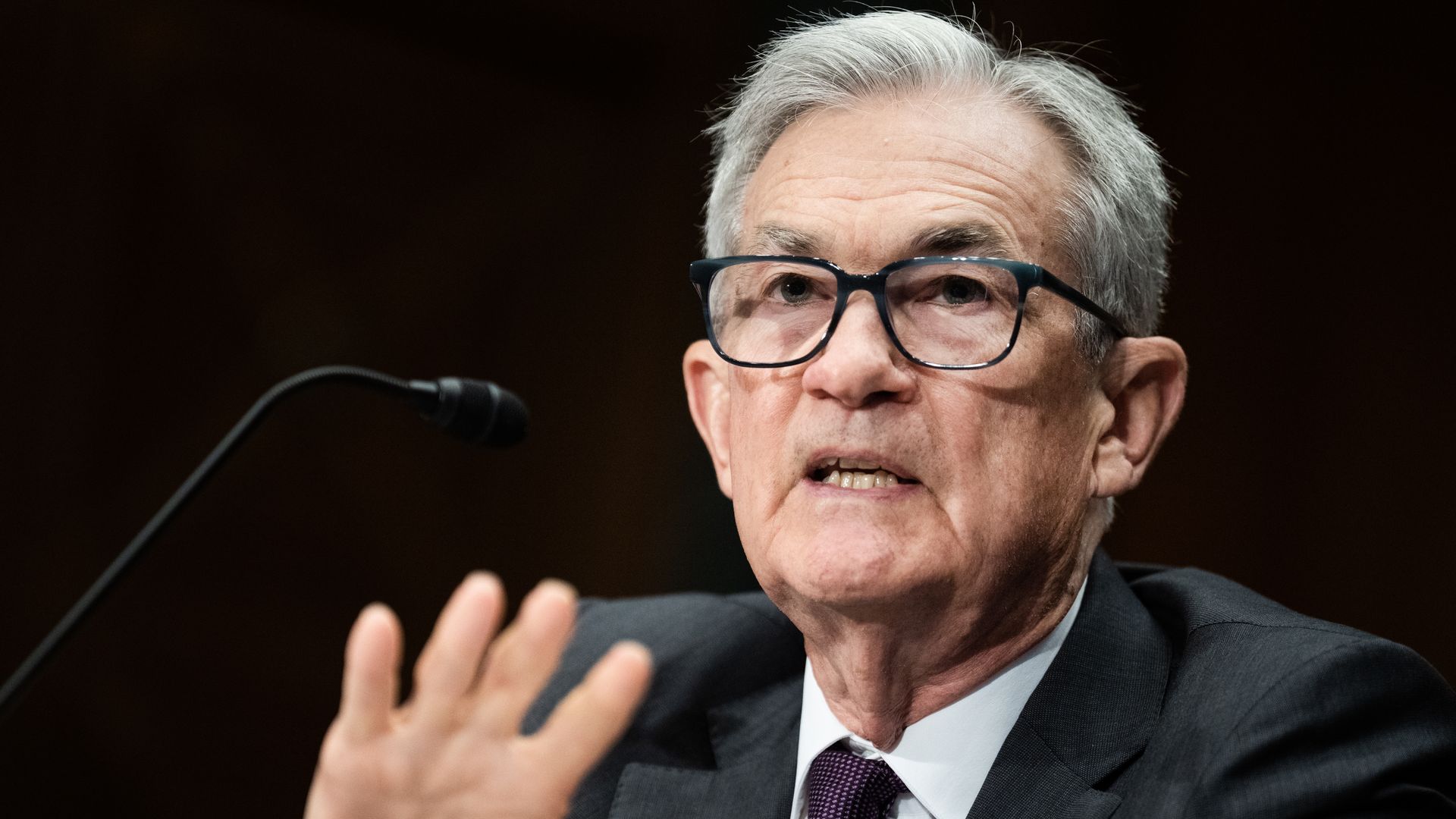
President Trump's war on Federal Reserve chair Jerome Powell is taking on a more aggressive form, bringing Trump a step closer to trying to oust the head of the Fed.
Why it matters: Trump wants Powell to cut interest rates, but he can't actually do so unilaterally – a committee of 12 decide together.
Shares in Nvidia rallied sharply Tuesday morning, helping boost the entire market, after the company said the U.S. government will again allow it to ship powerful AI chips to China.
Why it matters: The export ban cost the company more than $10 billion in revenue, CEO Jensen Huang has said previously, so the reversal will come as a huge boon to its bottom line.
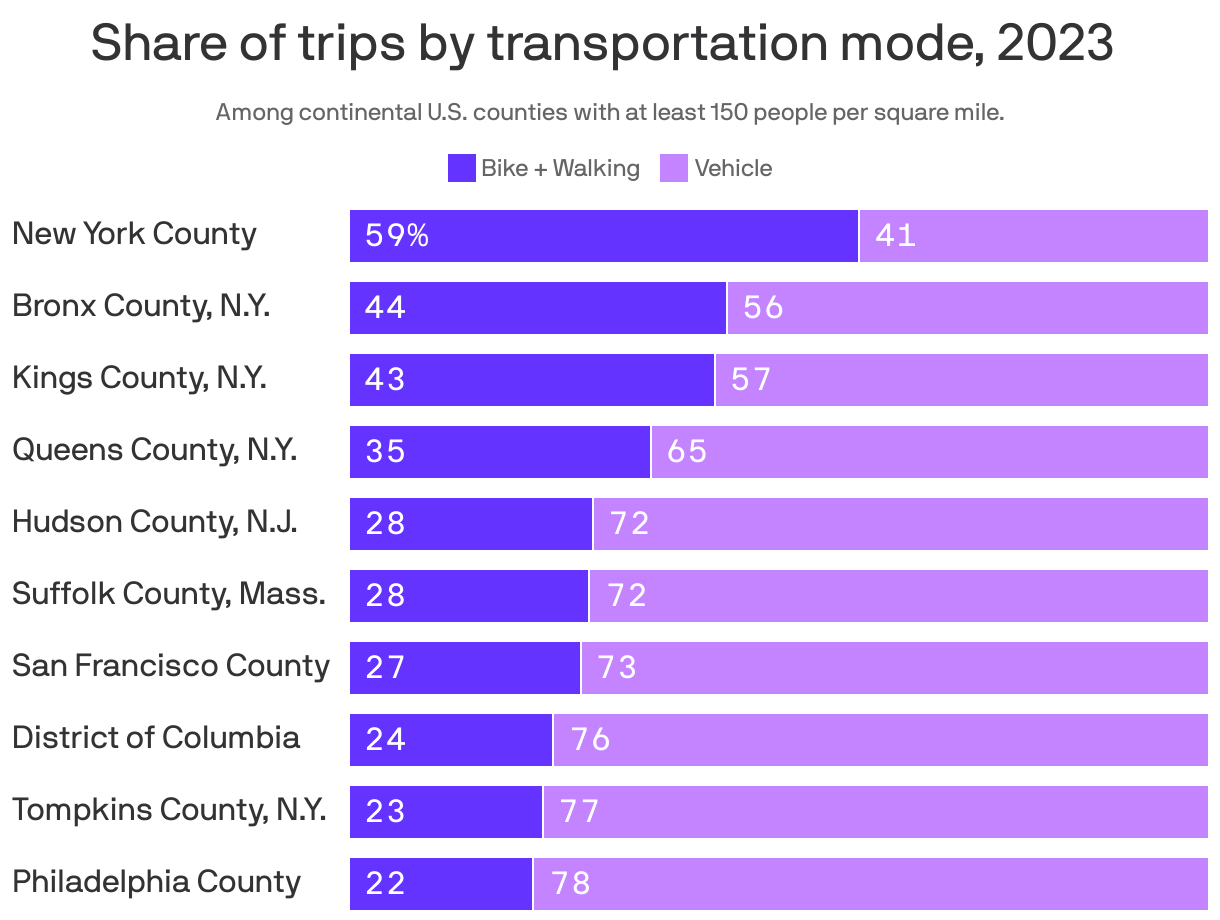
The New York, Boston and San Francisco areas have relatively high shares of trips taken on foot or bicycle rather than in a vehicle, a new report finds.
Why it matters: Walking and biking can be healthier alternatives to driving, while places designed for people rather than cars can have less air pollution, better neighborhood connectivity and other benefits.
America’s next wave of workers is stuck in a misaligned job market: The career guidance they’re getting from their parents, teachers and counselors isn’t in sync with their economic reality, according to a new report from the Schultz Family Foundation and HarrisX.
Why it matters: The disconnect is driving youth unemployment — and leaving many young people uneasy about their place in the workforce.
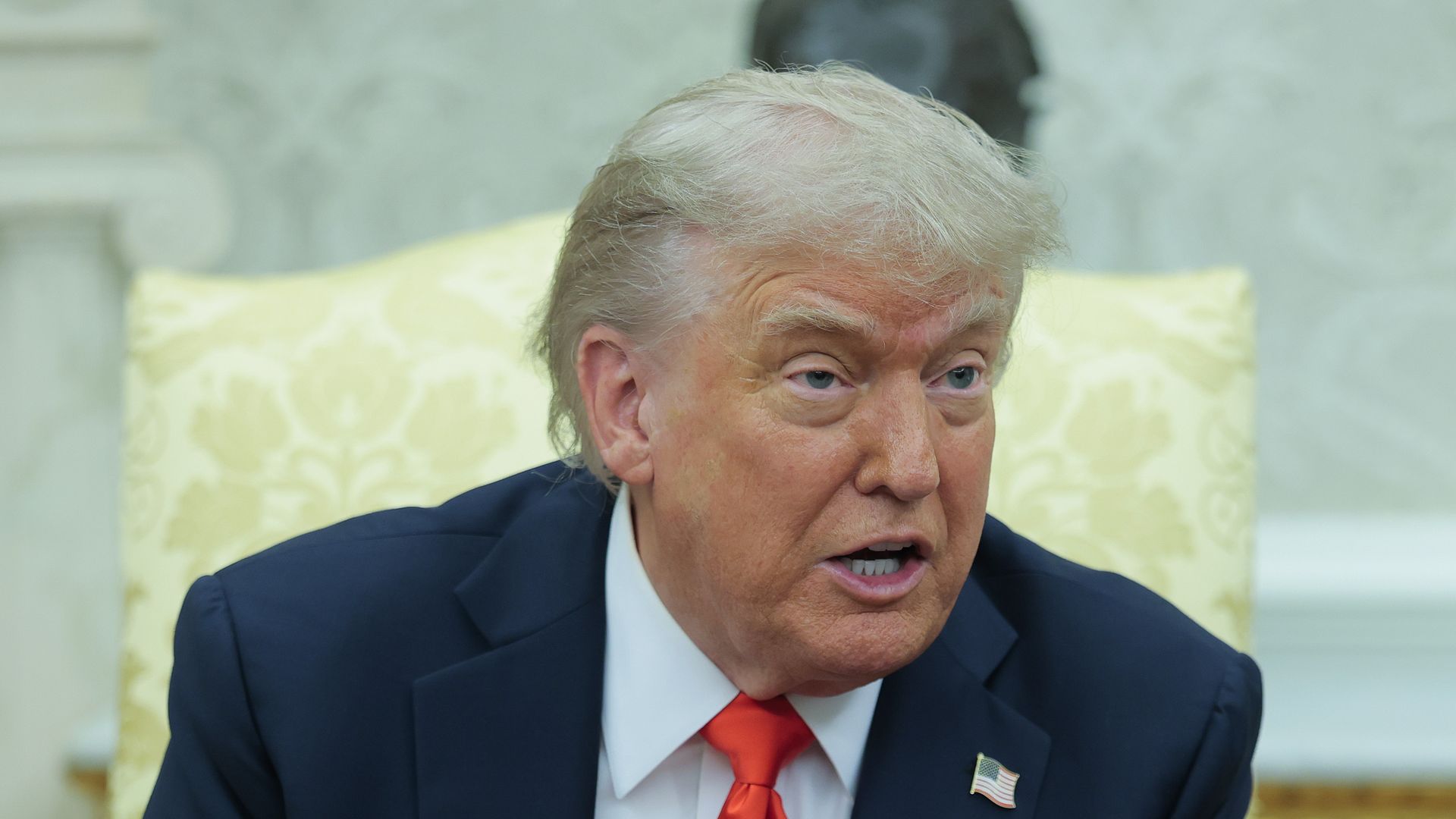
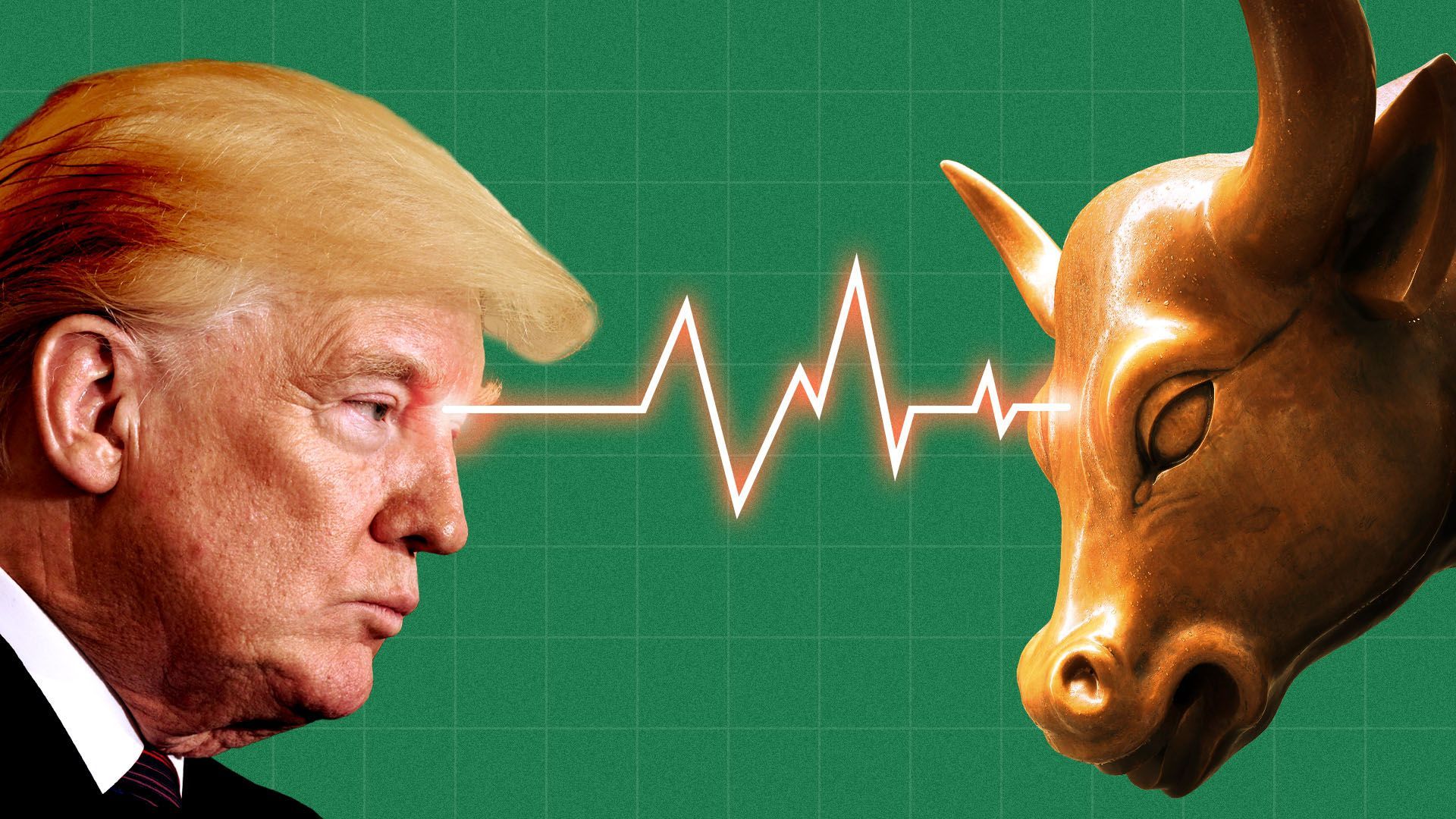
President Trump seems to think financial markets are perfectly happy with his tariffs and open to his more aggressive approach, because stocks keep hitting all-time highs.
Meanwhile, financial markets think there's absolutely no chance Trump will go ahead with the tariffs he's threatened, and therefore ... keep bidding assets up to all-time highs.
Why it matters: The two beliefs can't co-exist for much longer, and the disconnect can't end well, either.
House Republicans on Monday night voted against attaching a Democratic amendment to landmark cryptocurrency legislation that would force the Justice Department to release the Jeffrey Epstein files.
Why it matters: It's the outcome Democrats anticipated, and one they plan to gleefully cite as President Trump continues to grapple with the MAGA fallout over the DOJ's handling of the documents.

![Attorney General Pam Bondi speaks during a news conference at the DEA headquarters on July 15, 2025 in Arlington, Virginia. ]](https://images.axios.com/O1lrs1J5fMOmj5AQUK_pDy5iTsw=/0x143:5495x3234/1920x1080/2025/07/15/1752617288426.jpg?w=3840)