Thursday's economy stories

Trump taps "alpha male" MAGA influencer as ambassador
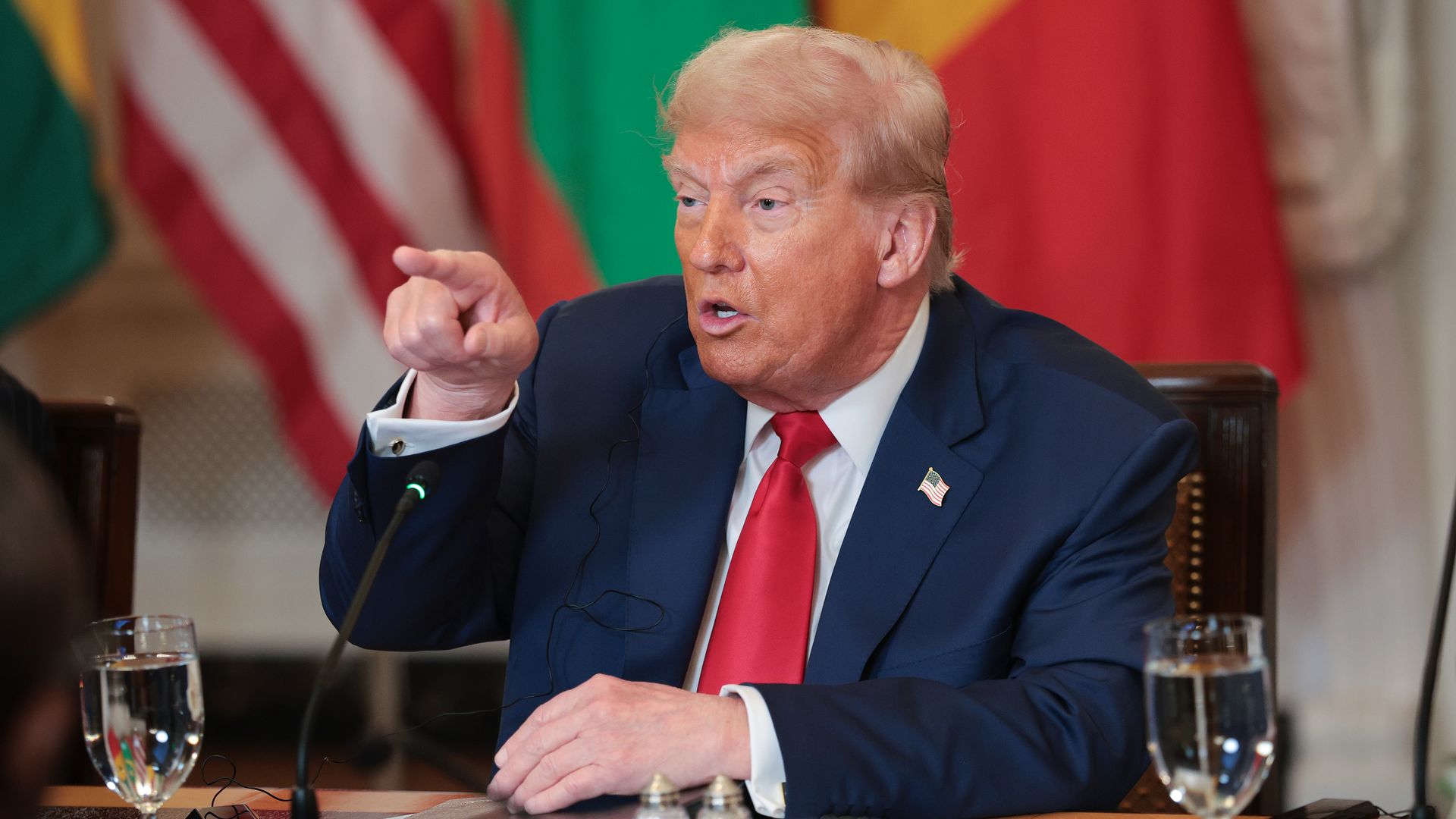
President Trump nominated Nick Adams, a self-styled "alpha male" MAGA influencer, to be the next ambassador to Malaysia.
Why it matters: Adams is a popular commentator in the MAGAsphere but is not exactly a household name the way other influencers are. The nomination shows how much attention Trump pays to his online base and works to keep it in the fold.

New spots to eat and drink in Denver
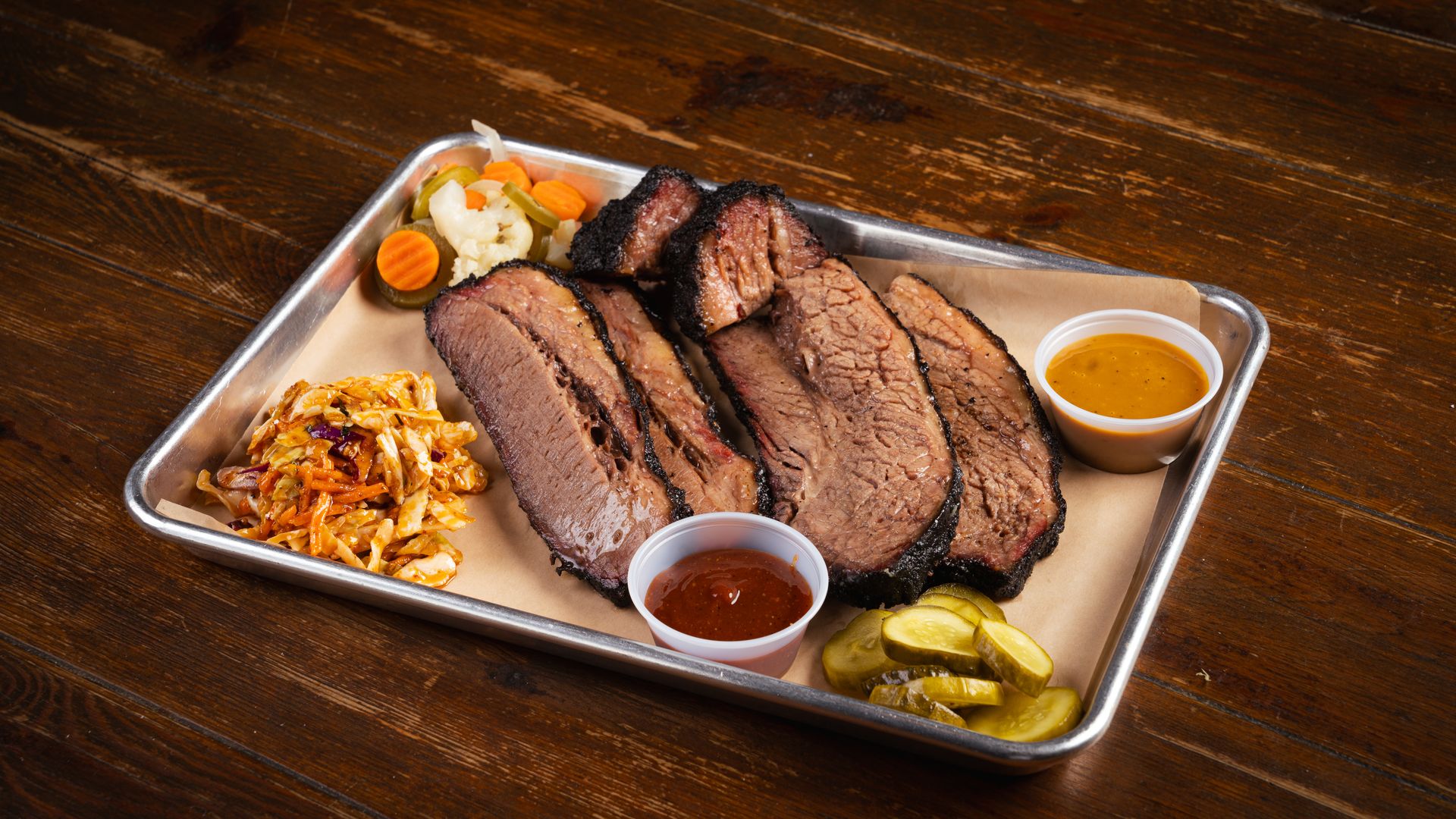
Texas-style barbecue. Middle Eastern fare. Scandinavian coffee.
The big picture: Denver's food and drink scene continues to evolve with new openings across the city and flavors from around the world.

A rare (earths) deal
MP Materials has a major new shareholder — the U.S. government.
⛏️ The big picture: It's all about the rare earths. MP is America's largest miner of the critically important material, needed in everything from automobiles to electronics to the defense industry. And the U.S. is almost entirely dependent on imports.
- 🇨🇳 China has leveraged its own rare-earth supply as a crucial bargaining chip in this year's trade war.
💰 Zoom in: The U.S. Department of Defense today agreed to buy $400 million of preferred shares in MP, convertible into common stock, with warrants permitting the government to buy more.
Volkswagen buzzkill
The Volkswagen ID.Buzz was one of the most hyped vehicles of the last decade — and now it's looking like one of the biggest disappointments.
State of play: The ID.Buzz — an electric reboot of the famed VW microbus — has turned into a "flop," WSJ reports.
- It arrived years late, costs more than expected, has faced quality issues and sports "anemic" battery range.
Zoom in: "The ID.Buzz debacle highlights institutional problems, such as internal divisions and sluggish, Europe-centric product development, that have dogged Volkswagen for years," WSJ reports.
- Sales in 2024 totaled less than 1/4th of what VW initially expected.
💭 Nathan's thought bubble: Americans may view the microbus with nostalgia, but $60,000 for less than 250 miles of range isn't very enticing, even to the #vanlife crowd.

Trump threatens more coffee pain with massive Brazil tariff


President Trump's threat to put a 50% tariff on Brazil, the world's largest coffee producer, risks making your morning cup — already way more expensive than a year ago — even pricier.
Why it matters: Retail coffee costs have been surging for months on the back of record wholesale prices, but there'd recently been at least a little hope of relief.

Waymo debuts in Philly, but you can't hail a self-driving robotaxi yet
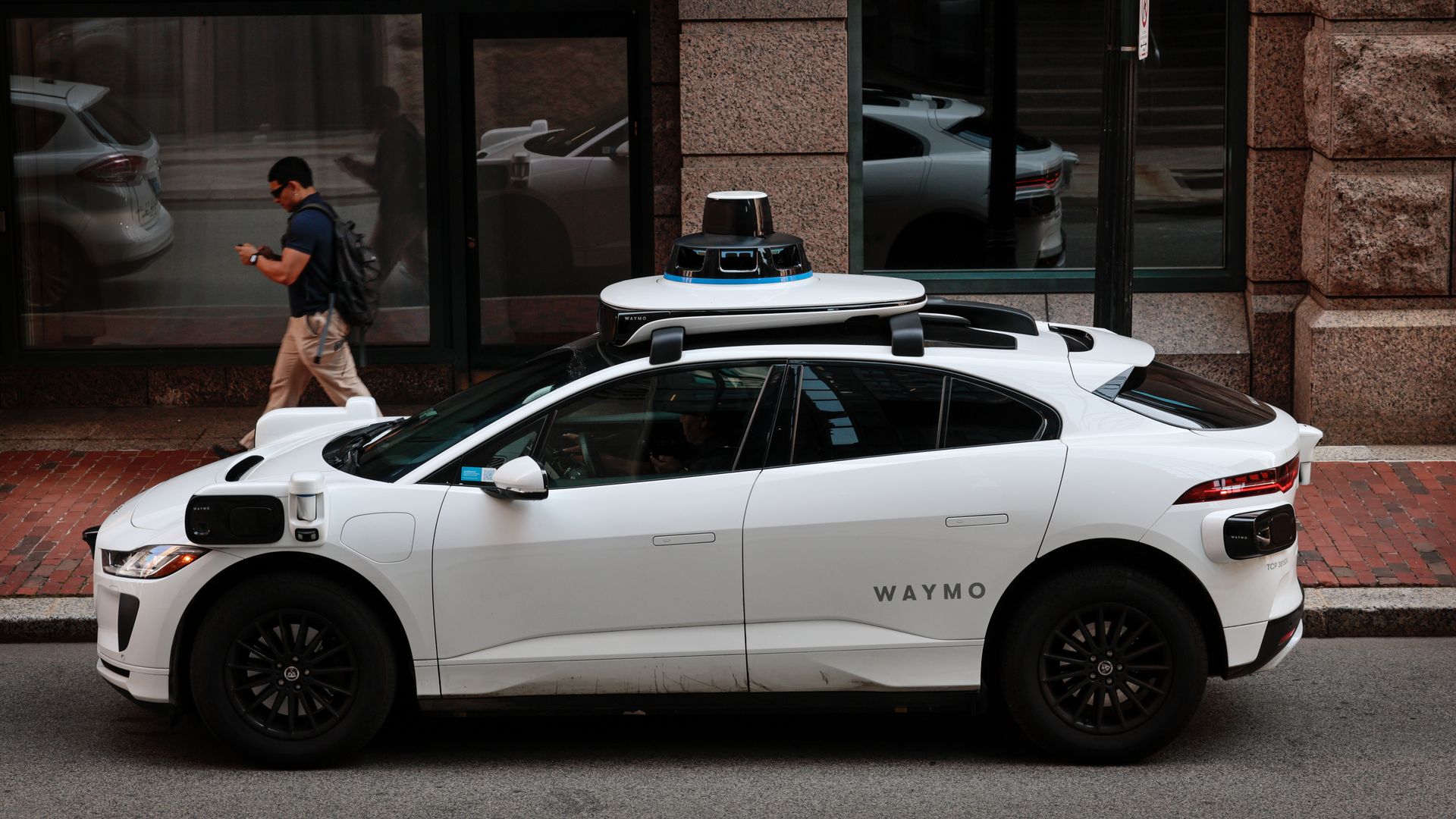
Waymo vehicles are cruising on Philadelphia streets this summer, potentially setting the stage for a fully autonomous rideshare service here.
Why it matters: Self-driving taxis have already been rolled out in several cities — Atlanta, Los Angeles, San Francisco — and Waymo is expanding.

Bitcoin clocks new all-time high above $113,800
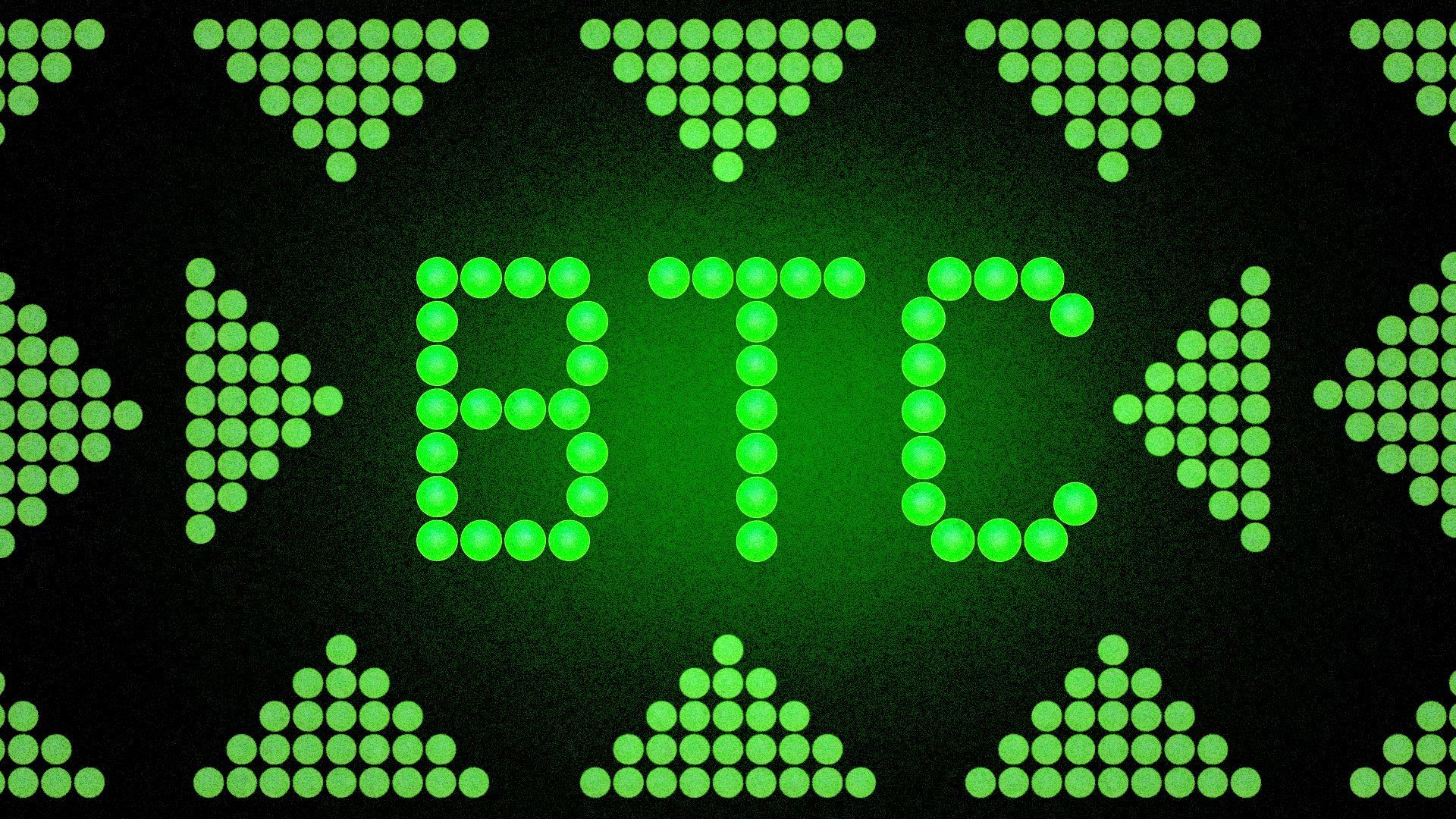
Two months after its last one, bitcoin has once again hit all-time high, crossing $112,000 around 12:30 ET today before reaching $113,804.
Between the lines: There aren't many bitcoins available for regular people to buy right now, and the shrinking liquid supply is putting a floor on price.
Senators discuss broad principles for crypto regulation
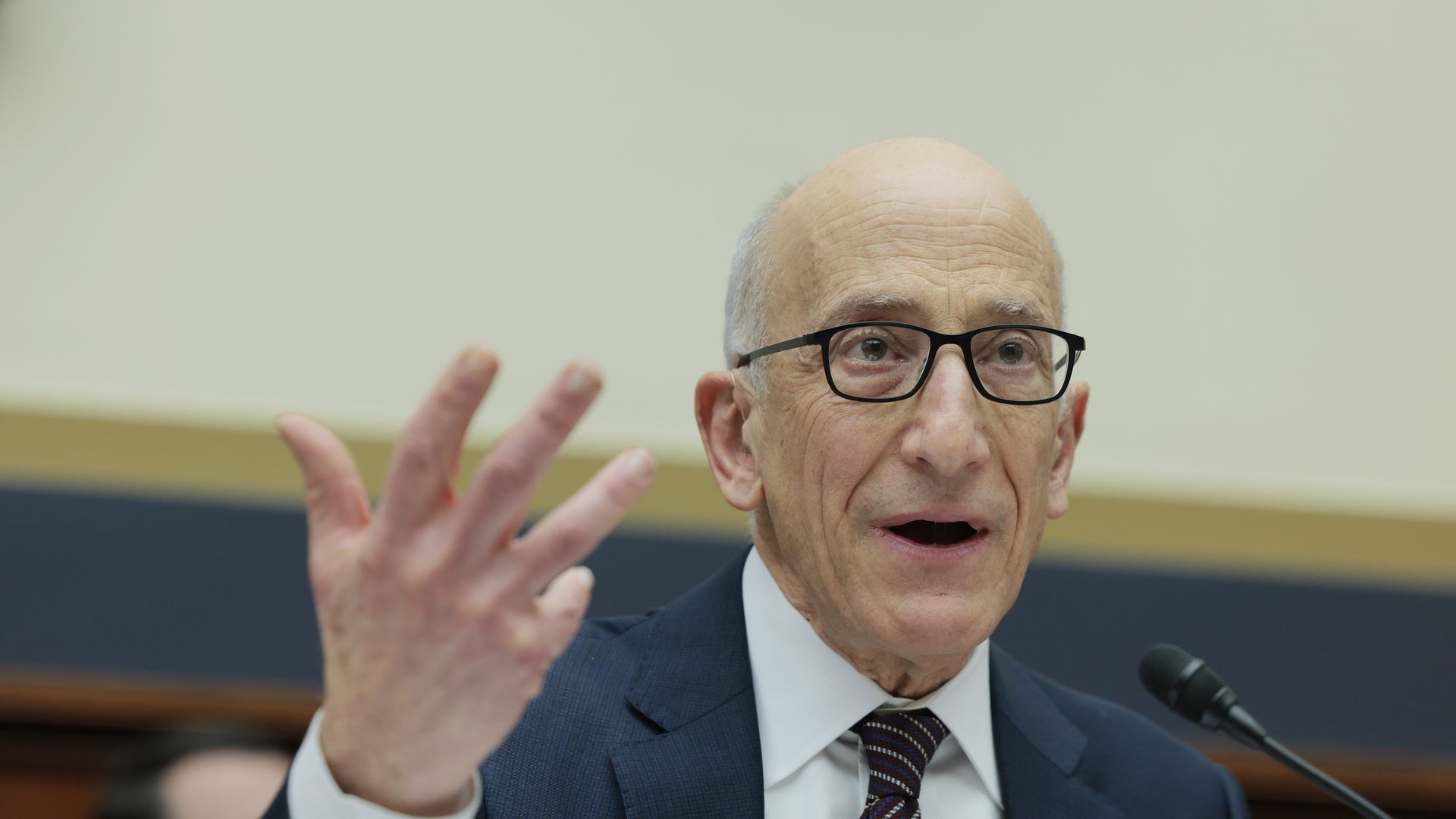
The big question at Wednesday's Senate Banking Hearing on regulating digital assets was whether Congress can trust financial regulators to fill in the details from new laws for the crypto industry.
Why it matters: Americans will have to live for years with any law this Congress passes, if Republicans get something done.

Gamblers full of "rage" over Trump's "big, beautiful bill" tax changes

President Trump's "big, beautiful bill" legislation hasn't hit the jackpot with gamblers and the wider gaming industry.
The big picture: Gamblers are angry over a provision that could see bettors lose money even when they come out ahead during tax time — something that lawmakers are already making moves to repeal.
MAGA on "amnesty watch" as Trump weighs migrant worker protections
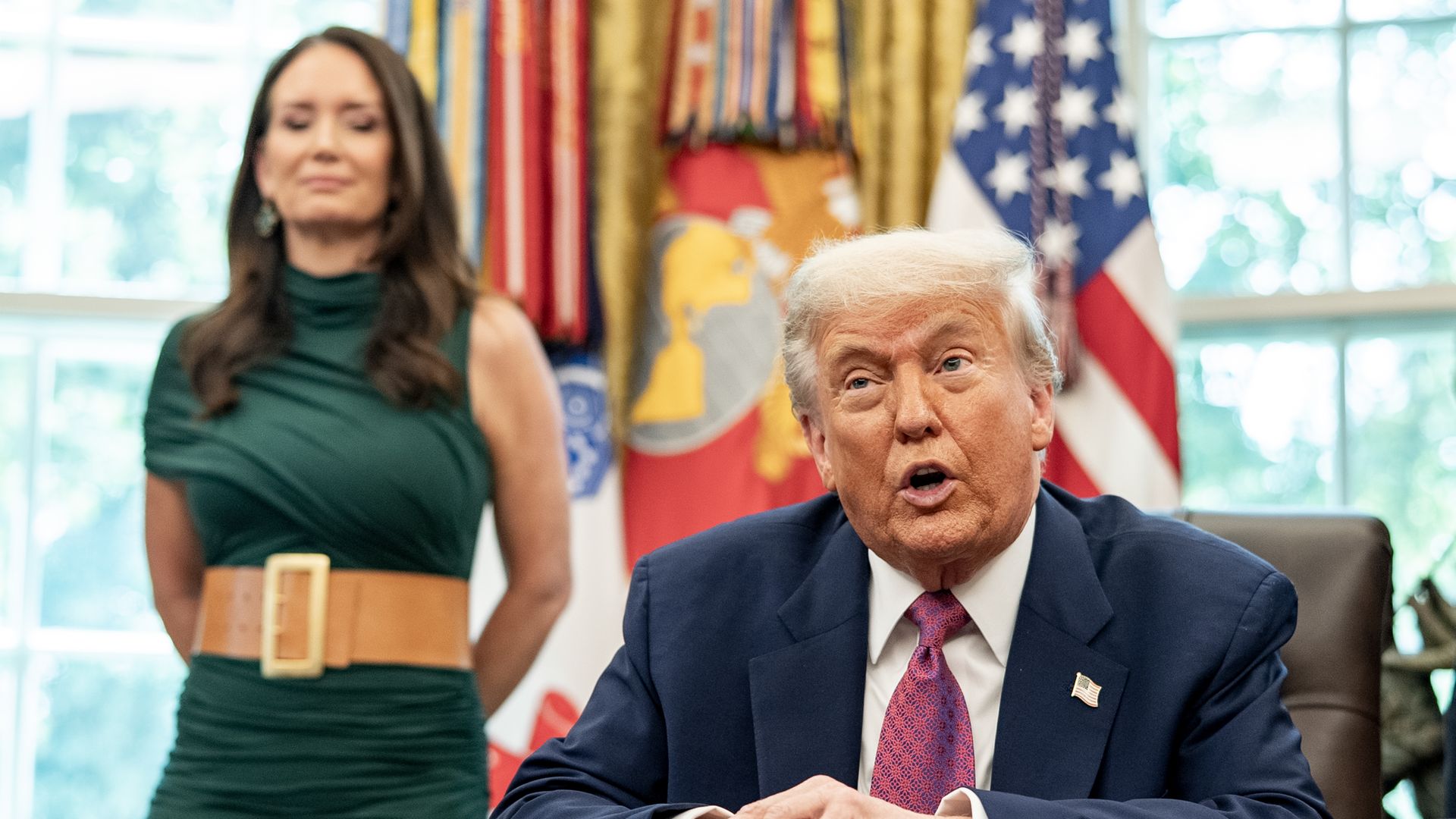
President Trump's base is on high alert over his mixed messages on protections for some undocumented workers, warning that any form of "amnesty" would violate a red line.
Why it matters: MAGA sees Trump's promise of mass deportations as non-negotiable. Any attempt to water down the administration's immigration crackdown risks alienating his most loyal and fervent supporters.
New all-time high
Bitcoin just hit an all-time high — but whether that was 25 minutes ago, or yesterday, depends on who you ask.
- 🤷♂️ There really isn't one "bitcoin price" in the world, and usually that doesn't matter.
How it works: Different bitcoin prices tell you different things.
- Prices on an exchange just show what it's selling for there.
- Sites like CoinGecko take in prices from lots of places, weight them and give their users an average.
- Prices on different sites are different, but not that different.
Between the lines: So bitcoin did break $112,000 on some venues yesterday, but not all of them. Per CoinGecko, it hit it today, at $112,676.
Pump.fun token launch
The word is that Pump.fun, the meme coin minting giant, will sell a token starting this weekend.
Why it matters: Pump has been the big success story of the last couple years, offering a quick and easy way for anyone to take a stab at meme coin millions.
Zoom in: The Block reports that the sale will take place on exchanges beginning Saturday.
- "Our plan is to kill Facebook, TikTok and Twitch," the company tweeted.
The big picture: There's a battle underway to see who can be the No. 1 meme coin platform. Pump has lost a lot of ground, primarily to a platform called LetsBonk.
By the numbers: Pump has earned $700 million in fees, according to data collected by DefiLlama.

Delta grows optimistic as consumer travel rebounds

Consumers are showing renewed interest in travel, according to Delta Air Lines.
Why it matters: It's a positive sign for the broader economy — several airlines, including Delta, had warned in March that travel spending was flagging.

Why Trump's mega-rate cut dreams could backfire
President Trump and a growing chorus of Republicans want the Fed to deliver big-time interest rate cuts, now. They might want to be careful what they wish for.
The big picture: While there is a reasonable case for cutting interest rates soon, there are few signs in the data that interest rate policy is wildly out of step with the U.S. economy's fundamentals.
- Any new Fed chair Trump appoints will have a hard time convincing the 11 other members of the policy-setting Federal Open Market Committee that not only has the time come for rate cuts, but that there should be policy adjustments on a scale only seen in major crises in the past.
- Moreover, the kinds of steep rate cuts the president seeks — at a time the economy is broadly in balance — risk increasing long-term borrowing costs, particularly if they're seen as politically motivated.
State of play: When the monetary policy dials are set incorrectly, it tends to show up in the economic data.
- In early 2022, policy was way too loose, as evidenced by inflation soaring. In 2008, policy was too tight, reflected in the unemployment rate surging.
- Right now, nothing is so obviously out of whack. The unemployment rate is 4.1%, and inflation has been 2.3% over the last year, by the Fed's preferred measure.
Zoom out: Given that equipoise, there's a good case that the Fed should be shifting monetary policy toward a neutral stance in hopes of keeping the good times going.
- The median Fed official thinks that long-term neutral rate is 3% (their current rate target is around 4.4%), so getting to neutral would imply five or six quarter-point rate cuts.
- Chair Jerome Powell acknowledged last week that the Fed would be in rate-cutting mode already if officials weren't worried about tariffs causing an inflation surge.
Yes, but: The president and his allies are arguing for much steeper rate cuts than those — and with a rationale that risks unintended consequences by undermining the credibility of the Fed to keep inflation in check over the longer term.
- "Our Fed Rate is AT LEAST 3 Points too high. 'Too Late' is costing the U.S. 360 Billion Dollars a Point, PER YEAR, in refinancing costs," Trump wrote on Truth Social on Wednesday.
Reality check: That implies cutting the Fed's rate target to around 1.4%, well below Fed officials' best guess of the neutral rate and therefore a highly stimulative stance.
- That's the kind of policy stance the Fed takes when the labor market is in the dumps and in need of monetary stimulus, not when the economy is healthy.
- To achieve the kind of rate cut Trump is calling for, a newly appointed Fed chair would need to persuade their colleagues that either the job market is in much worse shape than it appears, or that their estimates of the neutral interest rate are off base and it is actually much lower than 3%, or both.
When a central banker makes the wrong move — setting policy interest rates out of step with economic reality — the bond market will usually let them know.
- That creates a great paradox for Powell and his successor. If they cut rates inappropriately, there's a good chance that longer-term interest rates would rise, contrary to the president's desires.
- The long bond keeps the score.
Zoom in: The Fed directly controls short-term interest rates, but longer-term interest rates — which determine mortgage rates, many corporate borrowing costs, and much of the federal government's debt service — are set on the global bond market.
- Investors trade based on their expectations for future growth and inflation. That means long-term rates are less a reflection of Fed policy at that moment and more about where the economy is heading.
Flashback: We have extremely recent experience with this. Last fall, the Fed cut its target interest rate three times for a combined 1 percentage point.
- But the 10-year Treasury yield increased by nearly a full percentage point during that same span, reflecting market expectations of both faster growth and higher inflation.
- The inverse happened in December 2018, when the Fed signaled more rate hikes were on the way and long-term interest rates fell. Powell would ultimately mark Fed policy to market with three rate cuts in 2019.
Between the lines: Those were relatively contained episodes that didn't do lasting economic damage. But when the credibility of a central bank comes into question — its ability to make decisions based on economics, not political considerations — the damage can be more severe.
- The U.S. government can currently borrow money for 10 years at 4.37%, about the same as the Fed's short-term interest rate target. Investors are willing to buy bonds at that rate in part because they believe the Fed will set policy based on economic conditions, not on what is most convenient for the fiscal authorities.
Of note: Richard Nixon successfully pressured Fed chief Arthur Burns to keep monetary policy loose in the run-up to the 1972 election. But that contributed to a surge in inflation soon after — to over 12% in 1974.
- The federal government's borrowing costs soared, too, with 10-year yields rising from around 6% in 1972 to over 8% in 1974.
- The inflationary surge helped propel Jimmy Carter to the White House in 1976.
The bottom line: "The Fed is under increased pressure from the Trump administration to cut rates, but that effort could backfire on the administration if it fosters higher longer-term interest rates as market participants weigh the possibility that the Fed might pursue an excessively loose monetary policy," wrote Tim Duy, chief U.S. economist at SGH Macro Advisors, in a note.

Kellogg to be acquired by Nutella maker for $3.1 billion

Breakfast cereal maker WK Kellogg on Thursday said that it has agreed to be acquired for $3.1 billion by Ferrero International, the Italian maker of Nutella.
The big picture: Kellogg has struggled recently due to healthier-eating trends and inflation, particularly since its 2023 split with a snacking unit that got renamed Kellanova.

Stocks and bonds split on the economy
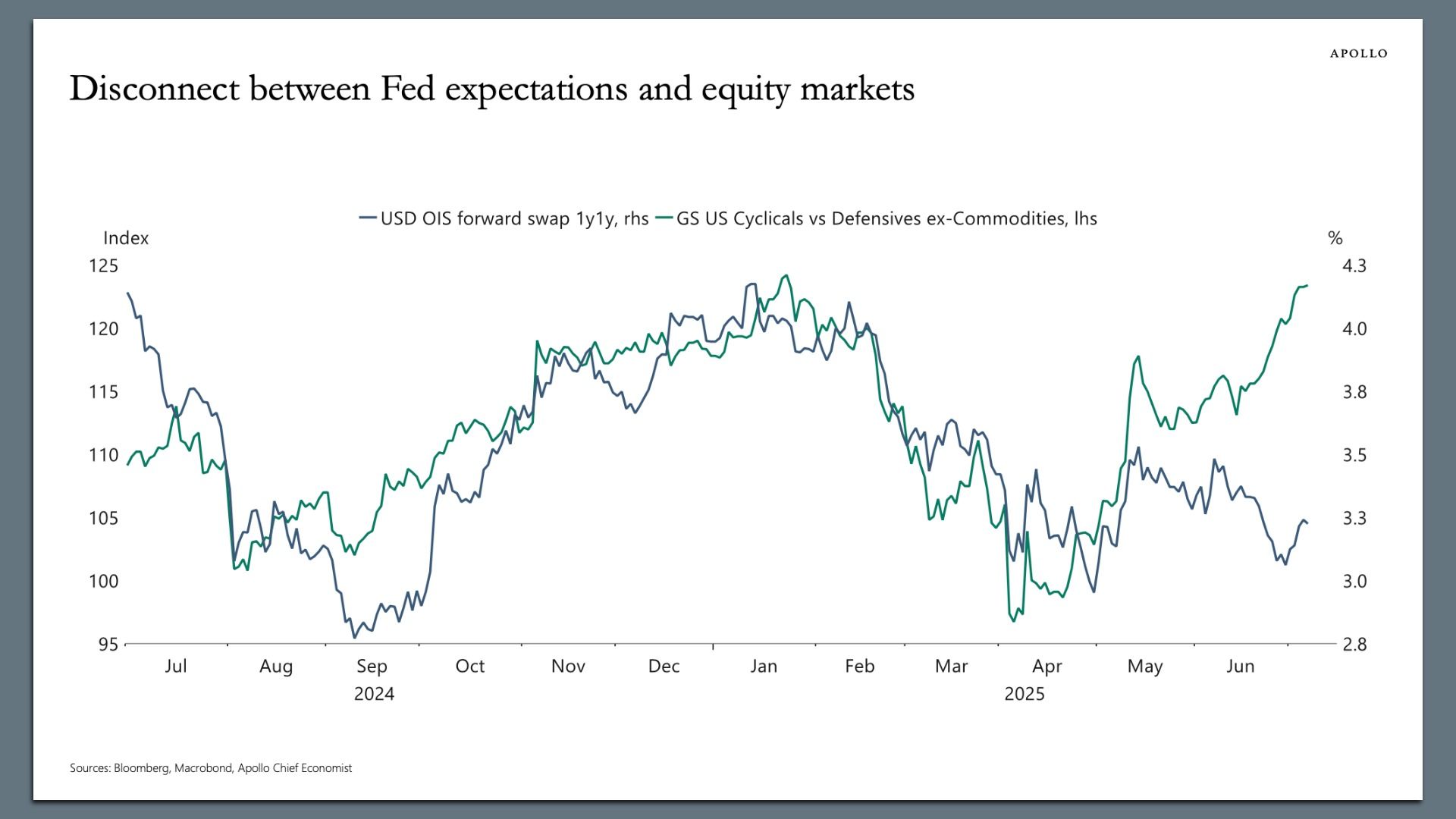
Bond investors think growth is slowing, so they're pricing in imminent interest rate cuts from the Federal Reserve.
- But stock market leadership in cyclicals is indicating the opposite, that growth is accelerating, according to a chart from Torsten Slok, chief economist at Apollo.
Why it matters: As stocks and bonds disagree on economic outcomes, only one market can be right, and the winner could have implications for market leadership ahead.
AI race powers the stock market forward


It's not all TACOs driving the market higher. Investors can thank Big Tech, once again, for powering the market forward.
Why it matters: When you buy the S&P 500, you invest more than 45% in tech and communication services, given the market cap weighting.

New movies and shows this week on Peacock, Netflix, Apple TV+

Here's what's new on Peacock, Netflix, Hulu, Apple TV+, Paramount+, Disney+, BET+ and Prime Video and PBS.
What we're watching: A new reality show following the stars of "Love Island USA" Season 6, a competition to form the best band, and a new season of "Quarterback."

More employers offer immigrant doctors visa support

A small but growing number of employers are offering immigrants support in obtaining visas and green cards — especially those looking for physicians and surgeons, according to new data from jobs site Indeed.
Why it matters: Immigration plays a key role in filling jobs within industries facing labor shortages — with health care at the top of the list.
The latest tariffs could make your shoes a lot more expensive
If there's one theme from the first wave of President Trump's tariff warning letters, it's this: You may pay a lot more for your next few pairs of shoes.
The big picture: Almost every shoe sold in the U.S. is imported, and the vast majority of those imports come from places like China, Vietnam, Indonesia, Cambodia and Bangladesh.

Trump goes after Brazil with sweeping tariff threats over Bolsonaro, tech
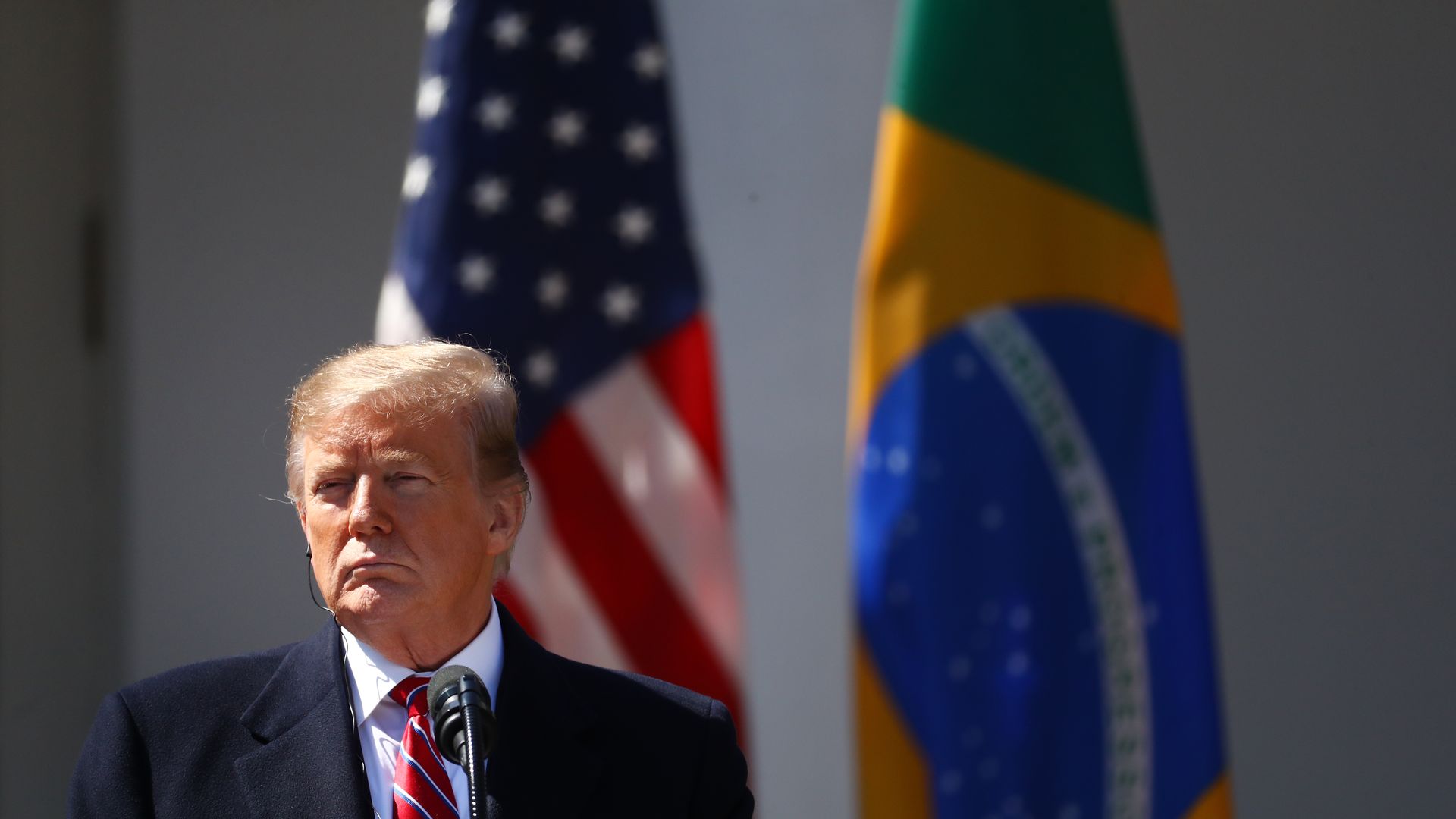
President Trump on Wednesday launched a multi-front trade assault on Brazil, threatening it with massive new tariffs and demanding the end of criminal charges against his ally former President Jair Bolsonaro.
Why it matters: Trump's tariff letter to Brazil is far more aggressive, with a much higher levy, than any other trade missive he's sent this week — and it prompted Brazilian President Luiz Inácio Lula da Silva to push back on what he called "interference" in the nation's affairs.

Trump announces 50% tariff on copper from Aug. 1
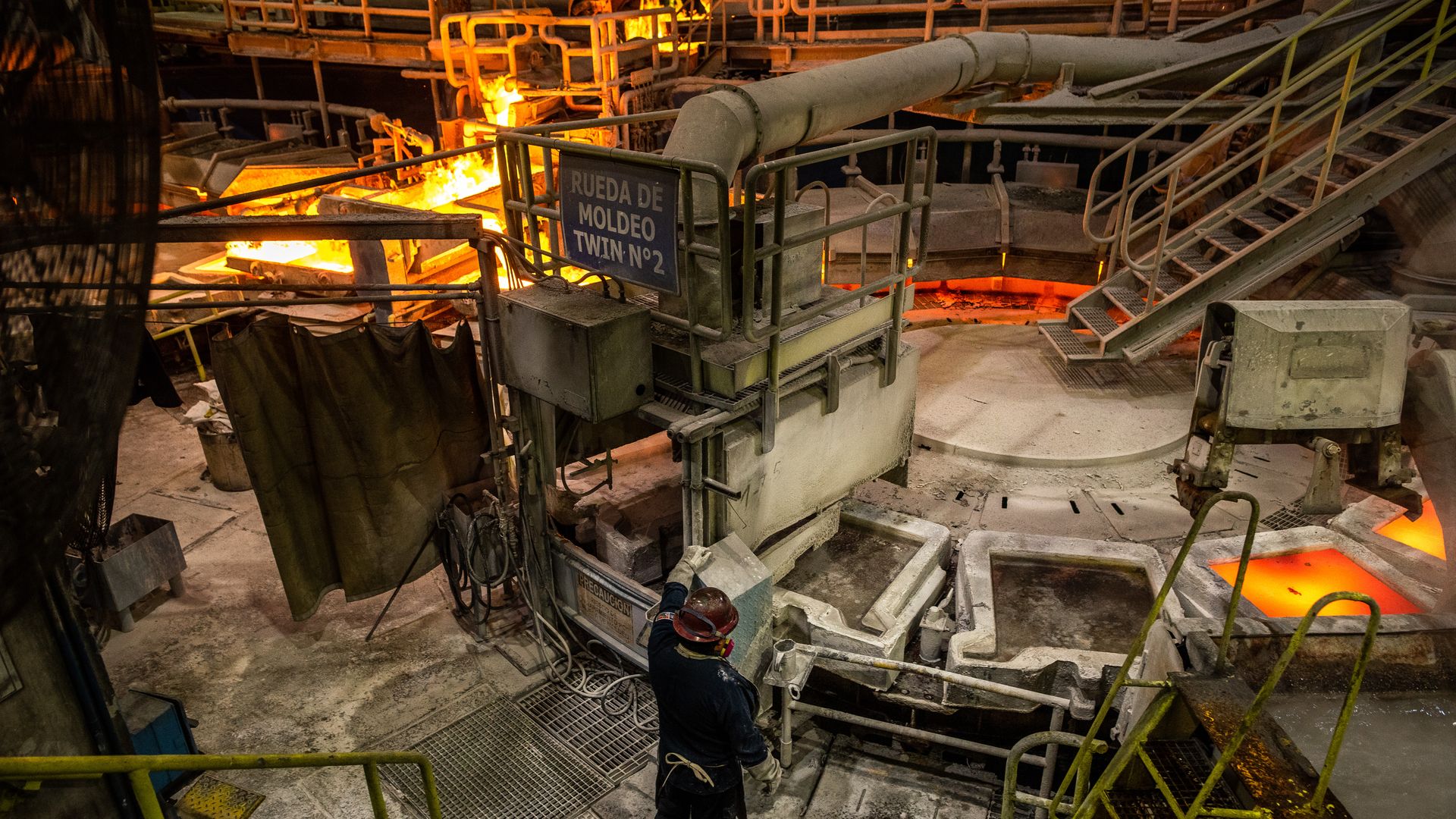
President Trump announced Wednesday he'll impose a 50% tariff on copper imports from Aug. 1 "after receiving a robust" national security assessment.
The big picture: Copper is the third most widely used metal globally and the U.S. imports almost half of the commodity that it uses — mostly from Chile, per U.S. Geological Survey data.