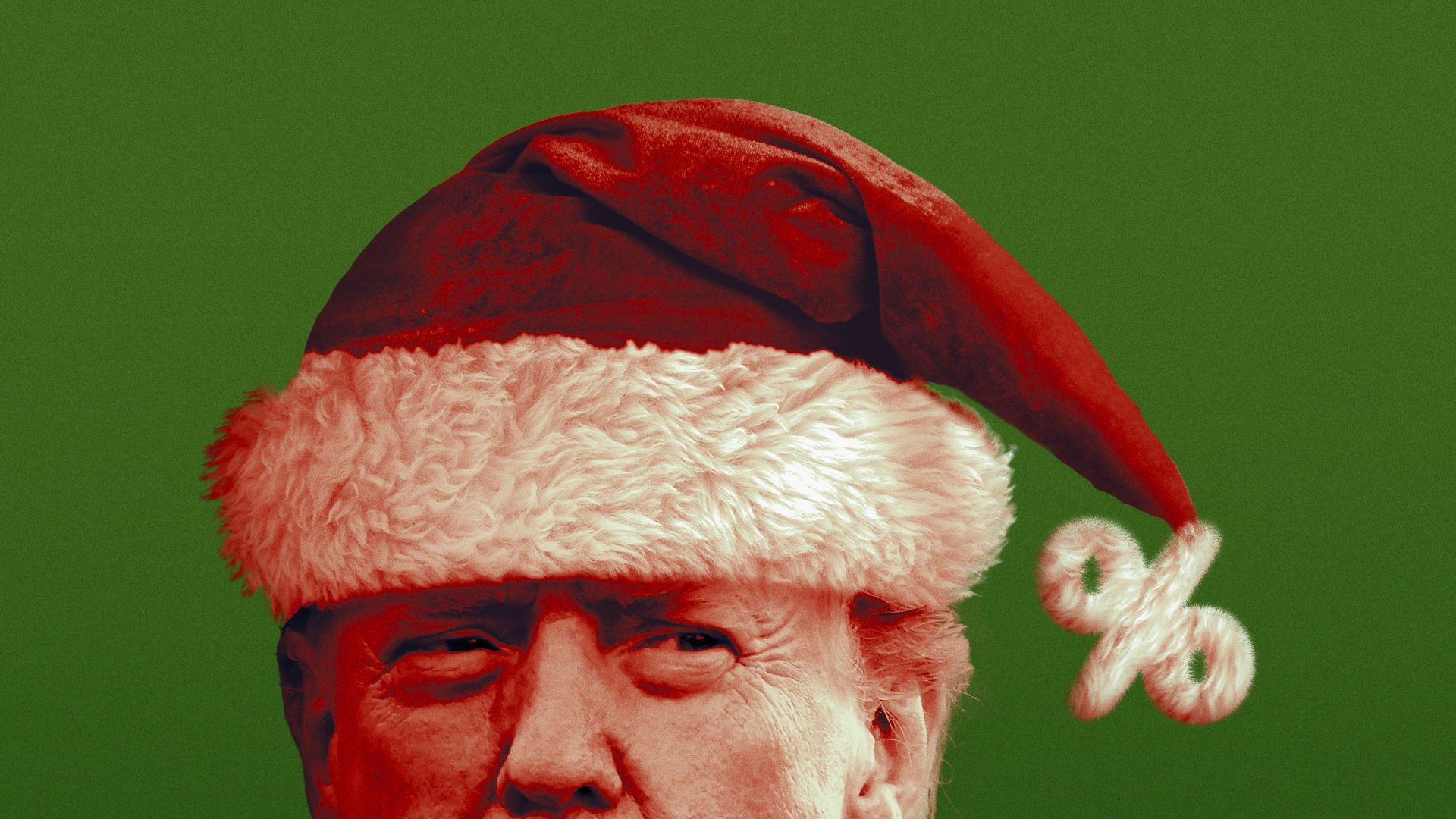
Christmas shoppers got a gift of sorts from the White House this week when the president pushed the tariff pause to August 1.
Why it matters: The shift should give retailers more time to stockpile most goods ahead of the holiday season, potentially pushing some tariff-related price increases to next year.
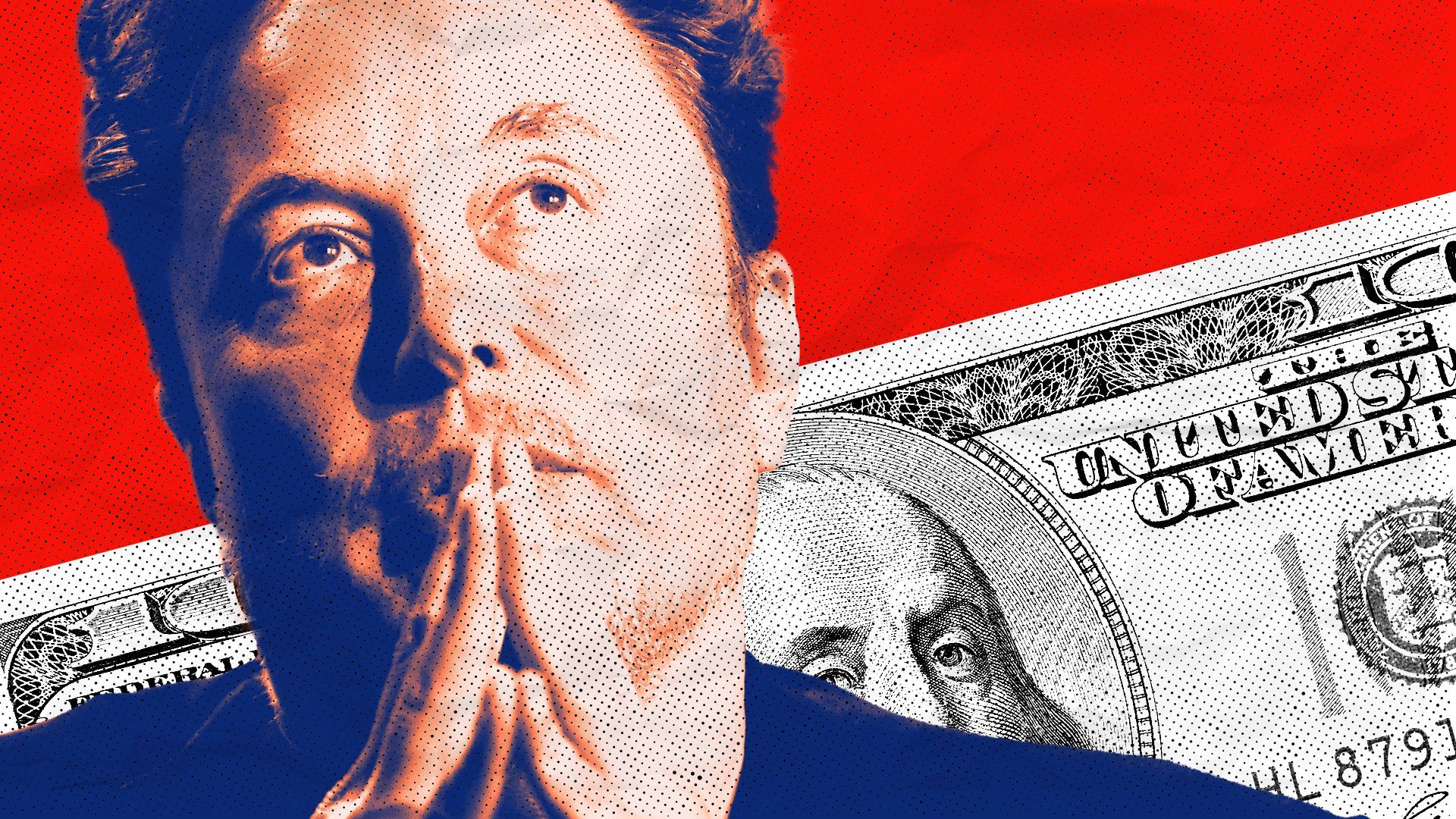
Tesla bull Dan Ives on Tuesday proposed a merger even more colorful than his clothes, when he sketched out a scenario whereby the carmaker could buy xAI.
Why it matters: This could create a viable rival to OpenAI and Big Tech incumbents like Meta and Microsoft, while combining two crown jewels of Elon Musk's empire.
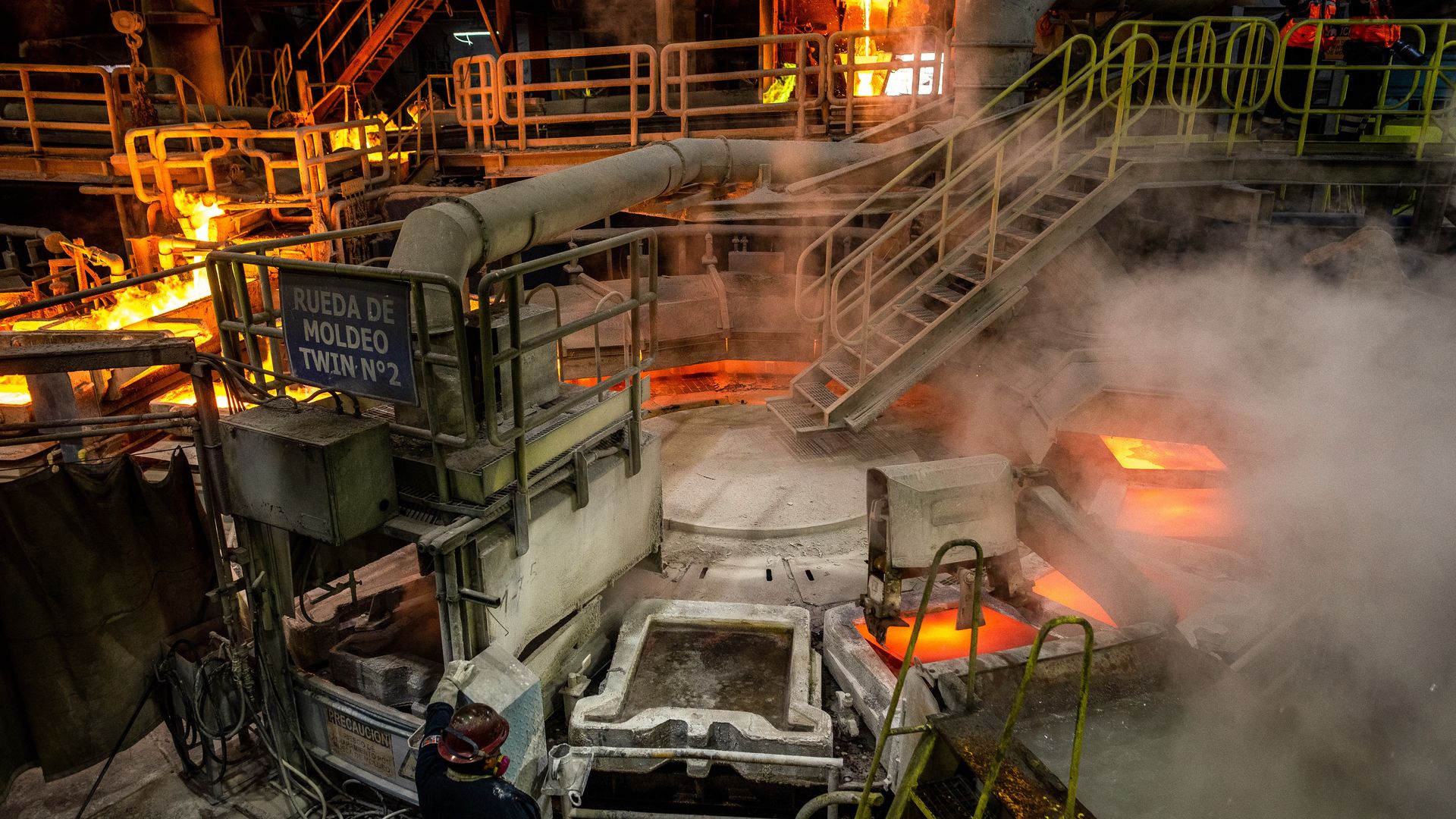
Copper prices notched record highs Tuesday after President Trump signaled plans to impose a 50% tariff on the commodity.
Why it matters: The price of copper figures into a wide variety of goods, including building construction, electronics, transportation equipment and industrial machinery.
U.S. trade policy has entered the great in-between, a liminal state in which high tariffs on major trading partners are ostensibly imminent, yet also forever just over the next horizon.
Why it matters: The good news for American consumers and businesses is that potential price shocks and other disruptions from an all-out global trade war remain at bay — and Wall Street is taking this confusing landscape in stride.
The bad news is it's hardly the kind of policy landscape conducive to companies making long-term investments.
Limited partners in private equity funds are usually reluctant to sell their positions at a loss, fearing reputational risk. The steeper the discount, the stronger the hesitation.
They're making a mistake, argues Joncarlo Mark, who used to lead PE investments for CalPERS and served as chair of the Institutional Limited Partners Association.
Sheinreportedly filed confidential IPO papers in Hong Kong, 18 months after filing to go public on the London Stock Exchange.
Why it matters: The fast-fashion giant is trying to pressure U.K. regulators into accepting reduced disclosures into its China labor practices, as the current requirement can't get Beijing's signoff.
President Trump orderedtheTreasury Department to take a hard line on the new budget law's phaseout of solar and wind credits.
Why it matters: His new executive order could make it even harder to access incentives under the law, which now requires projects to start construction within a year and begin operating by the end of 2027.
Wall Street is trying to figure out winners and losers of the trade war as tensions heat up again, and it's looking for clues in the Federal Reserve's recent rate-hiking cycle.
Why it matters: As tariff policy continues to be murky, investors want to know which companies can survive regardless of where levies land. The winners and losers of rate hikes could provide that roadmap.
The TACO trade is resilient, despite the renewed double digit tariff rates that President Trump announced on Monday on several countries, including the 25% tariff on Japan and South Korea.
Why it matters: The options market is signaling what Axios said last week: Wall Street is not panicked about tariff policy.
Michigan drivers, amirite? According to Allstate claims data, I am!
Why it matters: The findings put a little quantitative weight behind some people's strongly held beliefs about the quality — or lack thereof — of their neighbors' driving skills.
Why it matters: The world's richest person enjoyed ballooning wealth in the early days of his alliance with the president, but their partnership has collapsed after Musk assailed Republican spending plans.
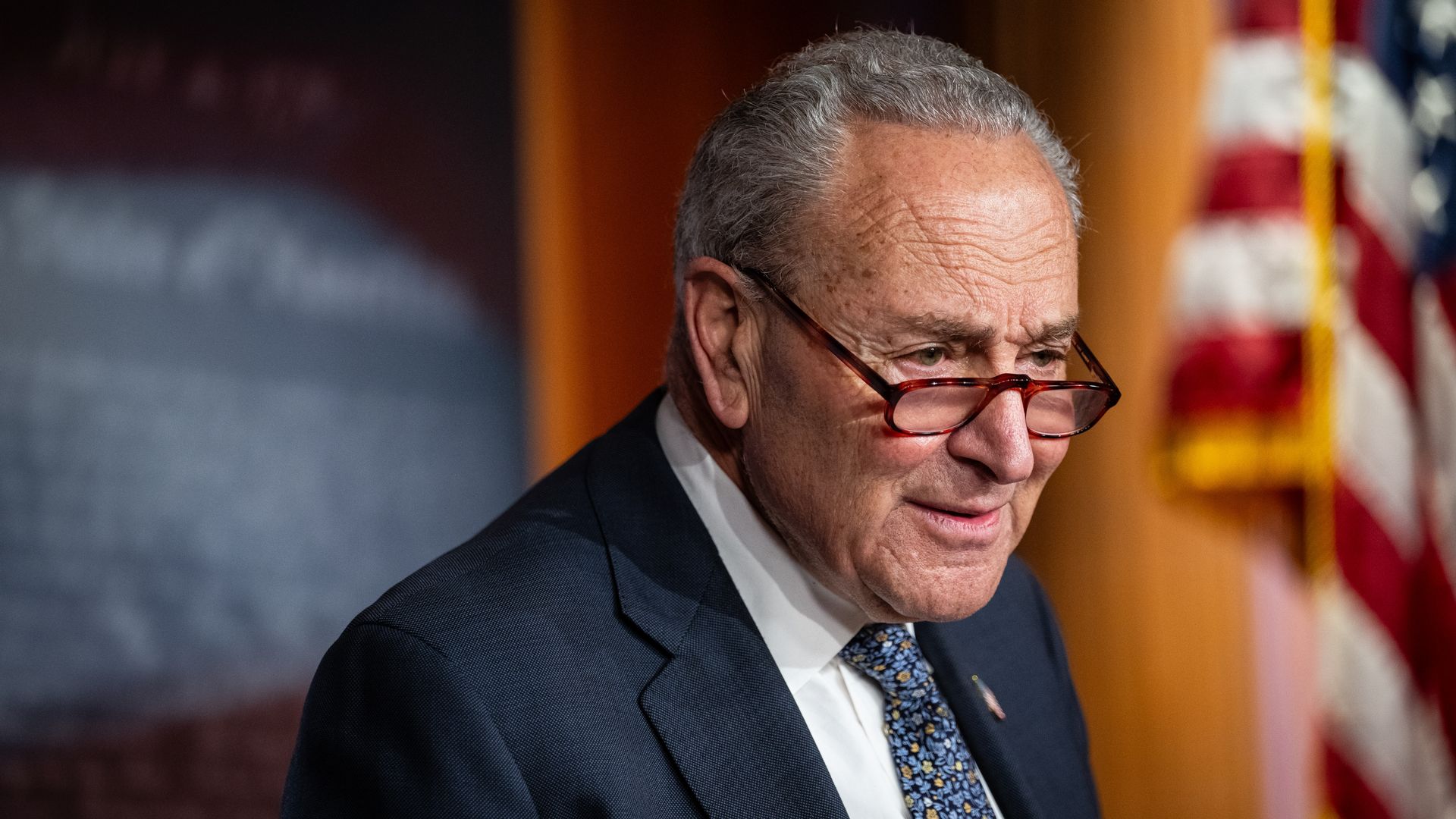
Senate Minority Leader Chuck Schumer (D-N.Y.) is bracing Democrats for a government funding fight, foreshadowing "grave implications" if Republicans pass President Trump's $9.4 billion rescissions package.
Why it matters: The Democratic leader holds significant leverage over an upcoming government shutdown fight, and is monitoring closely how GOP leaders handle the measure to claw back billions in government funding.
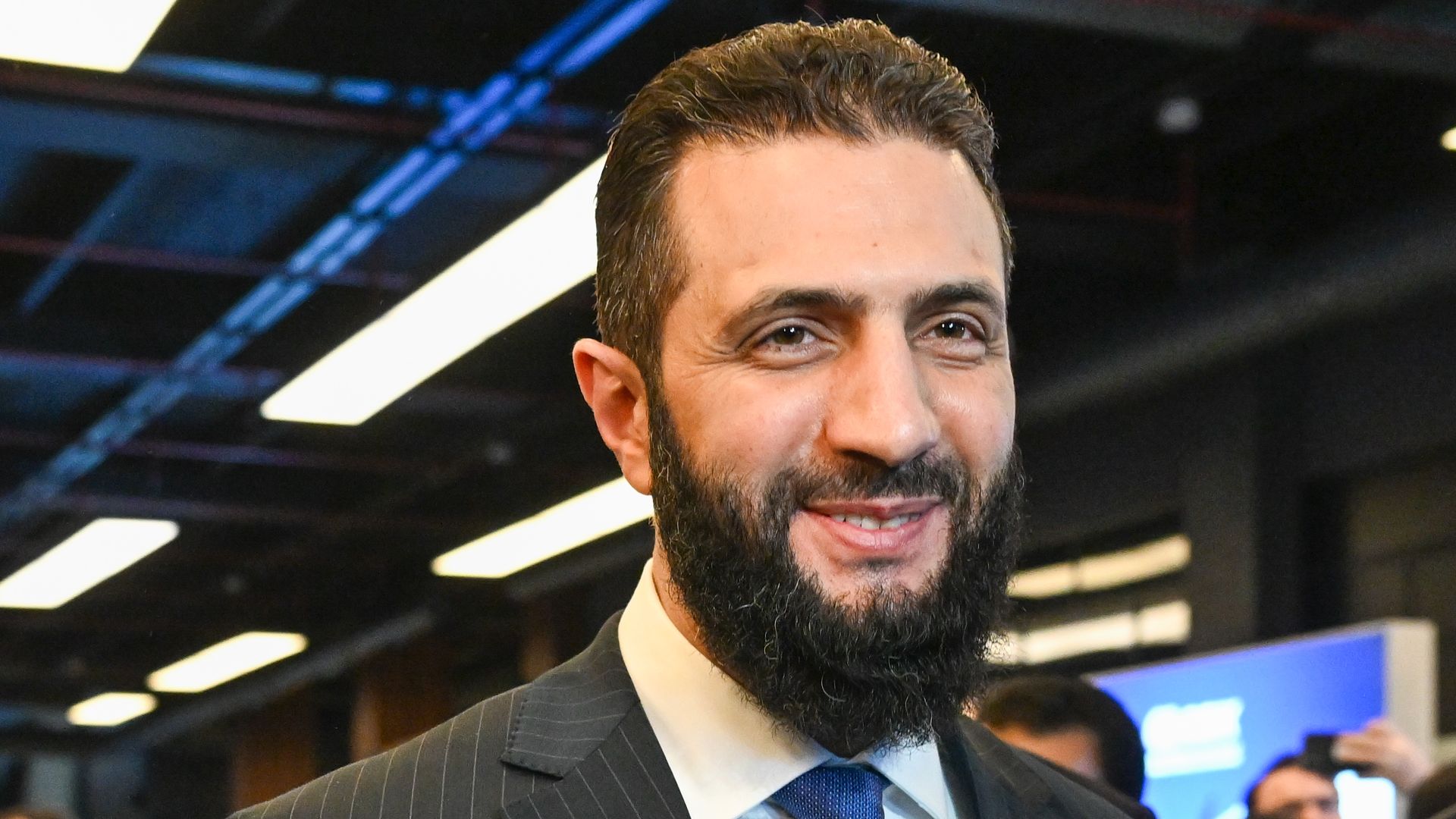
The Trump administration will remove Syria's Hay'at Tahrir al-Sham (HTS) from its list of designated "Foreign Terrorist Organizations," effective Tuesday, Secretary of State Marco Rubio announced.
Why it matters: Rubio noted in his announcement Monday that the action is in line with President Trump's pledge in Saudi Arabia in May ahead of a meeting with HTS leader Ahmad al-Sharaa, Syria's former rebel leader-turned-interim president, "to deliver sanctions relief" to the war-torn country.






/2025/07/08/1751973929568.gif?w=3840)