American retailers are growingworried that President Trump's trade warand increased volatilitywill lead to empty shelves, higher prices and store closures as Chinese imports screech to a halt.
Why it matters: Many retailers stocked up on inventory in the first months of 2025, realizing that a storm was coming — but their inventories are poised to dwindle quickly.
Sales to China of key commodities, like soybeans and pork, are plunging as the trade war begins to impact the domestic economy.
Why it matters: U.S. farmers export more than $176 billion in agricultural products annually — almost 10% of which is just soybean and pork shipments to China.
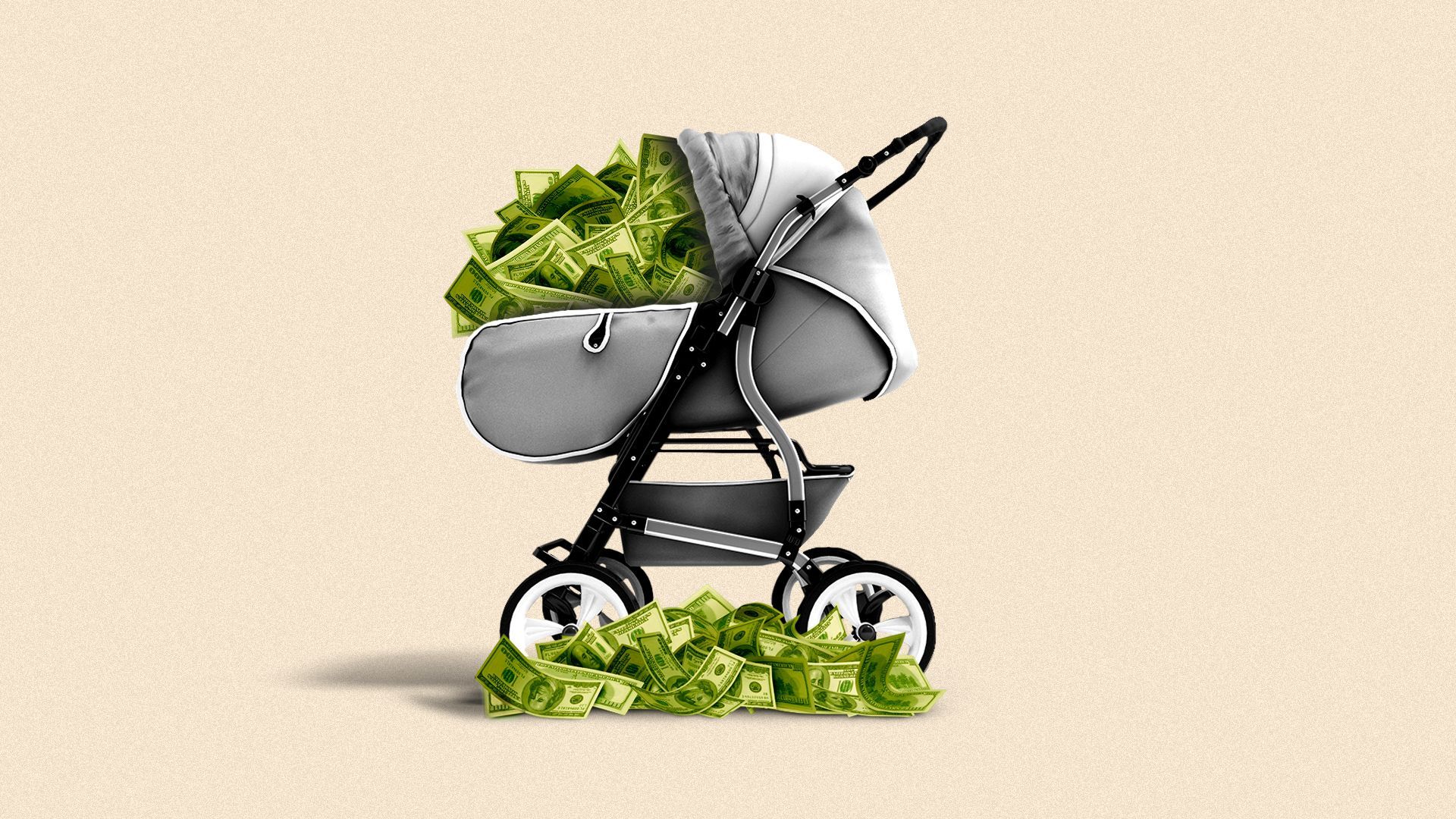
New parents looking to purchase a stroller may want to get a jump start, as the price of baby gear is climbing thanks to President Trump's tariffs, CEOs warn.
The big picture: The president has become a powerful ally in the push for women to have more children but his roller-coaster tariffs have made it more expensive for parents to buy the baby products they need, industry leaders say.
Apple is reportedly moving on a plan to drastically and quickly ramp up iPhone assembly out of India, all but eliminating U.S. imports of the phones from China by the end of 2026.
The big picture: The move suggests that Apple — whose CEO, Tim Cook, has kept close to President Trump — is not holding its breath for any favorable end to the Trump-China trade war.
Zoom in: Apple sells around 60 million iPhones in the U.S. each year, around 28% of those it produces, according to FT, which first reported the company's plan today.
Since Covid, Apple had already been beefing up iPhone assembly in India as part of a supply-chain diversification plan, but it still primarily relies on China for output.
Tesla's stock surged today after the Trump administration announced plans for a new autonomous vehicle regulatory framework viewed as favorable to the company.
Why it matters: The Transportation Department's new framework expedites certain crash reporting requirements and expands the types of autonomous vehicles that can be tested on American roadways.
The stock — which rose 18% over the last five days — also got a boost this week when investors cheered CEO Elon Musk's announcement that he would refocus more of his time on Tesla.
State of play: Motorola is introducing new models of its not-dead-even-though-you-could've-sworn-it-was Razr phones with AI capability.
The Razr — which is really a lineup of foldable smartphones at this point — will have AI features from Motorola itself, as well as Perplexity, Meta, Microsoft and Google.
The suggested retail price for the basic Razr is $699.99. The Razr Ultra is $1,299.99.
"Motorola's new flip phones include AI tools that can do things like analyze what's on a phone's screen to provide suggestions and summarize notifications," CNN reports.
💭 Nathan's thought bubble: I'm feeling nostalgic for the good ole days when the flip phone had no intelligence at all.
A federal judge in Washington, D.C. on Friday temporarily blocked an executive order that eliminated collective bargaining rights for two-thirds of the federal workforce, finding it "unlawful."
Why it matters: This is a big win for the unions that represent government workers.
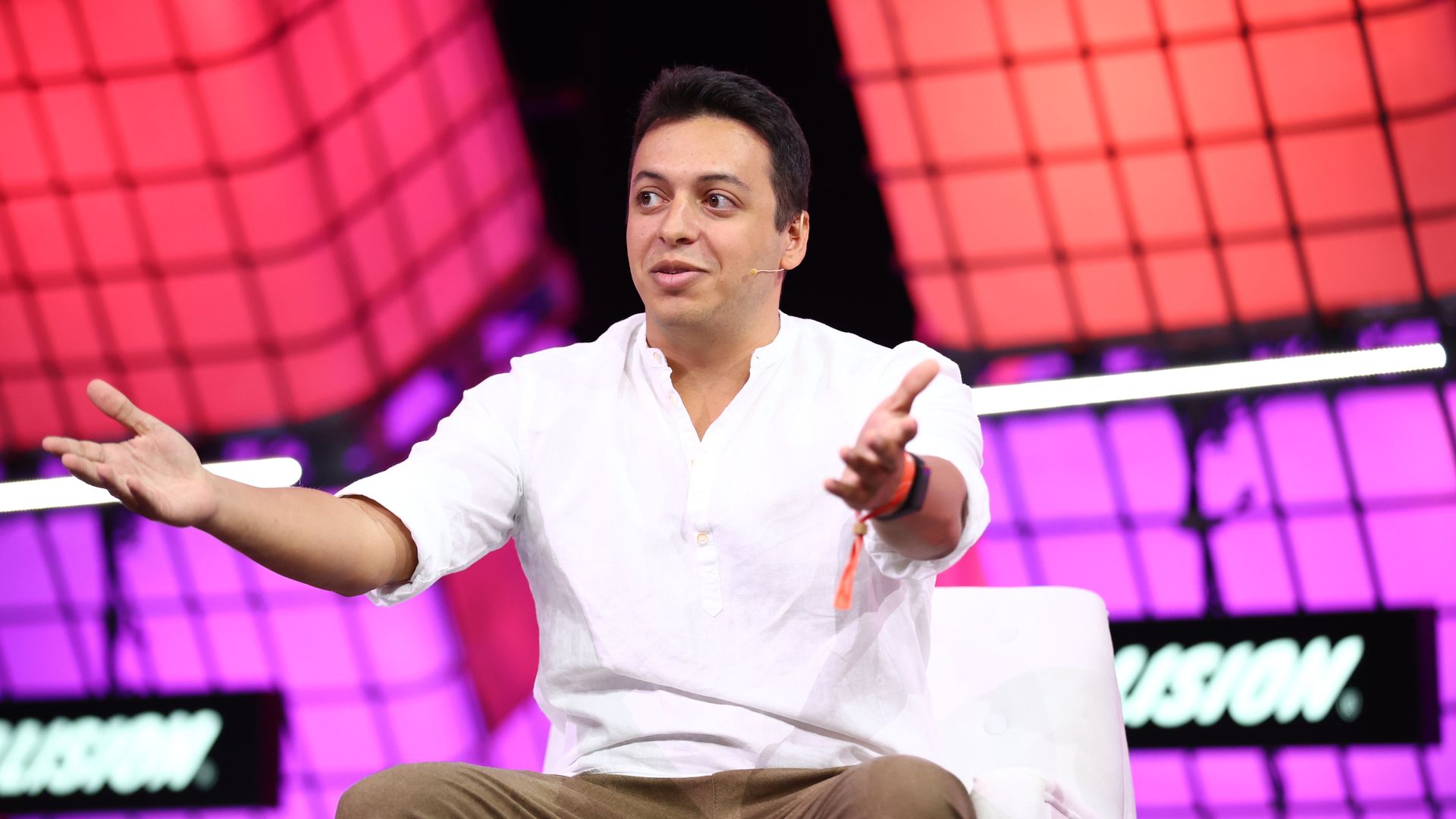
The legal battle between HR software unicorns Deel and Rippling escalated on Friday, with Deel suing Rippling for alleged defamation, libel, and deceptive trade practices.
The big picture: This conflict gets more personal with each court filing.
Phoenix, Arizona is setting a model for urban sustainability and economic advancement, positioning the city as a top choice for business.
The story: Named the fastest growing city in the nation five years in a row,Phoenix is working toward a bright future rooted in sustainable growth and economic development.
The city blends innovative policies, sustainable infrastructure and community-focused initiatives to create long-term growth and prosperity for businesses and residents alike.
America's status as the top global investment magnet is in doubt.
Why it matters: Companies had been eager to spend billions to stand up factories, warehouses and more on U.S. soil, with confidence that political stability would make such investments worthwhile for decades to come.
But President Trump's trade policies have made the economic backdrop more erratic and businesses are hitting pause, with new questions about whether executives can make a multiyear bet on America.
Intel has reversed its decision to spin out Intel Capital, one of Silicon Valley's oldest and most active corporate venture funds.
Why it matters: This feels like the beginning of the end for Intel Capital, which was founded in 1991 and has invested more than $20 billion in over 1,800 startups.
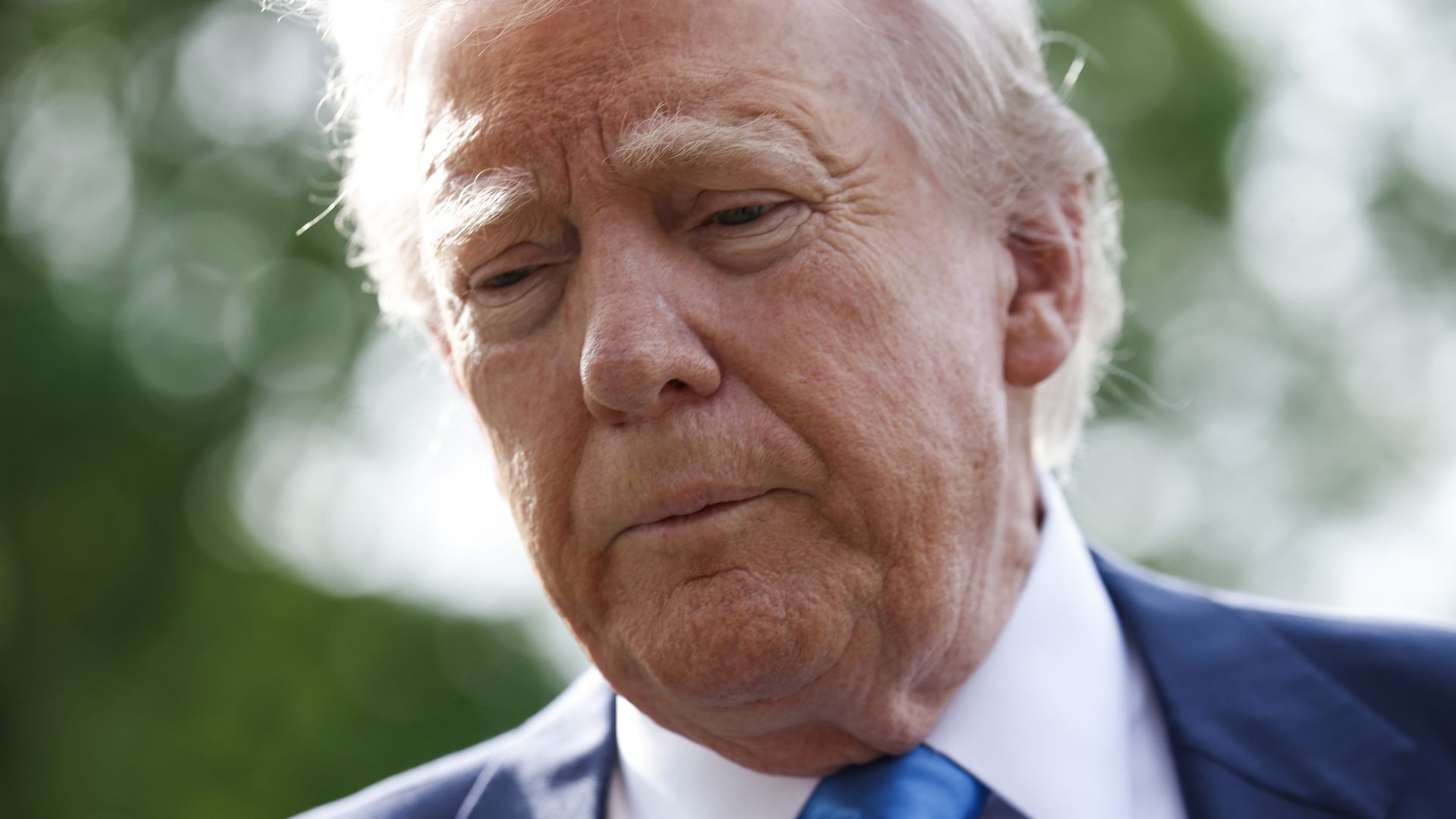
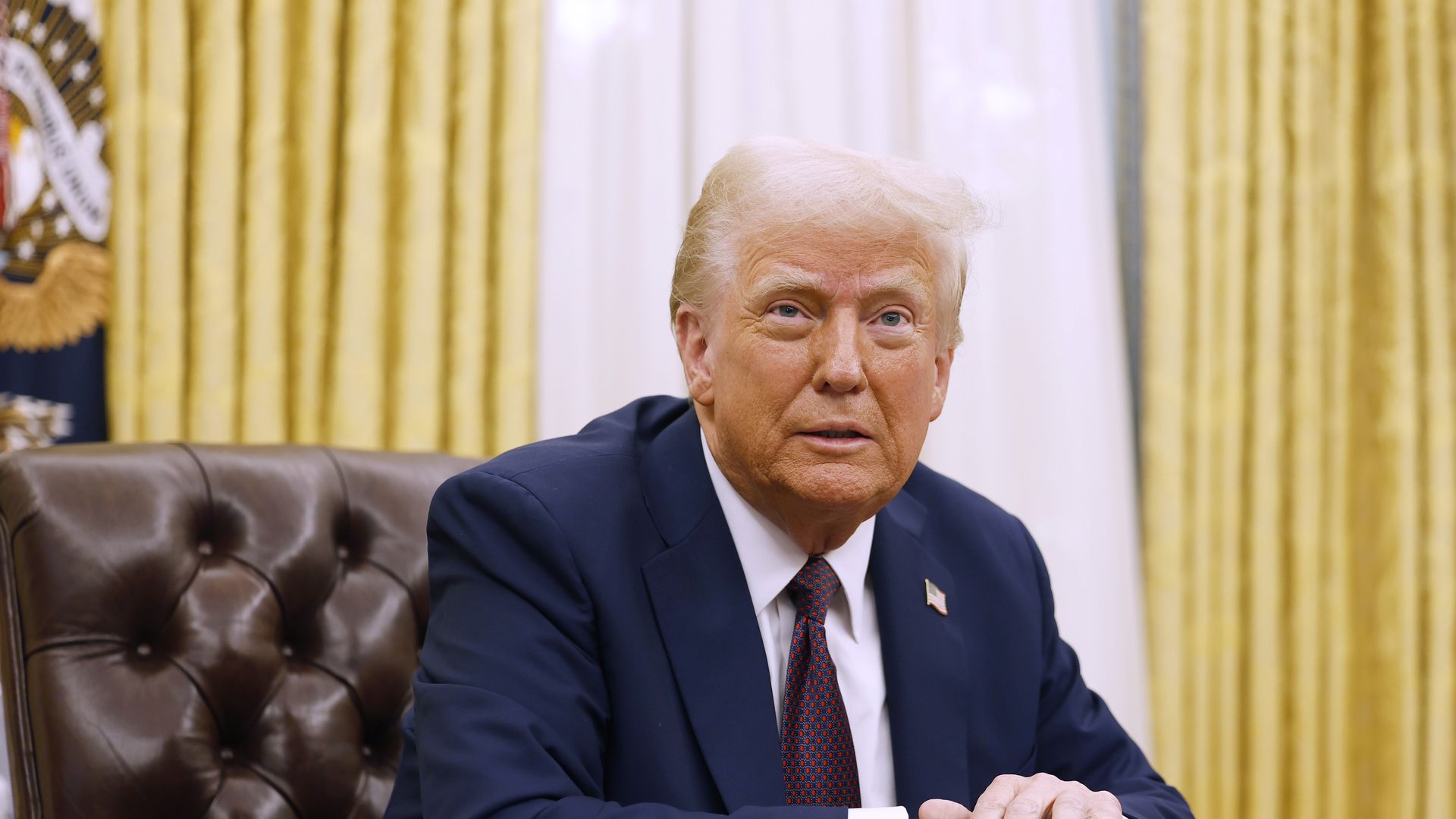
A defiant President Trump insisted in a new interview that the U.S. is less than a month away from potentially hundreds of trade deals, and that even Chinese President Xi Jinping has called him to talk business.
Why it matters: China denies it, other countries aren't saying it either, Trump won't say who the deals are with or share details, and the global economy is cracking as the saga plays out.
Target's collaboration with Kate Spade resulted in its largest digital launch day ever for a "limited-time" collection in terms of sales, the Minneapolis-based retailer shared exclusively with Axios.
Why it matters: Teaming up with national brands to offer exclusive products — including designer items at lower prices — has helped Target grow sales and attract customers over the years.
Your shares have fallen sharply in value over the past few weeks, as has your bond portfolio.
But the biggest source of wealth for middle-class U.S. households is real estate — and broadly speaking, that seems to be holding up.
Why it matters: The housing market has been mired in a doldrums for the past 18 months, with very few houses changing hands. That weirdly makes it something of an outperformer among asset classes more broadly.
He's leaving with his reputation wounded, relationships severed, companies in crisis, fortune diminished — and little to show for DOGE but chaos and contested savings.
Why it matters: Musk may not have achieved his audacious goal of cutting $2 trillion from America's debt, but the disruption he unleashed inside the federal government — for better or for worse — will reverberate for decades.
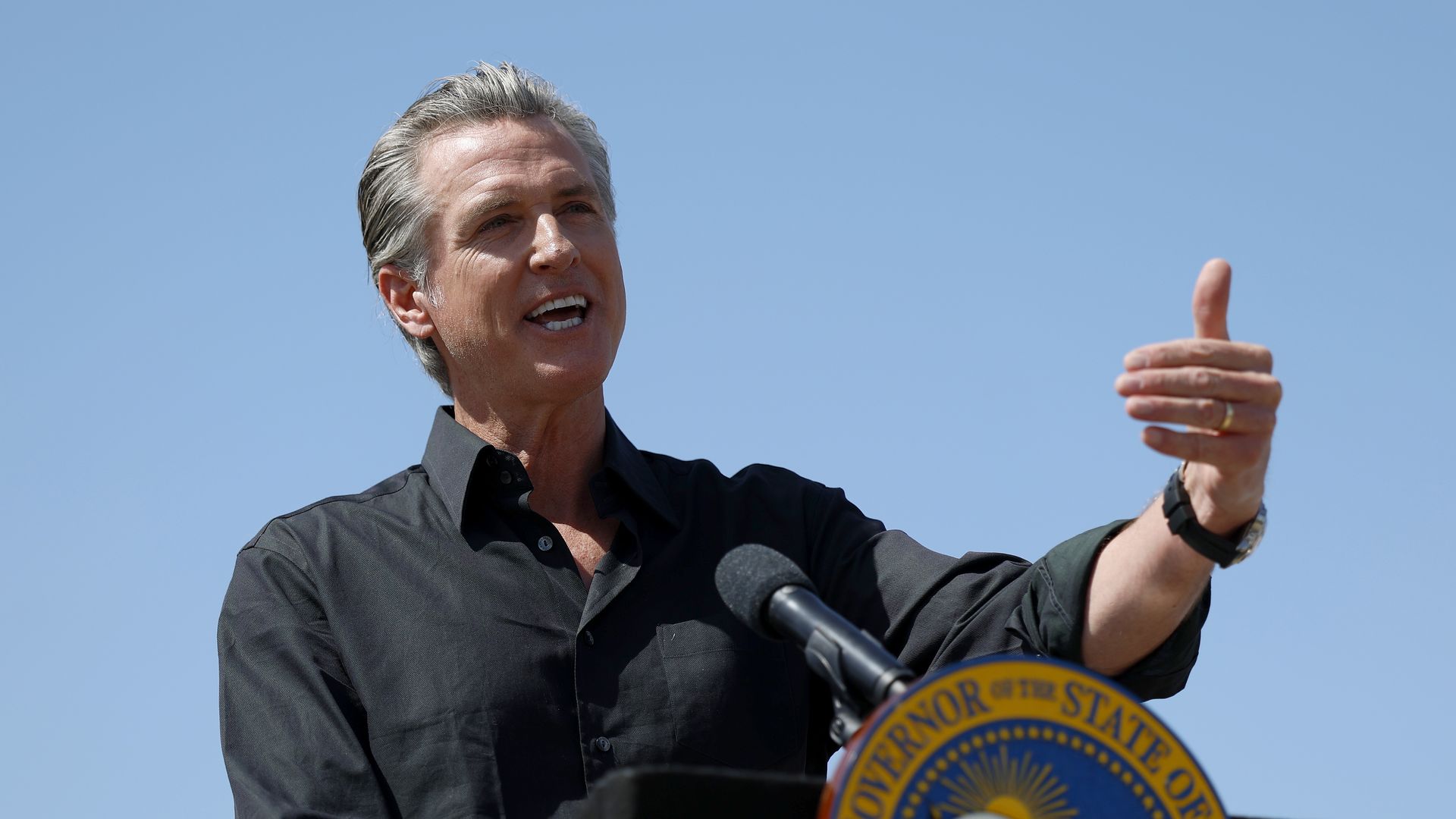
California's economy has surpassed Japan's, state Gov. Gavin Newsom announced, as he warned of potential impacts in the Golden State from President Trump's sweeping tariffs.