At least one major company has a fairly concrete sense of where things are headed: higher prices.
Consumer goods giant Procter & Gamble is "likely" to raise prices based on higher tariffs, CEO Jon Moeller told CNBC today.
Zoom in: P&G's brands include Tide detergent, Pampers diapers, Old Spice deodorant, Head & Shoulders shampoo and Bounty paper towels.
State of play: P&G is "working through exactly what is the right plan by brand, by market, what combination of pricing, over what period of time is the right answer," CFO Andre Schulten said on an earnings call.
The company today reported a 2% decline in net sales, including drops in its beauty, grooming, and fabric and home care categories.
Reality check: Consumers were already recoiling from price increases during the post-pandemic inflation crisis, so it's unclear how much they're willing to absorb.
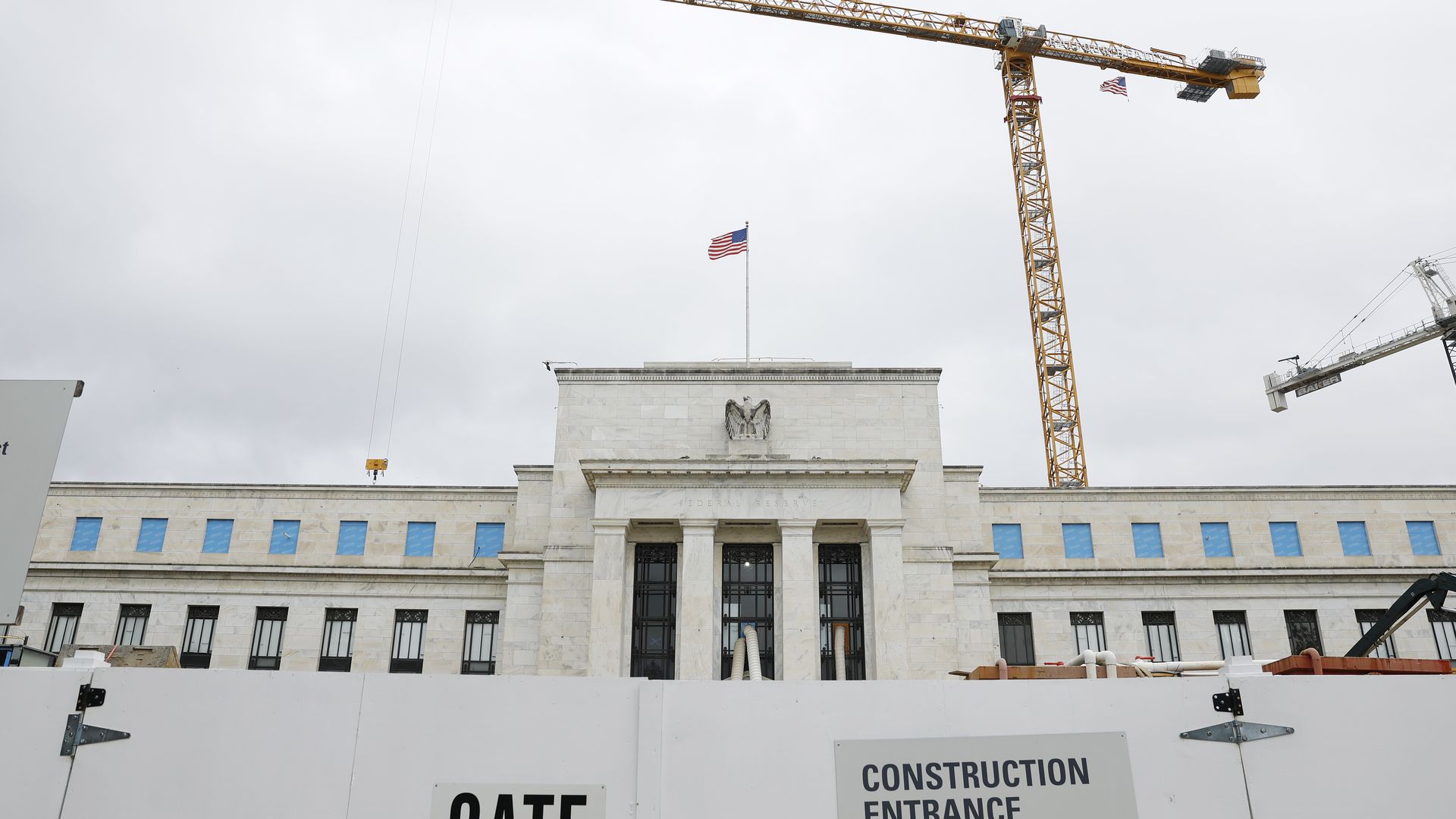
The Federal Reserve has withdrawn its guidance letter to banks it supervises related to their participation in crypto-related activities, the last of three prudential banking regulators to do so.
Why it matters: President Trump committed on the campaign trail to roll back restrictions on banks seeking to engage in legal activities in the blockchain space, and, with the withdrawal of this letter, that process is complete.
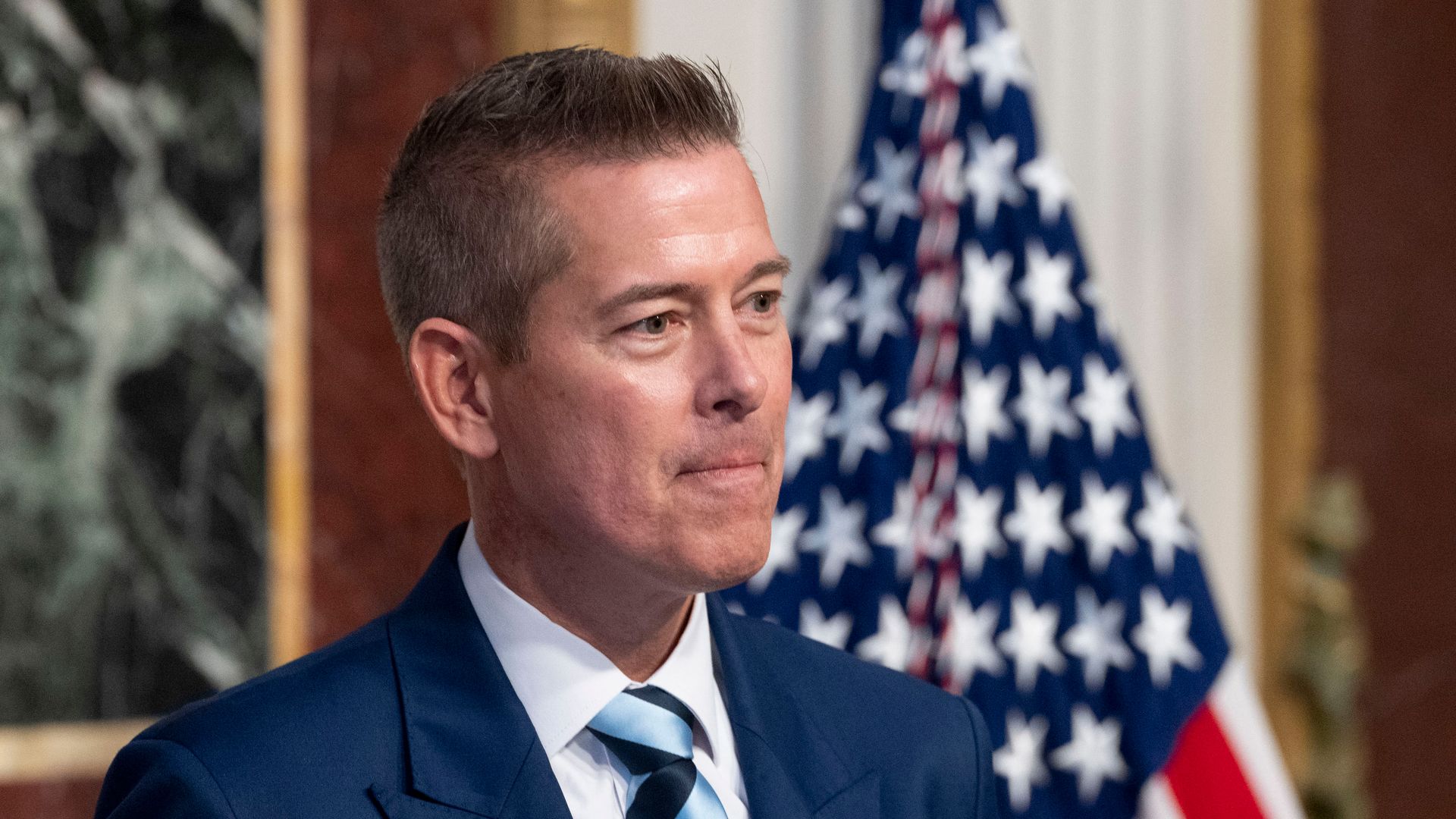
Federal lawyers mistakenly filed a confidential memo Wednesday in the Trump administration's fight against New York City's congestion pricing program.
The big picture: Theinternal legal analysis from the U.S. Attorney's Office in Manhattan questioned the legal strategy driving the Transportation Department's lawsuit to revoke the tolling program, which went into effect in January.
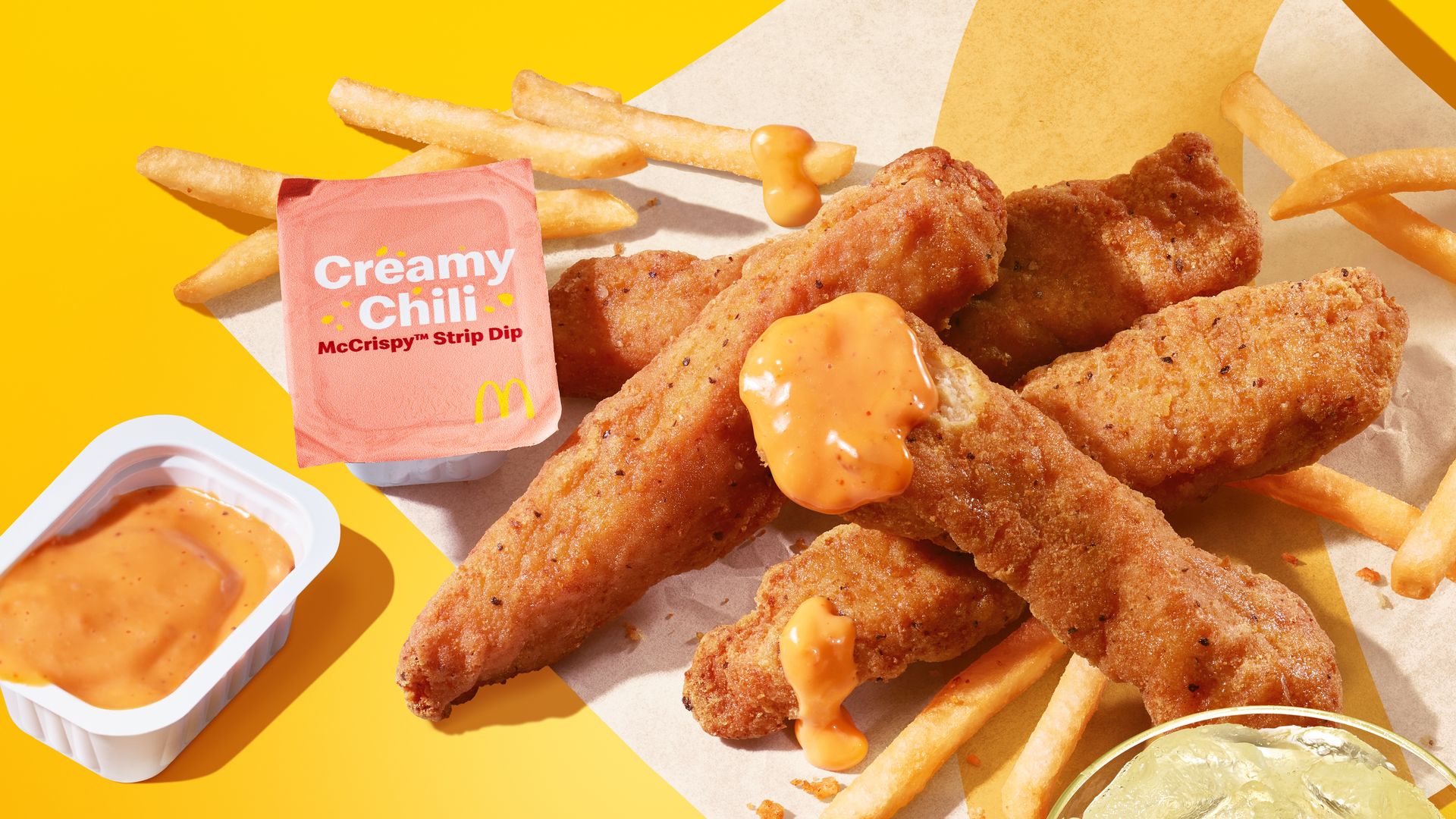
McDonald's is rolling out its first permanent menu item in four years with the new McCrispy Strips.
Why it matters: The chicken strips' arrival is the latest hint that the fan-favorite Snack Wrap is coming back to restaurants soon — nine years after it was discontinued.
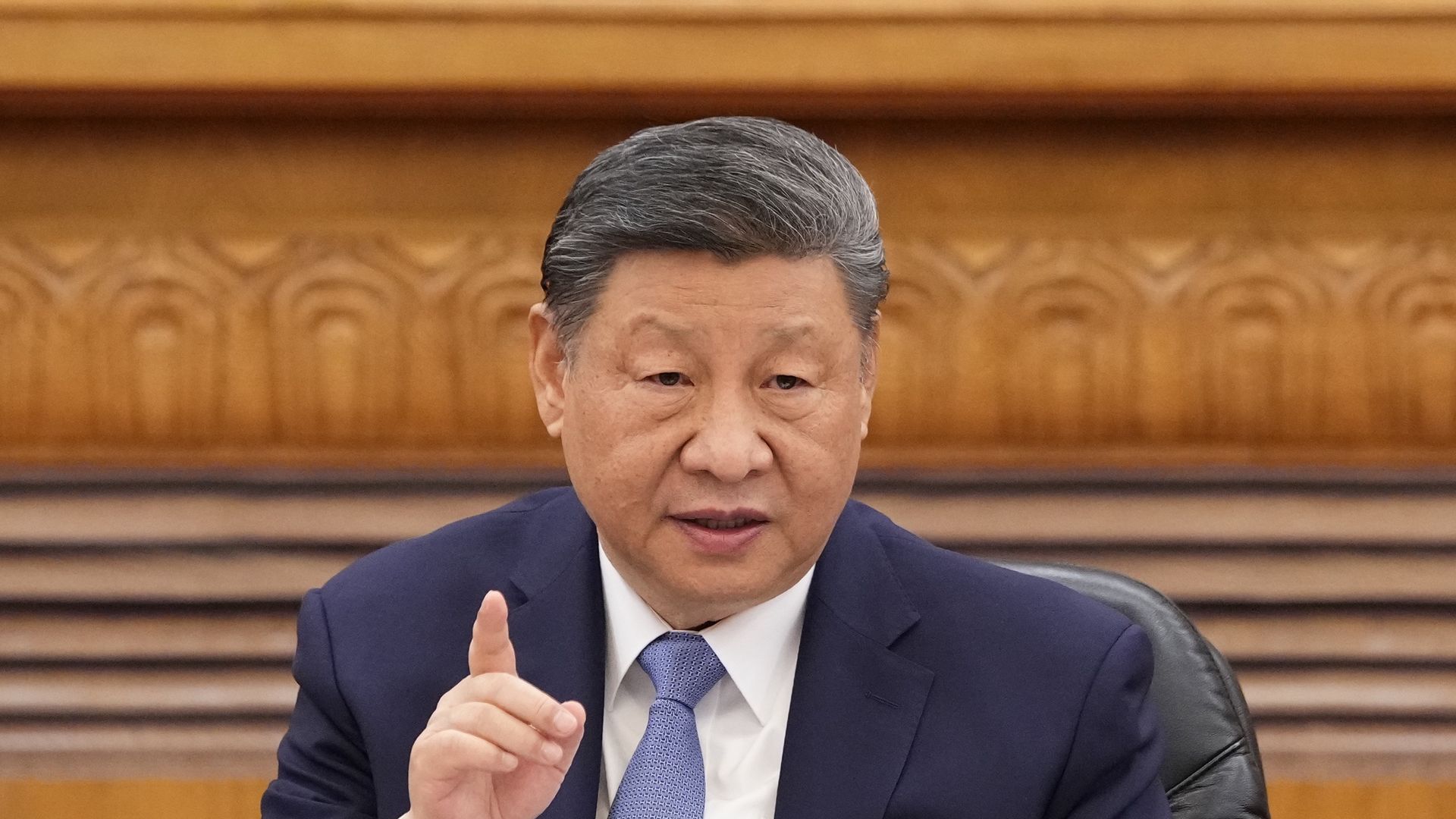
The Chinese government asserted Thursday that no talks are happening with the U.S. about de-escalating the trade war, and called on the Trump administration to make the first move.
Citigroup has put out a new report attempting to envision a place for banks in a world where stablecoins become popular.
Why it matters: Citi's base case sees the stablecoin market quintupling over the next five years, with a bull case projecting nearly $4 trillion.
Zoom in: The report cautions that predictions about market size are complicated and should be met with caution. However, it sees a number of drivers for stablecoin growth.
The report's contributors bet a major source of growth will come from a shift in the way global players hedge against local currencies, moving from holding dollars to holding stablecoins.
The discussion around how the U.S. government spends money is clouded by the jargon of budget nerds, like "discretionary" versus "mandatory" spending. But what would it look like if you converted spending data into plain language?
The big picture: That's what centrist think tank Third Way has done, taking the thousands of lines of federal spending data and categorizing them using plain language.
Actual business activity — sales, employment, and so on — is holding up just fine for now. But a profound worry about the future has settled in among America's corporate leaders, making them reluctant to invest or hire.
The big picture: That picture of corporate paralysis comes through in the latest Beige Book, in which Fed officials try to discern what's happening beneath the surface of the U.S. economy by calling up businesspeople and asking them.
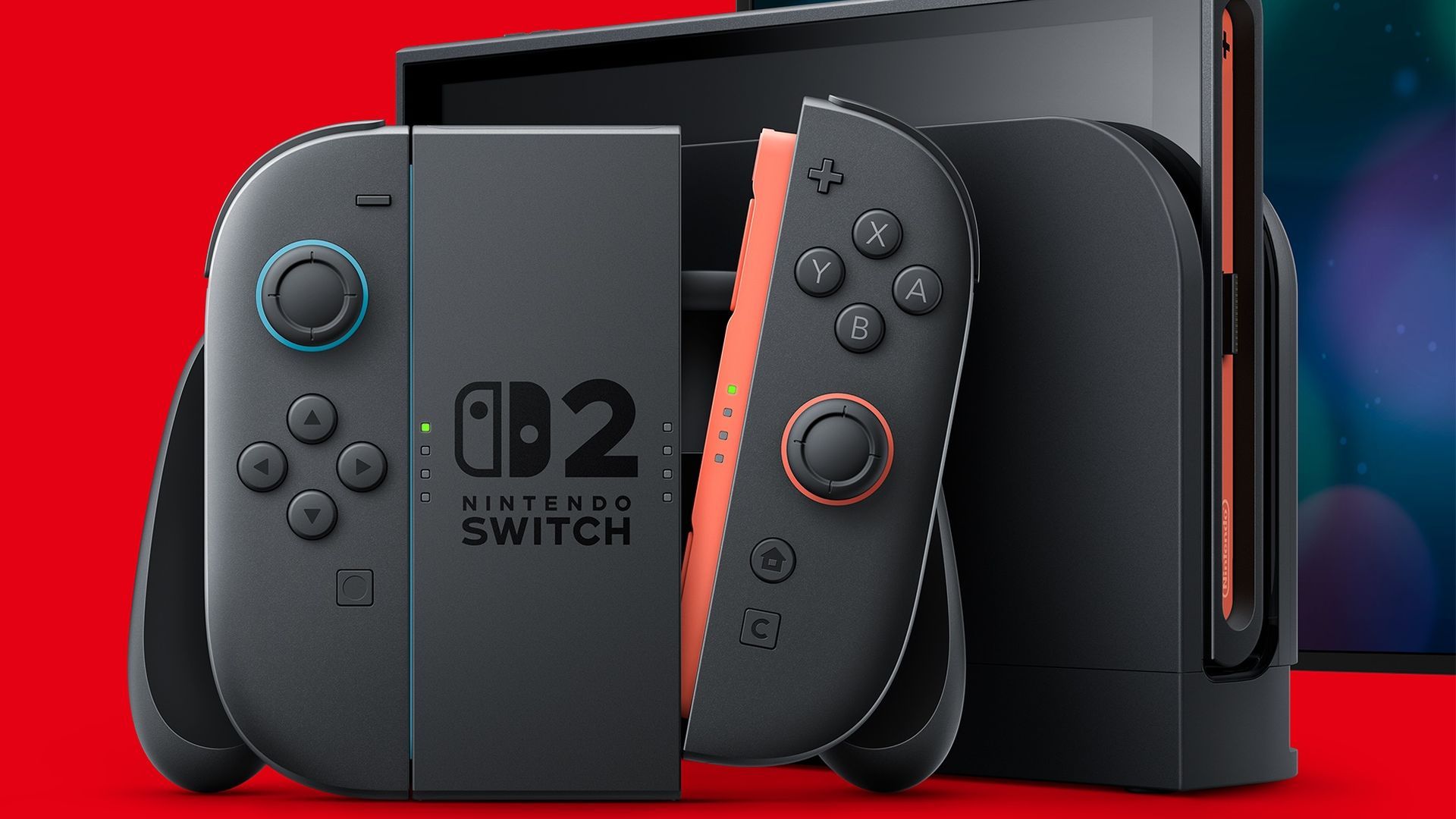
Nintendo Switch 2 preorders quickly sold out on Target, Walmart and Best Buy early Thursday, and now GameStop may be the last hope to order the hotly anticipated consoles.
GameStop starts its online orders at 11am ET. (See more below.)
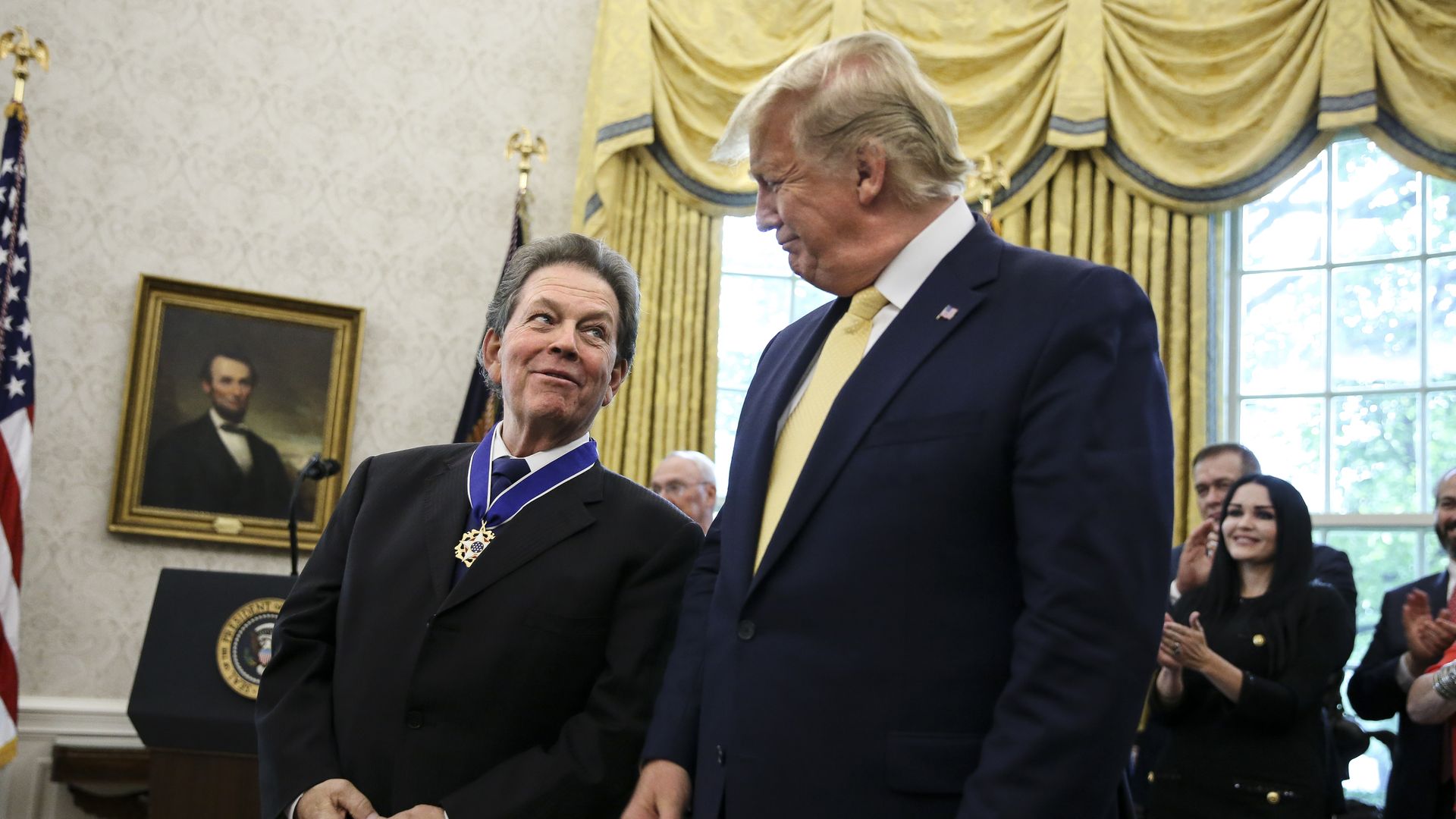
Art Laffer, a conservative economist once praised by President Trump as brilliant and bold, blamed White House trade policy for the "most scary, in-flux" economic moment of his life.
Why it matters: Laffer, widely regarded as the father of supply-side economics, warned that tariffs and trade barriers could wreak havoc on America's economy.
Driving with a case of COVID raised the odds of having a car crash about as much as being at the legal threshold of DUI or running a red light, according to an analysis of pandemic-era public health and transportation records from seven states.
Why it matters: Even mild COVID infections can cause "brain fog" and other impairment, affecting a person's ability to concentrate, reason and solve problems.