Major food companies haven't officially agreed to ditch artificial dyes despite Robert F. Kennedy Jr.'s push to ban them, though several of the nation's largest companies signaled they're committed to a conversation about it.
Why it matters: President Trump's Secretary of Health and Human Services announced Tuesday that the Food and Drug Administration is working with industry to eliminate synthetic dyes from the American food supply over the next two years.
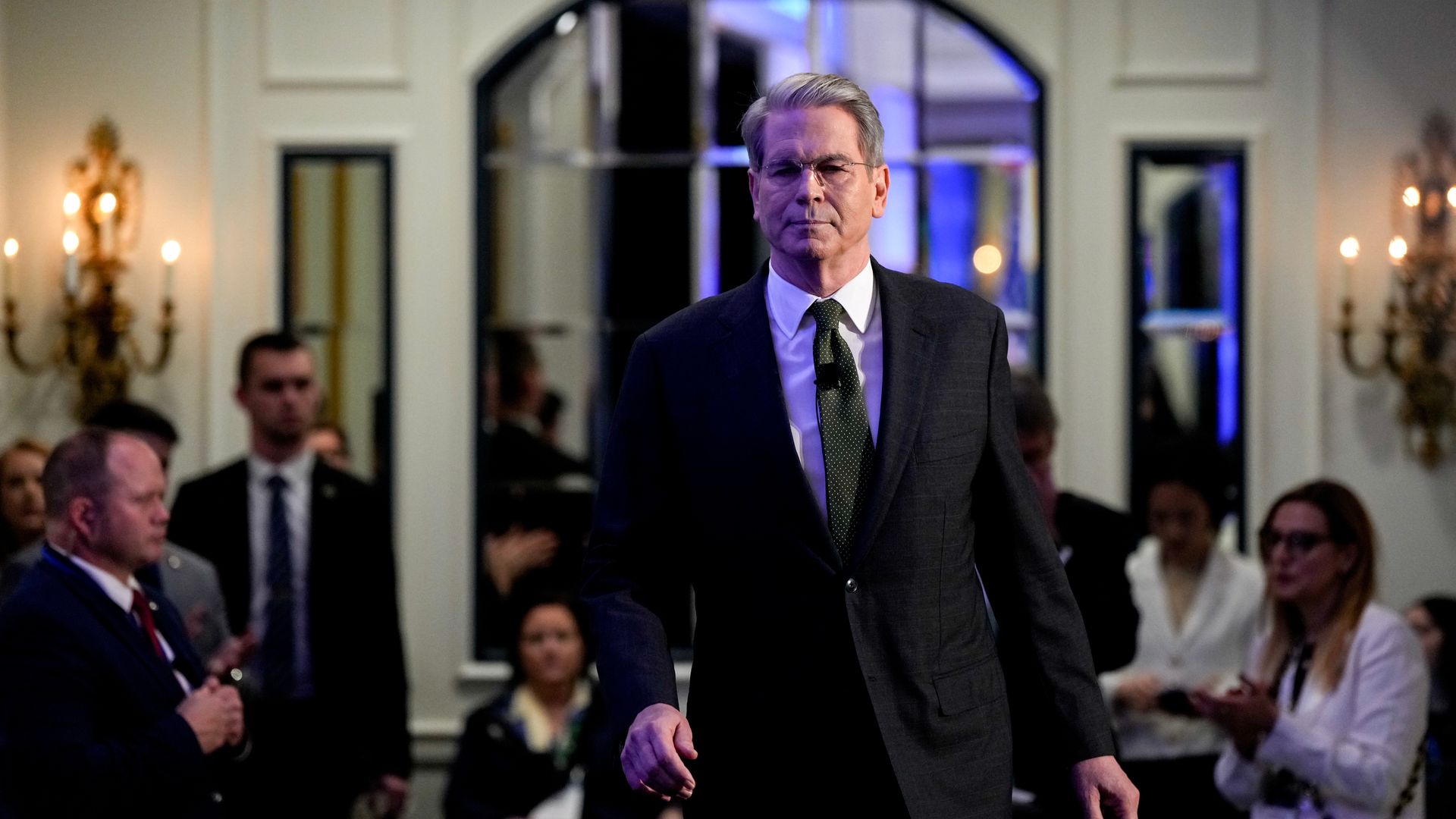
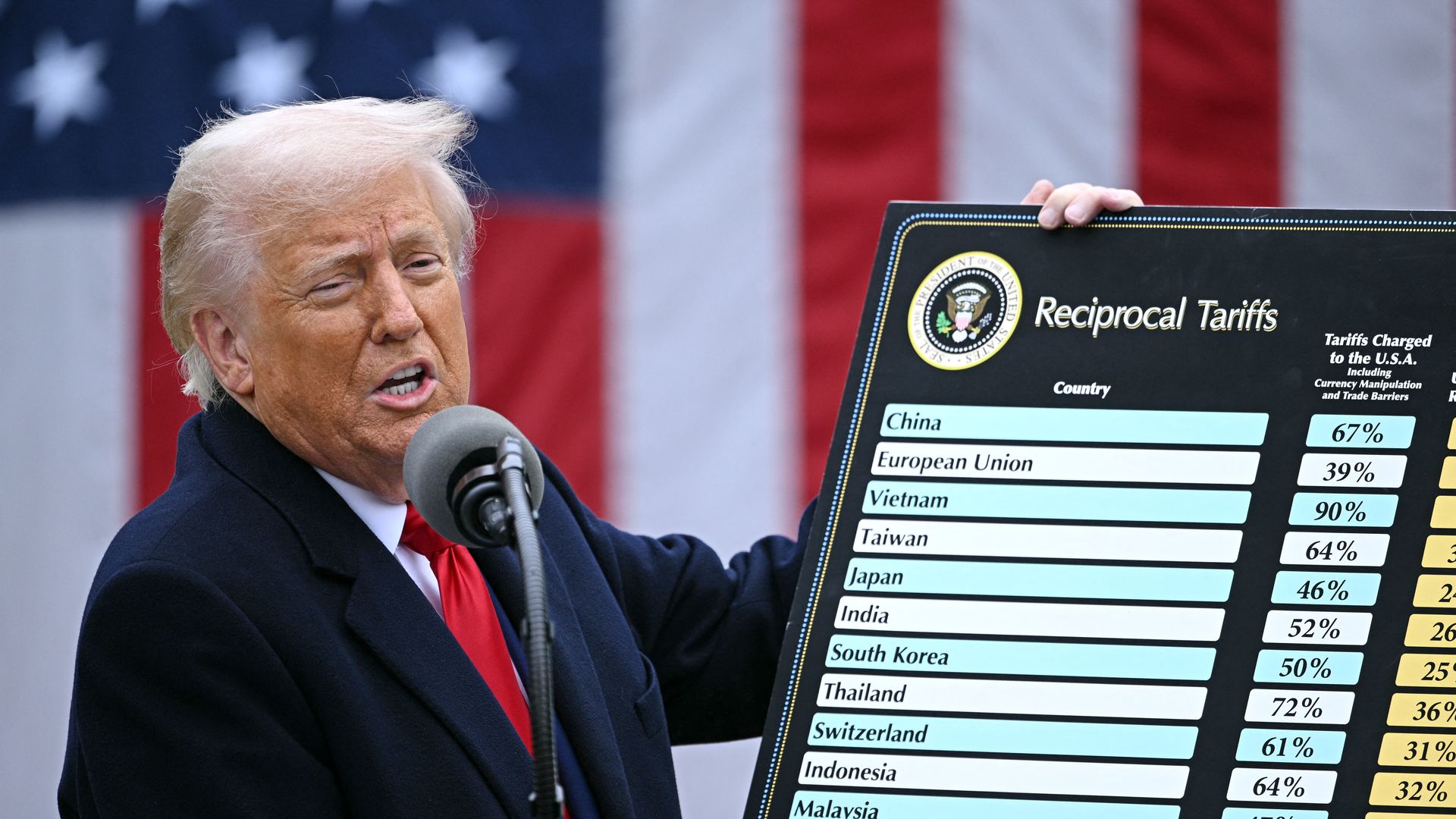
The trade war with China is "unsustainable" in its current form, Treasury Secretary Scott Bessent said Wednesday, though there were mixed messages from the administration about whether the U.S. would move unilaterally to reduce tariffs.
Why it matters: As recession worries grow, the Trump administration is signaling intentions to tamp down trade tensions with China, which have threatened to all but shutter commerce between the world's two largest economies.
The Trump administration today officially acknowledged what businesses have been saying for weeks: The trade war with China is "unsustainable" in its current form.
Besides that, however, businesses and investors are no clearer on what a trade agreement might actually look like when the dust settles.
Catch up quick: Stocks have jumped, retreated, jumped again, and pulled back again on at least four different comments coming from the Trump administration over the last two days, remarks intended either for China's ears or for jittery U.S. investors.
State of play: The latest update came from Treasury Secretary Scott Bessent, who told reporters this morning that the trade war was "unsustainable," but that the U.S. will not move unilaterally to reduce tariffs.
Boeing delivered an encouraging earnings report today despite concerns about the impact on the company of President Trump's trade war.
State of play: The aircraft maker beat earnings estimates and said it's progressing on its path to boosting production of its 737, which has been caught up in regulatory scrutiny.
The company's currently making "in the low 30s" of the crucial narrow body per month, and expects to get to 38 over the next few months, CEO Kelly Ortberg said, referring to the FAA's current production limit.
Boeing expects to "request an increase to 42 per month with the FAA later this year," Ortberg said.
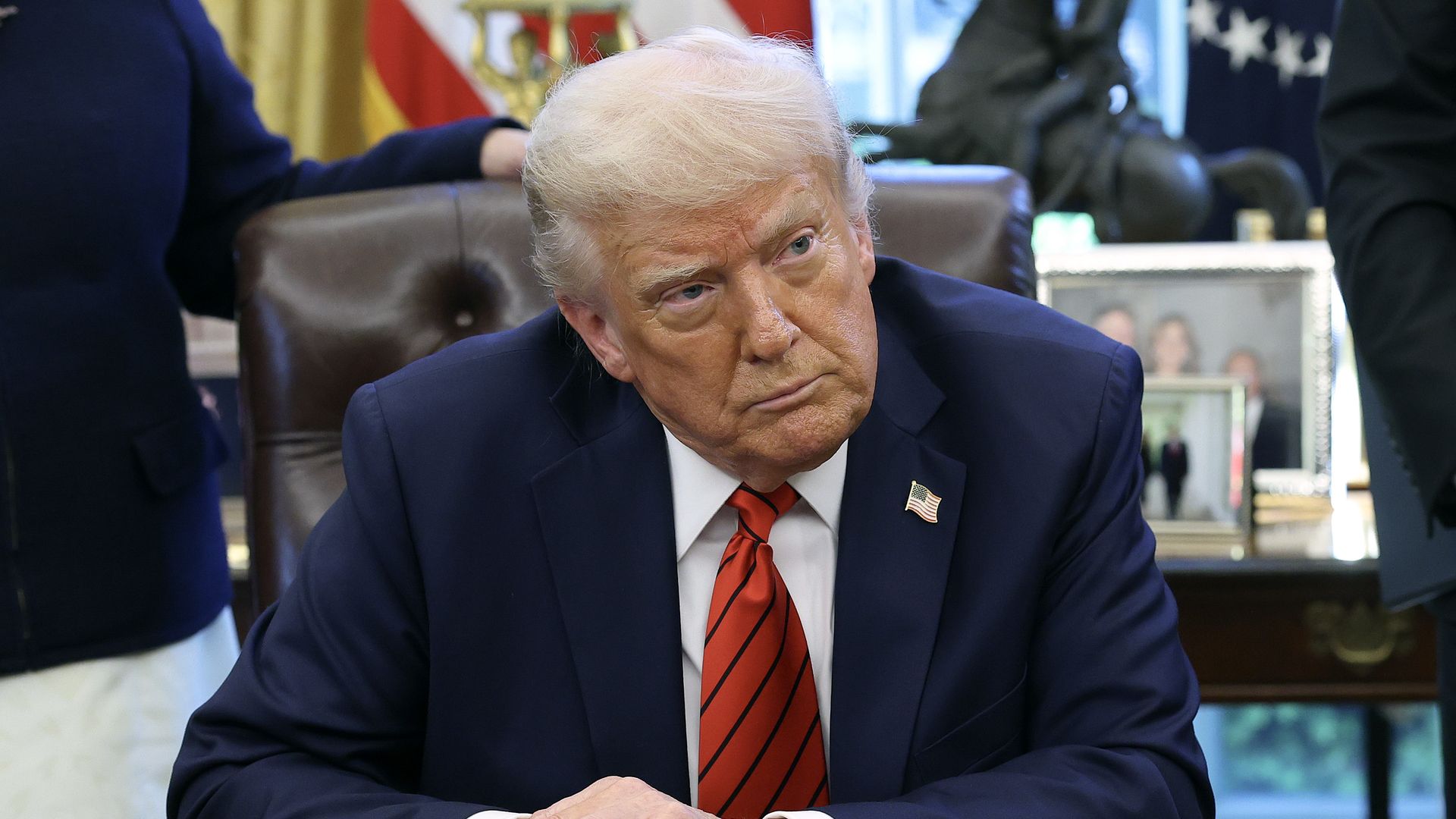
President Trump on Wednesday said he might call Federal Reserve chair Jerome Powell to press for an interest rate cut.
Why it matters: Financial markets slumped when they feared Trump might fire Powell and threaten the Fed's independence, and rallied when he said he had "no intention" of doing so.
A coalition of 12 states sued the Trump administration on Wednesday over what they called "illegal tariffs."
Why it matters: The attorneys general are seeking acourt order to block President Trump from being able to enact the tariffs, claiming that he lacked the authority to set them.
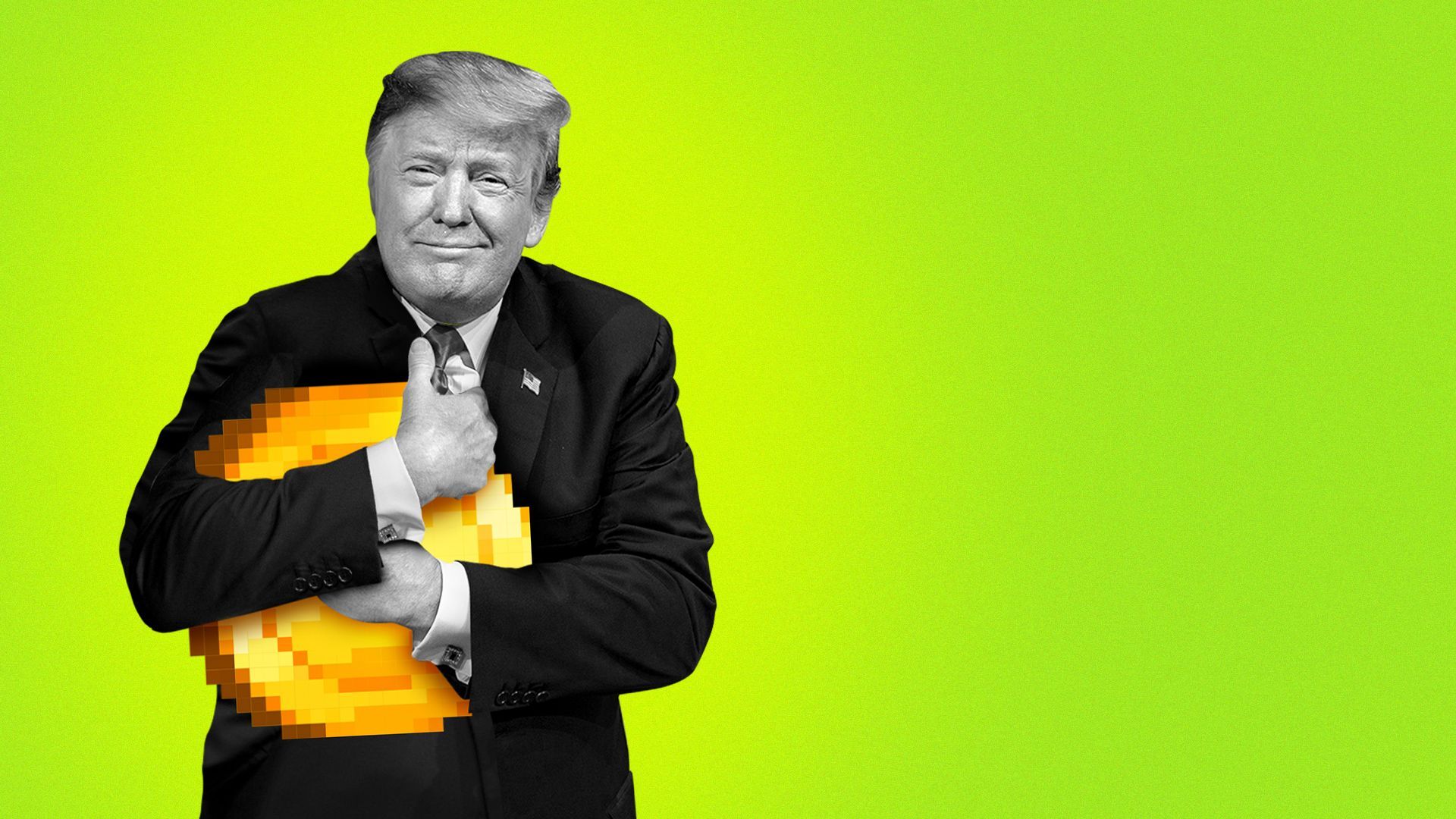
The Official Trump meme coin is up nearly 50% Wednesday on news that its biggest holders get to have dinner with Donald Trump, the President of the United States.
Why it matters: The big question everyone had about this crypto token was whether or not buying it would offer privileged access to the president, and now we have an answer.
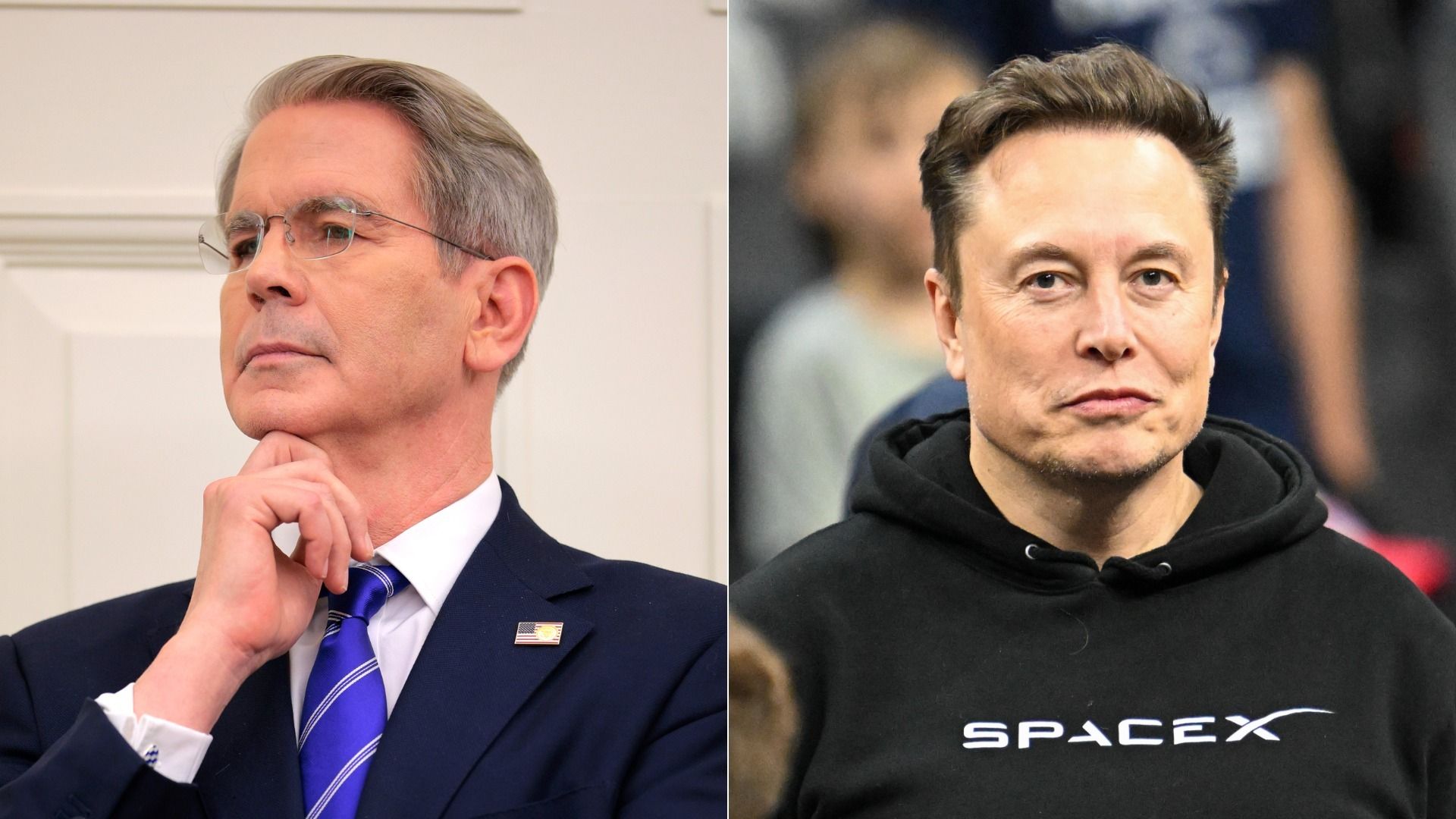
Elon Musk and Treasury Secretary Scott Bessent got into a heated shouting match in earshot of President Trump and other officials in the White House last week during a dispute about the IRS, two witnesses and three sources briefed on the matter tell Axios.
"It was two billionaire, middle-aged men thinking it was WWE in the hall of the West Wing," one witness said of the argument last Thursday. (Bessent's net worth is actually $520 million.)
Why it matters: The clash — with both men in each other's face — showed how much Musk's personality and style have rankled some senior administration officials since he began running roughshod through agencies with DOGE.
Financial market reality remains a constraint on President Trump's most aggressive impulses. But that doesn't mean the economy is out of the woods.
The big picture: Tuesday brought a presidential climbdown on both his threats to fire Federal Reserve chair Jerome Powell and to slam Chinese imports with tariffs so high as to virtually shutter trade between the world's biggest economies.
A majority of Americans disapprove of President Trump's handling of the economy, particularly his trade policies, per two new polls out Wednesday.
Why it matters: Over 10 years in and around public office, and despite all the other controversies surrounding him, one issue where people have consistently given Trump the benefit of the doubt was in his handling of economic affairs.
Treasury Secretary Scott Bessent on Wednesday said the Trump administration would leverage its power to "push" the International Monetary Fund and the World Bank in a new direction.
Why it matters: Bessent's comments offer the strongest hint yet of the White House's intention to try to nudge the groups to align better with the Trump agenda.
Boeing early last year was at yet another low point, after it was revealed that part of an Alaska Airlines plane had blown off mid-flight because of missing bolts.
That incident may have been the genesis of Boeing's decision to sell most of its digital aviation business to private equity firm Thoma Bravo for $10.55 billion, which was announced Tuesday.
OpenAI would be interested in buying Chrome, if Google is forced to sell the browser as a remedy to its antitrust violations, OpenAI's head of product said yesterday in court.
Why it matters: This could solve one antitrust problem and begin building another.
Two of the world's largest oilfield services companies — Halliburton and Baker Hughes — have offered specifics on how they see tariffs hitting their business.
Why it matters: Trade wars are a double threat for oil producers and their contractors.
Merchandise trade between China and the U.S. is likely to collapse if the current tariffs on both sides remain in place.
How much of that collapse has already started, however, is unclear.
The big picture: While some transpacific container-shipping routes have been canceled or changed to avoid U.S. ports, many ships are still headed for Long Beach, Oakland, and other U.S. destinations.
President Trump got a scare from CEOs and markets on Monday. On Tuesday, he bluntedsome of his sharpest threats — signaling a softer stance on China and retreating from fiery rhetoric targeting the Fed.
Why it matters: The president is resolute in his goal of reshaping the economy. But he's sensitive to the movement of the markets and the pleas of powerful corporate leaders and investors who fear the worst from his sweeping efforts.
President Trump's penchant for chaos — overload the media, public and government with disorienting action and controversial figures — is mass-producing ... chaos, everywhere.
Why it matters: As Trump's 2.0 administration approaches its first 100 days, his less leaky, less back-stabby White House is starting to look more like the first-term one, with a surge in infighting and embarrassing public revelations.













/2025/04/23/1745416733398.gif?w=3840)