Tariffs imperil America's status as world investment magnet


Add Axios as your preferred source to
see more of our stories on Google.
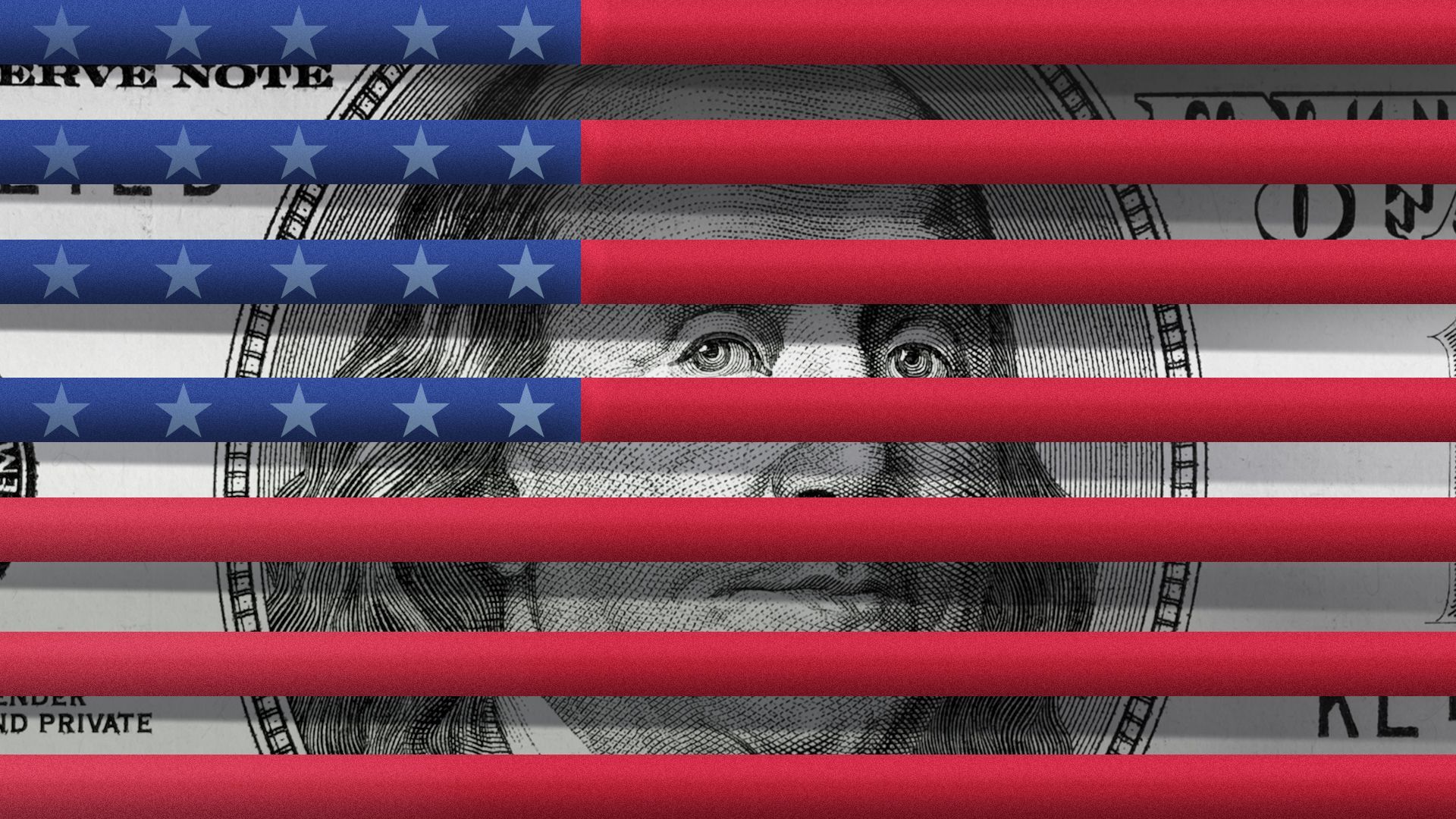
Illustration: Sarah Grillo/Axios
America's status as the top global investment magnet is in doubt.
Why it matters: Companies had been eager to spend billions to stand up factories, warehouses and more on U.S. soil, with confidence that political stability would make such investments worthwhile for decades to come.
- But President Trump's trade policies have made the economic backdrop more erratic and businesses are hitting pause, with new questions about whether executives can make a multiyear bet on America.
The big picture: It is an unintended consequence of the on-again, off-again tariff policy out of the White House. Multinational corporations are not sure what the world will look like in less than 90 days, when Trump's freeze on reciprocal tariffs expires.
- There has been assurance that negotiations may lead to de-escalation among major trading partners. But that is no guarantee.
What they're saying: "Overall, a tendency to take big bets — two- to three-year investments, or five- to 10-year investments with a new manufacturing location — all of those are on pause," Aparna Bharadwaj, a global consultant at Boston Consulting Group, tells Axios.
- "Any business that wants to make those kinds of big investments will need to have certainty behind it," Bharadwaj says.
Between the lines: Trump hoped the tariffs would result in foreign dollars pouring into America, in the form of intentions to build factories and manufacturing sites.
- While there have been isolated announcements of such investments touted by the White House, there are new questions about the sustainability of the policies that would make the investments worthwhile.
What to watch: This problem goes beyond the current trade environment. Many businesses realize that America's economic cycles are newly aligned with political cycles.
- Huge legislation like former President Biden's Inflation Reduction Act risks disappearing in the years it takes companies to break ground on the investments made under the law.
"The swing between the blue and the red has become wider," Bharadwaj says. For decades, "it was a slight switch to the left, or slight switch to the right, but business could continue as usual."
The intrigue: The questions about capital expenditures are mirrored in financial markets, where foreigners are questioning the status of the U.S. as a safe haven.
- The shakier domestic growth outlook implies a declining dollar and global investors' desire to rebalance their portfolios to be less concentrated in the U.S., Goldman Sachs chief economist Jan Hatzius told reporters Friday morning.
- "I'm talking about just an environment in which growth is significantly weaker for a period of time, inflation is higher, and the shine comes off of the American exceptionalism trade," Hatzius said.
