Boeing is facing a new crisis, this time not of its own making: China has reportedly forbidden its airlines from purchasing any of the company's jets.
Why it matters: Boeing is one of America's most critical manufacturers and exporters, making it an easy target as President Trump's trade war escalates.
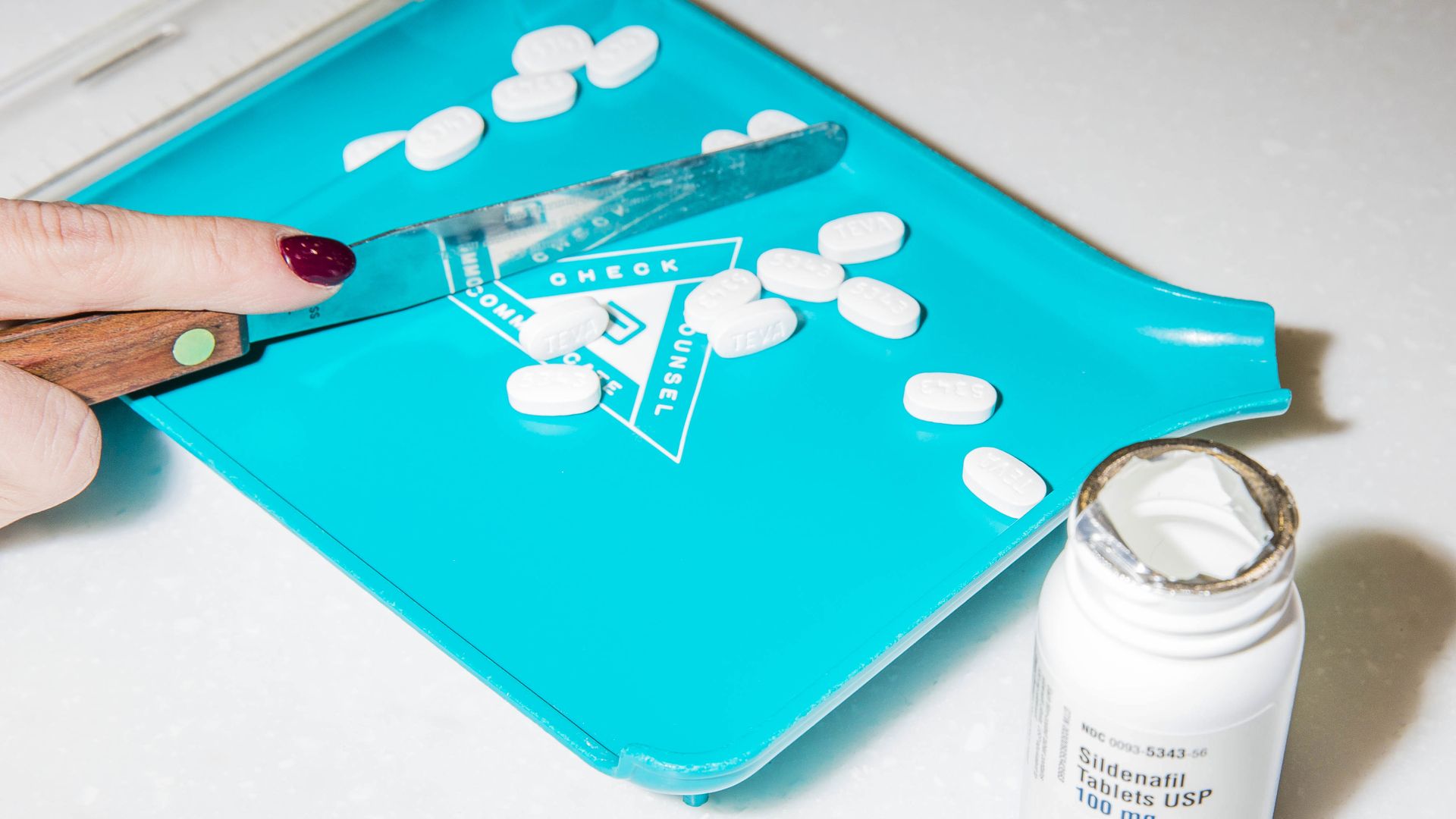
Why it matters: 90% of prescriptions are generic drugs or biosimilars, according to the Association for Accessible Medicines, which represents generic drugmakers.
President Trump signed a memorandum on Tuesday attempting to curtail Social Security fraud, despite ample evidence against widespread improper payments.
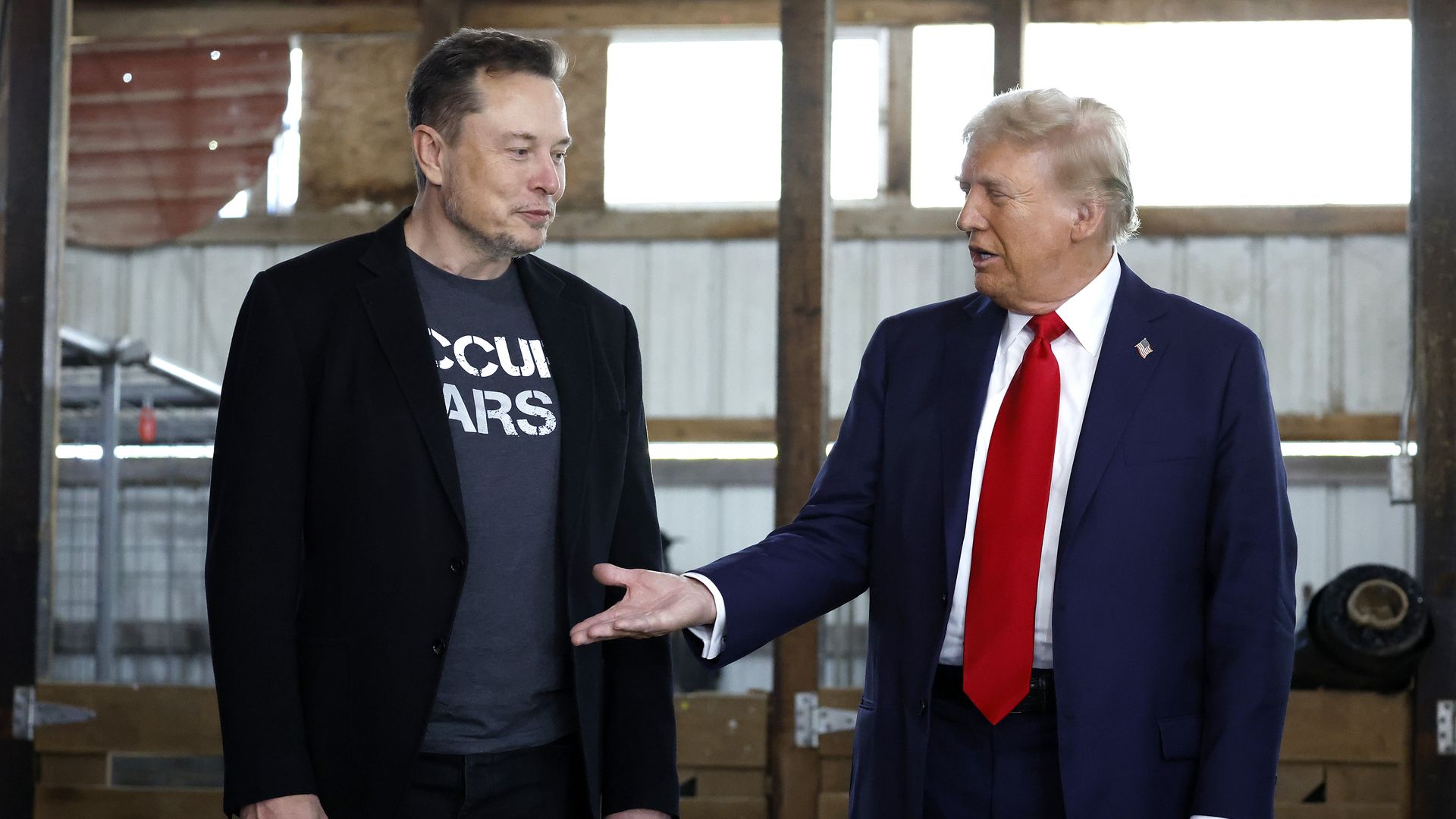
Why it matters: The move bolsters Elon Musk's DOGE-related efforts to eliminate Social Security fraud, about which he has continually exaggerated and promoted conspiracy theories.
President Trump has not "made a determination" on if he supports the idea of hiking corporate taxes to pay for other tax cuts, White House Press Secretary Karoline Leavitt said during a Tuesday briefing.
Why it matters: Trump campaigned on lowering the corporate tax rate, which may have helped him garner support from certain investors and business leaders.
The SEC's crypto task force had a session Friday, with various experts, on how to regulate exchanges of digital assets.
Why it matters: The main use case for crypto assets (though not the only one) has been trading, as investors make long-term bets on which coins and tokens have the brightest future and short-term bets on which ones will snag the most attention now.
Context: The new SEC has made it clear that it's full speed ahead on writing rules for the crypto industry, but a government agency steaming ahead still does so in a fairly deliberative way.
Less than a month ago, the SEC's crypto task force had its first roundtable on crypto regulation, focusing on which assets are under its purview and which are not.
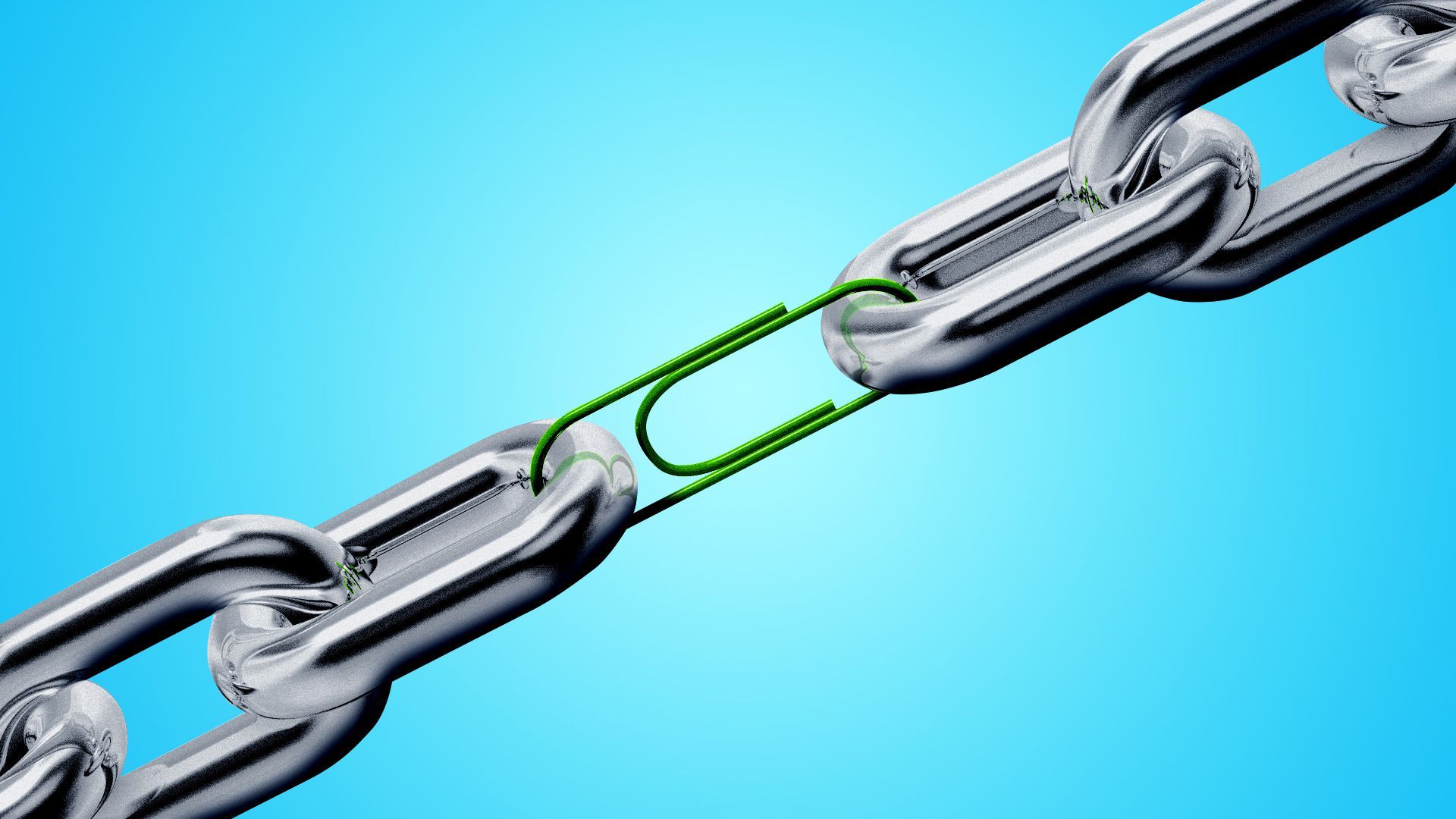
President Trump is taking one of the pandemic's most harmful, unintended economic consequences — supply chain chaos — and morphing it into official U.S. policy.
Why it matters: There is no deadly virus forcing a near halt to global commerce or the subsequent scramble to respond to surging reopening demand.
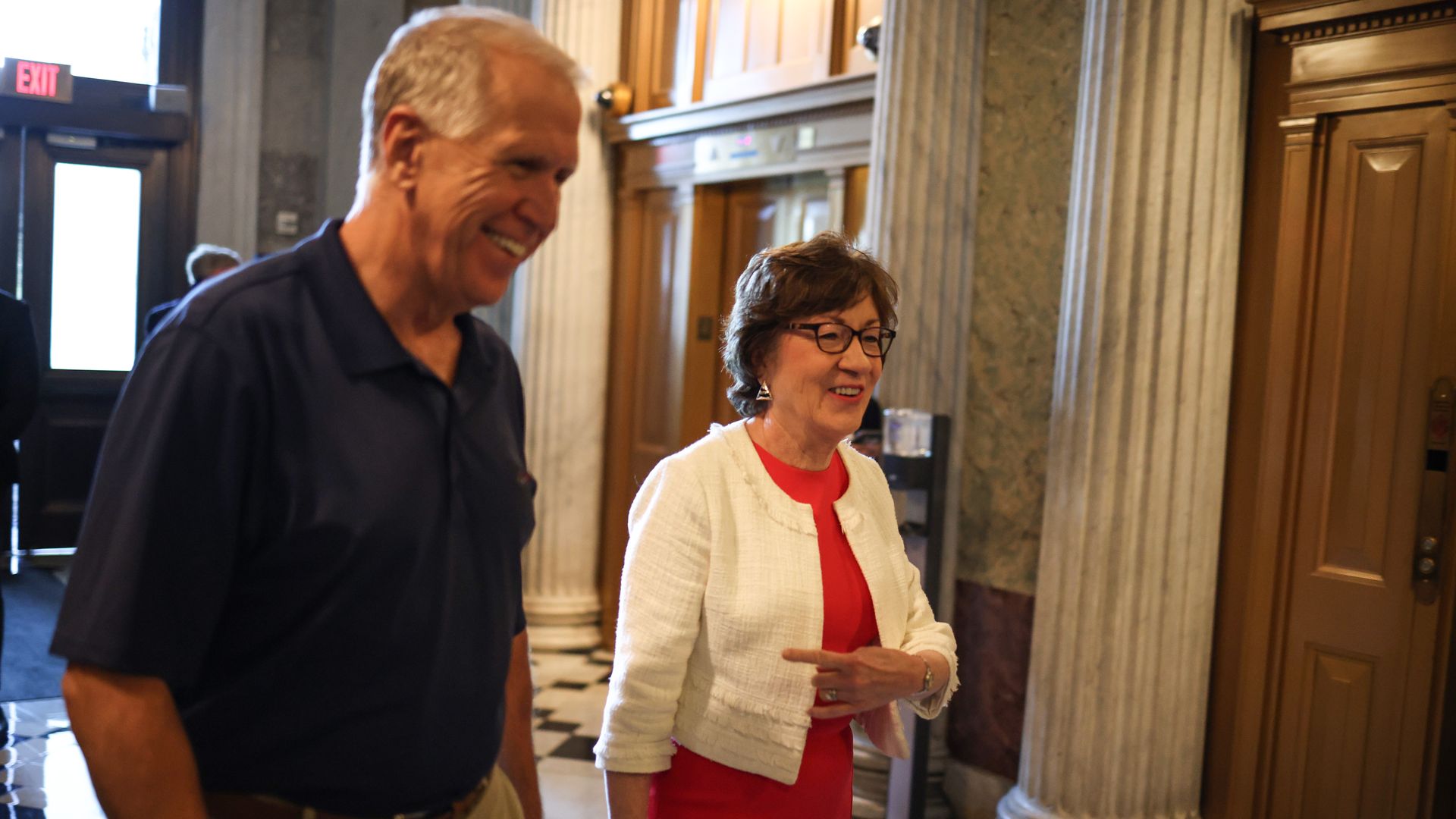
The campaign arm of Senate Democrats is launching its first advertising campaign of the 2026 election cycle, targeting two incumbent Republicans on Social Security.
Why it matters: Democrats plan to make the Trump administration's targeting of Social Security a central issue of the party's bid to take back a Senate majority.
Why it matters: Simply put, the U.S. can't build EVs without China. Efforts to seed a domestic supply chain, which began under the Biden administration, need more time to mature.
Broad-based tariffs mean fewer jobs, a new analysis from Goldman Sachs found.
Why it matters: One of the ostensible purposes of President Trump's tariffs is to bring back jobs, but economic research, industry realities, and anecdotal evidence paint a far less optimistic picture.
The Trump administration's abrupt walk back of tariff exceptions for cell phones, computers and chips has Wall Street guessing, but it made sense to those who understand the president's thinking: He doesn't like the "E" words.
"Exceptions and exemptions are weakness," said a Trump adviser who has discussed tariff policy with him. "Trump is for strength."
Why it matters:President Trump's determination not to appear weak — or wrong — on tariffs and his erratic, real-time tweaking of his policy have confused investors, deflated the dollar and shaken the stock market.
U.S. tech giants are awkwardly navigating two paths through the minefield of President Trump's global trade war.
The big picture: Companies like Apple and Nvidia are altering their short-term supply chains and diversifying their product sourcing to minimize the cost of Trump's tariffs.













/2025/04/14/1744675015083.gif?w=3840)