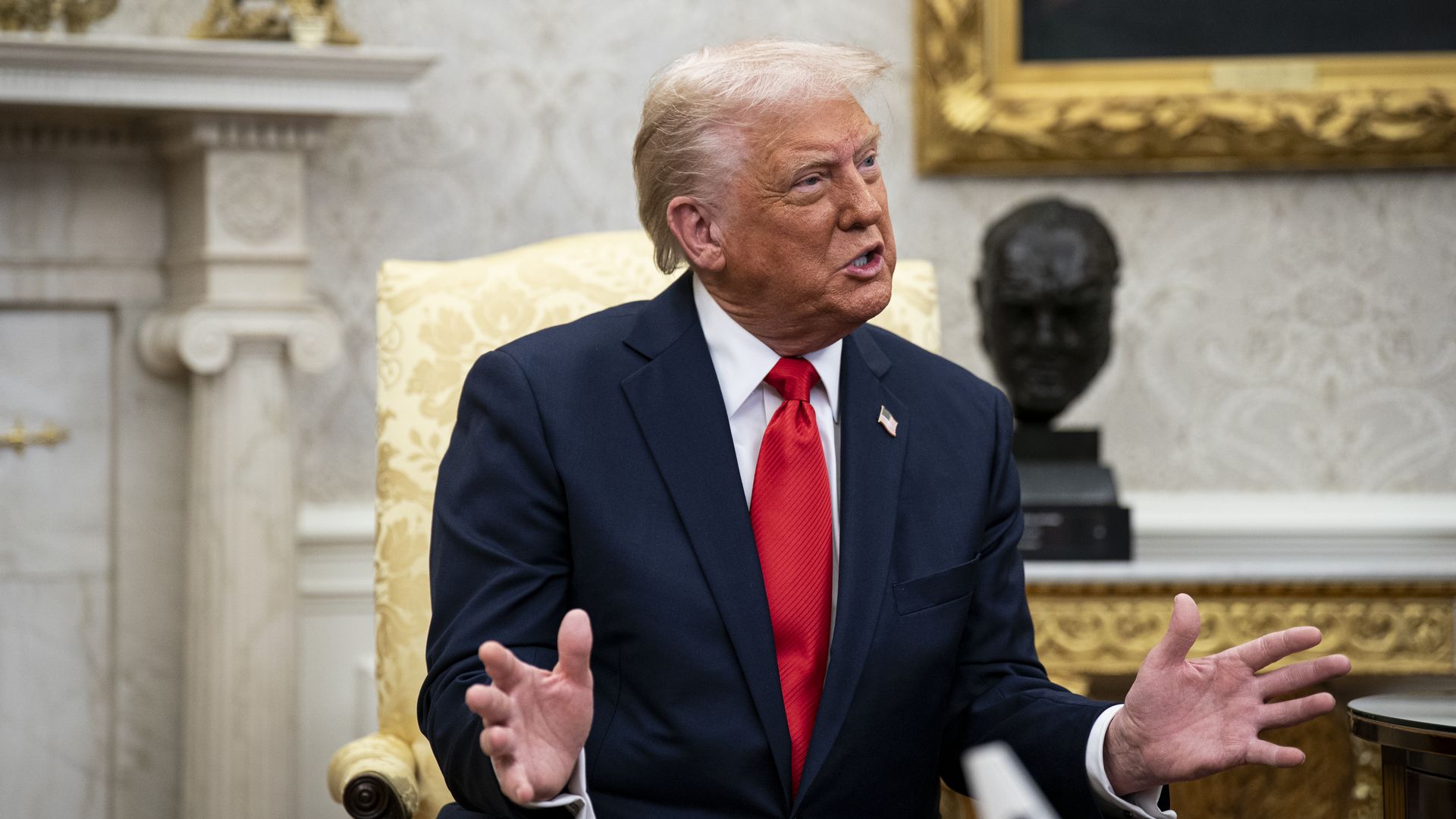
Immigration is a winning issue for President Trump, while his historic tariffs have plummeting favorability among voters, polls show.
The big picture: Trump has made sweeping changes on both the immigration and economic fronts — two key areas he campaigned on and won voters' support. But now that he's implemented some of his promised policies, the poll numbers shows mixed reviews.
🚗 Bill Ackman's Pershing Square Capital Management disclosed it had acquired about 4.1% of Hertz. The investment sent the beleaguered rental car company's stock soaring. (WSJ)
✈️ United Airlines said bookings are stable so far this quarter despite concerns about the economy stemming from tariffs. (Reuters)
🏍️ One of Harley-Davidson's largest shareholders, H Partners, wants its CEO Jochen Zeitz and two other board members to be ousted immediately. Harley blasted "mischaracterizations, inaccuracies and untruths" from a former board member now with H Partners. (Bloomberg)
🏠 Homebuilder sentiment is mired in the dumps. The NAHB's Housing Market Index ticked up a scant one point to 40 in April from the previous month, but that was before the recent mortgage-rate increase registered. (Any number below 50 indicates negative sentiment.) (Axios)
Vermont's maple syrup industry is facing a sticky situation: tariffs.
Threat level: President Trump's trade war threatens to ensnare maple syrup providers, which rely heavily on foreign equipment to keep the sweet product flowing.
Stainless steel fixtures used to "connect sap lines and boil the liquid into syrup can originate in China," while "packaging often comes from Italy" and "the vast majority of equipment is sold by Canada," AP reports.
State of play: Syrup producers in New York, Maine and Wisconsin could also face higher costs.
The Vermont Maple Sugar Makers' Association is looking for clarity in the tariff policy so its sugarers can get back to growth mode. But that's proving challenging.
"It's like the weather in New England," executive director Allison Hope tells AP. "You wait five minutes and it might change."
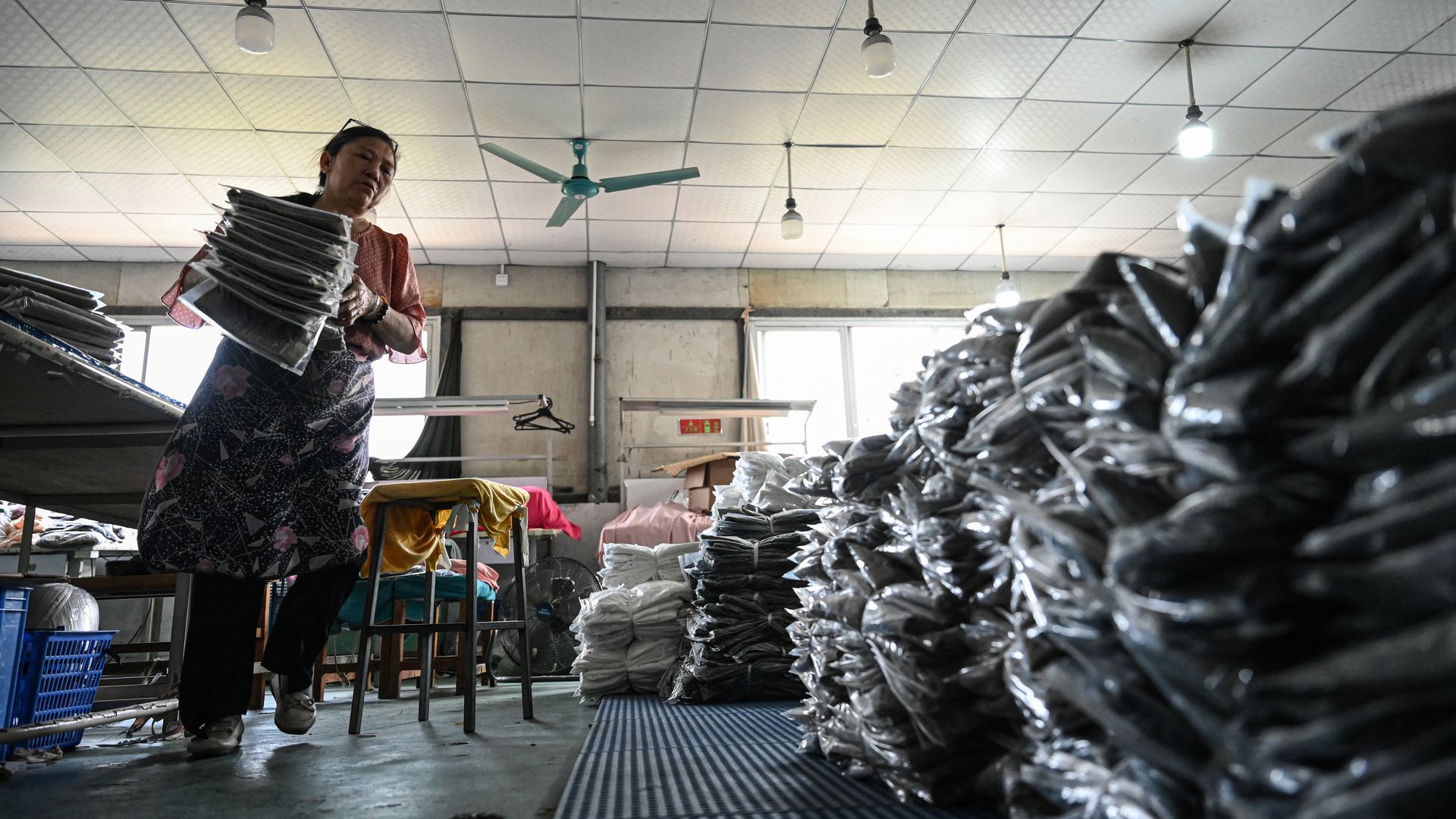
Temu and Shein plan to raise prices as they grapple with President Trump's move to close a trade loophole on cheap Chinese goods.
Why it matters: Imported shipments valued at less than $800 had enjoyed the "de minimis" exemption from U.S. tariffs, enabling foreign online retailers like Temu and Shein to sell super-cheap items to American consumers.
The nation's home builders are less than thrilled with the Trump economy thus far.
Why it matters: The headwinds for the companies that build single-family homes are multiplying, a bad sign for a country facing a shortage of affordable homes.
President Trump fired the two Democrats on the three-member board of the National Credit Union Administration, which regulates the nation's credit unions.
Why it matters: These latest firings, on the heels of similar dismissals at other agencies believed to be independent, is sparking concern that the Federal Reserve's independence is under threat — a matter of enormous consequence to the stability of financial markets.
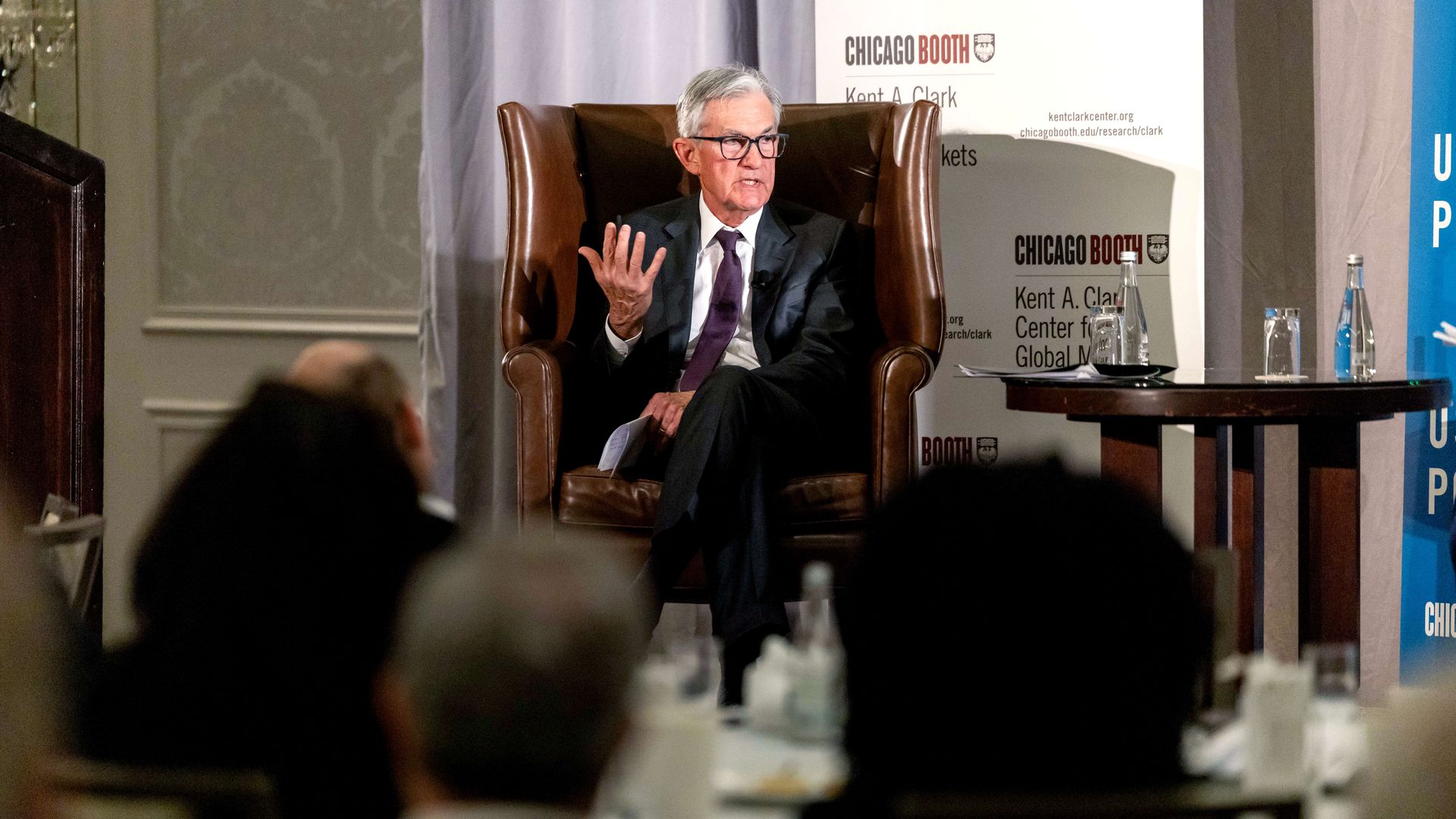
Federal Reserve chair Jerome Powell said on Wednesday that President Trump's tariffs would likely lead to a faster rise in prices and weigh on economic growth.
Why it matters: Trump campaigned on lowering prices for inflation-weary consumers, but Powell is the latest to suggest Trump's trade war might do the opposite.
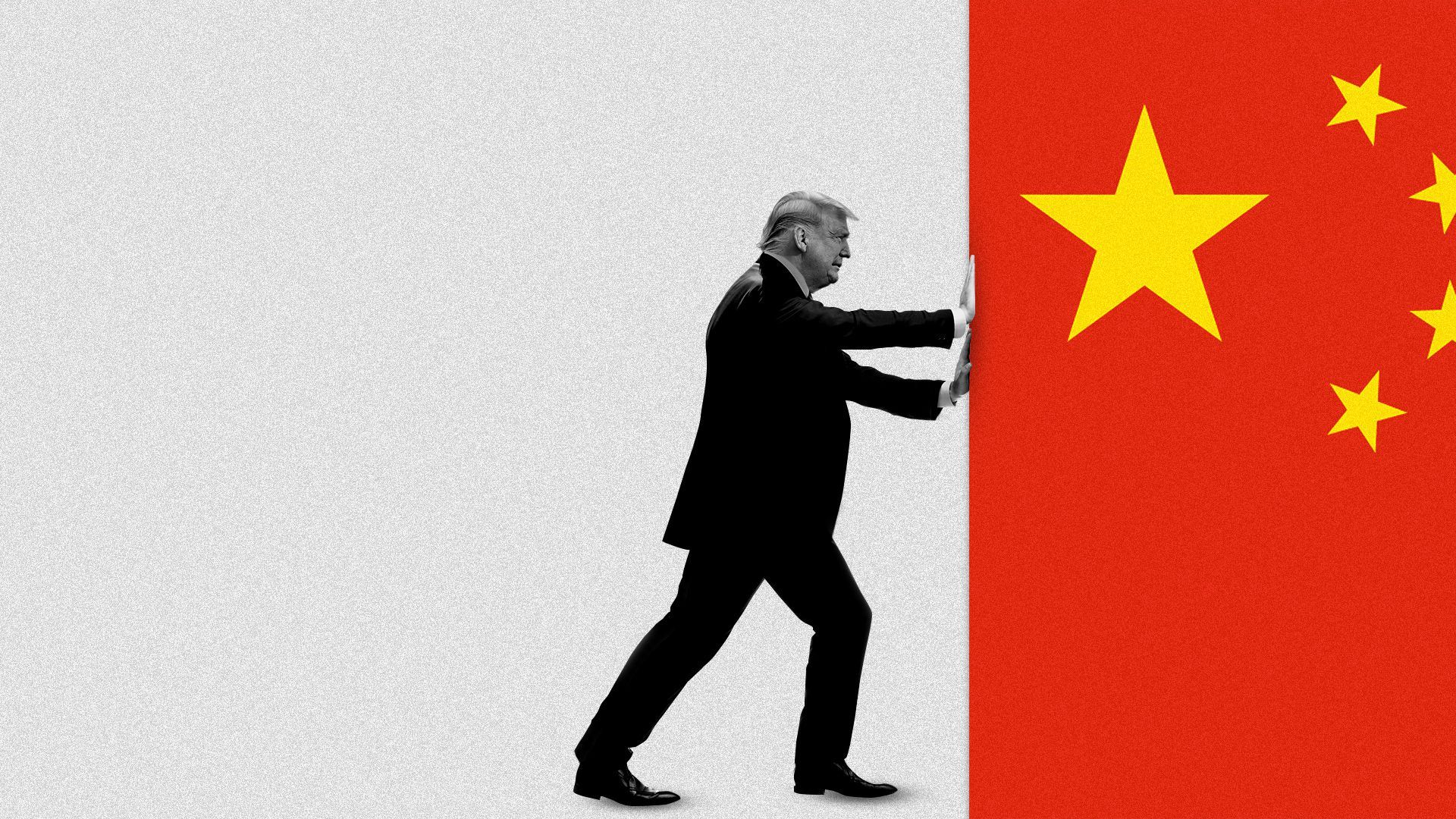
What has been a yearslong economic risk is now reality: The tit-for-tat tariffs effectively end U.S.-China bilateral trade, the final step in the economic decoupling of the world's juggernauts.
That is the new warning from the World Trade Organization on Wednesday in the release of its latest global outlook.
Why it matters: The sudden divorce of the two economies might mean profound pain for American workers and the nation's wealth built on the back of a strong trading relationship.
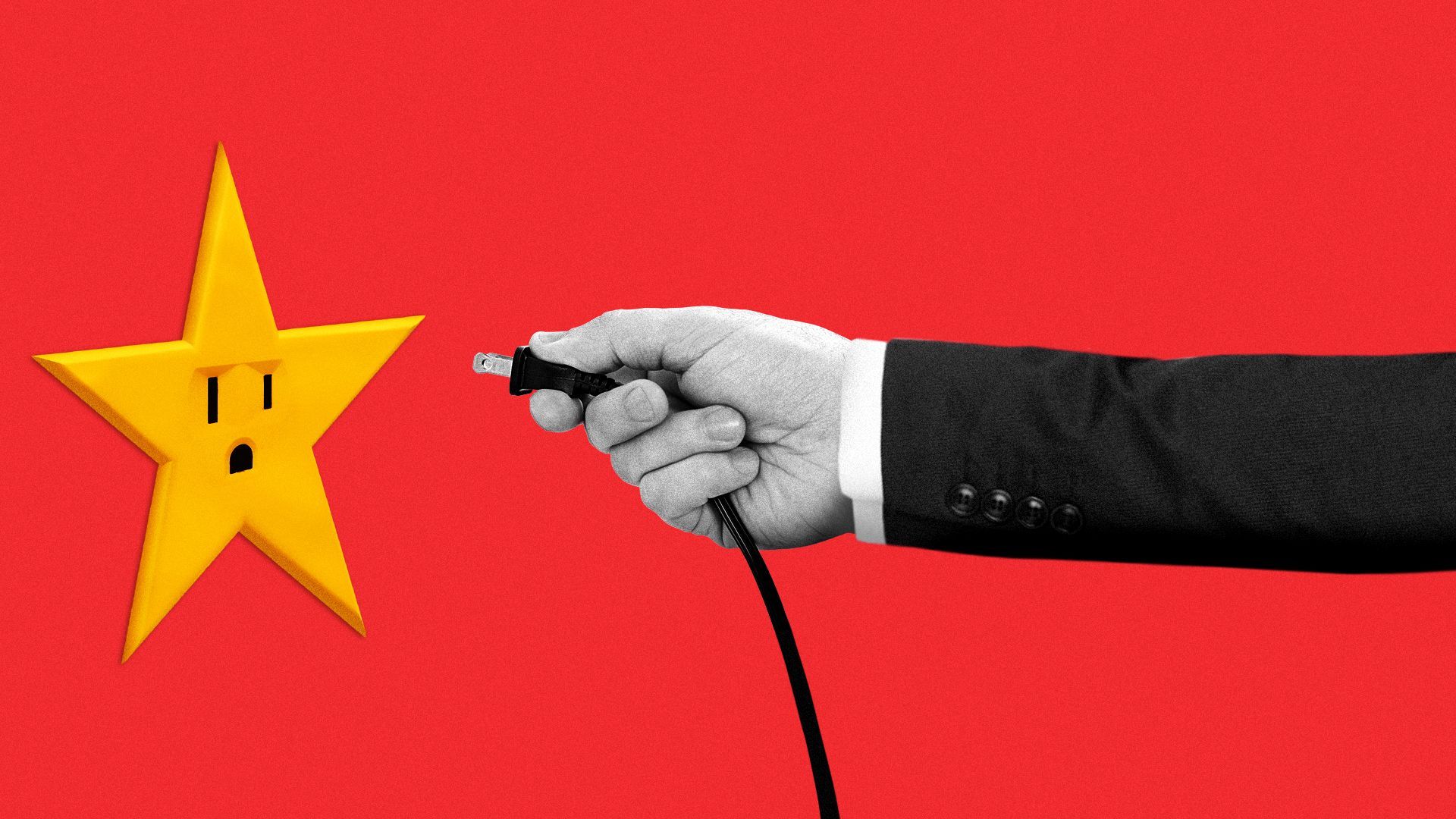
The U.S. has been investing feverishly in recent years to create a domestic supply chain for electric vehicles and reduce its dependence on foreign countries, but it's far from complete.
Why it matters: Despite more than $130 billion in EV investments in the U.S., big gaps in the supply chain — mostly in mining and refining — have left America vulnerable to an escalating trade war with China.
Retail sales surged 1.4% in March — the biggest monthly jump in two years after back-to-back months of weak consumer spending, the Commerce Department said on Wednesday.
Why it matters: Economists say consumers rushed to make purchases before Trump's broadest tariffs took effect and potentially raised prices for goods.
California Gov. Gavin Newsom said Wednesday that his state plans to sue in an attempt to block President Trump's sweeping tariff regime.
Why it matters: California, the fifth-largest economy in the world, could lose billions in Trump's trade war with China. The lawsuit marks the first time a state has sued Trump over his massive, market-rattling levies that sent ripples through the global economy.
What they're saying: "The rise of 'event-cations' highlights a deeper connection to the arts, music, and culture, as travelers seek out unique experiences that resonate with their passions," Airbnb's Ali Killam told Axios. "In doing so, Airbnb guests are also supporting local hosts and businesses, driving positive economic impact in the communities hosting these events."
By the numbers: Searches for Airbnb stays in Indio, Cathedral City and La Quita surged more than 80%.
More than two-thirds of people who have booked stays are millennials or Gen-Z.
Over 70% of all nights booked in cities surrounding the festival groups are for group travel.
The Top 15 U.S. cities fromwhere people are traveling to attend Coachella:
Los Angeles
San Diego
New York City
San Francisco
Seattle
San Jose
Irvine
Long Beach
Phoenix
Anaheim
Santa Monica
Scottsdale
Orange
Chicago
Newport Beach
Internationally, Mexico City and London arethe visiting fans' top origin cities.
The bond market — just like the stock market — is sending signs that maybe you can start breathing again. Not breathing normally, perhaps, but still, breathing.
Why it matters: The junk bond market seized up after the "Liberation Day" tariff announcements on April 2, but now it's showing signs of life.
International tourism to the U.S. is falling fast, and the actions of the Trump administration are only likely to make things worse, industry experts say.
Why it matters: The travel industry was worth $1.3 trillion in 2024, and supported 15 million U.S. jobs, per the U.S. Travel Association. Now, that revenue — and those jobs — are being threatened.
U.S. courts have the potential to be the biggest threat yet to the central tenet of President Trump's economic agenda.
Why it matters: Legal groups representing Main Street businesses want judges to block some tariffs as lawsuits against the levies make their way through the judicial system.
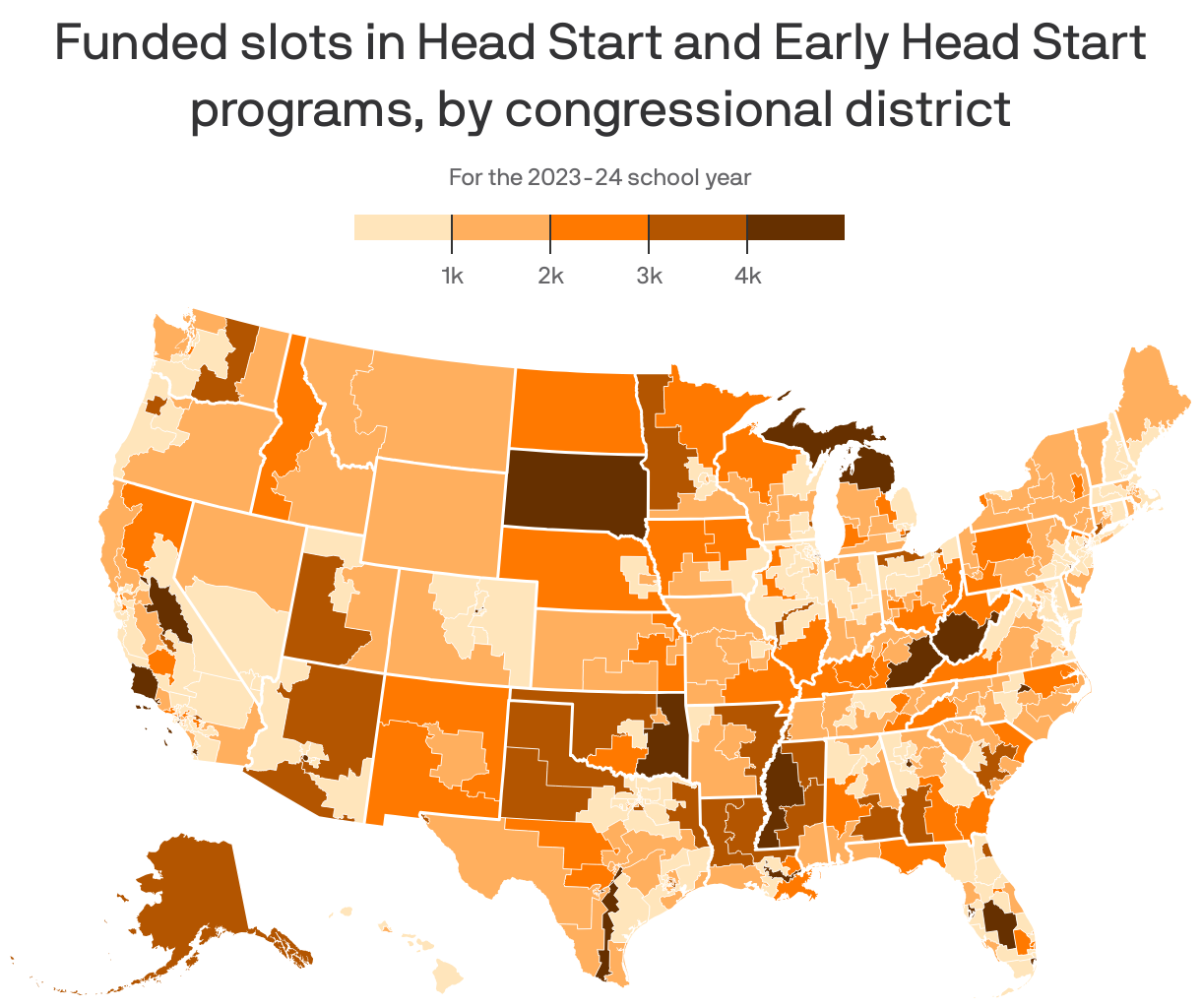
Data: Center for American Progress; Map: Axios Visuals
Worries are growing over funding for Head Start, the decades-old federal program that provides childcare, nutrition assistance and other services to the nation's poorest families.
Why it matters: Shuttering the program — something the White House is reportedly considering — would be "catastrophic," says Casey Peeks, senior director of Early Childhood Policy at the liberal Center for American Progress.
Gecko Robotics and L3Harris Technologies are collaborating on an interactive virtual world where even the smallest aircraft dings, dents and defects can be diagnosed from the other side of the globe.
The big picture: Airframe availability and maintenance are crucial, but complicated by concepts like agile combat employment, which scatter supplies, manpower and expertise.
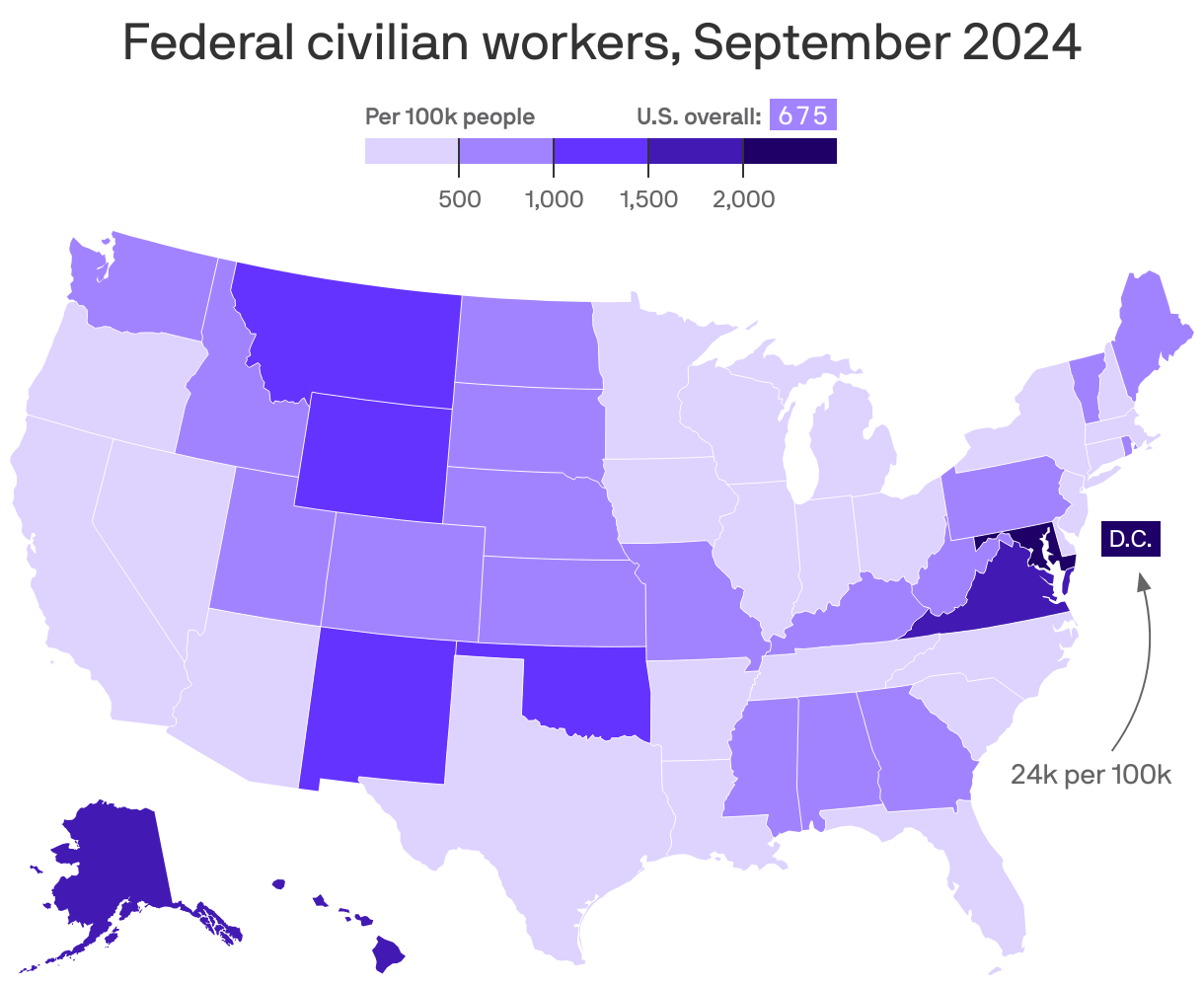
Data: U.S. Office of Personnel Management; Map: Alex Fitzpatrick/Axios
Federal workers are largely concentrated in and around our nation's capital — no surprise! — but also have strong showings in some Mountain West states, plus Alaska and Hawai'i.

















/2025/04/15/1744753500449.gif?w=3840)