Intel's stock soared nearly 15% today as investors cheered the appointment of a new CEO.
The big picture: The company is in pursuit of a turnaround after falling behind in the chips race and announcing the abrupt exit of former chief Pat Gelsinger.
The hiring of Lip-Bu Tan is giving investors hope it can get back on track.
Tan, a former Intel director, served as CEO of Cadence Design Systems from 2009 to 2021, during which the company's stock rose by 32x.
The S&P 500 entered correction territory Thursday, closing more than 10% below the all-time high the index hit in mid-February.
Why it matters: Less than two months into the second Trump presidency, markets are telling the administration they're concerned about the impact of tariffs and rising odds of a recession.
A federal judge on Thursday ordered six government agencies to offer fired probationary federal workers their jobs back.
Why it matters: At least 30,000 probationary workers have been fired in DOGE's sweeping remaking of the government. A few federal agencies have called their people back, but most are still not working.
Wholesale egg prices are starting to drift lower amid signs that the bird flu is easing, but don't expect to find lower prices at grocery stores yet.
Why it matters: Even as President Trump is claiming victory, his administration is acknowledging that the upcoming Easter holiday could cause prices to jump again.
Mega-tariffs! Mass government layoffs! Slashed federal spending! Those have been the headlines, but if you get your information from the Treasury Department's monthly accounting of its revenue and spending, things don't look nearly so dramatic — at least, for now.
Why it matters: For the first full month of the Trump presidency, the government's cash flow statements provide precious little evidence of the sweeping economic policy change that the new administration seeks to deliver.
GSR Ventures tells Axios that it has formally separated its U.S. business from its China business, and renamed the U.S. effort as Informed Ventures.
Why it matters: GSR was one of several VC firms rebuked last year by Congress for its cross-border investing activities, and has decided that its 20-year history as a global firm is no longer worth the political pain.
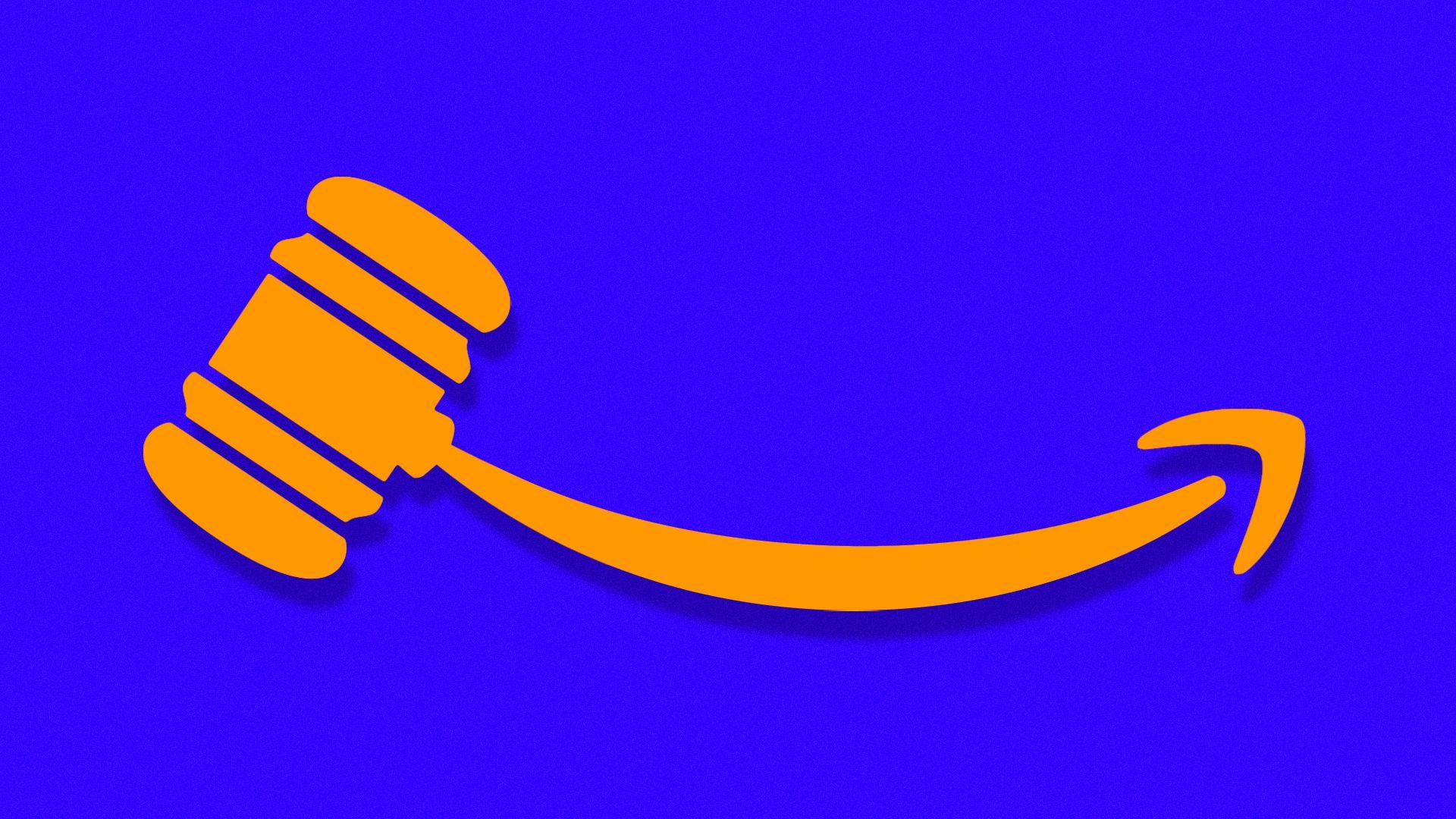
The Federal Trade Commission yesterday asked a court for extra time before proceeding on a case against Amazon, claiming its resources are too constrained, before reversing course just hours later.
Why it matters: This suggests that the FTC may struggle to meet its responsibilities, including enforcing antitrust law, or at least could become more selective.
Catch up quick: The FTC in 2023 sued Amazon for allegedly enrolling customers in its Prime program without consent and making it difficult to cancel subscriptions. In short, a deceptive practices case, as Axios' Ashley Gold and I report.
Yesterday, an FTC attorney named Jonathan Cohen told the judge overseeing the case: "Our resource constraints are severe and really unique to this moment. We have lost employees in the agency, in our division and on the case team."
Later in the case, after media coverage of Cohen's request for a trial delay, he fell on his sword, saying: "The commission does not have resource constraints and we are fully prepared to litigate this case."
Behind the scenes: A senior FTC official tells Axios that Cohen was "going rogue," and that his supervisors were unaware of his delay request before it was made. The agency is said to be investigating what happened.
At the same time, however, the FTC — which already had a reputation for being under-resourced — has lost some personnel from DOGE's "fork in the road" resignation offer and cut a dozen staffers on its own.
It's unclear if DOGE itself has been inside the FTC, but Elon Musk has directed FTC staff to soon move into USAID offices, while also rendering government-issued credit cards ineffective.
The bottom line: Trump's FTC is widely expected to keep Big Tech's feet to the fire, including by continuing to pursue its case against Microsoft, so this episode likely reflects internal strife more than a directional change.
Alcohol appears to be one of the earliest casualties of President Trump's trade war, one he escalated Thursday with a threat to impose massive levies on European wine and Champagne.
Why it matters: The alcohol industries may not have had the same influence in the tariff fight so far as automakers, but there's still billions of dollars in revenue and thousands of jobs at stake.
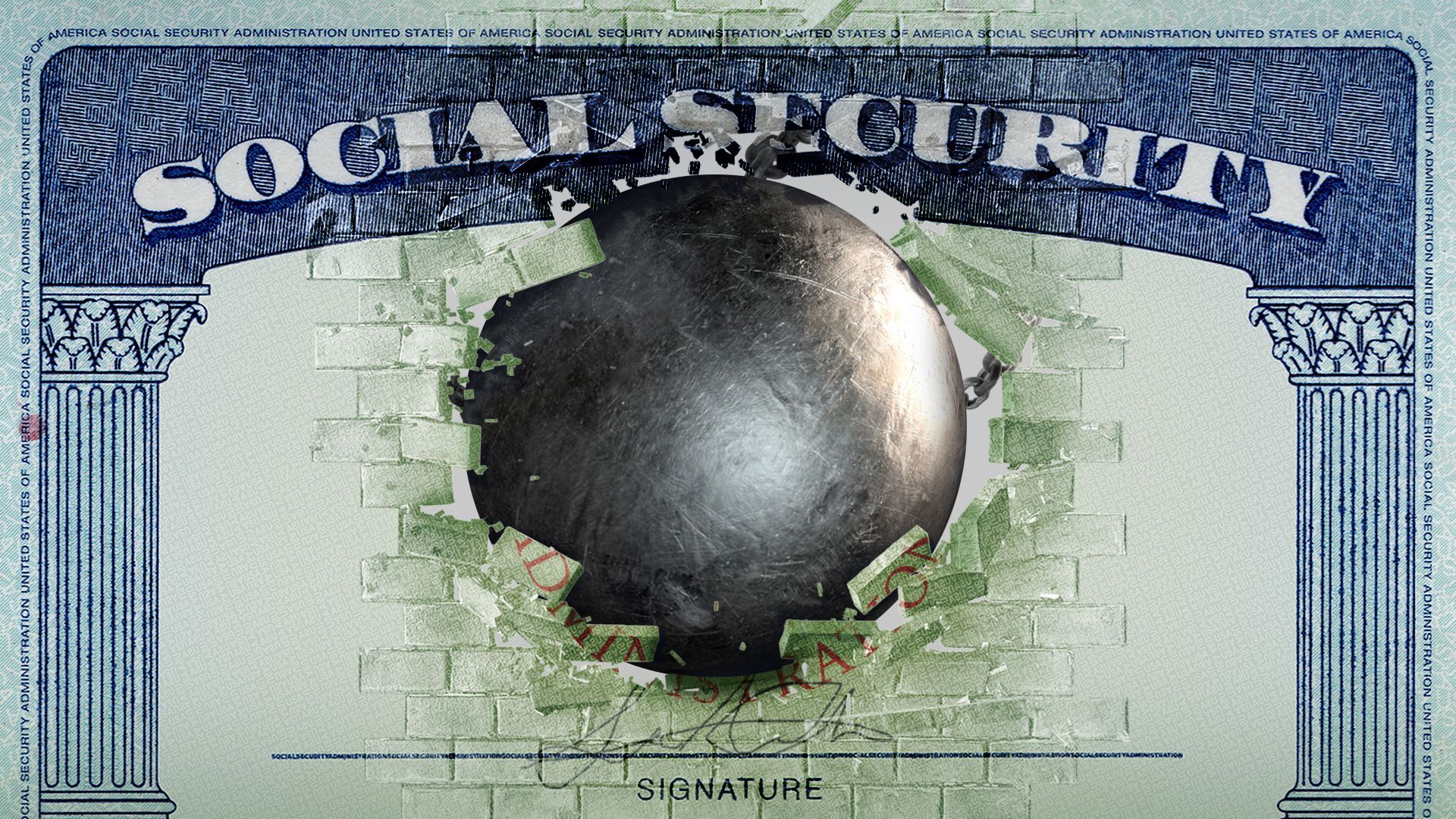
DOGE is taking its wrecking ball to the Social Security Administration, the agency responsible for overseeing retirement and disability benefits for 73 million Americans.
Why it matters: The cuts underway could wind up breaking critical parts of a system that millions of the nation's most vulnerable citizens rely on, including nearly 90% of Americans over age 65.
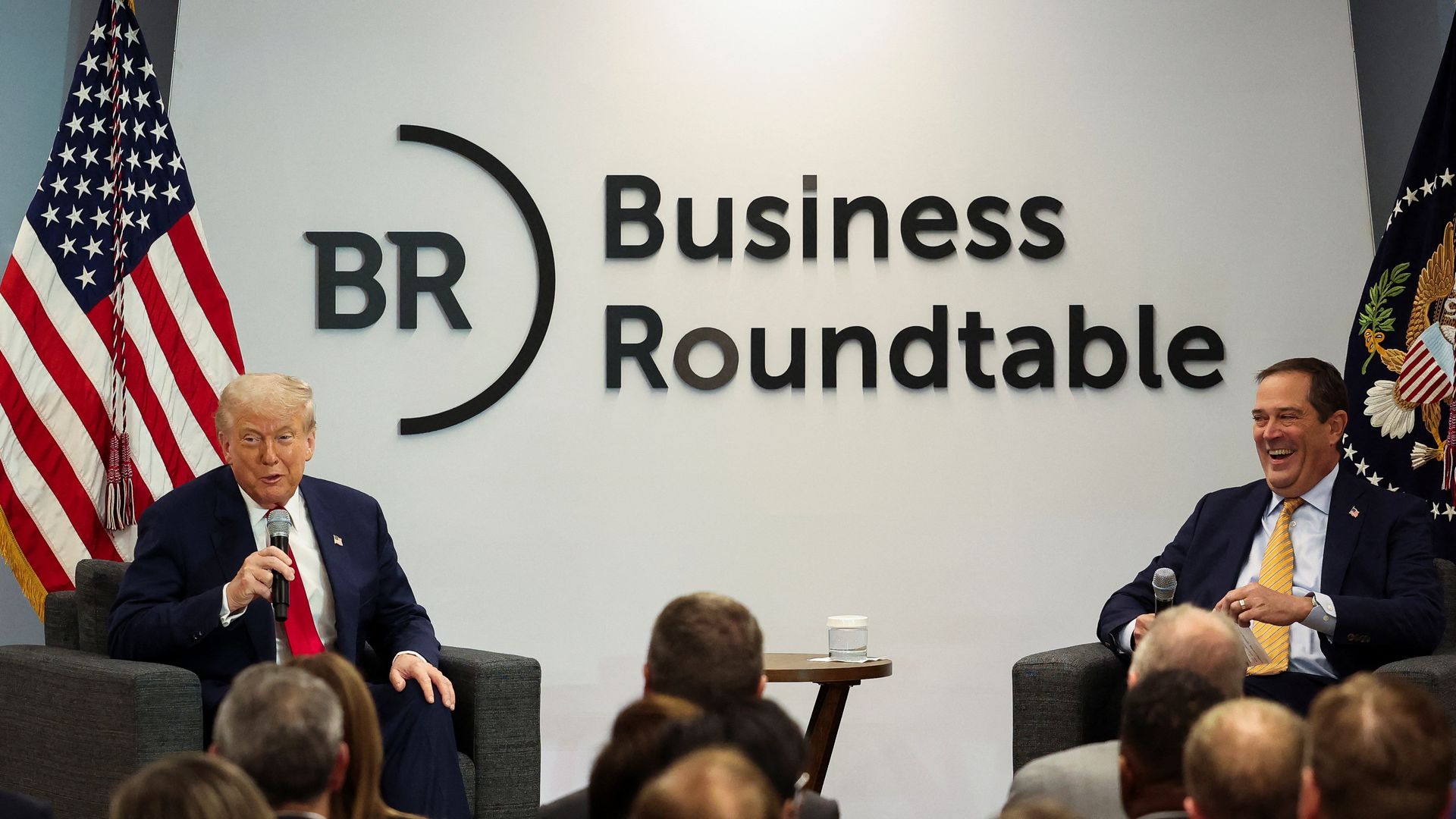
David Solomon — Goldman Sachs chairman and CEO — said after President Trump's visit to the Business Roundtable this week that "the business community understands what the president is trying to do with tariffs."
"The business community is always going to want lower tariffs ... everywhere in the world," Solomon told Fox Business' Maria Bartiromo on Wednesday. "At the moment, there is some uncertainty — the market is digesting that."
Here's what's new on Apple TV+, Hulu, Netflix, Peacock, Prime Video, BET+ and Max.
What we're watching: Two crime dramas based in Philadelphia, a documentary on the aftermath of the "Rust" tragedy and a new sci-fi film from the Russo brothers.
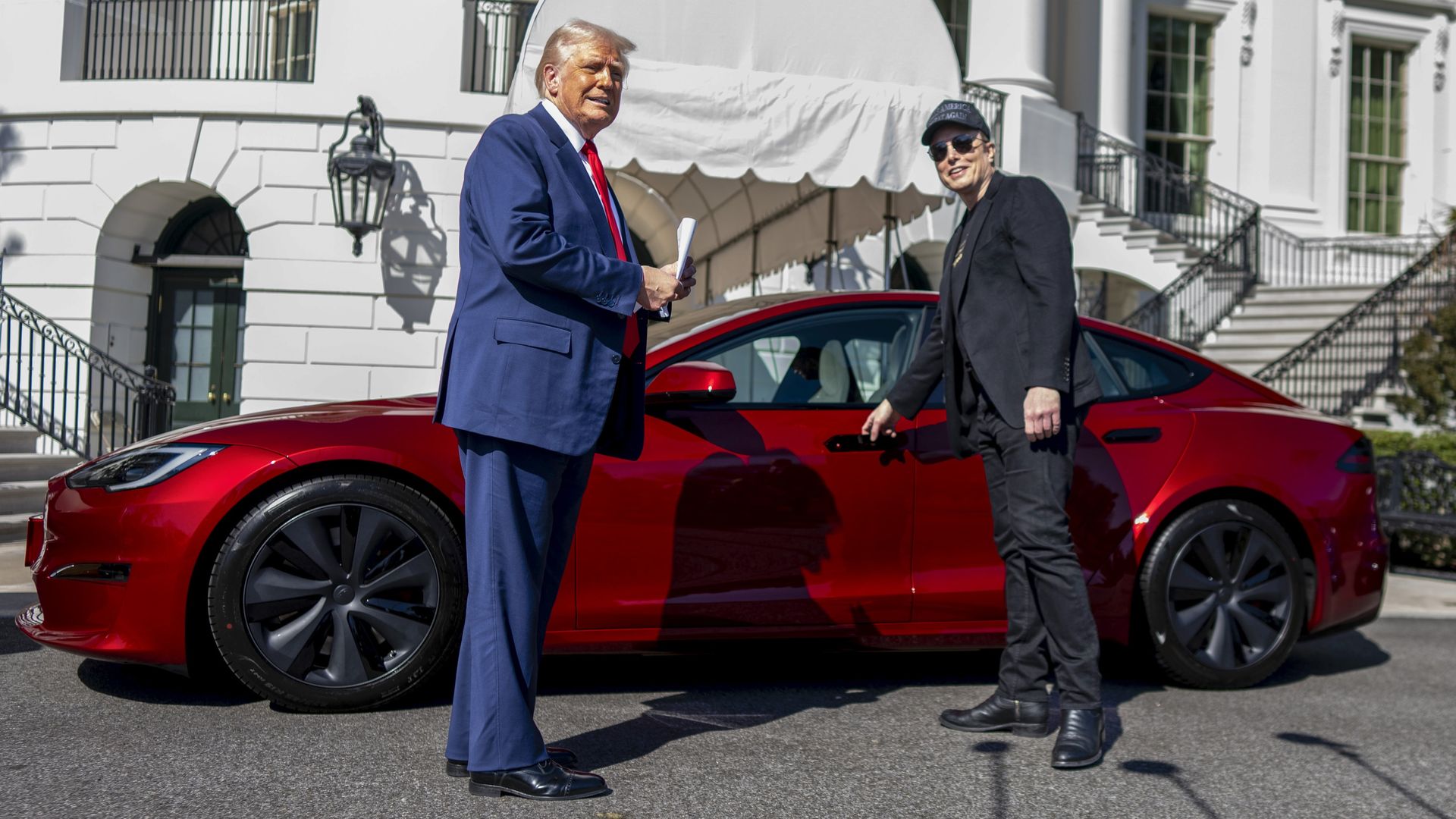
President Trump's public intervention on behalf of Tesla marks the most extraordinary chapter yet in the partisan war over America's preeminent electric vehicle brand.
Why it matters: Elon Musk's assault on the federal government has supercharged Tesla's evolution from liberal status symbol to pride-of-MAGA protectorate. The company's stock has taken a beating along the way.
Data: U.S. Census Bureau's Population Estimates Program; Map: Axios Visuals
America's metros are growing faster than the country overall, driven largely by foreign immigration, per the U.S. Census Bureau.
Why it matters: An exodus of city-dwellers rocked many U.S. metros during the COVID-19 pandemic, but some are now clawing back residents (and their productivity, creativity, tax dollars, etc.)
President Trump's tariffs that targeted Canada, Mexico and China before being expanded to all steel and aluminum imports have not only triggered trade wars, they're also leading to a "Boycott USA" global consumer backlash against U.S. goods.
The big picture: "Boycott USA" has spiked on Google in the past seven days, with four EU countries and Canada topping the search list and multiple countries have large Facebook groups dedicated to boycotting U.S. products.