Ontario's energy minister said Tuesday that electricity tariffs on the U.S. were meant to signal that the country is ready to respond in full force if the U.S. continues its trade war.
Why it matters: The 25% tariffs that the Canadian province slapped on the U.S. — which it later agreed to suspend — cover an extremely tiny fraction of the electricity actually used by Minnesota, Michigan and New York.
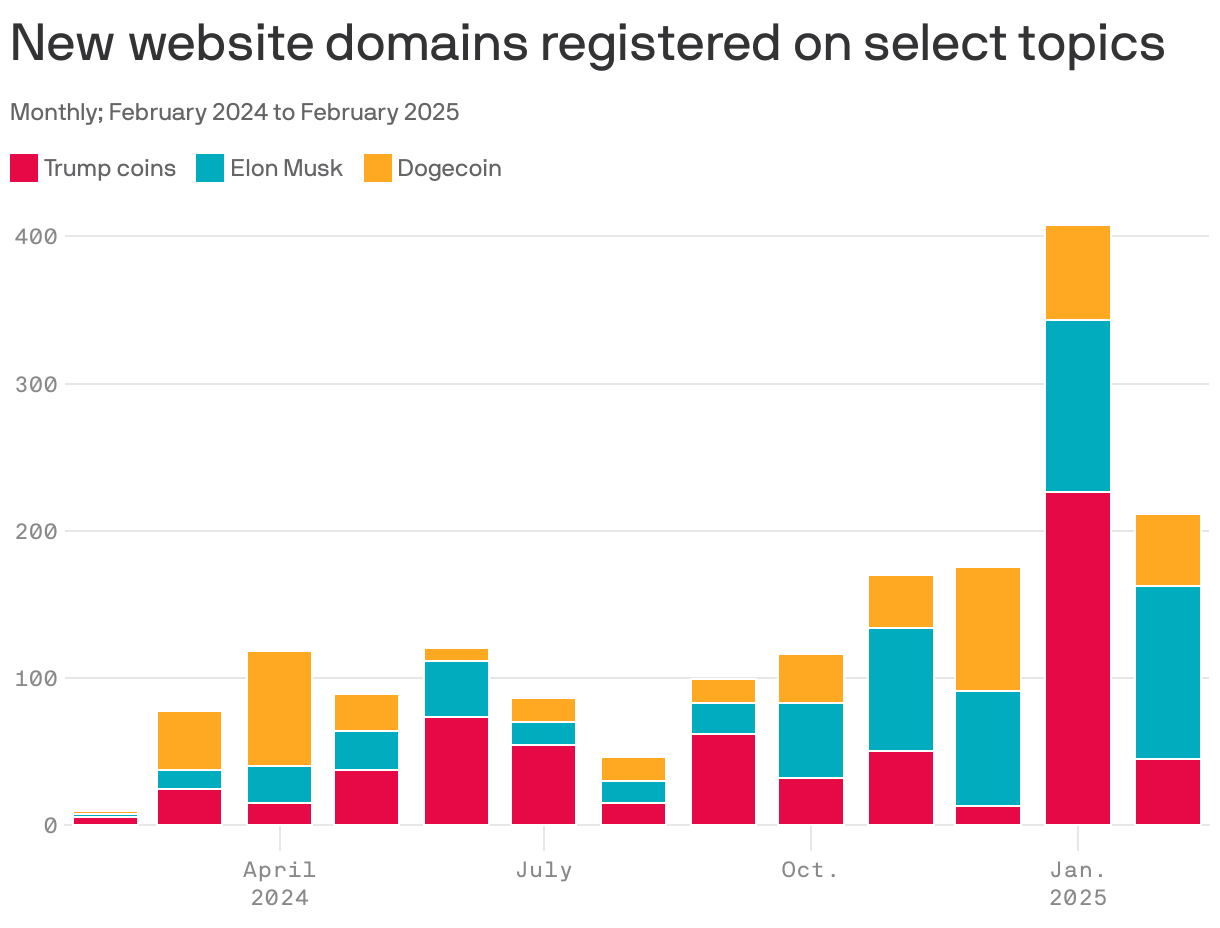
A new report, shared in advance exclusively with Axios by BrandShield, reveals a little of how scammy operators work.
How it works: Miscreants seem to identify a person or brand that people are talking about, come up with something that you think people might buy associated with that brand, and throw up a quick website offering that thing.
Then, give anyone who bites a way to pay for it and probably don't send it. Don't even make it.
Last week we wrote than an economic downturn could create upside for venture capital and private equity, particularly as a forcing mechanism on revaluations.
While waiting for that to play out, another thought: Boy, did private market investors blow it.
Steady demand kept the economy humming for the last few years even amid recession predictions. Now there are early, tentative signs that demand from consumers and businesses may be cracking.
Why it matters: Sentiment indicators show that economic uncertainty, tariff threats and federal government cutbacks are weighing on consumer and business spending plans.
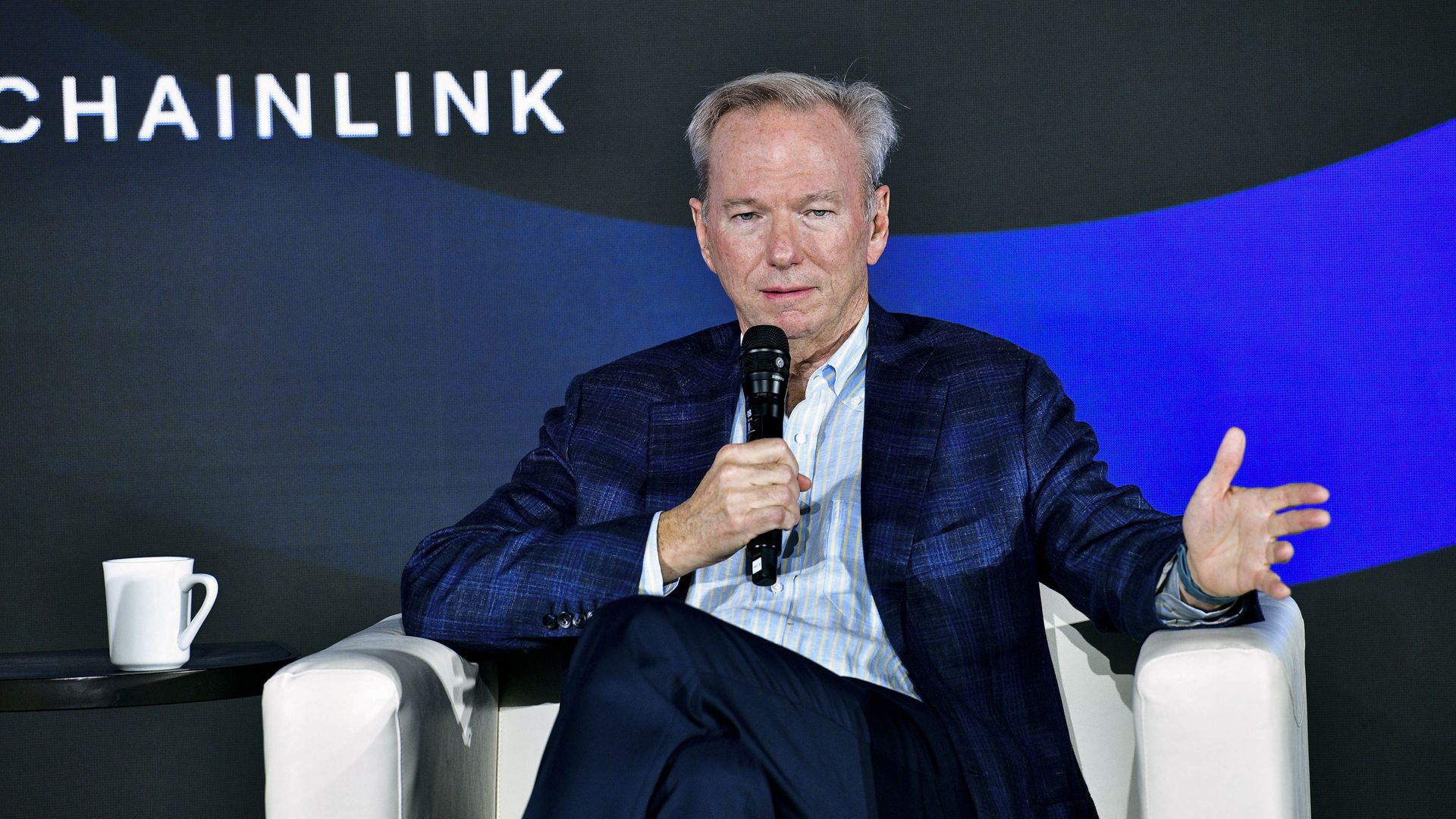
Eric Schmidt has acquired a control stake in Relativity Space, a Long Beach, Calif.-based rocket maker, and taken over as CEO.
Why it matters: This will be Schmidt's first CEO job since leaving Google's top post more than 14 years ago, and is a reminder of how fast the space industry can burn venture capital.
Three of the largest U.S. airlines have cut their revenue or earnings forecasts since Monday's market close, with all citing weakening consumer demand.
Why it matters: Indications are piling up, almost by the hour, that consumers — the engine of the U.S. economy — are losing their nerve amid tariff uncertainty and rising recession fears.
The still-low unemployment rate hides the bleak new reality for employees: rising fears of layoffs, uncertainty about the health of employers' business, and plummeting hope of finding other work.
Why it matters: High inflation crushed optimism in the Biden era. Now concern about the labor market and the economy is helping sink sentiment, a result of President Trump's fast-moving policy, including federal cutbacks.
Seven weeks into the second Trump administration, one thing has become clear: It's better to be a trader than an investor.
Why it matters: Donald Trump is by far the most unpredictable president in living memory, which means he's by far the most likely to do something unexpected that moves markets.
Not only have home prices soared over the past decade, but it's the "affordable" homes that have seen the biggest price increases.
Why it matters: Rising prices, exacerbated by a shortage of affordable homes, put homeownership out of reach for many, driving them to a rental market that's also seen remarkable cost increases.