The maker of Roomba robot vacuum cleaners needs to clean up its act.
Zoom in: iRobot today warned that it may not survive on its own.
"Our history of operating losses and negative cash flows from operations has raised substantial doubt about our ability to continue as a going concern," the company said in an SEC filing.
Flashback: The warning comes about 14 months after iRobot's $1.4 billion deal to sell itself to Amazon collapsed amid opposition from European regulators.
The Saudi sovereign wealth fund is acquiring the studio behind Pokémon Go, the mobile game that went viral when it launched in 2016.
State of play: Scopely, which is owned by Saudi Arabia's Public Investment Fund, is buying the gaming business of Niantic for $3.5 billion, Bloomberg reports.
The deal includes the games Pokémon Go, Pikmin Bloom and Monster Hunter Now.
The big picture: "Beyond the runaway success of Pokémon Go, many of Niantic's other games have struggled to gain traction or have shut down entirely," Bloomberg writes.
💭 Nathan's thought bubble: Like many of you, I tried Pokémon Go once when it was all the rage ... and then moved on.
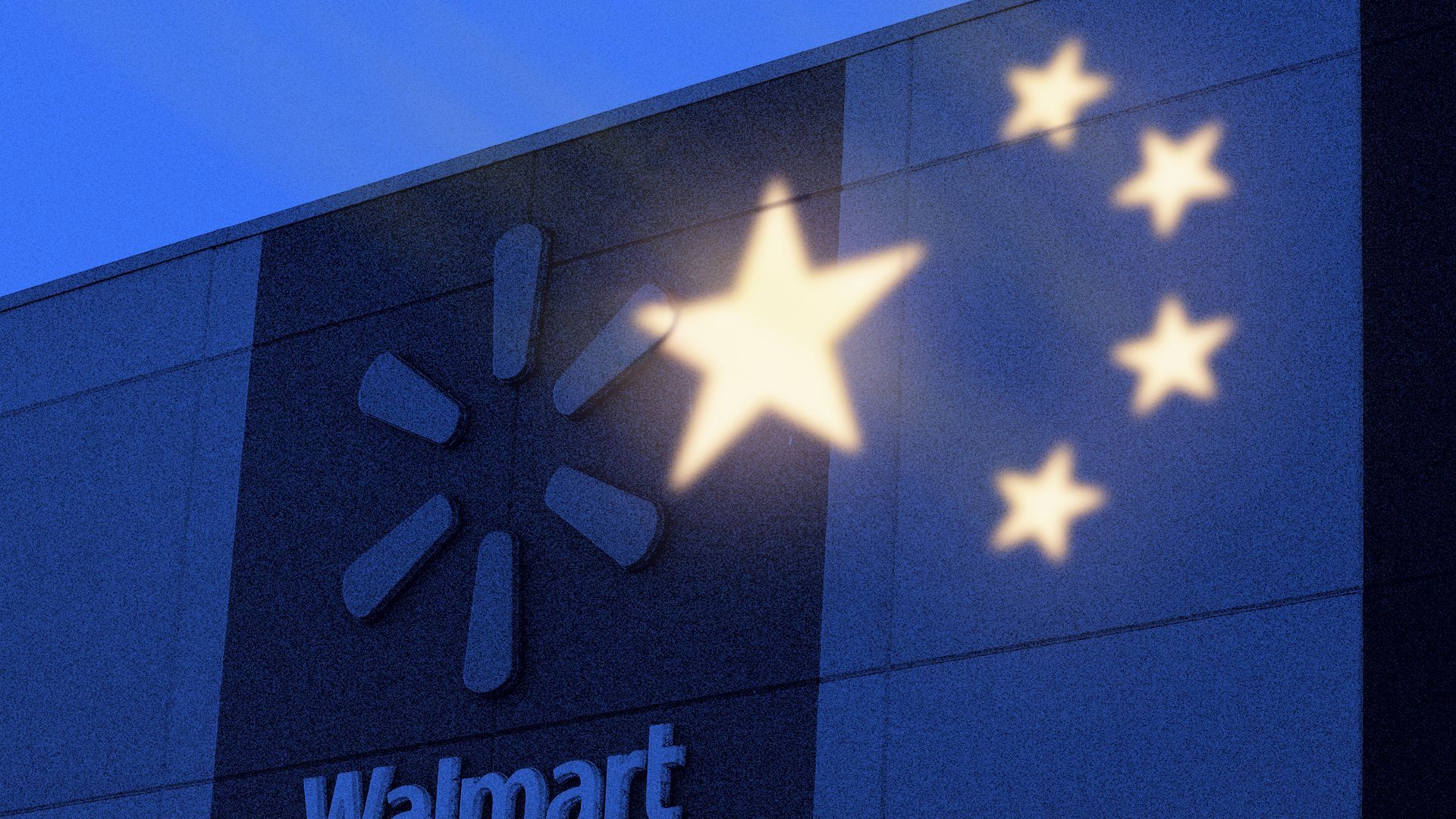
The world's largest retailer is clashing with China over the company's efforts to reduce the impact of President Trump's increased tariffs.
Why it matters: Walmart — whose brand is inextricably linked to low prices — is trying to leverage its monumental size to mitigate its own costs from the billowing international trade war.
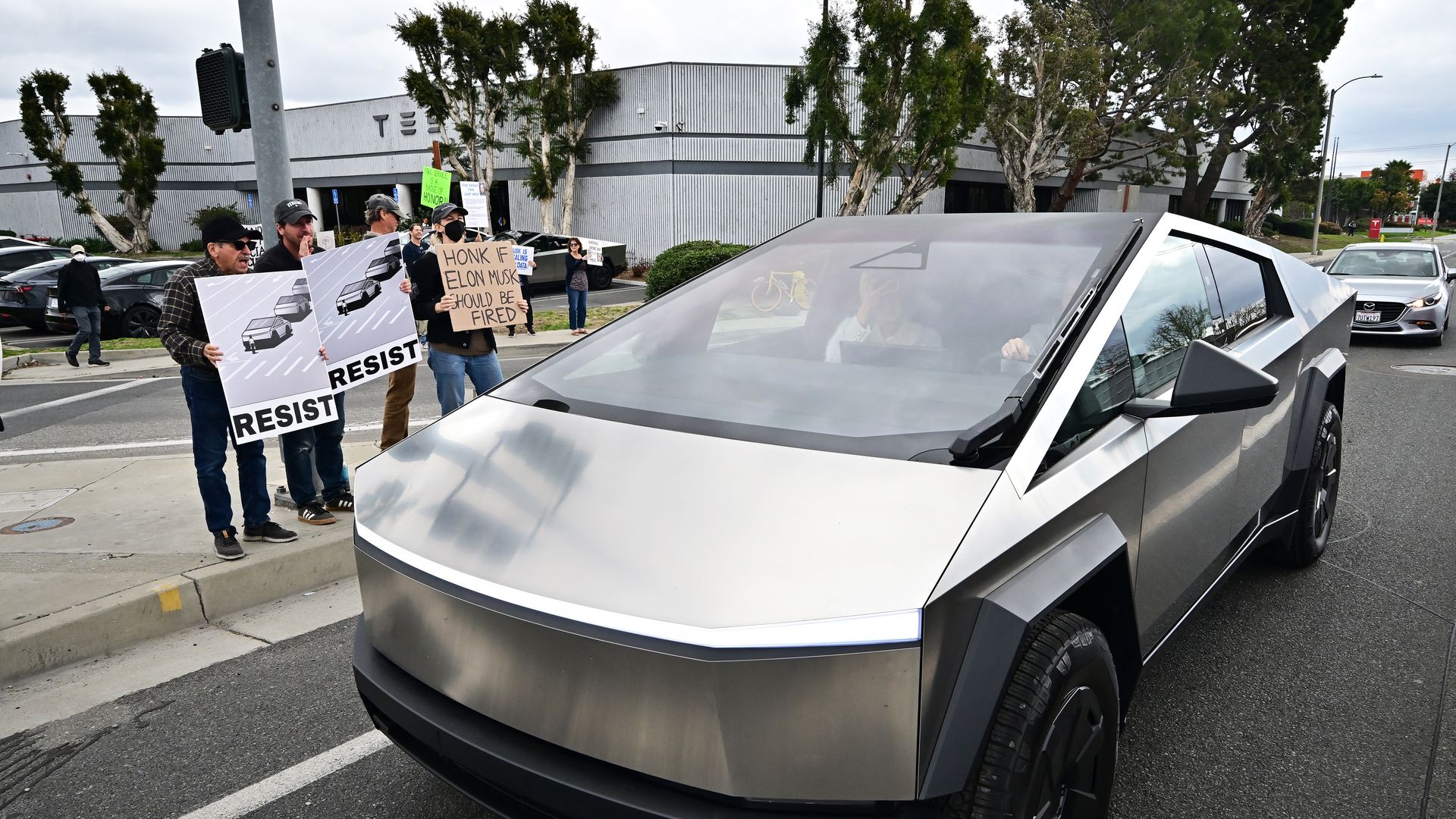
Rep. Marjorie Taylor Greene (R-Ga.) and seven other GOP House members on Wednesday called for a "domestic terrorism" investigation into attacks against Tesla and Elon Musk.
Why it matters: #TeslaTakedown protests have largely been peaceful, but the letter from the members of Congress is an attempt to paint the entire opposition movement and Democrats as supporting violence.
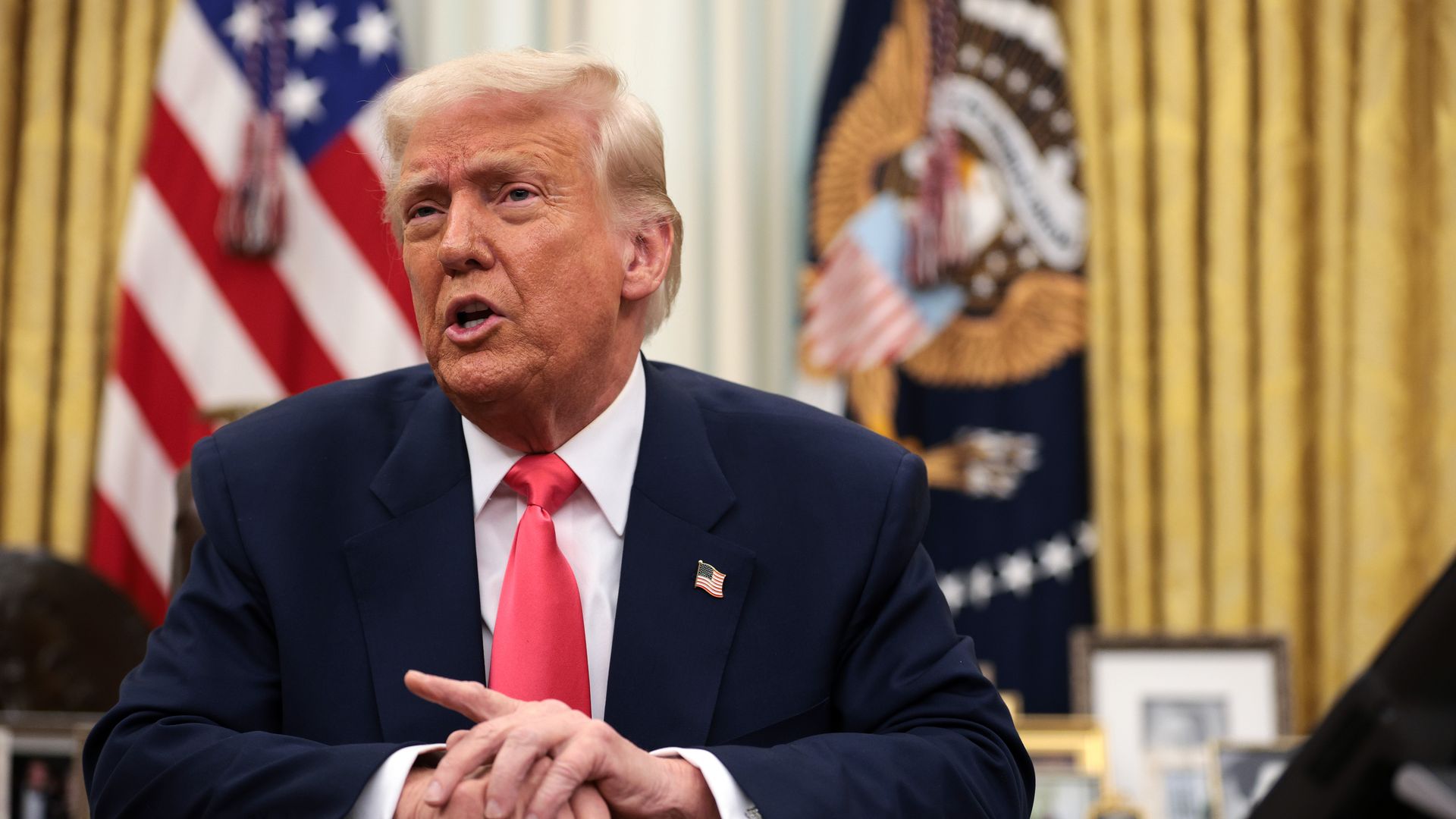
Why it matters: Trump's re-election campaign hinged on lowering prices, but voters are beginning to notice his policies — from a trade war with the U.S.' closest trading partners to mass deportations — are expected to do the opposite.
February finally brought a bit of inflation relief following a stretch of elevated readings — a sign that the underlying backdrop for the economy is one of diminishing price pressures.
Why it matters: Disinflation returned in February after months of data that appeared to show progress had stalled. But that relief could be fleeting if widening trade wars reignite higher costs.
Inflation eased in February: The Consumer Price Index rose 0.2% last month, while the gauge that excludes food and energy prices increased by a similar amount, the Labor Department said on Wednesday.
Why it matters: Inflation cooled as tariffs began to take effect, though economists warn about higher consumer prices and an economic slowdown as the trade war intensifies.
States are warning that huge headaches are on the way as a wave of fired federal workers try to file for unemployment insurance.
Why it matters: Tens of thousands of probationary workers were abruptly fired across multiple federal agencies, without severance. Many may struggle financially, with broader ripple effects on local economies.
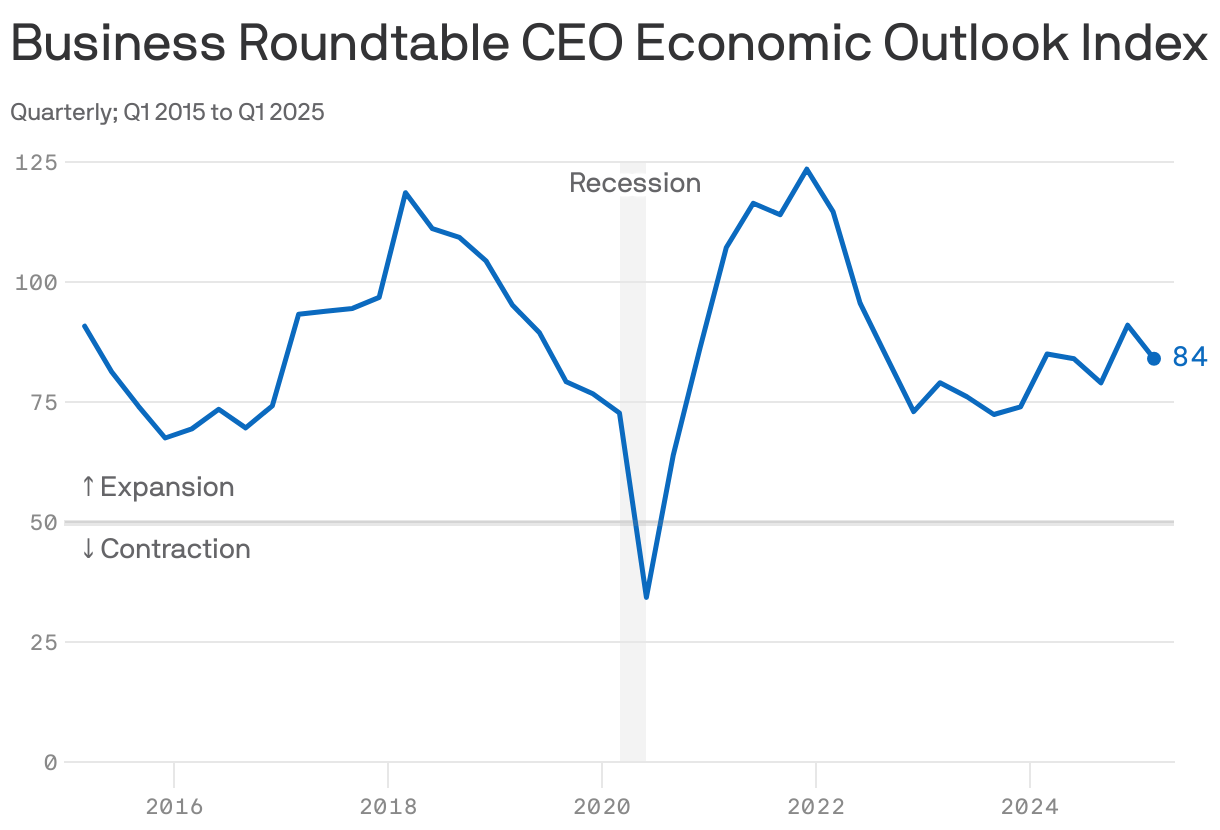
Top corporate leaders' boost of economic exuberance that followed the November elections has receded, according to a new survey of major-company CEOs obtained exclusively by Axios.
Why it matters: The data from the Business Roundtable is the latest sign that a volatile policy environment is dampening the outlook in Corporate America — and these survey results were mostly collected before last week's on-then-off tariffs and ensuing stock market volatility.
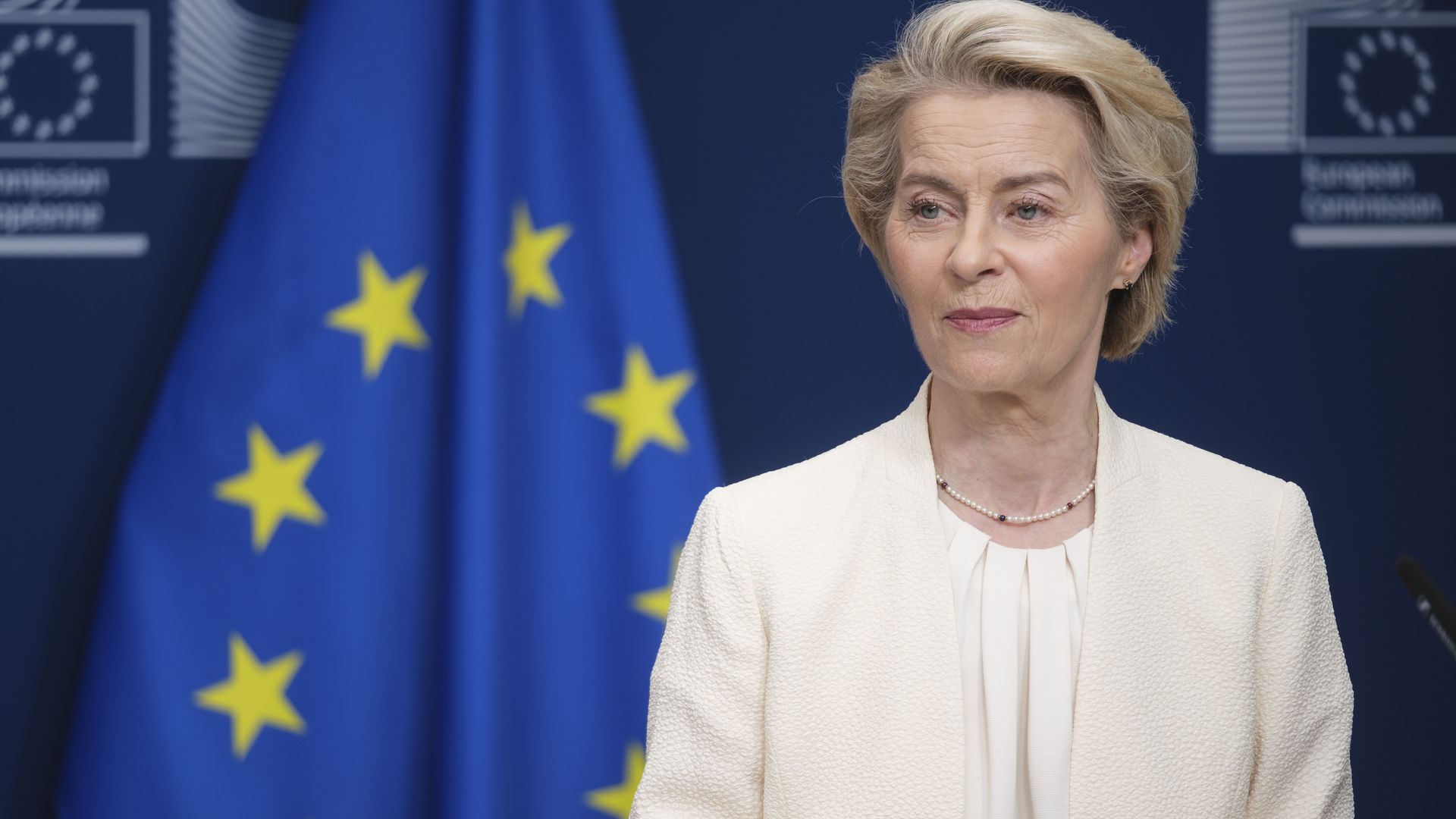
The European Union announced Wednesday counter tariffs of 26 billion euros ($28.33 billion) on U.S. goods, "matching the economic scope" of President Trump's levies.
The big picture: Trump's 25% tariffs on all steel and aluminium imports took effect earlier on Wednesday.
Commerce Secretary Howard Lutnick on Tuesday called President Trump's economic policies "the most important thing America has ever had."
The big picture: Concerns are building that the Trump administration's tariffs might trigger a recession and CBS News' Nancy Cordes asked Lutnick whether the policies would "be worth it if they lead to a recession, even a short-term recession."
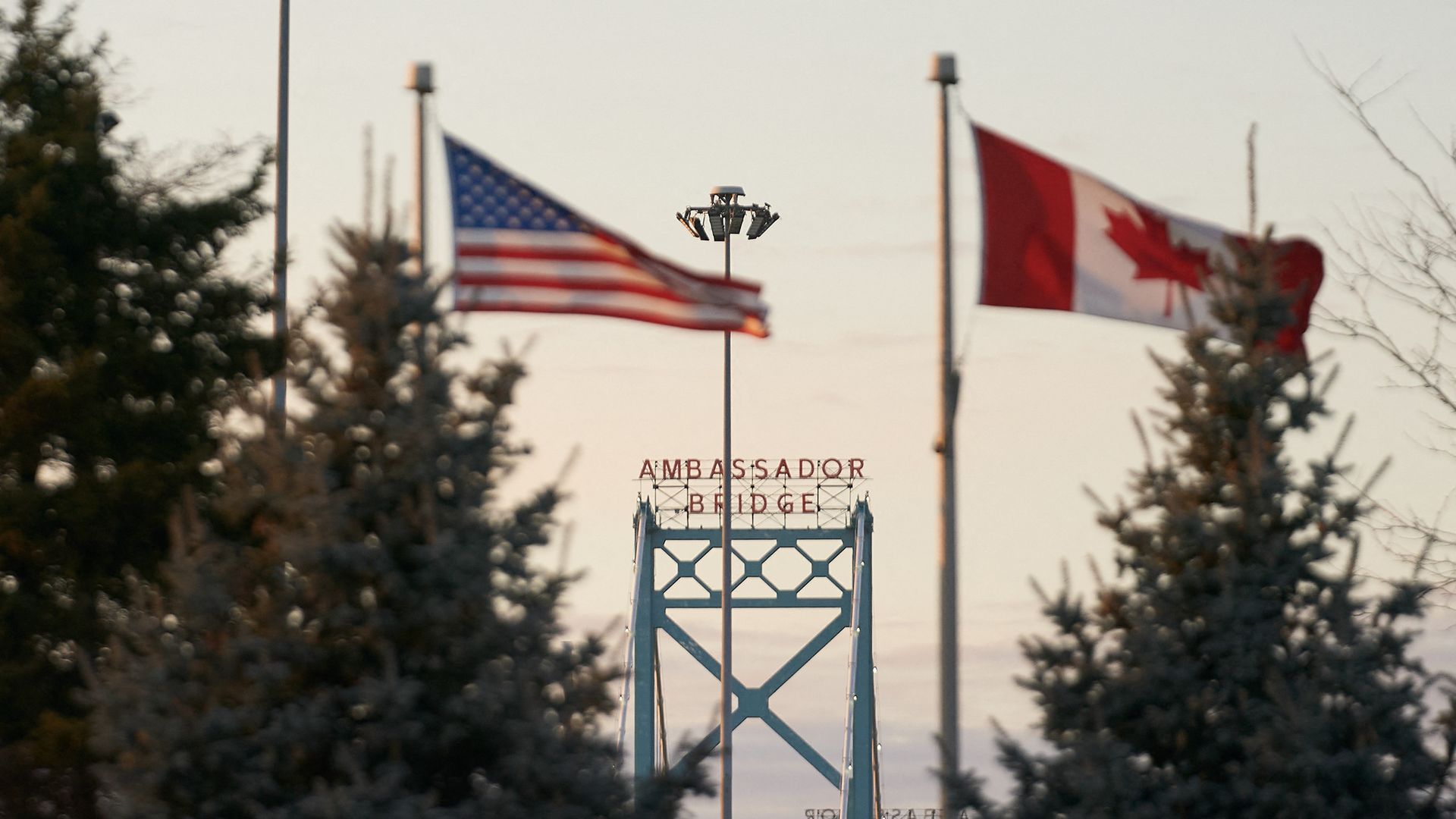
President Trump on Tuesday imposed new retaliatory tariffs on Canada and insisted the only solution was for the country to join the U.S. — but then reversed his decision after Ontario agreed not to levy electricity exports.
Why it matters: The pullback was the latest example of the on-again, off-again volatility that has disrupted financial markets.