Consumers are rethinking where and how they're spending their money, according to PepsiCo, and that contributed to a cut in the company's revenue outlook.
PepsiCo said today that its sales volume fell 2% in the third quarter for both beverages and food.
"The consumer is reassessing patterns," CEO Ramon Laguarta said on a conference call, adding that it's a "very challenging" environment.
Threat level: The company also expects continued business disruption from instability in the Middle East,where "we have a big business," Laguarta said. "I don't think that's going to change in the coming months."
Samsung Electronics acknowledged today that it's fallen behind in the AI chips war.
Between the lines: Samsung — which competes in the memory-chip market with the likes of SK Hynix and Micron Technology — issued a disappointing profit outlook.
The vice chairman of the company's device solutions division, Young Hyun Jun, issued an open letter apologizing to customers, investors and employees for not meeting expectations.
Between the lines: In the booming market for high-bandwidth chips sold to chip designer Nvidia, SK Hynix and Micron are already selling — while "Samsung is still in the final stages of passing Nvidia's quality standards," WSJ reported.
"Samsung's late response to the AI chip market increases its reliance on traditional, lower-margin chips, making it more vulnerable to competition from China and slowing demand for smartphones and PCs," Reuters reported, citing analysts.
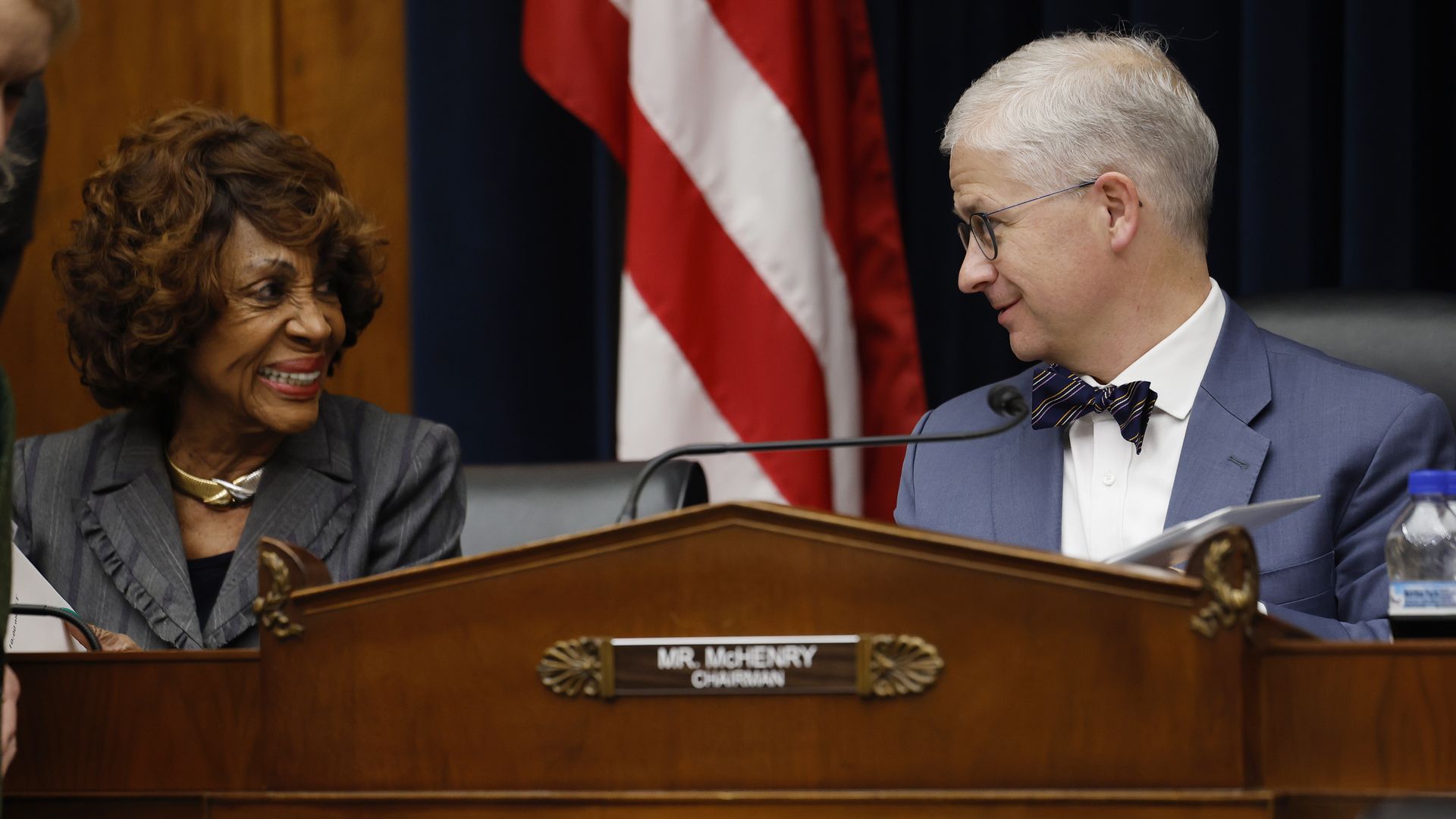
Proponents of stablecoin legislation have new reason for hope that something could get done before year-end, as Rep. Maxine Waters (D-Calif.) has put a deal on the table for House financial services Chairman Patrick McHenry (R-NC), a Hill staffer tells Axios.
Why it matters: Stablecoin legislation has been thought to be the easiest starting point for updating U.S. laws to deal with some sort of cryptocurrency.
Kalshi, the prediction marketplace that won (for now) its right to operate — has floated a bunch more markets, including one for U.S. president.
Why it matters: Kalshi is not a cryptocurrency project, but its competitor Polymarket is and has been one of the buzziest projects in the industry this year.
Polymarket's officially not available here, however. Due to a 2022 settlement with federal regulators, the company takes steps to keep U.S.-based users off its platform.
Context: Prediction markets have been a favorite concept of blockchain types going way back. (One of the original decentralized apps built on Ethereum was one called Augur.)
They say to buy the rumor and sell the news. And so it goes with the aftermath of the Federal Reserve's rate cut announced three weeks ago.
Why it matters: Paradoxically, longer-term interest rates have moved upward since the Fed slashed its policy rate, driving up mortgage rates and other consumer and business borrowing costs.
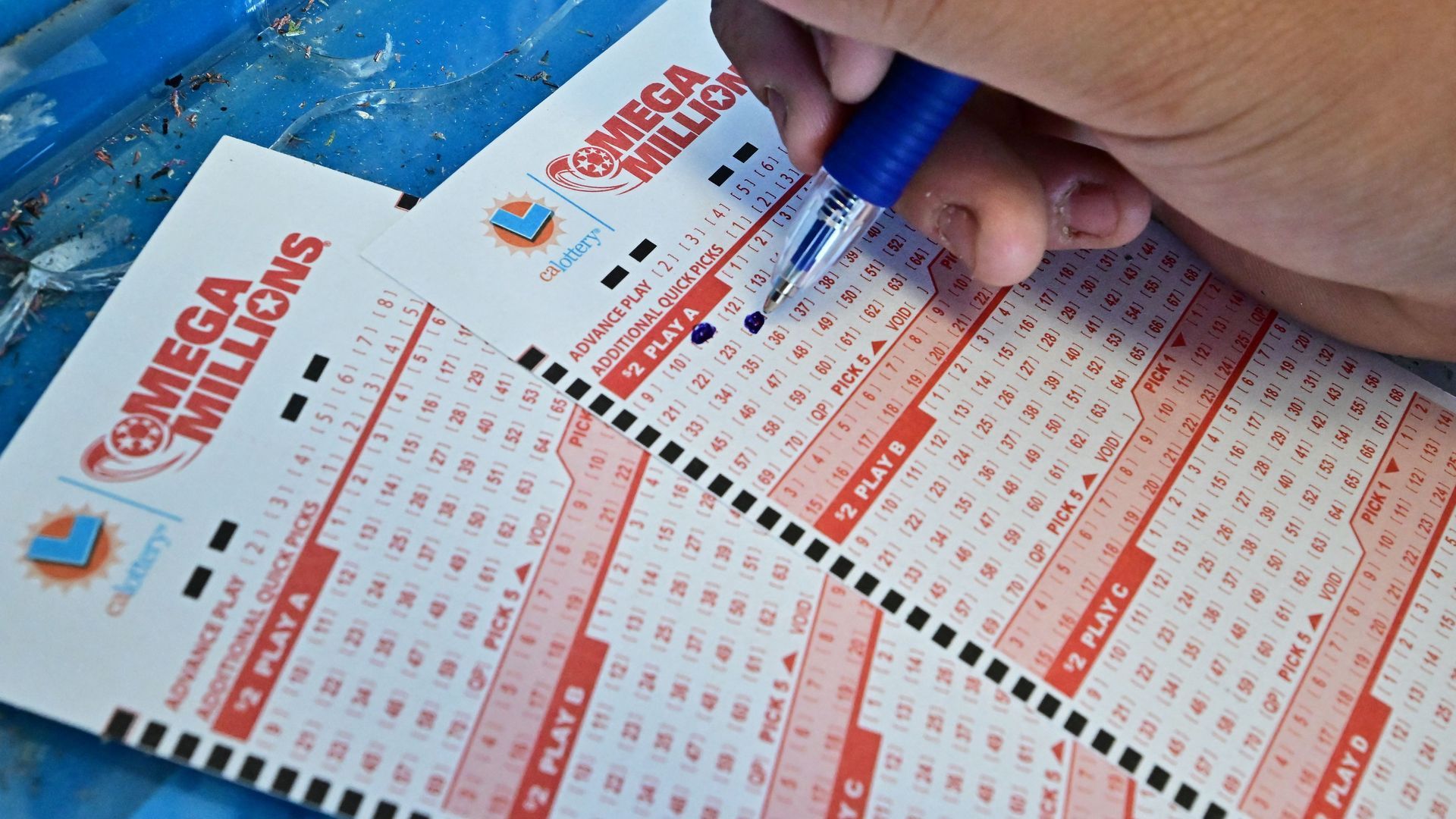
Mega Millions tickets will more than double in price, while the odds of winning will go from astronomical to slightly less astronomical.
Why it matters: Americans spent more than $113 billion on lottery tickets in 2023, according to the North American Association of State & Provincial Lotteries.
Seven months after Cookie Monster decried shrinkflation on X, Sen. Elizabeth Warren (D-Mass.) and Rep. Madeleine Dean (D-Pa.) are probing cereal, beverage and snack makers about the practice of shrinking package sizes while keeping prices the same.
Why it matters: Coca-Cola, PepsiCo and other consumer packaged goods companies have employed the tactic over the past few years to squeeze better margins out of sales.
Seven months after Cookie Monster decried shrinkflation on X, Sen. Elizabeth Warren (D-Mass.) and Rep. Madeleine Dean (D-Pa.) are probing cereal, beverage and snack makers about the practice of shrinking package sizes while keeping prices the same.
Why it matters: Coca-Cola, PepsiCo and other consumer packaged goods companies have employed the tactic over the past few years to squeeze better margins out of sales.
It's gotten plenty of attention — French supermarket giant Carrefour even publicly shamed brands for the packaging tactic.
Between the lines: In joint letters to the CEOs of Coca-Cola, PepsiCo and General Mills, the lawmakers accuse the companies of "price gouging" Americans who are already facing "challenging economic circumstances."
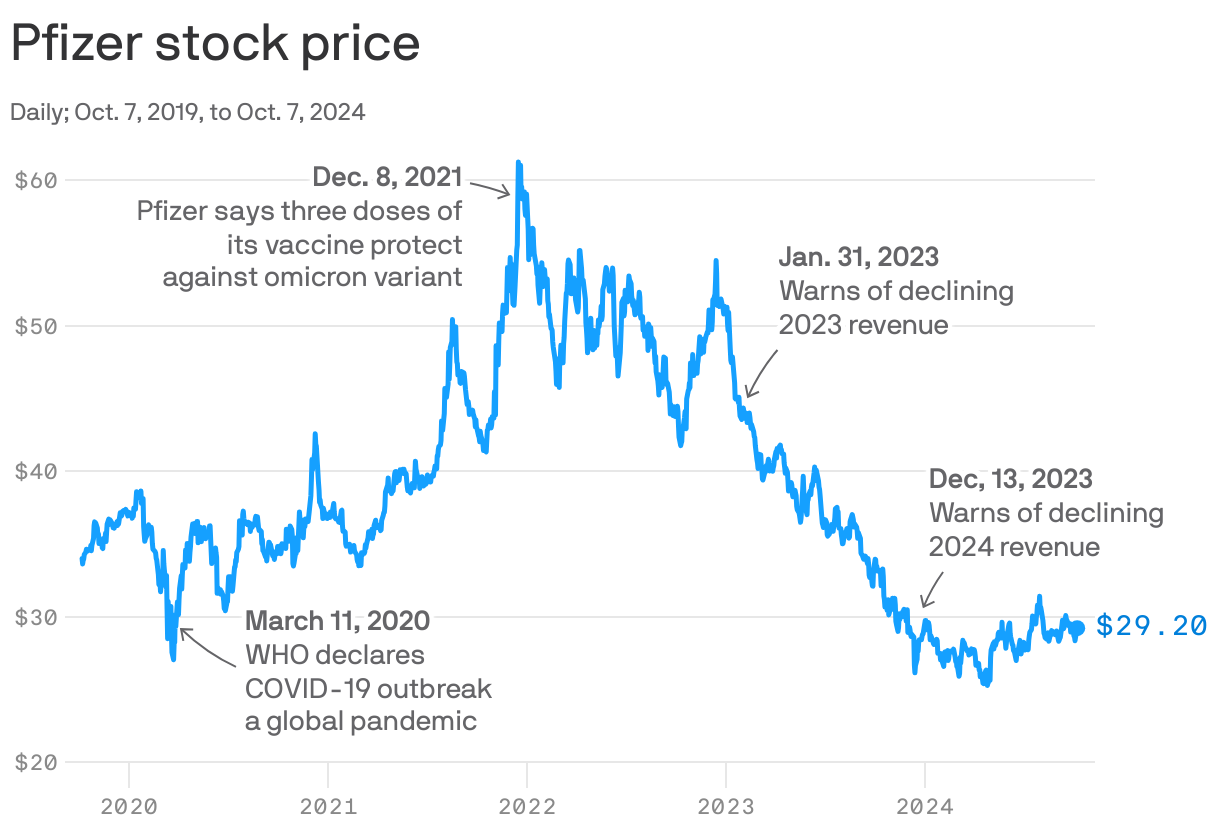
Why it matters: The pharmaceutical giant's stock has fallen more than 50% since the end of 2021, as the company failed to find its footing since the revenue heyday of COVID vaccines.
Driving the news: Heavyweight activist investor Starboard Value has built a $1 billion stake in Pfizer with an eye on making changes, WSJ reported last night.
Just news of a campaign from Starboard is often enough to jolt a stock. Pfizer's jumped over 2% from Friday's close.

"The Money Game," a new docuseries that explores name, image and likeness (NIL) rights for college athletes, premiered in New York City on Sept. 9.
During the event, Jennifer Halloran, CMO and head of marketing and brand at MassMutual, sat down with Laura Correnti, founder and CEO of Deep Sports + Entertainment, to discuss the importance of supporting female college athletes as NIL opens up new commercial opportunities.
Chinese tech company Tencent and Ubisoft's founding Guillemot family are weighing a take-private buyout of the French video game maker, whose shares are down more than 40% this year, as first reported by Bloomberg and quasi-confirmed by the company.
The big picture: Many of Ubisoft's problems are self-inflicted, including a possible class action lawsuit over user privacy issues, but those have been exacerbated by online criticism — including by Elon Musk — that the company's next Assassin's Creed game is too "woke" because it its lead characters include a Black samurai.
The year's twistiest takeover saga appears to be over, as Vista Outdoors has agreed to a new deal that it believes will secure shareholder approval and keep a hostile buyer at bay.
Why it matters: Vista is one of America's largest ammunition makers, including to both the military and law enforcement markets.
The big picture: Former President Trump's plans would add $7.5 trillion to cumulative deficits from 2026 to 2035, according to the Committee for a Responsible Federal Budget, while Vice President Kamala Harris' agenda would add $3.5 trillion to the tally.