Rio Tinto is making a $6.7 billion bet on lithium, inking a deal for a major producer just as sluggish electric vehicle sales have sapped demand for the once-hot commodity.
Why it matters: It's a long-term bet on a volatile asset by one of the world's largest miners, part of a plan to shore up capacity in so-called "energy transition commodities."
State of play: Lithium prices are down more than 80% from their 2022 peak when soaring demand for EVs triggered global shortages of the key material in rechargeable batteries.
The Global X Lithium & Battery Tech ETF, an index that tracks the stocks of companies involved in the industry, is down over 50% from its peak in November 2021.
UnitedHealth, Cigna and CVS Caremark are accusing FTC chair Lina Khan of being too biased to take part in proceedings tied to the commission's lawsuit against their pharmacy benefit manager businesses.
Catch up fast: The FTC in September sued the country's three largest prescription drug middlemen, accusing them of illegally inflating the price of insulin and driving up costs for diabetes patients.
The move followed an earlier report by the commission on the businesses, known as PBMs, which outlined a system in which industry consolidation allows them to manipulate markets at the expense of patients, Axios' Maya Goldman wrote.
Rio Tinto, one of the world's top metal miners, agreed to buy Philadelphia-based lithium miner Arcadium for $6.7 billion in cash.
The big picture: Lithium, which is a key metal inside both EV and stationary storage batteries, has seen its price drop by more than 50% over the past year.
If you put a dozen economists in a room, you'll get at least a dozen points of view on most topics. One exception to the rule is tariffs: Economists nearly universally reject them as counterproductive and inefficient.
The big picture: Mainstream economic thought on the benefits of international trade is increasingly in the political wilderness. Former President Trump seeks to go all-in on tariffs if he returns to the White House. And the Biden administration has maintained Trump's earlier tariffs and expanded them in some areas.
Honda is recalling 1.7 million vehicles to fix a possible steering defect.
Why it matters: The recall covers some of Honda's most popular vehicles and was issued to rectify a problem that could increase the risk of crashing.
Driving the news: The recall affects certain versions of the 2022-25 Civic, 2023-25 CR-V, 2023-25 HR-V and 2023-25 Acura Integra.
A defective gearbox and spring could lead to "increased friction" when attempting to turn the wheel, according to a document filed with the National Highway Traffic Safety Administration.
Drivers may notice an "abnormal noise and/or a momentary 'sticky' feeling when the vehicle is in operation and the steering wheel is turned."
Catch up quick: Honda received its first confirmed report of a potential problem in September 2021, according to the NHTSA document.
The agency's Office of Defects Investigation opened a problem into the issue in March 2023.
As of Sept. 26, 2024, Honda had received 10,328 warranty claims connected to the defect over the previous three years with no reports of injuries or deaths.
The bottom line: Affected Honda owners will be notified and dealers will fix their vehicles for free.
Editor's note: The story has been corrected to say Honda became aware of the issue in 2021 (not 2001), per NHTSA.
Manufacturing jobs are so back: Employment in the sector is now slightly above pre-pandemic levels.
Why it matters: It's the first time since the 1970s that the manufacturing industry has recovered all the jobs lost during a recession, per an analysis of government data out Tuesday from the Economic Innovation Group, a centrist think tank.
Consumers are rethinking where and how they're spending their money, according to PepsiCo, and that contributed to a cut in the company's revenue outlook.
PepsiCo said today that its sales volume fell 2% in the third quarter for both beverages and food.
"The consumer is reassessing patterns," CEO Ramon Laguarta said on a conference call, adding that it's a "very challenging" environment.
Threat level: The company also expects continued business disruption from instability in the Middle East,where "we have a big business," Laguarta said. "I don't think that's going to change in the coming months."
Samsung Electronics acknowledged today that it's fallen behind in the AI chips war.
Between the lines: Samsung — which competes in the memory-chip market with the likes of SK Hynix and Micron Technology — issued a disappointing profit outlook.
The vice chairman of the company's device solutions division, Young Hyun Jun, issued an open letter apologizing to customers, investors and employees for not meeting expectations.
Between the lines: In the booming market for high-bandwidth chips sold to chip designer Nvidia, SK Hynix and Micron are already selling — while "Samsung is still in the final stages of passing Nvidia's quality standards," WSJ reported.
"Samsung's late response to the AI chip market increases its reliance on traditional, lower-margin chips, making it more vulnerable to competition from China and slowing demand for smartphones and PCs," Reuters reported, citing analysts.
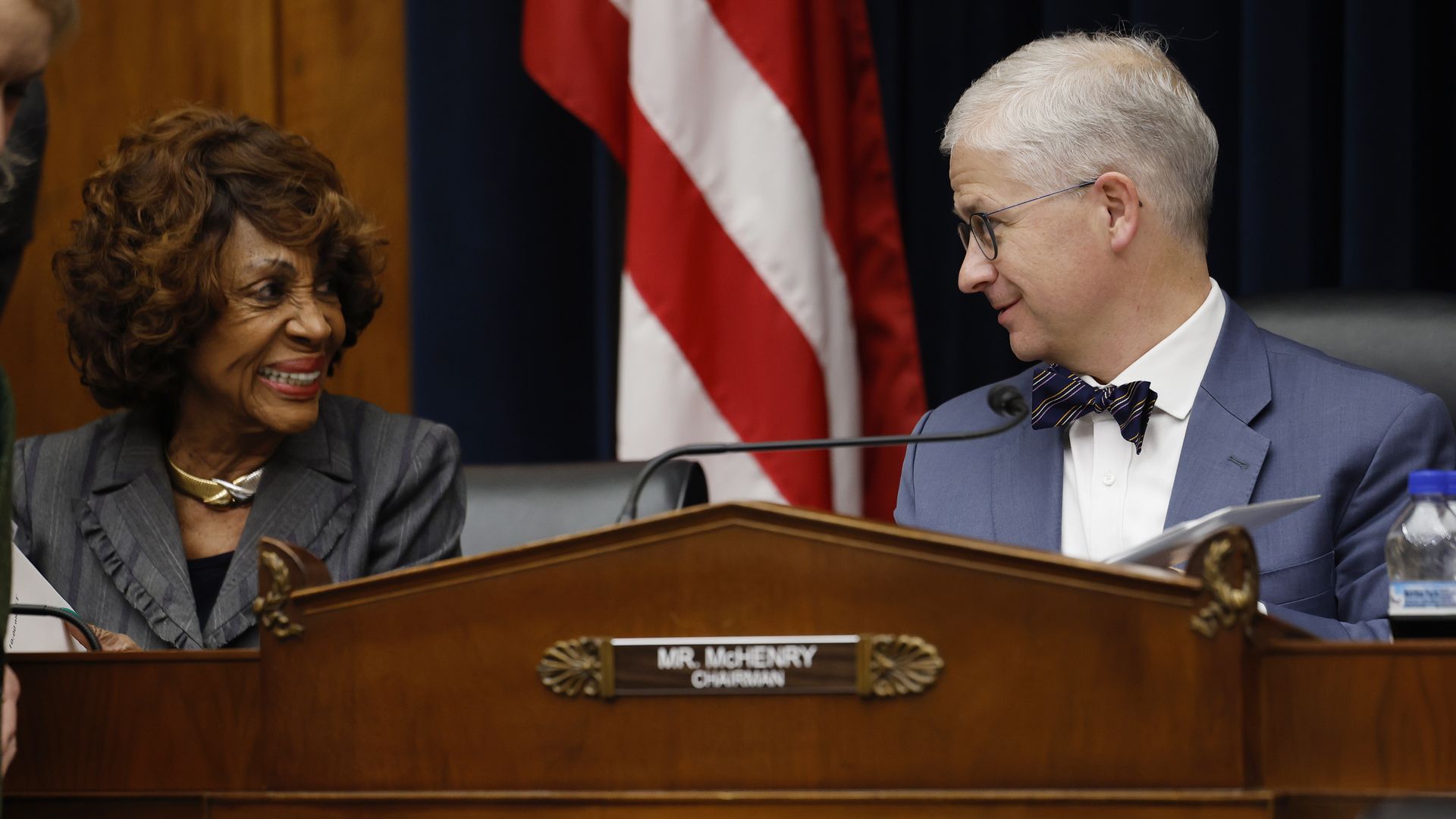
Proponents of stablecoin legislation have new reason for hope that something could get done before year-end, as Rep. Maxine Waters (D-Calif.) has put a deal on the table for House financial services Chairman Patrick McHenry (R-NC), a Hill staffer tells Axios.
Why it matters: Stablecoin legislation has been thought to be the easiest starting point for updating U.S. laws to deal with some sort of cryptocurrency.
Kalshi, the prediction marketplace that won (for now) its right to operate — has floated a bunch more markets, including one for U.S. president.
Why it matters: Kalshi is not a cryptocurrency project, but its competitor Polymarket is and has been one of the buzziest projects in the industry this year.
Polymarket's officially not available here, however. Due to a 2022 settlement with federal regulators, the company takes steps to keep U.S.-based users off its platform.
Context: Prediction markets have been a favorite concept of blockchain types going way back. (One of the original decentralized apps built on Ethereum was one called Augur.)
They say to buy the rumor and sell the news. And so it goes with the aftermath of the Federal Reserve's rate cut announced three weeks ago.
Why it matters: Paradoxically, longer-term interest rates have moved upward since the Fed slashed its policy rate, driving up mortgage rates and other consumer and business borrowing costs.
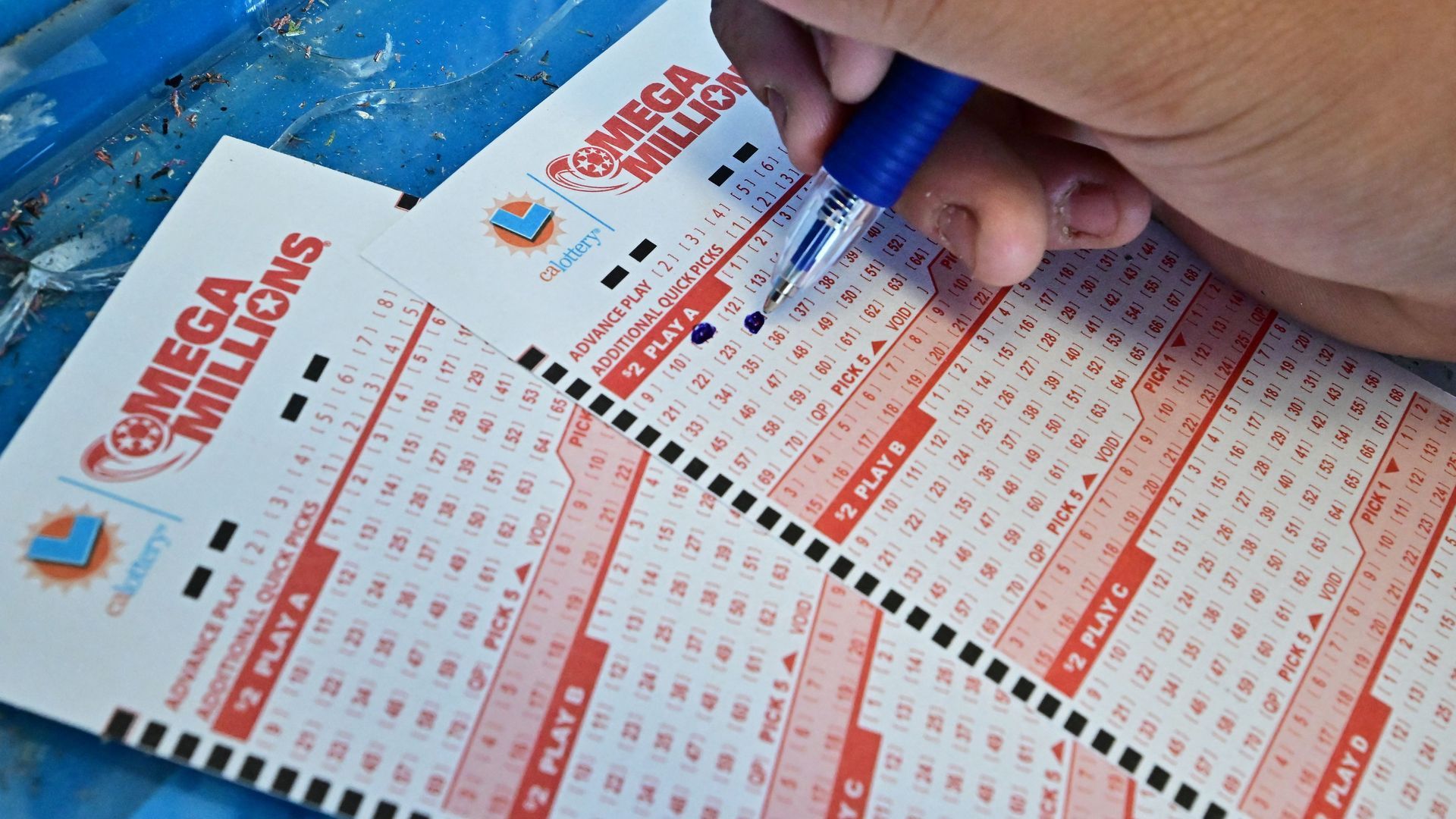
Mega Millions tickets will more than double in price, while the odds of winning will go from astronomical to slightly less astronomical.
Why it matters: Americans spent more than $113 billion on lottery tickets in 2023, according to the North American Association of State & Provincial Lotteries.