The collision of inflation and pandemic-era trends has changed the way we shop.
Why it matters: Customers are frustrated by sky-high prices and accustomed to pandemic perks like at-home delivery, curbside pick-up and quick, remote appointments, according to Gallup polling of workers in retail, health care and beyond.
Fintech-focused venture capital firms shouldn't sleep on $300- to $400 million acquisitions if they want to maximize returns, Restive Ventures says in a new data report.
Why it matters: The conventional narrative in VC is often focused on headline-grabbing, multi-billion dollar IPOs.
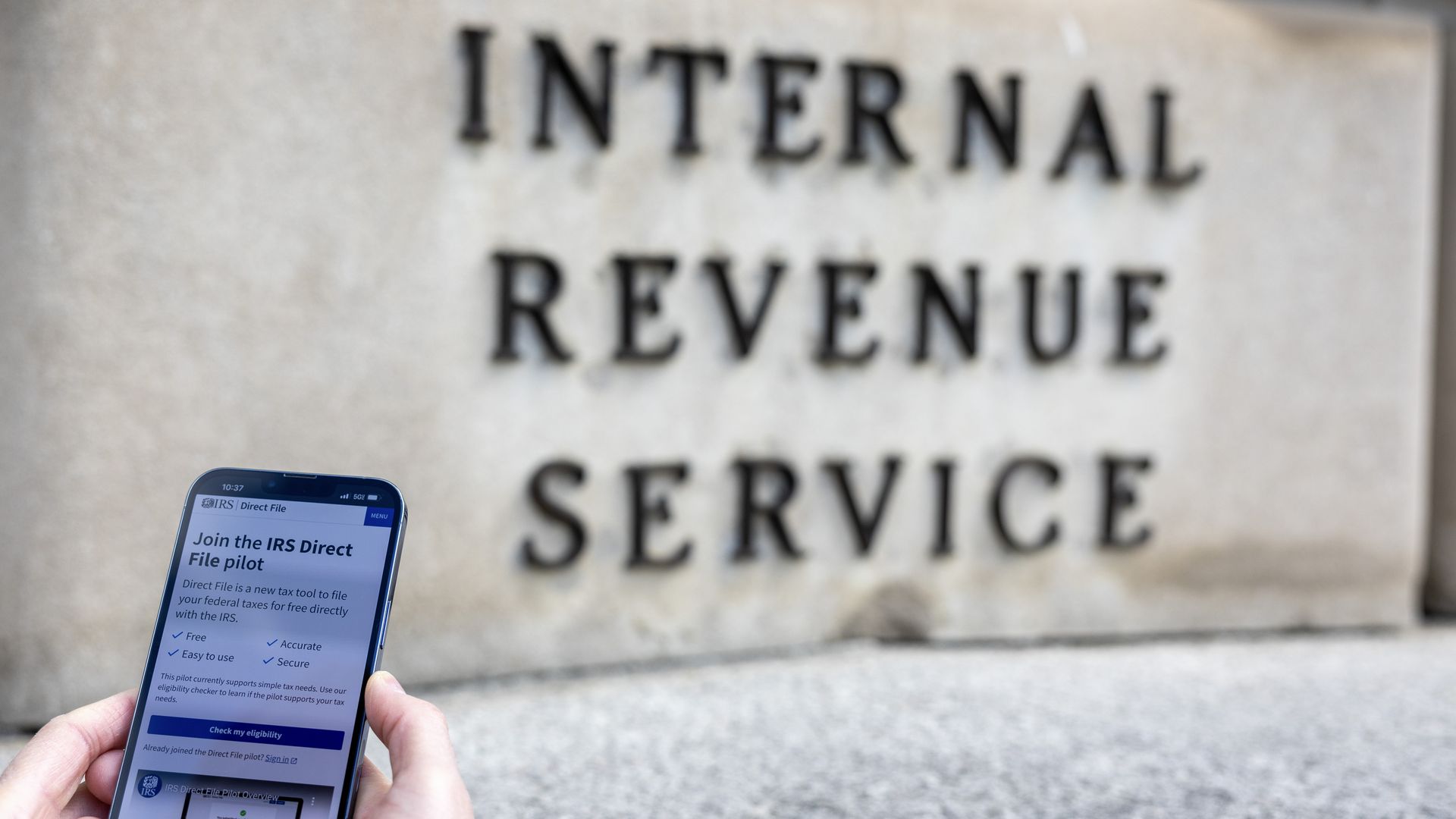
For the first time since 2019, April 15 is Tax Day — the deadline to file federal income tax returns and extensions to the Internal Revenue Service — for most of the country.
This week's Consumer Price Index showed insurance prices up 22% over the last year, the largest annual jump seen in data that goes back 40 years. It's the latest sign the American driver is facing the worst price shock in a generation.
The big picture: Costs are soaring at every turn, from decades-high borrowing costs for car loans to insurance rates that are rising at the quickest pace on record.
Why it matters: A trio of banks turned in strong first quarter earnings Friday, but warned that the profit growth they've been enjoying from higher rates is starting to fade.
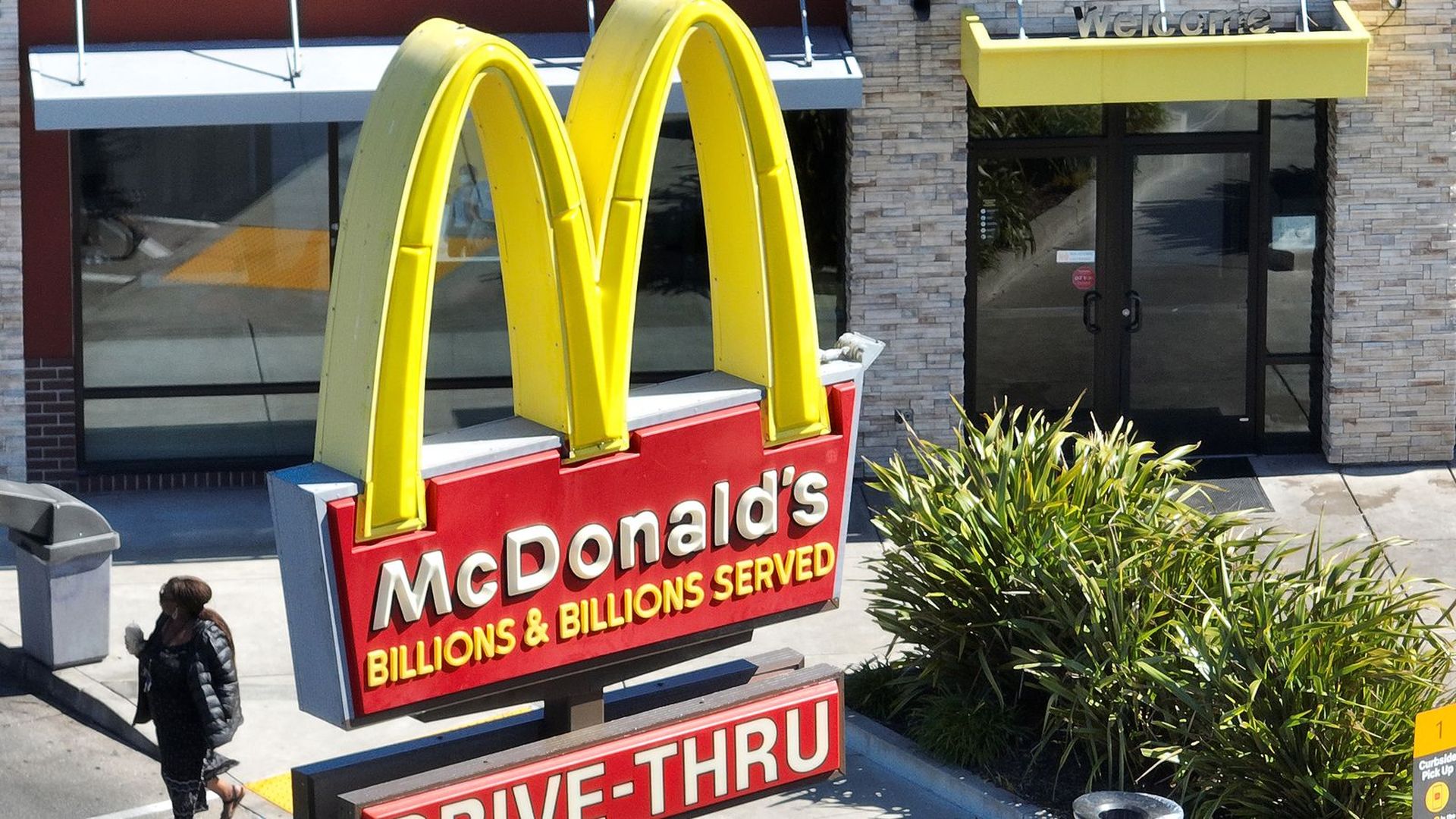
McDonald's restaurants in California have brought back the fan-favorite breakfast bagel after a four-year hiatus in what it calls a plan to offset the impact of the fast-food workers' wage hike.
Why it matters: McDonald's, which posted revenues of $6.4 billion in the fourth quarter of 2023, said the experiment is meant to help California locations drive sales and increase profits as they adjust to the state's new $20 an hour minimum wage law.
NEW YORK CITY - Greenhouse co-founder and president Jon Stross says he does not consider getting help from AI to write resumes or cover letters for prospective employers "to be a problem."
Why it matters: The implementation of AI across industries is on the rise and is changing the way people approach the workforce.
Axios' senior business reporter Hope King and global technology correspondent Ryan Heath moderated the event, which was sponsored by Autodesk.
Stross thinks using AI can be beneficial for those who use English as a second language.
For e-commerce platform Etsy, implementing an AI sales assistant for their 92 million active buyers is "going to be amazing," says CEO Josh Silverman.
How it works: He says buyers will answer a few questions and the AI sales assistant will be able to suggest the "perfect" product based on those answers.
Yes, but: The initial test run of the AI sales assistants ended up annoying customers, but Silverman thinks it'll take time for customers to get used to it.
In a separate interview, Reshma Saujani, the founder and CEO of Moms First and the founder of Girls Who Code, says the lack of child care and paid leave support in the U.S. makes it "so damn hard to be a mother and a worker. And we have to fix that."
When it comes to accessing New York's paid leave benefits specifically, she says, "The problem is the government sucks at customer service. So when I go on the website, I can't figure out: 'Am I eligible? How much money will I get? What's the deal?' And I give up. Most poor women give up."
This led Saujani to spearhead the new platform PaidLeave.ai, which helps New York residents navigate their paid leave benefits.
Content from sponsored segment below:
In a View from the Top conversation, Autodesk president and CEO Andrew Anagnost says "there's no doubt" AI is going to change the way people work over the next five to ten years.
He says there's a "capacity problem" in industries where there's not enough "money, material, or people," and that AI can help with this problem.
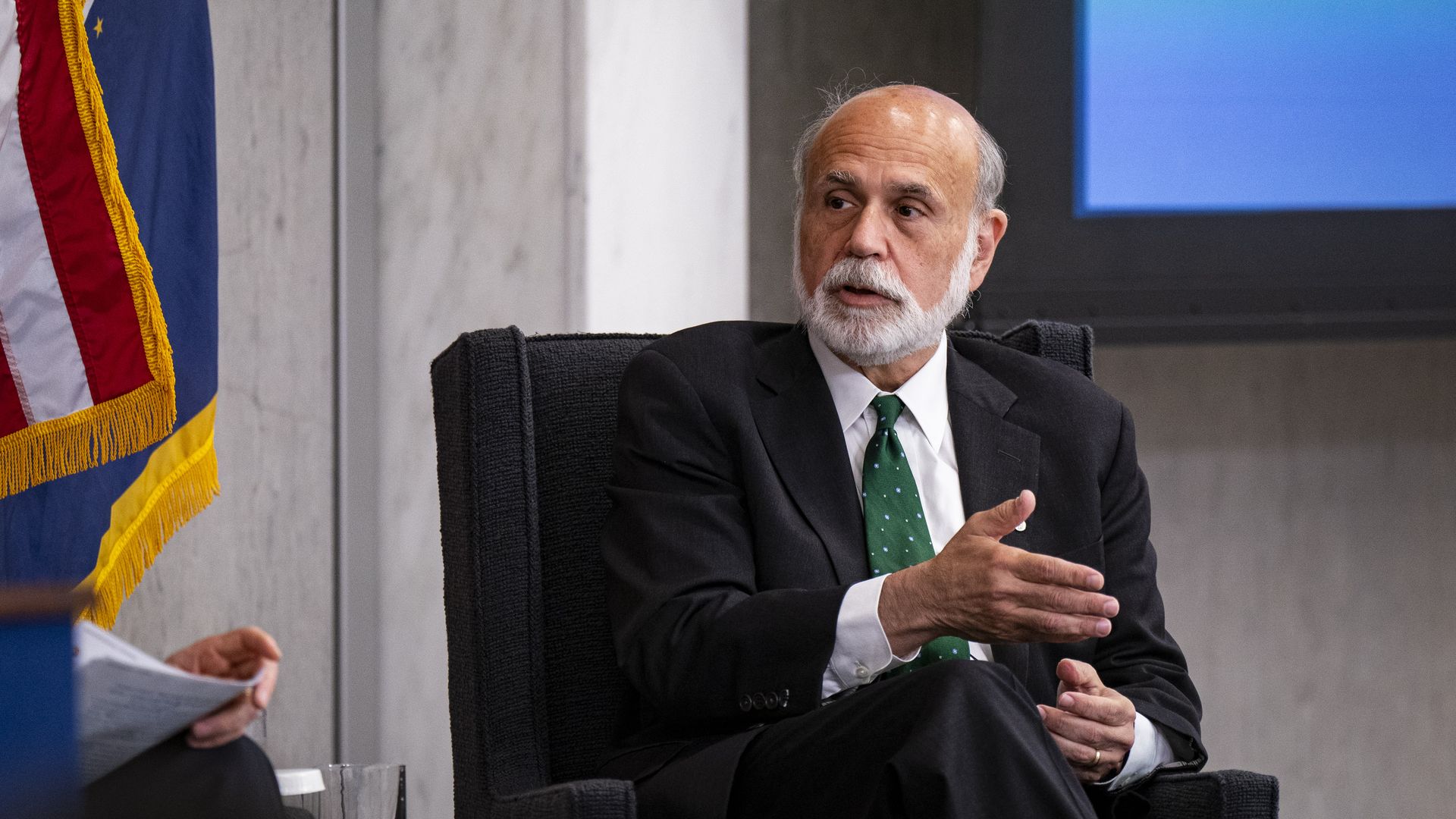
Why were central banks so slow to respond to the inflation shock? The U.K. wants to answer that question — and it enlisted former Fed chair Ben Bernanke to examine its forecasting failure.
Driving the news: The results of Bernanke's review — released Friday — are 12 recommendations to the Bank of England to improve inflation forecasting during periods of extreme uncertainty.
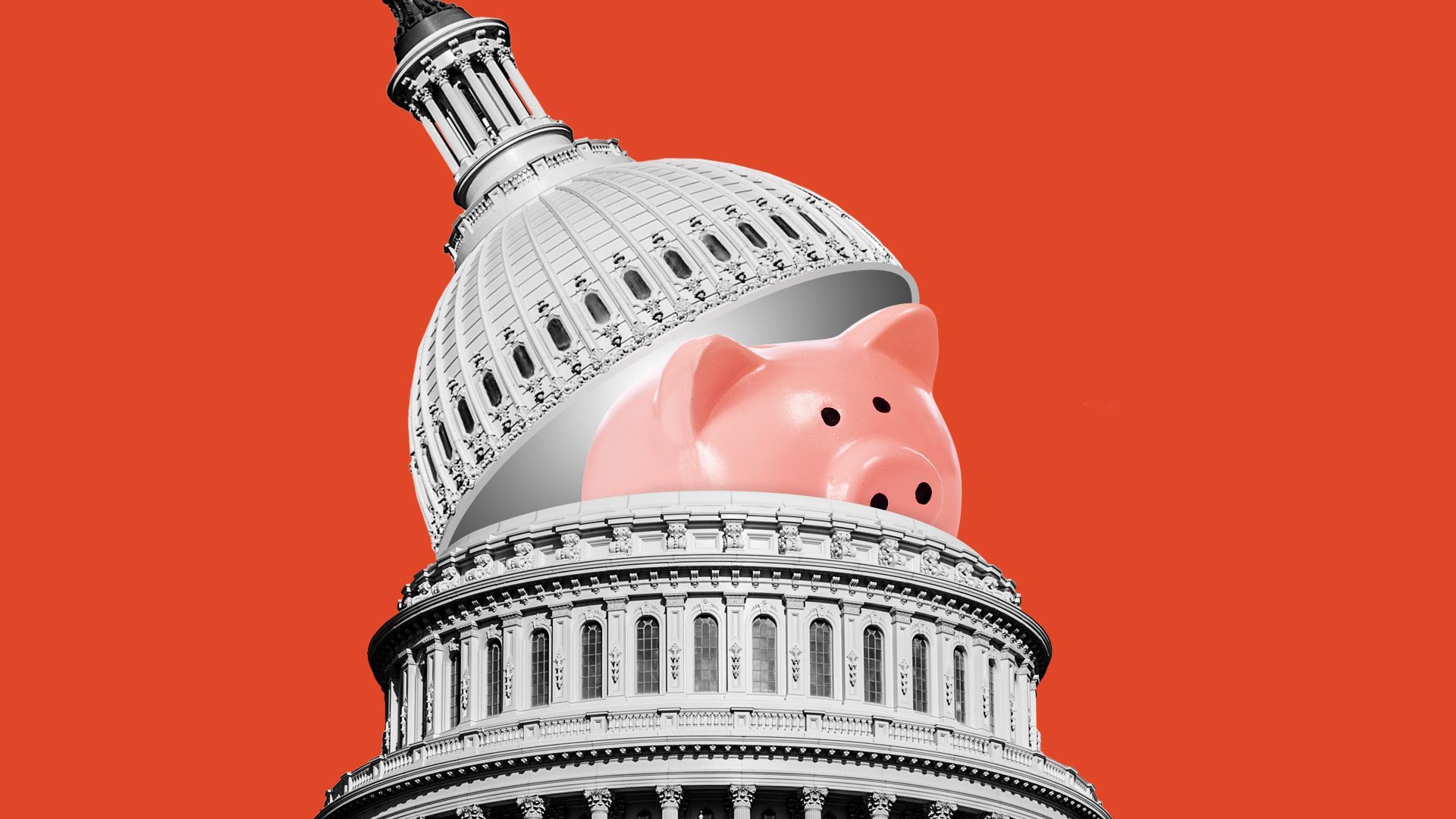
One of the peculiar obsessions in U.S. fiscal policymaking is the "score." That is, what will a particular tax or spending bill, in the judgment of Congress' impartial bean-counters, mean for deficits and GDP over the next 10 years?
Why it matters: Three former Biden administration officials argue that the conventions of legislative scorekeeping are at best too narrow, and at worst stand in the way of sensible policymaking.
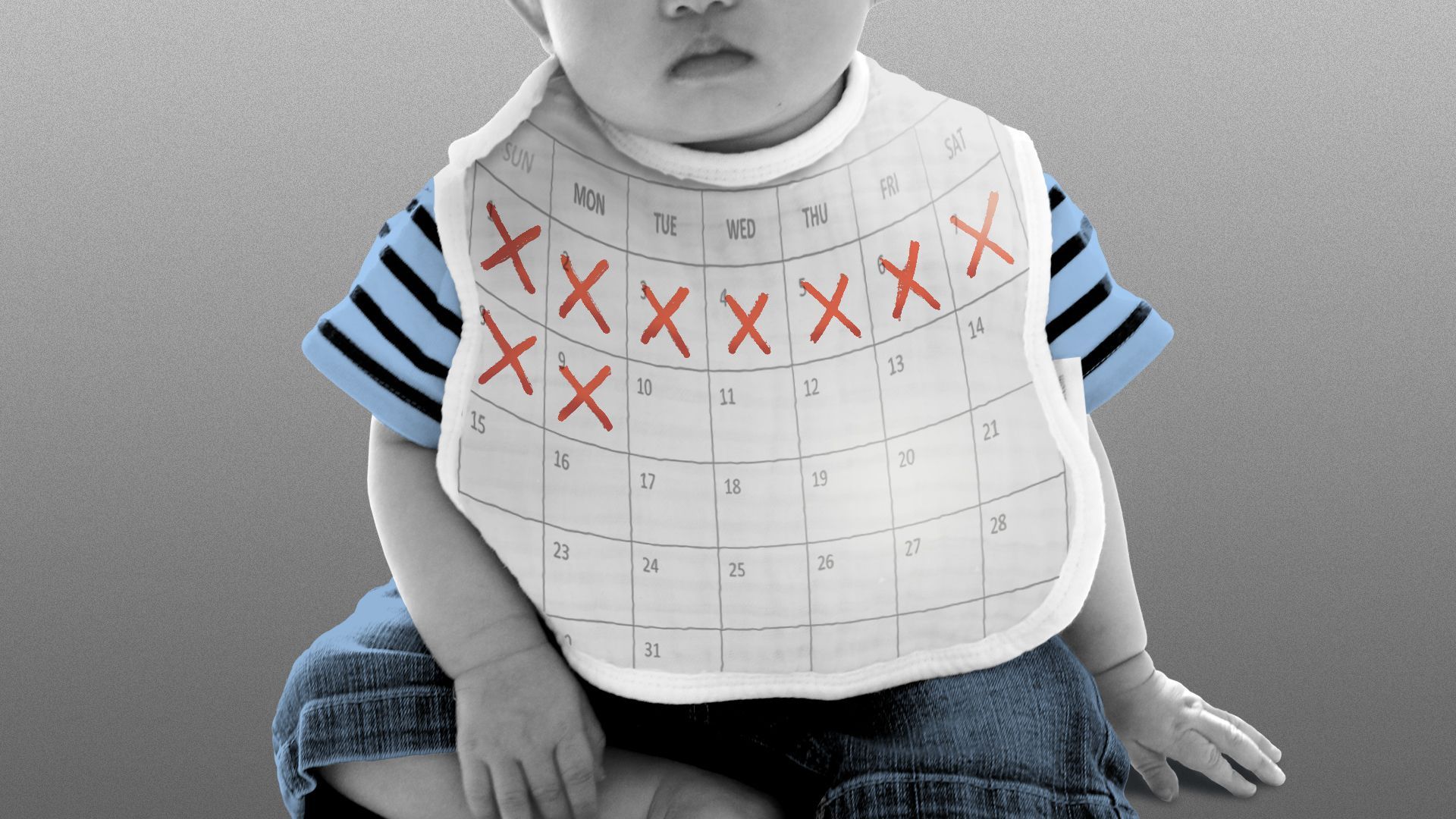
Last month, the big law firm DLA Piper quietly cut the amount of parental leave it offers non-partner lawyers by six weeks.
Why it matters: Businesses almost never cut these benefits — indeed employers, especially law firms, have consistently expanded the amount of time off given to new parents for more than a decade.
The classic investment portfolio of 60% stocks and 40% bonds is doing very well at the moment — it's risen 17% in the past year.
Why it matters: After more than a decade when interest rates were at or near zero, bonds provide real income again — without the volatility inherent to stocks. What's more, the capital losses involved when rates rise are now well in the past.
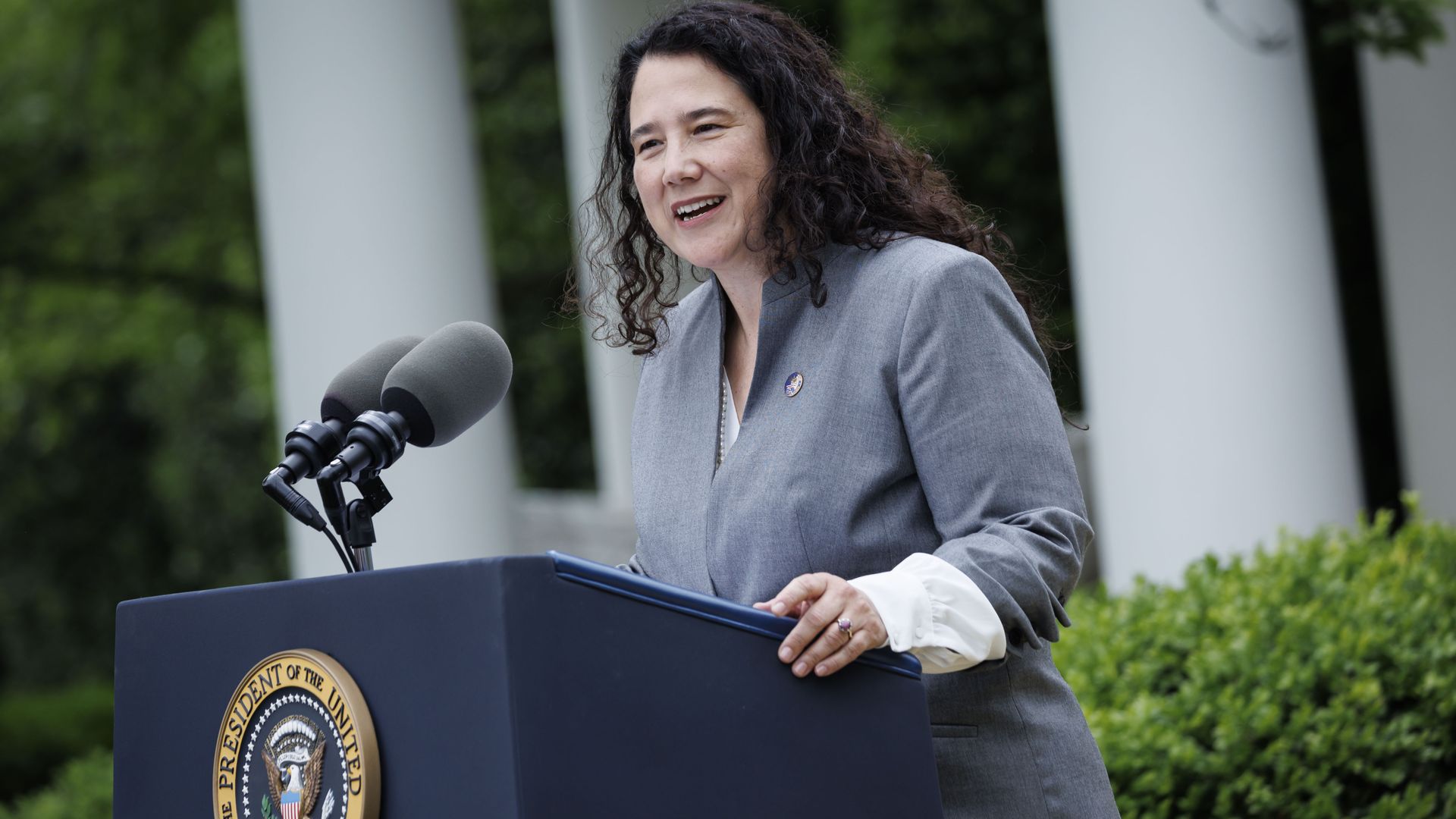
New business applications filed since the start of 2021 reached 17.2 million in the U.S. as of March, Isabel Casillas Guzman, head of the Small Business Administration, told Axios in an exclusive interview on Thursday.
Why it matters: It's the highest-ever level under any presidential term, according to the SBA.