Here's an investment strategy that has consistently outperformed during the 2020s: Bet that the US economy is going to run hotter than either the stock market or the bond market expects.
Why it matters: That strategy is the exact opposite of the way traders made money in the 2010s, which was to bet that the recovery from the 2008-09 global financial crisis would be slower and feebler than the market was hoping.
America’s skilled trades — from plumbing to welding to construction — need more workers as boomers retire. Gen Z-ers are stepping up to fill the gaps.
The big picture: Enrollment in vocational programs and applications for trade jobs are ticking up as younger people look to start their careers without the sky-high cost of a four-year college degree.
The collision of inflation and pandemic-era trends has changed the way we shop.
Why it matters: Customers are frustrated by sky-high prices and accustomed to pandemic perks like at-home delivery, curbside pick-up and quick, remote appointments, according to Gallup polling of workers in retail, health care and beyond.
Fintech-focused venture capital firms shouldn't sleep on $300- to $400 million acquisitions if they want to maximize returns, Restive Ventures says in a new data report.
Why it matters: The conventional narrative in VC is often focused on headline-grabbing, multi-billion dollar IPOs.
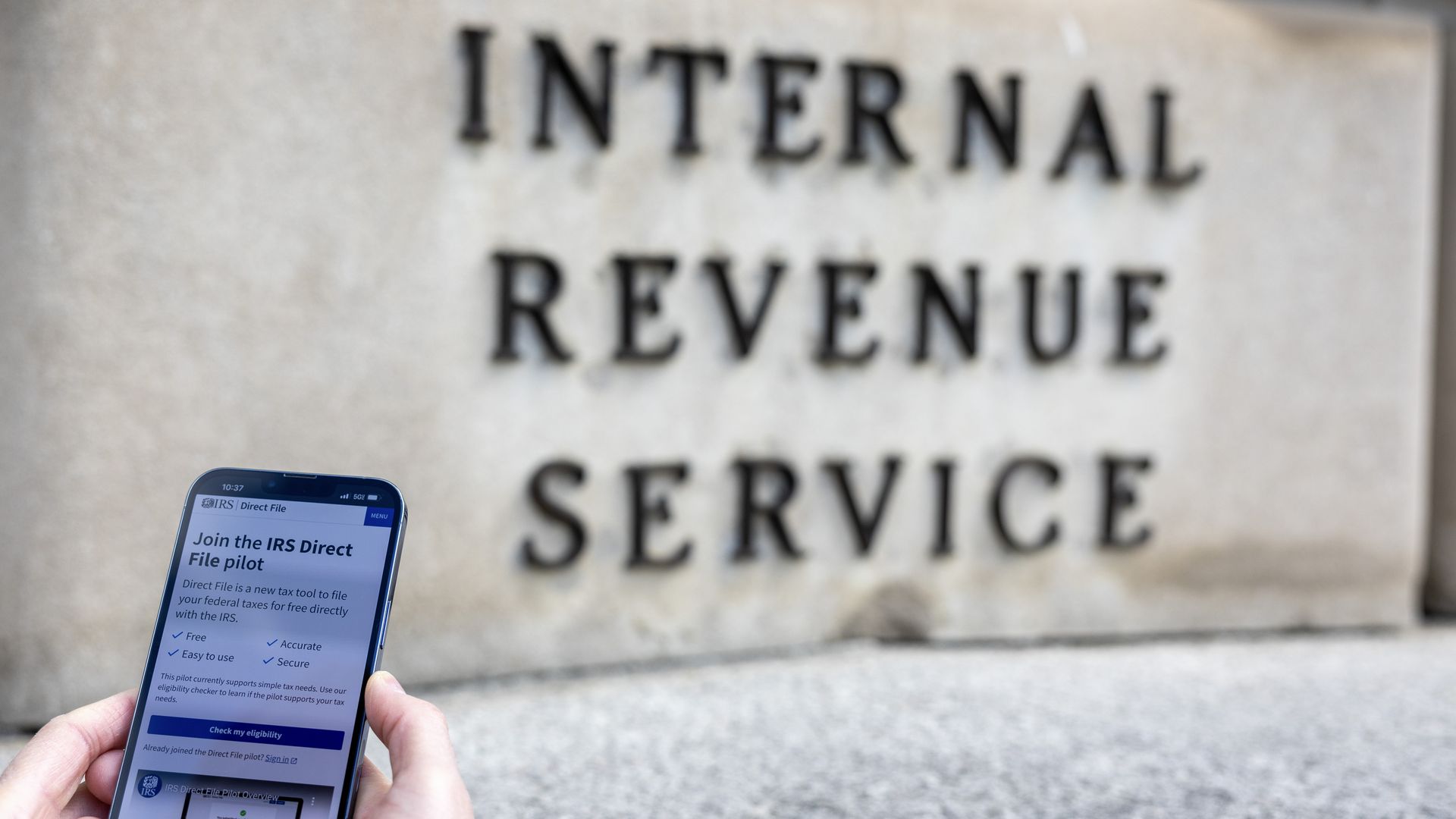
For the first time since 2019, April 15 is Tax Day — the deadline to file federal income tax returns and extensions to the Internal Revenue Service — for most of the country.
This week's Consumer Price Index showed insurance prices up 22% over the last year, the largest annual jump seen in data that goes back 40 years. It's the latest sign the American driver is facing the worst price shock in a generation.
The big picture: Costs are soaring at every turn, from decades-high borrowing costs for car loans to insurance rates that are rising at the quickest pace on record.