Autonomous cars are coming to Dubai: Cruise, backed by General Motors and Honda, will be the city's exclusive provider for self-driving taxis.
Why it matters: It's the first time the autonomous vehicle upstart is expanding operations outside U.S. borders. Dubai said it wants 20% of trips to take place in autonomous vehicles by 2030.
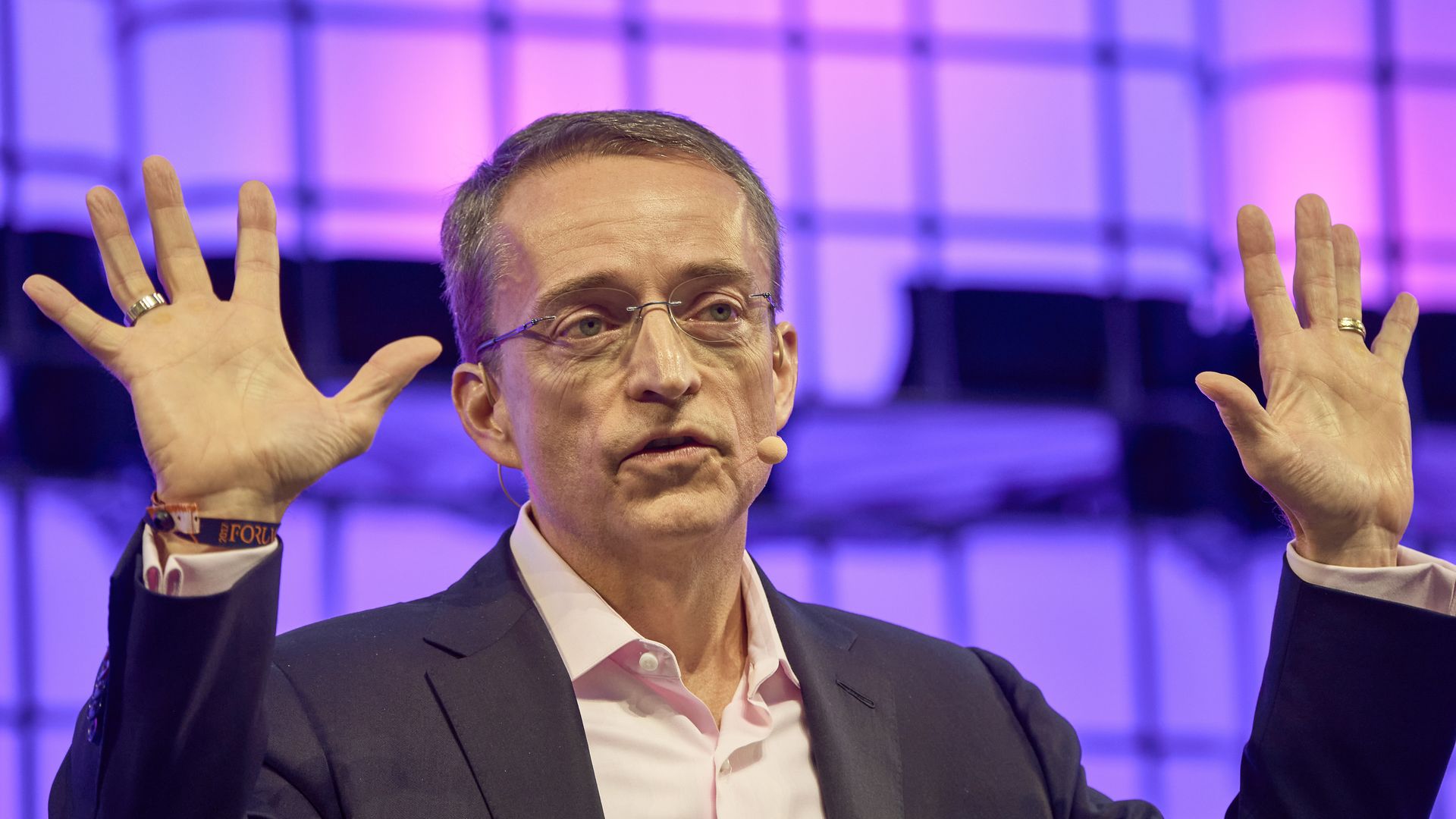
Intel CEO Pat Gelsinger called Monday for the U.S. to spend billions of dollars over the next few years as part of a "moonshot" designed to regain lost ground in semiconductor manufacturing. The goal, he said, is to see the U.S. again account for a third of global output, up from about 12% today.
Why it matters: Investments made now will take several years to bear fruit, so they won't do much to ease the current semiconductor shortage, but they're vital to America's long-term economic future and national security, Gelsinger told Axios on Monday.
The "live economy"— broadway shows, concerts, music festivals and more — is in pandemic purgatory.
What's going on: Some events are getting the green light to restart as vaccinations roll out. But operators in states with audience caps are holding back as they contemplate whether it makes financial sense for the show to go on.
Uncertainty surrounding the future of China’s giant fintech company Ant Group cleared up on Monday after years of friction with its domestic regulators.
Driving the news: Ant is shedding its cool tech image and stepping into a new identity as a financial holding company — the result of forced changes by several banking and securities agencies in China.
The U.S. secured so many COVID-19 vaccine doses through its Operation Warp Speed contracts that we may soon be sitting on a surplus, even if booster shots are needed.
Axios Re:Cap is joined by Vanity Fair contributing editor Katherine Eban to discuss her recent reporting, which revealed how those contracts were structured and how the U.S. ended up with a stockpile it cannot distribute abroad.
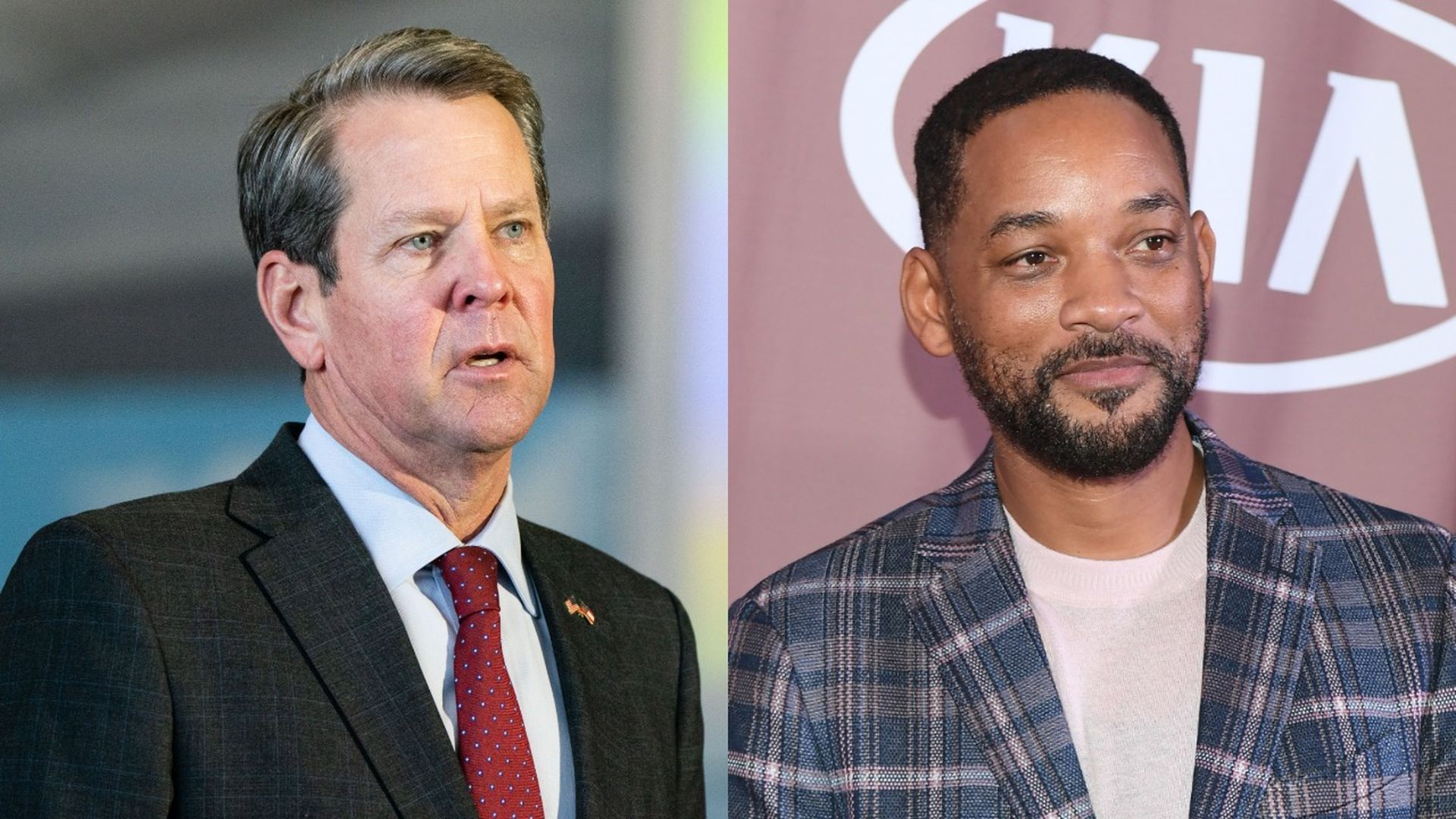
Actor Will Smith and director Antoine Fuqua said Monday they are moving their upcoming film production, "Emancipation," out of Georgia in response to the state's new voting restrictions.
Why it matters: The passage of the law has spurred outrage across the U.S., with activists calling it a move to disenfranchise Black voters. Backed by Apple Studios, the slavery-era film is the first major production to leave the state due to the voting law, the New York Times reports.
Microsoft announced Monday it would buy Nuance Communications, a software company that focuses on speech recognition through artificial intelligence, in an all-cash transaction valued at $19.7 billion (including debt assumption).
Why it matters: This is Microsoft's second-largest acquisition, behind the $26.2 billion deal for LinkedIn in 2016.
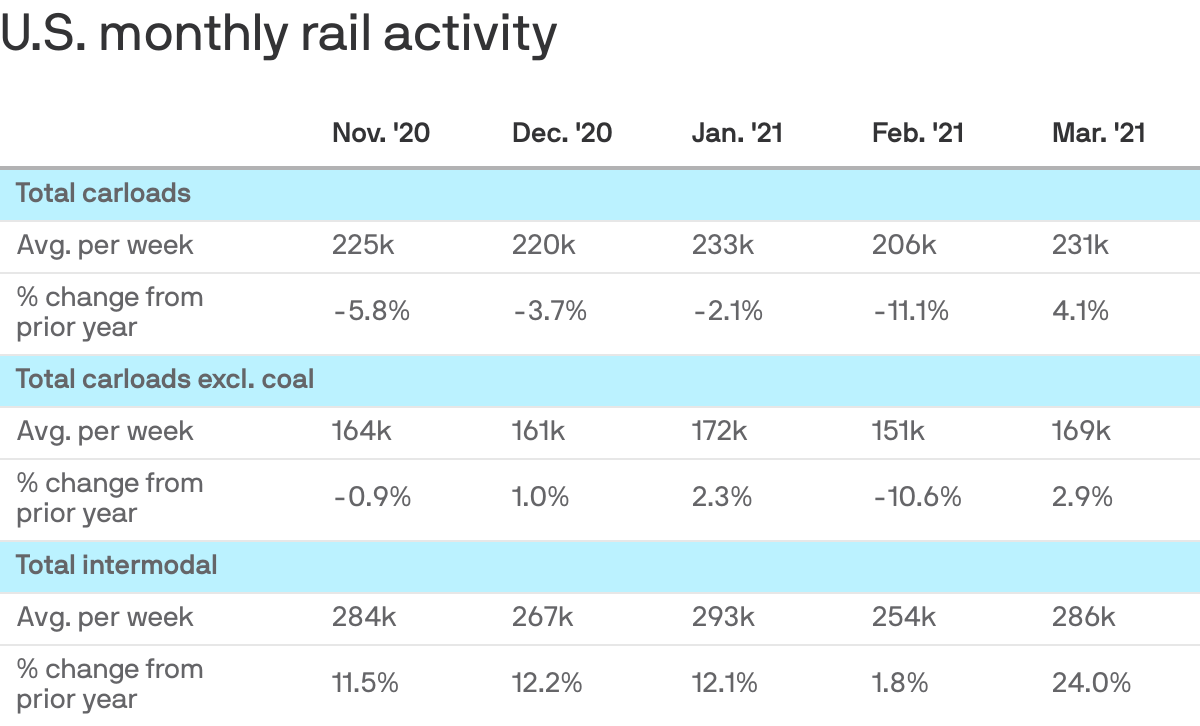
Freight train traffic, an important gauge of U.S. economic health, showed a major pickup in March, increasing year over year for the first time since January 2019, data from the Association of American Railroads (AAR) showed.
What happened: Intermodal train traffic — a measure of shipping containers and truck trailers moved on rail cars — jumped 24% last month.
Money flowing to stocks globally in just the past five months ($576 billion) has exceeded the inflow seen over the prior 12 years by well over $100 billion, according to data from Bank of America Global Research.
As job growth finally starts to take off thanks to improving vaccine numbers and increasing optimism, the economy is confronting an unusual quandary: a mismatch of expectations between workers and employers that's becoming a standoff.
Why it matters: The jobs growth bonanza economists and asset managers are predicting for 2021 and beyond could be inhibited by a market where American workers — particularly those at lower income levels — demand higher wages and employers refuse to pay them.
Top CEOsplan to get dramatically tougher on state legislators over proposed new restrictions on voting.
Driving the news: After a weekend Zoom summit, the CEOs are threatening to withhold campaign contributions — and to punish states by yanking investments in factories, stadiums and other lucrative projects.
The Business Roundtable today will release a survey in which 98% of 178 CEOs polled said that increasing the corporate tax rate from 21% to 28%, as President Biden proposed, would have a "moderately" to "very" significant adverse effect on their company’s competitiveness.
By the numbers: 75% of CEOs said an increased tax burden on U.S. companies would negatively affect investments in R&D and innovation.
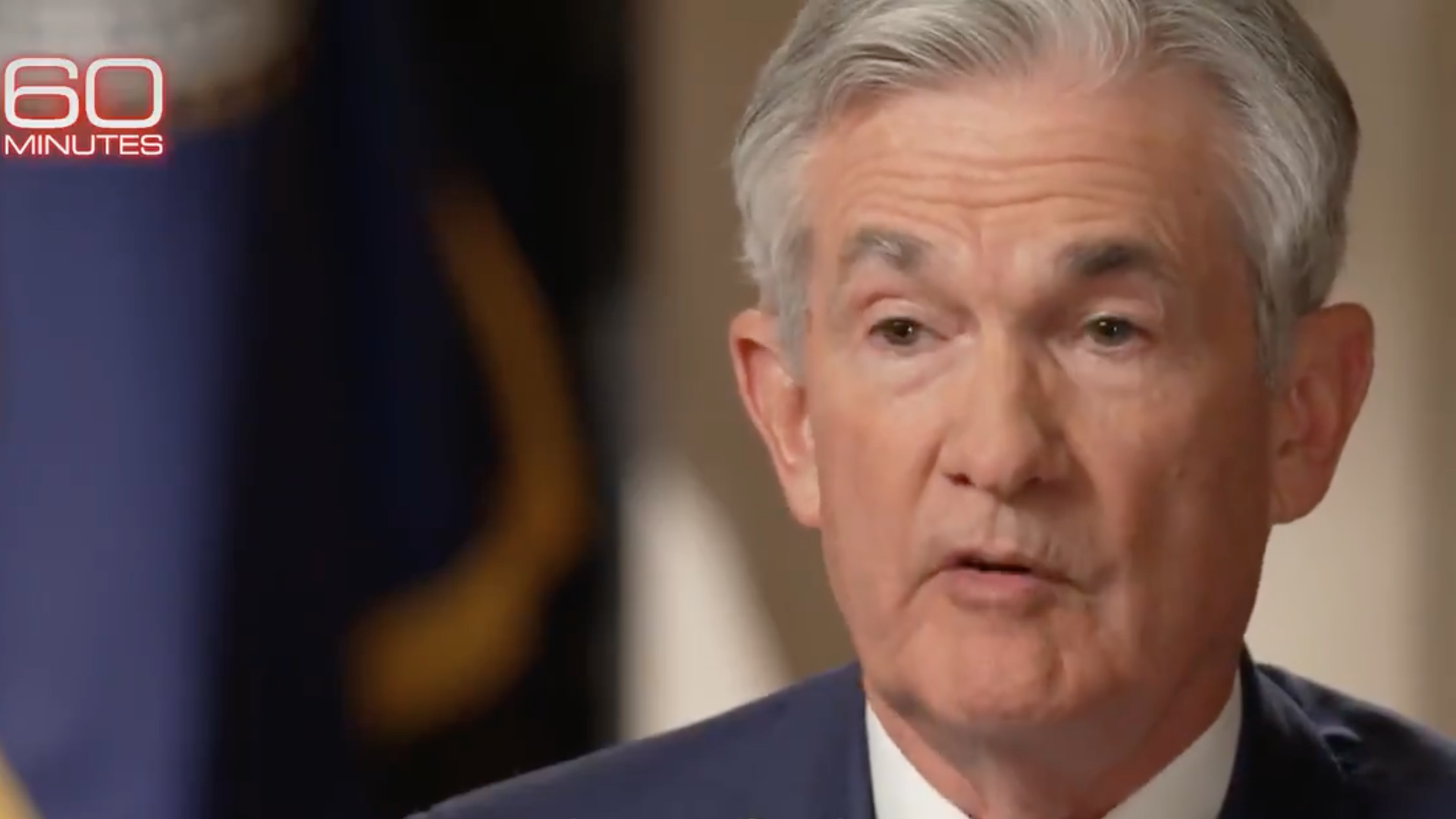
Federal Reserve Chair Jerome Powell told CBS' "60 Minutes" in an interview broadcast Sunday that the U.S. economy is at an "inflection point," with growth and job creation forecasts looking strong.
Of note: In his interview with CBS' Scott Pelley, Powell said it's "highly unlikely" the Fed would raise interest rates this year.