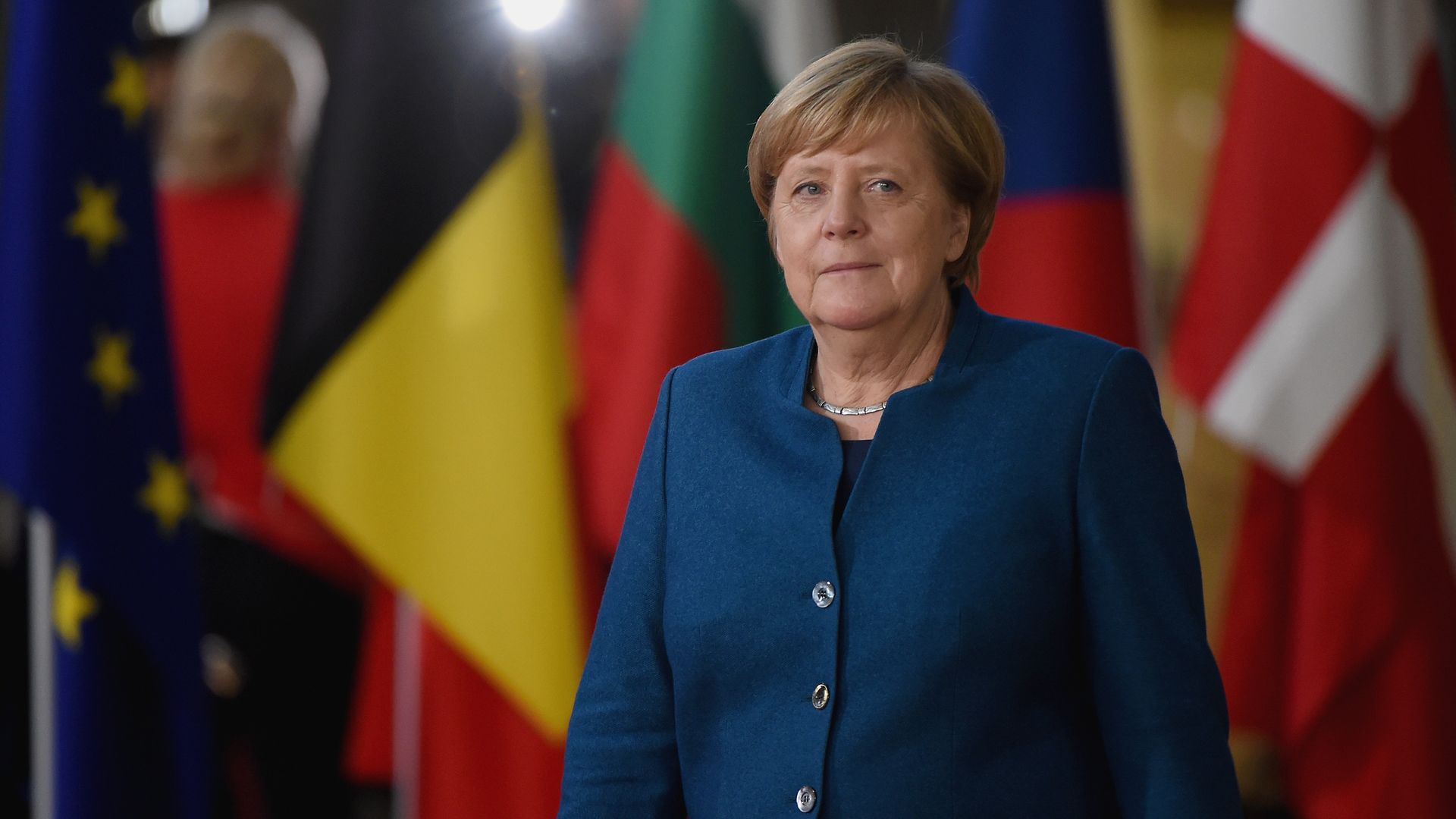
World leaders have responded to the developing details regarding the death of the Washington Post columnist Jamal Khashoggi, either by putting a hold on their diplomatic relationship with Saudi Arabia or signaling their disapproval of how they handled the matter.
The big picture: As President Trump says he believes Saudi Arabia's explanation of how Khashoggi died, several countries in the European Union — France, Germany, the United Kingdom and the Netherlands — have suspended political visits to Saudi Arabia until more information is known about Khashoggi's death. Australia announced today they are wholly pulling out of "Davos in the Desert." Saudi Arabia is taking 30 days to investigate, while Turkey says it will keep releasing evidence.
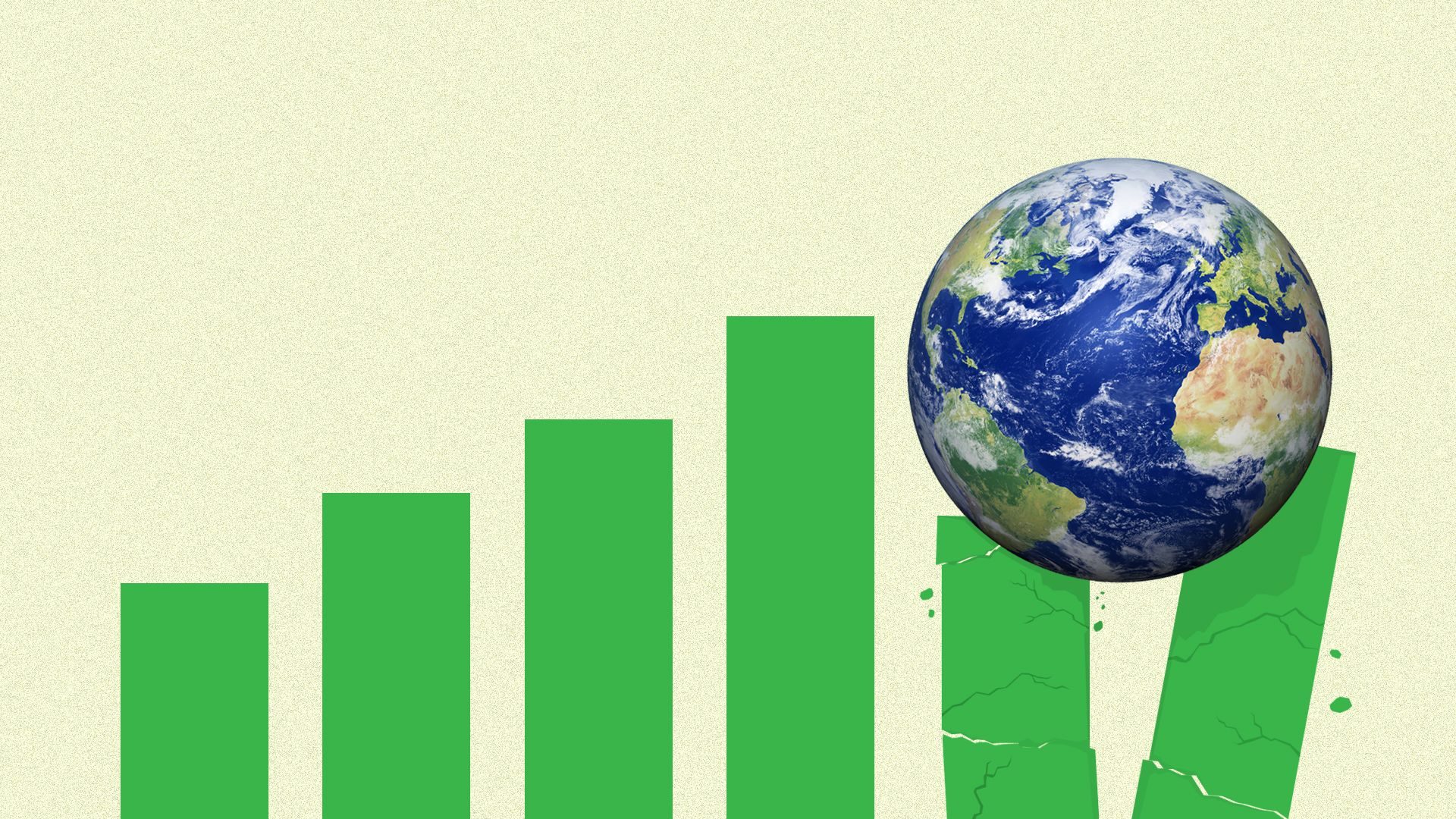
A new study released Monday by the University of North Carolina’s School of Media and Journalism details the stark decline of newspapers in the U.S. and particularly in rural areas, where citizens are less educated, poorer and older.
Data: UNC School of Media and Journalism; Note: Investment firms include New Media/GateHouse, Digital First Media, CNHI, Civitas, tronc/Tribune, BH Media, 10/13 Communications; Chart: Andrew Witherspoon/Axios
Why it matters: Because of the isolated nature of communities in which many papers have dissolved, "there is little to fill the void when the paper closes."
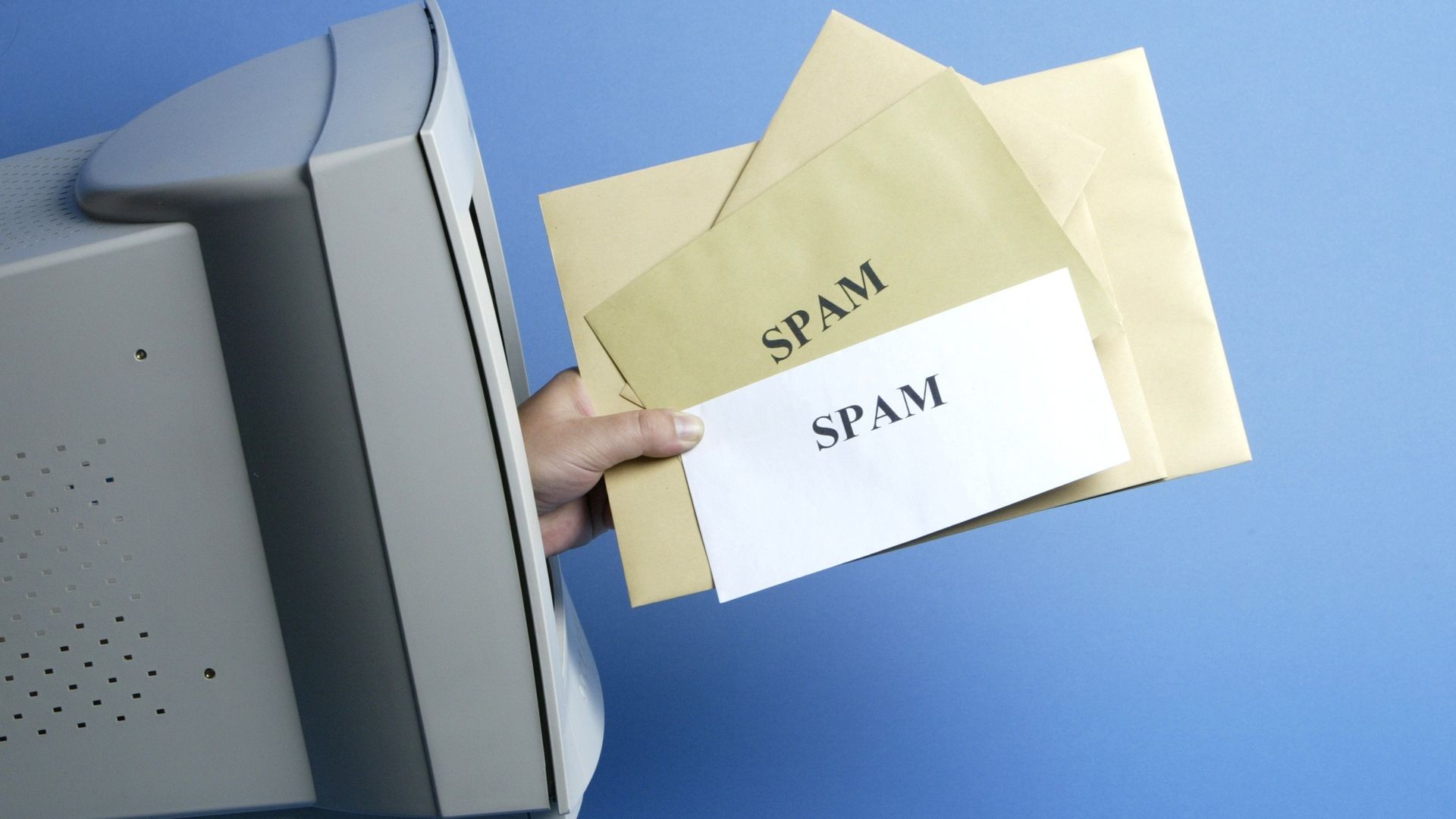
Political spam via calls, texts, emails and social media posts is rising, with more people looking to take advantage of minimal regulation and heightened interest around the midterms.
Why it matters: For years, people have complained about feeling inundated with political messaging during election seasons. But it's only getting worse now that new, unregulated technologies are being used more frequently by both campaigns and spam actors.
The housing market has reached its longest downfall in four years, The Wall Street Journal reports.
Why it matters: Though the economic growth has been strong, rising mortgage rates and high home prices are still prevalent. The new tax law has also lessened incentives for people to buy homes. The report states that buyers have more choices and aren't as inclined to sign on with one home right away.
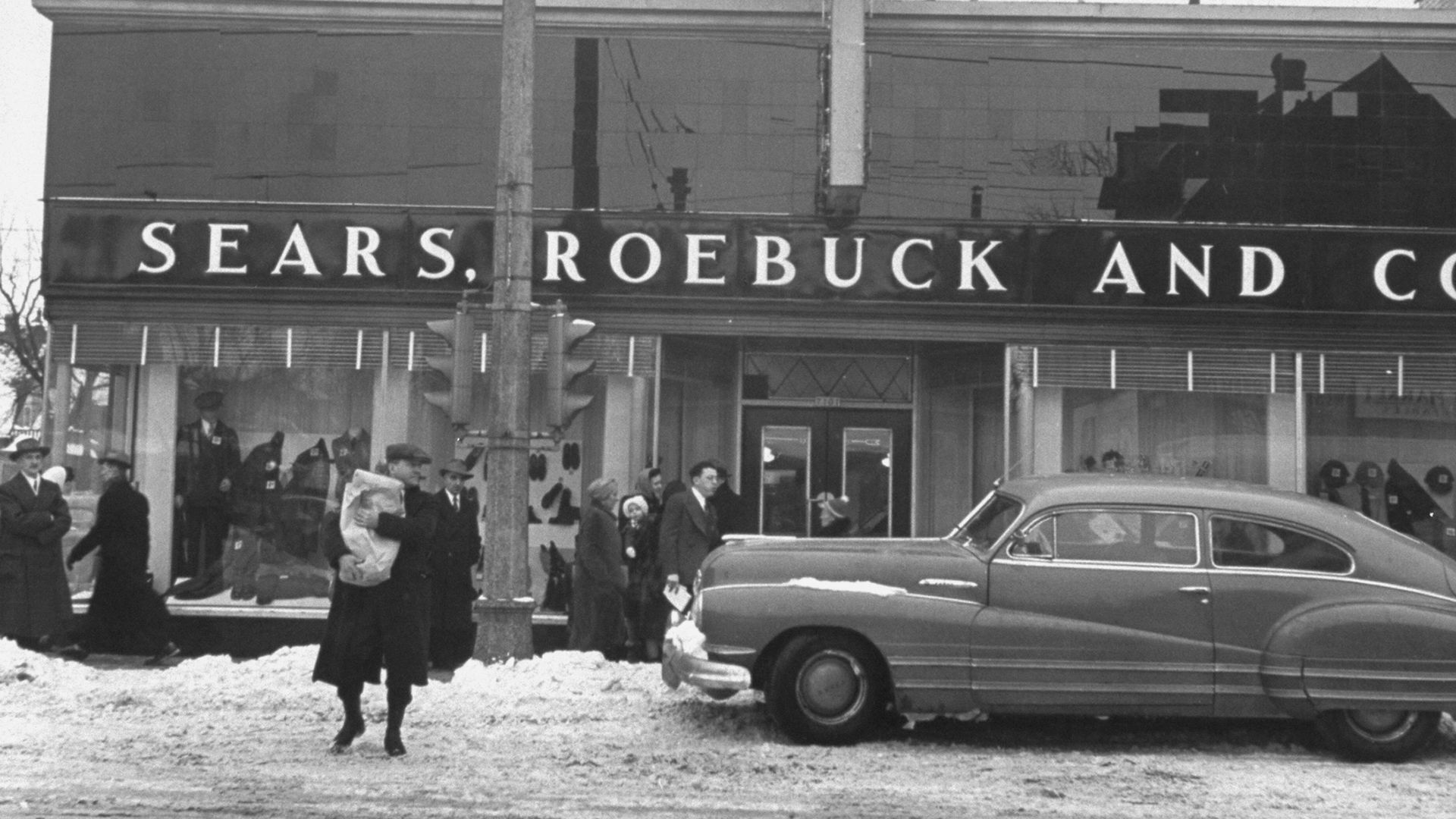
Like the rest of Big Retail, Sears thrived for a century and a half on a low-wage, low-productivity strategy, hiring thousands of workers to wade through mountains of inventory and stock shelves. But its practice of sluggishness finally caught up it, as the company today filed for bankruptcy with plans to close another 142 stores.
Why it matters: Brick-and-mortar retail still rakes in a whopping majority — 91% — of shopping dollars. But Sears' fate is the latest and perhaps most dramatic example of how, since 1990, the productivity of department stores has stayed remarkably flat, while online shopping has surged.
"Grab your family, grab your friends, grab your neighbors, and get to the poll[s], because if not, you are going to have another two or another six years of this craziness."
The big picture: These are Cohen's first on-camera comments since his guilty plea, and they underscore his pattern of publicly breaking from Trump — the man for whom he once said he’d take “a bullet.”
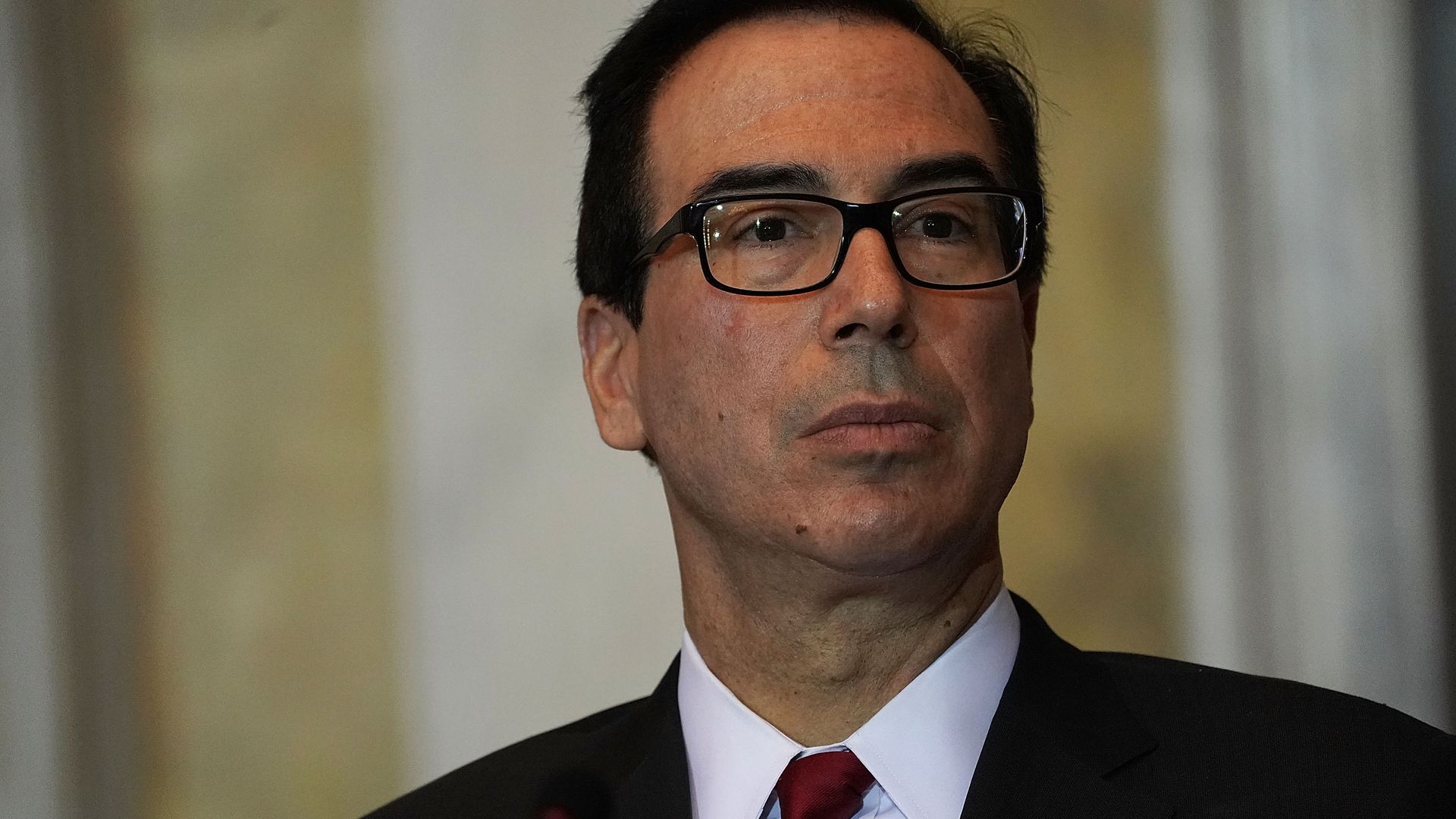
Treasury Secretary Steven Mnuchin is still planning on participating in an anti-terror finance meeting with Saudi Arabian officials later this month, despite a flood of reporting supporting claims that journalist Jamal Khashoggi was gruesomely murdered inside the Saudi consulate in Istanbul, reports The Washington Post. The Treasury Department did not immediately respond to Axios' request for comment.
Why it matters: The meeting with Saudi security officials and their Middle Eastern counterparts in Riyadh later this month is different from the Saudi Future Investment Initiative (FII), which Mnuchin and several other high-profile companies and individuals have withdrawn from. However, according to the Post, the meeting Mnuchin plans to attend at the Terrorist Financing Targeting Center would include participation by Saudi security services that are being linked to Khashoggi’s disappearance.
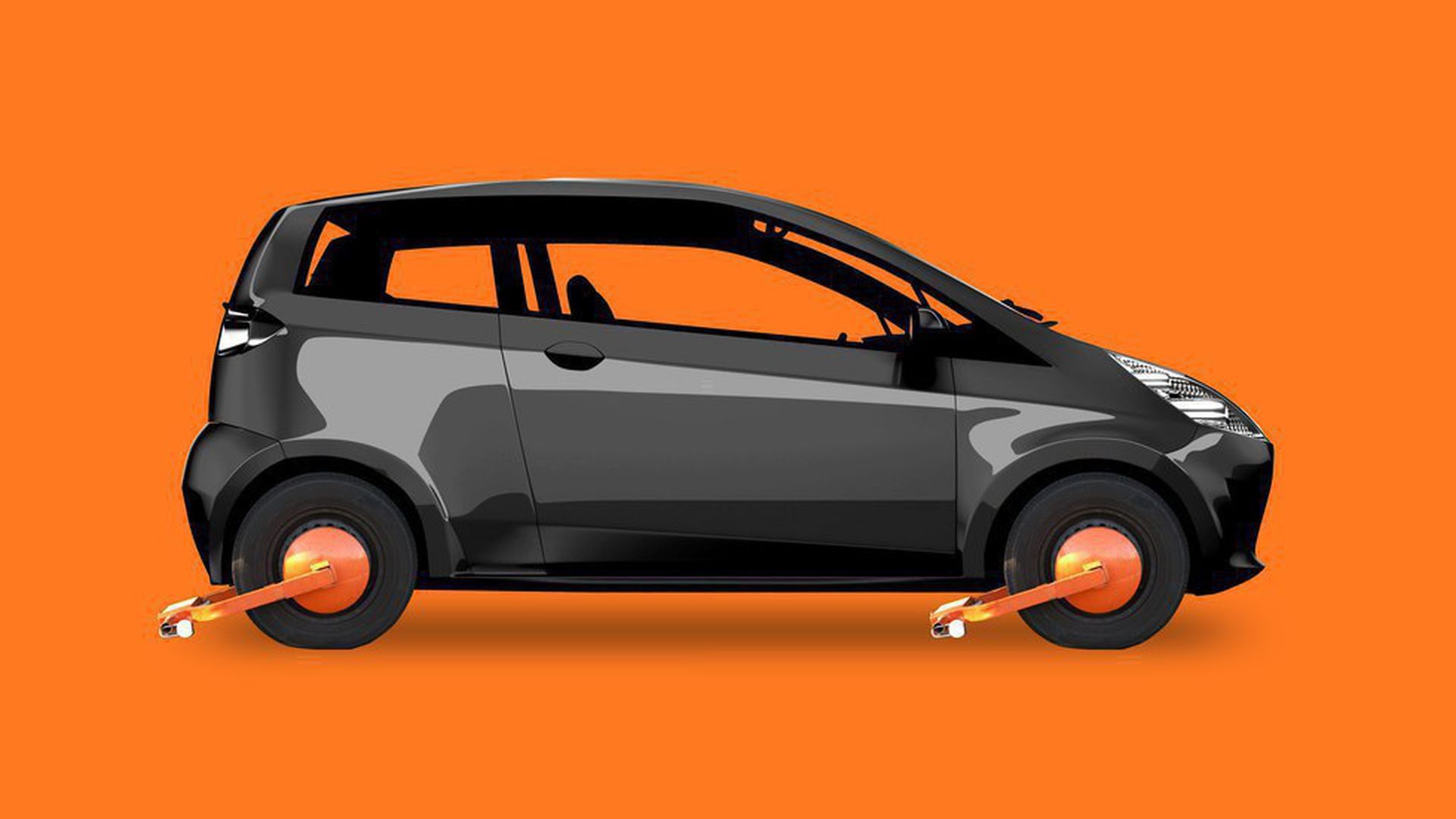
The U.S. has a competitive advantage in the development of self-driving cars, but risks squandering it by disrupting global markets with tariffs on imported vehicles, according to the Information Technology and Innovation Foundation, a science and technology policy think tank.
Why it matters: After decades of decline, the U.S. auto industry stands to re-emerge as a global leader by leveraging America’s competitive advantage in IT hardware and software. But trade policies intended to protect American workers could trigger reciprocal actions, cutting off markets for U.S. vehicles, ITIF says.
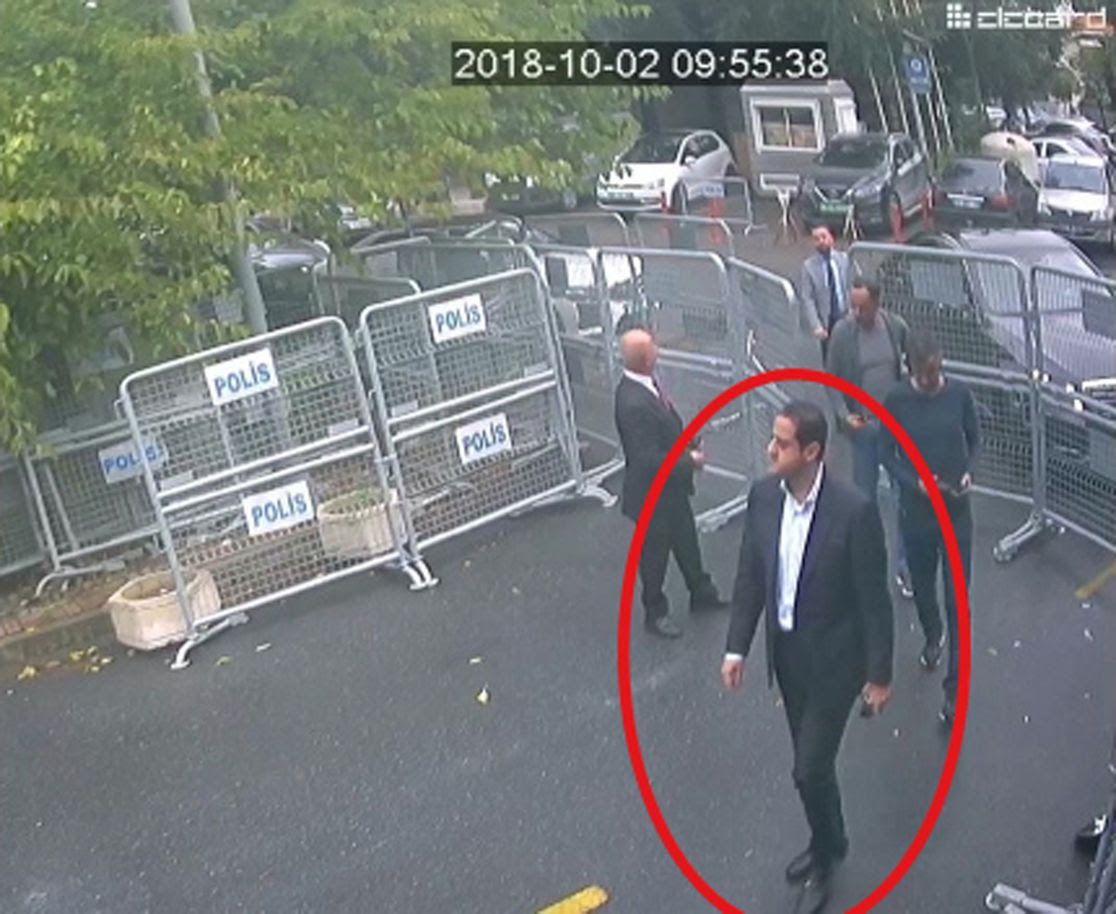
In surveillance camera footage published by the pro-government Turkish newspaper Sabah, a man identified by Turkish officials as Maher Abdulaziz Mutreb, a Saudi intelligence officer close to the crown prince, walks toward the Saudi consulate before Khashoggi disappeared. (Sabah via AP)
A Turkish official says investigators are assessing the possibility that the remains of Saudi journalist Jamal Khashoggi were taken to a forest on the outskirts of Istanbul or to Yalova, a city 60 miles away, AP reports.
The details: The official said police have established that two vehicles belonging to the Saudi consulate left the building on Oct. 2 — the day Khashoggi vanished. One vehicle went to the Belgrade Forest, while the other traveled to Yalova.
Corporate earnings have been strong so far, with 84% of companies reporting better earnings than analysts expected — higher than the 64% average at this point in earnings season, per Refinitiv. But the companies that have disappointed are blaming tensions around the world for the less than stellar results.
Why it matters: The trade war with China will probably get worse — with a tariff escalation looming in January — and Brexit negotiations have reached a standstill. Yet companies aren't saying how they are planning for a more permanent tense global environment.