Crowdstrike is in talks with Goldman Sachs to lead its initial public offering (IPO), which is expected early next year, Reuters' Liana Baker and Carl O'Donnell report.
The trend: While most cybersecurity companies don’t make it to the IPO stage, instead opting for the acquisition route, Crowdstrike is joining a growing list cyber firms that have chosen to go public. It's unclear whether Crowdstrike's stock price will trade at or above the IPO price.
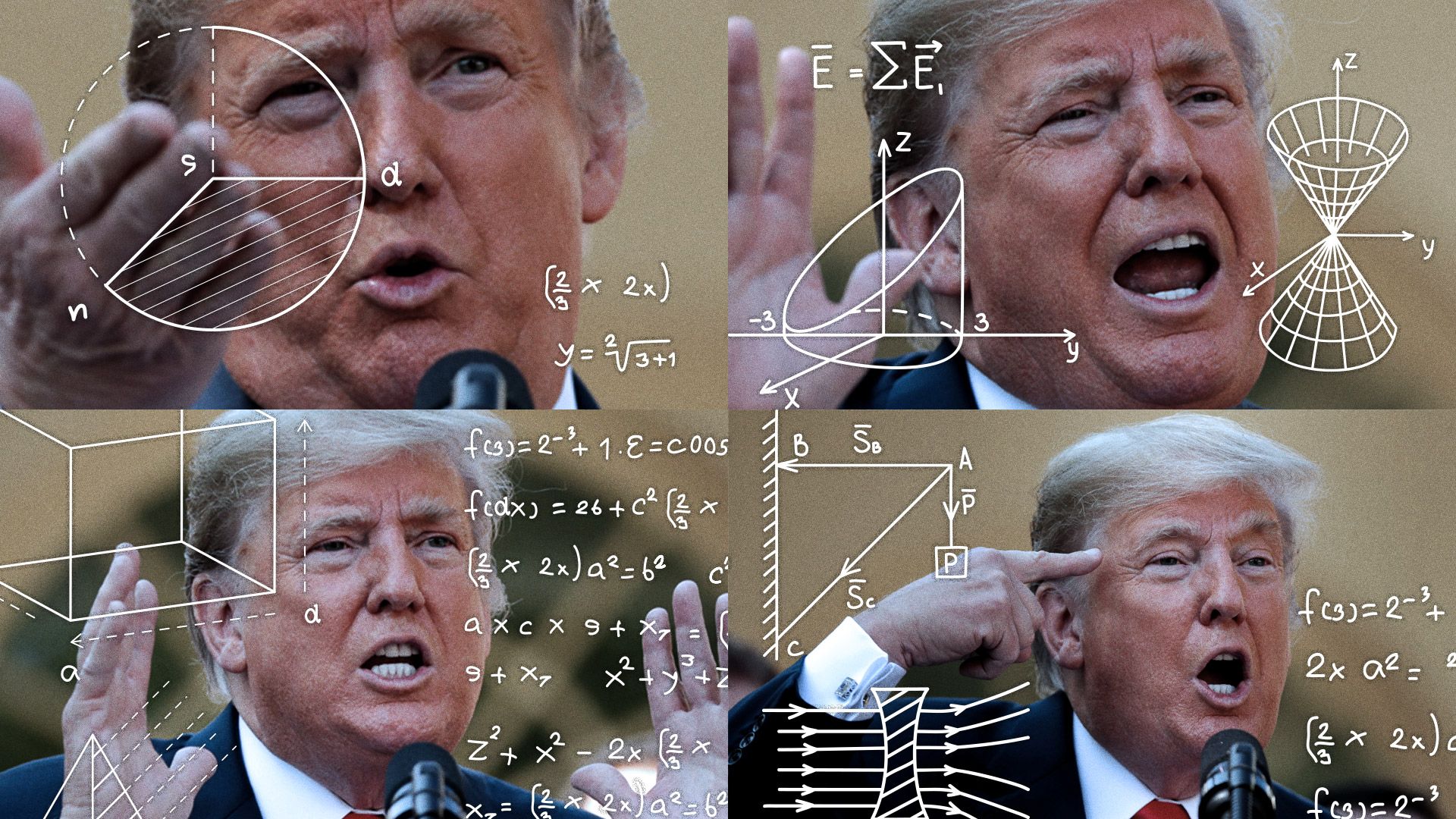
In a 2007 deposition, Donald Trump said his estimates of his net worth go "up and down with the markets and with attitudes and with feelings, even my own feelings..."
Why it matters: Now that he's president of the United States, Trump appears to be taking a similar feelings-based method to assessing the number of U.S. jobs gained from his arms deal with Saudi Arabia.
President Trump has no intention of easing his tariffs on China, according to three sources with knowledge of his private conversations. Instead, these sources say he wants Chinese leaders to feel more pain from his tariffs — which he believes need more time to fully kick in.
What we're hearing: "He wants them to suffer more" from tariffs on $200 billion of Chinese goods, said a source with direct knowledge of Trump's thinking, and the president believes the longer his tariffs last, the more leverage he'll have.
Sears filed for bankruptcy this week, and its owner, Eddie Lampert, is warning employees that absent "material progress over the next few months," the fate of the company is going to be "a shutdown and liquidation."
The bottom line: There are good bankruptcies, which discharge legacy debts and allow the company to continue anew. And then there are bad bankruptcies, which cut off supply chains and result in outright liquidation. Bad bankruptcies inevitably result in thousands of job losses — and Sears is looking like it's going to be one of them.
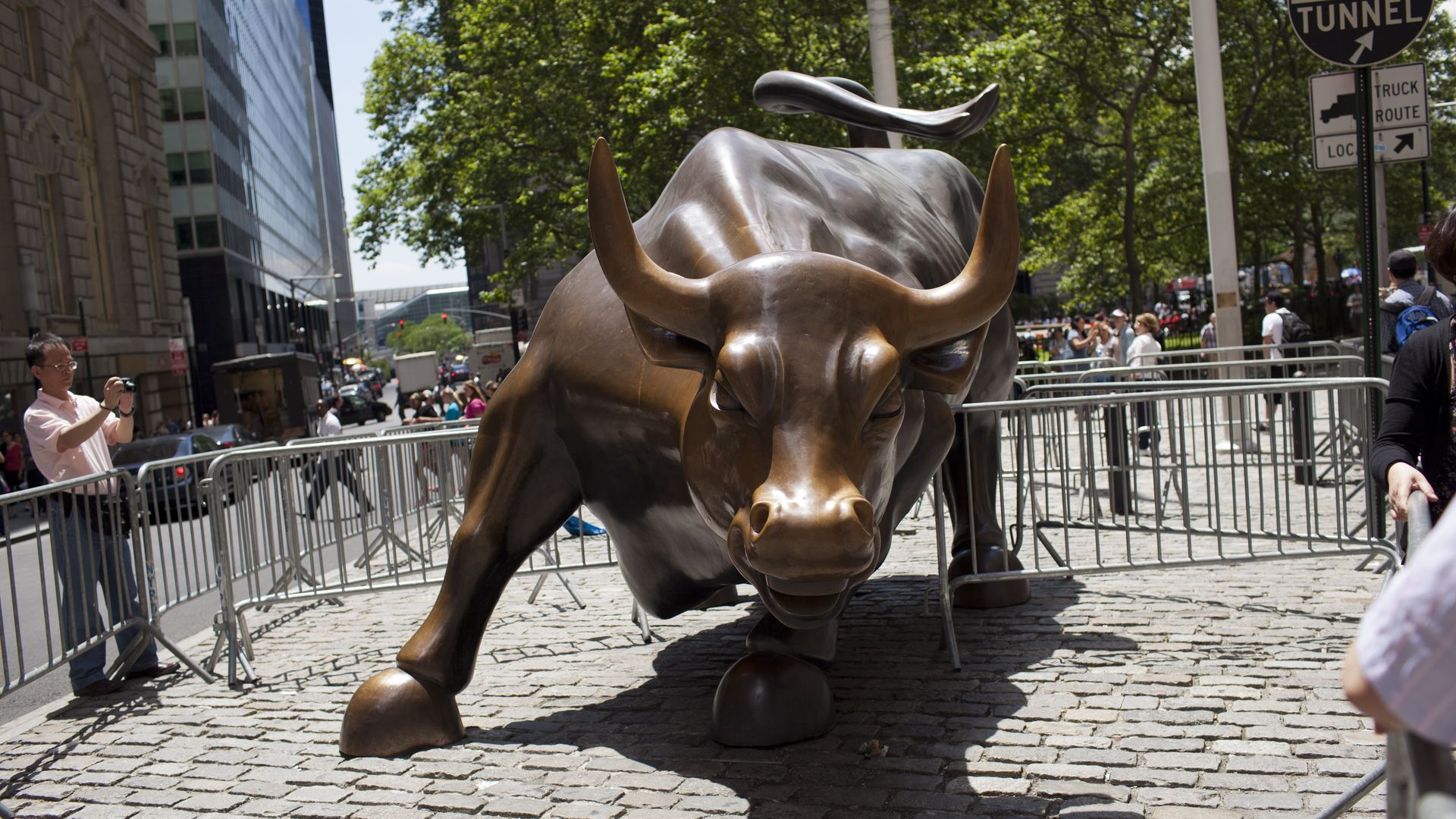
It's big-IPO speculation season. Lyft wants to go public next year, with a sought-after valuation in the $15 billion range, which is flat to its last private round.
Details: That Lyft valuation is lower than the valuation of Uber Eats, at least if you take the pitch decks from Goldman Sachs and Morgan Stanley seriously. Uber as a whole, we're told, could be worth as much as $120 billion in an IPO, which maybe explains how it raised $2 billion almost effortlessly in the bond markets this week, despite the fact that it's burning through more than a billion dollars a year.
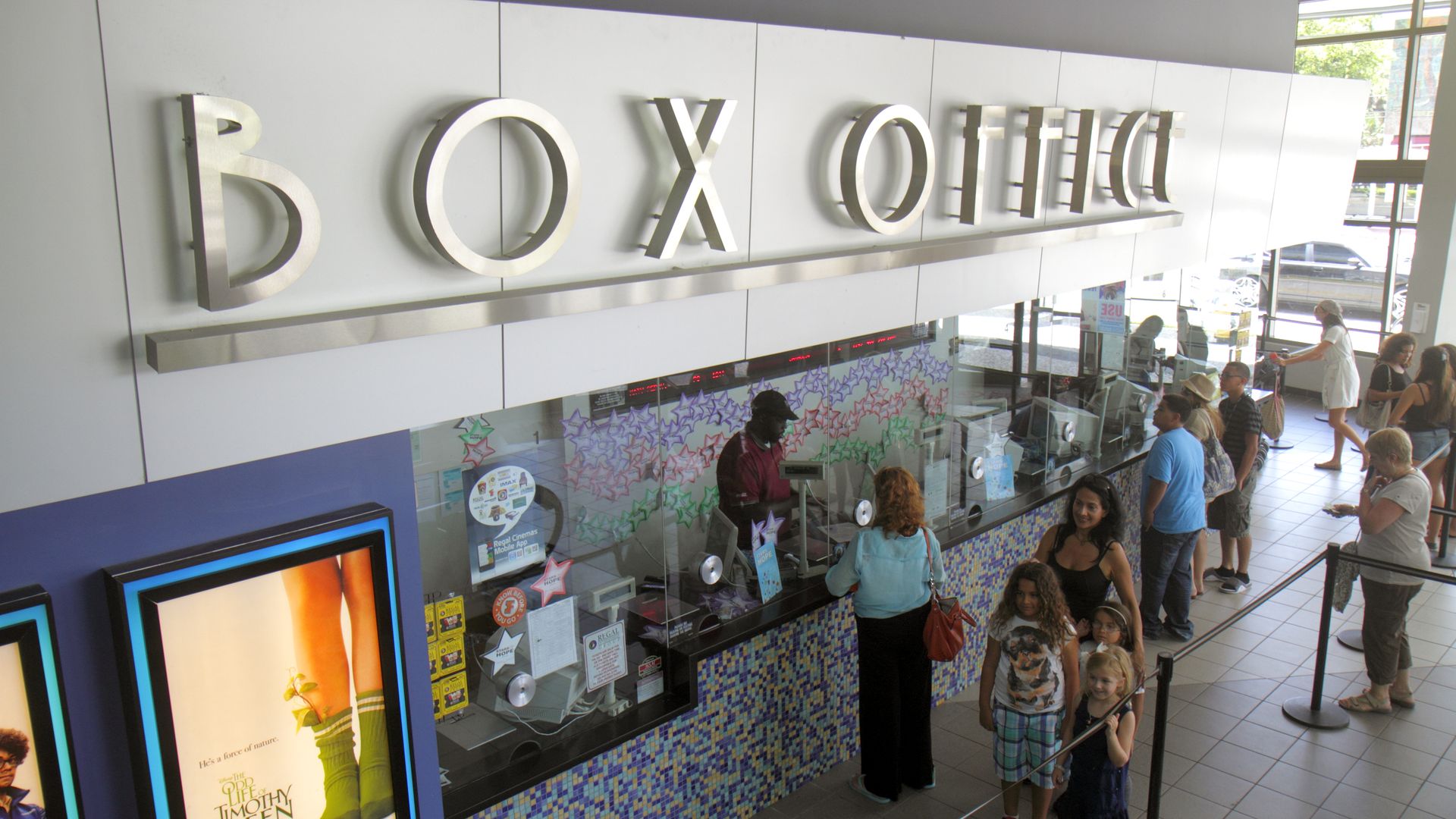
Economic growth has sent Americans to the movies in droves this past year, and the trend is expected to continue: Projections show the U.S. box office will make a record-breaking $12 billion in 2018 alone.
Why it matters: Movie theater admissions have been relatively stable for the past three decades, and yet box office totals are expected to be up 10% from 2017. Patrick Corcoran, vice president of the National Association of Theatre Owners (NATO), told Axios that subscription services and the date of release have a lot to do with it.
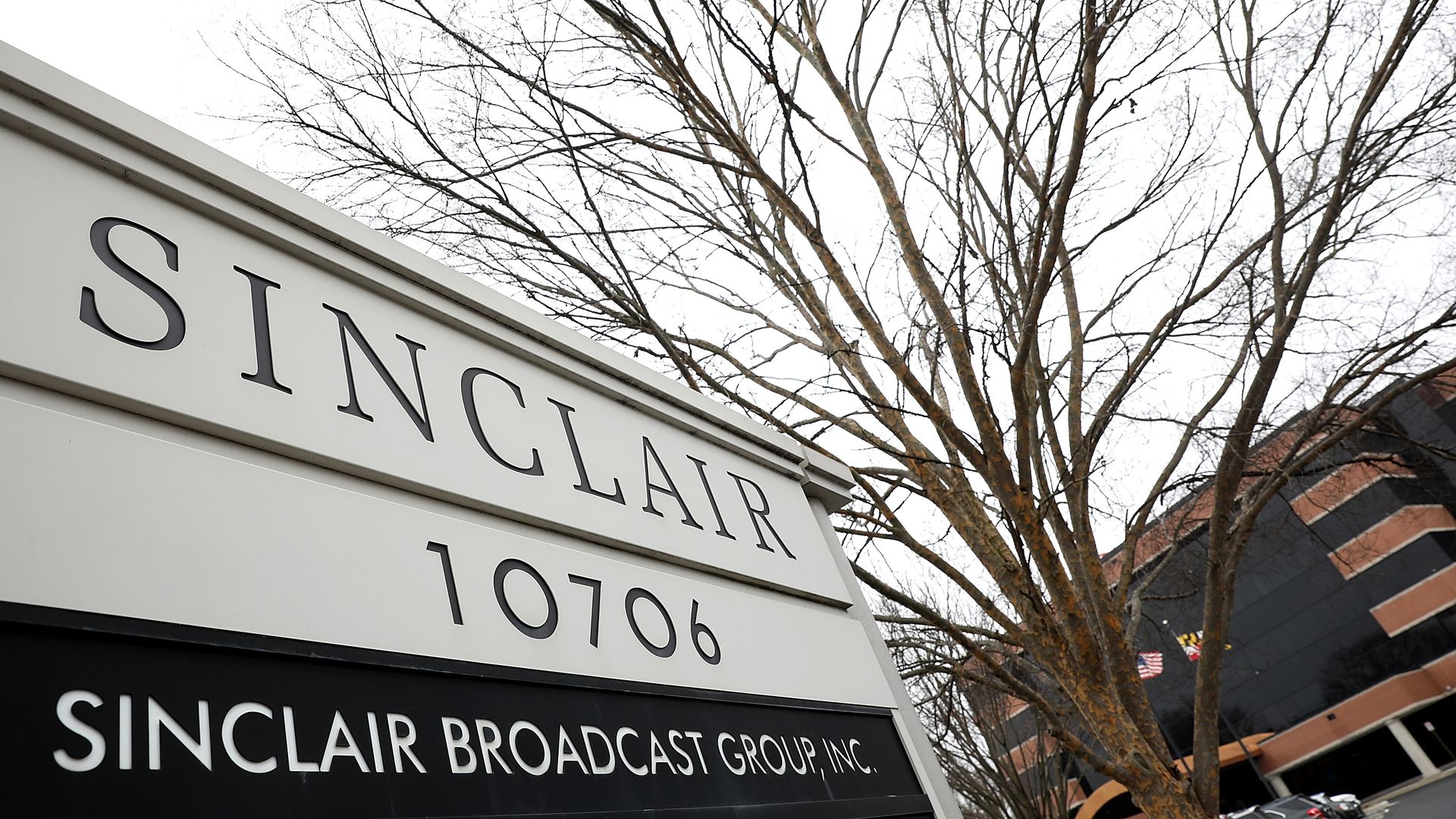
As consolidation in the media industry has reduced the number of news outlets over the past decade, Sinclair media has managed to imprint its political influence by focusing on local TV markets, writes the New Yorker's Sheelah Kolhatkar in "The Growth of Sinclair’s Conservative Media Empire."
Why it matters: Local news is trusted more than national news, per a poll from the Pew Research Center. As the largest owner of TV stations in the U.S., Sinclair reaches nearly 40% of American viewers with its 192 stations in 89 markets. "Sinclair has largely evaded the kind of public scrutiny given to its more famous competitor, Fox News."