For those who are insecure about their yoga skills and lurk in the back of the class, your latest nightmare is a pair of pants that know when you're making a mistake.
How it works: Three sensors — one at your ankle, another behind your knee and a third at your hip — can tell whether you're doing downward dog, or any other yoga pose, correctly. If you've got it, the sensors vibrate to congratulate you! If you're not quite there, the app, which is linked to your pants, will tell you how to adjust.
Zekelman Industries, a Chicago-based maker of steels pipes and tubes, on Tuesday canceled what was expected to have been one of the largest industrial IPOs in years.
Why it matters: Zekelman says the move came after it became clear that it would be unable to secure its hoped-for valuation, raising questions about the role that U.S. steel and aluminum tariffs played on investor sentiment.
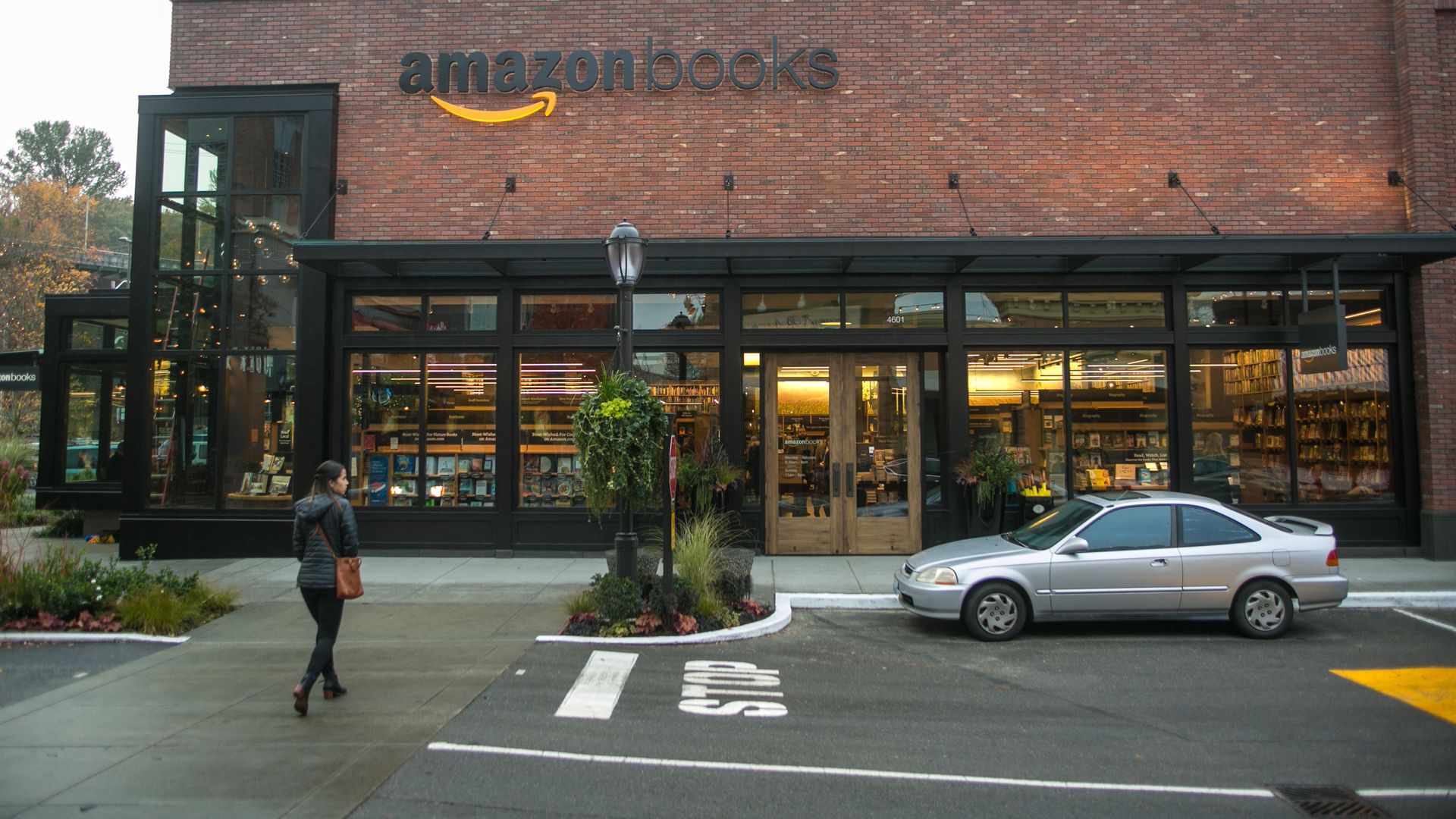
In the last year, Amazon earned 50 cents of every dollar spent online in the U.S. At nearly $1 trillion, its market cap grew to triple the combined value of Sears, JCPenney, Best Buy, Macy's, Target, Kohl's, Nordstrom andWalmart.
Driving the news: As I learned at a conference in New York yesterday, Jeff Bezos' tech giant has quickly become the existential crisis facing almost every e-commerce and brick-and-mortar firm, whose CEOs are faced with a singular question: How do I beat — or even survive — Amazon?
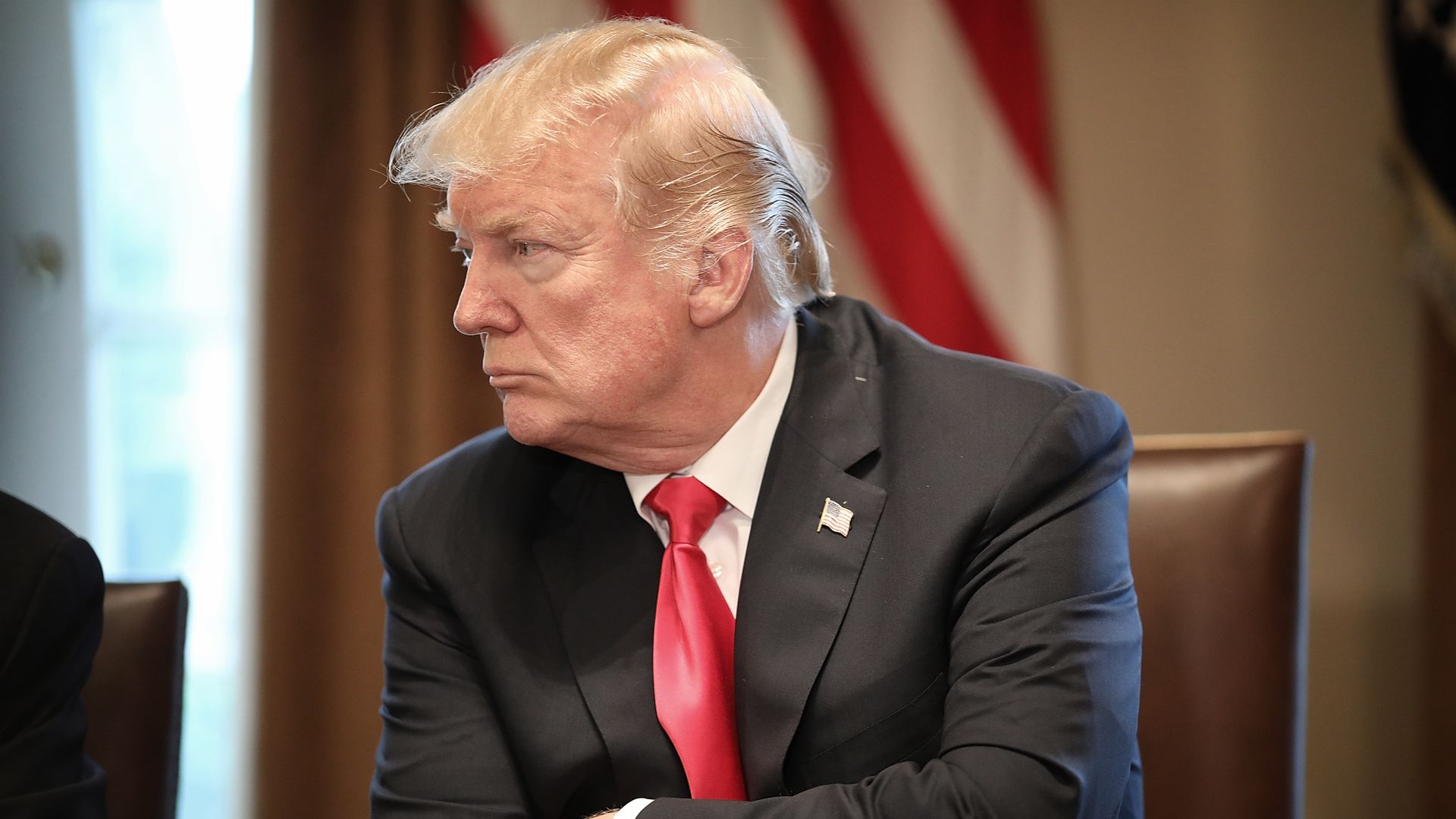
Historians say President Trump is a symptom of the anti-establishment turn in global politics, not its cause. Therefore, the populism that has erupted across the U.S. and Europe will go on or die — independent of what happens to him.
But what about the global trade war, which seems to be wholly Trump-driven? Experts tell Axios that it only appears that way: Protectionism, they say, is now part of the populist zeitgeist — and will outlast Trump.
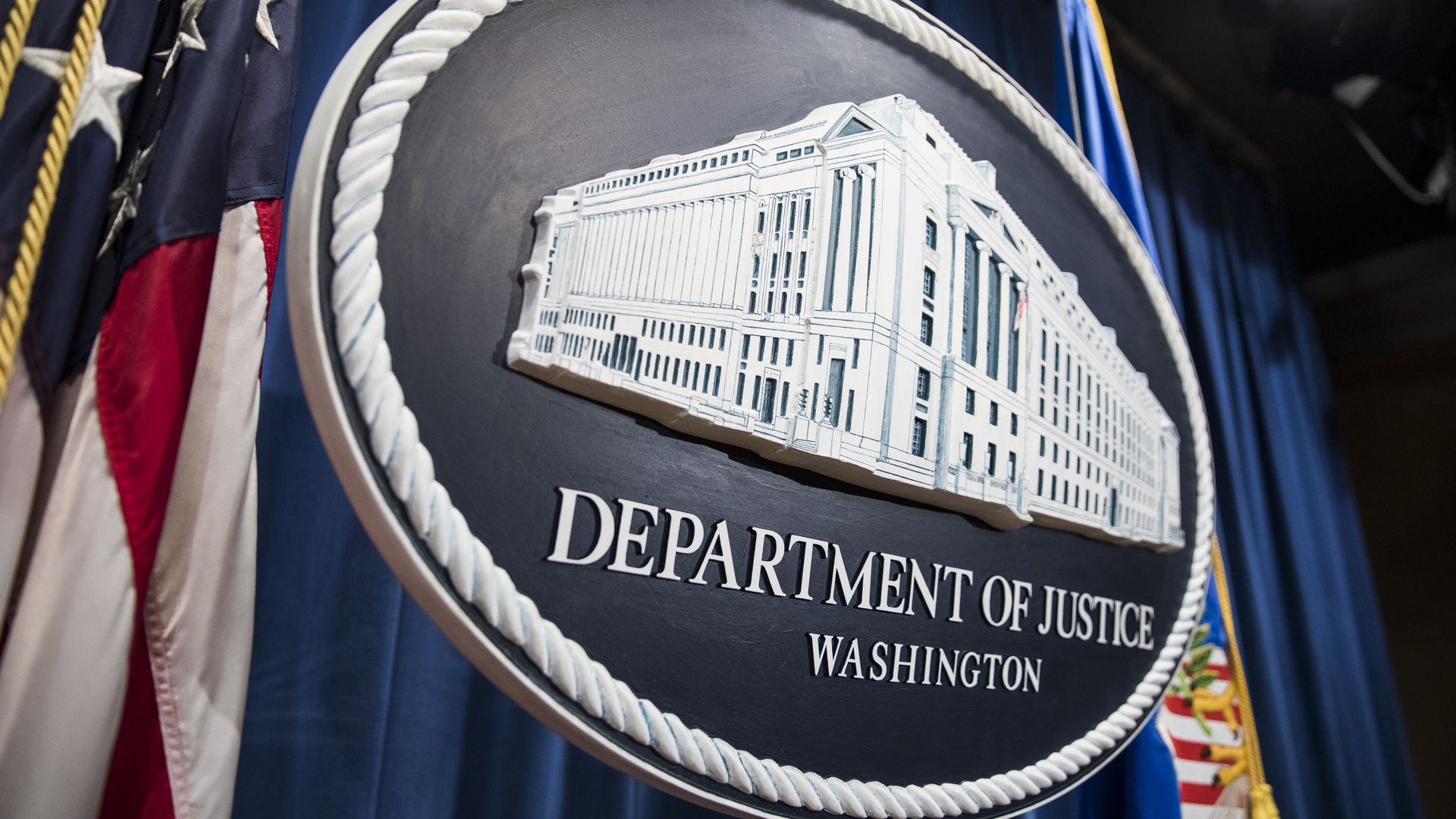
The Justice Department has ordered two top Chinese state-run media outlets to register as foreign agents — a move connected to efforts by the U.S. to crack down on foreign influence operations, people with knowledge of the matter told The Wall Street Journal.
The details: This comes on the heels of an escalating trade conflict between Washington and Beijing. Sources told WSJ the order for Xinhua News Agency and China Global Television Network to register was done under a foreign lobbying law employed in a case involving former Trump campaign manager Paul Manafort. The policy requires people in the U.S. to disclose when they are working on behalf of foreign governments or political entities.
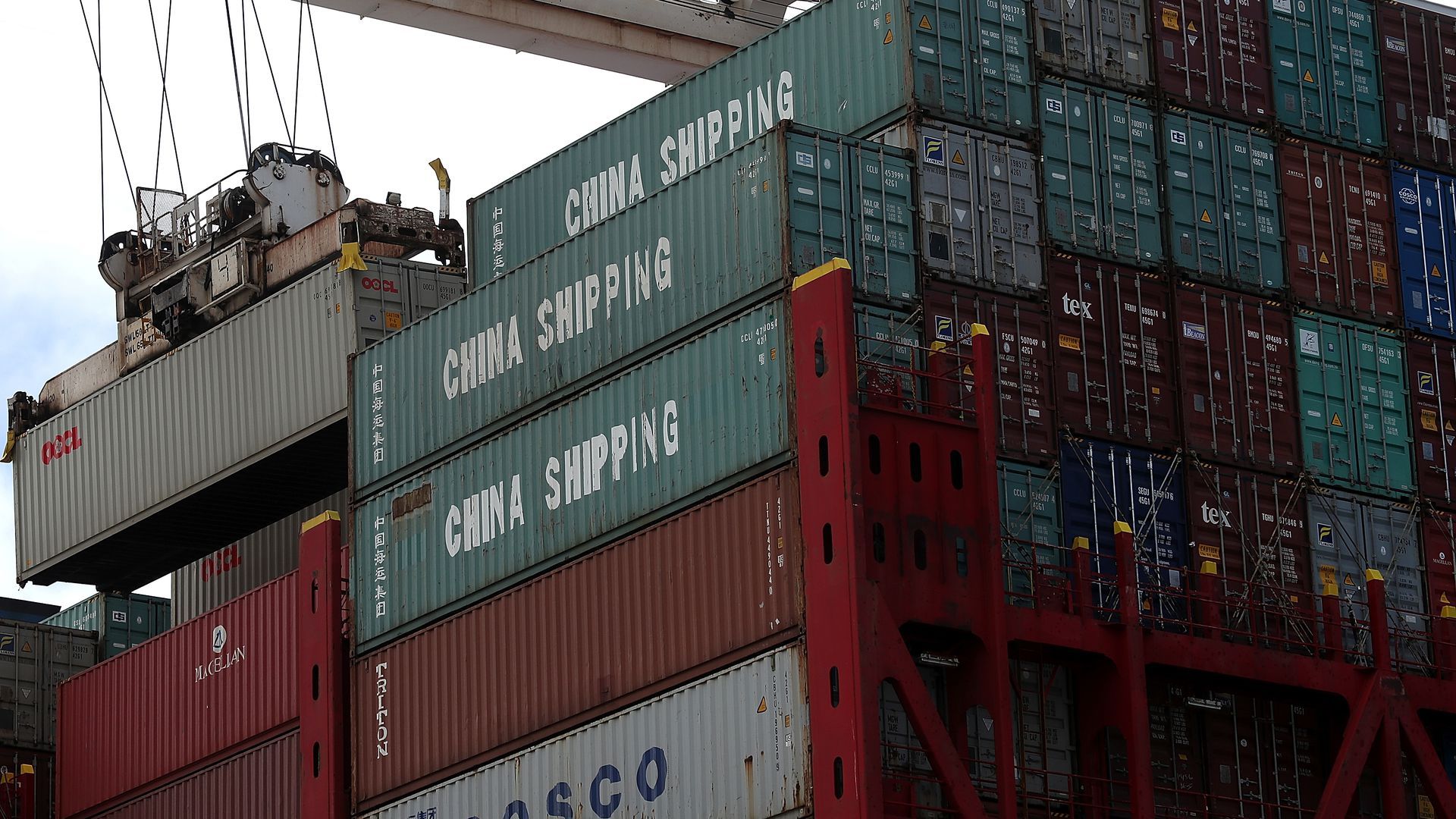
Commerce Secretary Wilbur Ross said on CNBC Tuesday that Americans won't notice price increases stemming from new tariffs on $200 billion worth of Chinese goods because they'll be "spread over thousands and thousands of products."
The big picture: The new tariffs, which will start out at a rate of 10% and could increase to 25% by the end of the year, will affect a far greater cross section of consumer goods than the previous round. 23% of the imports targeted are consumer goods, according to the Peterson Institute for International Economics, and include everyday items like furniture ($11 billion), chair seats ($10 billion) and computers ($8 billion).
Big tech companies with lots of cash have officially crashed the TV industry.
Driving the news: Netflix tied HBO in Emmy wins Monday night, putting an end to HBO's 17-year winning streak. It marks the first time in Emmy history that a streaming company has joined a traditional broadcaster in taking home the most awards. And it's the first time any tech company has done so at a major U.S. awards show.
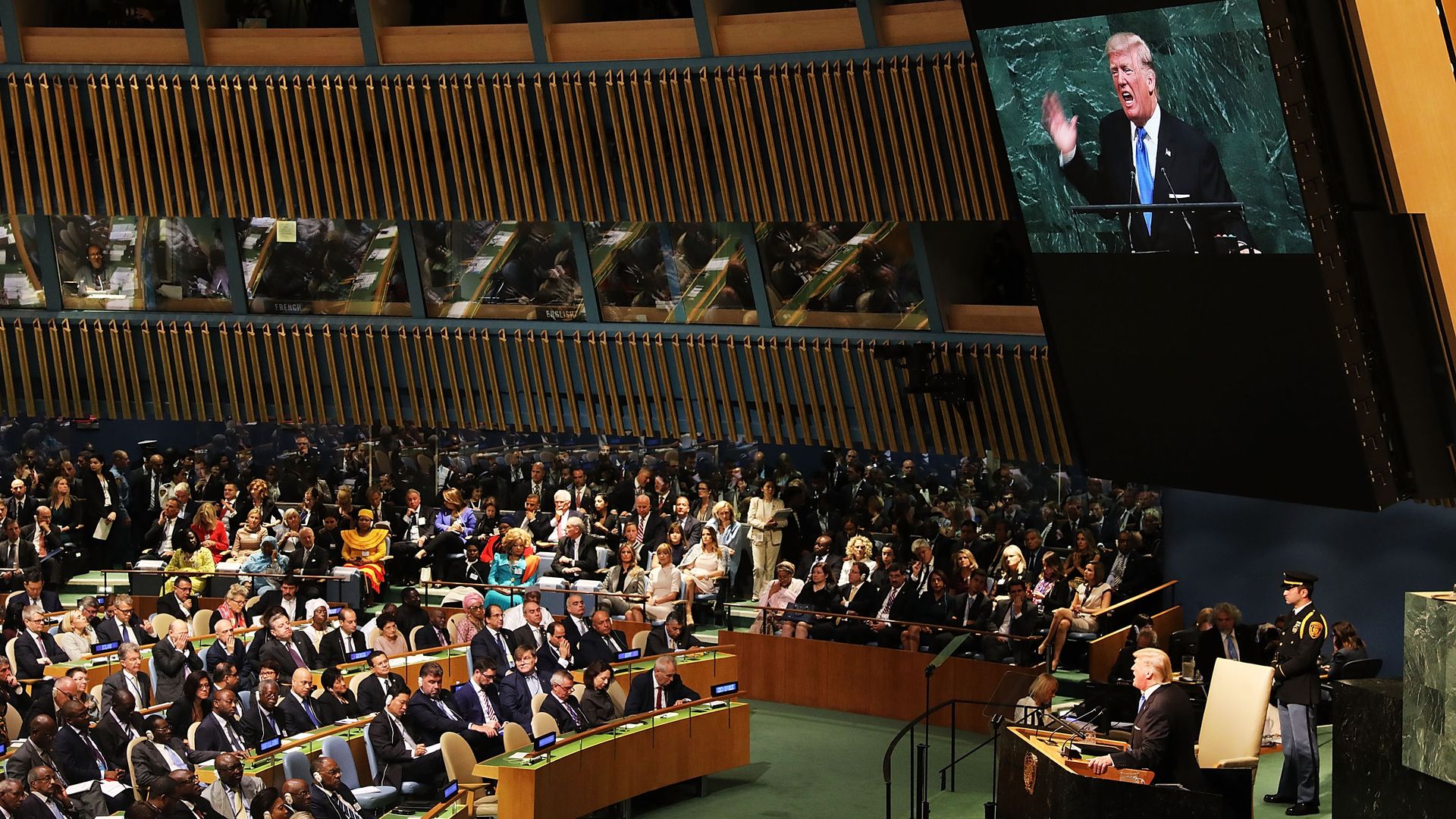
When President Trump addresses the UN General Assembly (UNGA) — the ultimate multilateral pageant — on September 25, he will be engaging a global community that has experienced his foreign policy for what it is: American unilateralism. Since the last UNGA, when he declared his doctrine of “America First,” Trump's unorthodox diplomacy has disrupted several multilateral meetings, from NATO to the G7.
The big picture: Trump is attempting to extricate the U.S. from the multilateral vision and institutions that have defined the post–World War II system. U.S. allies appreciate the fruits of that system — which include economic growth, a significant reduction in armed conflict and poverty alleviation — and fear losing the U.S. as a constructive partner.
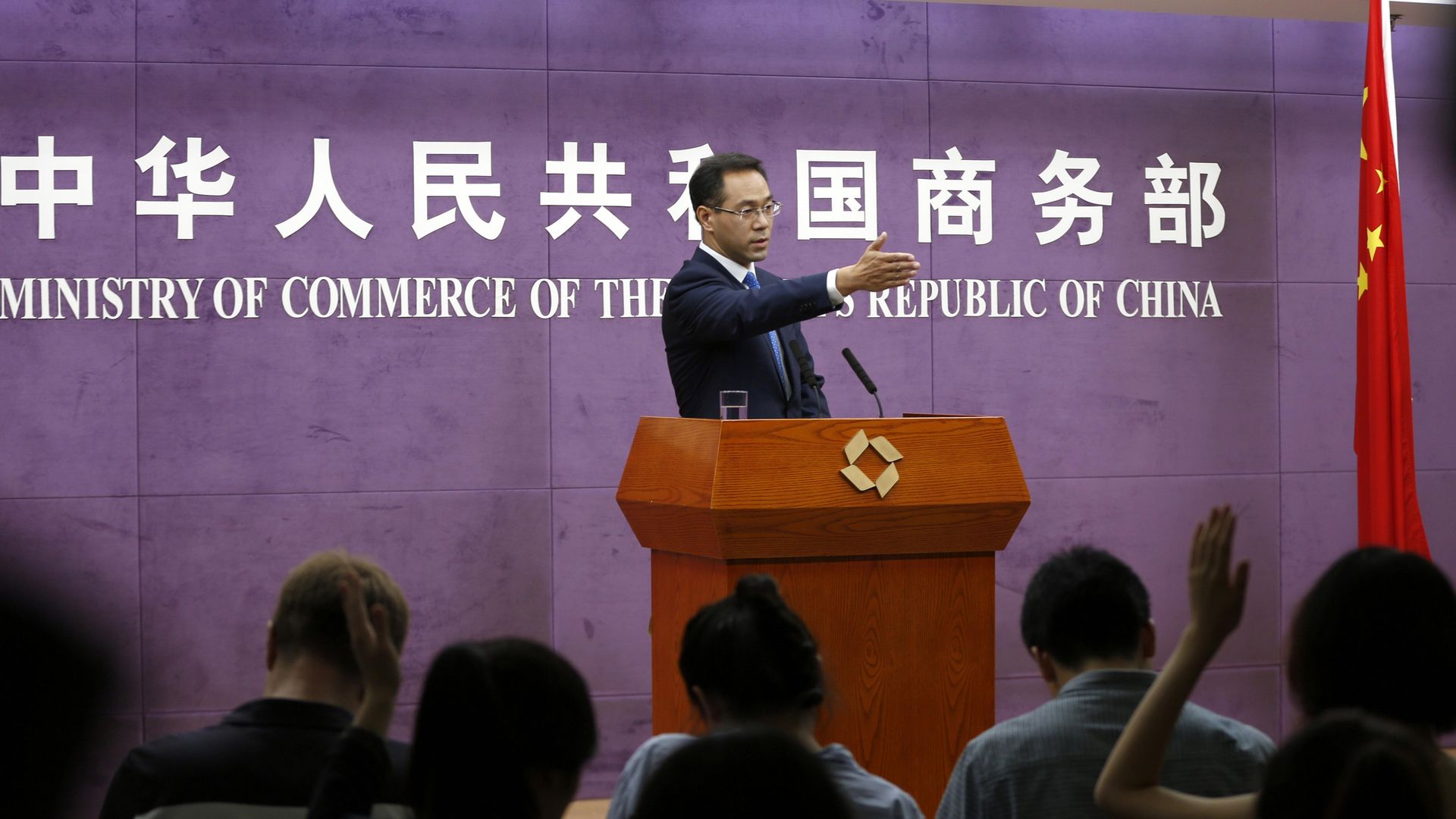
China's Commerce Ministry said Tuesday that it will respond to the latest round of President Trump's tariffs, imposing its own import taxes on $60 billion worth of U.S. goods at a rate of up to 10%. They will take effect on September 24th — the same day U.S. tariffs on Chinese products are scheduled to begin.
The big picture: A statement released earlier by the Chinese ministry of Commerce said nothing about Beijing's participation in proposed trade talks with Washington, though reports over the weekend indicated that China was considering skipping the discussions.
Trade groups across the country are voicing opposition to newly announced tariffs on $200 billion worth of Chinese goods, set to take effect next week.
Flashback: Hundreds of companies testified in Washington last month, asking officials to remove certain items from the initial list of proposed goods to face tariffs. About 300 were struck, but thousands of items remain on the final list.
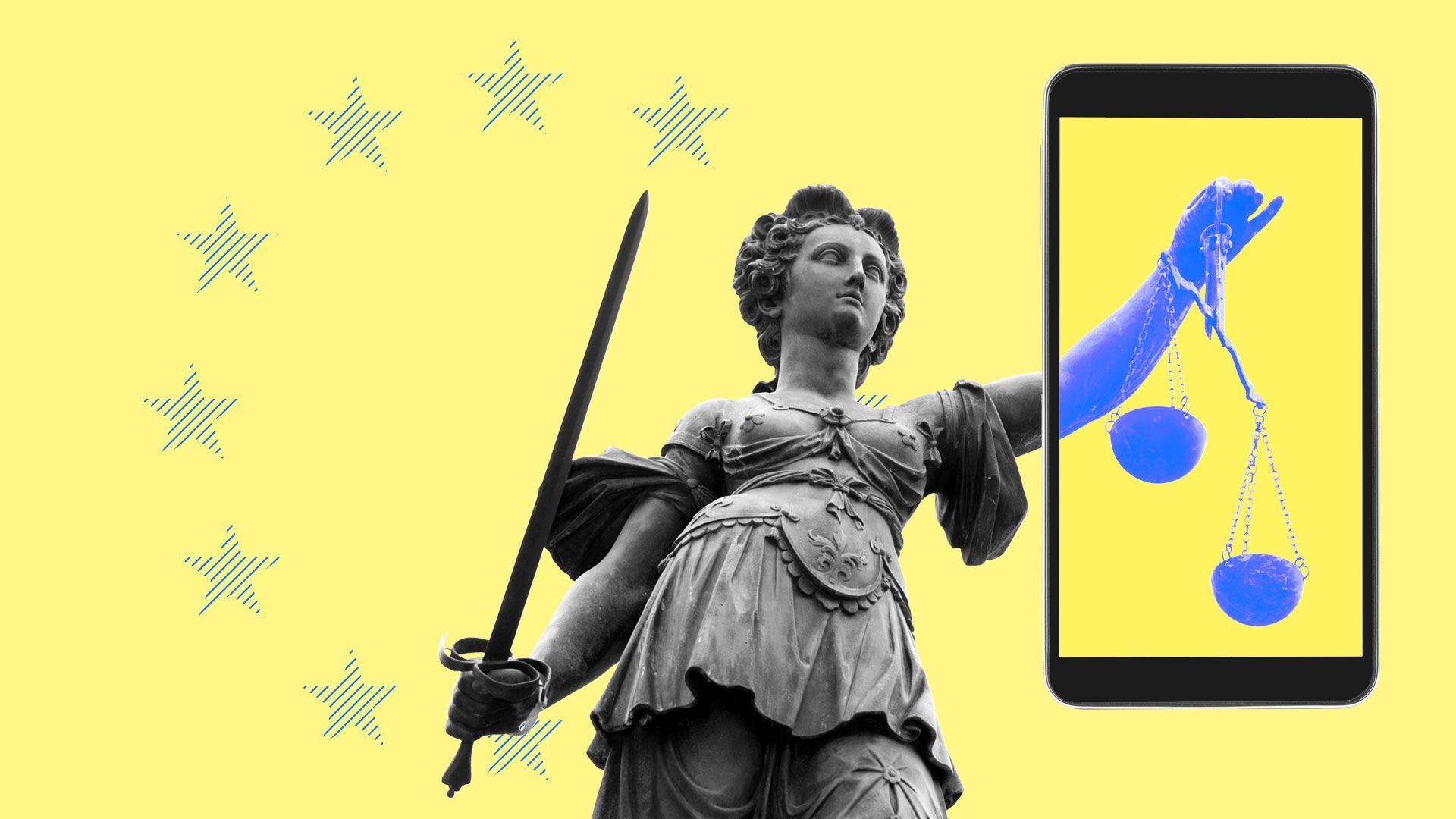
European laws and proposals meant to rein in tech giants are inadvertently empowering them.
Why it matters: The laws — governing everything from from privacy to copyright to content filtering — stem from concerns about the behavior of big platforms, like YouTube and Facebook. But big companies have more resources to comply with complicated regulations than small firms.
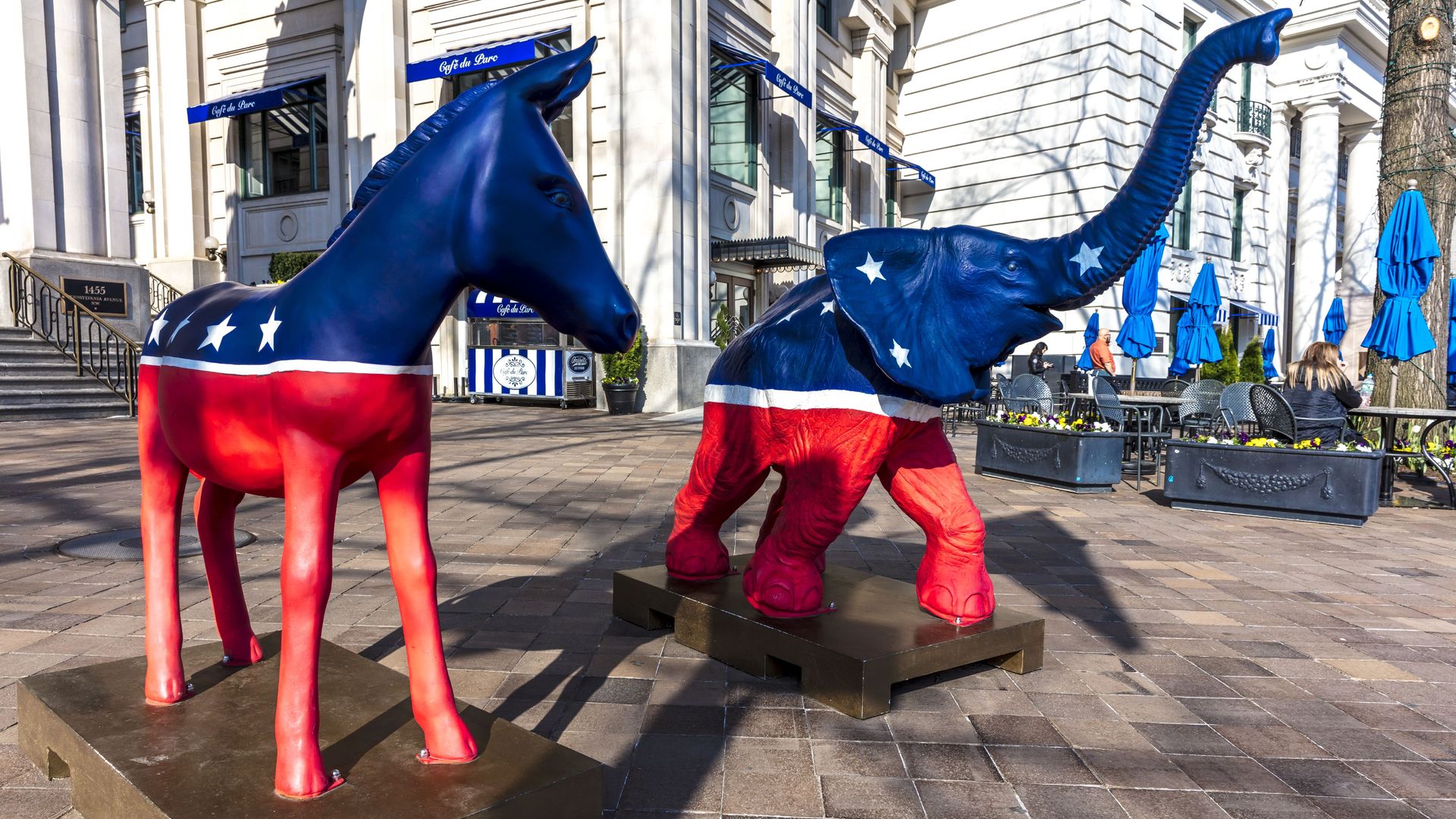
Two new CNN polls released Monday show Democratic candidates leading Republicans in Senate races in Arizona and Tennessee — two crucial states that Democrats hope to flip in November.
By the numbers: In Arizona, Democratic Rep. Kyrsten Sinema is leading Rep. Martha McSally by seven percentage points, 50% to 43%. And in Tennessee, former Gov. Phil Bredesen has a five-point edge on Rep. Marsha Blackburn— 50% to 45%.
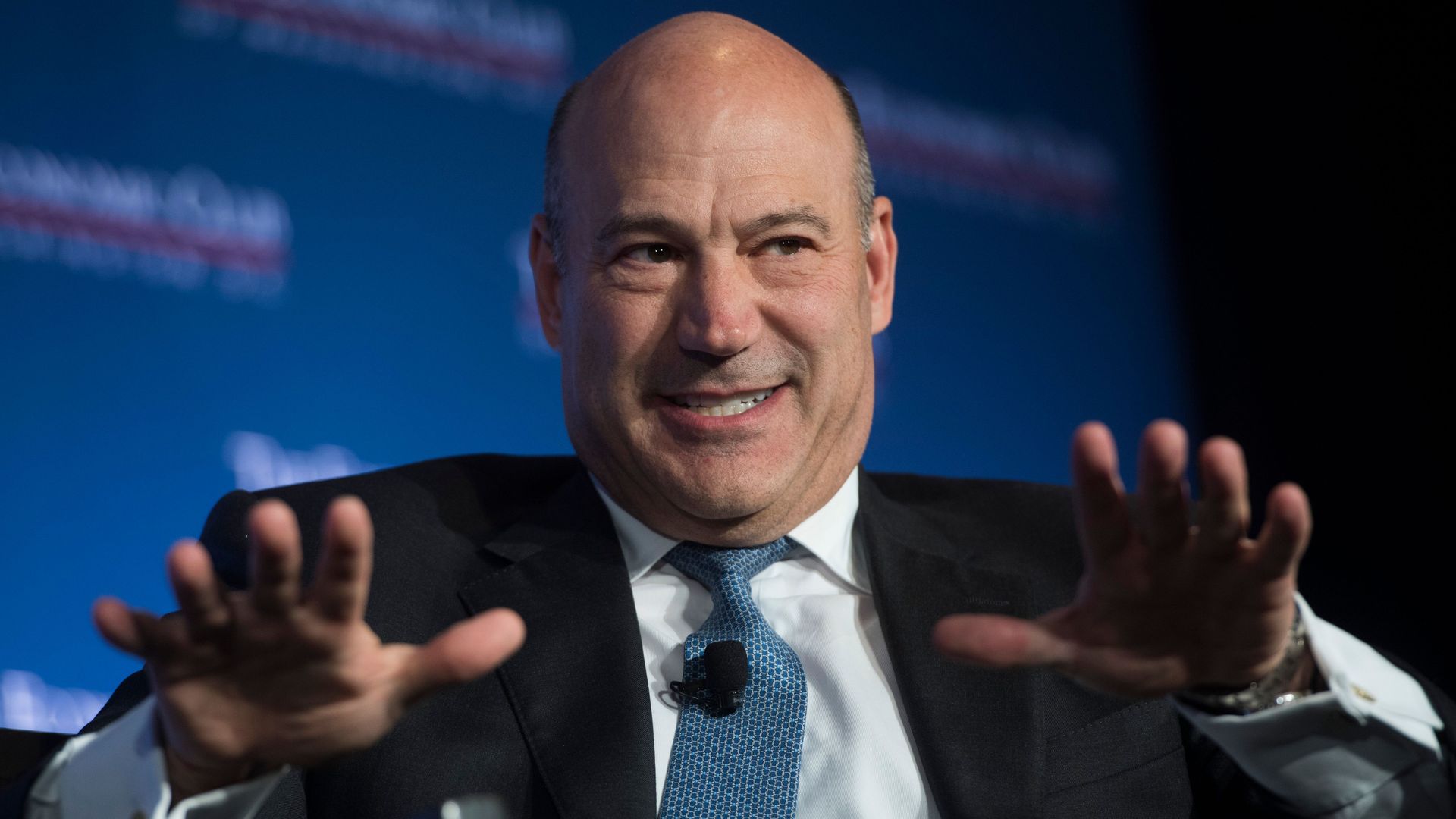
Former White House economic advisor Gary Cohn said Monday that he agrees with President Trump's end goal for fair trade between the U.S. and China, but said Trump is taking an "unpredictable path of negotiation" to get there.
Why it matters: Cohn, a free trader, left the White House in March, in part because he butt heads with Trump on steel and aluminum tariffs. Cohn's latest comments come the same night the Trump administration levied another round of tariffs on Chinese goods.