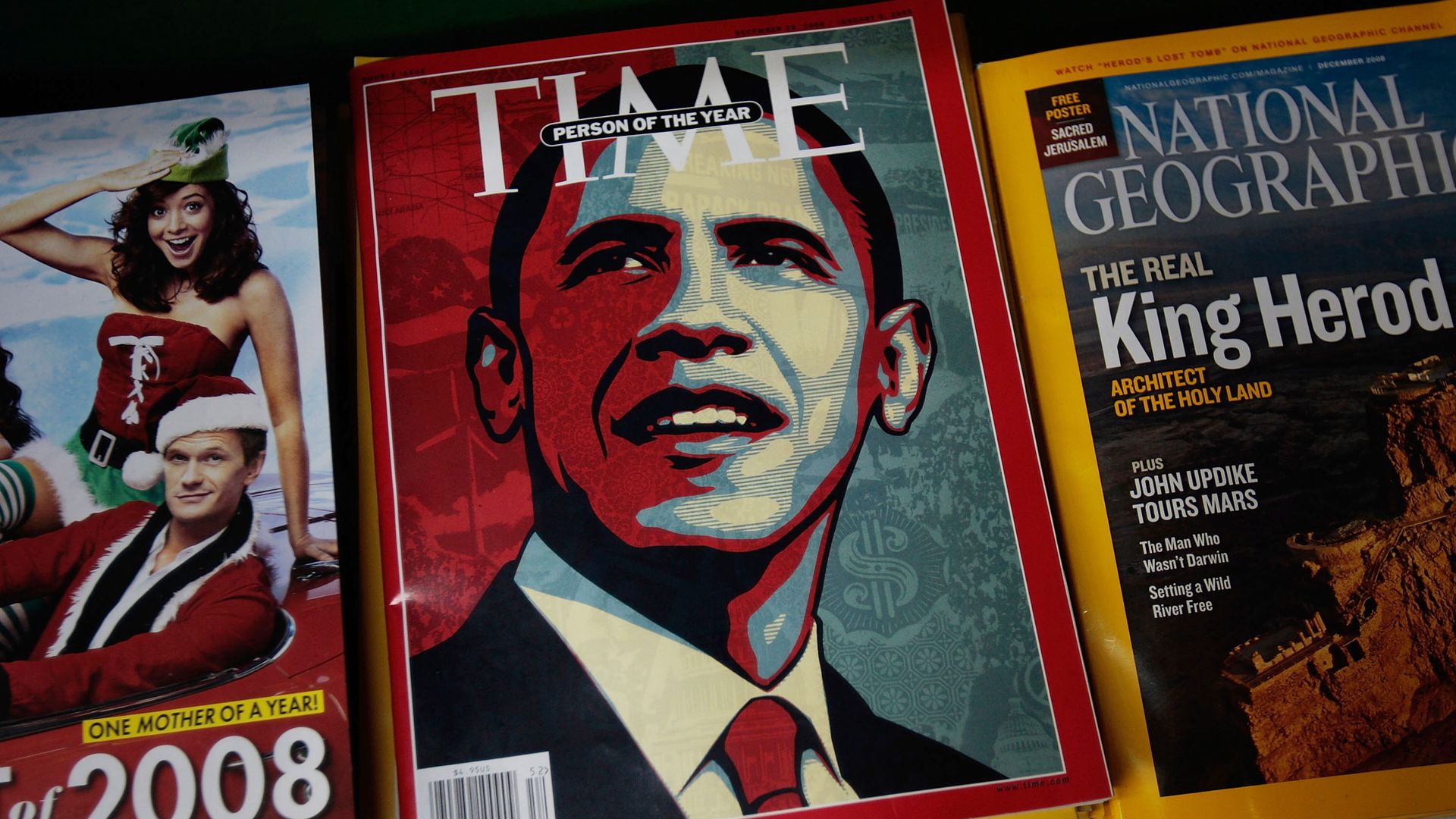
Marc Benioff, the co-founder of Salesforce.com, and his wife Lynne have bought Time Magazine from Meredith Corp. for $190 million, Benioff confirmed to Axios.
The details: The purchase, first reported by the Wall Street Journal, comes less than a year after Iowa-based Meredith Corp. acquired Time Inc. for $2.8 billion. CNN's Brian Stelter reports that the Benioffs will not be involved in day-to day editorial functions. Benioff confirmed the purchase in a tweet, saying, "We have deep respect for their organization & honored to be stewards of this iconic brand."
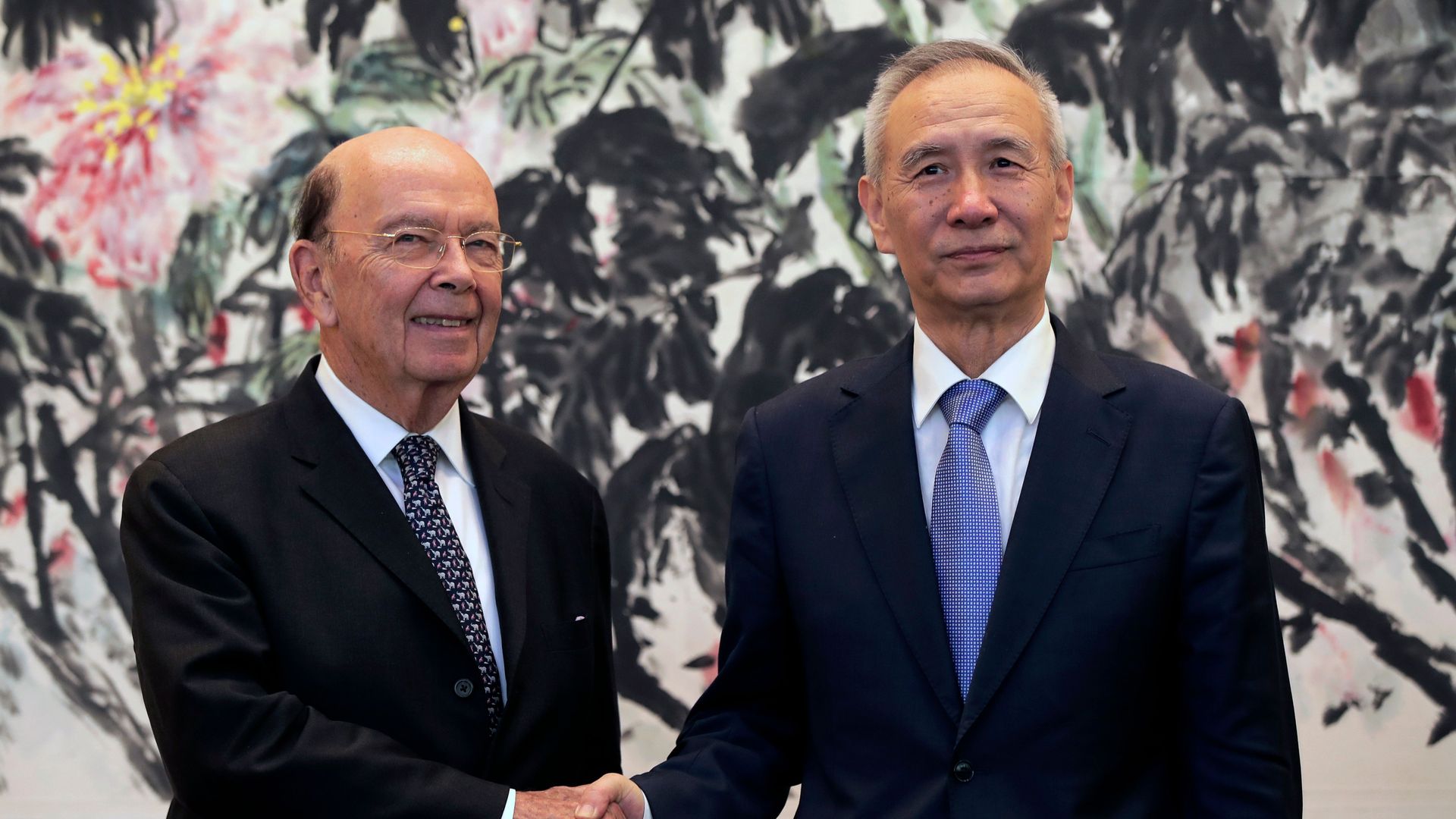
Beijing is considering rejecting an offer from the White House for additional trade talks later this month amid reports that the Trump administration plans to impose new tariffs on $200 billion in Chinese goods, The Wall Street Journal reports.
The big picture: Treasury Secretary Steven Mnuchin had invited China's senior economic official Liu He to return to Washington. Axios contributor Bill Bishop predicted that Liu might decline: "It's going to take a lot of backchannel reassurances and promises to get Liu back to D.C. The Chinese understand that there's disagreement among Trump's top advisers and Liu has been humiliated on two recent trips to D.C."
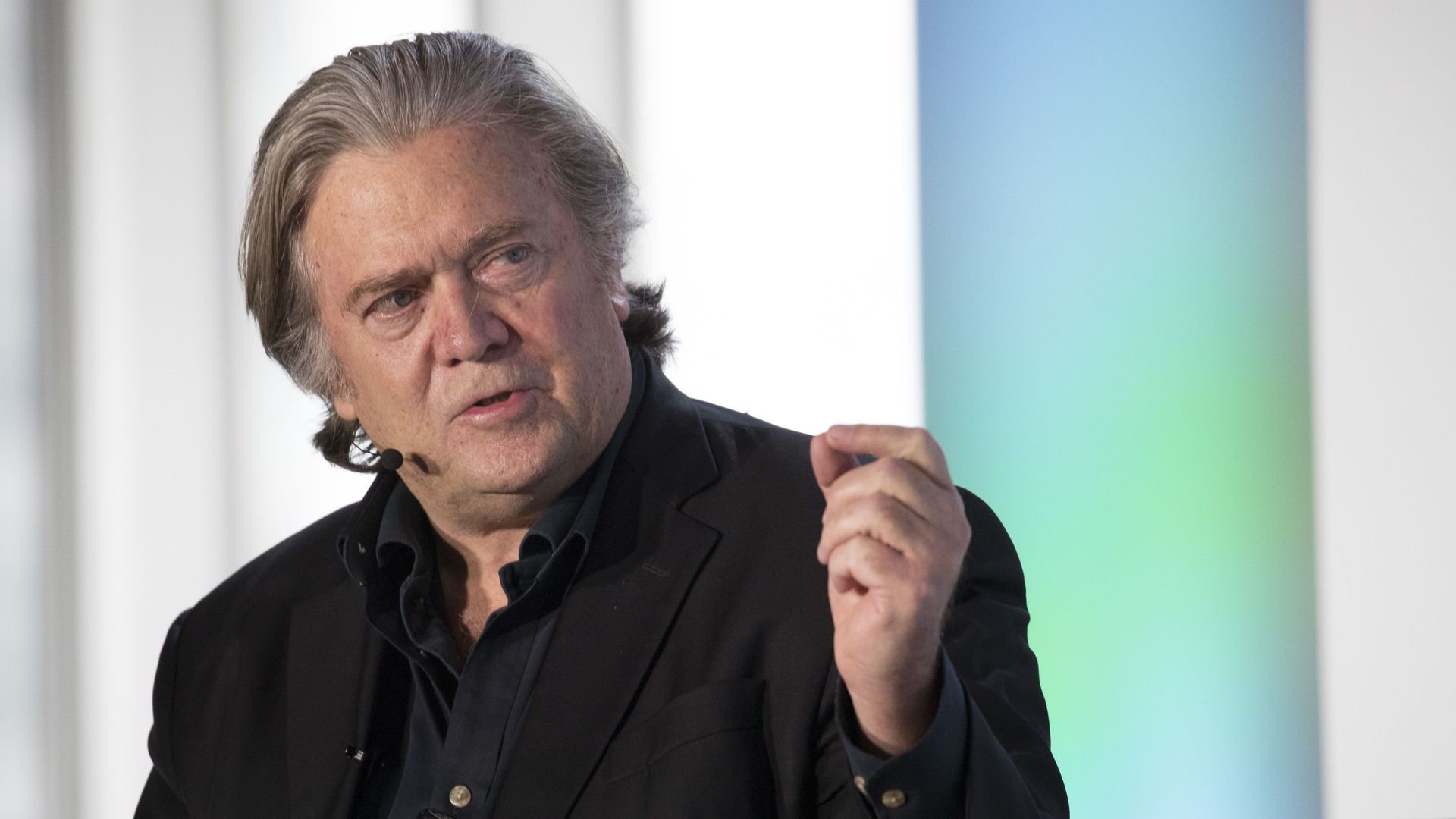
Steve Bannon says he thinks Time's Up, started in Hollywood and aimed at protecting women against sexual harassment in all workplaces, is "the single most powerful potential political movement in the world," per AP.
"I'm quite shocked that the #MeToo movement hasn't cut through corporate America with a bigger scythe, because I think there's a lot of potential there."
— Bannon at The Economist's inaugural Open Future Festival.
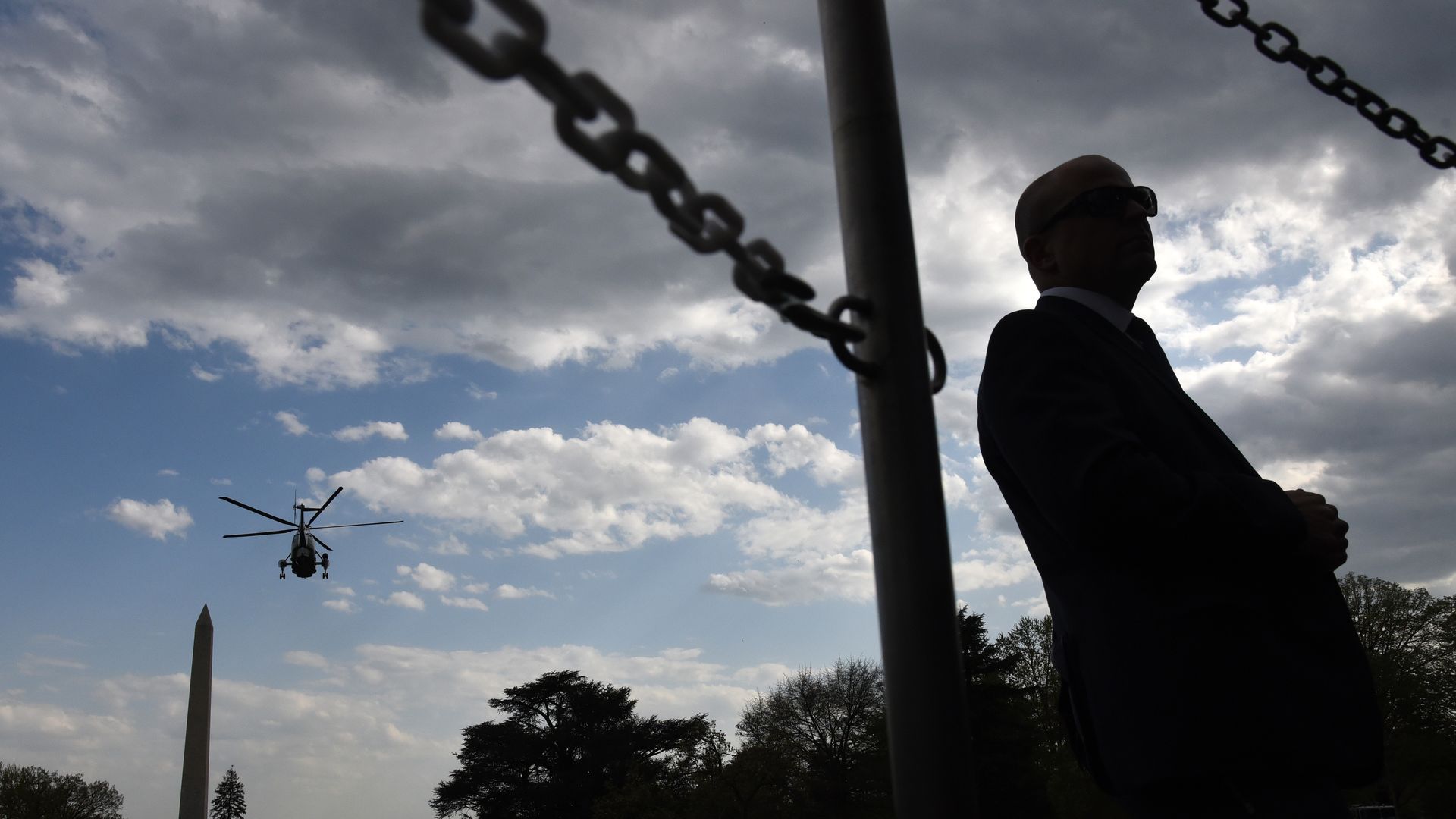
Despite the ongoing feud between President Trump and Harley-Davidson Inc., the U.S. Secret Service plans to purchase and ride in Harley motorcycles, USA Today reports.
The backdrop: Harley-Davidson has had a target on its back since announcing it would move some production outside the U.S. due to escalating trade tensions between the U.S. and European Union, and in turn President Trump has frequently vented frustrations with the company. The Secret Service said it planned to continue working with the motorcycle company because it already had equipment and mechanics familiar with that brand, and going with another "would require additional training of staff."
For millions of Americans, the 2008 financial crisis came out of the blue. On the theory that it's always calmest before the storm, could another financial crisis of that magnitude come at any moment? The answer, reassuringly, is no.
The bottom line: The stock market is frothy, and it's possible that entire industries like fracking could suffer widespread defaults. But when stocks and bonds go down rather than up, that's a market cycle, not a financial crisis.
What America experienced in 2008 wasn't just the start of a recession, or a negative market cycle. We've had lots of both. Nor was it the realization of an existential outside threat, like war or natural disaster.
The reality: Instead, it was a sudden and pervasive fear that the foundation of America's economy had crumbled, in a way that few had ever previously internalized. Not paranoia, but justified panic.
While the rest of the U.S. economy reeled from devastating losses in 2008-9, the tech sector looked on sympathetically while wondering to itself, "Are things really that bad?"
The big picture: That's partly because the tech industry was well insulated from the financial meltdown's real-estate-focused epicenter. And Silicon Valley had already experienced its own financial bust at the start of the decade, leaving the industry with more solid growth and less hot air.
For many in the generation of young adults who came of age during the financial crisis, owning big-ticket items like houses and cars is no longer seen as wise — or necessary.
The bottom line: Formative financial anxieties were cemented just as smartphones arrived, enabling the rise of "sharing" and "gig economy" services like Uber.