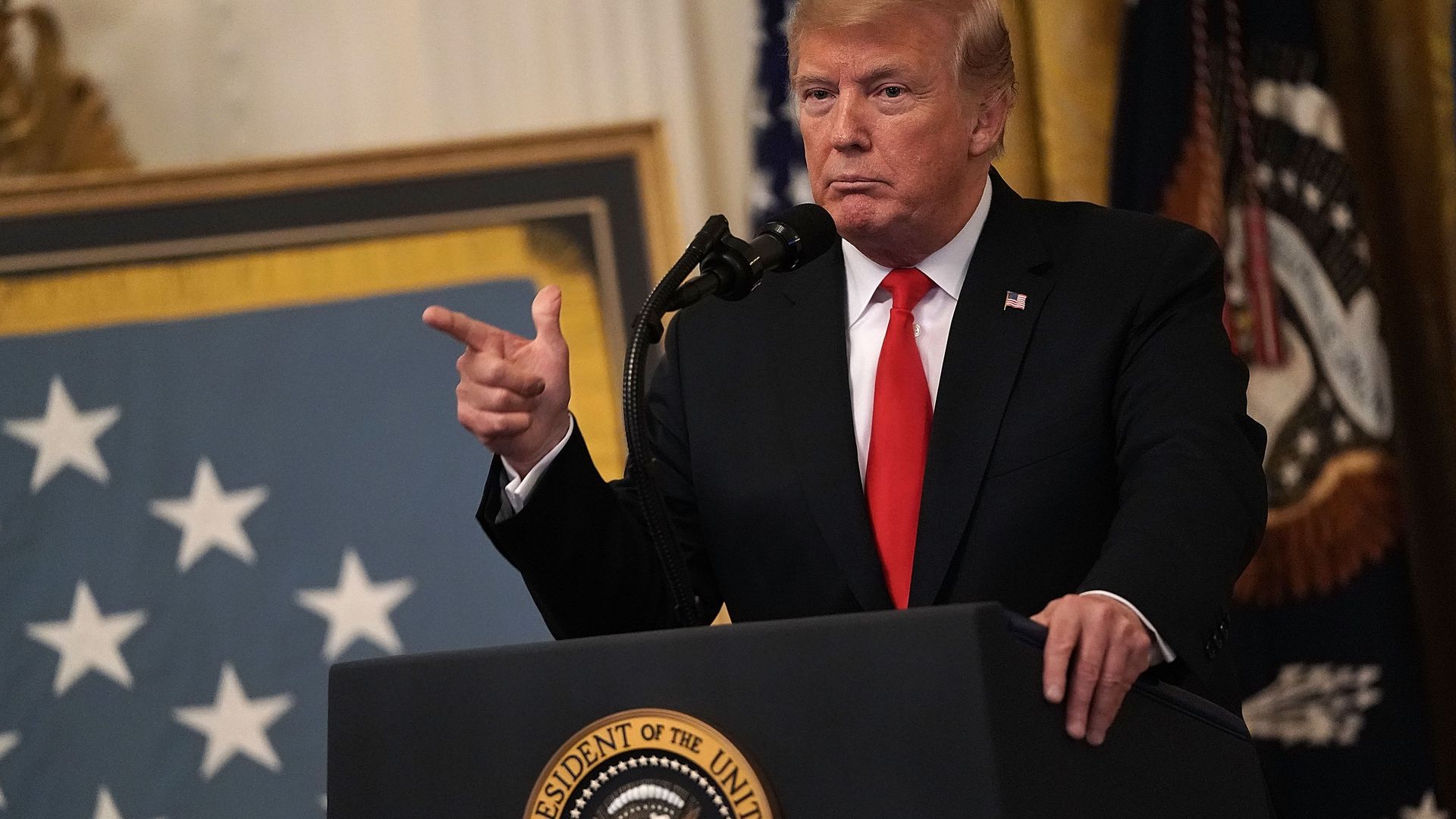
Despite the ongoing feud between President Trump and Harley-Davidson Inc., the U.S. Secret Service plans to purchase and ride in Harley motorcycles, USA Today reports.
The backdrop: Harley-Davidson has had a target on its back since announcing it would move some production outside the U.S. due to escalating trade tensions between the U.S. and European Union, and in turn President Trump has frequently vented frustrations with the company. The Secret Service said it planned to continue working with the motorcycle company because it already had equipment and mechanics familiar with that brand, and going with another "would require additional training of staff."
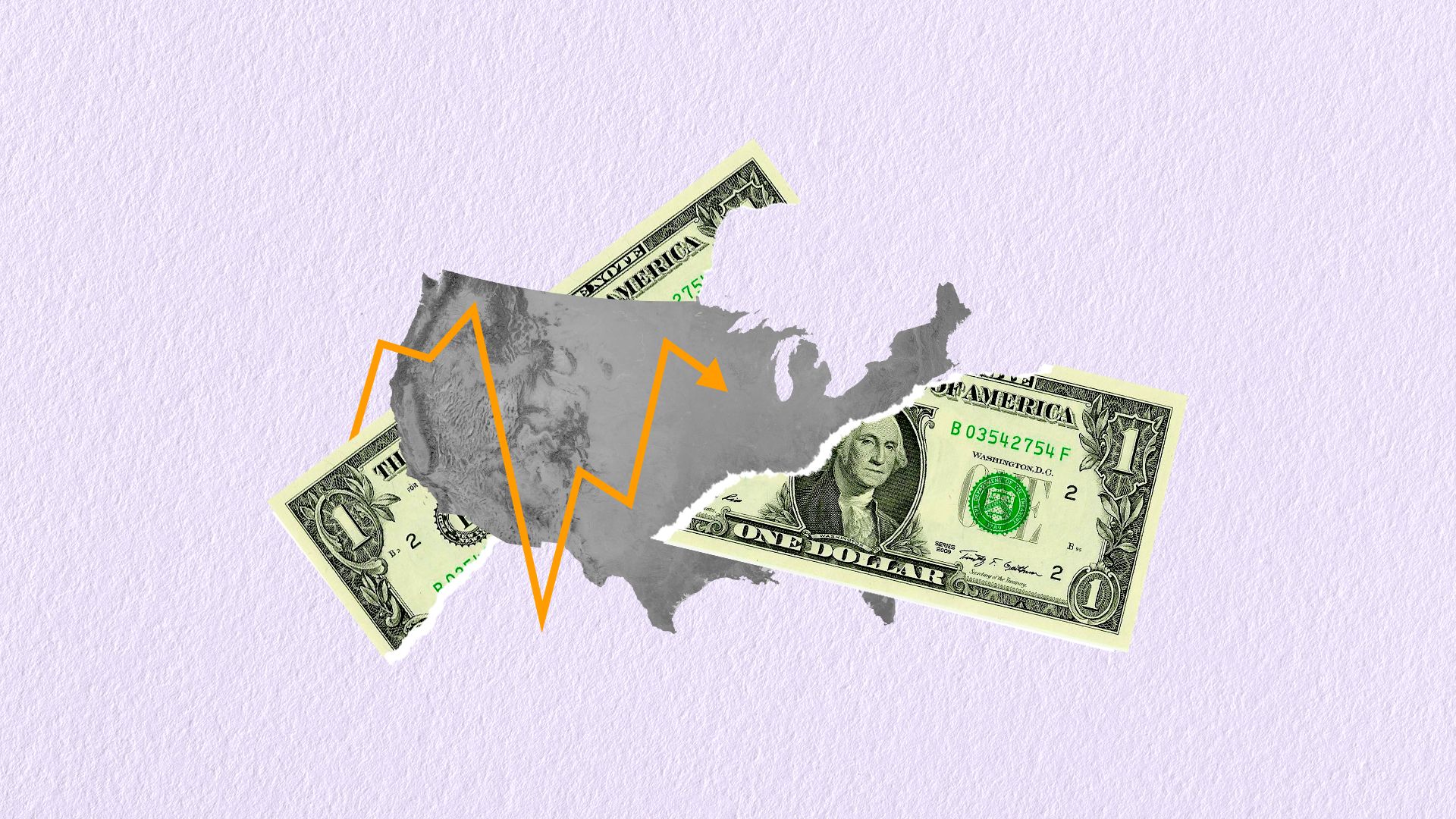
For millions of Americans, the 2008 financial crisis came out of the blue. On the theory that it's always calmest before the storm, could another financial crisis of that magnitude come at any moment? The answer, reassuringly, is no.
The bottom line: The stock market is frothy, and it's possible that entire industries like fracking could suffer widespread defaults. But when stocks and bonds go down rather than up, that's a market cycle, not a financial crisis.
What America experienced in 2008 wasn't just the start of a recession, or a negative market cycle. We've had lots of both. Nor was it the realization of an existential outside threat, like war or natural disaster.
The reality: Instead, it was a sudden and pervasive fear that the foundation of America's economy had crumbled, in a way that few had ever previously internalized. Not paranoia, but justified panic.
While the rest of the U.S. economy reeled from devastating losses in 2008-9, the tech sector looked on sympathetically while wondering to itself, "Are things really that bad?"
The big picture: That's partly because the tech industry was well insulated from the financial meltdown's real-estate-focused epicenter. And Silicon Valley had already experienced its own financial bust at the start of the decade, leaving the industry with more solid growth and less hot air.
For many in the generation of young adults who came of age during the financial crisis, owning big-ticket items like houses and cars is no longer seen as wise — or necessary.
The bottom line: Formative financial anxieties were cemented just as smartphones arrived, enabling the rise of "sharing" and "gig economy" services like Uber.
America's economy is booming, with stocks setting new records and unemployment hitting its lowest monthly marks since 2000. But the spoils have not been evenly distributed.
The bottom line: The line between financial success and stagnation can often be drawn on a map.
The party seems only to be roaring ahead — Japan's Nikkei index today closed at its highest level since February, and U.S. and European stock markets finished the week up as well. But stubborn trouble in emerging markets has some economists worrying about an eruption of financial contagion resembling past global crises.
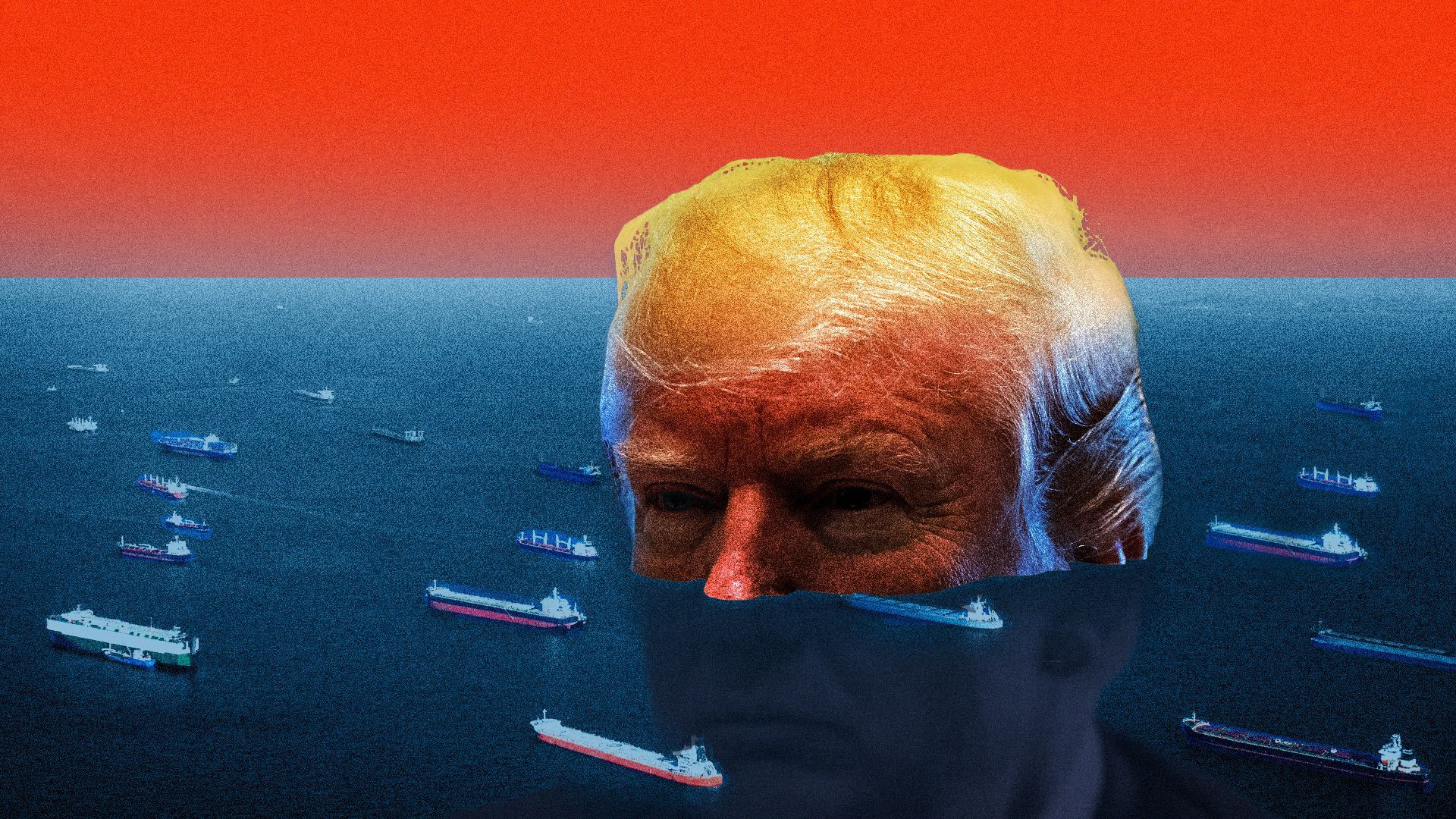
What's happening:Plunging currencies and stock markets in the emerging economies suggest a threat to the 9½-year stock market bull run, along with the global economy, with Europe especially in the line of fire, economists say.
Bloomberg reported at noon today that President Donald Trump has now directed his staff to proceed with the next round of tariffs on $200 billion of Chinese imports.
What's happening: On Thursday, the Wall Street Journal broke the news that Treasury Secretary Steven Mnuchin had extended an invitation to senior economic official Liu He to return to D.C. for another round of talks.
A former U.S. trade negotiator, Jeff Moon, told the Washington Post that the belief that China will cave and make a deal with the U.S. is "a massive miscalculation."
The big picture: President Trump said in a tweet Thursday that China is "under pressure to make a deal with us," while their markets "are collapsing." But analysts note that the volatility of the Chinese stock market doesn't impact the country like it would the U.S. Economist Andrew Polk told the Post, "Trump has less leverage than he thinks," because while the Chinese economy "has its own issues...it's not about to blow up."
Go deeper: Axios' Steve LeVine reported in August that the trade war with China is likely to last "well into the second half of next year and perhaps beyond."
Amazon has beat out most of its competition with a simple philosophy: endless choice at super-low prices. But now, two new trends could be a warning sign for that model.
Why it matters: Food, clothes and makeup firms are among sellers that are becoming either highly customized or, at the other extreme, one-size-fits-all, says CB Insights' Zoe Leavitt. The common goal — the elimination of choice, and the confusion that can accompany it, thus challenging the very calling card of massive retailers like Amazon and Walmart.
Asians tend to be among the best-educated immigrants to the U.S., and also land in some of the most lucrative careers. But, according to U.S. Census data, the image of privilege is true for only some Asians.
The bottom line: Data shows that income inequality is greater among Asian immigrants than for those arriving from anywhere else.









/2018/09/14/1536962504511.gif?w=3840)