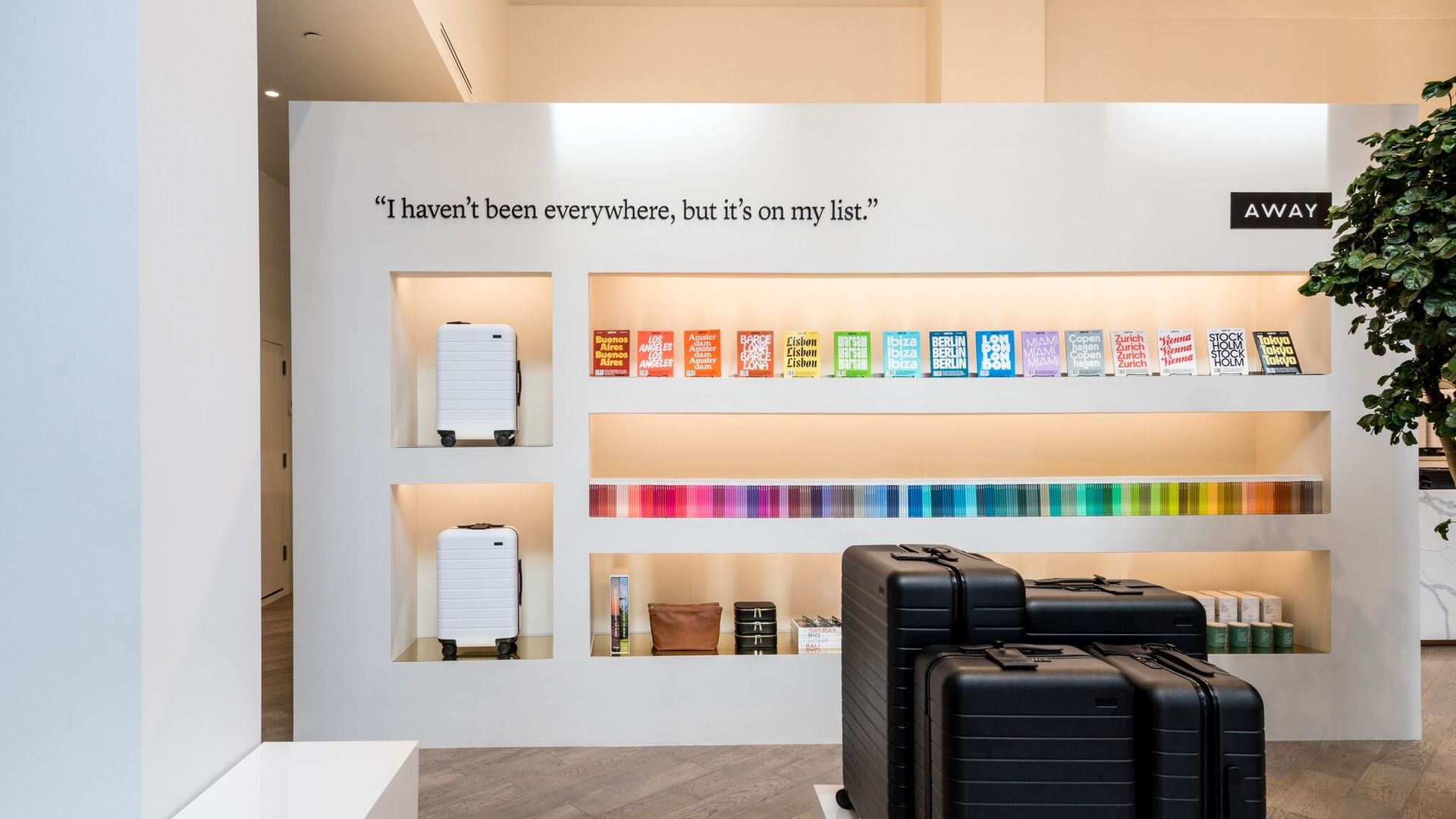
The big upside to brick-and-mortar shopping has always been instant gratification — you buy and take your stuff home immediately. But now retail startups are hard at work developing another perk: "Instagramification."
The big picture: New retailers are making sure millennials and Gen Zers have a reason to come into their stores — with state-of-the-art interior design as a backdrop to artsy Instagram posts.
While current headlines might make you think that geopolitics is going to hell in a handbasket, things right now are better than normal around the world — at least from the market's perspective — according to BlackRock's latest global risk update.
Reproduced from a BlackRock report; Chart: Axios Visuals
The big picture: The respite is largely due to apparent breakthroughs in trade between the Trump administration and the U.S.' traditional allies. But some of the analysis' most impactful risks — like the state of play between the U.S. and China — are also among its most likely to worsen given the uncertainty of current policymaking, leaving the world facing potential volatility.
Blackrock CEO Larry Fink said Thursday at Yahoo Finance's All Markets Summit event that U.S. markets will be a short-term "big winner" in the trade war, but remains "worried about the long-term."
Why it matters: The chief executive of the world's largest asset manager raised concerns about the shift from multilateralism to unilateralism when it comes trade. Fink said his biggest fear is that the hardline on trade "impairs the world vitality," which could create more volatility.
Clarification: This article has been updated to clarify Fink was talking about the markets and trade.
The S&P 500 and Dow Jones Industrial Average reached record highs Thursday thanks to sharp gains by Amazon and Apple, as well as diminished concerns over the scale of the U.S.-China trade war.
Why it matters: A handful of stocks continue to drive the market to record highs. Some market-watchers worry about the lack of breadth in the market, and what could happen if and when there is a rotation out of these stocks.
President Trump announced this week a 10% tariff on an additional $200 billion of Chinese imports on September 24, and threatened to impose 25% tariffs on essentially all imports from China early next year. China retaliated with new tariffs of its own, as expected.
Why it matters: By keeping the rate at 10%, the Trump administration has limited the tariffs’ short-run economic impact. China’s currency has weakened by more than 5% since its peak earlier this year, mitigating some of the pain befalling Chinese manufacturers and U.S. consumers, and 10% is low enough that both Chinese exporters and U.S. importers can absorb a portion of the cost.
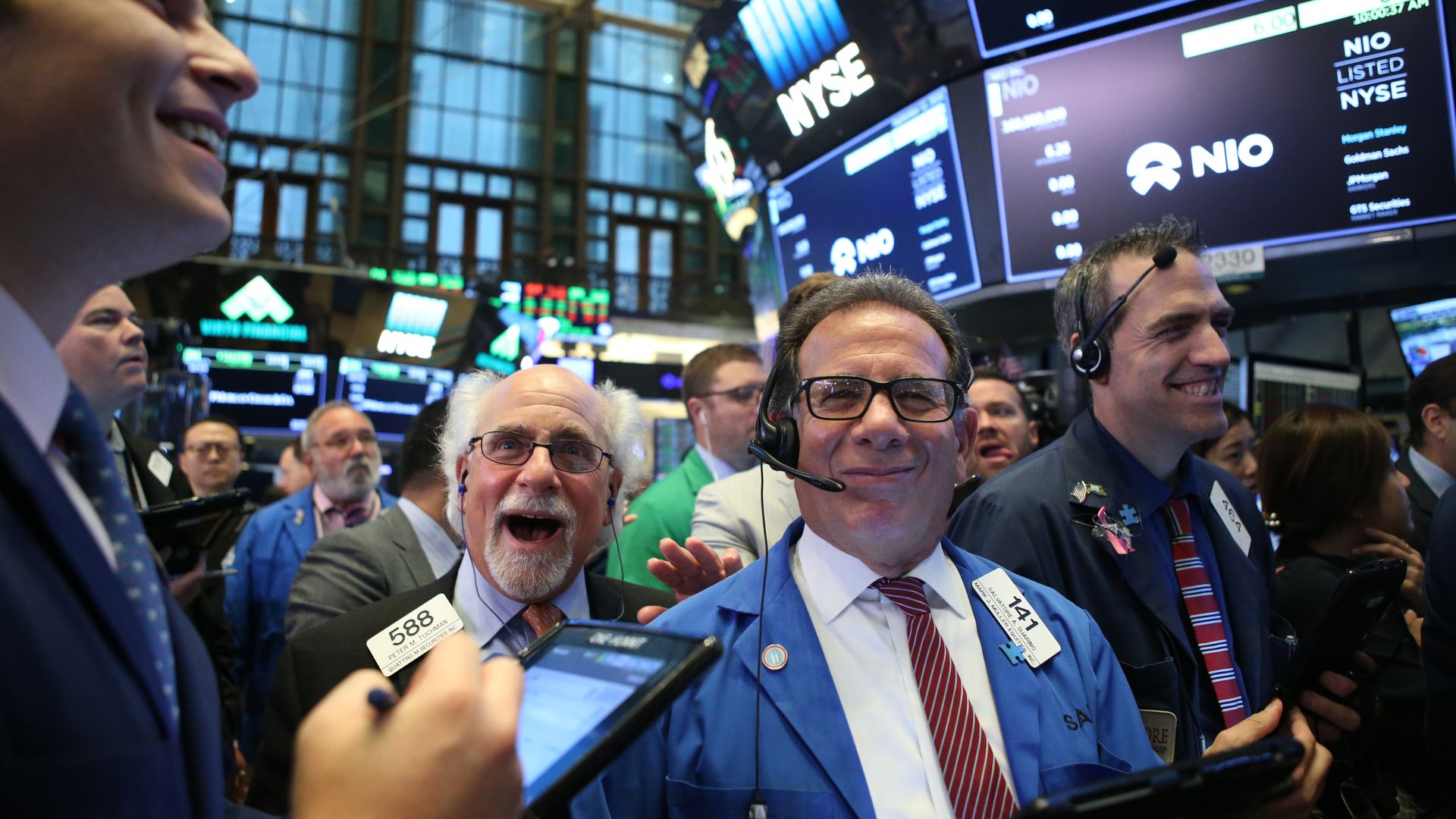
Marijuana company Tilray, which IPO'd in July at $17 per share, had a truly wild stock-market ride on Wednesday, one day after announcing that it's being allowed to import marijuana from Canada into the U.S. for clinical trials.
Why it matters: Tilray is the only pure-play marijuana company traded in New York (the others are all in Toronto), and has become a speculative vehicle, with a valuation divorced from any conceivable reality.
Evernote, the popular note-storage app that announced layoffs on Tuesday, was supposed to be a "100-year company." Its promise, often made by former longtime CEO Phil Libin, was to provide a permanent repository for your research and your memories.
The big picture: The company turned 10 last summerand revamped its logo to celebrate. But now its users are wondering whether it will make it through another year.
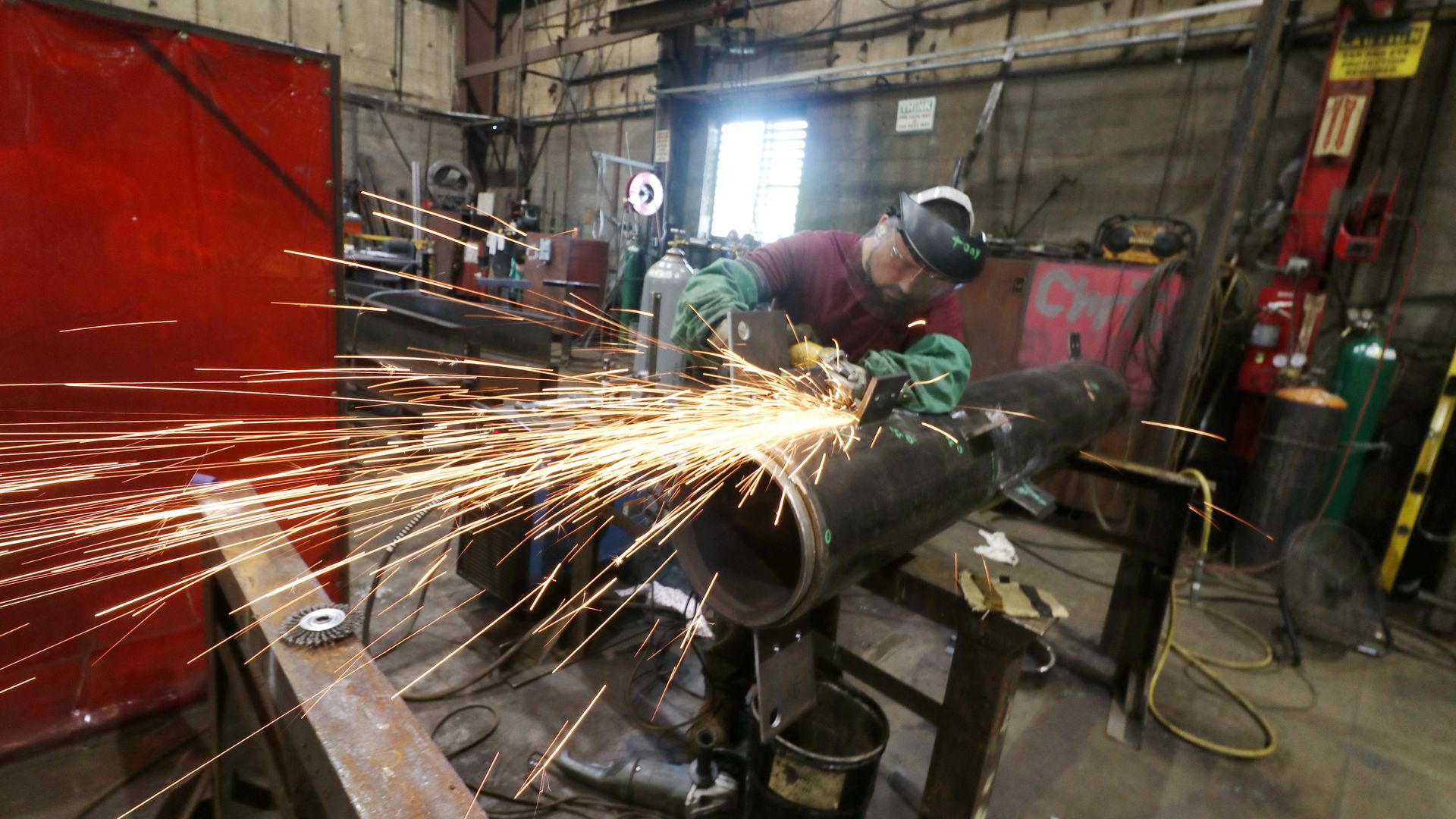
Thousands of U.S. steelworkers from two major U.S. production companies that represent 25% of U.S. steel production have voted to authorize the right for a strike within two days' notice, the Washington Post reports.
The big picture: The steel industry has benefitted from President Trump's tariffs designed to target Chinese steel oversupply with the prices of some key industry metrics jumping 30%. But workers at U.S. Steel and ArcelorMittal have not seen the benefits of their industry's recovery — and still face rising health care costs and stagnant wages.
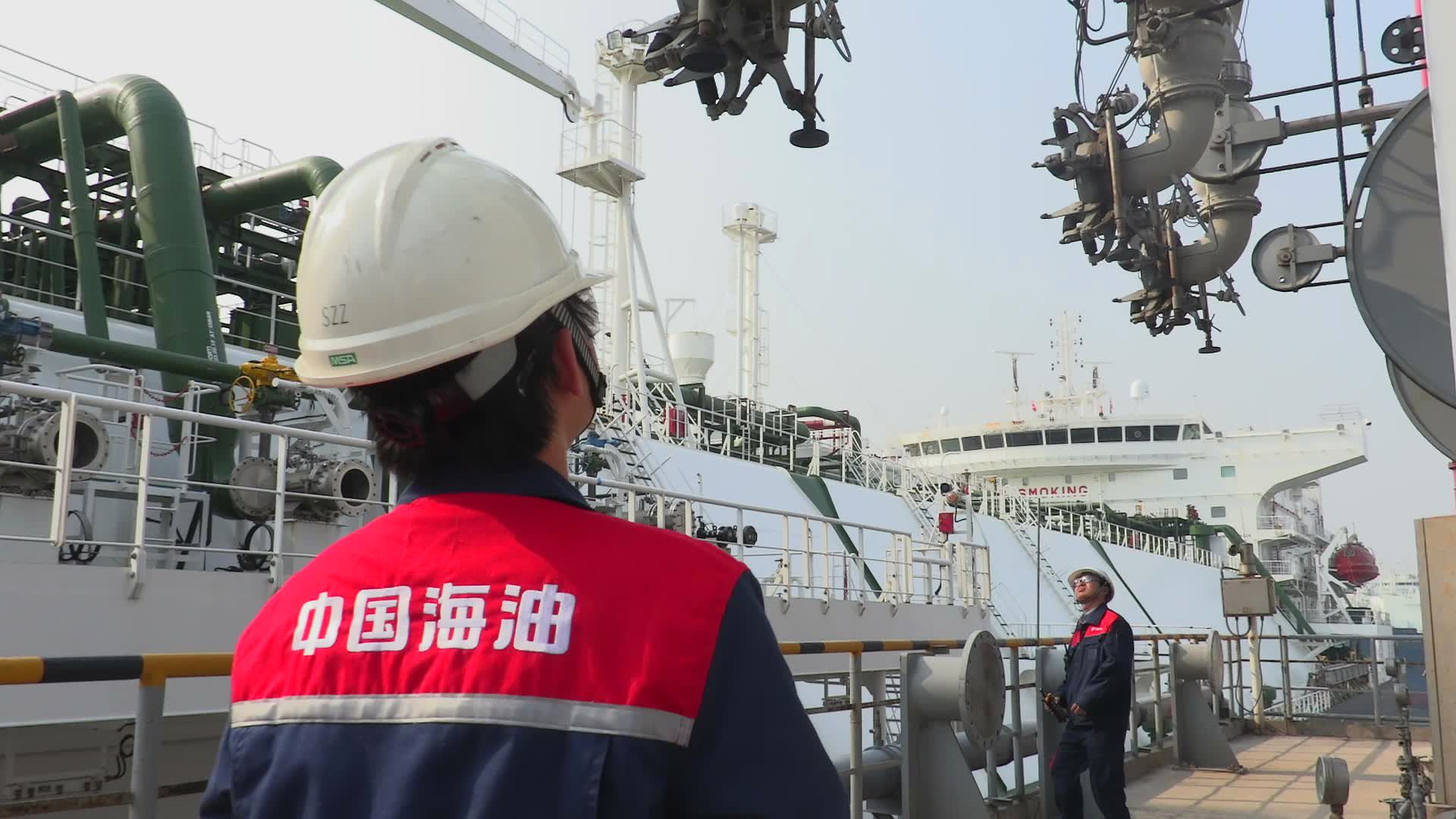
China yesterday said it's hitting U.S. liquefied natural gas shipments with 10% tariffs, part of their retaliation against Trump's announcement this week of $200 billion in tariffs on Chinese goods.
Why it matters: China, which has a large and growing thirst for gas imports, has been an emerging growth market for the expanding U.S. LNG industry (though cargoes to China have fallen of late).
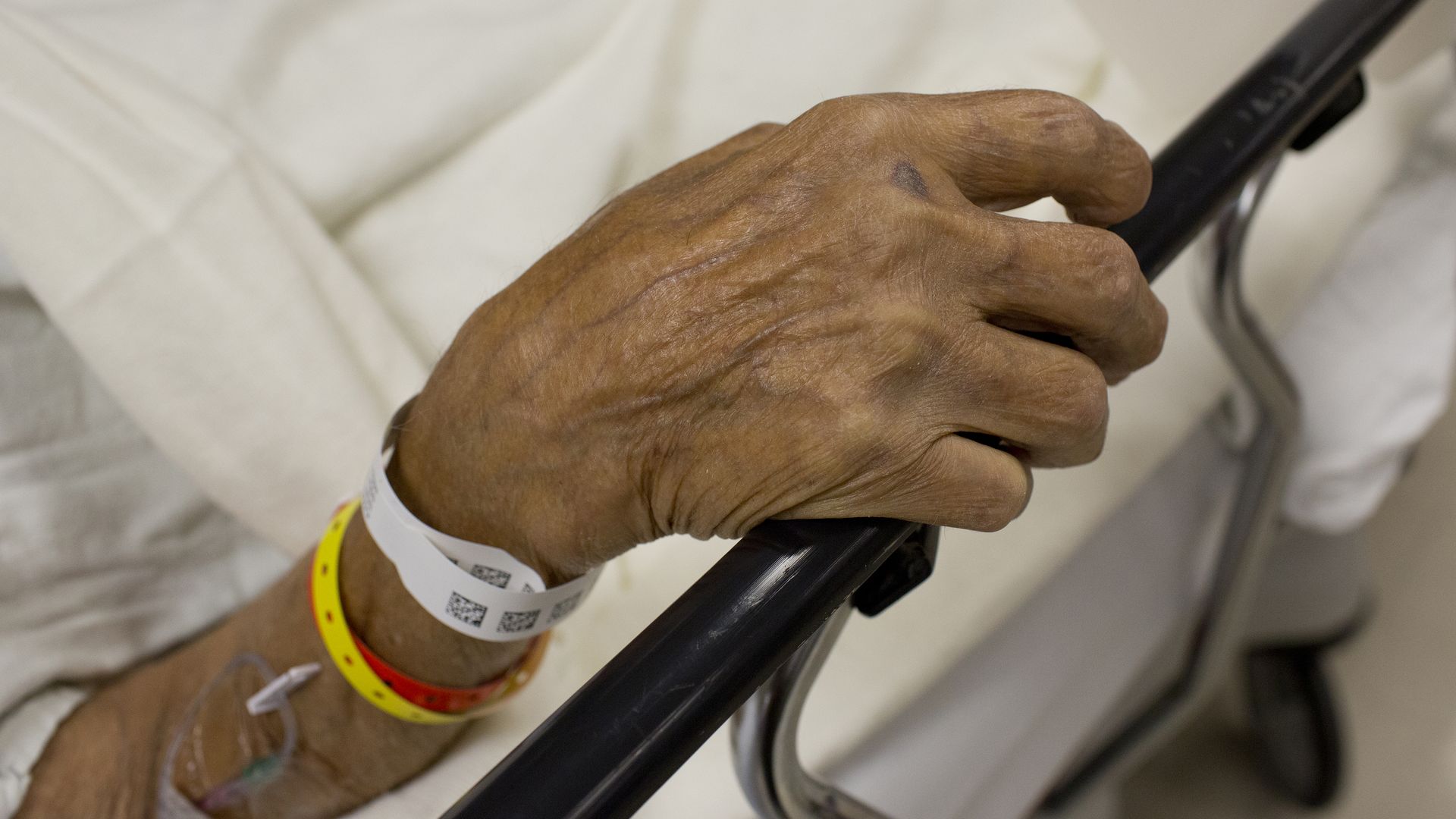
Large hospital systems don’t command high prices just because patients like them, or just because they have strong market share. There's also another big reason: their contracts with insurance companies actively prohibit the sort of competitive pressures a free market is supposed to support.
The big picture: "The free market has been distorted in an unhealthy way," health care consultant Stuart Piltch told the Wall Street Journal’s Anna Wilde Mathews for this deep dive into hospitals’ pricing practices. Hospital systems are consolidating rapidly and buying up physicians’ practices (which charge higher prices once they’re part of a hospital).
John Legend — the singer, songwriter and actor — stars in a new digital ad from several progressive organizations that calls the confirmation of Supreme Court nominee Brett Kavanaugh "the decision of a lifetime — your lifetime."
The big picture: The NAACP Legal Defense and Educational Fund Inc. (LDF) produced the ad, in which Legend urges viewers to call their senators and tell them to "vote no on Kavanaugh."