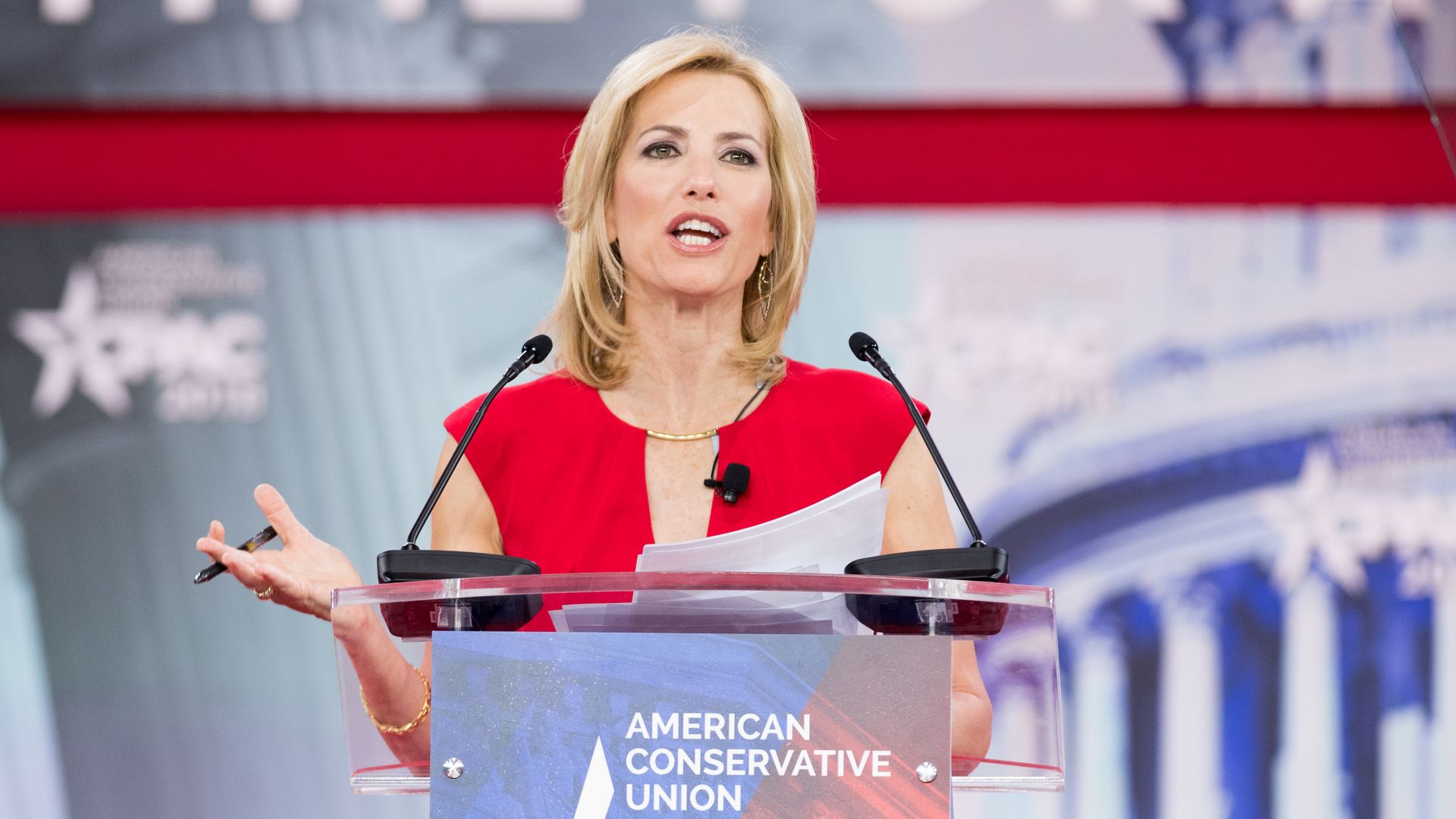
Following a New York Times report that Deputy Attorney General Rod Rosenstein suggested the 25th amendment be invoked to remove President Trump from office after Trump fired James Comey last year, Democrats and Republicans came out swinging along party lines.
The gist: Republicans varyingly called the NYT fake news but also urged the president to fire Rosenstein based on the report. The Democrats, including Sen. Chuck Schumer, cautioned against firing Rosenstein in retaliation.
The millennial-focused website Mic is considering an acquisition, its CEO and founder Chris Altchek told staff in an email Friday.
Why it matters: The company has struggled financially in light of some of the changes to the digital media landscape, including Facebook pulling back on traffic referrals to news websites last year.
When some of the world's biggest retail companies are announcing forays into food delivery, they might be thinking of Meituan Dianping, which while not widely known outside its base in China, is worth $55 billion.
The big picture: In China, delivery is not just delivery. Meituan Dianping gained notoriety among its 310 million active users by delivering meals super fast, but it has since become the "everything app" — Seamless, Yelp, Uber, Facebook Messenger and more, all rolled into one.
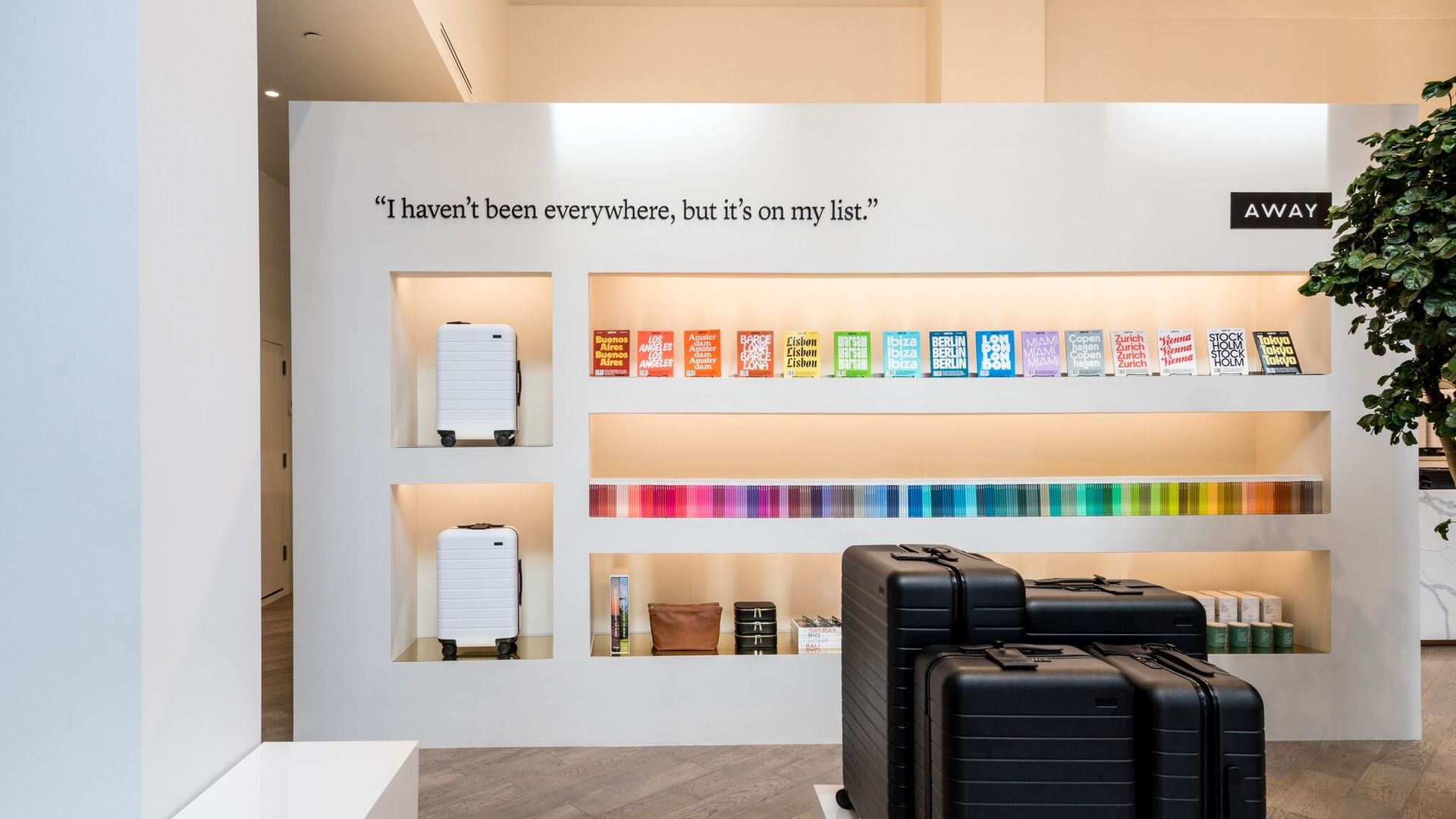
The big upside to brick-and-mortar shopping has always been instant gratification — you buy and take your stuff home immediately. But now retail startups are hard at work developing another perk: "Instagramification."
The big picture: New retailers are making sure millennials and Gen Zers have a reason to come into their stores — with state-of-the-art interior design as a backdrop to artsy Instagram posts.
While current headlines might make you think that geopolitics is going to hell in a handbasket, things right now are better than normal around the world — at least from the market's perspective — according to BlackRock's latest global risk update.
Reproduced from a BlackRock report; Chart: Axios Visuals
The big picture: The respite is largely due to apparent breakthroughs in trade between the Trump administration and the U.S.' traditional allies. But some of the analysis' most impactful risks — like the state of play between the U.S. and China — are also among its most likely to worsen given the uncertainty of current policymaking, leaving the world facing potential volatility.
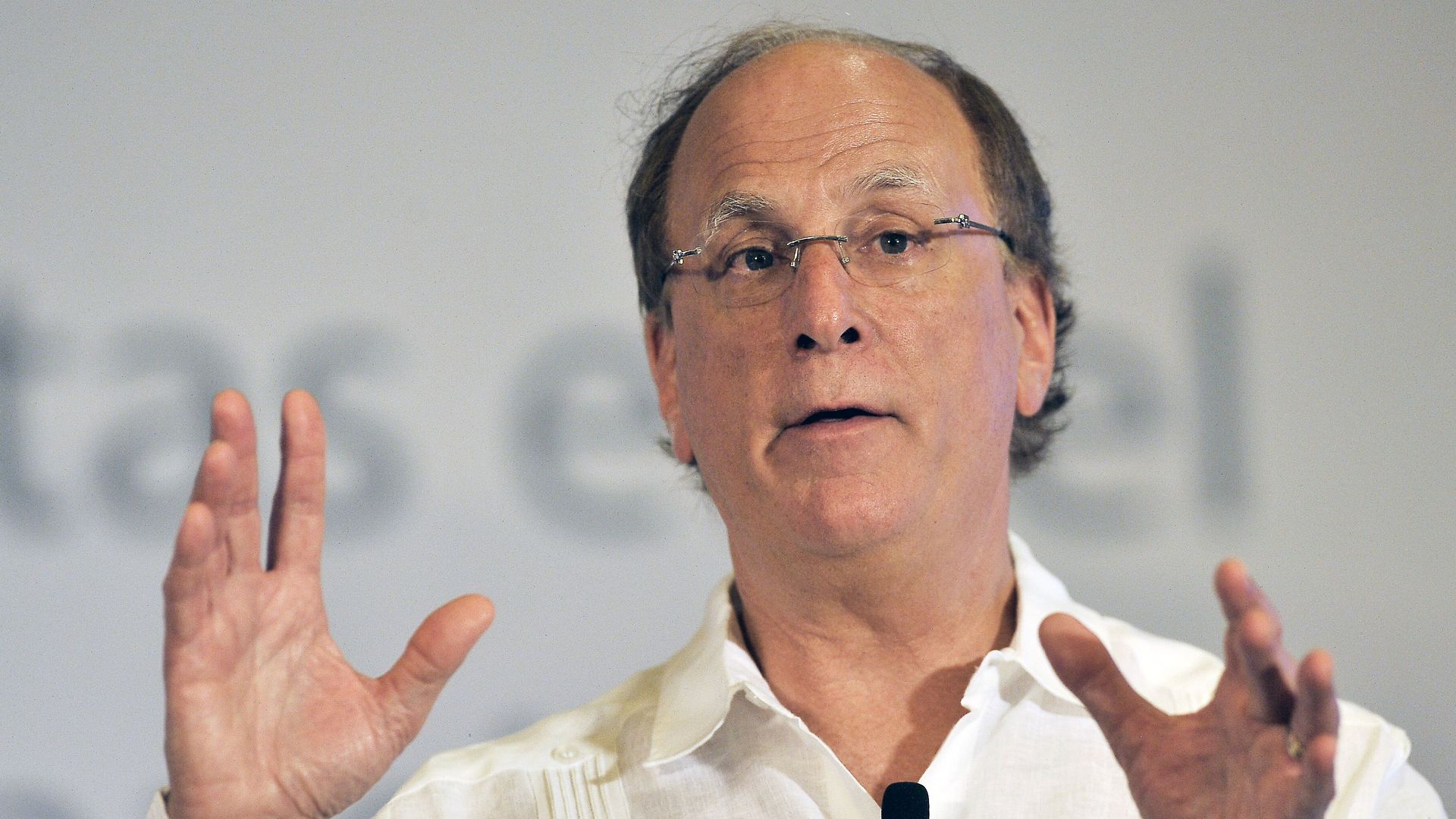
Blackrock CEO Larry Fink said Thursday at Yahoo Finance's All Markets Summit event that U.S. markets will be a short-term "big winner" in the trade war, but remains "worried about the long-term."
Why it matters: The chief executive of the world's largest asset manager raised concerns about the shift from multilateralism to unilateralism when it comes trade. Fink said his biggest fear is that the hardline on trade "impairs the world vitality," which could create more volatility.
Clarification: This article has been updated to clarify Fink was talking about the markets and trade.
The S&P 500 and Dow Jones Industrial Average reached record highs Thursday thanks to sharp gains by Amazon and Apple, as well as diminished concerns over the scale of the U.S.-China trade war.
Why it matters: A handful of stocks continue to drive the market to record highs. Some market-watchers worry about the lack of breadth in the market, and what could happen if and when there is a rotation out of these stocks.
President Trump announced this week a 10% tariff on an additional $200 billion of Chinese imports on September 24, and threatened to impose 25% tariffs on essentially all imports from China early next year. China retaliated with new tariffs of its own, as expected.
Why it matters: By keeping the rate at 10%, the Trump administration has limited the tariffs’ short-run economic impact. China’s currency has weakened by more than 5% since its peak earlier this year, mitigating some of the pain befalling Chinese manufacturers and U.S. consumers, and 10% is low enough that both Chinese exporters and U.S. importers can absorb a portion of the cost.
Marijuana company Tilray, which IPO'd in July at $17 per share, had a truly wild stock-market ride on Wednesday, one day after announcing that it's being allowed to import marijuana from Canada into the U.S. for clinical trials.
Why it matters: Tilray is the only pure-play marijuana company traded in New York (the others are all in Toronto), and has become a speculative vehicle, with a valuation divorced from any conceivable reality.