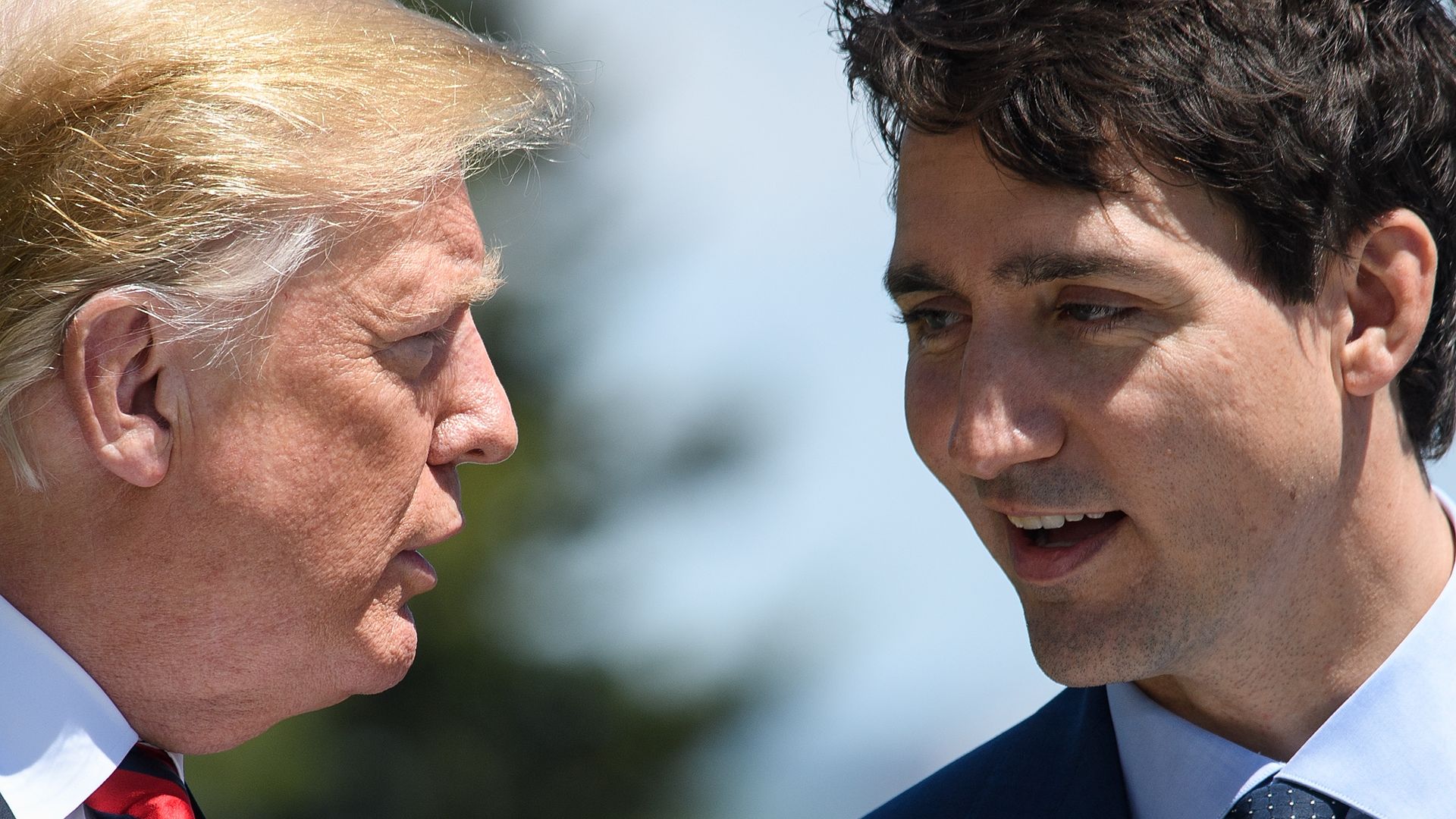
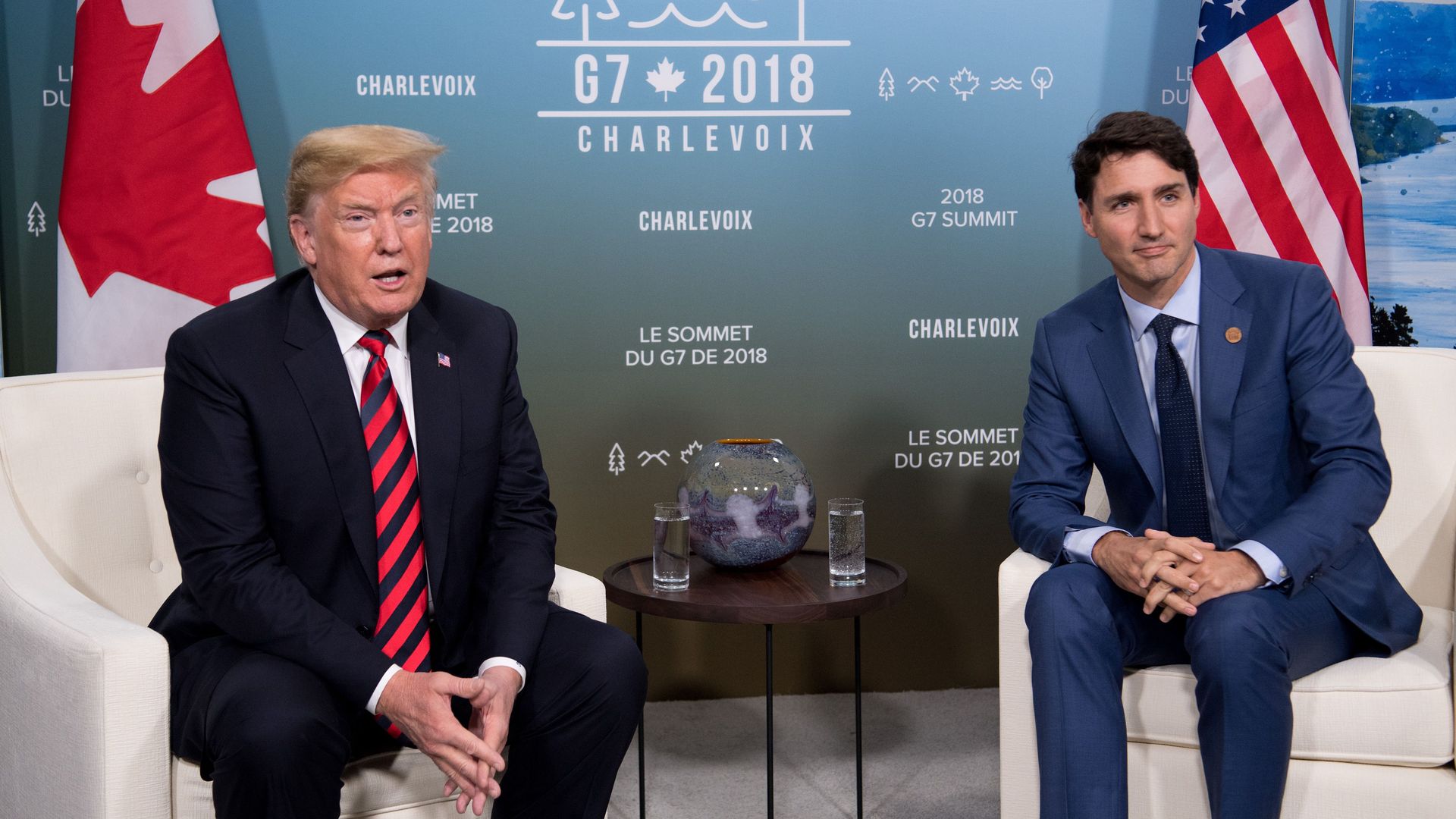
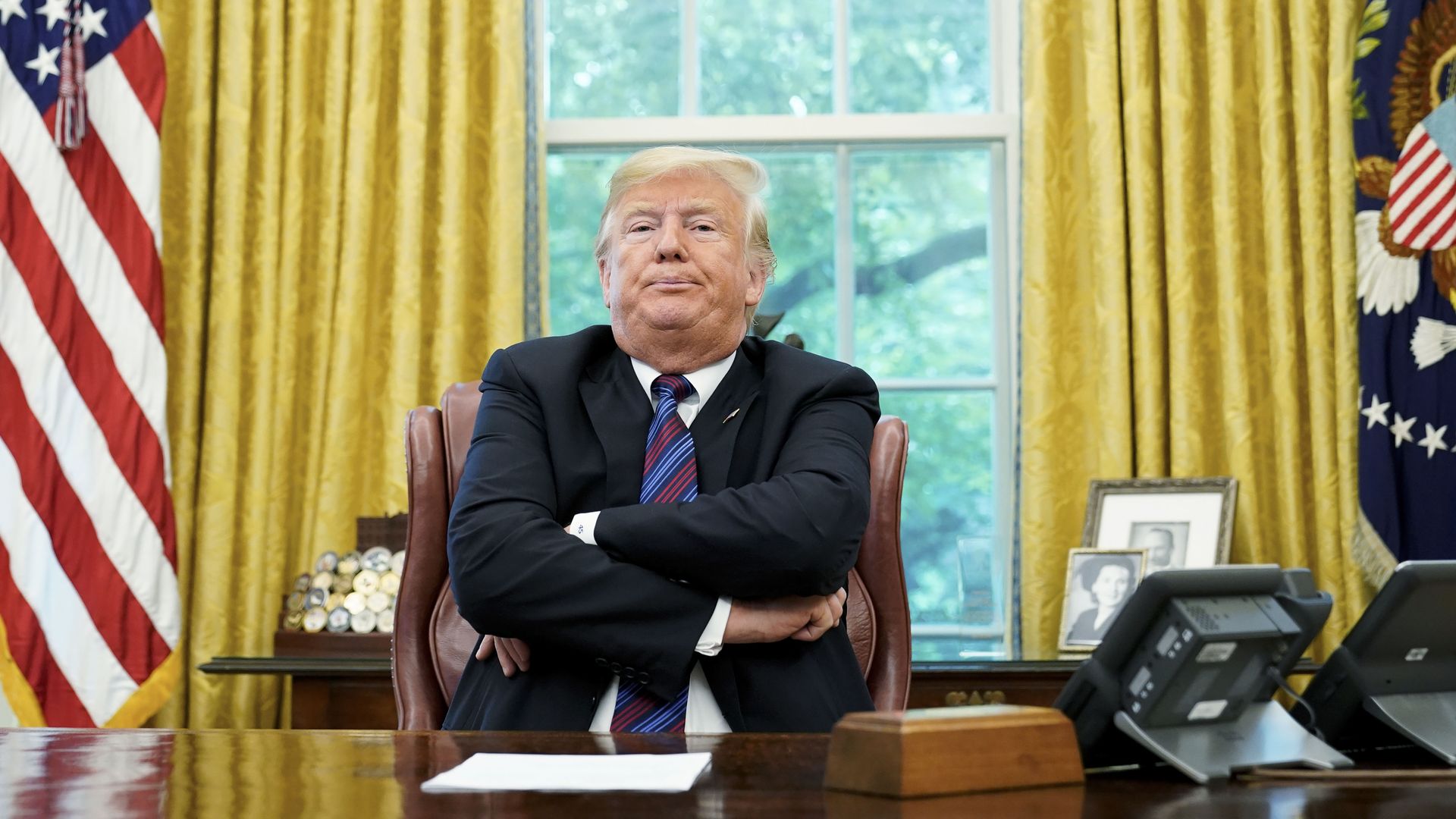
President Trump told reporters he was not offering Canada any concessions in NAFTA negotiations but couldn't say so publicly because it would kill the deal, he confirmed in a tweet which featured an accusation that Bloomberg had "BLATANTLY VIOLATED" an agreement that the remark was off-the-record.
The backstory: The Toronto Star's Daniel Dale first reported on the comment, and the fact that Canadian negotiators had confronted their U.S. counterparts over it. It's unclear how he found out about it. Bloomberg said in a statement: "When we agree that something is off the record, we respect that."
Ford will not ship its Focus model from China to the U.S. because it would be too expensive given the tariffs imposed in July, the Wall Street Journal reports — the company's stock fell more than 2% following the announcement.
Why it matters: Ford, which has been criticized by President Trump for shifting production to plants outside of the United States, is one of the first in the auto industry to link a substantial business decision directly to effects of the trade war. The automaker initially planned to ship a newer version of the compact car from its production site in China starting next year.
Canadian officials have confronted President Trump's NAFTA negotiating team over an off the record remark in which Trump reportedly said he was not making any concessions to Canada, but couldn't say so publicly because it would kill the deal, the Toronto Star's Daniel Dale reports.
Behind the scenes: Trump reportedly told Bloomberg that making such a statement publicly would be "so insulting" that "they’re not going to be able to make a deal... I can’t kill these people." The purported statement was made off the record, but Dale was not party to that agreement.
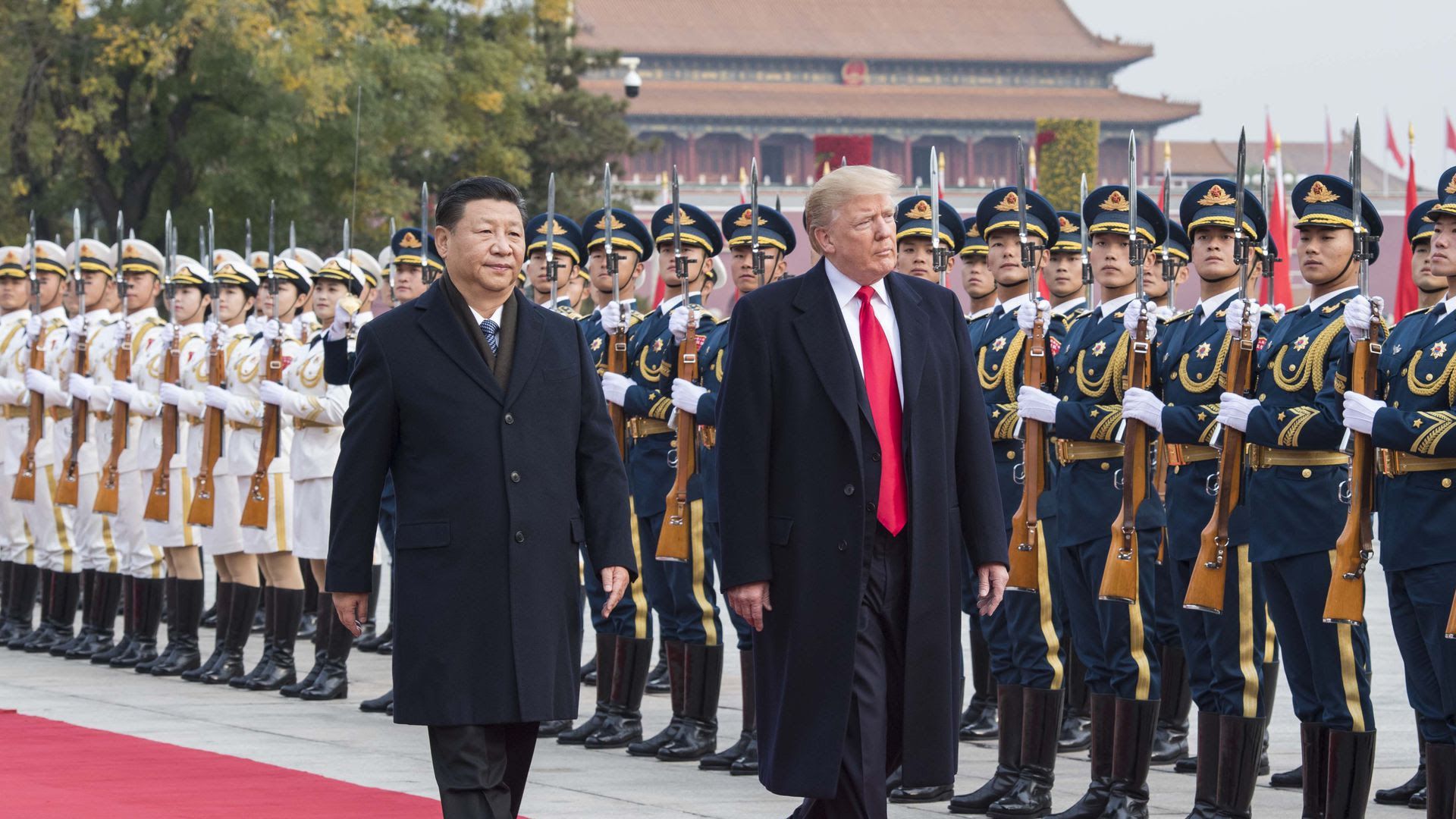
A senior official from the State Council's Development Research Center is arguing that President Trump's trade war is part of a broader plan to contain China.
Driving the news: The U.S. is expected to impose tariffs on another $200 billion of Chinese imports as soon as next week, Bloomberg reported yesterday, with no denial from Trump.
SEC chairman Jay Clayton wants to make it easier for retail investors to put money into private companies.
Be smart: Investing is hard, and people without millions of dollars are never going to be good at it. They should invest in broad indices, rather than individual private or even public companies.
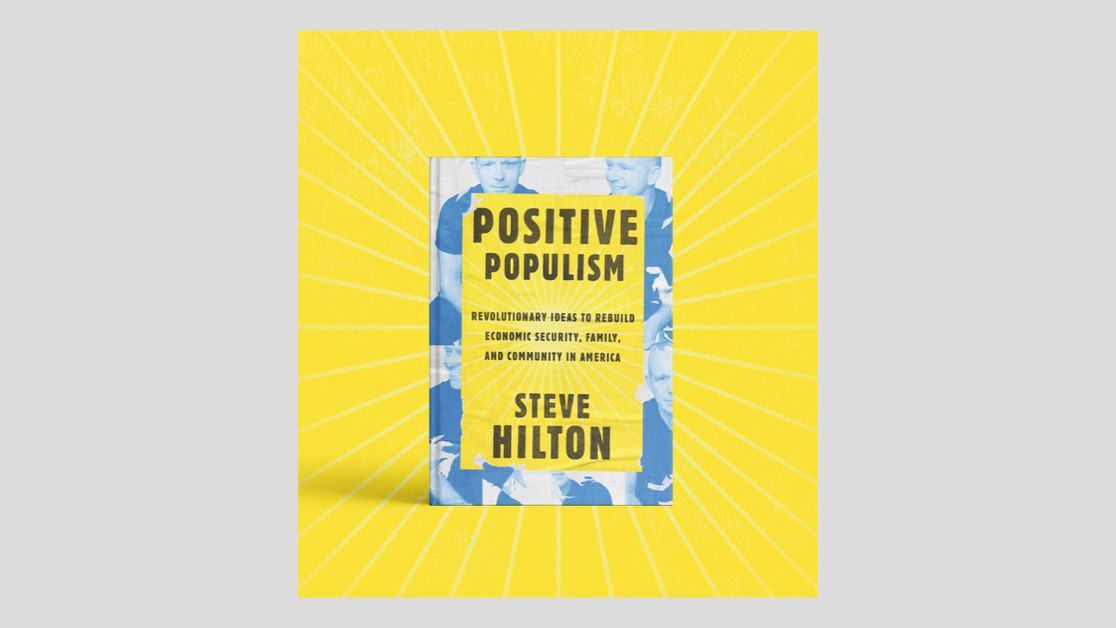
Steve Hilton, host of Fox News' "The Next Revolution" (Sundays @ 9 p.m.), will be out Tuesday with "Positive Populism: Revolutionary Ideas to Rebuild Economic Security, Family, and Community in America."
The book is a must-read for the Trump era, as Hilton works to make sense of the growing tide of populism in America — through a positive lens: "[T]here is a dark shadow overhanging the populist awakening. ... So let’s not appeal to people’s worst impulses rather than their best. Let’s not unite people in fear and anger. Let’s bring them together for greater purpose."
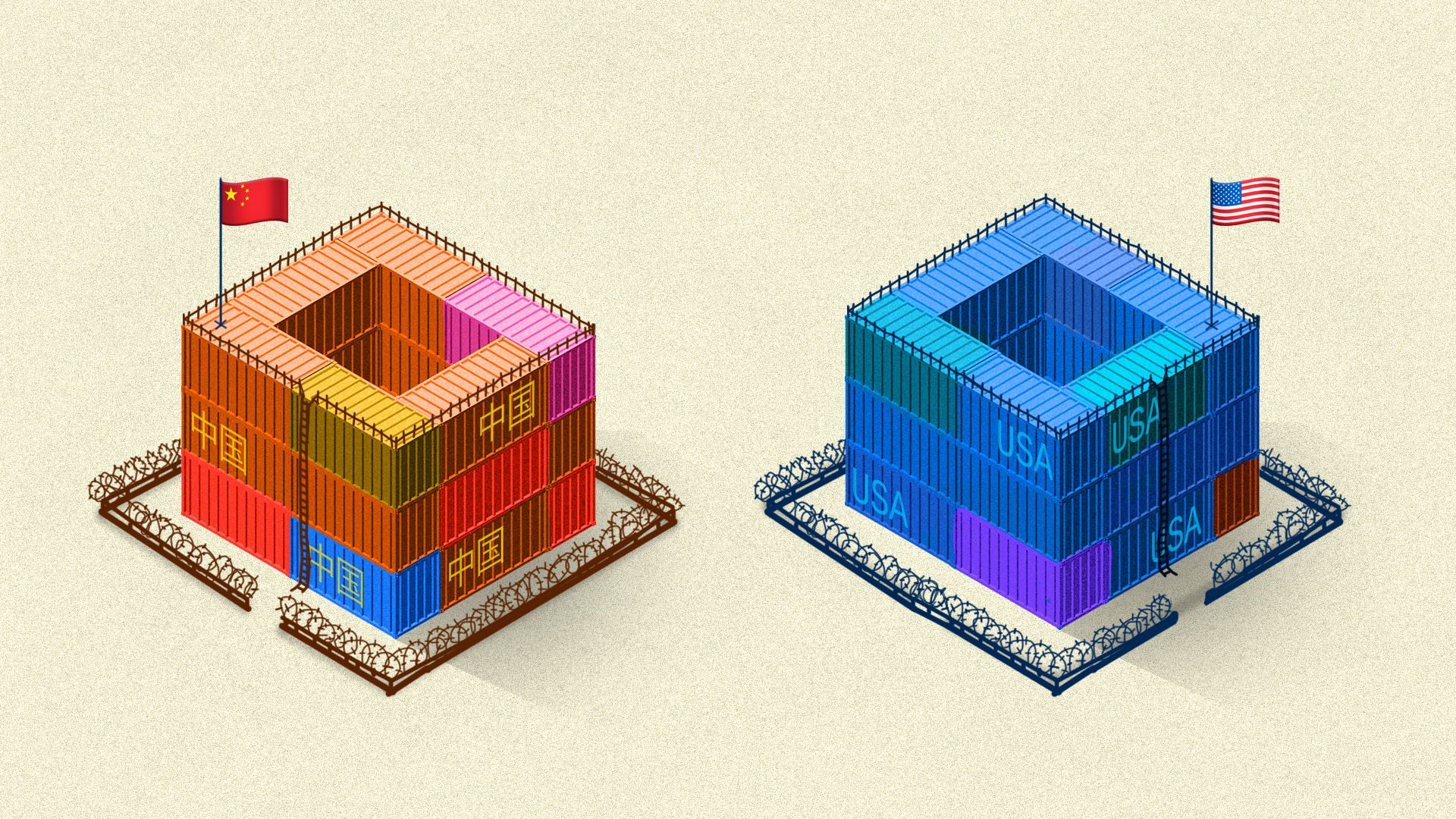
The U.S. could well have a new trade deal by tomorrow, and a trade war of staggering proportions by next week.
The big picture: President Trump has been fighting on three fronts — contentious NAFTA negotiations, tariffs on allies in Europe and Asia with the threat of more to come, and a multi-pronged standoff with Beijing. The China dispute pits the world’s two largest economies against one another, and has by far the greatest stakes for the global economy.
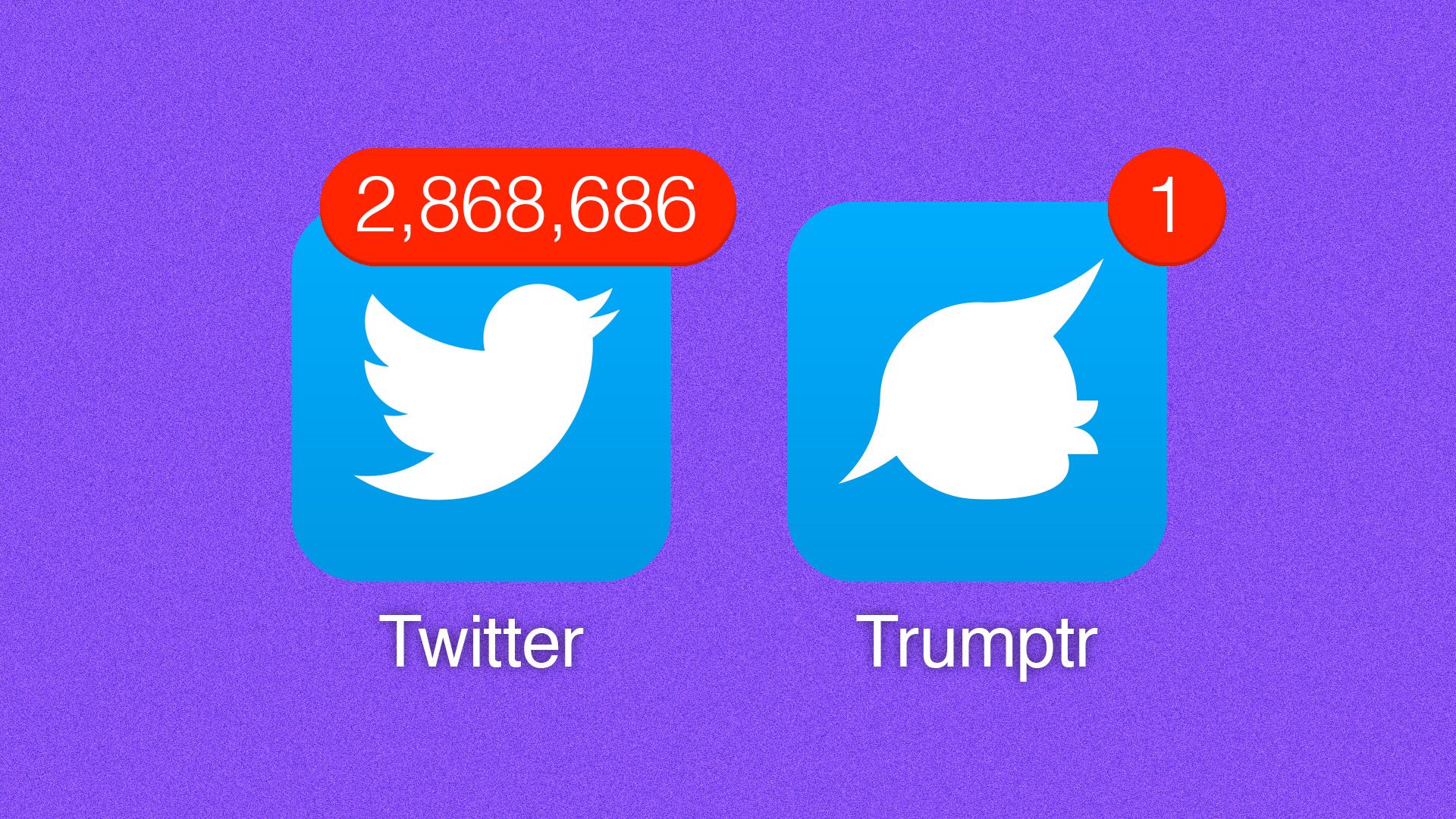
Twitter and Facebook CEOs Jack Dorsey and Mark Zuckerberg, in their wildest dreams, would love the Donald Trump Jr. notion of "one of the two Silicon Valley conservatives" would start up a conservative social network.
Don Jr. tweeted Thursday: "Heck, I’d even support an unbiased version of any of them. I’m not looking for an echo chamber, I’m just looking for a level playing field. No more bias! No more BS!" [Update]
The bottom line: You can't create a Fox News for social. Snap stock is flat because it's struggling to grow, with just 188 million daily active users. "Hannity," by contrast, the most-watched show on Fox News, attracts a mere 3 million viewers. For a conservative social network to succeed, it would need orders of magnitude more reach than Fox News. Which isn't going to happen.
The National Enquirer, the tabloid that has famously supported President Trump, is seeing a decrease in circulation, the Associated Press reports.
Why it matters: The tabloid explained its friendliness toward the president as a business decision — Trump sells — but the latest numbers show that this tactic may no longer be working. National Enquirer's parent company, American Media Inc., lost $72 million in the last fiscal year and has amassed $882 million in long-term debt.
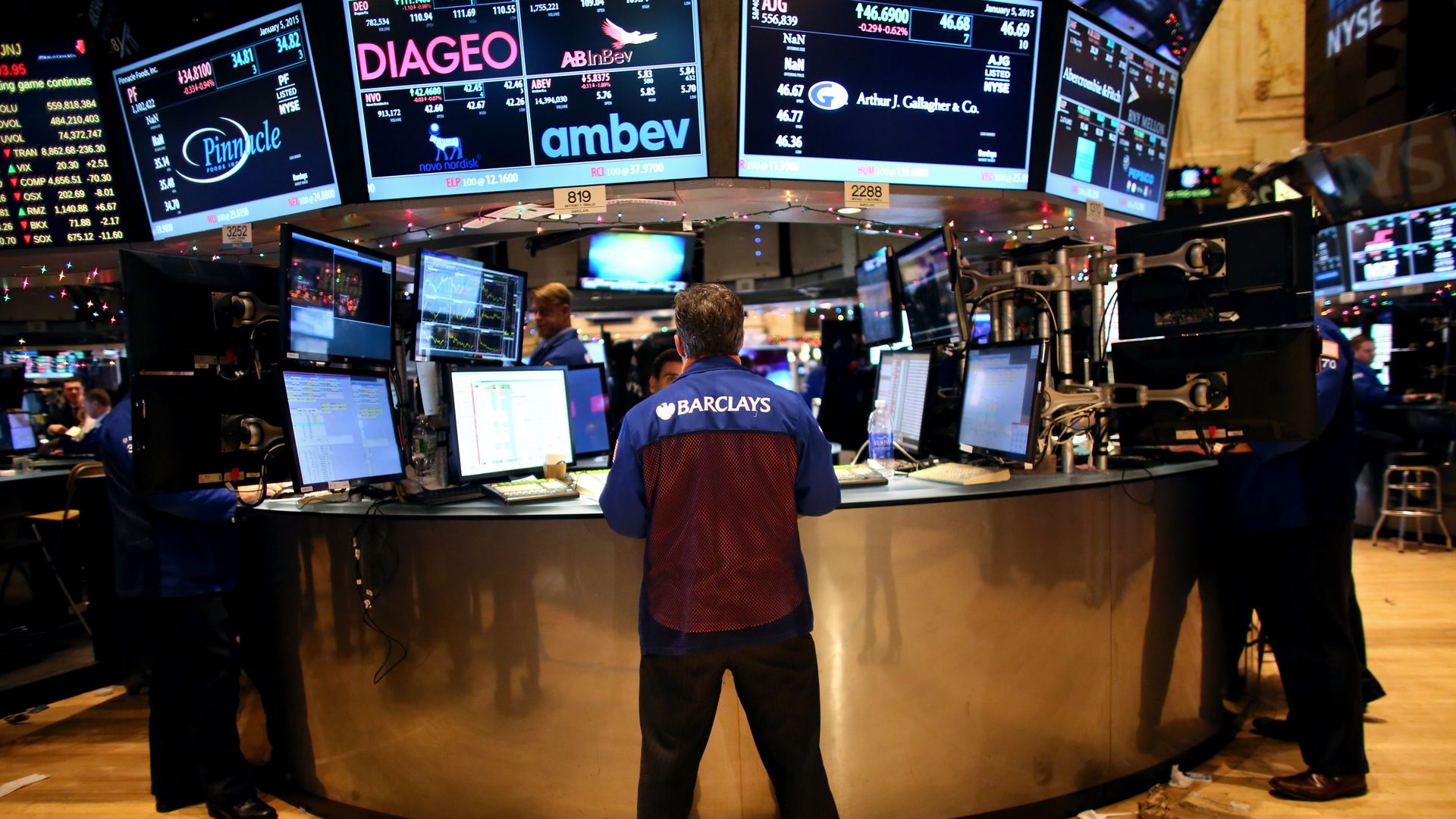
Stocks fell sharply on Thursday afternoon, following a Bloomberg report that President Trump will move forward with his plan for $200 billion worth of tariffs on Chinese goods, perhaps as soon as next week when the public comment period ends.
Why it matters: Stocks have had a relatively muted response to trade tensions, but this report — along with a looming deadline for the U.S. and Canada to strike an agreement — is giving investors anxiety.
Axios' Kim Hart hosted a conversation on the future of retail, discussing the innovation and security threats transforming the industry. She sat down with 25 topic-matter experts to dig into the trends shaping how we buy things and how these trends will impact consumers, businesses, and workers.
Why it mattered: Not only are we all consumers, but retail is also the largest single source of American jobs — meaning that changes in this industry impact the livelihoods of many.
Thanks for visiting Axios — sign up for our morning newsletter, Axios AM, to get the 10 biggest stories from the world's most wired reporter.
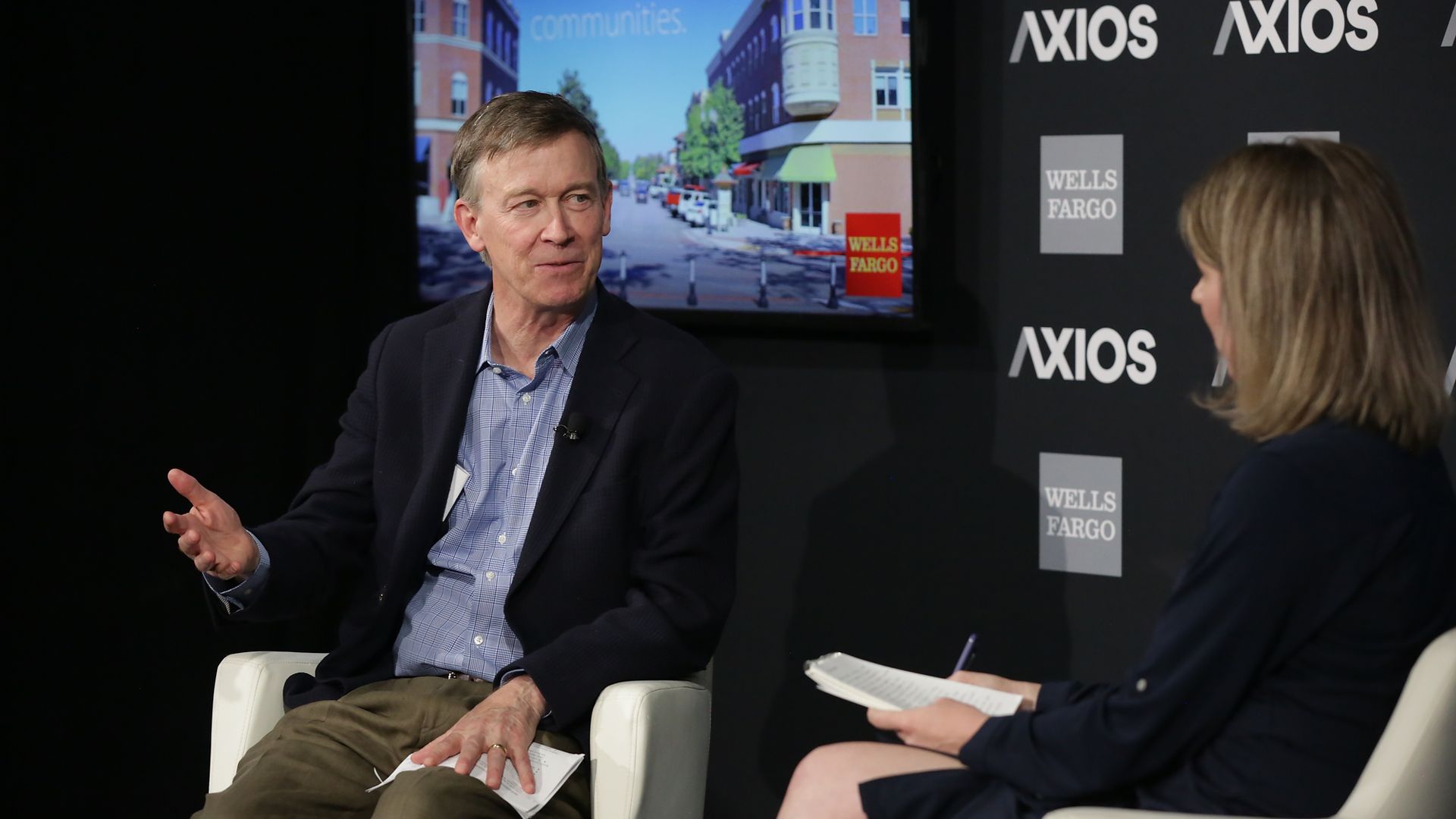
DENVER — Speakers at a recent Axios event, including Colorado Governor John Hickenlooper, all agreed that the state is importing too much of its talent from other states and needs to get better at building a home-grown, skilled workforce.
By the numbers: Colorado has a humming tech scene, a highly educated population, and an unemployment rate under 3% — a study from U.S. News and World Report ranks the state as the No. 1 economy in the nation. Yet, it ranks 46th in teacher pay (the $46,155 average salary is $7,000 shy of the national average) and 42nd in spending per student.
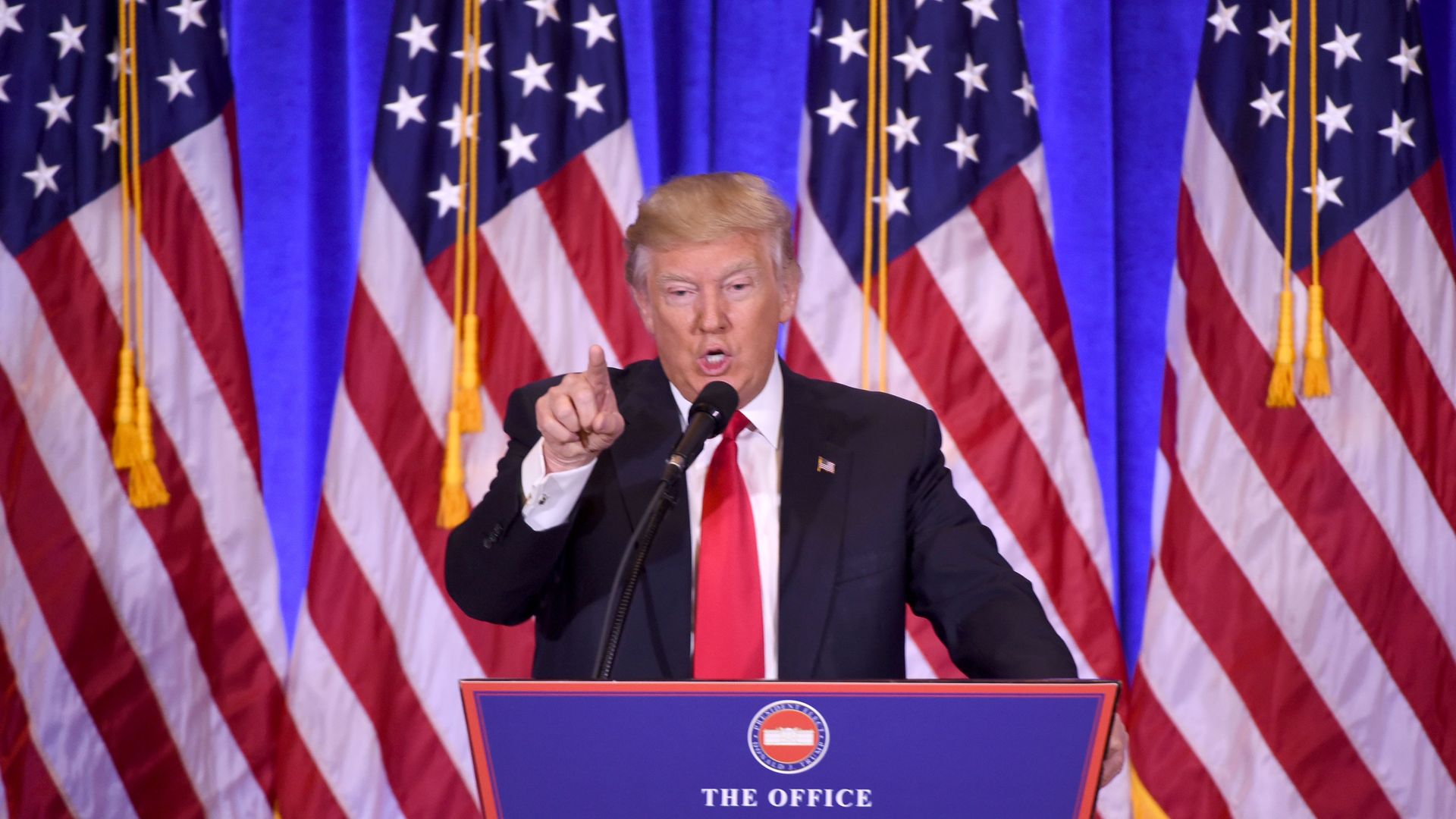
President Trump raged on Twitter Thursday morning against the "totally dishonest" media, lashing out at the heads of NBC and CNN, before turning his ire to "fake books."
The big picture: His tweetstorm comes after continued attacks on Google and other Big Tech giants for allegedly silencing conservative voices. For Trump, it's not just "Fake News" anymore — he's waging a war on fake everything.
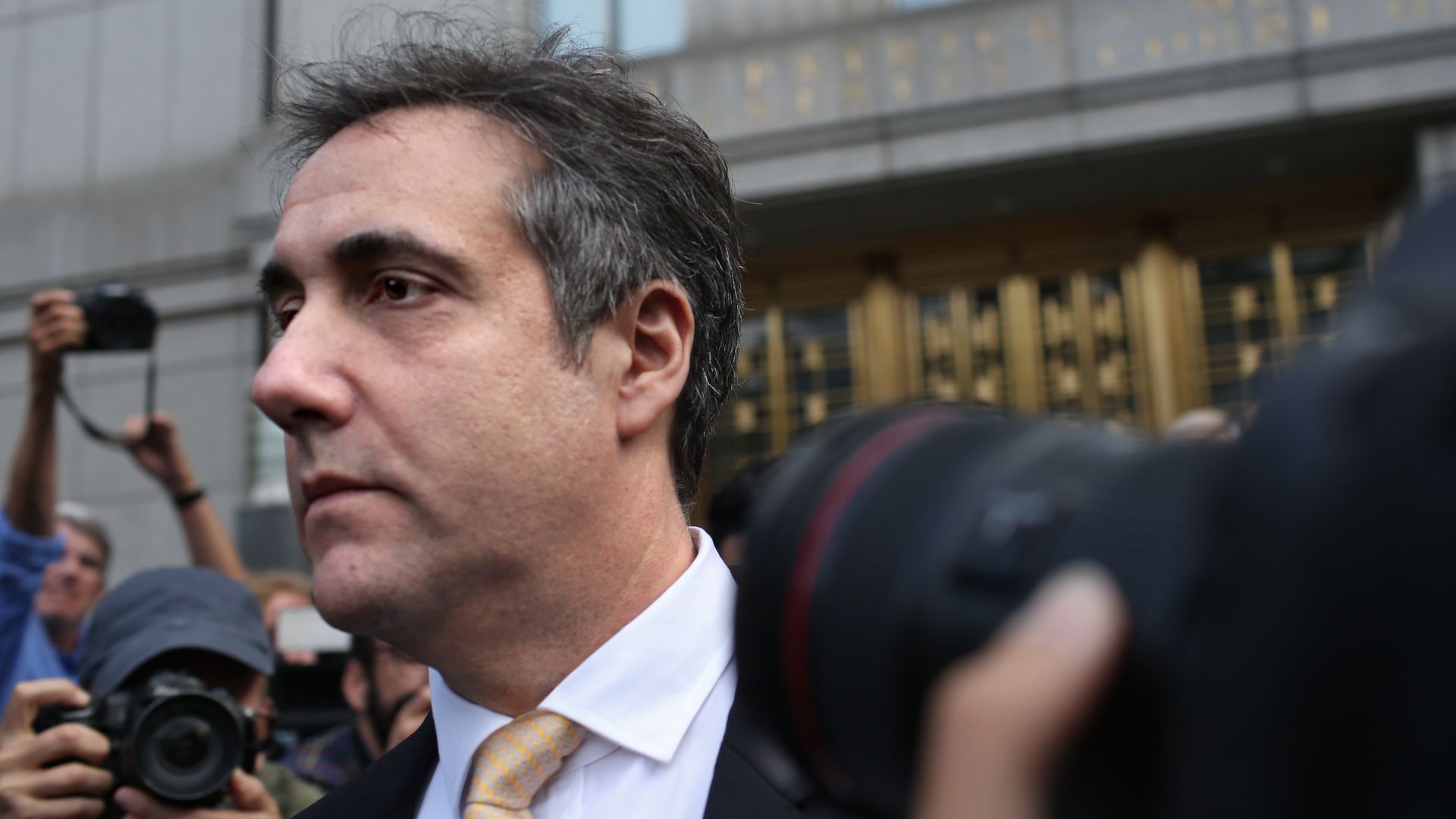
President Trump and his then-personal lawyer Michael Cohen had a plan in 2016 to buy all damaging information that the National Enquirer and its parent company American Media had collected on him back to the 1980s, reports The New York Times.
The big picture: David Pecker, American Media's chairman and a Trump ally, ordered his tabloid to stay away from sensitive allegations about Trump for two decades. Pecker, who reportedly kept a safe of documents related to these coverups, has been granted immunity by federal prosecutors, while Cohen has plead guilty to violating campaign finance law and implicated Trump as an unindicted co-conspirator.
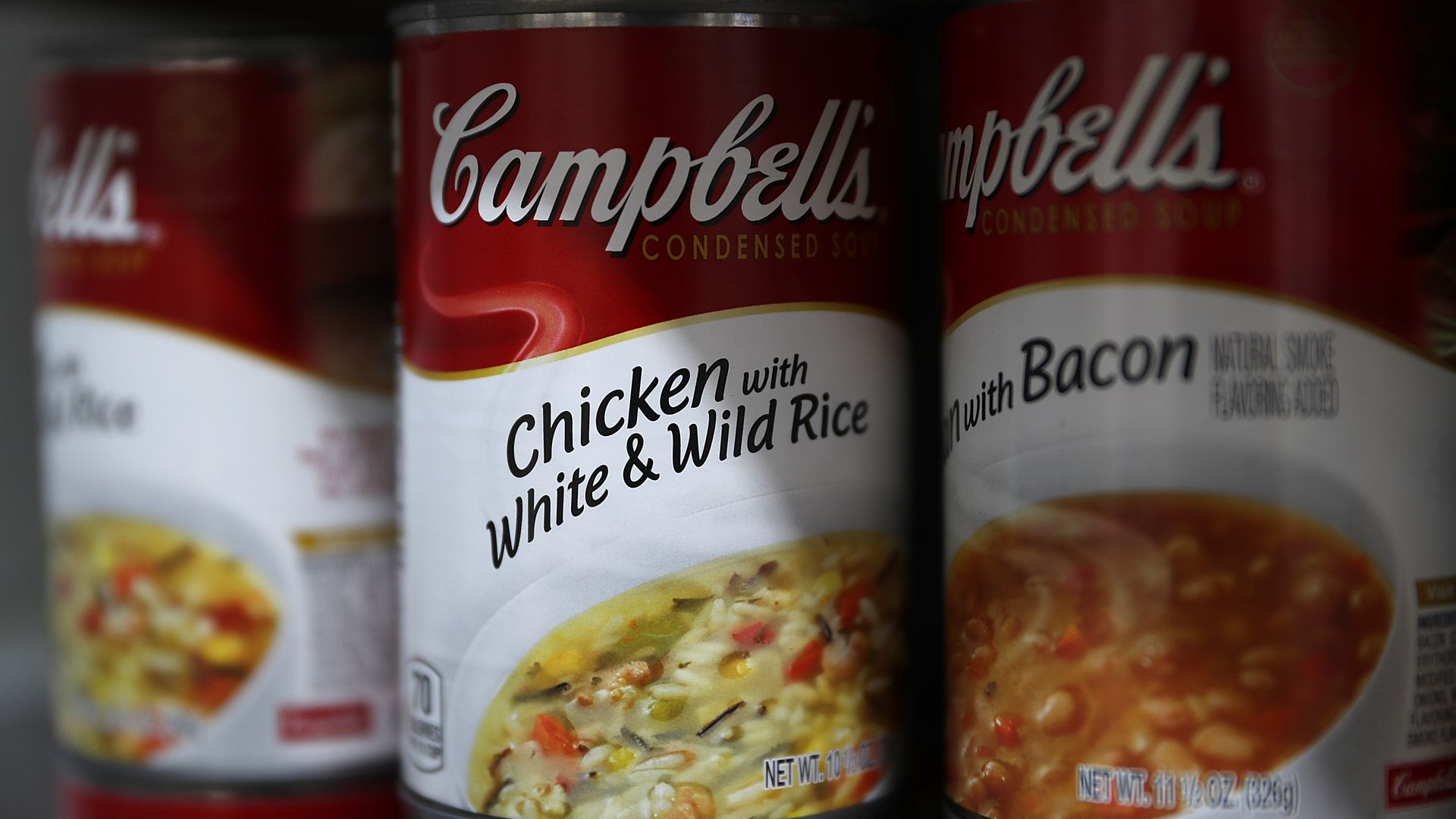
Campbell Soup Company will sell several brands, including two international units and its fresh-food business, in an effort to cut costs and focus on the North America market, the company announced on Thursday.
The big picture: The century-old soup company has had a rough year. Its packaged foods business has slumped, and CEO Denise Morrison abruptly stepped down after 15 years at the helm. Shares of Campbell fell in early trading Thursday — and, as the Wall Street Journal points out, selling select brands will likely not be enough to appease activist investor Dan Loeb, who has called for the company to sell itself.
CNN upped its defense against President Trump, arguing "CNN does not lie" after the president claimed the network was "caught in a major lie," and accused Pulitzer Prize-winning journalist Carl Bernstein, known for his Watergate reporting, of "making up" the story about Michael Cohen's willingness to talk to Robert Mueller regarding the Trump Tower meeting.
The big picture: It was later revealed that Michael Cohen's attorney Lanny Davis was an anonymous source in the story, and he eventually walked back his claims that Trump knew about the meeting before hand, according to his client. Axios' Sara Fisher notes it appears as is if CNN may have gotten played at least a little on this, and standing by their reporting so whole-heartedly is inviting a lot of criticism from the right.